Things to do in Cornwall stretch far beyond the beaches and cream teas that first come to mind. This Atlantic-facing county at the southwestern tip of England packs an extraordinary density of world-class attractions, outdoor adventures, cultural experiences, and hidden gems into its 1,376 square miles. Whether you are planning a week-long family holiday, a romantic couples’ retreat, or a solo adventure, this things to do in Cornwall guide will help you fill every day with memorable experiences.
Cornwall welcomes over five million visitors each year, yet much of the county remains refreshingly unspoiled. Beyond the famous headline attractions, you will find ancient fishing villages where time seems to stand still, windswept moorland dotted with prehistoric stone circles, subtropical gardens that bloom year-round thanks to the Gulf Stream, and a food scene that has earned Cornwall a place among Britain’s top culinary destinations. This comprehensive things to do in Cornwall guide covers every category of activity, from adrenaline-pumping water sports to peaceful garden strolls, and from world-famous landmarks to secret spots that only locals know.
What You’ll Find in This Guide
- Must-Visit Cornwall Attractions
- Beaches and Coastline Adventures
- Outdoor Activities and Adventures
- Food, Drink, and Culinary Experiences
- Arts, Culture, and Heritage
- Gardens and Nature
- Family-Friendly Activities
- Hidden Gems and Off the Beaten Path
- Rainy Day Activities
- Seasonal Guide to Things to Do
- Planning Tips and Practical Advice
Must-Visit Cornwall Attractions
Cornwall’s headline attractions are famous for good reason. These are the experiences that draw visitors from around the world and that no trip to Cornwall would be complete without. Each one offers something genuinely unique that you will not find anywhere else in Britain.
The Eden Project
The Eden Project is one of the top things to do in Cornwall and one of the most visited attractions in the entire South West. Built inside a former clay quarry near St Austell, its two enormous biomes house the world’s largest indoor rainforest and a Mediterranean environment complete with olive groves, citrus trees, and grapevines. The Rainforest Biome reaches temperatures of 35°C and humidity levels of 90%, creating a genuinely tropical experience complete with waterfalls, canopy walkways, and exotic plants from every continent.
Beyond the biomes, the outdoor gardens showcase temperate plants from Cornwall and similar climates worldwide, and the site hosts year-round events including the Eden Sessions — a summer concert series that has welcomed acts ranging from major international artists to emerging talent. The Eden Project also houses excellent restaurants, educational exhibits on sustainability, and the longest zip wire in England, spanning 660 metres across the crater. Allow at least half a day for a visit, and book online in advance to save up to 10% on admission.
St Michael’s Mount
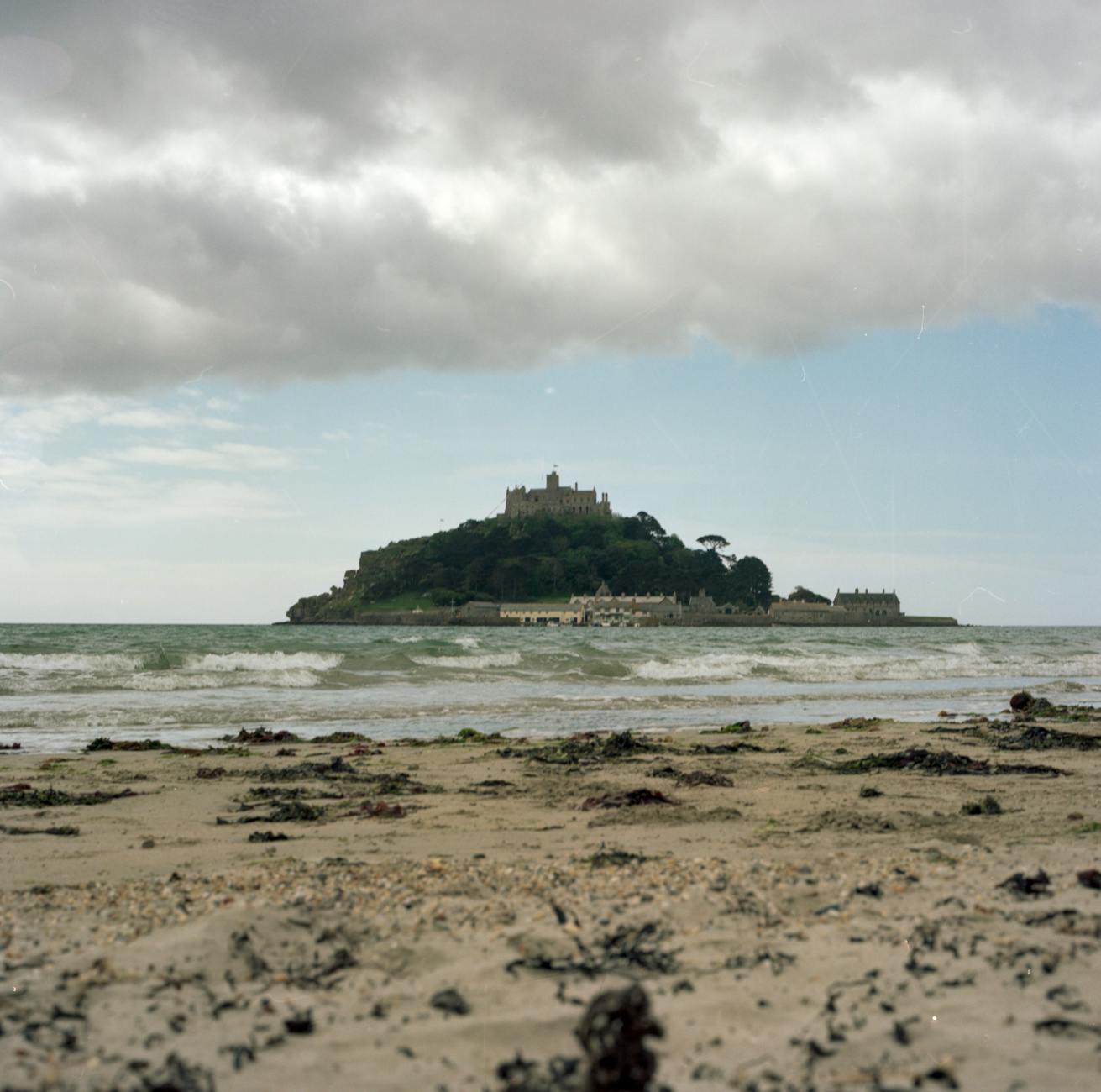
St Michael’s Mount is arguably Cornwall’s most iconic landmark — a tidal island crowned by a medieval castle and subtropical gardens, rising from the waters of Mount’s Bay near Marazion. At low tide, visitors walk across the ancient granite causeway that connects the island to the mainland. At high tide, the island is accessible by boat, adding to the sense of adventure. The castle has been home to the St Aubyn family since 1659 and houses an extraordinary collection of armoury, paintings, and historical artefacts spanning centuries.
The terraced gardens that cascade down the island’s southern slopes are among the most remarkable in Cornwall. Sheltered from north winds and warmed by the Gulf Stream, they support exotic plants that would struggle to survive elsewhere in Britain, including agaves, aloes, and South African proteas. St Michael’s Mount is managed by the National Trust, and booking timed entry tickets in advance is strongly recommended during summer months. The walk across the causeway at low tide is an experience in itself, and the views from the castle battlements across Mount’s Bay are breathtaking.
The Minack Theatre
Carved into the granite cliffs above Porthcurno beach, the Minack Theatre is one of the most spectacular open-air theatres in the world. Created in the 1930s by Rowena Cade, who began by staging a production of The Tempest in her clifftop garden, the theatre has grown into a professionally equipped venue seating 750 spectators against a backdrop of the Atlantic Ocean. Performances run from Easter to September and include Shakespeare, musicals, comedy, and opera — all enhanced by the dramatic setting of sea, sky, and the occasional passing dolphin.
Even outside performance season, the Minack is worth visiting for its remarkable exhibition centre telling Rowena Cade’s extraordinary story, and for the subtropical gardens that she also created along the cliff face. Arrive early for evening performances to claim the best seats and watch the sunset over the sea before the show begins. The Minack regularly features on lists of the world’s most beautiful theatres, and experiencing a performance here is one of the most unforgettable things to do in Cornwall.
Tintagel Castle
Perched on a dramatic headland on Cornwall’s wild north coast, Tintagel Castle is steeped in Arthurian legend. The medieval ruins, managed by English Heritage, sit atop cliffs that plunge into the churning Atlantic, connected to the mainland by a striking modern bridge that opened in 2019. The castle dates to the 13th century, but archaeological excavations have revealed evidence of a high-status settlement from the 5th and 6th centuries — the period associated with the legendary King Arthur.
The visitor experience includes the castle ruins, Merlin’s Cave (accessible at low tide from the beach below), and the spectacular clifftop walk with views stretching along the north Cornwall coast. The village of Tintagel itself has a charming medieval Old Post Office (a 14th-century manor house maintained by the National Trust) and several cafés and shops. Tintagel is one of the most atmospheric historical sites in Britain and a must-do for anyone interested in Cornwall’s ancient past.
The Lost Gardens of Heligan
The Lost Gardens of Heligan, near Mevagissey, are one of the most romantic and atmospheric things to do in Cornwall. These 200-acre gardens were the magnificent pleasure grounds of the Tremayne estate until the First World War, when the gardening staff left to fight and the gardens were abandoned to decades of neglect. Their dramatic rediscovery in 1990 by Tim Smit (who later created the Eden Project) and their painstaking restoration became one of Europe’s greatest garden restoration stories.
Today, Heligan offers an extraordinary diversity of environments: the productive gardens with their restored Victorian pineapple pit and melon yard, the pleasure grounds with their Italian Garden and crystal grotto, the Jungle — a subtropical valley garden filled with giant rhubarb, tree ferns, and bamboo — and the Lost Valley, a wildlife project restoring native woodland. The famous Mud Maid and Giant’s Head sculptures, covered in living plants, are among the most photographed features. Heligan is a full-day attraction and one of the most rewarding gardens in Britain.
Beaches and Coastline Adventures
Cornwall boasts over 400 beaches along more than 400 miles of coastline, ranging from vast golden surf beaches to tiny hidden coves accessible only by cliff path. The beaches are among the most important things to do in Cornwall for most visitors, and the variety means there is a perfect beach for every mood and activity.
Best Beaches for Surfing
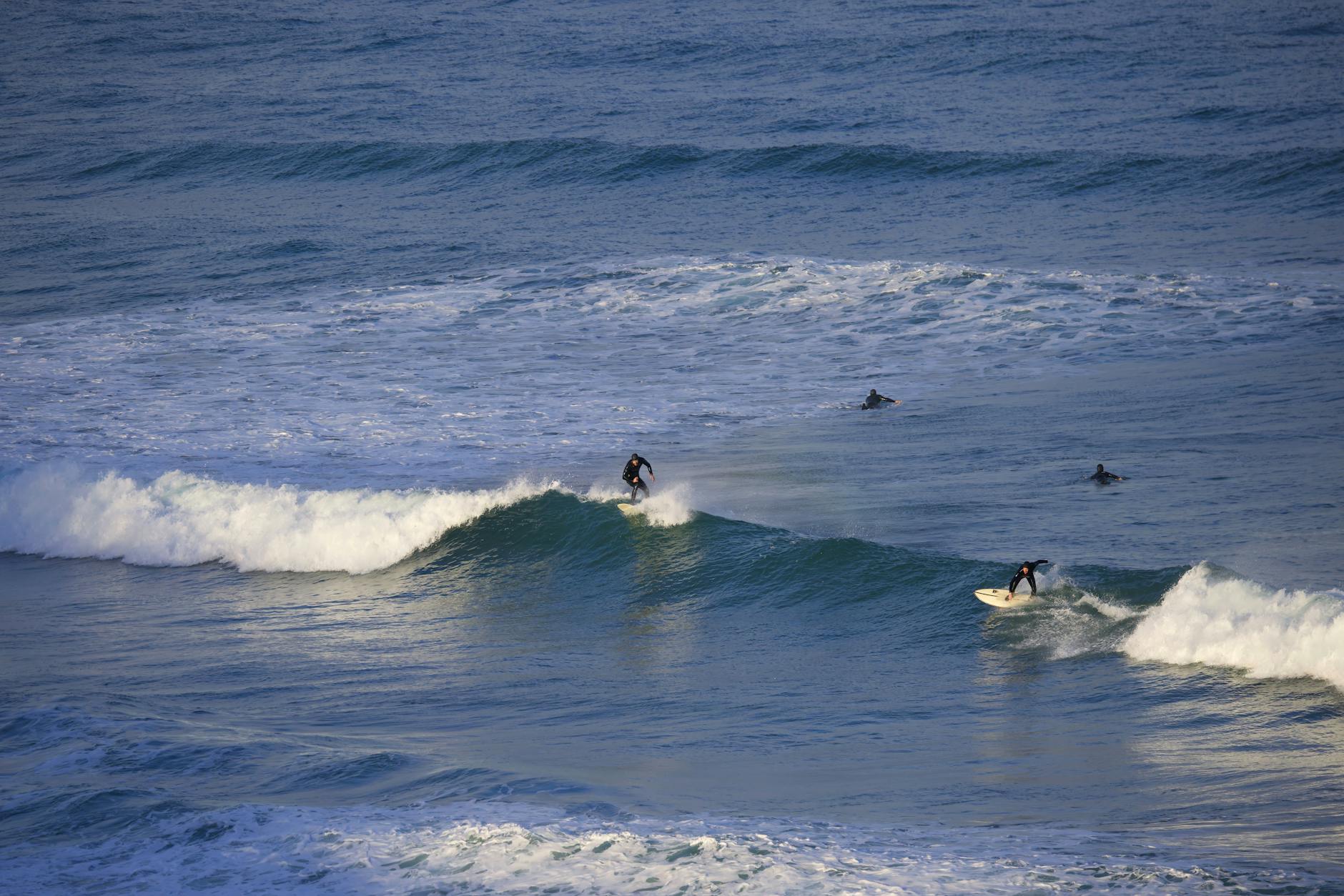
Cornwall is the undisputed surfing capital of England, and its north coast receives some of the best Atlantic swells in Europe. Fistral Beach in Newquay is the most famous surf beach in the UK, hosting national and international competitions throughout the year. Its consistent reef breaks produce quality waves suitable for experienced surfers, while the beach breaks at nearby Watergate Bay offer gentler conditions for beginners. Surf schools operate on nearly every major beach, with two-hour beginner lessons typically costing £30-£40 per person including wetsuit and board hire.
Beyond Fistral, Cornwall’s surf beaches include Polzeath (ideal for families learning to surf), Gwithian and Godrevy (long sandy stretches with reliable waves), Sennen Cove (dramatic scenery near Land’s End), and Bude (less crowded than Newquay with excellent breaks at Summerleaze and Crooklets). The surfing season runs year-round, with summer offering smaller, warmer waves for beginners and winter delivering powerful swells that attract experienced riders. Wetsuits are essential even in summer — sea temperatures peak at around 17°C in August.
Best Beaches for Families
Cornwall’s family-friendly beaches combine safe swimming, soft sand, and easy access with facilities like lifeguards, toilets, and nearby cafés. Harlyn Bay near Padstow is sheltered from prevailing winds and has gentle waves, making it one of the safest for young children. Porthminster Beach in St Ives offers calm, clear water, golden sand, and an award-winning beachside café. Gylly Beach in Falmouth is a Blue Flag beach with a popular beachfront restaurant and reliable calm conditions.
Other excellent family beaches include Praa Sands (a long, gently shelving beach between Helston and Penzance), Readymoney Cove near Fowey (a small sheltered cove with a sandy bottom), and Par Beach (a quiet sandy beach near the Eden Project). Most Cornwall beaches have RNLI lifeguards from May to September — always swim between the red and yellow flags for the safest conditions.
Hidden Coves and Secret Beaches
Cornwall’s most magical beaches are often the ones you have to work a little harder to reach. Kynance Cove on the Lizard Peninsula is widely regarded as the most beautiful beach in Cornwall, with its serpentine rock stacks, turquoise water, and caves to explore at low tide. It requires a steep walk down from the car park, which keeps it less crowded than more accessible beaches. Porthcurno, directly below the Minack Theatre, has white sand and emerald water that looks more Caribbean than Cornish.
Pedn Vounder, reached by a steep and scrambling path from the coastal road near Treen, reveals a stunning sandbar at low tide that creates a shallow lagoon of crystal-clear water. Portheras Cove near Pendeen is genuinely off the beaten track and rarely crowded even in high summer. Lansallos Beach, on the south coast between Polperro and Polruan, requires a 20-minute walk through woodland and fields but rewards with a pristine pebbly cove backed by dramatic cliffs. Discovering Cornwall’s hidden beaches is one of the great joys of exploring the county.
Outdoor Activities and Adventures
Cornwall’s dramatic landscape makes it one of the best places in Britain for outdoor adventures. The combination of rugged coastline, open moorland, and mild climate creates ideal conditions for a huge range of activities, from gentle coastal strolls to heart-pounding adrenaline experiences.
Walking the South West Coast Path
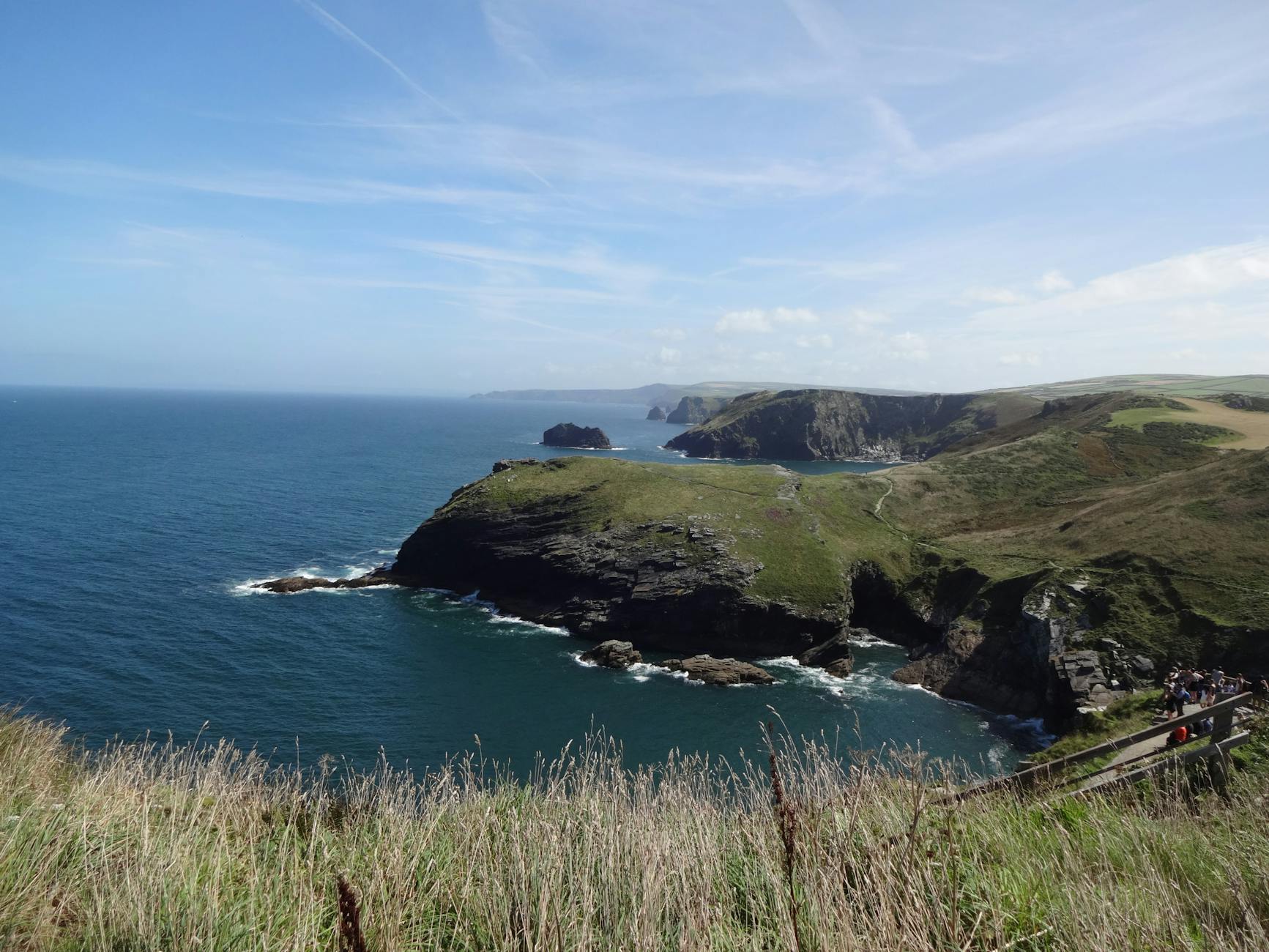
The South West Coast Path is England’s longest National Trail, and its 300 miles through Cornwall represent some of the finest coastal walking in Europe. You do not need to be a serious hiker to enjoy it — many of the best sections are accessible as day walks or even shorter strolls. The path hugs the clifftops throughout, offering constantly changing views of the sea, passing through tiny fishing villages, over dramatic headlands, and down into sheltered coves.
Popular day walks include the stretch from St Ives to Zennor (about 6 miles of wild, beautiful coastline with a pub at each end), Polzeath to Port Isaac (7 miles through the scenery used in the TV series Doc Martin), the Lizard circular walk (a stunning loop around Britain’s most southerly point), and Boscastle to Tintagel (about 5 miles of dramatic north coast scenery). Coastal walking is free, endlessly varied, and one of the most rewarding things to do in Cornwall at any time of year. Wear sturdy boots, carry water, and check the weather forecast before setting out.
Coasteering
Coasteering — a combination of cliff scrambling, rock jumping, cave exploration, and open-water swimming — was popularised in Cornwall and remains one of the most thrilling adventure activities on offer. Led by qualified guides, coasteering sessions typically last two to three hours and take you along sections of coastline that are inaccessible by any other means. You will climb over wave-washed rocks, leap from ledges into deep pools, swim through sea caves, and experience the raw power of the Atlantic coast from water level.
No previous experience is necessary — guides adapt the route to suit all abilities, and wetsuits, helmets, and buoyancy aids are provided. Sessions are available from several operators across Cornwall, with popular locations including Praa Sands, the Lizard, and the north coast near Newquay. Prices typically range from £40-£55 per person. Coasteering is suitable for ages 8 and up and is one of the most memorable and exhilarating things to do in Cornwall for anyone who enjoys being active outdoors.
Cycling the Camel Trail
The Camel Trail is Cornwall’s most popular cycling route — a flat, traffic-free path that follows the River Camel for 18 miles from Padstow through Wadebridge to Bodmin. The trail runs along a former railway line, making it almost entirely flat and suitable for all ages and fitness levels, including young children and wheelchair users. The section from Padstow to Wadebridge (about 5 miles) is the most scenic, passing through the beautiful Camel Estuary with its wading birds, mudflats, and woodland.
Bike hire is available in Padstow, Wadebridge, and Bodmin, with prices from around £15-£20 per day for an adult bike. E-bikes are increasingly popular for those who want to cover more ground with less effort. The trail connects two of Cornwall’s most appealing towns — start in Padstow for its harbourside restaurants and Rick Stein’s famous seafood empire, and break the journey in Wadebridge for a pub lunch. The Camel Trail is one of the best free things to do in Cornwall and a perfect activity for a family day out.
Sea Kayaking and Paddleboarding
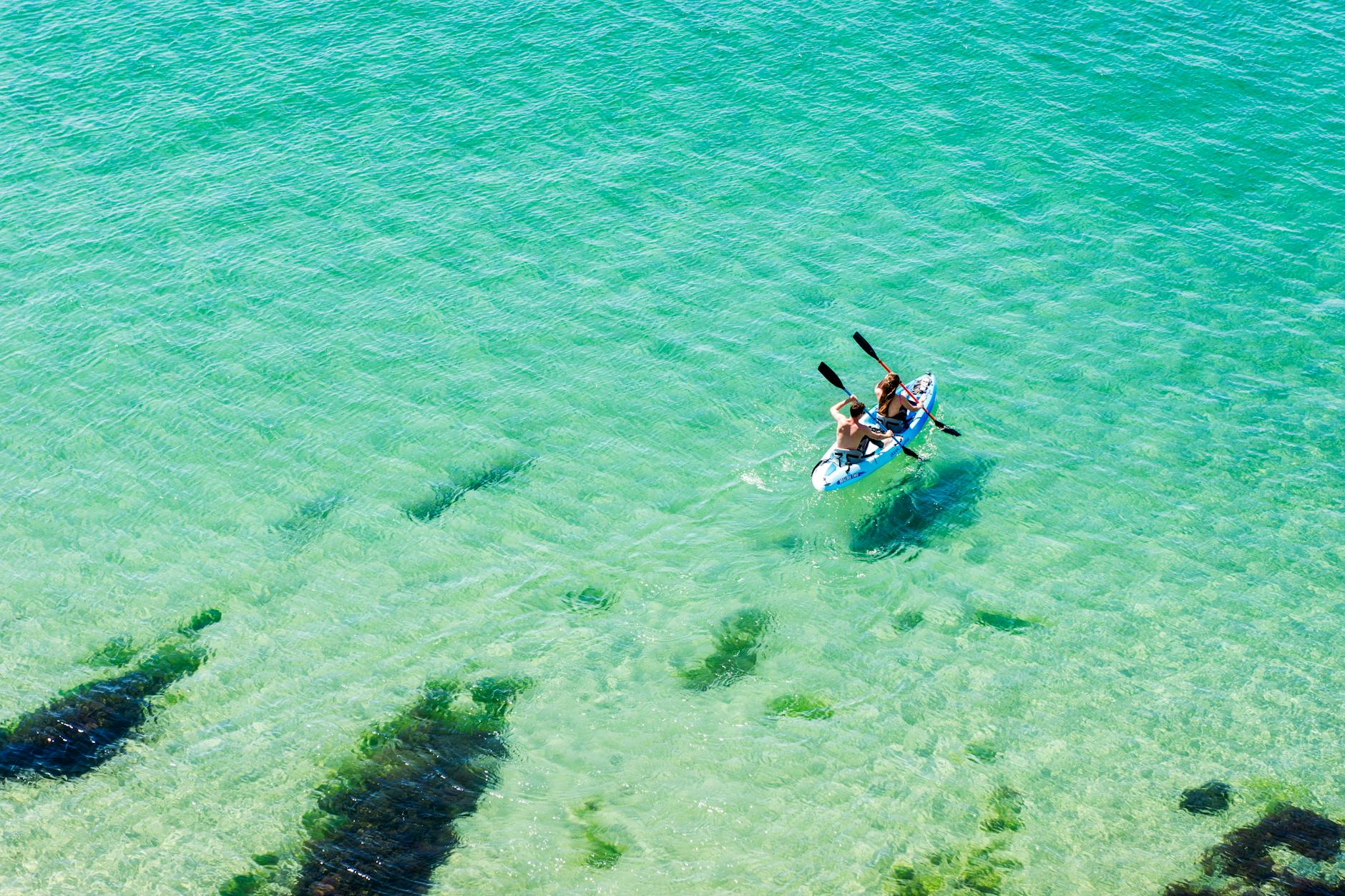
Cornwall’s calm coves and clear waters make it one of the best places in Britain for sea kayaking and stand-up paddleboarding. Guided sea kayak tours take you along the coastline to explore sea caves, rock arches, and secluded beaches that are impossible to reach on foot. The Helford River, Fowey Estuary, and Falmouth Bay are particularly popular for sheltered paddling, while more experienced kayakers can tackle the open water around the Lizard and Land’s End.
Stand-up paddleboarding (SUP) has exploded in popularity in Cornwall, with hire available on most major beaches. The calm waters of the Gannel Estuary near Newquay, Restronguet Creek near Falmouth, and the sheltered bays around St Mawes are ideal for beginners. Lessons typically cost £30-£40 for a two-hour session, and many operators offer sunrise or sunset SUP experiences — paddling as the sun rises or sets over the Cornish coast is a genuinely magical experience.
Food, Drink, and Culinary Experiences
Cornwall has undergone a culinary revolution over the past two decades and now stands as one of Britain’s most exciting food destinations. From Michelin-starred restaurants to humble pasty shops, the county’s food scene is one of the essential things to do in Cornwall for visitors who appreciate quality eating and drinking.
The Cornish Pasty
No visit to Cornwall is complete without sampling the county’s most famous export. The Cornish pasty has Protected Geographical Indication status — meaning a genuine Cornish pasty must be made in Cornwall to specific criteria. The best pasties use chunk steak (never mince), potato, swede, and onion, seasoned simply with salt and pepper, and encased in a golden pastry crimped along the side. Every visitor develops their own favourite pasty maker, but widely respected producers include Philps (based in Hayle with outlets across Cornwall), Ann’s Pasties (Lizard), and Chough Bakery (Padstow).
Eat your pasty the traditional way — held in your hand, ideally while sitting on a harbour wall or beach. A traditional pasty costs around £4-£6 and makes an excellent lunch. Specialist pasty bakeries also offer creative variations including lamb and mint, cheese and onion, and vegetarian options, though purists insist that the original steak and potato recipe remains unbeatable.
Cornish Cream Tea
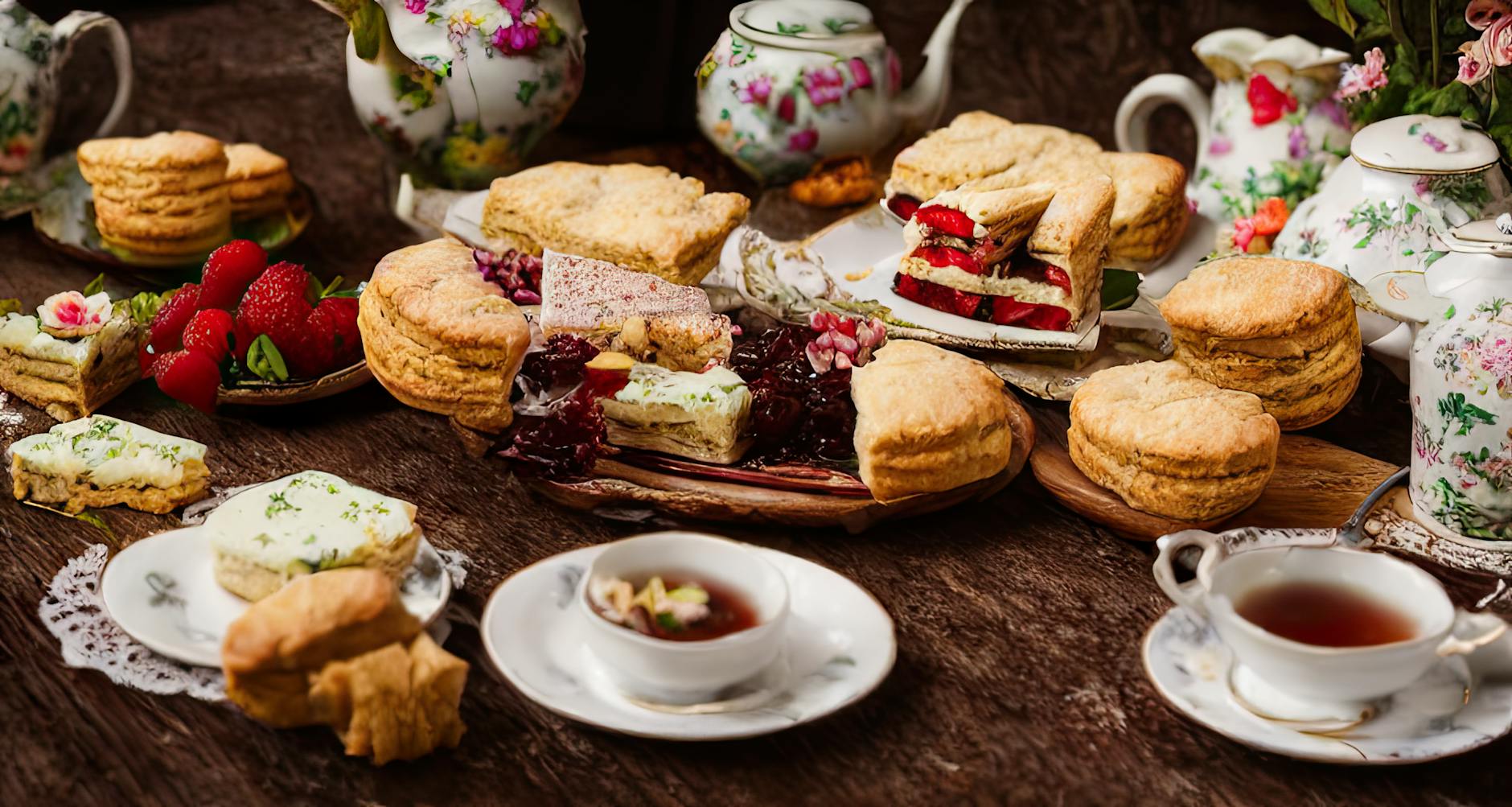
The Cornish cream tea is a sacred ritual, and there is an important rule that distinguishes it from its Devon rival: in Cornwall, the jam goes on the scone first, followed by a generous dollop of Cornish clotted cream. Devonians do it the other way round, and the debate has raged for centuries. The cream must be clotted cream — that thick, golden, slightly crusty delicacy that is one of Cornwall’s finest dairy products — and the scones should be freshly baked, warm, and slightly crumbly.
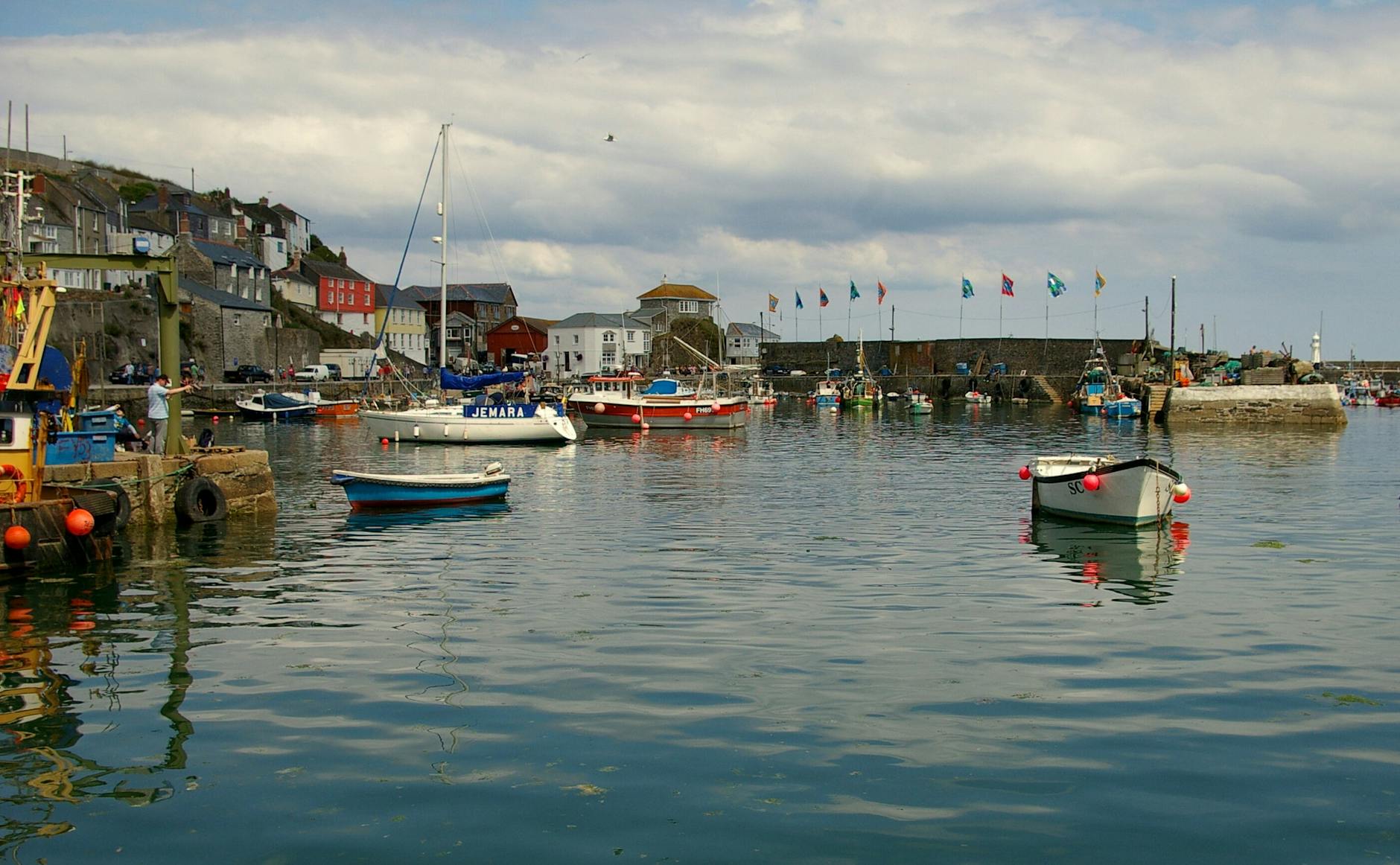
Cream teas are served at tearooms, cafés, and gardens throughout Cornwall, typically costing £6-£10 per person. Some of the most atmospheric settings include the Tregothnan Estate (Cornwall’s only tea plantation, which grows and serves its own tea), the cafés at the Lost Gardens of Heligan and Trebah Garden, and the many harbourside tearooms in St Ives, Padstow, and Mousehole. Enjoying a cream tea with a sea view is one of the quintessential things to do in Cornwall.
Fine Dining and Seafood
Cornwall’s fine dining scene is anchored by several celebrity chefs who have made the county their home. Rick Stein’s Padstow empire includes The Seafood Restaurant (serving fresh fish and shellfish for over 40 years), St Petroc’s Bistro, Stein’s Fish and Chips, and several other venues. Nathan Outlaw’s restaurants in Port Isaac have held Michelin stars, while Paul Ainsworth’s No. 6 in Padstow holds a Michelin star and offers some of the most creative cooking in the South West.
Beyond the headline names, Cornwall is packed with excellent independent restaurants serving fresh local seafood. The Ferryboat Inn at Helford Passage, Halsetown Inn near St Ives, the Plume of Feathers at Mitchell, and The Shore in Penzance all showcase the best of Cornwall’s produce. For the freshest possible seafood, visit Newlyn — Cornwall’s largest fishing port — where the morning’s catch is landed daily and sold at restaurants, fishmongers, and the Newlyn Fish Festival each August.
Brewery and Distillery Tours
Cornwall’s craft drinks scene has grown rapidly, and brewery and distillery tours make excellent things to do in Cornwall, especially on a rainy day. Skinner’s Brewery in Truro offers tours with tastings of their award-winning ales including Betty Stogs and Lushingtons. Sharp’s Brewery in Rock — home of Doom Bar — welcomes visitors for tours showing the full brewing process. Padstow Brewing Company and Harbour Brewing Company are among the many smaller craft breweries worth seeking out.
On the spirits side, Tarquin’s Gin distillery near Padstow produces award-winning Cornish gin and offers guided tours and tastings. Colwith Farm Distillery, Cornwall’s only ‘plough to bottle’ operation, offers gin schools and masterclasses where you can blend your own gin. Camel Valley Vineyard near Bodmin produces sparkling wines that have won international awards and holds a Royal Warrant — their vineyard tours include tastings in a beautiful rural setting. The wine and spirits trail across Cornwall continues to expand, with new producers opening regularly.
Arts, Culture, and Heritage
Cornwall has inspired artists, writers, and musicians for centuries. The extraordinary quality of light, the dramatic landscape, and the county’s rich cultural heritage make arts and culture among the most rewarding things to do in Cornwall.
Galleries and Art
The Tate St Ives is the jewel of Cornwall’s art scene, housing a collection of modern and contemporary art in a stunning building that frames the Atlantic through its windows. The gallery celebrates St Ives’ remarkable artistic heritage — from the 1920s onwards, the town attracted artists including Barbara Hepworth, Ben Nicholson, Naum Gabo, and Patrick Heron, drawn by the exceptional light and landscape. The Barbara Hepworth Museum and Sculpture Garden, just a short walk from the Tate, preserves the artist’s studio exactly as she left it, surrounded by her sculptures in a tropical garden.
Beyond St Ives, Cornwall is filled with independent galleries, open studios, and artistic spaces. Newlyn is home to Newlyn Art Gallery and The Exchange, Falmouth has its own art gallery and the degree shows from Falmouth University’s prestigious art school, and throughout the county you will find artists’ studios that welcome visitors. The annual Cornwall Open Studios event, usually held in spring and autumn, lets you visit working artists in their own spaces across the county.
Mining Heritage
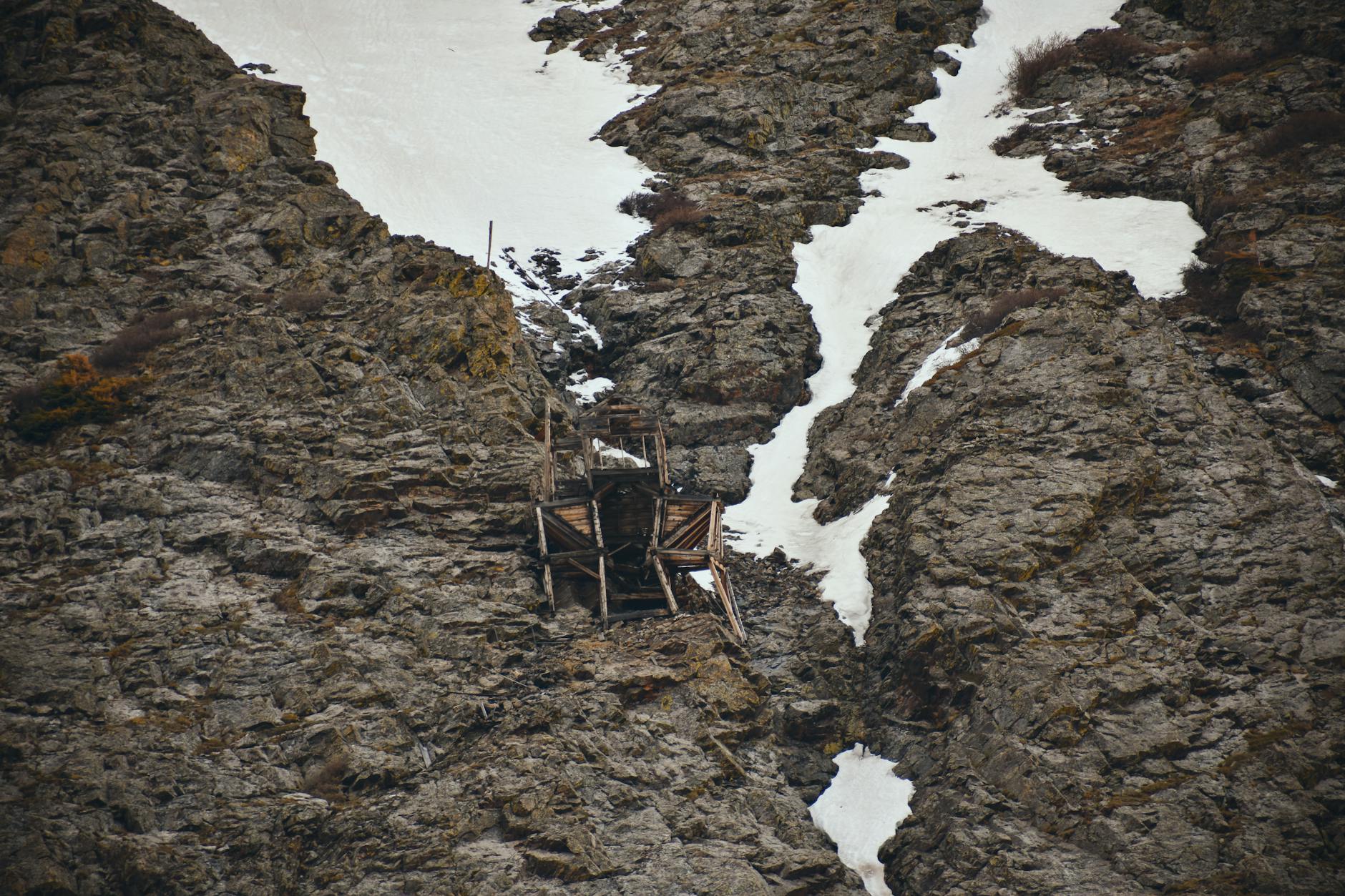
Cornwall’s mining heritage is recognised as a UNESCO World Heritage Site, reflecting the county’s pivotal role in the global mining industry from the 18th to early 20th centuries. The dramatic ruins of engine houses perched on clifftops — most famously at Botallack and Levant on the north coast — are among the most iconic images of Cornwall and powerful reminders of the industry that once employed tens of thousands of Cornish men, women, and children.
Geevor Tin Mine near Pendeen is the largest preserved mine site in the country, offering underground tours through authentic mine tunnels, a comprehensive museum, and hands-on exhibits that bring the mining story vividly to life. The Levant Mine and Beam Engine, maintained by the National Trust, houses a working 1840 steam engine — the oldest surviving beam engine in Cornwall still operating in its original engine house. King Edward Mine near Camborne offers a more intimate mining museum experience. Exploring Cornwall’s mining heritage provides fascinating insight into the industry that shaped the county’s identity, landscape, and communities.
Theatre and Performance
Cornwall’s performance scene extends well beyond the Minack Theatre. The Hall for Cornwall in Truro is the county’s major indoor venue, hosting touring productions, comedy, music, and dance throughout the year. Kneehigh Theatre, founded in Cornwall, is an internationally acclaimed company known for inventive adaptations that blend storytelling, live music, and visual spectacle. Their productions often premiere at their outdoor barn venue, The Asylum, near Truro during summer.
Open-air theatre is particularly special in Cornwall. Several companies perform Shakespeare and other works in the grounds of historic houses and gardens during summer months. The Miracle Theatre Company tours outdoor venues across the county from May to September, performing in gardens, cliff-top arenas and woodland clearings. For live music, Cornwall’s festival calendar is packed — from the Celtic-inspired Tunes in the Dunes at Perranporth to the Falmouth International Sea Shanty Festival, which fills the harbour town with maritime songs and celebration.
Gardens and Nature
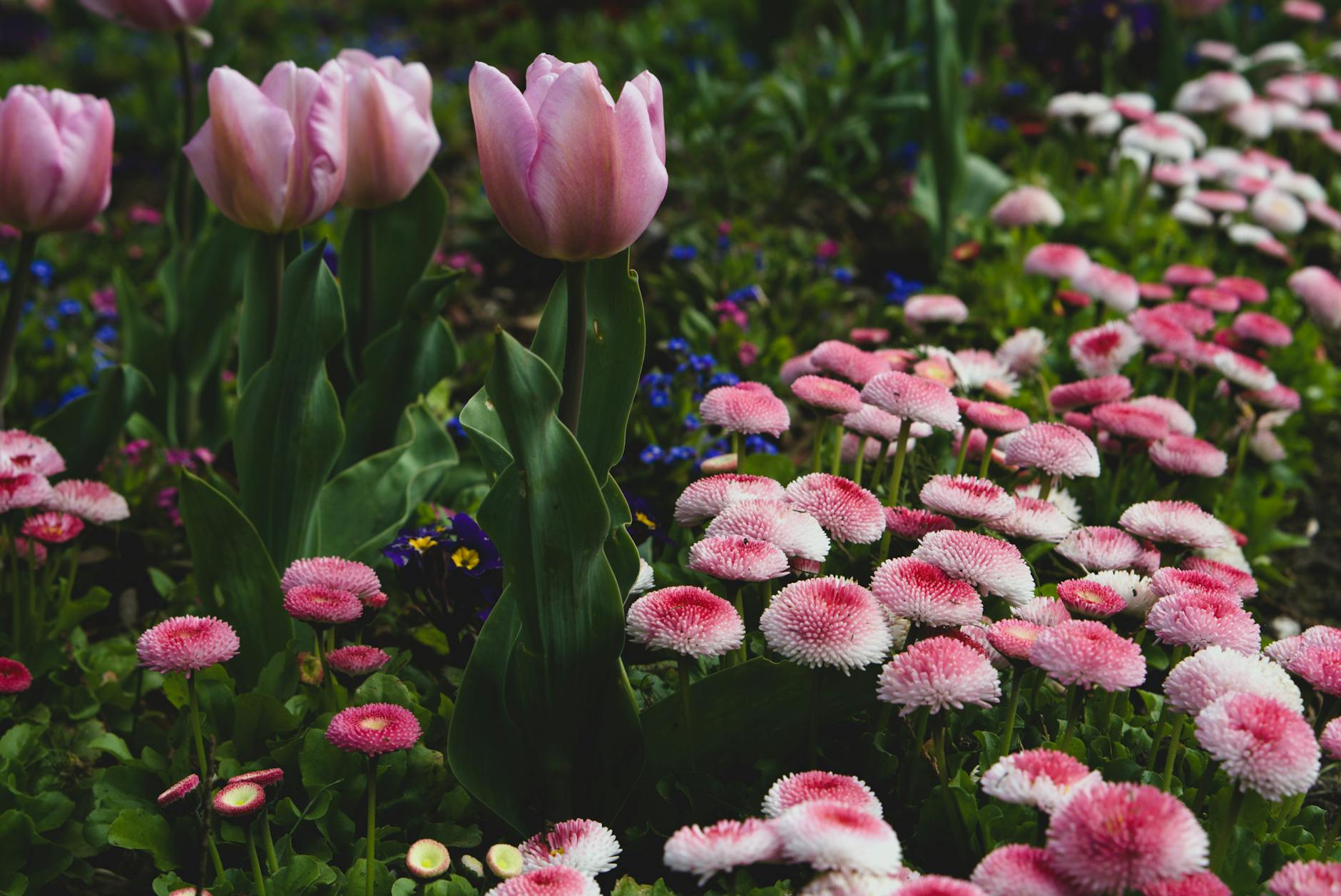
Cornwall’s mild maritime climate, warmed by the Gulf Stream, allows gardens here to grow plants that would not survive elsewhere in Britain. Garden visiting is one of the most popular things to do in Cornwall, and the county has some of the finest gardens in Europe.
Top Cornwall Gardens
Trebah Garden, on the banks of the Helford River, is a stunning subtropical ravine garden that descends through 26 acres of giant tree ferns, palms, and exotic flowering plants to a private beach on the river. Glendurgan Garden, nearby, is another National Trust garden famous for its cherry laurel maze planted in 1833. The gardens at Caerhays Castle are internationally renowned for their collections of magnolias, camellias, and rhododendrons, many grown from seeds collected in China and the Himalayas in the early 20th century.
Tresco Abbey Garden in the Isles of Scilly (accessible by boat or helicopter from Penzance) pushes the boundaries even further, growing subtropical and even tropical plants outdoors that would not survive on the mainland. Closer to home, Trelissick Garden near Truro offers woodland walks with stunning views over the Fal Estuary, and Penjerrick Garden near Falmouth claims to be Cornwall’s most wild and mysterious garden, with rare bamboos, tree ferns, and plants from the southern hemisphere growing in a romantic jungle-like setting.
Wildlife and Nature Watching
Cornwall’s coastline is a haven for wildlife. Grey seals breed along the coast between September and January, and colonies can be seen year-round at places like Godrevy, Mutton Cove near the Lizard, and the north coast between St Agnes and Trevose Head. Dolphins — including bottlenose, common, and Risso’s dolphins — are regularly spotted from headlands and during boat trips, particularly between May and October. Basking sharks, the world’s second-largest fish, visit Cornwall’s waters from May to July to feed on plankton, and can sometimes be spotted from clifftop vantage points.
Birdwatchers will find Cornwall rewarding throughout the year. The Hayle Estuary is an RSPB reserve hosting migrating waders and wildfowl, while the Marazion Marshes support bitterns and other rare species. Puffins nest on the clifftops above certain stretches of the coast, and choughs — the red-billed crows that symbolise Cornwall — have successfully recolonised the county after an absence of over 50 years. The Cornish Seal Sanctuary at Gweek rescues, rehabilitates, and releases injured seals and offers educational visits year-round.
Family-Friendly Things to Do in Cornwall
Cornwall is one of Britain’s most popular family holiday destinations, and there is no shortage of things to do in Cornwall with children of all ages. Beyond the beaches, here are the attractions and activities that families return to year after year.
Theme Parks and Attractions
Crealy Great Adventure Park near Wadebridge offers rollercoasters, water rides, animal encounters, and indoor play areas. Flambards in Helston combines thrilling rides with an indoor Victorian Village and Blitz Experience that brings history to life. Dairyland Farm World near Newquay lets children feed lambs, ride ponies, and play in the Bull Pen indoor play centre. Lappa Valley Steam Railway near Newquay offers miniature train rides through the countryside to a leisure park with boating, play areas, and a maze.
For animal encounters, Paradise Park at Hayle houses tropical birds, otters, red pandas, and a JungleBarn indoor play area. The National Seal Sanctuary at Gweek allows children to watch seal feeding times and learn about conservation. Newquay Zoo is Cornwall’s only zoo, home to over 130 species including lions, penguins, meerkats, and tropical butterflies in a beautiful lakeside setting.
Outdoor Family Adventures
Rock pooling is one of the best free things to do in Cornwall with children. Low tide reveals fascinating pools of crabs, anemones, starfish, and small fish at beaches across the county — Falmouth’s Gylly Beach, Hannafore near Looe, and Crackington Haven are particularly rewarding. Crabbing from harbour walls is another classic Cornwall family activity, especially in ports like Padstow, Mevagissey, and Looe — you need only a bucket, a line, and some bait (bacon works well). Wild swimming in the clear Cornish sea is increasingly popular with families, and outdoor lidos at Bude, Penzance, and Perranporth offer safe seawater swimming.
For older children and teenagers, surfing lessons, coasteering, kayaking, and paddleboarding provide excitement and active fun. Tree-top adventure courses at Tehidy Country Park and near the Eden Project offer high-rope challenges and zip wires. The Camel Trail cycling route from Padstow to Bodmin is perfect for family cycling, being flat, traffic-free, and scenic throughout.
Hidden Gems and Off the Beaten Path
Beyond Cornwall’s famous attractions lies a world of secret places, unusual experiences, and lesser-known treasures that reward curious travellers. These hidden gems are among the most special things to do in Cornwall for visitors looking to go beyond the typical tourist trail.
Secret Places
St Nectan’s Glen, near Tintagel, is a magical woodland walk leading to a 20-metre waterfall that cascades through a natural rock arch. The glen has been considered a sacred site for centuries, and visitors leave ribbons, crystals, and offerings around the waterfall pool. The Roseland Peninsula, jutting into Falmouth Bay, is one of Cornwall’s quietest and most beautiful areas — rolling farmland dotted with ancient churches, tiny harbours, and hidden beaches, yet largely bypassed by tourists heading to the better-known destinations.
Cadgwith, on the Lizard Peninsula, is one of the most picturesque and least commercialised fishing villages in Cornwall, with thatched cottages tumbling down to a working harbour where fishermen still land their catch daily. The Kennall Vale nature reserve near Falmouth is a hidden woodland walk through the atmospheric ruins of a former gunpowder works, where overgrown buildings and waterways create an eerie and beautiful landscape. Bodmin Moor’s hidden hinterland — including the Golitha Falls, the Cheesewring stone formation, and the ancient clapper bridge at Duloe — offers wild, empty landscapes that feel worlds away from the crowded coast.
Unusual Experiences
The Museum of Witchcraft and Magic in Boscastle houses the world’s largest collection of witchcraft-related objects and artefacts, exploring centuries of magical belief and practice in a genuinely fascinating and atmospheric setting. The Telegraph Museum at Porthcurno tells the surprisingly gripping story of Cornwall’s role as the global hub of transatlantic telecommunications — underground tunnels built during World War Two house the original cable station that connected Britain to the world. Carnglaze Caverns near Liskeard are former slate mines transformed into an atmospheric underground venue, with a subterranean lake and a concert hall 60 metres underground.
For something truly different, try wild camping on Bodmin Moor (permitted in certain areas under the right-to-roam provisions), join a foraging walk to discover edible coastal plants and seaweeds, or take a dark sky stargazing trip — Bodmin Moor and the Lizard Peninsula have some of the darkest skies in southern England, and on clear nights the Milky Way blazes overhead. These unusual experiences represent some of the most unexpected and memorable things to do in Cornwall.
Things to Do in Cornwall When It Rains
Cornwall’s weather is famously unpredictable, and even the sunniest holiday will likely include a rainy day or two. Fortunately, the county has an excellent selection of indoor attractions that make wet weather days enjoyable rather than disappointing.
Museums and Indoor Attractions
The National Maritime Museum Cornwall in Falmouth is one of the finest maritime museums in Britain, with interactive exhibits, a flotilla of historic boats, and a tidal gallery that sits at sea level. The Royal Cornwall Museum in Truro houses archaeology, art, and natural history collections spanning thousands of years. Bodmin Jail, reopened as a major attraction in 2021, offers an immersive journey through 18th and 19th-century crime and punishment with theatrical installations and dark history tours.
The Eden Project’s biomes are ideal wet-weather destinations — the Rainforest Biome is so warm and humid that you will forget about the Cornish rain entirely. Blue Reef Aquarium in Newquay takes you through underwater habitats from local Cornish waters to tropical coral reefs. Wheal Martyn, near St Austell, tells the story of Cornwall’s china clay industry — once the world’s largest — through indoor and outdoor exhibits set in a former clay works. For families, Raze the Roof in Penryn offers a mega play frame, laser tag, and virtual reality experiences, while Kidzworld in St Austell has soft play, bowling, and an ice rink.
Food and Drink Experiences
A rainy day is the perfect excuse to slow down and enjoy Cornwall’s food culture. Book a cookery class at Rick Stein’s Cookery School in Padstow, where you can learn to prepare fresh Cornish seafood under expert guidance. Visit Healey’s Cornish Cyder Farm near Truro for a guided tour showing how traditional cider is made, followed by tastings. Take a gin-making masterclass at Tarquin’s or Colwith Farm distillery. Browse the covered Pannier Market in Truro on market days for local produce, crafts, and street food.
Cornwall’s tea rooms and cafés come into their own on rainy days — there is something deeply comforting about settling into a cosy tearoom with a cream tea while the rain patters against the windows. Many of Cornwall’s best pubs — ancient, beamed, fire-warmed establishments — also offer the perfect refuge from wet weather, with local ales, hearty food, and genuine character.
Seasonal Guide to Things to Do in Cornwall
Cornwall offers different experiences throughout the year, and the season you visit will shape the things to do in Cornwall that are available and at their best.
Spring (March to May)
Spring is when Cornwall’s gardens reach their peak. Camellias and magnolias bloom at Caerhays Castle and Trebah from February, bluebells carpet ancient woodlands in April and May, and the clifftop wildflowers along the coast path are at their most spectacular. The Helston Flora Day in early May is one of Cornwall’s most colourful traditions — a centuries-old celebration of spring involving processions, dancing, and the famous Furry Dance through the streets of Helston. Spring is also excellent for coastal walking, with the paths quiet and the weather increasingly warm and settled.
Summer (June to August)
Summer is the busiest season and offers the widest range of activities. All outdoor attractions are open, beaches are lifeguarded, the sea is warm enough for swimming (just about), and the festival calendar is packed. The Royal Cornwall Show in June showcases the county’s agriculture and food at Wadebridge. The Eden Sessions and open-air theatre at the Minack are in full swing. Water sports including surfing, kayaking, coasteering, and paddleboarding are all at their best. Book everything — restaurants, attractions, activities — well in advance during July and August.
Autumn (September to November)
Many locals consider September the best month to visit Cornwall. The sea is at its warmest, crowds thin dramatically, and the weather often remains excellent. The Falmouth Oyster Festival in October is a four-day celebration of the start of the native oyster dredging season, featuring oyster shucking, cooking demonstrations, live music, and a working oyster dredge in the harbour. October and November bring dramatic autumn storms that make coastal walks thrilling — watching waves crash against harbour walls and headlands is a spectacle in itself. Grey seal pupping season begins in September, and you may spot mothers with white-coated pups on remote beaches.
Winter (December to February)
Winter Cornwall is quieter and moodier but no less compelling. Mousehole’s famous Christmas harbour lights draw thousands of visitors each December. The Padstow Christmas Festival fills the town with food, drink, and music in early December. Truro’s Victorian-style Christmas market transforms the city centre. New Year’s Eve fireworks in Falmouth, Penzance, and Padstow are spectacular. Winter is the best surf season, with powerful Atlantic swells producing some of the biggest waves of the year. Crisp, clear winter days reward walkers with dramatic coastal views and empty beaches.
Planning Tips and Practical Advice
Getting Around Cornwall
A car gives you the most flexibility to explore Cornwall’s scattered attractions, narrow lanes, and remote beaches. However, parking can be expensive and scarce in popular towns during summer — St Ives, Padstow, and Newquay all have limited parking. Cornwall’s branch line railways connect major towns beautifully — the St Ives Bay Line is one of the most scenic railway journeys in Britain, and the Atlantic Coast Line to Newquay follows the coast and river valleys. Local buses serve most towns and villages, though services can be infrequent in rural areas. The First Kernow bus network offers day tickets (around £7-£8) that can be good value for exploring without a car.
Saving Money on Attractions
Many of Cornwall’s best things to do are completely free — coastal walks, beaches, rock pooling, harbour watching, and exploring fishing villages cost nothing. National Trust membership pays for itself quickly if you plan to visit several of their Cornish properties (they manage over 30 sites in Cornwall, including Tintagel, Lanhydrock, and many stretches of coastline). English Heritage membership covers Tintagel Castle, Pendennis Castle, and Restormel Castle. Many attractions offer reduced prices when booked online in advance, and family tickets typically represent good value.
Where to Stay
A bed and breakfast in Cornwall makes the ideal base for exploring the county’s attractions. B&B hosts are invaluable sources of local knowledge, often recommending hidden gems, quiet beaches, and the best restaurants that you would never find in a guidebook. Staying at a centrally located B&B — in towns like Truro, Falmouth, or St Austell — gives you easy access to attractions across the county, while a coastal B&B in St Ives, Padstow, or the Lizard puts you right in the heart of the action. Read our complete guide to bed and breakfast in Cornwall to find the perfect base for your Cornish adventure.
Best Time to Visit
The best time depends on what you want to do. Summer (June-August) offers the widest range of activities, warmest weather, and longest days, but is the busiest and most expensive season. September is widely considered the sweet spot — warm sea, fewer crowds, good weather, and lower prices. Spring (April-May) is ideal for gardens and walking. Winter offers dramatic scenery, empty beaches, and the lowest prices. Cornwall has things to do in every season, and each visit reveals new pleasures and experiences.
Start Planning Your Cornwall Adventure
Cornwall offers an extraordinary diversity of experiences packed into one relatively compact county. Whether your idea of the perfect day involves riding waves on a world-class surf beach, exploring a subtropical garden, watching a Shakespeare performance on a clifftop, sampling fresh lobster at a harbourside restaurant, or simply walking a stretch of the coast path with nothing but the sound of the sea for company, Cornwall delivers. Use this guide to plan your itinerary, but leave room for spontaneity — some of the best things to do in Cornwall are the ones you discover by chance, guided by a B&B host’s recommendation or a lane that looks too inviting to resist.