Why stay in a Falmouth bed and breakfast
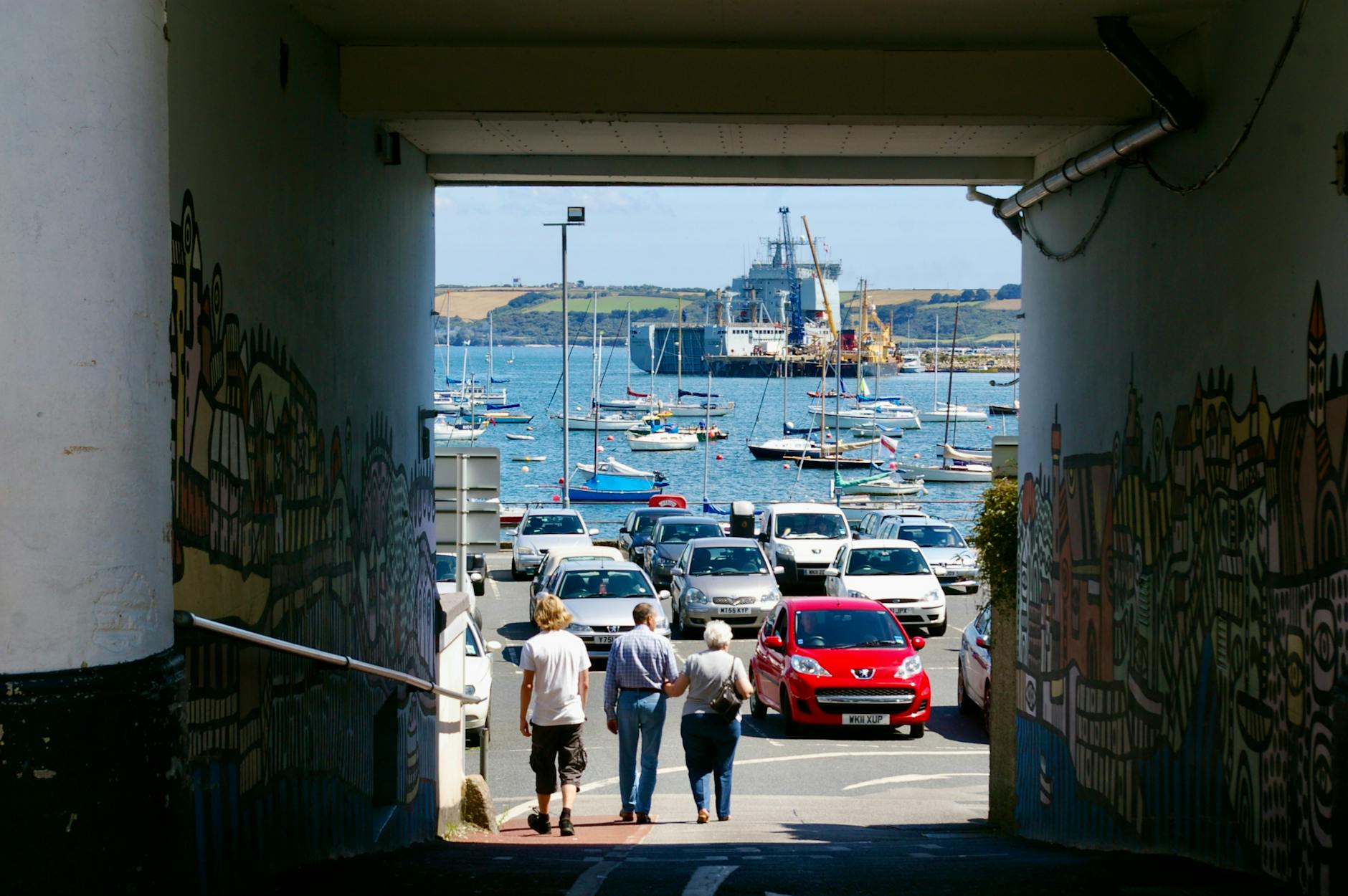
Falmouth does not empty out in winter the way most Cornish resorts do. There is a university here, a working harbour, and a year-round population that keeps the cafes open and the pubs full long after the summer crowds have gone home. Stay in a small guest house and you feel that pulse from the breakfast table, where the view might take in a tall ship coming into the harbour, a training yacht crossing the bay, or the little Flushing ferry chugging back and forth across the water.
The town wears several hats at once. It grew up around one of the deepest natural harbours in the world, and that maritime past still shapes the place, from the castle guarding the entrance to the museum on the quay. Layered over it is a creative, slightly bohemian energy that the art college brought, and around the edges are four proper sandy beaches within a walk of the centre. A guest house puts you in the middle of all of it, with a host who can tell you which ferry to take and where the locals actually eat.
Falmouth’s guest houses tend to occupy handsome Victorian and Edwardian villas, many of them stepped up the hillside above the water so that sea views come as standard on the upper floors. A good number are run by people with a story, whether they arrived as sailors, artists or long-term residents who fell for the town. For the wider picture of how the town compares with the rest of the county, our complete guide to bed and breakfast stays in Cornwall is a useful companion read.
What to look for in a good Falmouth B&B
Falmouth’s older streets climb steeply from the water, and that geography drives a couple of the practical questions worth asking before you book. The view you are paying for often comes with a hill, and the parking space you assumed was included frequently is not.
Start with the location on the slope. A seafront villa with a panoramic outlook is a joy, but if you arrive with heavy bags or struggle with stairs, ask how far it is from the parking to the front door, and whether there is a lift or a ground-floor room. Some of the finest views in town sit at the top of a flight of external steps.
Parking is the next thing to pin down. The town centre is tight and its car parks fill in season, so a guest house with its own off-street space is doing you a genuine favour in July and August. Where there is none, a host who can point you to the right long-stay car park and tell you the rate is the next best thing. If you plan to use the ferries and railway, you may barely touch the car once you have arrived, which changes the calculation.
Then there is breakfast. Falmouth punches above its weight on food, and the better guest houses reflect that, cooking to order with local eggs, Cornish bacon and often fish. Ask whether the kitchen caters to how you eat, as most will happily do a vegetarian, vegan or gluten-free plate with a little notice. If you want an early start for a ferry or a coast walk, check the serving window too.
Finally, think about the season and the vibe. Falmouth stays lively year-round thanks to the students, which is a plus if you like a bit of life around you and a consideration if you want total quiet. Several guest houses are adults-only and pitched at couples; others welcome families and dogs. Match the property to the trip you have in mind.
Best areas to stay in Falmouth
Falmouth is walkable end to end, but the character shifts as you move from the beaches at the south end, up through the busy town and along the harbour. Each pocket suits a slightly different stay.
The seafront and Gyllyngvase
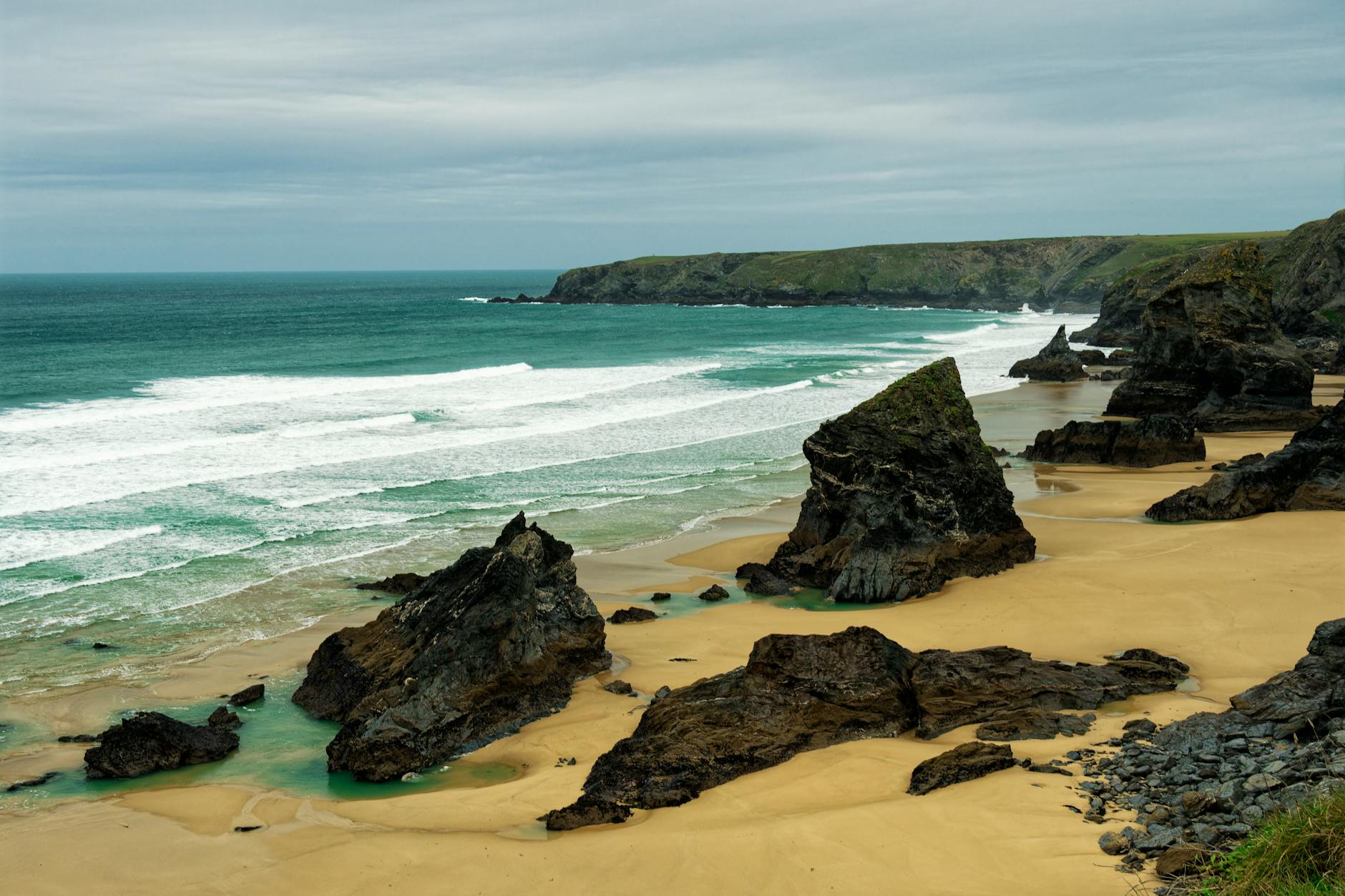
The stretch of seafront around Gyllyngvase Beach is Falmouth’s smartest residential quarter, a run of handsome Victorian villas, many now guest houses. Base yourself here and you are a short walk from the town’s best beach, with Pendennis Castle a pleasant stroll along the headland and the coast path on your doorstep. It is quieter than the centre but still within easy reach of the shops and restaurants, and the properties often sit high enough for wide sea views. This is the choice for beach mornings and calm evenings.
Town centre and the harbour
The centre threads along the main street from The Moor to the Prince of Wales Pier, with the harbour on one side the whole way. Stay here and you are in the thick of it, walking distance from the National Maritime Museum, the galleries, the pick of the restaurants and the ferry quays. The harbour is a constant show, fishing boats and visiting yachts coming and going. It is the most convenient base for car-free days, though the busier streets can carry some evening noise in summer.
Swanpool and Maenporth
South of the centre, the beaches at Swanpool and Maenporth offer a calmer, more family-minded stay. Guest houses out this way sit a little further from the town but closer to sheltered, swimmable sand. Swanpool has an unusual brackish lagoon behind the beach that is a nature reserve in its own right, while Maenporth is a quiet cove with a friendly beach cafe and calm water good for a swim or a paddle. Choose this end for a slower pace with the town still a short hop away.
Well-reviewed bed and breakfasts in Falmouth
Falmouth has one of the strongest concentrations of quality guest houses in Cornwall, with several holding the top quality ratings. The names below consistently draw excellent reviews. Rates and availability move with the season and with events like the regatta, so use this as a starting point for your own search rather than a fixed ranking.
Highcliffe is a five-star, award-winning bed and breakfast in the heart of Falmouth, moments from the beach and town centre. Its individually designed rooms, strong breakfasts and warm welcome have earned it a string of awards and a loyal base of returning guests.
Dolvean House is a five-star luxury bed and breakfast that pairs Victorian elegance with modern comfort. The hosts pride themselves on hospitality, and the breakfast leans on locally sourced ingredients cooked to a high standard.
Bosanneth sits near Gyllyngvase Beach and Pendennis Castle, with a comfortable lounge, a bar and a sun terrace looking out to sea. Guests get a full English breakfast, free WiFi, on-site parking and use of a fitness room and tennis court.
Gyllyngvase House is a short walk from the town centre, harbour and Gyllyngvase Beach, and consistently earns high marks for its location, its cleanliness and the quality of the breakfast.
The Chain Locker holds a prime spot on the historic quayside, with six contemporary boutique bedrooms, some with fine waterside views. Its harbourside position and stylish design make it a standout for anyone after a more modern take on the Falmouth guest house.
Because so many of these places are small and personally run, a direct email often gets you a warmer response and sometimes a better rate than a third-party site. Mention what matters to you, whether that is a sea-view room, a parking space or an adults-only floor, and you will usually get a straight answer.
Falmouth’s four beaches
Falmouth has four beaches, each with its own feel, and all linked by the coast path so you can walk between them in an afternoon. Gyllyngvase is the main town beach, a generous sweep of golden sand with lifeguards in season, good facilities and rock pools to explore at low tide. Castle Beach, beneath Pendennis Castle, feels more tucked-away, with views across to the St Anthony Head lighthouse. Swanpool is a sheltered cove backed by its nature reserve and a cafe, a solid family choice. Maenporth is the quietest of the four, with calm water that suits swimming and kayaking.
Walking the string of them, starting at Gyllyngvase and following the path south, makes a lovely half-day with a swim or two along the way. For a wider view of the coast, our complete Cornwall beaches guide sets Falmouth’s sands alongside the best on the south coast and beyond.
Getting around by water
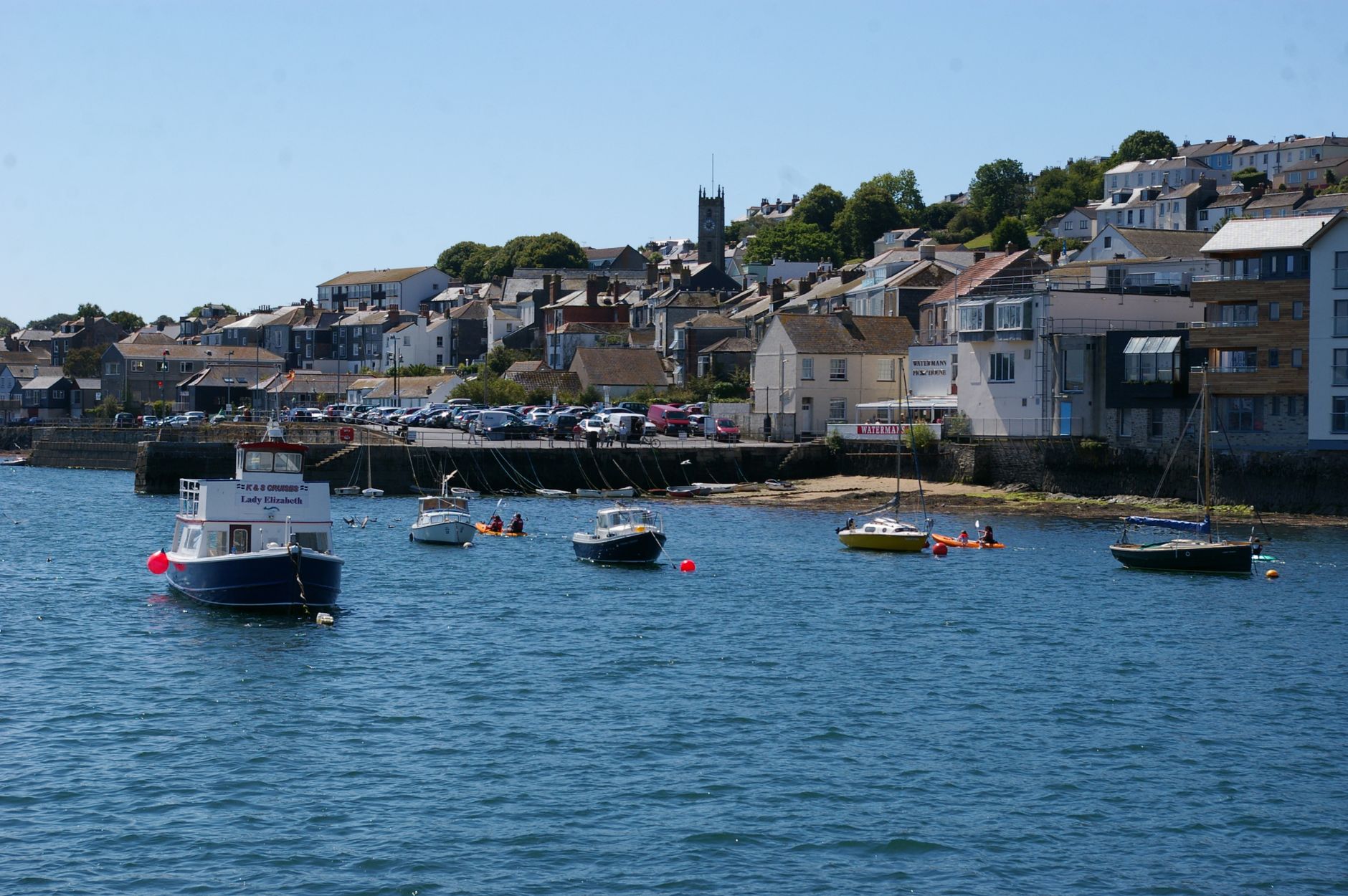
Falmouth’s real trick, and the thing that sets it apart from most Cornish towns, is that some of its best days out happen by boat. From the quays in the centre, passenger ferries fan out across the harbour and up the rivers, and using them turns getting around into part of the holiday rather than a chore.
The short hop across to Flushing lands you in a quiet waterside village with a good pub and a different view back over Falmouth. The St Mawes ferry runs across the bay to the pretty Roseland village and its little Henrician castle, a proper day out with no driving involved. Best of all, in season, is the riverboat up the wooded creeks of the Fal to Truro, one of the most scenic short cruises in the county, tides permitting.
Because the ferries and the branch-line railway reach so much, many visitors leave the car at the guest house for days at a time. If you do drive, be realistic about summer parking in the centre, and lean on your host’s advice about where to leave the car. For ideas on stitching these trips into a wider plan, our Cornwall day trip itineraries are a good place to start.
Must-see attractions
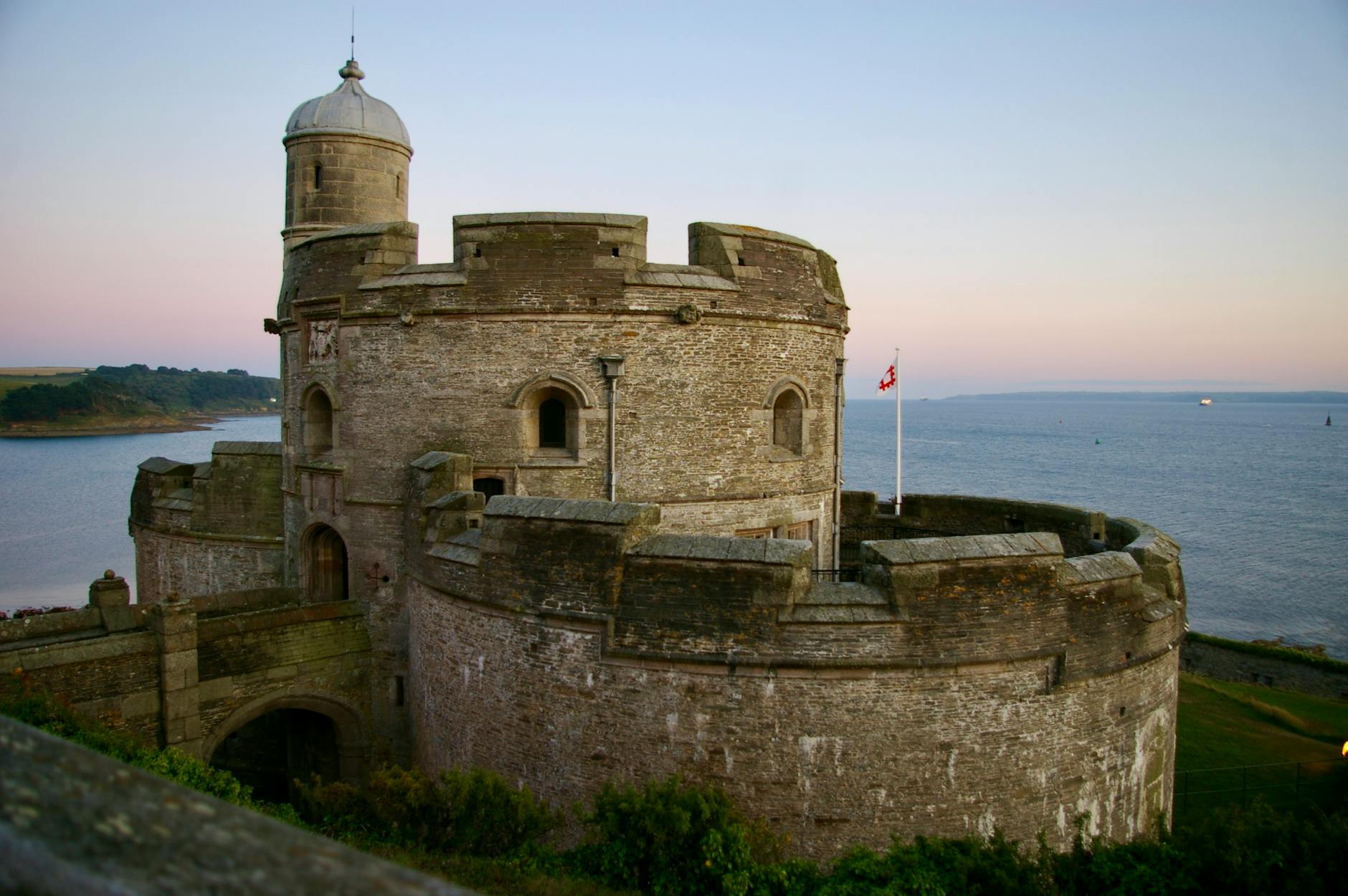
Pendennis Castle is one of the finest of Henry VIII’s coastal forts, standing guard over the mouth of the harbour. You can wander restored Victorian and Second World War defences, complete with atmospheric sound and detail, and the Discovery Centre lays on hands-on activities for all ages. The views from the walls across the harbour and out to sea are the sort you remember.
The National Maritime Museum Cornwall on the quay is a multi-award-winning museum with a large collection of boats and a knack for telling a good seafaring story. An underwater window lets you watch what is happening below the surface of the harbour, and the tower gallery gives a 360-degree sweep across the town and water.
For something gentler, the ferry to Flushing or the riverboat up to Truro turns an afternoon into an adventure, threading through wooded creeks that few see from the road. A short drive out, the subtropical gardens at Trebah and Glendurgan tumble down to the Helford River and rank among Cornwall’s finest, well worth half a day if the weather is kind.
Food and drink
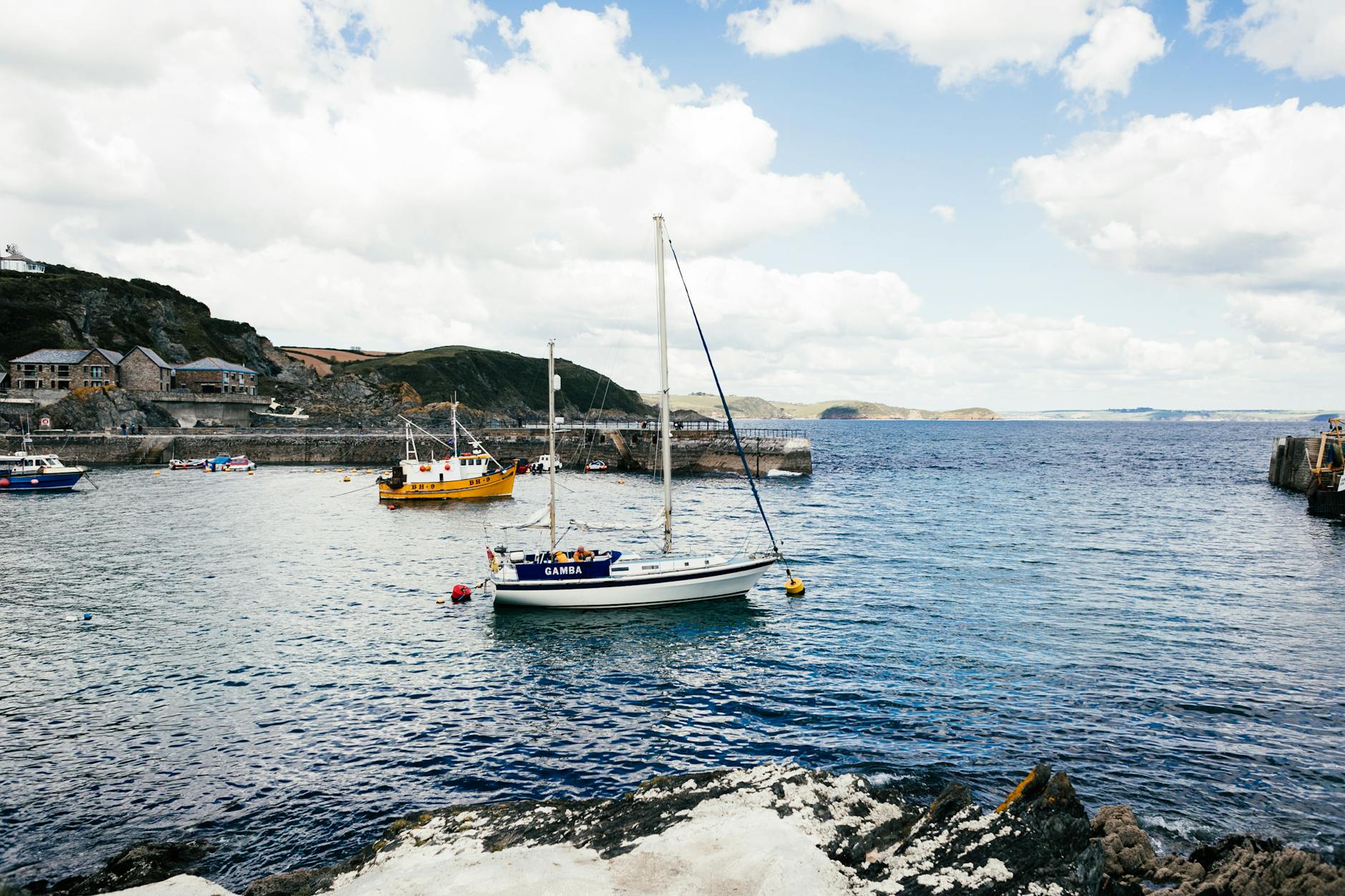
Falmouth’s food scene has come on strongly, helped along by the creative energy the university brought. You can eat everything here from paper-wrapped fish and chips on the harbour wall to properly good seafood with a view. The Star and Garter on the harbour front, The Wheelhouse and Harbour Lights are all popular for fresh fish, and the Chain Locker on Custom House Quay puts good food together with an unbeatable waterside outlook.
The cafe culture is thriving too, with independent coffee shops and bakeries dotted along the main street. Espressini, Dolly’s Tea Room and the Gylly Beach Cafe, right on the sand at Gyllyngvase, are all local favourites. Come evening, there is a good spread of traditional pubs, craft beer bars and wine bars, and the town’s arts scene means there is often live music, an exhibition or a performance to catch. For more across the county, our Cornwall food and drink guide is full of ideas. Falmouth also makes an easy base if you want to dig into the town’s wider history, which our complete Falmouth town guide covers in depth.
What a Falmouth B&B breakfast is like
Breakfast is where a Cornish guest house earns its stripes, and Falmouth, with a working fishing harbour on its doorstep and farmland behind, does it well. The full cooked plate is the anchor, built around Cornish bacon and sausages, free-range eggs done however you like them, grilled tomato, mushrooms and a hash brown or fried bread, with the option of baked beans if you want them. Being a port town, you will often find smoked fish on the menu too, a fillet of smoked haddock or kippers, and sometimes crab on toast if the boats have been out.
Around the cooked centrepiece there is usually a spread to graze from first: juice, cereals, yoghurt, fresh fruit, and a rack of toast with local butter and Cornish preserves. Good hosts make a point of the extras, home-baked bread, jams from a neighbour’s plums, honey from a nearby hive. It is a world away from a hotel buffet, and the quality of the local produce is a big part of why people book a guest house rather than a chain in the first place.
Most kitchens cook to order rather than leaving food under lamps, which means you can ask for your eggs soft or your bacon crisp and actually get it. Tell them in advance if you are vegetarian, vegan or gluten-free and they will nearly always sort a proper plate rather than an afterthought. If you are heading out early for a ferry or a walk, ask the night before, as many will bring breakfast forward or put together something to take with you. For a fuller sense of the ritual and what to expect, our guide to what to expect at a Cornish bed and breakfast walks through it in detail.
Dogs, families and accessibility
Falmouth is a welcoming town for dogs, and a fair number of its guest houses take them, though policies vary from a blanket welcome to a room or two set aside for guests with pets. Always confirm when you book, and ask about any charge, whether dogs can be left in the room, and if there is somewhere to rinse off sandy paws. The beaches operate seasonal dog restrictions like most in Cornwall, so it pays to know which sands allow dogs in summer and which do not before you set off.
Families are well catered for, particularly at the Swanpool and Maenporth end where the beaches are sheltered and the pace is calmer. Many guest houses offer family rooms, travel cots and high chairs, and some lend beach kit, so it is worth asking what they can provide before you pack the car full. That said, a number of Falmouth properties are adults-only and pitched squarely at couples, so check the policy rather than assume.
Accessibility deserves a frank word given the town’s hills. Falmouth’s period villas were not built with step-free access in mind, and many have external steps to the door and staircases inside with no lift. If you need a ground-floor or accessible room, say so clearly when enquiring and ask specific questions about steps, door widths and bathroom layout. Some of the larger or more modern guest houses can accommodate mobility needs well, but it is always better to establish the detail in advance than to arrive and find a flight of granite steps between you and your room. If sea views are the priority and stairs are a concern, our roundup of coastal bed and breakfasts in Cornwall with sea views highlights places built to make the most of the outlook.
Getting to Falmouth
Falmouth has its own station on the Maritime Line branch from Truro, which links to the main London Paddington to Penzance route. The run from Truro takes about twenty-five minutes through pretty countryside with glimpses of the river, and the station sits centrally, which makes arriving by train a genuinely good option.
By car, the town is reached on the A39 from Truro, roughly thirty minutes off the A30. There are several pay-and-display car parks, and most guest houses will advise on the best one to use. Some properties offer on-site parking, which is especially valuable in the summer months when spaces are at a premium.
Regular buses connect Falmouth with Truro, Helston and the other south Cornwall towns, and the university service adds useful links in term time. Once you factor in the ferries as well, Falmouth is one of the easier Cornish towns to enjoy without a car of your own.
When to visit and what it costs
Falmouth is generally good value for money, and its year-round life means it never quite shuts down. Budget rooms tend to start from around £70 to £90 a night, mid-range seafront guest houses run £100 to £160, and the premium five-star places with sea views sit at £160 to £250. Breakfast is almost always part of the deal.
The calendar has a couple of pinch points. Falmouth Week, the big August regatta, is a spectacle but sends rates up and rooms scarce, so book months ahead if that is your window or steer clear of it for better value. University term times keep the town busy and lively, which many people like. The sweet spot for value with decent weather is often late September into October, after the summer families have left but while the sea is still warm and the light is good.
Minimum stays are worth checking in peak weeks, when small guest houses often prefer two or three nights to a single, and weekends can be hard to book on their own. Midweek is usually more flexible and a little cheaper, and out of season, short breaks and single nights open up again.
Common mistakes to avoid
The first is booking a sea-view room without asking about the stairs. Falmouth’s finest outlooks are earned by climbing, and a villa perched up the hillside can mean a steep approach and several flights inside. If that matters to you, ask before you commit and request a lower room or a lift.
The second is bringing a car and then fighting the town-centre parking all week when you never really needed it. Between the branch-line railway and the ferries, a great deal of Falmouth and its surroundings is reachable without driving. Ask your host where to park on arrival and then consider leaving the car put.
The third is treating Falmouth as a one-day stop. Between the four beaches, the castle, the museum, the ferry trips and the food, the town easily fills three or four days, and using it as a base for the Roseland, the Helford and the Lizard stretches that further still. Give it time and it rewards you.
Frequently asked questions
Is Falmouth a good base for exploring Cornwall?
It is an excellent one, especially for the south. Its position gives easy reach to the Lizard Peninsula, the Helford River, Truro and the Roseland, and the railway link to Truro plugs you into the main line for wider trips. There is also enough in the town itself to fill a week without straying far.
What makes Falmouth different from other Cornish towns?
The combination is unusual: a working harbour, a lively university-town atmosphere, deep maritime heritage and four good beaches, all in one walkable place. It keeps a year-round buzz that the seasonal resorts lack, and the ferry links to Flushing, St Mawes and Truro give it a dimension few Cornish towns can match.
Are Falmouth B&Bs suitable for couples?
Very much so. Many guest houses lean towards couples, with elegant rooms, sea views and a quiet, grown-up feel, and several are adults-only. The town’s restaurants, waterfront walks and nearby gardens make it one of Cornwall’s more romantic bases.
Can I stay in Falmouth without a car?
Easily. The branch-line station is central, the ferries reach Flushing, St Mawes and Truro, and buses cover the wider area. Plenty of visitors spend a whole trip here without driving, which also sidesteps the summer parking crunch.
When is the best time to visit Falmouth for value?
Outside the school summer holidays and away from Falmouth Week in August. Late September and October are a strong shoulder season, with mild weather, warm sea, good availability and friendlier rates than the summer peak.
Falmouth rewards visitors who lean into what makes it different. Pick the part of town that matches your days, whether that is beach mornings at the Gylly end or harbour life in the centre, plan a ferry trip or two, and choose a guest house whose hosts know the water. Do that and the town opens up, one crossing and one sea-view breakfast at a time.