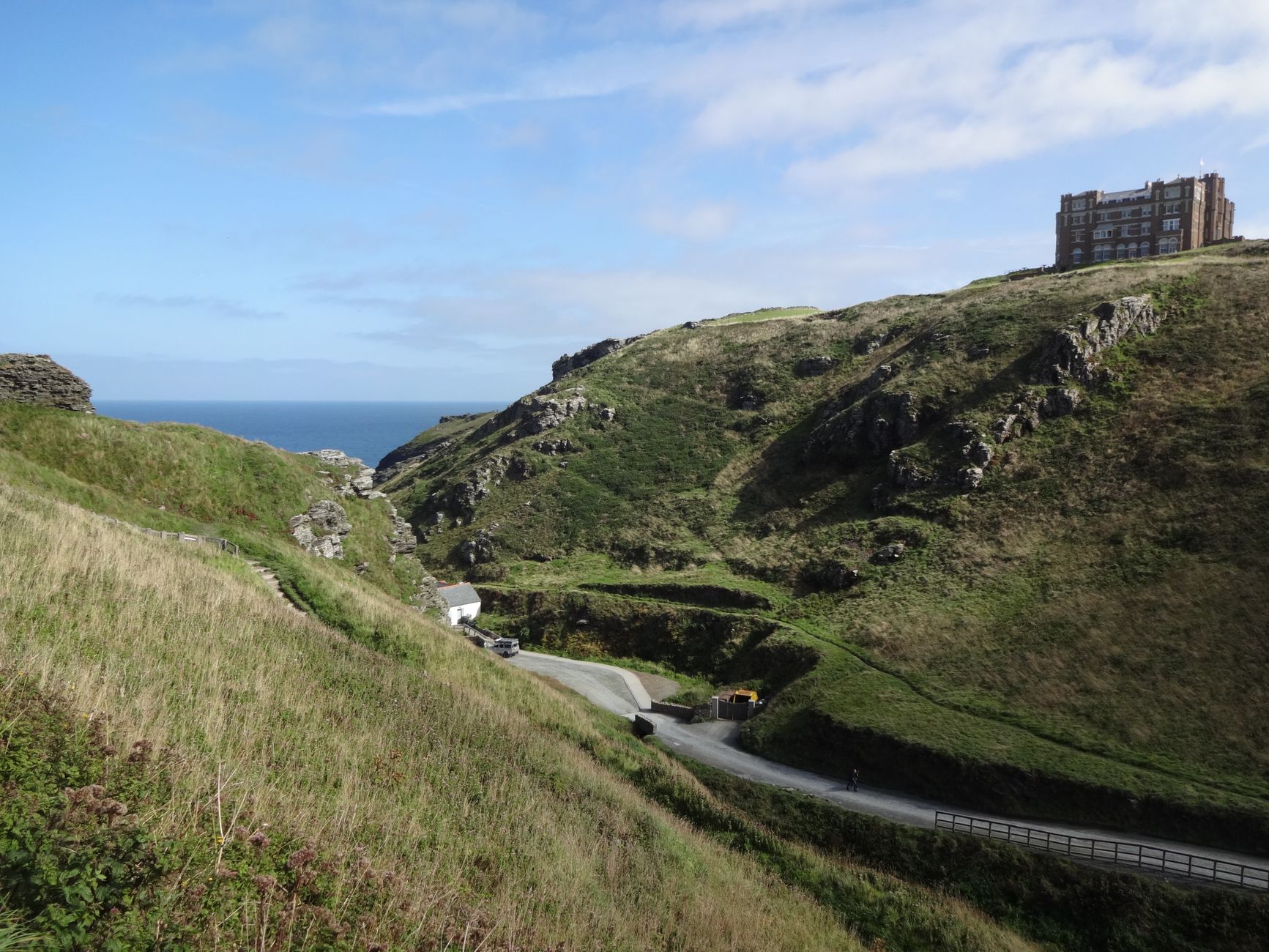
Cornwall is a hard county to do justice to in a single day. The roads are slow, the attractions are strung along an eighty-mile peninsula, and the temptation to tick off ten famous places is the most common mistake first-time visitors make. The better approach is the opposite: pick one region, plan two or three anchor stops, and let everything else happen in the gaps between them. Do that, and a day trip in Cornwall becomes a pleasure rather than a scramble.
This guide collects six tested one-day itineraries, each focused on a single region, each starting from a logical entry point, with realistic drive times and the practical lunch and break advice that brochures tend to skip. Pick the one that matches where you are staying and what you most want to see — and be honest with yourself about whether you would rather spend a slow morning in one place than rush through five. For the bigger picture of what there is to see, our complete guide to things to do in Cornwall sets out the full range.
Itinerary 1: West Penwith Highlights
Best for: first-time visitors, and the most quintessentially Cornish day on offer.
Start: Marazion, about 40 minutes from Truro or 45 from Newquay.
Time: 9 to 10 hours including stops.
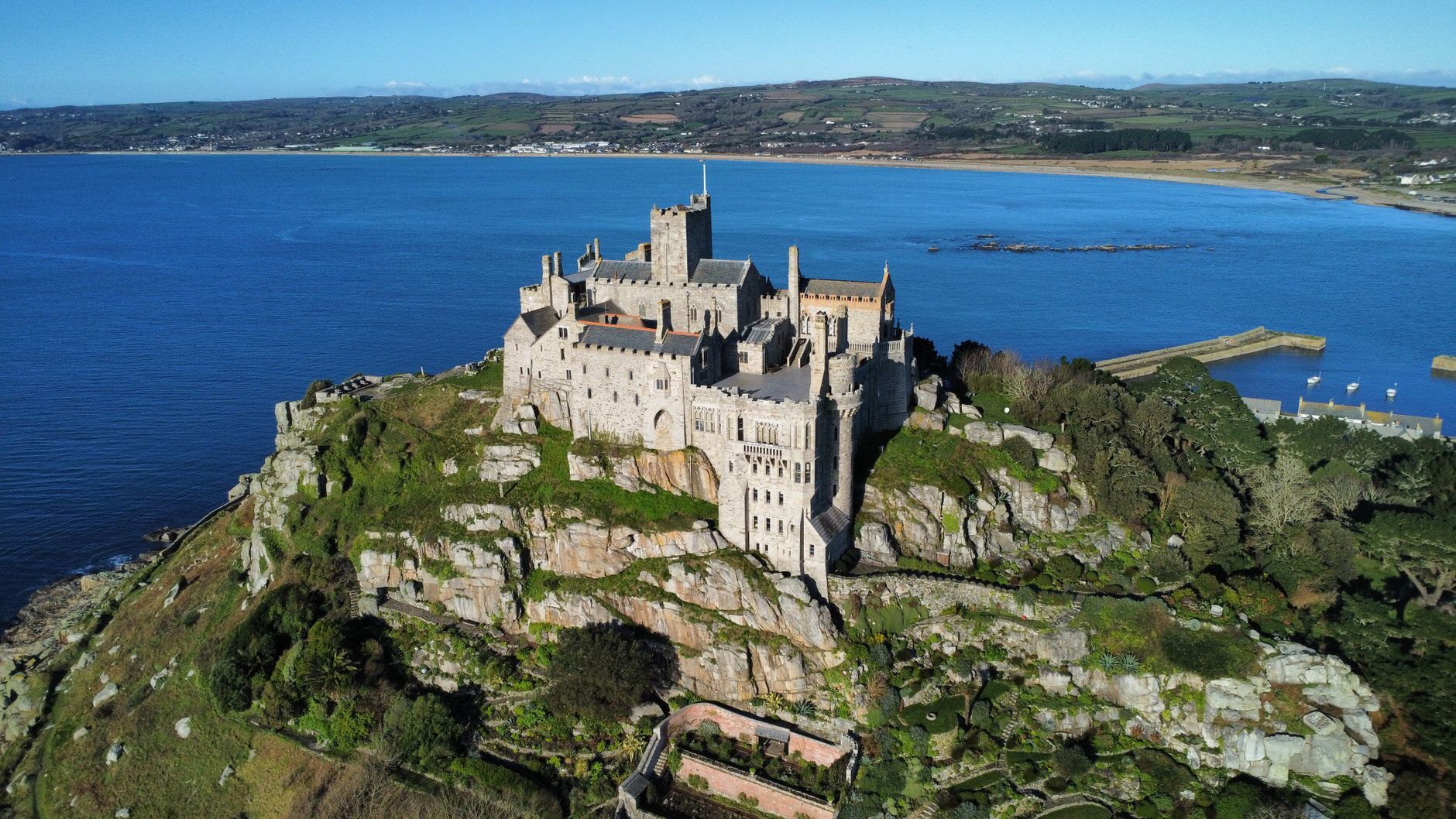
This is the day that packs in the most variety: a tidal castle, a working harbour, a clifftop theatre, two beaches, and a sunset point. Cross the causeway to St Michael’s Mount at low tide first thing, then take coffee back in Marazion. Move on to the Penzance promenade and the art-deco Jubilee Pool, and stop for lunch in Mousehole, either at the harbour-front Ship Inn or with chips on the quay. In the afternoon, walk the short paths at Lamorna Cove and the Merry Maidens stone circle, both free, before touring the Minack Theatre and walking down to Porthcurno beach below it. End at Land’s End for the free cliff walk — skip the paid complex — and drop down to Sennen Cove for sunset and dinner at the Beach Restaurant or the Old Success Inn.
Itinerary 2: North Coast Drama
Best for: Atlantic surf, dramatic cliffs, and Arthurian legend.
Start: Padstow, about an hour from Truro.
Time: around 9 hours including stops.
The north coast is Cornwall at its wildest. Begin with a walk around Padstow harbour and a ferry across to Rock for the estuary views. Head to Bedruthan Steps for a half-hour cliff walk above the rock stacks, then lunch in Tintagel — a pasty in the village or a pub lunch at King Arthur’s Arms. Give Tintagel Castle and Merlin’s Cave at least two hours, then drop into Boscastle for a harbour walk and, if you fancy it, the Museum of Witchcraft and Magic. Finish with the dramatic cliffs at Crackington Haven or Hartland Quay before dinner in Bude.
Itinerary 3: South Coast Gardens and Heritage
Best for: garden lovers, slower travellers, and mixed weather.
Start: the St Austell area, about an hour from Plymouth.
Time: 8 to 9 hours.
This is the gentlest of the six, and the best in changeable weather thanks to its indoor options. Spend the morning at the Eden Project, allowing three hours across both biomes, then lunch in the historic harbour at Charlestown, either at the Pier House Hotel or over coffee at a quayside cafe. Move on to the Lost Gardens of Heligan for the afternoon, where you could happily spend a whole day, and finish with a short harbour walk and fish and chips on the quay at Mevagissey. In spring, swap Heligan for the magnolias at Caerhays. Garden fans will find the full round-up in our guide to the best gardens to visit in Cornwall.
Itinerary 4: The Lizard Peninsula
Best for: quiet, dramatic landscapes and the wildest corner of the county.
Start: Helston, about 40 minutes from Truro.
Time: around 8 hours.
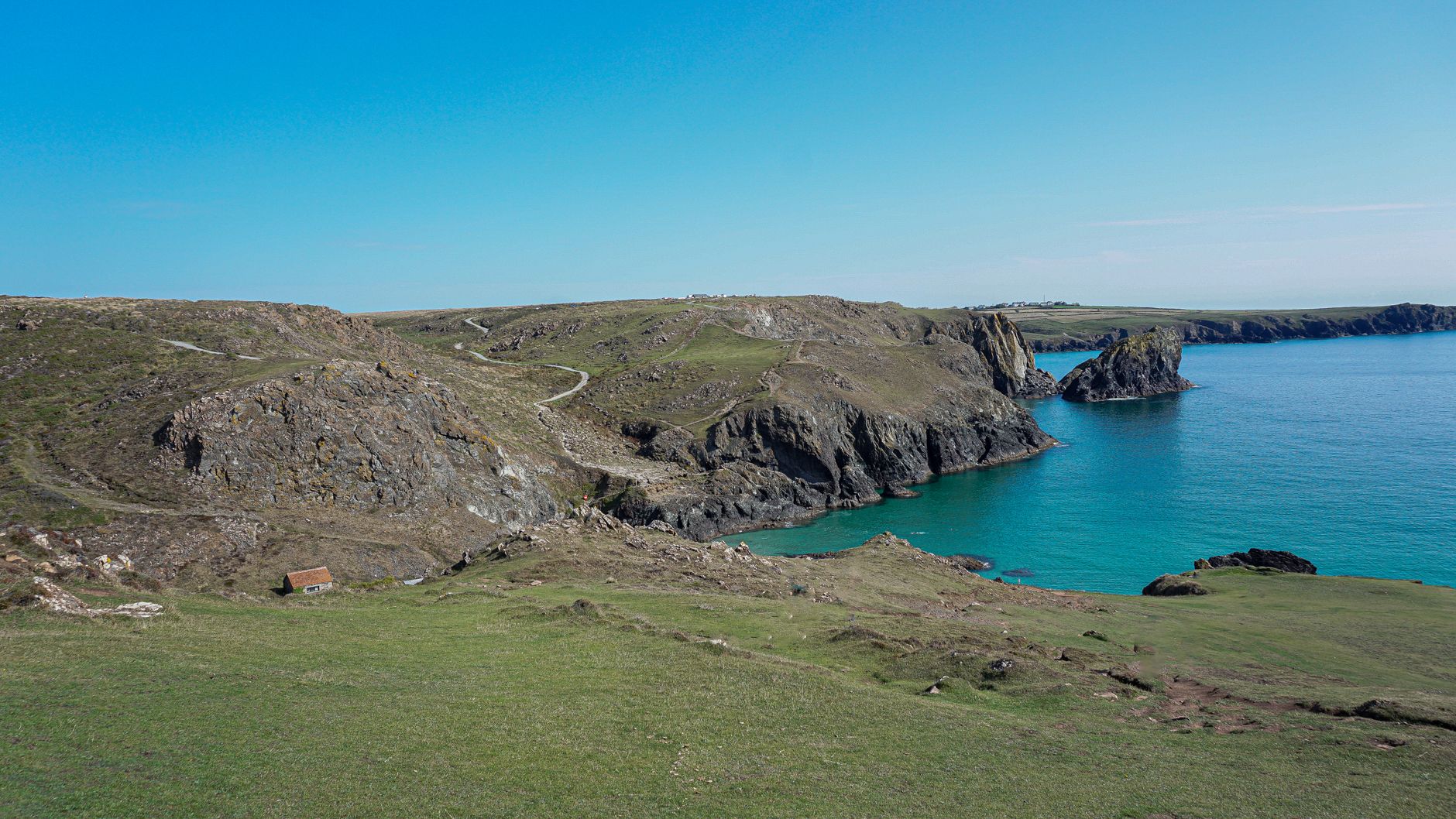
The Lizard feels a step removed from the rest of Cornwall. Start with a short wander through Helston, then walk down from the National Trust car park to Kynance Cove, allowing ninety minutes for one of the loveliest beaches in England. Lunch at the Polpeor Cafe at Lizard Point or the Top House Inn, then take the short headland walk to the Most Southerly Point. Descend the lane to the fishing village of Cadgwith for a coffee, and end at a quieter beach such as Coverack or Kennack Sands for a paddle, detouring past Mullion Cove and its harbour wall in the evening light on the way back.
Itinerary 5: St Ives and the West Coast
Best for: art, beaches, and harbour-town atmosphere.
Start: the St Ives park-and-ride at Lelant Saltings or Trenwith.
Time: around 8 hours.
St Ives rewards a car-free approach, so leave the car at the park-and-ride and take the scenic branch line or bus in. Spend the morning at Tate St Ives, then walk along Porthmeor beach to the harbour. Lunch at the Porthminster Beach Cafe — book ahead — or over fish and chips on the harbour. In the afternoon, visit the Barbara Hepworth Museum and Sculpture Garden, then walk to Carbis Bay along the railway path or the coast. Drive out to Zennor for a drink at the Tinners Arms, one of Cornwall’s oldest pubs, and finish with sunset at Pendeen Watch lighthouse on the way home.
Itinerary 6: Bodmin Moor
Best for: inland Cornwall, walkers, and ancient history.
Start: Bodmin, about 45 minutes from Truro or an hour from Plymouth.
Time: 7 to 8 hours.
The moor is the county’s wild heart, and a good antidote to the busy coast. Start at Lanhydrock House and Garden, the National Trust mansion with its formal gardens and parkland, then take lunch at a moorland pub such as the Crows Nest at Darite or the Plume of Feathers at Mitchell. Walk out to the Hurlers stone circles at Minions, then tackle one of the easy moorland routes up Rough Tor or Brown Willy. Round off underground at Carnglaze Caverns, and finish with dinner at the famous old smugglers’ inn, Jamaica Inn.
Getting Around: the A30 and the Slow Lanes
Understanding Cornwall’s geography is the difference between a good day trip and a frustrating one. The county has one main artery, the A30, which runs down the spine from the Devon border towards Penzance, with the A38 branching off towards Plymouth and the south coast. Everything else is B-roads and single-track lanes, hedged high on both sides and shared with tractors, delivery vans, and other visitors reversing to passing places. A thirty-mile hop that looks quick on the map can easily take an hour once you leave the main road.
The A30 itself is the other thing to plan around. On a summer changeover Saturday, the westbound carriageway can crawl for hours, and the stretch from Exeter down towards Penzance has been known to take four hours in August. If you can travel on a weekday, start early, or time your longer drives for the middle of the day rather than the morning and late-afternoon peaks, you will avoid the worst of it. The single most useful habit for any Cornish day trip is simply to set off earlier than feels necessary.
Parking and Getting In
Parking is the practical sticking point at almost every popular stop. The honeypot sites — Kynance Cove, Bedruthan Steps, the National Trust gardens — have car parks that fill from mid-morning in summer, often with no realistic overflow, so an early arrival is worth far more than a clever route. The old harbour towns were never built for cars, which is why St Ives, Padstow, and Truro all run park-and-ride or edge-of-town car parks; using them is far less stressful than circling narrow streets for a space that is not there.
Keep some coins in the car, too. Plenty of smaller beach and coast-path car parks still run on cash-only honesty boxes or older meters, and a card is no use where there is no signal to process the payment. National Trust and English Heritage members park free at their respective sites, which adds up over a day that takes in a couple of gardens or a castle.
Best Time of Year and Day
The itineraries above work in any season, but the experience shifts through the year. Late spring and early autumn are the sweet spots, with long enough days, warm-ish seas, and noticeably lighter traffic than the school summer holidays. High summer is glorious but busy and slow on the roads, and the honeypot car parks fill earliest then. Winter turns the coast dramatic and the towns quiet, though shorter daylight means trimming the itineraries and swapping some outdoor stops for indoor ones; our guide to Cornwall in winter covers what stays open in the off season.
Within the day, the rhythm matters as much as the month. Aim to reach your first stop by half past nine, especially in summer, because parking fills fast from about half past ten at the popular spots. Front-load the busy sites in the calm of the morning, save the beaches and cafes for the warmer afternoon, and where a sunset point features in the plan, build the timing around it. Many of the best stops double as superb photography locations, and our guide to the best photography spots in Cornwall is worth a look when planning the light.
Day Trips With Children
A day trip works with children if you resist the urge to cram. Pick a single anchor attraction that suits their age, keep the driving between stops short, and build in beach time and a proper lunch stop so the day has room to breathe. Itinerary five around St Ives is the easiest with a family, combining a gallery, easy beach walks, and sand; itinerary three suits mixed weather thanks to the indoor biomes and gardens. The Eden Project, Heligan, and the National Trust estates all have cafes, toilets, and play areas that make the day manageable. For a fuller family plan, our one-week Cornwall family itinerary stitches several of these days together, and on a wet afternoon our guide to rainy day fun with kids in Cornwall keeps a plan-B in reserve.
Eating Well on the Road
Cornwall eats earlier than many visitors expect, and planning around it saves disappointment. Kitchens in the smaller places often stop serving lunch by two and dinner by half past eight or nine, so aim for lunch around half past twelve and dinner around half past six. In the food towns — Padstow and St Ives especially — the good tables go days ahead in summer, so book when you arrive rather than hoping to walk in. And no day trip is complete without the county’s signature handheld lunch; a proper pasty eaten on a harbour wall is part of the experience, and our guide to the Cornish pasty explains where to find the best and how they are made.
Day Trips From Plymouth or Devon
If you are based in Devon with a single day in Cornwall, the honest reality is that you will not get much past Looe and Bodmin without compromising the day. Two routes work well within that limit. A south-coast loop runs from Plymouth over the Tamar to Looe and Polperro, then on to Charlestown and the Eden Project before returning. A north-coast loop heads via Launceston to Tintagel, Boscastle, and Bude. For anything beyond Truro and into the far west, plan an overnight stay rather than a day trip, because the drive each way is simply too long to enjoy.
Day Trips From London
A day trip from London to Cornwall is not realistic by car, with a drive of five to six hours each way. The only feasible version is by train to Penzance, itself around five hours, and even then it makes far more sense as a one-night stay or as one stop on a longer west-country trip than as a same-day return.
Day Trips Without a Car
If you do not drive, two day trips stand out. St Ives is the easiest: take the train, changing at St Erth onto the scenic branch line, and spend the day in the town and on Porthminster and Porthmeor beaches. Falmouth is the other strong option, with a station near the docks, a walkable seafront, and both Pendennis Castle and the National Maritime Museum within reach on foot. Other towns can be reached by bus from the train hubs, but the connections get complicated, so these two make the most relaxed car-free days.
Tips for Day Trips That Actually Work
A handful of principles make all the difference. Pick one region and resist the urge to do all of Cornwall in a day. Allow about twenty-five minutes for any ten-mile drive once you leave the main road, because the lanes, the traffic, and the parking all add up. Use the park-and-ride schemes at St Ives, Padstow, and Truro. Eat early and book ahead. Plan one anchor attraction and let the rest of the day be coast walks, harbour wanders, and cafes. Check the tide times for tide-sensitive spots such as St Michael’s Mount, Pedn Vounder beach, and the Helford ferries. And carry a little cash for the honesty-box car parks in the lay-bys.
Mistakes to Avoid
The classic errors repeat themselves. Trying to combine St Ives and the Lizard in one day is the most common — they are too far apart and the roads too slow, so you end up seeing neither properly. Driving to Land’s End purely for the signpost misses the point, when the free cliff walks on either side are far better. Pairing Mousehole and Padstow in a single day means crossing the whole county twice. Underestimating peak-season traffic on the A30 catches out even careful planners. And leaving the popular pubs and Rick Stein restaurants to book only on the day, in summer, usually means missing out — reserve at least a few weeks ahead.
Turning Day Trips Into a Holiday
These itineraries also work as the building blocks of a longer stay. With three days, take one for the far west (itinerary one or five), one for the south coast (itinerary three), and one for the north coast (itinerary two). Add a Lizard day and a Bodmin Moor day and you have a full and varied week that covers the best of the county without ever spending the whole day in the car. Stringing them together with the right overnight stops turns a series of good days out into a genuinely memorable holiday.
What to Expect on a Cornish Day Out
A day trip in Cornwall has a particular texture that first-timers should know about going in. The distances between stops are short on paper but slow in practice, so the day is punctuated by gentle, hedge-lined driving rather than long motorway stretches, and that pottering between places is genuinely part of the pleasure once you stop fighting it. Expect to park a little way from where you are heading and to walk the last stretch, whether that is down a cliff path to a cove or in from a park-and-ride to a harbour.
Weather is the other variable to build in. Cornwall can serve up all four seasons in an afternoon, and a bright morning can cloud over or a sea fog roll in with little warning, particularly out west and on the Lizard. The visitors who enjoy their day most are the ones who carry a waterproof whatever the forecast, keep an indoor option such as a gallery or a garden glasshouse in reserve, and treat a change in the weather as a reason to reshuffle the plan rather than abandon it. Toilets, cash for car parks, and a full water bottle are the small practicalities that keep the day running smoothly when you are a long way from the nearest large town.
First time in Cornwall? The best Cornwall attractions for first-time visitors covers what to prioritise, and free things to do in Cornwall how to build a day out that costs almost nothing.
Frequently Asked Questions
Can you see Cornwall in one day?
You can see one region of Cornwall in a day, and see it well. You cannot see “Cornwall” in a day — it is simply too big and the roads too slow. Choose a region, plan two or three anchor stops, and give the driving the time it needs.
What is the best one-day itinerary in Cornwall?
For first-time visitors, the West Penwith day (itinerary one) offers the most variety, taking in a castle, a harbour, a clifftop theatre, beaches, and a sunset point. Families tend to get on best with the St Ives day, and photographers with the Lizard.
Where should I go for a day trip from London?
By car, a day trip from London is not realistic. By train to Penzance, treat it as a one-night stay rather than a same-day return, or fold it into a longer trip through the west country.
Is one day enough for the Eden Project and Heligan?
It is tight but possible, allowing at least three hours for each. If you want to see both at a relaxed pace, plan two days, as either could easily fill one on its own.
What is the most popular day trip in Cornwall?
The combination of St Michael’s Mount, the Minack Theatre, and Porthcurno beach is consistently the most asked-about, and itinerary one covers all three with extras.
How early should I leave for a day trip?
Aim to reach your first stop by half past nine, particularly in summer, when parking at the popular spots fills fast from about half past ten. An early start is the single best thing you can do for a smooth day.
The most ambitious day out from west Cornwall leaves the mainland altogether. The Scillonian III sails from Penzance at 09:15 and is back by about 19:10, giving roughly four and a half hours on St Mary’s, and Skybus flies from Land’s End for anyone who wants more time ashore. Our Isles of Scilly day trip guide compares the three ways to do it and what you can realistically see.
The best day trips in Cornwall are the ones you slow down enough to enjoy. Pick one region, build the day around two or three anchor stops, leave room for a long lunch, and the rest of the experience tends to look after itself. Do that, and even a single day leaves you with the windswept walk, the harbour lunch, and the unforgettable view that send people home already planning the next trip.