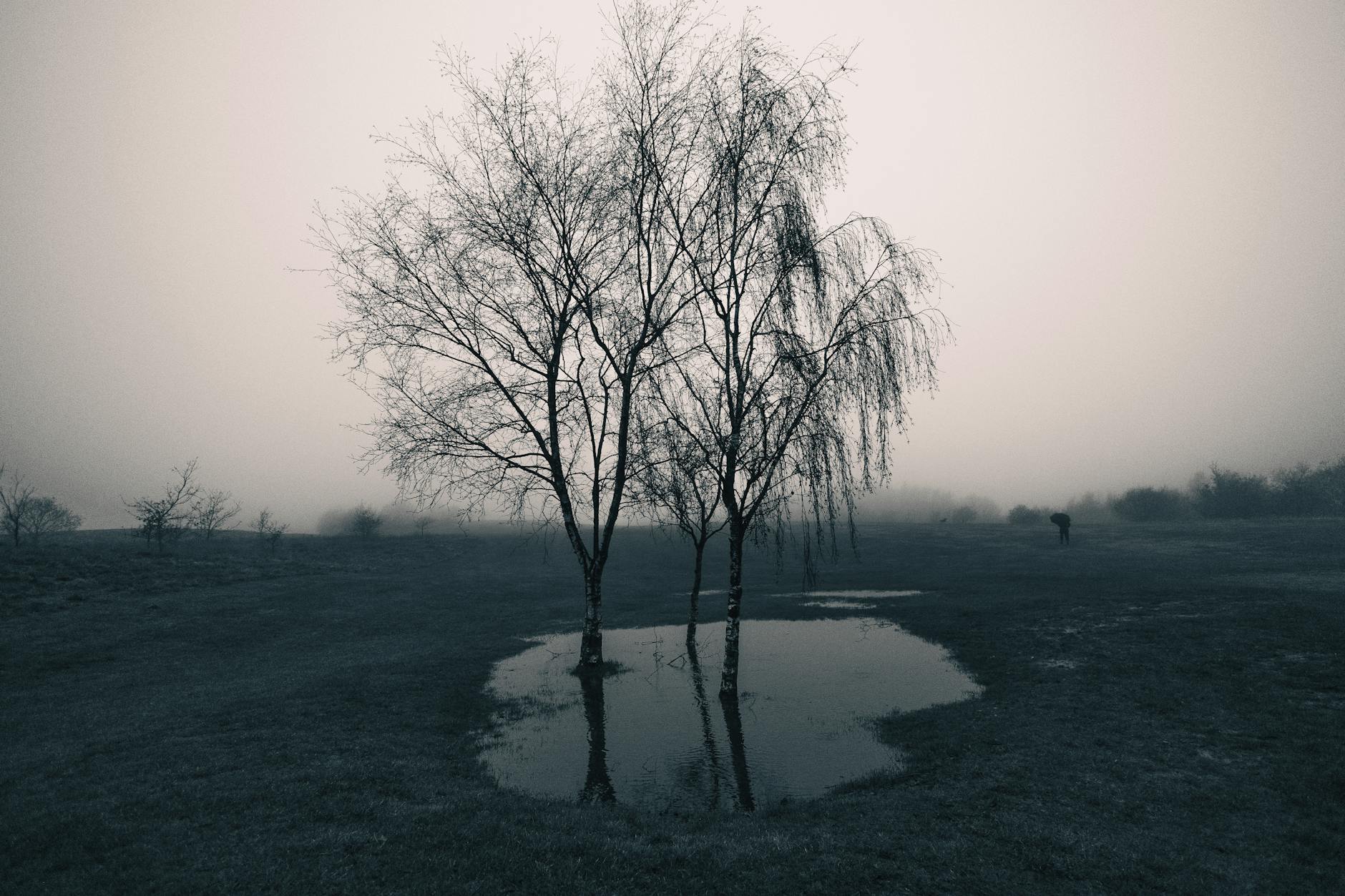
Cornwall is a county made for ghost stories. Its wild moors, its mist-wreathed coves, its ancient inns and castles, and its long, often tragic history of mining, shipwreck and smuggling have left it with a reputation as one of the most haunted corners of Britain. Whether or not you believe in such things, the tales are wonderfully atmospheric, and the places they cling to are fascinating to visit. This guide to haunted Cornwall rounds up the county’s spookiest spots and ghostly legends, from the most haunted inn in the land to a jail steeped in dark history and a castle said to harbour twenty ghosts, along with tips for visiting if you dare.
I should say at the outset that I am not asking anyone to take the supernatural literally. But there is no denying that Cornwall’s haunted places are among its most atmospheric and historically rich, and exploring them, especially on a misty autumn evening, adds a delicious shiver to a Cornish holiday.
Why Cornwall Is So Haunted
There is a reason ghost stories cluster so thickly in Cornwall. This is a land shaped by danger and loss: centuries of perilous tin and copper mining that claimed many lives underground, a treacherous coastline that wrecked countless ships and drowned their crews, a smuggling past full of violence and intrigue, and remote communities steeped in folklore, superstition and a strong oral storytelling tradition. Add the brooding landscapes, the lonely moors, the crumbling engine houses, the ancient stones, and the wild Atlantic weather, and you have the perfect setting for tales of the uncanny. Cornwall’s Celtic heritage, with its piskies, giants and spirits, deepens the sense of a place where the veil between worlds feels thin. The ghosts, in other words, are woven from real history and real landscape, which is exactly what makes them so compelling.
Jamaica Inn: Britain’s Most Haunted Inn?
High on the lonely expanse of Bodmin Moor stands Jamaica Inn, a former coaching house built in 1750 and immortalised by Daphne du Maurier’s novel, which is regularly described as one of the most haunted buildings in Britain. The inn’s smuggling past, recounted in our guide to Cornwall’s smuggling history, provides a suitably dark backdrop for its ghostly reputation. Among the reported spirits are a man in a tricorn hat said to walk through locked doors, an anguished mother said to haunt a particular room, and a murdered smuggler whose footsteps are said to pace the courtyard at night. Visitors and staff have long reported unexplained sounds, footsteps and sightings. Whether you come for the ghosts, the smuggling museum, the du Maurier connection or simply the wild moorland setting, Jamaica Inn is an atmospheric and rewarding stop, and you can even stay the night if you are brave enough.
Bodmin Jail: A Dark and Sinister Past
Few places in Cornwall carry a heavier atmosphere than Bodmin Jail, built in 1778 and the scene of many public executions over the following decades. Today it operates as a visitor attraction with an immersive “dark walk” experience telling its grim history, and it is a magnet for those interested in the paranormal, having featured in television ghost-hunting programmes. The most frequently reported apparition is said to be the spirit of Selina Wedge, a woman executed in 1878, whose ghost is reputedly seen, often it is said by children, wandering the gloomy passages. Descending into the cold underground cells, it is easy to understand the building’s eerie reputation, and the jail runs popular ghost tours and paranormal nights for those who want the full spine-tingling experience.
Pengersick Castle: Cornwall’s Most Haunted Castle
Near Praa Sands on the south coast stands Pengersick Castle, a fortified Tudor manor house widely regarded as the most haunted castle in Cornwall. Its centuries of history are entwined with dark legends of poisoning, murder and tragedy, and it is said that a remarkable number of ghosts, by some accounts up to twenty, have been encountered within its walls and grounds over the years, including a brown-robed monk and a young boy. The castle has been investigated by television ghost-hunting teams and hosts occasional paranormal events and tours. Its genuinely ancient, lived-in atmosphere sets it apart from more polished attractions, and for those drawn to the supernatural, it is a must.
More of Cornwall’s Haunted Places
The county is rich in other ghostly sites worth seeking out:
- Prideaux Place, Padstow: a beautiful Elizabethan manor house, still a family home, with reported hauntings and a history that has attracted paranormal investigators.
- Bodmin Moor: beyond Jamaica Inn, the whole moor is steeped in legend, from the phantom Beast of Bodmin to ghostly figures on the lonely roads.
- Cornish mines and engine houses: the old mine workings carry tales of the “knockers”, spirits of the mines whose tapping was said to warn of danger or lead miners to ore.
- Coastal inns and harbours: countless pubs and fishing villages claim resident ghosts, often drowned sailors or murdered smugglers.
- Ancient sites: Cornwall’s stone circles and quoits carry their own eerie folklore, as explored in our guide to ancient Cornwall.
The Ghosts of Cornwall’s Coast and Sea
It is fitting that a county so defined by the sea should have a coastline thick with ghostly legend. Centuries of shipwreck along these treacherous shores have left countless tales of drowned sailors who walk the cliffs, phantom ships seen sailing into the mist, and the tolling of bells from beneath the waves marking lost vessels and sunken villages. Fishing communities, ever aware of the sea’s dangers, passed down stories of omens and apparitions warning of storms or death at sea. The smuggling and wrecking past adds its own grim cast of headless free traders and murdered excisemen said to haunt the coves where they met their ends. Even particular beaches and headlands have their resident spirits in local lore. Walking a lonely stretch of the South West Coast Path as the light fades and the wind rises, with the Atlantic crashing below, it is easy to feel why generations of Cornish people peopled this coast with ghosts. These maritime legends are among the most atmospheric of all, and they turn a simple coastal walk into something that prickles the back of the neck.
Haunted Houses and Historic Hotels
Beyond the headline sites, Cornwall is dotted with grand houses and old hotels that carry their own ghostly reputations, and several welcome visitors or guests. Elizabethan and Jacobean manor houses, with their long histories of family drama, are classic settings for hauntings, and some, like Prideaux Place in Padstow, combine genuine architectural splendour with reported spectral residents. A number of historic country-house hotels and ancient coaching inns across the county trade gently on their resident ghosts, offering the frisson of a night’s stay in a building where, it is said, you may not be entirely alone. Many of these are wonderful places to eat, drink or stay in their own right, with centuries of history in their walls quite apart from any supernatural claims. For atmosphere-seekers, choosing a historic inn or house with a ghost story attached adds an extra dimension to a Cornish break, and our Cornwall bed and breakfast guide can point you to characterful, historic places to stay.
Cornish Ghost Folklore and Legends
Beyond specific haunted buildings, Cornwall has a deep well of supernatural folklore that colours the whole county. There are the piskies, mischievous little spirits said to lead travellers astray on the moors, the tradition of being “pisky-led”. There are tales of mermaids, most famously the Mermaid of Zennor, said to have lured a chorister into the sea. There are the knockers of the mines, and spectral ships, drowned bells and phantom funerals along the coast. The Beast of Bodmin Moor, a supposed big cat prowling the wilds, is a more modern legend. These stories, passed down through generations of Cornish storytelling, are part of what gives the county its distinctive, slightly otherworldly character, and they are wonderful to read up on before a visit.
Ghost Tours and Spooky Experiences
For those who want to lean into the eerie side of Cornwall, there are plenty of organised ways to do it. Bodmin Jail runs ghost walks and paranormal investigation nights, Pengersick Castle hosts occasional ghost-hunting events, and various towns offer guided ghost walks recounting their darkest tales, often after dark for maximum atmosphere. Halloween brings a flurry of special events across the county. Even without a formal tour, you can craft your own spooky itinerary by visiting the haunted sites, reading the local legends, and exploring the atmospheric moors, coves and old villages as dusk falls. Autumn and winter, with their long dark evenings and moody weather, are the perfect seasons for it, as covered in our guide to the best time to visit Cornwall.
Visiting Haunted Cornwall: Practical Tips
If you want to explore the haunted side of the county, a little planning helps. The major attractions like Bodmin Jail and Jamaica Inn have their own opening times and admission, with special evening and ghost-tour events that need booking in advance, so check their websites. Pengersick Castle and some other sites open only for specific events or by arrangement, so plan ahead rather than turning up. Many haunted spots are atmospheric old inns where you can simply stop for a meal or a drink and soak up the history. Dress warmly for evening tours and moorland visits, bring a torch, and approach it all with a sense of fun. For families, judge carefully which experiences suit children, as some of the darker tours can be genuinely frightening for younger ones.
A Self-Guided Haunted Cornwall Itinerary
If a spooky theme appeals, you can easily string the county’s haunted highlights into a memorable few days. Begin on Bodmin Moor, the dark heart of haunted Cornwall, with Jamaica Inn and its smugglers’ museum, perhaps staying the night, before exploring the brooding moor with its tales of the Beast and its ancient stones. Move on to Bodmin Jail for its immersive dark walk and, if you dare, an evening ghost tour. Head west to Pengersick Castle near Praa Sands for its remarkable concentration of legends, checking ahead for open events. Along the way, weave in atmospheric coastal villages with their drowned-sailor and smuggler tales, and an Elizabethan manor like Prideaux Place at Padstow. Time your visits for the late afternoon and evening where you can, when the light fades and the atmosphere thickens, and read up on the local legends as you go. Such an itinerary takes in some of Cornwall’s most historic and characterful places, ghosts or no ghosts, and makes a wonderfully different way to experience the county, especially in autumn. It pairs naturally with the smuggling and ancient-sites trails covered elsewhere in this heritage guide.
Haunted Cornwall With Families
Ghost stories can be great fun for families, but they need judging carefully by age. Older children and teenagers often love the thrill of a ghost walk, the dark history of Bodmin Jail or the legends of the moor, and the storytelling tradition is a wonderful way to bring history alive for them. For younger children, though, some of the immersive dark-walk experiences and after-dark paranormal tours can be genuinely frightening, so check the recommended ages and content before booking. The good news is that most of these sites work just as well as straightforward historical attractions in daylight, when the emphasis falls on the fascinating real history of smuggling, justice or Tudor life rather than the scares. The folklore, piskies, mermaids, giants and the knockers of the mines, tends to delight rather than terrify children, and makes for great bedtime reading on a Cornish holiday. Pitched at the right level, a gentle dose of haunted Cornwall can be a highlight for the whole family, as our Cornwall family holiday guide explores further.
Believe It or Not, It’s Part of Cornwall’s Soul
What strikes me most about haunted Cornwall is how inseparable the ghost stories are from the county’s genuine character and history. These are not invented attractions bolted on for tourists; they have grown organically out of centuries of mining tragedy, shipwreck, smuggling, isolation and a rich Celtic storytelling tradition. The knockers in the mines reflect the real dangers miners faced; the drowned sailors echo the true toll of the treacherous coast; the smugglers’ ghosts spring from a real and often violent trade. To engage with the legends, sceptically or otherwise, is to engage with the deep, sometimes dark, history of the place and the imaginations of the people who have lived here. That is why even confirmed non-believers find haunted Cornwall so rewarding: the stories are a doorway into the county’s soul, and the places they attach to are among the most atmospheric and historic Cornwall has to offer.
Why Haunted Cornwall Is Worth Exploring
Whether you are a committed believer, a curious sceptic, or simply someone who enjoys a good story in an atmospheric setting, haunted Cornwall offers something memorable. The ghostly legends are inseparable from the county’s real and often turbulent history of mining, wrecking, smuggling and ancient belief, so exploring them is also a way of exploring Cornwall itself. Stand in the courtyard of Jamaica Inn as the moorland mist rolls in, descend into the cells of Bodmin Jail, or walk a clifftop path where drowned sailors are said to walk, and you will feel the shiver that has made Cornwall a land of ghost stories for centuries. Just remember to look over your shoulder.
Frequently Asked Questions
What is the most haunted place in Cornwall?
Several lay claim to the title. Jamaica Inn on Bodmin Moor is often called one of the most haunted inns in Britain, Bodmin Jail has a famously dark and sinister history, and Pengersick Castle near Praa Sands is widely regarded as the most haunted castle in Cornwall, said to harbour numerous ghosts.
Can you stay overnight at haunted places in Cornwall?
Yes. Jamaica Inn offers accommodation for those brave enough, and various historic inns with ghostly reputations welcome guests. Bodmin Jail and other sites run paranormal investigation nights and ghost tours rather than overnight stays, which should be booked in advance.
Are there ghost tours in Cornwall?
Yes. Bodmin Jail runs ghost walks and paranormal nights, Pengersick Castle hosts occasional ghost-hunting events, and several towns offer guided after-dark ghost walks. Halloween sees a flurry of special spooky events across the county. Most need booking ahead.
When is the best time to visit haunted Cornwall?
Autumn and winter, with their long dark evenings and atmospheric weather, are perfect for ghost tours and haunted visits, and Halloween brings many special events. That said, the historic sites are fascinating to visit year-round.
Is Bodmin Jail scary to visit?
Bodmin Jail balances genuine, sometimes grim history with an immersive “dark walk” experience that can be atmospheric and unsettling, and its evening ghost tours are designed to give a fright. By day the emphasis falls more on the fascinating history of crime and punishment, making it suitable for older children, though sensitive younger ones may find parts frightening.