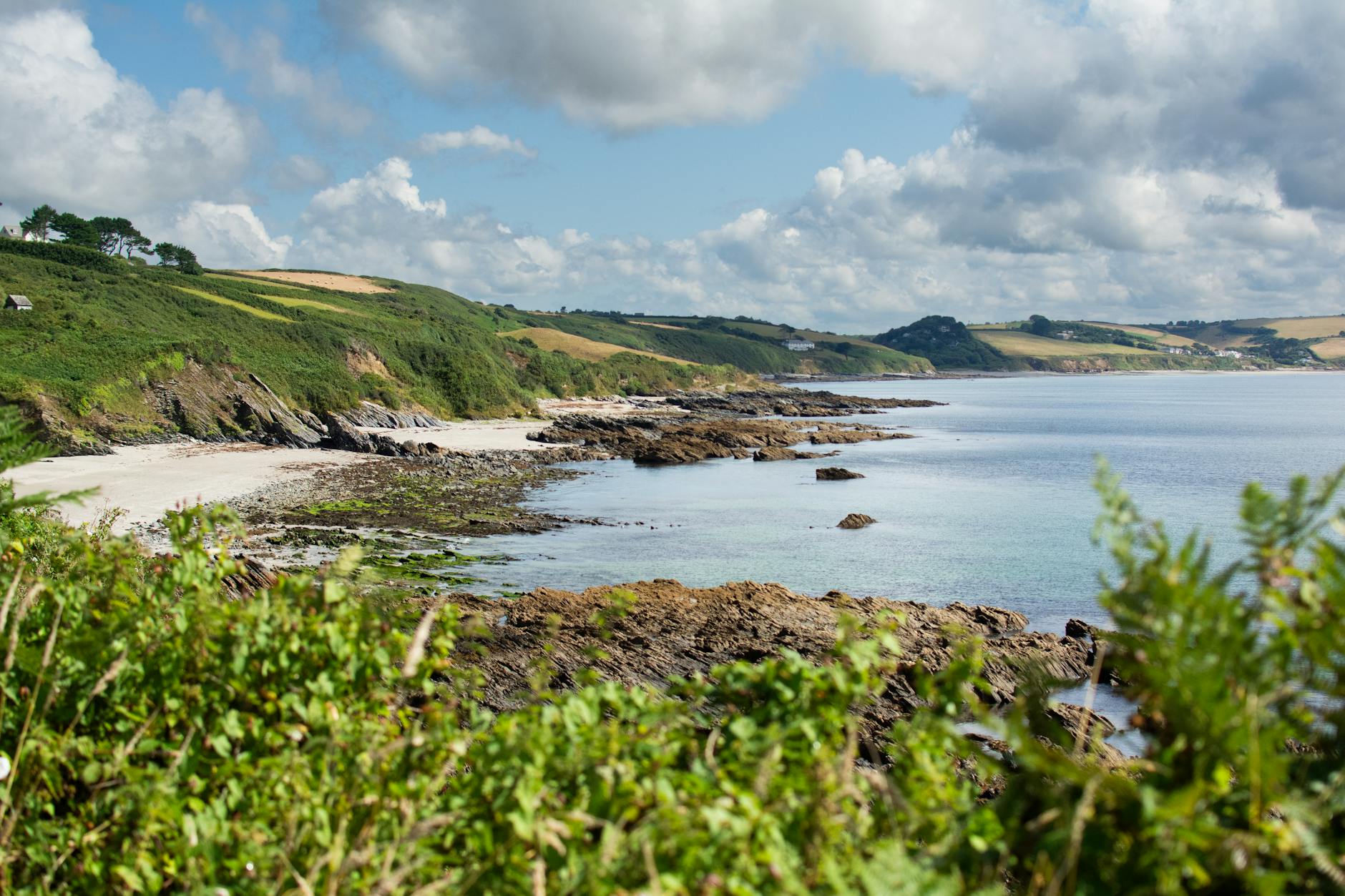
“When should we come?” is the question I am asked more than any other, usually by guests already dreaming of their next visit before they have left. The honest truth is that there is no single best month, only the best month for the holiday you want. Cornwall in February, lashed by Atlantic storms with the fire lit and the coast path empty, is a completely different proposition from Cornwall in late July with the beaches buzzing and the sea finally warm. This guide to the best time to visit Cornwall walks through the county month by month, weighing up weather, sea temperature, crowds, prices and what is actually on, so you can match the season to the trip you are hoping for.
I have lived through more than a decade of Cornish seasons watching guests arrive in every kind of weather, and the pattern is clear: the people who have the best time are the ones who picked the month to suit their priorities rather than just booking the school holidays by default.
The Quick Answer
If you want the short version before the detail: late May, June and September are widely considered the sweet spot, balancing decent weather, warmer-than-you-think seas, long days and far smaller crowds than the July and August peak. July and August are hottest and liveliest but busiest and priciest. Spring is for flowers and gardens, autumn for storms and surf, winter for cosy escapes and bargain rates. Now for the full picture.
Cornwall’s Climate in a Nutshell
Cornwall has the mildest climate in the United Kingdom, warmed by the Atlantic and the Gulf Stream. Winters are gentle and frost is rare near the coast, which is why palm trees and subtropical gardens thrive here. The flip side is that the Atlantic also brings changeable, often wet and windy weather year-round; locals joke about getting all four seasons in a single day, and they are not exaggerating. Sea temperatures lag the air by a couple of months, so the water is at its warmest in late summer and early autumn, not at midsummer as many people assume. Keep that lag in mind and a lot of seasonal decisions make sense.
Cornwall Month by Month
January
The quietest month of all. Air temperatures average around 7 to 9°C, days are short, and Atlantic storms roll in, which makes for spectacular wave-watching at places like Porthleven and Bude. Many attractions and some restaurants close or reduce hours, but accommodation is at its cheapest and the coast path is gloriously empty. A January trip is for storm-watchers, walkers who do not mind wrapping up, and anyone craving a genuinely peaceful escape.
February
Similar to January but with the first hints of spring; the famous Cornish daffodils and early camellias begin to show, and snowdrops carpet the gardens. Half-term week brings a brief spike in families. Still cold, still quiet, still cheap, and the surf is often at its most dramatic.
March
Spring arrives. Temperatures climb to around 10 to 12°C, the gardens at Trebah, Glendurgan and the Lost Gardens of Heligan burst into colour, and the days lengthen noticeably. The sea is still cold for swimming, but this is a beautiful, affordable time for walking and garden visits before the crowds. St Piran’s Day on 5 March is Cornwall’s national day, well worth catching for a taste of local culture.
April
One of my favourite months. Easter can be busy and pricey, but outside the holiday week April offers fresh, bright weather, wildflowers along the cliffs, and lambs in the fields. Average highs reach 12 to 14°C. The water is warming slowly and the brave are back in their wetsuits. Gardens are at their glorious peak. Book around Easter rather than during it for the best value.
May
For my money, the start of the best window. Late May in particular brings long days, settled spells of warm weather, and bluebells and sea thrift along the coast path. Highs of 14 to 17°C, fewer crowds than summer outside the two bank-holiday weekends, and a county that feels alive but not overwhelmed. The sea is around 12 to 13°C, brisk but swimmable for the hardy. Events like the Daphne du Maurier Festival in Fowey add to the appeal.
June
Arguably the best all-rounder. The longest days of the year, with light until well after 9pm, warm weather often reaching the low twenties, gardens and countryside at their lushest, and beaches that are busy but not yet at peak chaos. The sea is climbing to around 14°C. Schools are still in, so outside half-term the crowds are manageable and prices sit below the July and August peak. If someone forced me to pick a single month, it would be June.
July
High summer begins. Once the schools break up in late July, Cornwall fills up: the beaches are lively, every attraction is open and buzzing, and the atmosphere is at its most festive. Highs commonly reach the low to mid twenties and the sea warms to around 16°C. The trade-offs are real, though, with busy roads, packed car parks and peak accommodation prices. Book early, travel mid-week, and start your beach days before 10am to beat the crowds.
August
The busiest and warmest month, and the most expensive. The sea reaches its near-peak of around 17 to 18°C, the weather is at its most reliable, and the whole county is in full holiday swing with festivals, regattas and events almost every week. If you have school-age children this may be your only option, and Cornwall absolutely delivers in August; just go in with eyes open about crowds, traffic and cost, and use our advice on beating the queues. The Boardmasters festival near Newquay is the month’s big draw for music and surf fans.
September
The connoisseur’s choice, and for many the genuine best month of all. The sea is at its warmest of the entire year, often still 17°C or more after a summer of heating, the weather frequently settles into warm, golden spells, and yet once the schools go back in early September the crowds melt away and prices drop. Beaches that were jammed in August feel spacious again. For warm-water swimming, surfing and coast walks without the throng, September is hard to beat.
October
Autumn proper, and underrated. Average highs around 14°C, the sea still surprisingly mild from summer, and the light turning beautifully soft and golden for photography. The first proper Atlantic swells return, delighting surfers. Half-term brings a final family flurry, but otherwise October is quiet, atmospheric and affordable, perfect for cosy pubs, blustery walks and empty beaches.
November
Often the cheapest month for accommodation. The weather turns wetter and windier, days are short, and many seasonal businesses wind down, but the storm-watching is dramatic and the county feels like it belongs to locals again. A good month for a cosy, low-cost escape focused on walks, pubs and firesides rather than beach days.
December
Cornwall does Christmas beautifully. Mousehole’s famous harbour lights, the Padstow and St Ives festive markets, carol services in ancient churches, and a string of cosy pubs make December special despite the short, often stormy days. Temperatures hover around 8 to 10°C. Book well ahead for the Christmas and New Year period, which is one of the few winter spikes in demand and prices.
Month-by-Month Weather at a Glance
Averages never tell the whole story in a place this changeable, but they give a useful baseline. Here is roughly what to expect each month in terms of typical daytime highs, sea temperature and the general feel.
- January: highs around 8°C, sea about 10°C, short days, frequent storms. Quietest and cheapest.
- February: highs around 8°C, sea 9 to 10°C, first daffodils, half-term spike.
- March: highs around 11°C, sea 10°C, gardens awakening, lengthening days.
- April: highs around 13°C, sea 11°C, wildflowers, Easter busy.
- May: highs around 16°C, sea 12°C, long days, the season opening up.
- June: highs around 19°C, sea 14°C, longest days, the best all-rounder.
- July: highs around 21°C, sea 16°C, hot and busy once schools break up.
- August: highs around 21°C, sea 17 to 18°C, warmest and busiest.
- September: highs around 19°C, sea 17°C, warm sea and quieter beaches.
- October: highs around 15°C, sea 15°C, golden light, returning surf.
- November: highs around 11°C, sea 13°C, cheapest month, dramatic seas.
- December: highs around 9°C, sea 11°C, festive markets and harbour lights.
Notice how the sea temperature curve lags the air: the water is warmer in October than in June, despite October air being cooler. This single fact reshapes a lot of trip planning for swimmers and surfers.
A Season-by-Season Events Calendar
What is on can be reason enough to choose a particular time, and Cornwall’s calendar is packed. Here are the highlights worth planning around.
Spring Events
St Piran’s Day (5 March) celebrates Cornwall’s patron saint with processions, especially across Perran Sands. The gardens open in force, and the Daphne du Maurier Festival in Fowey in May draws literature lovers. Helston’s Flora Day on 8 May is one of Britain’s oldest and most charming traditional celebrations, with dancing through the streets.
Summer Events
Summer brings a festival almost every week: Golowan in Penzance in June, the Royal Cornwall Show, countless regattas including Falmouth Week in August, the Minack Theatre’s full open-air season, and the huge Boardmasters surf and music festival near Newquay. Agricultural shows, food festivals and village fetes fill the calendar.
Autumn Events
Autumn is harvest and food season, with the Falmouth Oyster Festival in October celebrating the start of the oyster dredging season, plus food festivals and the first big surf competitions returning to the north coast.
Winter Events
Mousehole’s harbour lights (from mid-December), Montol in Penzance around the winter solstice, festive markets in Padstow, Truro and St Ives, and New Year celebrations give winter a warm, communal glow despite the dark evenings.
How Long Should You Stay?
Timing is not only about which month but how many days. Cornwall rewards a longer, slower visit: distances are deceptive and the joy is in not rushing. A week lets you settle into a base and explore properly, while a long weekend works best focused on one area rather than trying to criss-cross the county. In peak season especially, a longer stay in a single base beats hopping around and battling the changeover-day traffic. Our itineraries for a perfect week in Cornwall and a Cornwall weekend break show how to make the most of whatever time you have.
Choosing by What Matters Most to You
For the Warmest Sea
Late August and September, when the Atlantic has had all summer to warm up. Counter-intuitively, September water is warmer than June or early July water.
For the Fewest Crowds
January, February and November are emptiest. For a balance of decent weather and space, choose late May, June or September.
For the Best Weather Odds
July and August offer the most reliable sunshine and warmth, with June and September close behind and far quieter.
For the Lowest Prices
November is generally cheapest, with January, February and March close behind. Avoid school holidays and bank holidays, when prices spike sharply.
For Gardens and Flowers
March to May, when Cornwall’s subtropical gardens and wildflowers are at their spectacular best.
For Surf
Autumn and winter bring the biggest, most consistent Atlantic swells, though summer is friendlier for beginners.
Crowds, Traffic and the School-Holiday Effect
Understanding the rhythm of the school holidays is the key to a smooth Cornish trip. The summer holidays, roughly mid-July to the start of September, are by far the busiest period, followed by the Easter break and the February, May and October half-terms. During these windows, roads are slower, car parks fill by mid-morning, popular restaurants need booking, and accommodation costs peak. Travelling in the shoulder weeks immediately before or after a holiday period often gives you near-identical weather at a fraction of the cost and crowds. This is also why the journey itself is easier outside peak weeks, as covered in our guide to how to get to Cornwall.
Packing for the Season You Choose
Whatever month you pick, Cornwall’s changeable weather means layering and a good waterproof are non-negotiable, even in summer. The specifics shift with the season, from sun cream and swimwear in July to proper waterproofs and warm layers in winter. Our dedicated Cornwall packing list for every season breaks down exactly what to bring month by month.
Reading the Cornish Weather Like a Local
One last piece of advice that matters whatever month you choose: do not judge a Cornish day by the forecast alone, and never write off a morning of drizzle. The Atlantic weather moves fast, and a grey start very often burns through to a glorious afternoon, or vice versa. I have watched countless guests almost cancel a beach day at breakfast only to be swimming in sunshine by lunchtime. The two coasts also differ; when the north coast is windswept, the sheltered south coast and the Helford and Fal estuaries can be calm and warm, so build flexibility into your plans and chase the better weather across the county. Locals carry a waterproof in July and sun cream in October as a matter of course, and so should you. The visitors who relax into the changeability, treating a sudden shower as a cue for a cream tea rather than a disaster, are invariably the ones who fall in love with the place.
My Personal Recommendation
If you have total freedom over timing, come in the second half of September. You get the warmest sea of the year, a strong chance of golden settled weather, long-enough days, quiet beaches and lower prices, all at once. If you are tied to the school holidays, embrace August for what it is and lean into the festival atmosphere while using off-peak tricks to dodge the worst of the crowds. And if you simply want Cornwall at its most peaceful and atmospheric, a winter weekend with the fire lit and the storms rolling in has a magic all of its own. Whichever you choose, planning your trip around the season rather than against it is the single best decision you can make. Browse our full Cornwall holiday planning guide to pull the rest of the trip together, and find your perfect Cornish bed and breakfast for the dates you settle on.
Frequently Asked Questions
What is the best month to visit Cornwall?
For most people, late May, June or September offer the best balance of warm weather, swimmable seas, long days and manageable crowds. September has the warmest sea of the year and far fewer visitors than August.
When is the sea warmest in Cornwall?
Late August and September, when sea temperatures peak at around 17 to 18°C after a full summer of warming. Early summer water is colder than many visitors expect.
When is the cheapest time to visit Cornwall?
November is usually the cheapest month, with January to March also offering low prices. Avoid school holidays and bank holidays, when accommodation costs are at their highest.
Is it worth visiting Cornwall in winter?
If you want the raw numbers rather than the verdict, they are worth looking at: Camborne’s Met Office averages show May as the sunniest and driest month of the year, November as the wettest, and only about seven days of air frost across the whole twelve months. Our Cornwall weather month by month guide sets out temperature, rainfall, sunshine, sea temperature and daylight for every month.
Absolutely, if you want peace, dramatic storm-watching, cosy pubs and bargain rates. Just expect short days and changeable weather, and check that attractions you want are open out of season.