
Cornwall has more cetacean species in its waters than any other English county. The combination of deep Atlantic shelf, sheltered bays, and the Gulf Stream’s eastern flank produces a marine wildlife mix that includes resident dolphins, transient pods, harbour porpoises year-round, minke whales in summer, and basking sharks (when conditions permit). The change over the past decade — basking shark sightings declining, Mediterranean species starting to appear — adds a climate-shift angle that makes Cornish marine wildlife watching more interesting, not less. This dolphins Cornwall guide is the practical version.
I’ll cover the species you can realistically see, the boat operators worth booking with, the land-based sea-watching spots that produce reliable sightings without the boat fare, and the Marine and Coastal Wildlife Code that visitors need to know. Our wider Cornwall wildlife and nature guide is the parent piece and our boat trips guide covers the broader cruising scene.
The Cornish Marine Wildlife Species
Common Dolphins (Delphinus delphis)
The regular Cornish dolphin species and by far the most sighted. Distinctive yellow-and-grey “hourglass” pattern on the flank. Pods range from a handful of animals to several hundred — the larger pods are spectacular. Peak season April to October with sightings possible year-round.
Best locations: off the Lizard, off Land’s End, Mount’s Bay (visible from shore at Lizard Point), Godrevy Point, and from boat trips out of Falmouth, Penzance, Padstow and Newquay.
Bottlenose Dolphins (Tursiops truncatus)
Less common as a casual sighting but with a remarkable Cornish story. The Cornish/South-West coast has England’s only resident bottlenose dolphin pod — twenty-eight identified individuals tracked by Cornwall Wildlife Trust’s South West Bottlenose Project. Each animal is photo-identified by the unique markings on its dorsal fin. The pod ranges widely along the south Cornish coast and into Devon, with sightings off Falmouth, Mevagissey, Plymouth Sound and the Lizard.
Harbour Porpoises (Phocoena phocoena)
The smallest UK cetacean. Often overlooked because they’re small (under two metres), quiet (don’t bow-ride), and surface briefly. Year-round residents in Cornish waters. Pendeen Watch and the Lizard headland are the most reliable sea-watching sites — the porpoise’s small triangular dorsal fin appears in calm conditions in summer mornings.
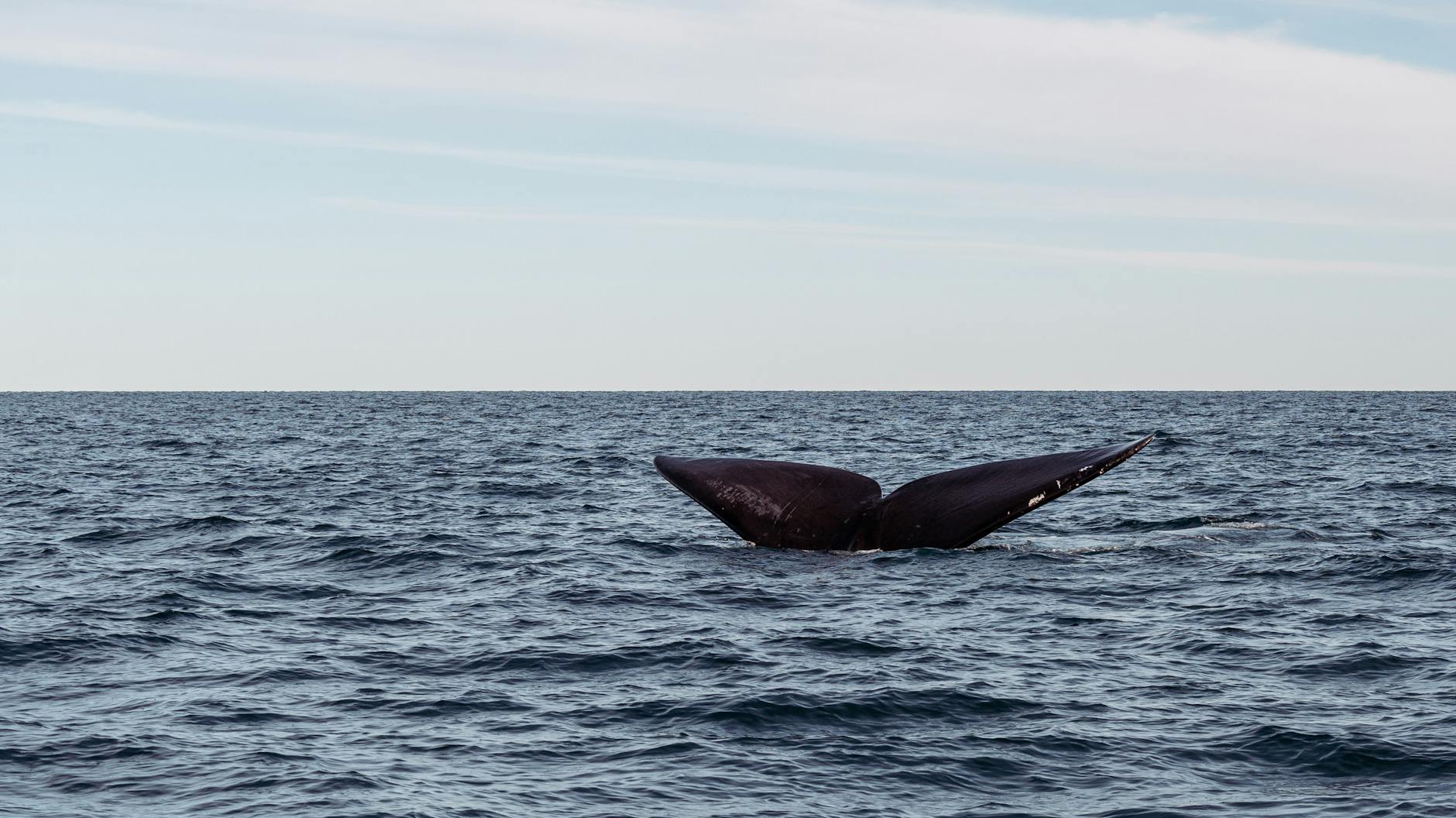
Minke Whales (Balaenoptera acutorostrata)
Summer and autumn sightings, more common offshore than inshore. The smallest UK baleen whale, often feeding on mackerel and herring shoals. Best from boat trips with AK Wildlife Cruises (Falmouth) — their offshore wildlife surveys produce most of the documented sightings. Land-based sightings possible from Gwennap Head and Gribba Point in West Penwith with a scope.
Fin Whales (Balaenoptera physalus)
The second-largest animal on Earth (up to 27 metres). Late summer and autumn appearances in Cornish waters as the fin whales follow herring and mackerel. AK Wildlife Cruises introduced a new five-hour fin whale tracking cruise for 2026, which is one of the most exciting British wildlife trip offers of recent years. Sightings from land are very rare; this is properly offshore wildlife.
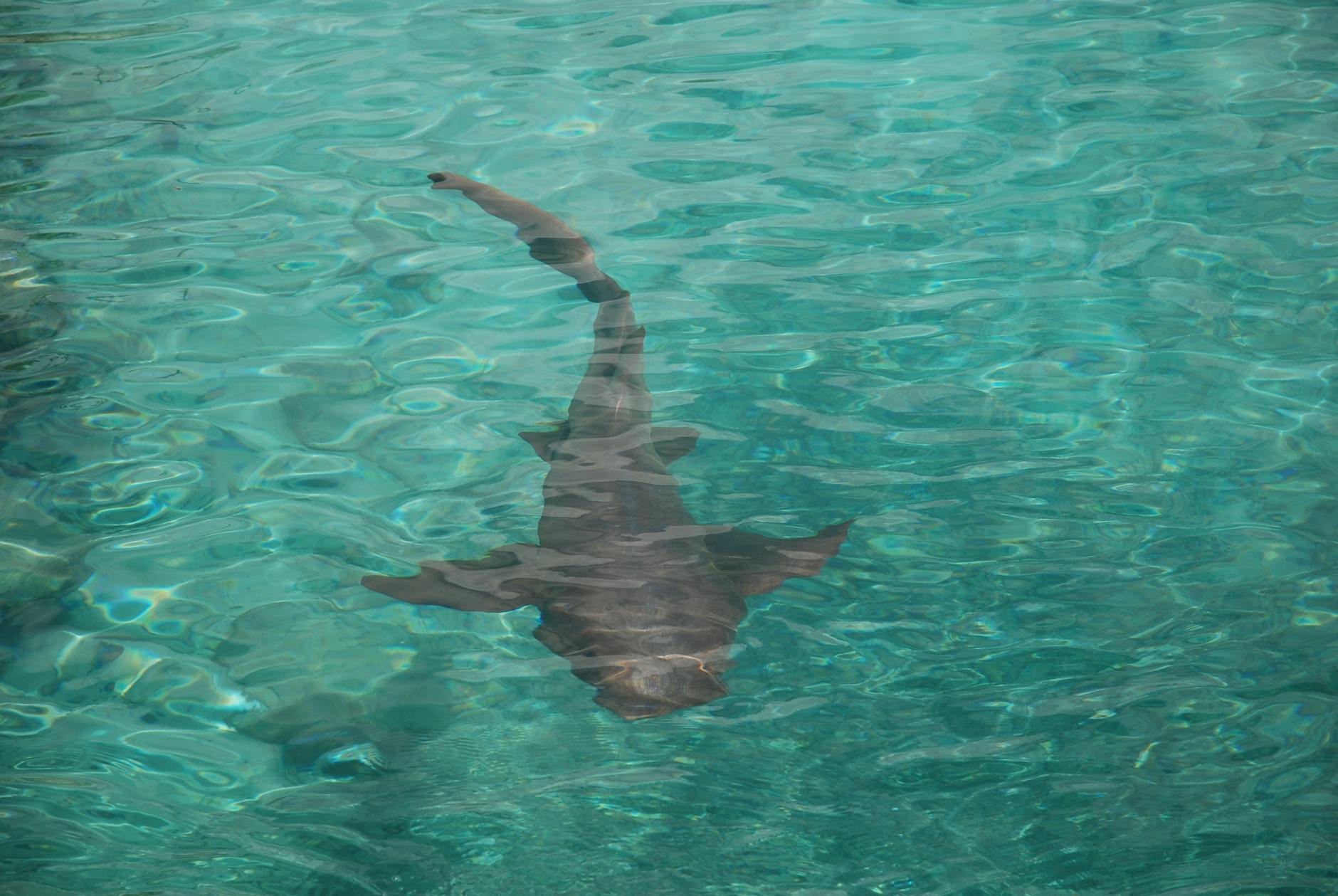
Basking Sharks (Cetorhinus maximus)
The world’s second-largest fish (up to 10 metres). Plankton-feeders; completely harmless. Cornish waters were historically the UK basking shark hotspot, but sightings have declined dramatically — Padstow Sealife Safaris reports going nearly a decade between confirmed sightings. The causes are debated (plankton distribution shifts, possibly warming surface waters, possibly population decline). Sightings are still possible from May to September, peaking June-July, with the offshore waters around Land’s End and the Lizard the best hunting grounds.
Charles Hood Shark Adventures runs dedicated basking shark snorkelling trips from Penzance and Sennen when sightings are reported. £150-250 per person typically; six-hour trips.
Sunfish (Mola mola)
The bizarre, disc-shaped, slow-moving giant fish that occasionally appears in Cornish waters in late summer and autumn. Up to a metre across, often spotted “sun-bathing” flat on the surface. Cape Cornwall and Lizard Point are reliable land-based sighting spots in the right conditions.
Other Species
Less common but possible: risso’s dolphin, white-beaked dolphin, striped dolphin (rare), humpback whale (rare but increasing recent sightings), leatherback turtle (extremely rare offshore), various seabird species (Manx shearwater, gannet, fulmar, kittiwake).
Below the surface, diving and snorkelling in Cornwall covers what you can get close to with a mask on.
The Boat Operators
AK Wildlife Cruises (Falmouth)
The premium Cornish marine wildlife operator. WiSe (Wildlife Safe) scheme accredited. Operating since the mid-2000s. Multiple trip lengths from three-hour bay cruises to all-day offshore wildlife surveys. For 2026 they’re introducing the longer fin whale tracking cruise — a meaningful upgrade for serious wildlife watchers. Their trip reports document the most comprehensive Cornish marine wildlife data outside the academic surveys. £45-150 typically. akwildlifecruises.co.uk.
Marine Discovery Penzance
Catamaran-based wildlife cruises from Penzance. The Shearwater II catamaran provides a steady platform for longer trips. Strong reputation for spotting and naturalist commentary. marinediscovery.co.uk.
Orca Sea Safaris (Falmouth)
Operating since 2006. Wildlife-focused RIB trips from Falmouth Marina. orcaseasafaris.co.uk.
Padstow Sealife Safaris
North-coast specialist. Combines seal-watching, wildlife cruising and the Puffin Safari (April-July). padstowsealifesafaris.co.uk.
Newquay Sea Safaris
Newquay-based wildlife and fishing operator. newquayseasafarisandfishing.co.uk.
Falmouth Sea Safari
Falmouth-based RIB operator with multiple trip options.
Sailing and boat trips in Cornwall compares the operators, sailing times and what each trip includes.
The Land-Based Sea-Watching Spots
You can see Cornish marine wildlife without paying for a boat trip. The headlands where land-based sightings are most reliable:
Godrevy Point. The combined seal-and-cetacean headland west of Hayle. Common dolphins are reliably visible offshore in summer. The clifftop path gives a good viewing position. National Trust car park.
Lizard Point. The most southerly headland in mainland Britain. Common dolphins, occasional harbour porpoises, basking sharks (rare), sunfish in late summer. National Trust site with car park.
Pendeen Watch. West Penwith sea-watching site. Harbour porpoises reliable in calm conditions; common dolphins offshore; occasional minke whale.
Gwennap Head. West Penwith, near Porthgwarra. The premier sea-watching station for serious wildlife observers. Multi-species including offshore species like Manx shearwater and storm petrel.
Trevose Head. North coast sea-watching above Padstow.
Cape Cornwall. Sunfish, common dolphins, occasional minke whale.
The technique: arrive at dawn or in the calm hour after onshore winds (the wildlife pushes inshore after a blow). Bring binoculars or a spotting scope. Sit quietly for at least an hour — wildlife sightings cluster around productive periods. The Cornwall Wildlife Trust’s Seaquest Southwest project runs citizen science recording — anyone can submit sightings via the ORKS database.
The same headlands are the best in the county for birdwatching and seal watching.
The Resident Bottlenose Pod
One of the genuinely remarkable Cornish wildlife stories. The South-West bottlenose dolphin pod — twenty-eight identified individuals at the latest count — is England’s only resident bottlenose population. Each animal is identified by the unique notches and scars on its dorsal fin; the photo-identification database is maintained by Cornwall Wildlife Trust’s South West Bottlenose Project.
The pod ranges between Cornwall and South Devon, with regular sightings off Falmouth, Mevagissey, the Lizard, and into Plymouth Sound. They’re less reliable than common dolphins for boat-trip sightings but more remarkable when they appear — bottlenoses are larger, more demonstrative, and often bow-ride boats more enthusiastically than common dolphins.
You can help. The CWT South West Bottlenose Project relies on photographs from the public to maintain the photo-ID database. Photograph any bottlenose dolphin you see (telephoto lens recommended) and submit to the project. Each sighting adds to the dataset.
The Marine and Coastal Wildlife Code
The non-negotiable framework for any wildlife encounter at sea. The 2023 national code applies across all UK marine wildlife operations.
Stay 100 metres from cetaceans on land. Stay 100 metres on the water when in a powered boat. Let animals approach you, not the other way around.
If an animal moves away from you, you’ve crowded it. Stop, reduce engine noise, wait for the animal to settle.
Never chase, surround, or cut off an animal. If you’re on a kayak or SUP and a dolphin chooses to bow-ride or swim with you, that’s the dolphin’s choice — let it be.
Approach speed under five knots. Sudden speed changes alarm marine mammals.
Boat operators with the WiSe accreditation have signed up to the code and operate to it. Look for the WiSe logo when booking.
Report disturbing behaviour. Drone overflights of breeding sites, boats too close to a pod, anglers attempting to feed dolphins — all of these are reportable to the Marine Management Organisation.
The Climate Change Story
Cornish marine wildlife is shifting. The pattern over the last decade:
Basking sharks declining. Sightings have dropped dramatically. Padstow Sealife Safaris reports nearly a decade between confirmed sightings. The causes are debated — likely a combination of plankton distribution changes, possibly population decline, possibly the sharks simply moving north. The Cornish “basking shark week” of the 1990s and 2000s is no longer a reliable summer occurrence.
Mediterranean species arriving. Octopus encounters in Cornish waters have increased markedly. Cuttlefish migrations are stronger. Some Mediterranean jellyfish species are now seen most summers. Triggerfish — a properly tropical species — have been recorded from Cornish snorkellers and divers in recent summers.
Bottlenose dolphin numbers stable. The Cornish resident pod has held its numbers; some signs of slow growth.
Common dolphin sightings stable to increasing. The species is doing well.
Minke and fin whale sightings. Possibly increasing — the climate-driven changes in fish distribution may be pulling baleen whales further south. AK Wildlife Cruises’s introduction of the fin whale tracking cruise for 2026 reflects this trend.
Turtle sightings. Leatherback turtles (rare summer visitors following jellyfish blooms) are seen most years now; loggerhead turtles occasionally.
The honest framing: Cornish marine wildlife is in flux. Some species are thriving; some are leaving. The wildlife trip you take in 2026 will have a different species mix from one in 2010.
Citizen Science: Seaquest Southwest
Cornwall Wildlife Trust runs the Seaquest Southwest project — a citizen science network recording marine wildlife sightings across the south-west. The third Sunday of every month is the public Seaquest Sunday, when volunteers gather at major headlands (Pendeen, Trevose, Lizard Point, Godrevy) and record what passes through. Anyone can join.
The ORKS database (Open Records and Knowledge Sharing) accepts photographs and sighting reports of marine wildlife from anywhere in the Cornish coastal zone. Submit through the CWT website. Each record adds to the data underpinning conservation work.
The Single Best Cornwall Marine Wildlife Day
For a first-time visitor with one day and a serious wildlife interest:
Dawn at Pendeen Watch for an hour of sea-watching with a scope. Bring a flask.
Morning to Falmouth for a three-hour AK Wildlife Cruise (book ahead). Includes the bottlenose dolphin possibilities plus seal viewing plus seabird identification.
Lunch on the Falmouth front.
Afternoon to the Lizard for land-based watching at Lizard Point. Common dolphins offshore; choughs on the cliffs; sunfish possible in late summer.
Sunset at Mutton Cove (Godrevy) for the seal haul-out (see our seal watching guide).
The After-Storm Window
The single most useful sea-watching tip: the morning after a strong south-westerly storm is the best time to see offshore species pushed inshore. Twenty-four to forty-eight hours after an Atlantic depression has crossed, the seas calm but the disturbed pelagic species remain close to shore looking for the displaced fish shoals. Pendeen, Lizard Point and Gwennap Head all produce extraordinary records in the post-storm window. Watch the weather forecast and plan trips around it.
Whale Sightings From Shore
Minke and fin whales are mostly seen from boats, but land-based sightings are possible from the West Penwith and Lizard headlands during late summer. Gwennap Head is the most reliable for telescope-quality whale sightings. The Cornwall Wildlife Trust’s annual cetacean records publish the year’s totals; in good years there are dozens of confirmed shore-based whale sightings.
Frequently Asked Questions
Where can I see dolphins in Cornwall? Common dolphins off the Lizard, Godrevy, Land’s End and Mount’s Bay; bottlenose pod (28 identified individuals) ranges across south Cornwall. Best by boat from Falmouth or Padstow.
What time of year do dolphins come to Cornwall? Year-round but peak April to October. Pod sizes largest in summer.
Are there whales in Cornwall? Yes — minke whales summer/autumn, fin whales late summer/autumn. AK Wildlife Cruises runs dedicated tracking trips for 2026.
Can you see basking sharks in Cornwall? Yes but rarely now. Sightings have declined dramatically. May-September with peak June-July.
What is the difference between a dolphin and a porpoise? Porpoises are smaller (under 2m), have smaller triangular dorsal fins, don’t bow-ride, and rarely jump. Dolphins are larger, more demonstrative, often acrobatic.
Are there bottlenose dolphins in Cornwall? Yes — England’s only resident bottlenose pod, 28 identified individuals, ranges the south Cornish coast.
How close are dolphins to the Cornish coast? Often within sight of shore. Common dolphins reliably visible from Godrevy Point and Lizard Point.
What is the best boat trip to see dolphins in Cornwall? AK Wildlife Cruises (Falmouth) is the premium operator. Padstow Sealife Safaris and Marine Discovery Penzance are excellent alternatives.
Can you see whales from the shore in Cornwall? Yes — minke and fin whales occasionally visible from Gwennap Head, Lizard Point, Pendeen with a telescope.
Why are basking sharks disappearing from Cornwall? Likely a combination of plankton distribution changes, warming surface waters, and possible population shift northward. The Cornish sightings of the 1990s and 2000s are no longer reliable.
One of the best ways to see dolphins off Cornwall costs no more than a ferry ticket. The Scillonian III crossing from Penzance to the Isles of Scilly runs past Land’s End and the Wolf Rock into open Atlantic water, and dolphins and seabirds are often seen from the outside deck, with basking sharks and sunfish possible in summer. Our Scillonian ferry guide explains where to stand.
Cornish marine wildlife rewards visitors who give it proper time and proper respect. Book an AK Wildlife Cruise from Falmouth for the boat experience. Spend a dawn at Pendeen Watch for the free version. Record your sightings to Cornwall Wildlife Trust’s Seaquest. The combination of common dolphins, the resident bottlenose pod, harbour porpoises, summer minke and fin whales, and the rarer shark and sunfish appearances makes Cornwall the most productive marine wildlife coast in England.