Cornwall wildlife makes this southwestern peninsula one of the most extraordinary natural destinations in the British Isles. Where the wild Atlantic Ocean crashes against ancient granite cliffs, where sheltered estuaries wind through wooded valleys, and where windswept heathlands stretch to the horizon, an astonishing diversity of creatures has found a home. From grey seals hauling out on hidden beaches to basking sharks gliding through crystal-clear waters, from the triumphant return of the Cornish chough to the secret world of rock pool creatures, Cornwall wildlife offers experiences that rival anywhere in Europe for sheer variety and accessibility.
This comprehensive guide to Cornwall wildlife covers everything you need to know to plan unforgettable wildlife encounters during your visit. Whether you are a seasoned naturalist with a life list to complete, a family looking for hands-on nature experiences, or simply someone who wants to feel the thrill of spotting a dolphin from a clifftop path, you will find detailed, practical information on where to go, what to see, and when to visit. We cover marine mammals, seabirds, land mammals, reptiles, insects, rock pool life, nature reserves, guided tours, and a complete seasonal calendar to help you make the most of Cornwall wildlife throughout the year.
What You Will Find in This Cornwall Wildlife Guide
Grey Seals: Cornwall’s Most Iconic Marine Mammals
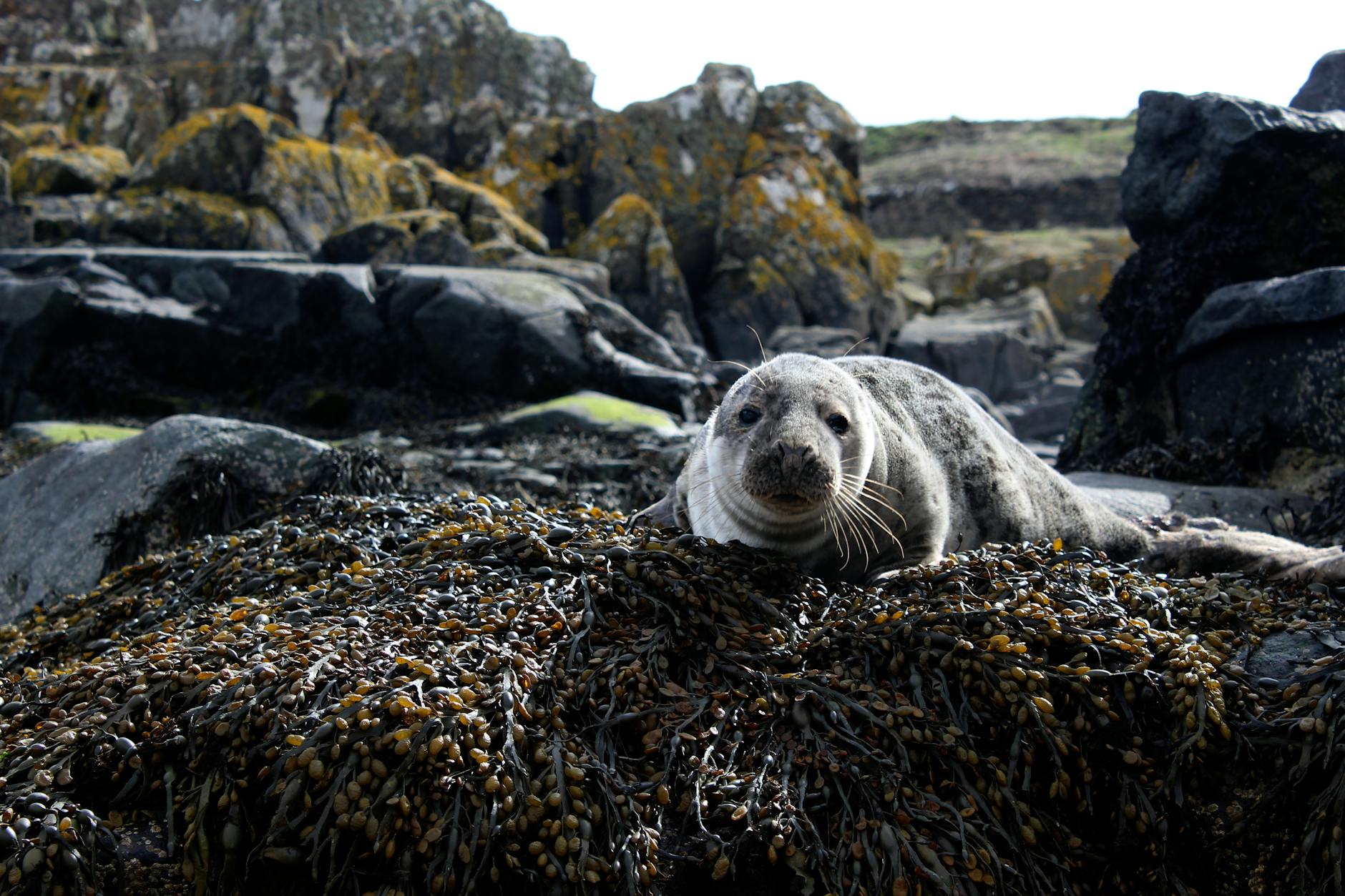
The grey seal is arguably the star attraction of Cornwall wildlife, and the county plays a globally significant role in their conservation. The United Kingdom is home to nearly 40 percent of the world’s grey seal population, and Cornwall’s rugged coastline provides some of the most important haul-out and pupping sites in southern England. These magnificent creatures, which can weigh up to 300 kilograms and live for 35 years, are present along the Cornish coast throughout the year, though their numbers and behaviour change dramatically with the seasons.
The pupping season runs from August through December, with peak activity during September and October, when mothers haul out onto secluded beaches and rocky coves to give birth to their fluffy white-coated pups. These newborns weigh around 14 kilograms at birth and grow rapidly on their mother’s incredibly rich milk, tripling their weight in just three weeks. Watching a seal colony during pupping season is one of the most moving Cornwall wildlife experiences you can have.
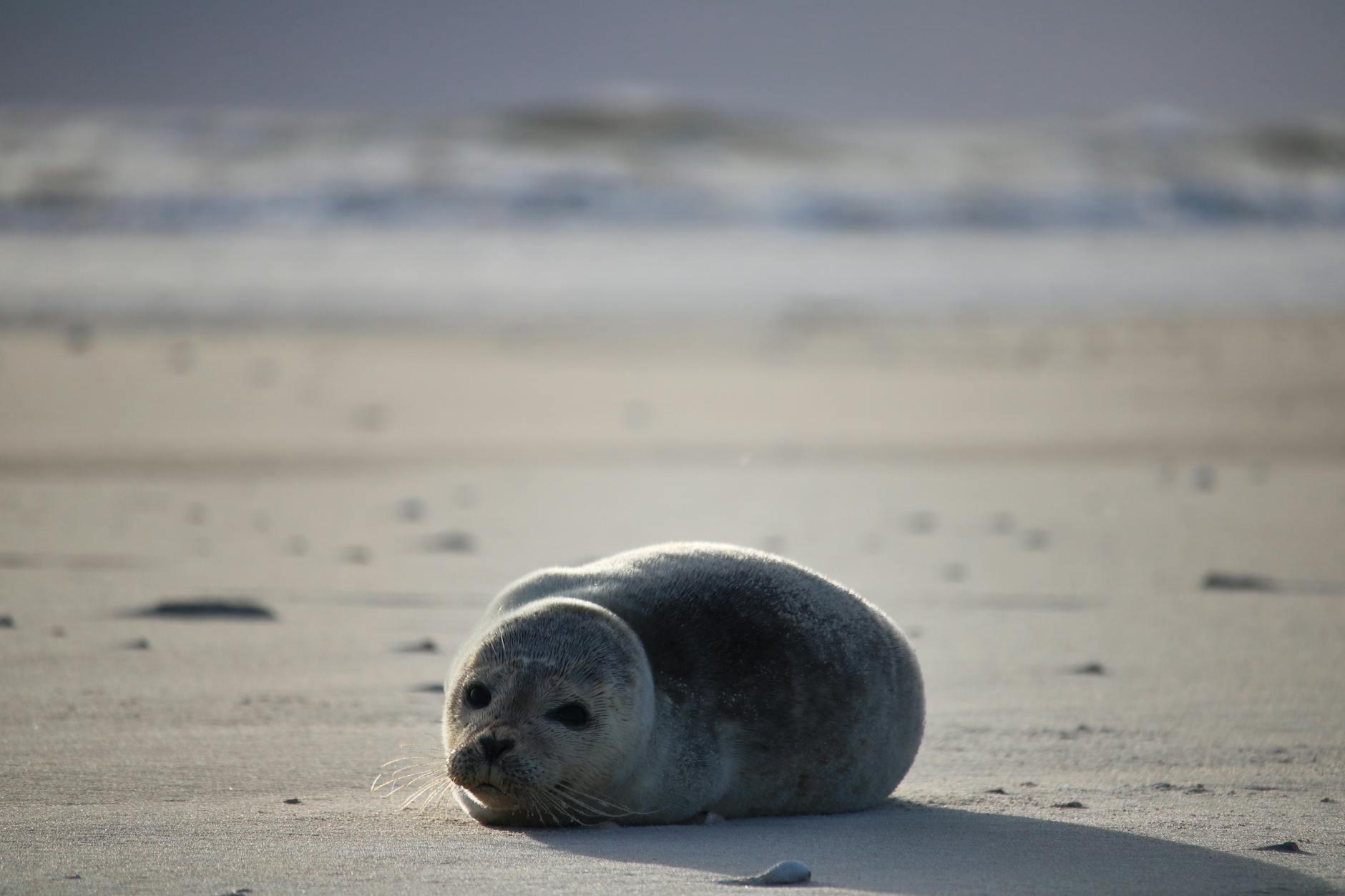
The best locations for seal watching include Mutton Cove at Godrevy Head near Hayle, which is one of the most reliable colonies in Cornwall. The cove is inaccessible from below, which keeps the seals safe, while the South West Coast Path above provides excellent viewing. Seal Island, approximately 3.5 miles west of St Ives, hosts a large colony of Atlantic grey seals that can be seen on boat trips. The Lizard Peninsula offers numerous seal watching opportunities, particularly around Lizard Point and the hidden coves of the south coast. Other excellent locations include Porthgwarra, Gwennap Head, Land’s End, Sennen, Cape Cornwall, Pendeen, Trevose Head, The Rumps, and Pentire Point.
For those who want a guaranteed close encounter, the Cornwall Seal Sanctuary at Gweek near Helston rescues and rehabilitates injured and orphaned seals. The sanctuary offers an educational and heartwarming experience where you can learn about seal biology and the challenges these animals face, making it an excellent Cornwall wildlife destination for families.
Seal watching in Cornwall covers where and when to see them from land and boat, and the Cornish Seal Sanctuary at Gweek is the reliable option with children.
Dolphins, Porpoises, and Whales in Cornwall Waters
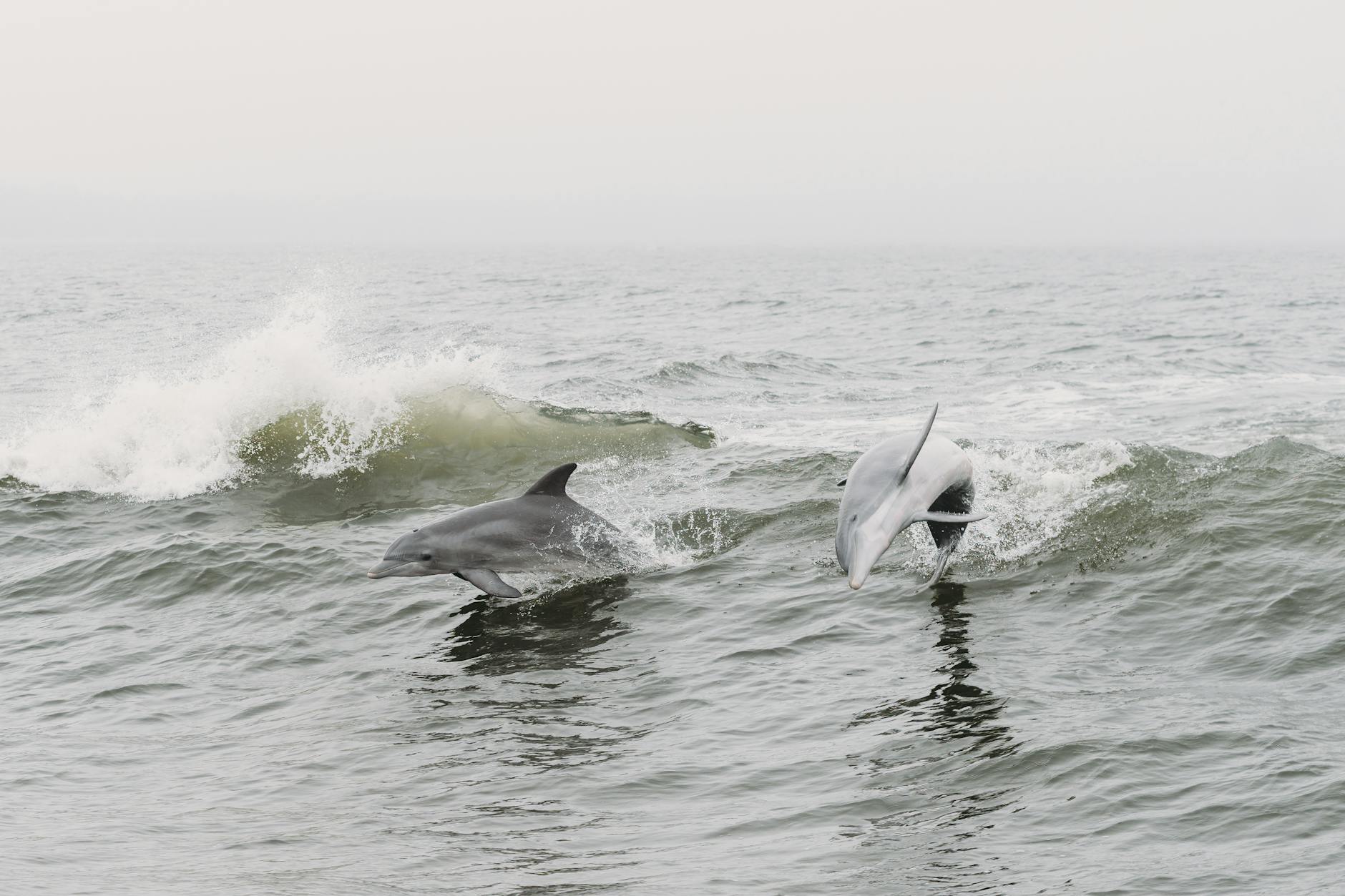
Cornwall’s position at the tip of the southwestern peninsula, where warm Atlantic currents meet nutrient-rich coastal waters, creates ideal conditions for cetaceans. Several species of dolphin are regularly spotted from the Cornish coastline and on boat trips, making dolphin watching one of the most thrilling aspects of Cornwall wildlife. Common dolphins are the most frequently seen species, often travelling in pods of dozens or even hundreds, their acrobatic leaps and bow-riding behaviour delighting onlookers. Bottlenose dolphins are also regular visitors, typically seen in smaller pods of up to fifteen individuals, and are often spotted closer to shore than their common cousins.
Harbour porpoises are present in Cornish waters year-round, though their shy nature and small size make them harder to spot than dolphins. Look for their distinctive triangular dorsal fin breaking the surface in calm conditions, particularly in sheltered bays and near headlands. Mount’s Bay near Penzance is a particularly productive area for cetacean sightings, as is the stretch of coast between Porthgwarra and Gwennap Head, which many regard as the finest sea-watching location in Cornwall.
Perhaps the most exciting Cornwall wildlife sightings involve the larger cetaceans. Minke whales pass through Cornish waters, usually between July and October, and humpback whales have been recorded with increasing frequency in recent years. Orca sightings, while rare, do occur and generate enormous excitement when they happen. The best way to maximise your chances of a cetacean encounter is to join a dedicated wildlife boat trip from ports such as Falmouth, Padstow, or Penzance, where experienced skippers know the most productive areas.
Dolphins and marine life in Cornwall covers the boat trip operators, the best headlands for shore watching and realistic odds by season.
Basking Sharks and Ocean Giants
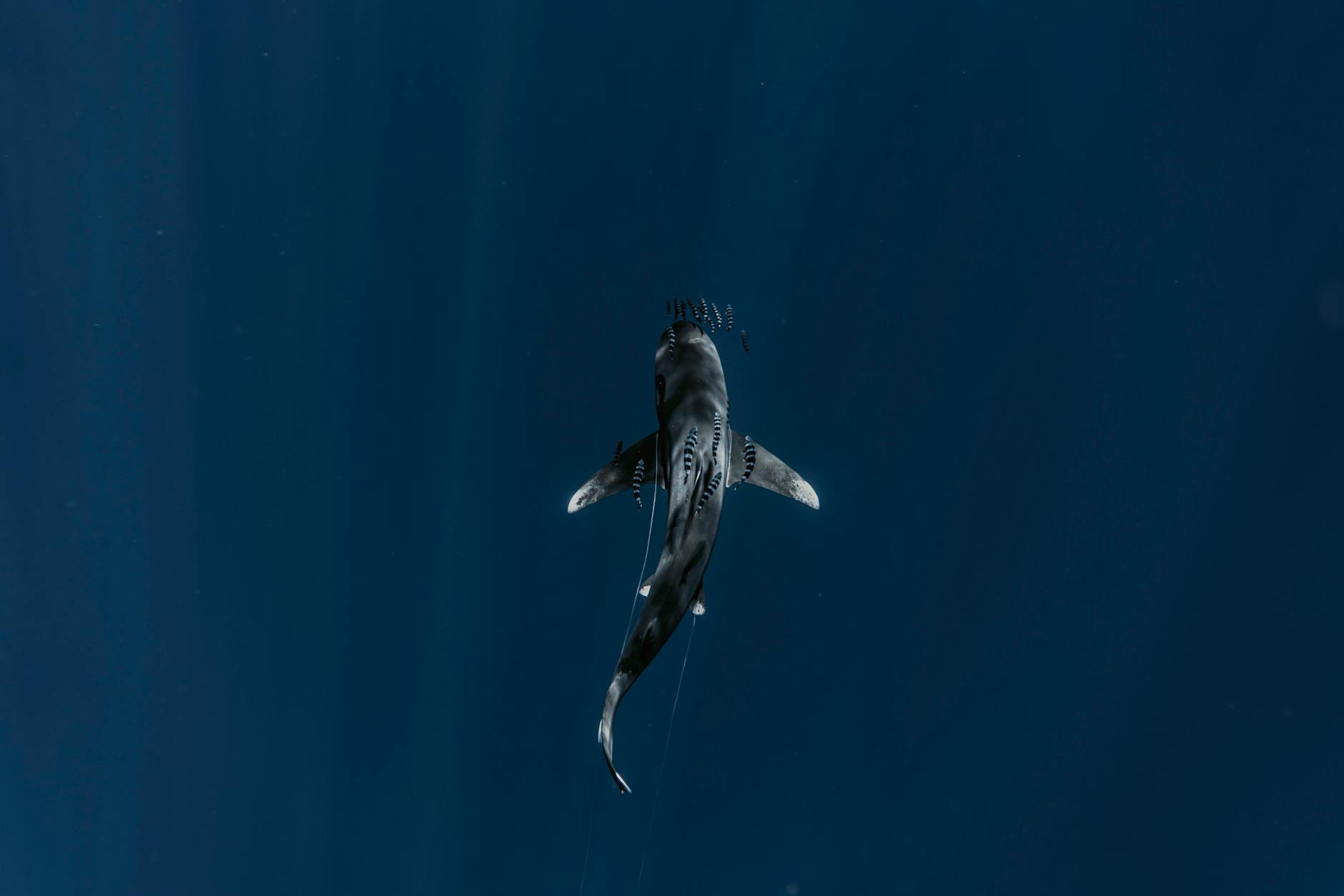
The basking shark is the second largest fish in the world, reaching lengths of up to 12 metres and weighing as much as seven tonnes, and Cornwall wildlife watchers are privileged to see these gentle giants each year as they migrate into British waters. The basking shark season in Cornwall runs from approximately April through October, with peak sightings between mid-May and late June. These enormous but harmless filter-feeders follow the plankton blooms that develop as the sea temperature rises, cruising along just below the surface with their vast mouths agape.
The best locations for spotting basking sharks from land include the National Trust Wildlife Watchpoint at Lizard Point, Porthgwarra, Gwennap Head, and the clifftops around Land’s End and Sennen. Sunny days with calm winds provide the ideal conditions, as the warmth brings plankton to the surface, and the still water makes the sharks’ dorsal fins easier to spot. Godrevy Point is another excellent vantage point, where basking sharks are regularly seen alongside dolphins, seals, and seabirds.
Blue sharks are another remarkable Cornwall wildlife species, though seeing them requires a dedicated boat trip to offshore waters. The blue shark season runs from late June through September, and several operators offer cage-free snorkelling experiences with these beautiful predators in the waters south of Penzance and Falmouth. Ocean sunfish, those extraordinary disc-shaped fish that can weigh over a tonne, are occasional summer visitors to Cornish waters, sometimes spotted basking at the surface on calm days. These encounters with ocean giants represent some of the most memorable Cornwall wildlife experiences available in the British Isles.
The Cornish Chough: A Conservation Triumph
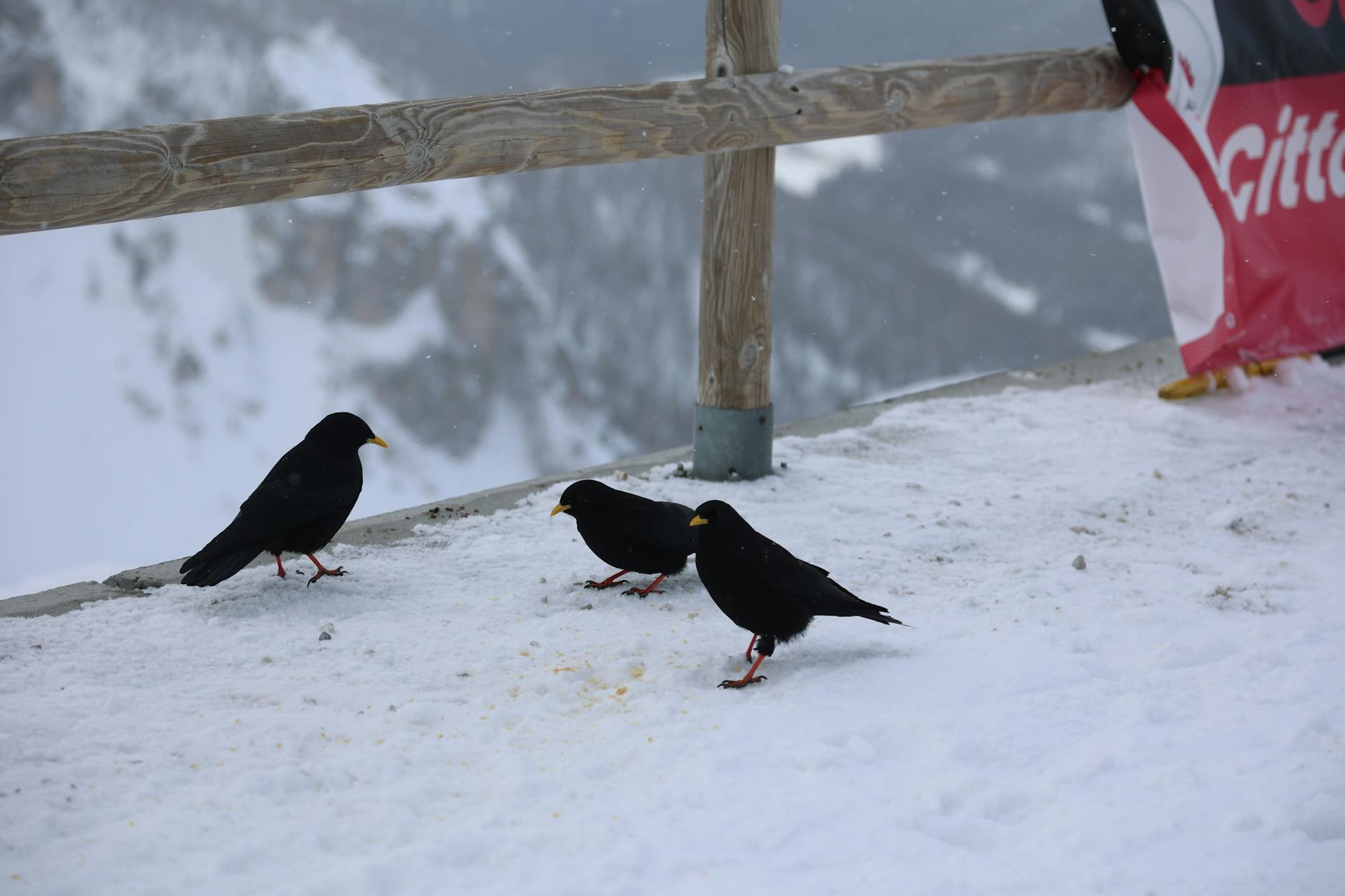
No account of Cornwall wildlife would be complete without the story of the Cornish chough, one of the most remarkable conservation success stories in British natural history. This glossy black member of the crow family, distinguished by its curved red bill and red legs, is Cornwall’s county bird and appears on the Cornish coat of arms. Yet by 1973, the chough had been completely lost from Cornwall, driven to extinction in the county by habitat loss and persecution. Its absence left a painful gap in Cornwall’s natural heritage.
The story took a dramatic turn in 2001, when a small group of wild choughs arrived on the Lizard Peninsula, later shown through genetic testing to have flown across from Ireland. In 2002, history was made when a pair nested and successfully raised three chicks, the first choughs hatched in the wild in Cornwall for over 50 years. Since then, the recovery has been extraordinary. By 2025, Cornwall was home to 70 breeding pairs that raised 129 chicks, the third consecutive year that more than 100 fledglings took flight.
The chough’s return is intimately linked to habitat management by the National Trust and other conservation organisations. The short, insect-rich grassland that choughs need for feeding was created through grazing management aimed at restoring cliff-top wildflower habitats. When the choughs arrived, they found exactly the conditions they needed. Today, the best places to see choughs include the Lizard Peninsula, the Land’s End area, the Penwith coast, and increasingly inland sites as the population expands. Listen for their distinctive “chee-ow” call echoing off the cliffs, often heard before the bird is spotted performing its acrobatic flight.
Seabirds of the Cornwall Coast
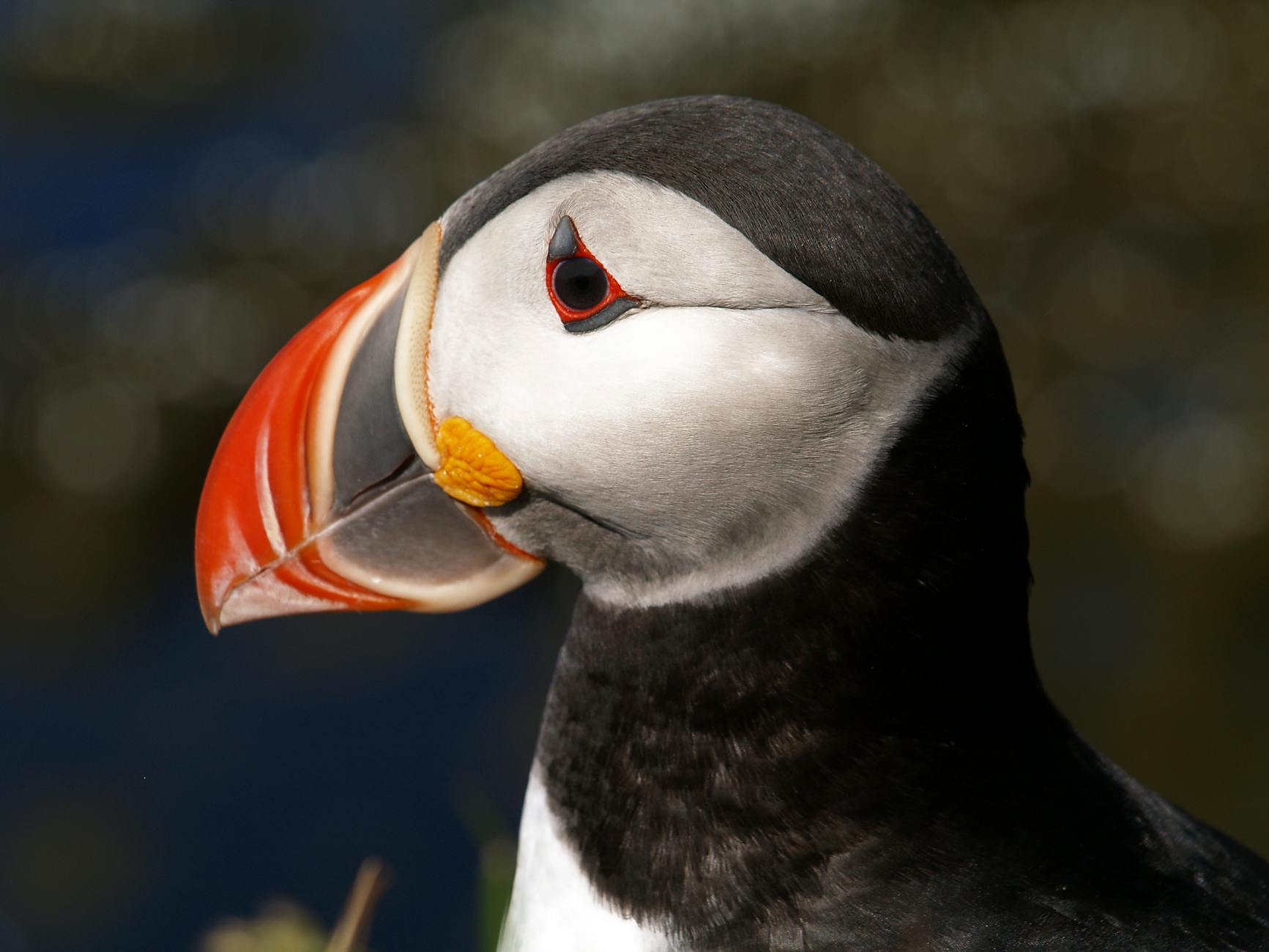
Cornwall wildlife includes a spectacular array of seabirds that nest on the county’s towering cliffs and offshore islands during the breeding season. Puffins, those much-loved colourful characters, return to breeding sites near Land’s End and Puffin Island off Padstow between April and July, where they raise their single chick in underground burrows. Boat trips around Puffin Island during the breeding season offer some of the best opportunities in Cornwall to see these charismatic birds at close range.
Gannets are among the most spectacular seabirds to watch, with their brilliant white plumage and two-metre wingspan. They can be seen diving from great heights into the sea at speeds of up to 60 miles per hour, a hunting technique that is one of nature’s most impressive sights. Guillemots crowd onto narrow cliff ledges in dense colonies, their chocolate-brown and white plumage creating striking patterns against the grey rock. Razorbills, kittiwakes, fulmars, and various species of gull also nest on Cornwall’s sea cliffs.
The shearwaters represent some of the most magical Cornwall wildlife encounters. Manx shearwaters are commonly seen skimming the wave tops on stiff wings during summer months, while the globally threatened Balearic shearwater is regularly recorded off the Cornish coast, making Cornwall one of the most important areas in British waters for this critically endangered species. Storm petrels, those tiny ocean wanderers that rarely come to land except to breed, can sometimes be spotted from headlands during strong onshore winds. For dedicated birdwatchers, autumn migration brings a constant procession of Arctic skuas, great skuas, and various tern species past Cornish headlands.
Our Cornwall birdwatching guide covers the reserves, hides and species lists in far more detail, including the autumn rarity season on the Lizard and Penwith.
Birds of Estuary, Wetland, and Reedbed
While the coast dominates many visitors’ Cornwall wildlife itineraries, the county’s estuaries, wetlands, and reedbeds support an entirely different community of birds that is equally rewarding to explore. The Hayle Estuary, managed by the RSPB, is the most south-westerly estuary in the United Kingdom and attracts up to 18,000 migrant and wintering waterfowl each year. Waders including godwits, curlews, redshanks, and plovers probe the mudflats at low tide, while wildfowl such as teal, wigeon, and shoveler gather on the open water.
Marazion Marsh, also managed by the RSPB, is Cornwall’s largest reedbed and one of the most species-rich sites in the county, with more than 250 bird species, 500 plant species, 500 insect species, and 18 mammal species recorded. The reserve has become an important wintering site for bitterns, those secretive heron relatives whose booming calls carry across the reedbeds on still evenings. Marazion Marsh is also a regular stopover for the globally threatened aquatic warbler during autumn migration.
The Helford River, designated as a Site of Special Scientific Interest, winds through ancient oak woodland to the sea and supports an impressive range of Cornwall wildlife. Egrets wade in the shallows, kingfishers flash along the river banks, and herons stand motionless in the margins. At the mouth of the river, dolphins are regularly spotted. The Camel Estuary near Padstow is another excellent birding location, particularly during winter when large numbers of waders and wildfowl gather on the extensive mudflats and saltmarshes.
Land Mammals of Cornwall
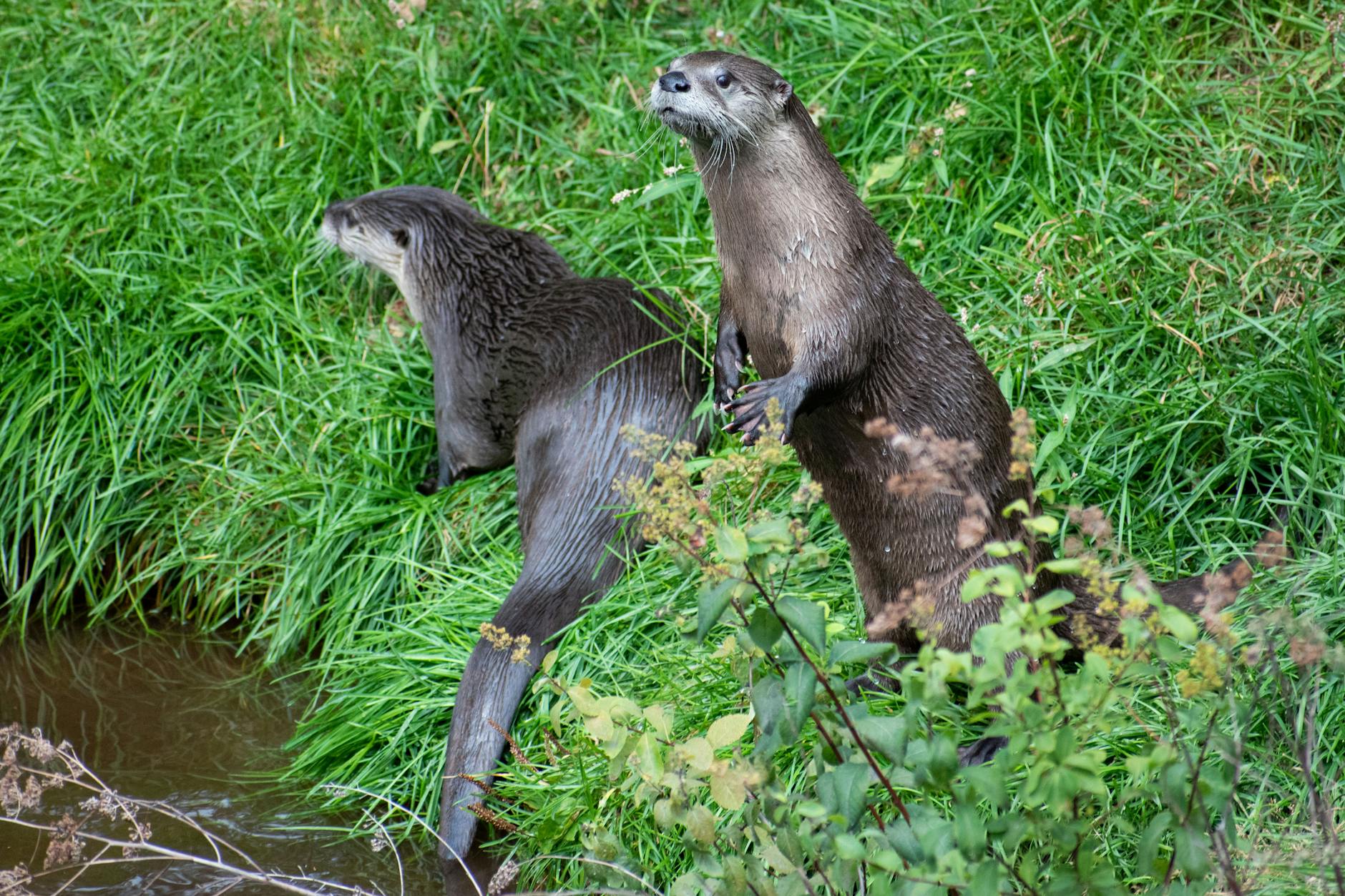
Cornwall wildlife extends well beyond the coast and ocean into the county’s varied terrestrial habitats. Badgers are widespread throughout Cornwall, inhabiting woodland edges, hedgerows, and farmland. These nocturnal creatures are rarely seen during the day, but their presence is betrayed by well-worn paths, distinctive latrines, and the large entrance holes of their underground setts. Several wildlife trusts and nature reserves offer guided badger watching evenings during summer months.
Red foxes are common throughout Cornwall, and their adaptability means they are found in urban gardens as well as rural countryside. Roe deer and red deer inhabit the wilder parts of the county, particularly in the wooded valleys and moorland fringes. Fallow deer, introduced to Britain by the Normans, are also present in some areas. Perhaps the most exciting mammal comeback story after the chough is the otter. Once nearly extinct in Cornwall due to pollution and habitat loss, otters have made a remarkable recovery and are now present in most of Cornwall’s rivers, though their largely nocturnal habits make sightings a special treat.
The Cornwall Beaver Project represents a fascinating new chapter in Cornwall wildlife conservation. Beavers have been reintroduced to a carefully managed site where visitors can join guided walks to see beaver dams and lodges, the first in Cornwall for over 400 years. These remarkable engineers are transforming the landscape, creating wetland habitats that benefit a wide range of other species. Hedgehogs, though declining nationally, are still found in Cornish gardens and hedgerows, while rabbits and brown hares are common in agricultural areas. Smaller mammals including wood mice, bank voles, shrews, and stoats play vital but often overlooked roles in the Cornwall wildlife ecosystem.
Cornwall Wildlife in the Rock Pools
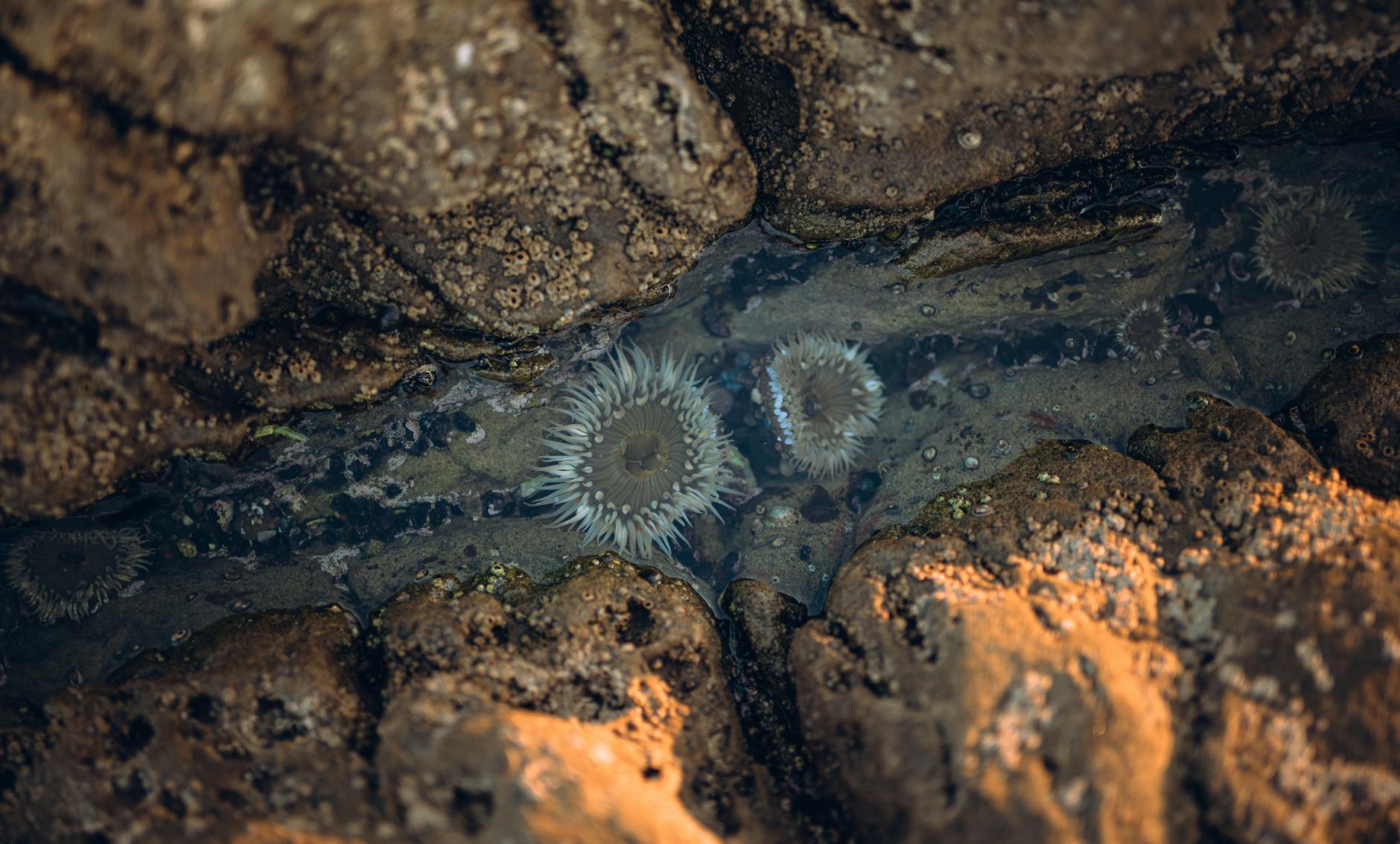
Rock pooling is one of the most accessible and rewarding ways to experience Cornwall wildlife, and the county’s extensive rocky shoreline provides some of the finest rock pooling in Britain. At low tide, the retreating sea reveals miniature underwater worlds teeming with life. Beadlet anemones open their crimson tentacles in the water, snapping shut when disturbed. Shore crabs scuttle beneath seaweed fronds. Transparent prawns hover in the shallows, almost invisible until they move. Starfish cling to rock surfaces, and the occasional blenny peers out from a crevice with its characteristically grumpy expression.
Some of the best rock pooling locations in Cornwall include Gyllyngvase Beach near Falmouth, where the Cornwall Wildlife Trust holds regular marine discovery days. Portcurnick on the south coast offers excellent tidal pools in a secluded setting. Bude’s wide rocky platforms, particularly at Crooklets Beach and Summerleaze, provide extensive and easily accessible rock pooling areas. Kynance Cove on the Lizard Peninsula combines crystal-clear water with dramatic serpentine rock formations that create beautiful, sheltered pools full of life.
Cornwall’s kelp forests represent a hidden underwater wilderness that supports an extraordinary diversity of Cornwall wildlife. These swaying forests of brown algae provide habitat for hundreds of species, from tiny sea slugs and spider crabs to wrasse, pollack, and even the occasional grey seal hunting among the fronds. Snorkelling in Cornwall’s clear waters is an increasingly popular way to experience this underwater world, with locations such as Porthkerris on the Lizard Peninsula and the waters around the Manacles reef offering visibility that can exceed 20 metres on good days.
Our rockpool marine life guide helps you identify what you find, and the best rock pooling beaches in Cornwall covers where to go on a falling tide.
Butterflies, Moths, and Insects
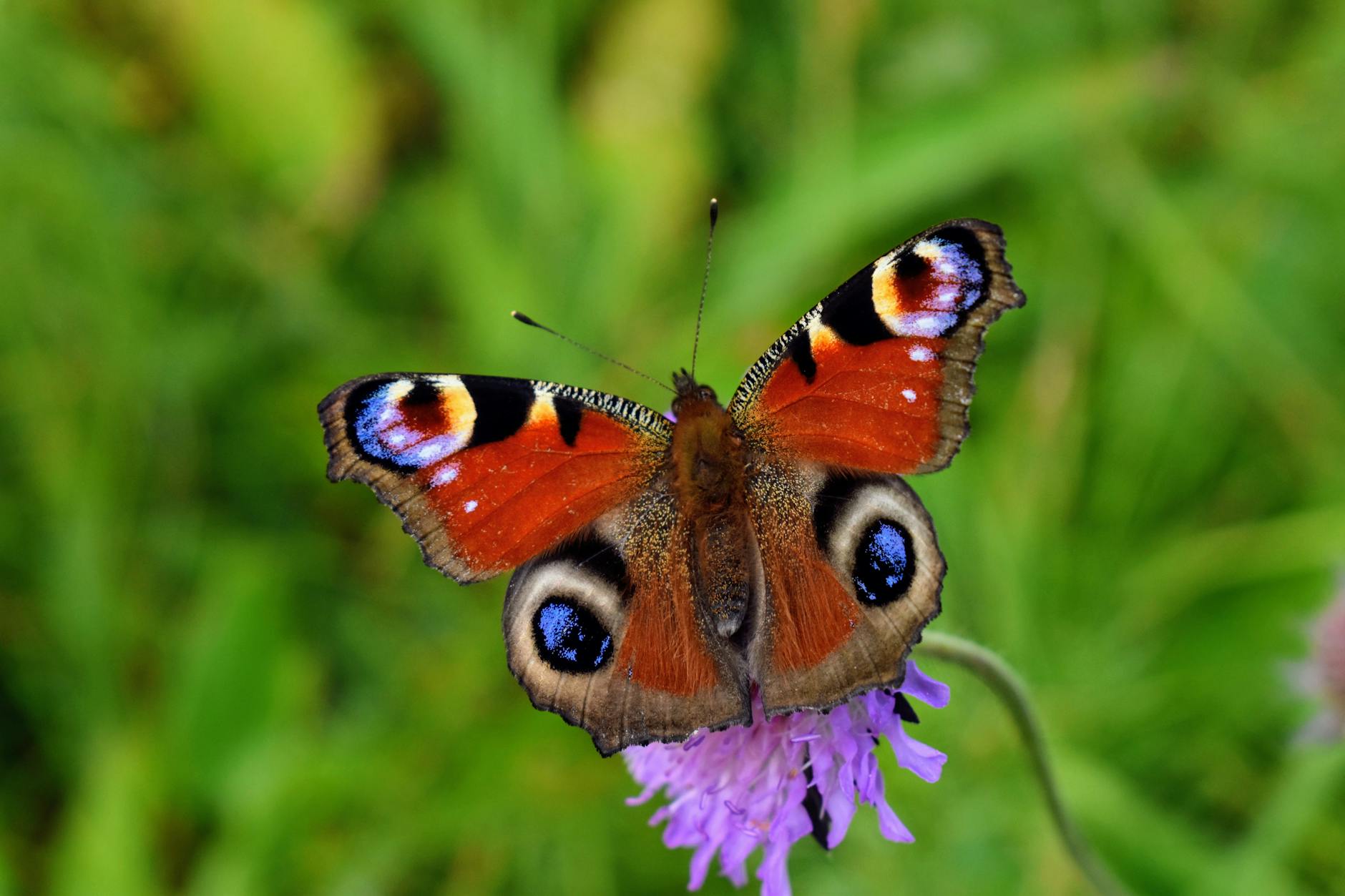
Cornwall wildlife includes a rich and colourful insect community that benefits from the county’s mild climate and diverse habitats. Thirty-eight species of butterfly are regularly recorded in Cornwall, including 35 resident species and three regular migrants. The warm, sheltered valleys and coastal slopes create microclimates where butterflies thrive from early spring through late autumn. Look for the marsh fritillary, a declining species nationally but still present at several Cornwall sites, flying over damp, tussocky grassland from late May. The pearl-bordered fritillary, high brown fritillary, and heath fritillary are the subjects of dedicated conservation projects in Cornwall.
Moths are an often-overlooked but fascinating component of Cornwall wildlife, with far more species present than butterflies. Cornwall’s mild climate makes it a landing point for migrant moth species from the continent, and occasional rarities generate great excitement among the county’s dedicated moth recording community. The narrow-bordered bee hawk-moth, a spectacular day-flying moth that hovers like a hummingbird, was confirmed breeding again at Goss Moor National Nature Reserve after a ten-year absence. Cornwall’s many gardens play a vital role in supporting moth populations, as these important pollinators rely on flowery hedges, uncultivated field edges, and garden plants for nectar and larval foodplants.
Dragonflies and damselflies add colour and drama to Cornwall’s wetland habitats during summer months. The county supports a good diversity of species, and ponds, streams, and boggy areas on nature reserves are the best places to find them. Glow worms, which are actually beetles rather than worms, create magical displays of bioluminescence on warm summer evenings, particularly in July and August. Their greenish light, produced by females to attract flying males, can be seen at several locations including clifftop grasslands and nature reserves.
Butterfly and moth watching in Cornwall covers the species, the habitats and the best weeks for each.
Reptiles and Amphibians
Cornwall’s mild, oceanic climate supports healthy populations of all six native British reptile species, making the county an excellent destination for Cornwall wildlife enthusiasts interested in herpetology. The slow worm, a legless lizard rather than a snake, is probably the most commonly encountered reptile, often found beneath rocks, logs, and compost heaps in gardens. Common lizards bask on sunny banks and stone walls, while the larger and more elusive sand lizard, though rare nationally, has been recorded at a few heathland sites.
Adders, Britain’s only venomous snake, are present in Cornwall’s heathlands and coastal grasslands, where they bask in sheltered spots during spring and autumn. Grass snakes prefer damper habitats near ponds and streams, where they hunt frogs and toads. The smooth snake, Britain’s rarest reptile, is found at a small number of heathland sites. All six species are most easily seen in spring when they emerge from hibernation and bask to raise their body temperature, with mornings on sunny, south-facing slopes offering the best opportunities.
Cornwall’s amphibians include common frogs, common toads, smooth newts, and palmate newts. Garden ponds are important breeding habitats, and the sound of croaking frogs in spring is a sign that Cornwall wildlife is thriving in even suburban settings. Several nature reserves have created or enhanced ponds specifically to support amphibian populations, and these are excellent places to see spawn, tadpoles, and adult animals during the breeding season from February through May.
Wildflowers and Botanical Highlights
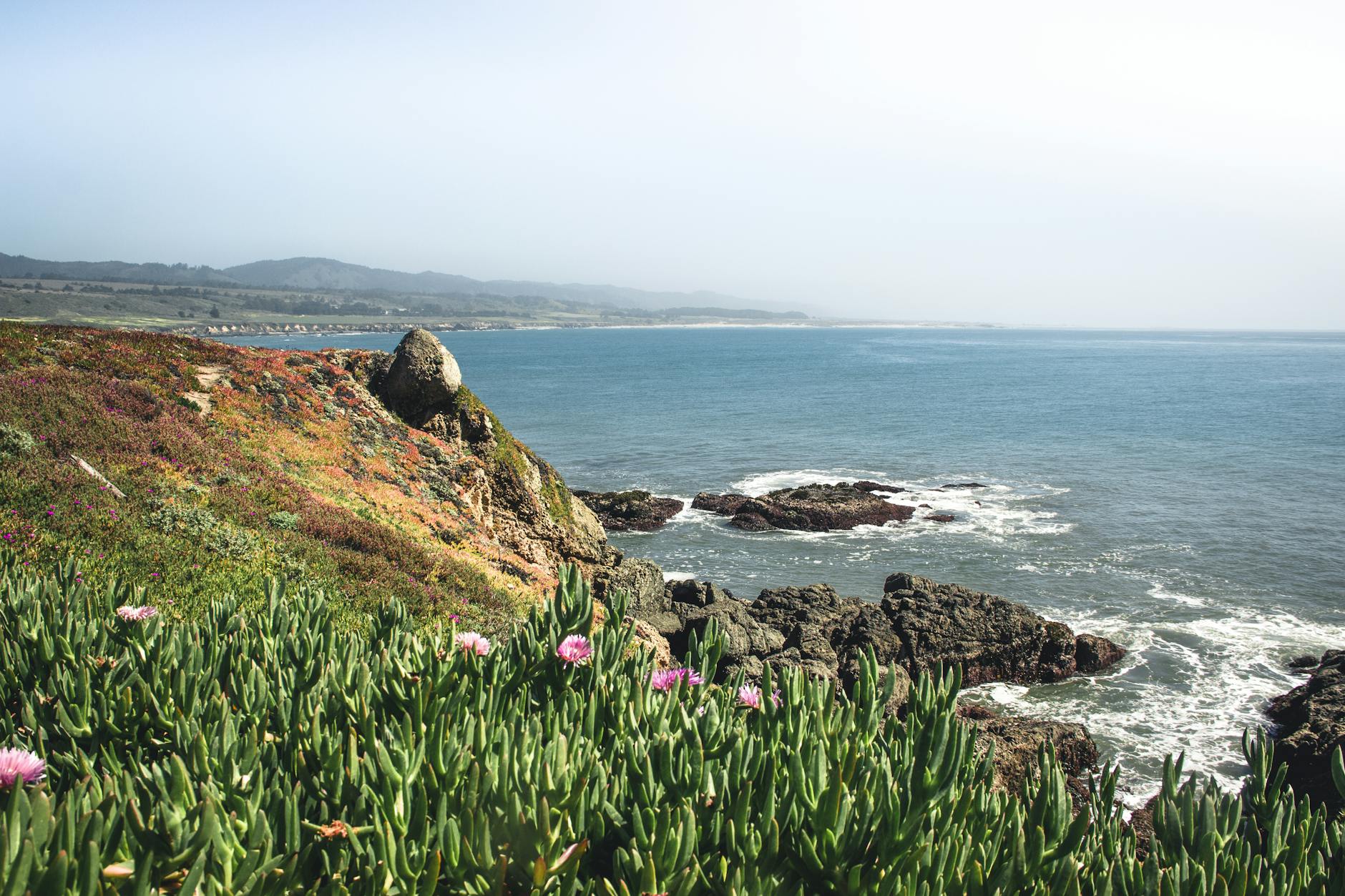
Cornwall wildlife is not limited to the animal kingdom. The county’s wildflower displays are legendary, and their beauty and ecological importance earn them a place in any comprehensive wildlife guide. The Lizard Peninsula is one of the most botanically rich areas in Britain, with over 250 plant species of national or international importance recorded on this single headland. The unique serpentine geology creates soil conditions found nowhere else in mainland Britain, supporting specialist plants including the Cornish heath, the only heather species unique to Britain.
Spring brings a succession of wildflower displays along the Cornish coast, beginning with primroses and violets in sheltered hedgebanks, followed by drifts of bluebells in ancient woodland, and culminating in the spectacular cliff-top displays of thrift, sea campion, and kidney vetch that paint the coastline pink and yellow from May onwards. The Cornish hedgerows, many of which are centuries old, support their own rich flora including foxgloves, red campion, herb robert, and numerous fern species.
Summer heathlands blaze with the purple of heather and the gold of western gorse, while the sheltered valleys of the south coast harbour sub-tropical species that take advantage of Cornwall’s remarkably mild climate. Autumn brings the magical appearance of fungi, from familiar field mushrooms to spectacular fly agarics, waxcaps, and the many species that fruit in Cornwall’s ancient woodland. The botanical diversity of Cornwall directly supports the animal Cornwall wildlife, providing food and habitat for insects, birds, and mammals throughout the year.
Wildflower walks in Cornwall maps the coast path stretches that peak between April and July.
Best Nature Reserves for Cornwall Wildlife
Cornwall is home to numerous nature reserves managed by organisations including the Cornwall Wildlife Trust, the RSPB, the National Trust, and Natural England. These protected sites offer some of the best and most accessible Cornwall wildlife experiences, with well-maintained paths, information boards, and hides that bring you close to the action. The Cornwall Wildlife Trust alone manages over 50 nature reserves across the county, each protecting different habitats and species.
The Lizard National Nature Reserve encompasses over 15,000 hectares of the most southerly land in mainland Britain, protecting heathland, cliff-top grassland, and coastal habitats of international importance. Goss Moor National Nature Reserve, near Victoria in mid-Cornwall, occupies a broad valley basin that forms the headwaters of the River Fal. Its mix of dry and wet heath, mire, fen, and open water supports some of the country’s rarest species, including the re-established narrow-bordered bee hawk-moth.
Looe Island, managed by the Cornwall Wildlife Trust, is a nature reserve accessible only via official boat trips from Looe Harbour. This offshore island is a haven for seals and seabirds, and guided visits provide a wonderful opportunity to experience Cornwall wildlife in a truly wild setting. Pendarves Wood near Camborne offers lakeside walks where kingfishers and herons are regularly seen, with evidence of otters and badgers throughout the reserve. Cardinham Woods, managed by Forestry England, is a beautiful and accessible woodland where red deer, foxes, buzzards, and kingfishers can all be spotted.
Cornwall’s nature reserves and Wildlife Trust sites covers all the main reserves, access details and what each is managed for.
Cornwall Wildlife by Season: A Complete Calendar
Understanding what Cornwall wildlife you can expect to see at different times of year is essential for planning a rewarding visit. Cornwall’s mild climate means there is always something to see, but different seasons bring very different highlights and experiences. The Cornwall Wildlife Trust’s seasonal spotter’s guide is an excellent resource for detailed monthly information.
January and February: Winter is excellent for birdwatching on estuaries, where large numbers of waders and wildfowl gather. Hayle Estuary and the Camel Estuary are at their most productive. Grey seals are present along the coast, and harbour porpoises can be spotted in calm conditions. Early signs of spring include the first primroses in sheltered hedgebanks and the return of song thrush calls.
March and April: Spring migration brings swallows, house martins, and chiffchaffs back to Cornwall. Reptiles emerge from hibernation and begin basking. Bluebells carpet ancient woodland floors. The first basking sharks of the season appear in April. Puffins return to their breeding colonies. Frog and toad spawn appears in ponds. Choughs begin nesting on the cliffs.
May and June: This is peak season for Cornwall wildlife diversity. Basking sharks reach their highest numbers. Seabird colonies are at their busiest and noisiest. Cliff-top wildflowers create spectacular displays. Butterflies including the rare marsh fritillary are on the wing. Dolphins are frequently spotted from headlands and on boat trips. The long days and warm temperatures make this the ideal time for Cornwall wildlife watching.
July and August: Summer brings warm sea temperatures and excellent underwater visibility for snorkelling and rock pooling. Blue shark trips operate from Cornish ports. Dragonflies and damselflies are at their peak. Glow worms display on warm evenings. Basking sharks are still present. Marine wildlife boat trips enjoy the best conditions. Family wildlife activities including rock pooling and beach safaris are at their most rewarding.
September and October: Autumn migration brings passage birds through Cornwall, making headlands excellent for birdwatching. The seal pupping season begins in earnest, with white-coated pups appearing on secluded beaches. Fungi emerge in woodland and grassland. Autumn colours transform the landscape. Migrant birds from Siberia and Scandinavia arrive for winter. The sea is still warm from summer, and underwater visibility often peaks in early autumn.
November and December: Winter visitors including fieldfares, redwings, and various thrushes arrive from northern Europe. Starling murmurations create spectacular aerial displays over reedbeds at dusk. The seal pupping season continues. Short-eared owls hunt over coastal grasslands. Wintering waders and wildfowl numbers build on estuaries. Even in the depths of winter, Cornwall wildlife rewards the dedicated observer.
Guided Wildlife Tours and Experiences
While much of Cornwall wildlife can be enjoyed independently, guided tours and experiences offer specialist knowledge, access to the best locations, and a significantly higher chance of memorable encounters. Marine wildlife boat trips are among the most popular guided experiences. AK Wildlife Cruises, operating from Falmouth for over 25 years, offers multi-award-winning eco-tourism cruises ranging from three to eight hours, with dedicated dolphin, shark, and seabird watching trips. The company is WiSe Master accredited, meaning they follow the highest standards of responsible wildlife watching.
Padstow Sealife Safaris operates under strict wildlife viewing guidelines that prioritise animal welfare, maintaining respectful distances that allow natural behaviours while ensuring memorable encounters. On each trip, sightings are recorded for the Cornwall Wildlife Trust, contributing to important scientific monitoring of Cornwall wildlife populations. These operators typically offer trips throughout the main season from April to October, with prices starting from around 30 pounds for shorter excursions.
Land-based guided experiences include guided walks at the Cornwall Beaver Project, where you can see beaver dams and lodges and wait at dusk for these remarkable animals to emerge. Badger watching evenings, owl prowls, bat walks, and dawn chorus events are organised by various wildlife trusts and nature reserves throughout the year. The Cornwall Wildlife Trust runs regular marine discovery days, rock pooling sessions, and guided nature reserve walks that are suitable for all ages and abilities.
Nature watching does not stop at dusk — dark sky sites in Cornwall covers Bodmin Moor, the Lizard and the best conditions for stargazing.
Wildlife Watching with Children
Cornwall wildlife offers endless opportunities to engage children with the natural world, and some of the best experiences require no equipment, no booking, and no expense. Rock pooling is the quintessential family wildlife activity, combining the excitement of discovery with the sensory delight of the seashore. All you need is a bucket, a net, and a falling tide. Many beaches have rock pooling guides available, and events run by the Cornwall Wildlife Trust provide expert guidance for families new to the activity.
Seal watching is another activity that captivates children of all ages. The sheer size of grey seals, their expressive faces, and their entertaining behaviour as they haul out, yawn, scratch, and play in the waves create lasting memories. The Cornwall Seal Sanctuary at Gweek provides a child-friendly environment with educational displays, feeding times, and the chance to learn about seal rescue and rehabilitation. Paradise Park Wildlife Sanctuary near Hayle combines native Cornwall wildlife displays with exotic species and has developed an excellent butterfly garden.
For older children and teenagers, more adventurous Cornwall wildlife experiences include snorkelling to explore kelp forests and underwater marine life, joining a wildlife boat trip to spot dolphins and basking sharks, or participating in a guided coasteering session where you might spot marine wildlife from a unique perspective. Many children are thrilled by the challenge of identifying different species, and a simple identification guide for birds, seashore creatures, or wildflowers can transform a walk into an exciting treasure hunt. Our Cornwall Family Holiday Guide has more ideas for keeping children entertained throughout your stay.
Rock pooling and crabbing in Cornwall is the easiest way in, and our Cornwall family holiday guide has more ideas for all ages.
Responsible Cornwall Wildlife Watching
Enjoying Cornwall wildlife carries a responsibility to minimise our impact on the very creatures and habitats we have come to appreciate. The popularity of wildlife watching in Cornwall means that some species and sites face increasing pressure from human disturbance, and following simple guidelines ensures that future visitors can enjoy the same experiences. Seals are particularly vulnerable to disturbance, especially during the pupping season. Watch from designated viewpoints, maintain a distance of at least 50 metres, move slowly and quietly, and never approach with a dog that might bark. Disturbance can cause stampedes where seals injure themselves, and mothers may abandon pups.
On boat trips, reputable operators follow the WiSe (Wildlife Safe) scheme guidelines, maintaining appropriate distances from marine mammals and never chasing or corralling animals. Choose operators who are WiSe accredited, contribute to scientific recording, and demonstrate genuine commitment to Cornwall wildlife conservation. On shore, stick to marked paths on cliffs to avoid disturbing nesting seabirds, and keep dogs on leads in sensitive areas. The Marine Conservation Society and Surfers Against Sewage organise regular beach cleans that help protect the marine environment, and joining one is a rewarding way to give something back.
When rock pooling, always return creatures gently to where you found them, replace any rocks you have turned over, and avoid collecting living specimens. Cornwall’s rock pools are surprisingly fragile ecosystems, and repeated disturbance can damage populations of slow-growing anemones and other fixed species. Photography is a wonderful way to record your Cornwall wildlife encounters without disturbing animals, and modern smartphone cameras are capable of impressive wildlife images when used patiently.
Where to Stay for Cornwall Wildlife Watching
Your choice of base significantly influences which Cornwall wildlife you can access most easily. The Lizard Peninsula is arguably the finest single location for wildlife diversity, with access to seal colonies, basking shark watchpoints, chough territories, exceptional botanical sites, and the Helford River estuary all within a short drive. Staying near Helston or on the Lizard itself puts you at the heart of the action.
The Penzance and St Ives area offers excellent marine wildlife watching, with access to Land’s End and Porthgwarra for sea-watching, Godrevy for seals, Marazion Marsh for wetland birds, and boat trips from multiple harbours. The north coast around Padstow and Newquay provides access to the Camel Estuary, Puffin Island boat trips, and some of Cornwall’s most dramatic coastal scenery where seabirds nest on towering cliffs.
For those seeking a quieter, more immersive Cornwall wildlife experience, the south coast around Falmouth and the Roseland Peninsula offers sheltered estuaries, ancient woodland, and access to excellent marine wildlife cruises. Our Cornwall Bed and Breakfast Guide can help you find the perfect accommodation, while our Cornwall Towns and Villages Guide provides detailed information about each area. For walkers who want to combine wildlife watching with exploring the coast, our Cornwall Walking Trails Guide covers the best routes.
See our Cornwall bed and breakfast guide for bases near the main reserves and headlands.
Essential Equipment for Cornwall Wildlife Watching
The right equipment can transform your Cornwall wildlife experience from enjoyable to extraordinary. A good pair of binoculars is the single most important investment for any wildlife watcher. For general-purpose use covering everything from seabirds to seals to cetaceans, choose a pair rated 8×42 or 10×42, which offers a good balance of magnification and light-gathering ability. Budget around 100 to 200 pounds for a pair that will last years and make a genuine difference to what you see.
A telescope with a tripod is invaluable for sea-watching from headlands, where distant basking sharks, dolphins, and passing seabirds can be identified that would be invisible to the naked eye. Field guides covering birds, seashore life, wildflowers, and mammals help you identify what you are seeing and learn more about each species. The Collins Bird Guide, the Collins Complete Guide to British Wildlife, and the Field Studies Council’s laminated fold-out charts are all excellent choices for Cornwall wildlife watching.
Practical clothing and footwear matter enormously in Cornwall’s changeable weather. Waterproof layers, warm fleeces, and sturdy walking boots or wellies ensure you stay comfortable during long watches. A head torch is essential for evening wildlife activities such as badger watching, bat walks, or glow worm hunts. For rock pooling, old trainers or wetsuit boots protect your feet, while a clear-bottomed bucket or viewer allows you to peer into pools without disturbing the surface. A small notebook for recording sightings adds purpose and structure to your Cornwall wildlife adventures and creates a wonderful personal record of your trip.
Cornwall Wildlife Quick Reference
Best locations for grey seals: Godrevy Head (Mutton Cove), Seal Island near St Ives, Lizard Point, Porthgwarra, Gwennap Head, Land’s End, Trevose Head, The Rumps, and the Cornwall Seal Sanctuary at Gweek.
Best locations for dolphins and whales: Mount’s Bay, Porthgwarra to Gwennap Head, Lizard Point, Godrevy Point, boat trips from Falmouth and Padstow.
Best locations for basking sharks: Lizard Point Wildlife Watchpoint, Porthgwarra, Gwennap Head, Land’s End, Sennen, Godrevy Point. Season: April to October, peak May to June.
Best locations for seabirds and puffins: Puffin Island near Padstow (boat trips April to July), Lizard cliffs, Land’s End area, Trevose Head, and coastal sections of the South West Coast Path.
Best locations for choughs: Lizard Peninsula, Land’s End, Penwith coast, Cape Cornwall. Look on short-grazed cliff-top grassland and listen for their distinctive call.
Best nature reserves: Hayle Estuary (RSPB), Marazion Marsh (RSPB), Lizard NNR, Goss Moor NNR, Looe Island, Pendarves Wood, Cardinham Woods.
Best rock pooling beaches: Gyllyngvase (Falmouth), Portcurnick, Kynance Cove, Crooklets (Bude), Summerleaze (Bude), Porthkerris.
Best for families: Cornwall Seal Sanctuary (Gweek), Paradise Park Wildlife Sanctuary (Hayle), rock pooling events with Cornwall Wildlife Trust, seal watching from coastal paths, wildlife boat trips from Padstow.
Essential wildlife contacts: Cornwall Wildlife Trust for nature reserves and events, RSPB for Hayle Estuary and Marazion Marsh, AK Wildlife Cruises for marine wildlife trips from Falmouth, Padstow Sealife Safaris for boat trips from Padstow, Cornwall Seal Group for seal monitoring and reporting.
Cornwall wildlife is a treasure that enriches every visit to this magnificent corner of England. Whether you find yourself watching a seal pup taking its first swim, holding your breath as a basking shark glides past a clifftop, marvelling at the acrobatic flight of a chough against a deep blue sky, or discovering the hidden world of a rock pool with a child, these encounters with the natural world create the memories that last a lifetime. The wildlife of Cornwall is waiting to be discovered — all you need is a willingness to look, a little patience, and the sense of wonder that the natural world never fails to reward. Explore our Things to Do in Cornwall guide and our Best Beaches in Cornwall guide for more ways to enjoy this remarkable county, and check our Cornwall Food Guide to discover where to eat after a day of wildlife watching. If you are planning outdoor adventures, our Cornwall Water Sports and Surfing Guide covers everything you need to know about getting in the water.