When guests ask me for the one attraction that will impress the whole family, whatever the weather, my answer is almost always the same: the Eden Project. Rising out of a former china clay pit near St Austell, this collection of vast geodesic biomes is one of the most extraordinary places in Britain, a global garden, an environmental landmark and a genuinely uplifting day out all at once. This complete guide to the Eden Project Cornwall covers what to see, how to get the best tickets, when to go, how long to spend and the insider tips that turn a good visit into a great one.
Part botanical garden, part theatre of the natural world, the Eden Project tells the story of our relationship with plants and the planet on a scale that has to be seen to be believed. It opened in 2001 in a crater that had been an exhausted clay pit, and the transformation from industrial scar to flourishing eden is itself part of the inspiration.
What Is the Eden Project?
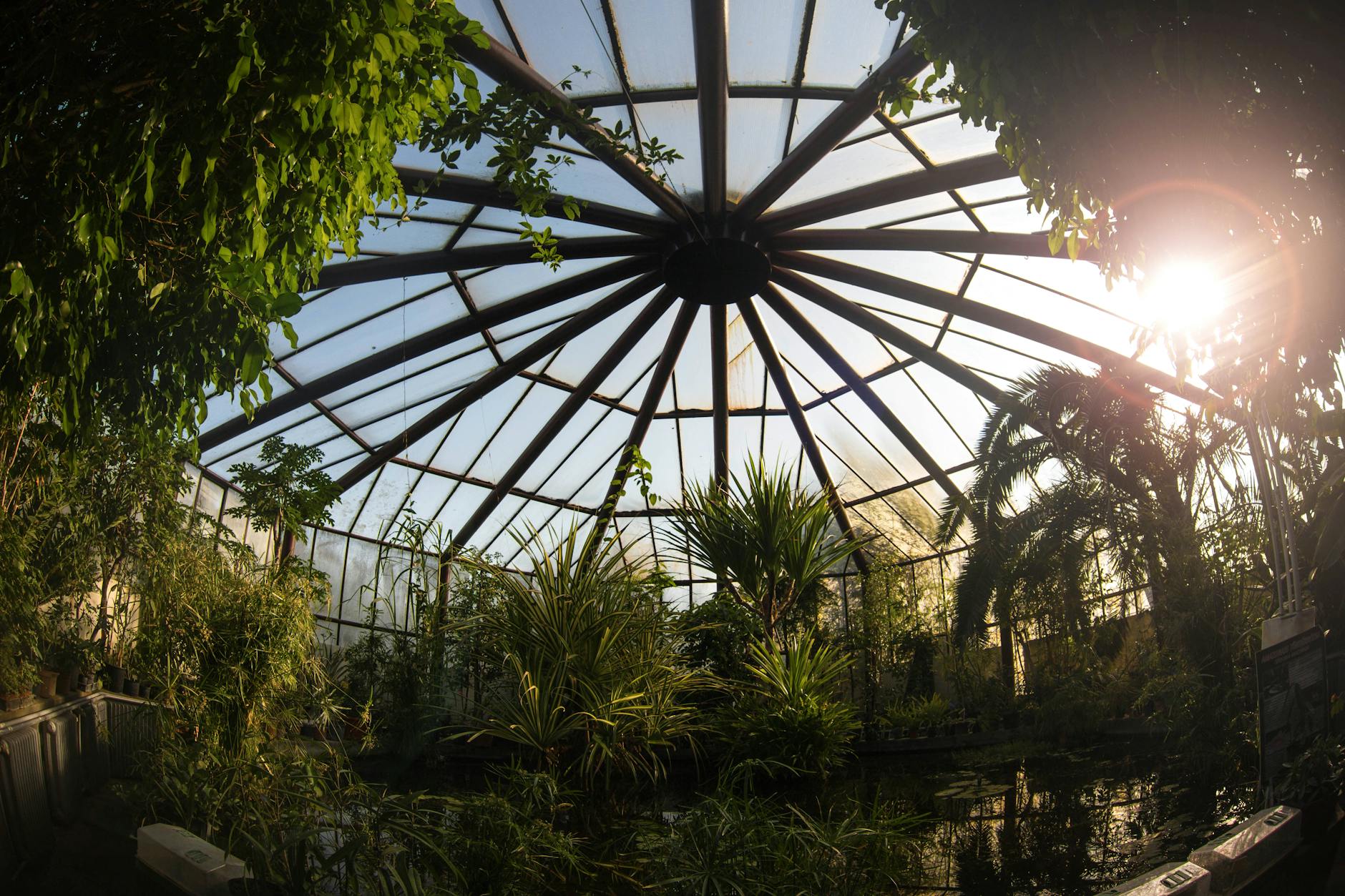
At its heart, the Eden Project is a celebration of the living world, built inside a reclaimed pit the size of around thirty football pitches. Its most famous features are the two enormous biomes, giant linked domes made of hexagonal transparent panels that look like something from science fiction. One recreates a steamy tropical rainforest, the other a warm Mediterranean climate, and around them spread acres of outdoor gardens, artworks and exhibits. More than a tourist attraction, Eden is an educational charity with a serious mission about sustainability and our place in nature, but you do not need to engage with the message to enjoy the spectacle; children simply love it.
The Biomes: Eden’s Star Attractions
The Rainforest Biome
The largest of the domes, and the one that takes everyone’s breath away, the Rainforest Biome is the world’s largest indoor rainforest. Stepping inside is like being transported to the tropics: the air is hot and humid, often reaching the mid-thirties Celsius on a warm day, and the path winds upward past banana plants, towering palms, cascading waterfalls and exotic crops like coffee, cocoa and rubber. A highlight is the canopy walkway and the lookout high in the dome, which gives a treetop view across the jungle, though those who feel the heat can pause in a cooled rest room partway round. It is immersive, educational and genuinely thrilling.
The Mediterranean Biome
Cooler and more fragrant, the Mediterranean Biome recreates the warm, dry climates of southern Europe, South Africa and California, with olive groves, citrus trees, vines, herbs and brilliant seasonal flower displays. It is famous for its spring blooms and for the playful sculptures dotted among the planting. After the heat of the rainforest, it is a relaxing, sweetly scented contrast, and a favourite with many visitors.
Beyond the Biomes: The Outdoor Gardens and More
It would be a mistake to think Eden is only about the domes. The extensive outdoor gardens are spectacular in their own right, planted with themes that tell stories about plants and people, from food crops to wild Cornish flora, and ablaze with colour through the seasons. Scattered throughout are striking artworks and sculptures, including the enormous WEEE Man made from electrical waste and the bee-themed installations that highlight Eden’s conservation work. There are performance spaces, storytelling areas and, often, special exhibitions and events. In short, there is far more to explore than the two biomes alone, and the outdoor areas are free to roam with your ticket.
Tickets: How to Get the Best Deal
A few simple choices save money and hassle on Eden tickets. The most important is to book online in advance, which is cheaper than buying at the gate and is strongly encouraged, as entry is not guaranteed without a pre-booked time slot, especially in peak periods. Look out for the annual pass option, which often costs little more than a single day ticket and turns your visit into a year of unlimited returns, donated as a gift-aided donation, which is superb value if you are staying a while or might come back. Up to four children under five typically go free per accompanying adult, and there are family ticket options. Always check the official Eden Project website for current prices and offers before you go, and book your slot ahead in summer and school holidays.
How Long to Spend and When to Go
Plan to spend at least four hours at Eden, and ideally a full day, as there is far more to see than people expect and rushing the biomes is a shame. To avoid the busiest crowds, arrive early when the gates open or come later in the afternoon, and consider visiting midweek and outside the school holidays. The biomes are weatherproof, which makes Eden a brilliant choice for a rainy day, but it is also lovely in fine weather when the outdoor gardens shine. Eden runs a popular programme of seasonal events, including summer concerts known as the Eden Sessions and a spectacular ice rink and festivities in winter, so it is worth checking what is on when you plan your visit. For help choosing your dates, see our guide to the best time to visit Cornwall.
Eden With Children
Eden is a wonderful family day out, and children take to it instantly. The jungle adventure of the Rainforest Biome, the play areas, the sculptures to hunt for and the sheer scale of the domes all capture young imaginations, and there is plenty of space to run around outdoors. The site is buggy and wheelchair friendly, with a land train to help with the steep slope from the entrance down into the pit and back, which is a blessing for tired legs. Bring water bottles to refill, dress in layers you can peel off in the steamy rainforest, and pace the day with breaks. For a deeper dive into making the most of Eden with little ones, our dedicated guide to the Eden Project with kids is full of family-specific tips, and the wider Cornwall family holiday guide has more ideas.
Practical Information and Getting There
The Eden Project is at Bodelva, near St Austell, in mid-Cornwall, well signposted from the A30 and A390 and with ample free parking, with the car parks named after fruits to help you remember where you left the car. If you arrive by bus, bike or even on foot, Eden offers a discount on entry as part of its sustainability ethos, and there are bus links from St Austell, which is on the main railway line. The site has several cafes and restaurants championing local and sustainable food, plus a large shop. Because the rainforest is hot and humid, wear layers, and bring a refillable water bottle, as there are free water refill points around the site. Comfortable shoes are a must, as there is a lot of walking and the terrain slopes.
Accessibility
Eden has worked hard on accessibility and is one of Cornwall’s more accessible major attractions. The land train helps with the steep gradient between the entrance and the biomes, wheelchairs are available to borrow, and there are accessible routes, facilities and parking. The biomes themselves have ramped paths, though the upper reaches of the rainforest canopy walkway are not accessible to all. As ever, it is worth checking the current accessibility details on Eden’s website when planning, and our Cornwall accessibility guide covers the wider picture for visitors with mobility needs.
Combining Eden With the Rest of Cornwall
The Eden Project sits conveniently in mid-Cornwall near the main roads, making it easy to combine with the rest of a trip. It pairs naturally with the nearby Lost Gardens of Heligan, another magical horticultural site, and with the harbours of the south coast like Fowey, Charlestown and Mevagissey. Because of its location near the A30, it makes an excellent first or last day of a Cornish holiday, as covered in our Cornwall 7-day itinerary. Many visitors find it a fitting finale, a hopeful, awe-inspiring note to end on before the journey home.
From Clay Pit to Eden: The Story of Its Creation
Part of what makes the Eden Project so inspiring is knowing what was here before. The site was a worked-out china clay pit, a vast, sterile crater with no soil and sheer sides, the kind of post-industrial scar that scatters this part of Cornwall, the heart of the county’s clay country. The vision of Tim Smit, who had already brought the Lost Gardens of Heligan back to life, was to turn this dead ground into a living showcase of the natural world. It was an audacious idea, requiring engineers to stabilise the pit, vast quantities of manufactured soil to be created from waste materials, and the construction of the largest greenhouses on earth. The biomes’ geodesic design, using lightweight hexagonal panels of a tough transparent material rather than heavy glass, was the engineering key that made the domes possible on such a scale. When Eden opened in 2001 it was an instant sensation, and the transformation from barren pit to flourishing garden remains a powerful symbol of regeneration. Standing in the lush rainforest today, it is almost impossible to imagine the lifeless crater that preceded it, and that story of reinvention is woven through everything Eden does.
Events and Seasonal Highlights
Eden is not a static attraction; its calendar changes through the year and is well worth checking when you plan. In summer, the Eden Sessions bring big-name musicians to perform in the spectacular natural amphitheatre of the pit, an unforgettable concert setting. Through the warmer months there are festivals, workshops and family activities, and the gardens shift with the seasons, from spring blooms in the Mediterranean Biome to high-summer colour outdoors. The real showstopper for many, though, is winter, when Eden transforms for the festive season with an ice rink set against the floodlit biomes, a Christmas programme and twinkling lights, making it a magical cold-weather day out. Whatever the time of year, there is usually something special on, so building your visit around a concert or seasonal event can elevate it from a great day to a memorable one.
Eating and Shopping at Eden
Eden takes its food as seriously as its plants, with cafes and restaurants across the site championing local, seasonal and sustainable produce, much of it reflecting the project’s ethos and some of it grown on site. You will find everything from proper hot meals to Cornish pasties, cakes and coffee, with vegetarian and vegan options well catered for. The main restaurant near the entrance offers a good range, and there are smaller cafes dotted around for a pause between the biomes and gardens. The large shop is a cut above the usual gift store, stocking plants, books, sustainable goods and Cornish products that make genuine keepsakes. Bringing a refillable water bottle is encouraged, with free refill points around the site, in keeping with Eden’s environmental mission. If you would rather picnic, there are spaces to do so, though the on-site food is good enough that most people happily eat in.
Making the Most of Your Day: A Suggested Plan
With a little structure you can see Eden comfortably without rushing. Arrive for opening to beat the crowds and head down into the pit, either on foot for the dramatic first view of the biomes or on the land train if you would rather save your legs for later. Tackle the Rainforest Biome first thing while you are fresh, as it is the most demanding with its heat and climb, pausing in the cool room if you need to. Cool down afterwards in the fragrant Mediterranean Biome, then break for an early lunch before the cafes get busy. Spend the afternoon exploring the outdoor gardens, the artworks and any exhibitions or performances, at a relaxed pace. Leave time for the shop on your way out, and if you are visiting in winter, save the ice rink and lights for the end as a finale. Built around this rhythm, a day at Eden feels full but never frantic.
Eden Project Tips at a Glance
To pull the practicalities together: book your timed ticket online in advance and consider the annual pass for better value; arrive early or visit midweek and off-peak to dodge the crowds; allow a full day, or at least four hours; wear layers for the steamy rainforest and comfortable shoes for the slopes; bring a refillable water bottle for the free refill points; use the land train if you need help with the gradient; and check what events are on, as a summer concert or the winter ice rink can be the highlight of the trip. Arriving by bus, bike or on foot even earns a discount. Follow these and the Eden Project delivers one of the most reliably brilliant days out in all of Cornwall, whatever the weather and whatever your age.
Why the Eden Project Is Worth It
For all that I love Cornwall’s wild, free pleasures, the Eden Project earns its admission price many times over. It is the rare attraction that genuinely delivers on its ambition: a place that astonishes children and adults alike, that works whatever the weather, and that sends you home thinking a little differently about the living world. Book ahead, go early, give it a full day, and let the biomes work their magic. Few places capture the spirit of optimism and reinvention quite like this lush green garden growing in an old Cornish pit.
Frequently Asked Questions
How much does the Eden Project cost?
Prices vary, but tickets are cheaper booked online in advance than at the gate, and entry is strongly tied to a pre-booked time slot. Look at the annual pass, which often costs little more than a single day ticket and allows a year of returns. Under-fives usually go free. Check the official website for current prices.
How long do you need at the Eden Project?
Allow at least four hours, and ideally a full day. There is far more to see than the two biomes, including extensive outdoor gardens, artworks and exhibits, and rushing it would be a shame.
Is the Eden Project good for a rainy day?
Yes, it is one of the best rainy-day options in Cornwall, as the two biomes are fully enclosed. It is equally lovely in fine weather when the outdoor gardens are at their best, so it works whatever the forecast.
Do you need to book the Eden Project in advance?
Yes, booking a timed slot online in advance is strongly recommended, as entry is not guaranteed without one, particularly in summer and school holidays. Booking online is also cheaper than paying at the gate.
Is the Eden Project suitable for young children?
Very much so. The jungle of the Rainforest Biome, the play areas, the space to run around outdoors and the sheer scale of the domes delight children, and the site is buggy-friendly with a land train to help with the slopes. Bring water and dress in layers for the warm rainforest.
How do you get to the Eden Project?
It is at Bodelva near St Austell in mid-Cornwall, signposted from the A30 and A390 with ample free parking. Buses run from St Austell, which is on the main railway line, and arriving by bus, bike or on foot earns a discount on entry.