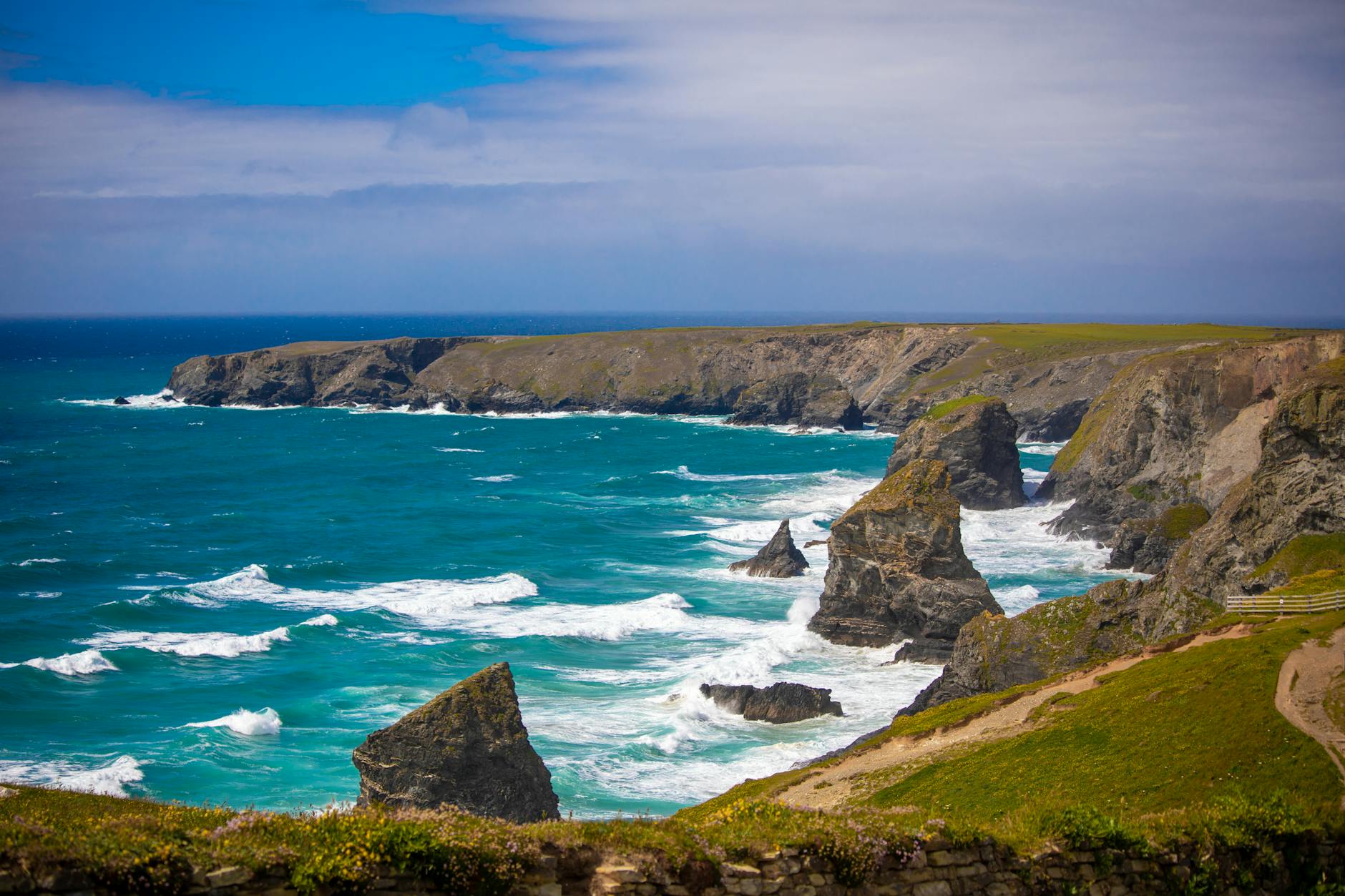
A week is, in my experience, the sweet spot for a Cornwall holiday: long enough to settle in and see the highlights without rushing, short enough that every day still feels precious. Over the years I have helped countless guests shape their seven days, and I have learned that the best Cornish itinerary is not a frantic tick-list but a well-paced journey that follows the coast from the dramatic north to the magical far west and back along the gentler south. This Cornwall 7-day itinerary lays out exactly that, day by day, with the timings, the highlights, the practical tips and the honest advice to make a week here unforgettable rather than exhausting.
This is a touring itinerary designed around a car, moving roughly east to west and looping back, though I have included notes for those staying in one or two bases and for car-free travellers. Treat it as a flexible framework rather than a rigid schedule; the joy of Cornwall is in the unplanned cove and the spontaneous cream tea, so leave room to wander.
Before You Start: How to Use This Itinerary
A week is not quite enough to see all of Cornwall properly, so this route focuses on a coherent loop through the central and western county rather than dashing to every corner. If you would rather not move accommodation, pick one or two bases and treat these days as day trips, accepting some longer drives. Remember that Cornish lanes are slow and summer traffic is heavy, so the timings assume a relaxed pace with stops. Travelling outside the school holidays makes everything easier, as explained in our guide to the best time to visit Cornwall.
Day 1: Arrival and North Cornwall Around Padstow
However you arrive, the first day is about easing into Cornish pace rather than cramming. Aim to reach the north coast around Padstow by the afternoon. Padstow itself is a delightful introduction: a working harbour ringed by Rick Stein establishments, fishing boats, and the start of the traffic-free Camel Trail. Wander the harbour, eat fish and chips on the wall, and if time allows, take the little ferry across to Rock or stroll a stretch of the estuary path. Settle into your first base and have an early dinner; you will likely be tired from the journey, and there is a full week ahead.
Highlights: Padstow harbour, the Camel Estuary, your first Cornish fish and chips. Tip: if arriving early, nearby Bedruthan Steps and its dramatic sea stacks make a stunning first taste of the north coast.
Day 2: North Coast Beaches and Newquay
Spend your first full day on the classic north-coast beaches. Head to the Newquay area, where Fistral Beach offers world-class surf and a buzzing atmosphere, or choose one of the quieter golden bays nearby like Watergate Bay or Mawgan Porth. Take a surf lesson if you fancy it, walk the cliffs, and have a long beach lunch. In the afternoon, explore Newquay or retreat to a calmer cove. This is the day to embrace the Atlantic: feel the spray, brave the surf, and understand why the north coast draws beach lovers from all over the world.
Highlights: Fistral Beach, surfing, dramatic cliffs. Tip: beaches with lifeguards and big waves are not always best for young children; the gentler bays are safer for paddling.
Day 3: St Ives and the Art Coast
Drive west to St Ives, one of Cornwall’s most beautiful towns and a highlight of any week. Lose yourself in the cobbled streets, visit Tate St Ives and the Barbara Hepworth Sculpture Garden, and choose from four town beaches. The quality of light here has drawn artists for over a century, and you will see why. Have lunch overlooking the harbour, browse the galleries, and spend the afternoon on Porthmeor or Porthminster beach. If you are basing yourself here, this is a good place to stay two nights. Parking is notoriously difficult, so use the St Erth park-and-ride train if you can.
Highlights: Tate St Ives, the harbour, Porthmeor beach, the famous light. Tip: arrive early or by train; the town’s car parks fill by mid-morning in summer. Read our St Ives B&B guide for where to stay.
Day 4: The Far West, Land’s End and the Minack
Today you reach the magical far west, the most dramatic and atmospheric corner of Cornwall. Follow the coast road past the wild cliffs and old mine workings of the Tin Coast around St Just and Botallack, where the engine houses cling to the cliffs. Continue to Land’s End, the end of mainland England, then on to Porthcurno with its turquoise water and the extraordinary Minack Theatre carved into the cliff. If a performance is on that evening, booking tickets to see a play with the Atlantic as a backdrop is a once-in-a-lifetime experience. Finish in the tiny harbour of Mousehole, perfect for an evening meal.
Highlights: the Tin Coast, Land’s End, Porthcurno, the Minack Theatre, Mousehole. Tip: this is a full day of stunning but slow coastal driving, so start early and do not over-pack the schedule.
Day 5: St Michael’s Mount and the Lizard
Begin at Marazion, where St Michael’s Mount rises from the bay, a fairytale castle on a tidal island reached by causeway at low tide or by boat at high tide. Time your visit with the tides and allow a couple of hours to explore the castle and gardens. In the afternoon, head to the Lizard Peninsula, Britain’s most southerly point, where the jewel-like Kynance Cove with its turquoise water and serpentine rocks is one of Cornwall’s most photographed spots. Walk a stretch of the cliffs, watch for choughs and seals, and soak up the wild, end-of-the-world feel before heading to your south-coast base for the night.
Highlights: St Michael’s Mount, Kynance Cove, the Lizard cliffs. Tip: check the causeway tide times for St Michael’s Mount before you go, as access changes through the day.
Day 6: Falmouth and the South Coast
Switch pace on the gentler south coast at Falmouth, a lively town with one of the world’s largest natural harbours. Visit the National Maritime Museum, take a boat trip or the ferry across to St Mawes and the Roseland Peninsula, and enjoy the town’s excellent independent food and pub scene. The south coast feels softer than the north: wooded estuaries, sheltered beaches and sailing boats rather than crashing surf. This is a day to slow down, mess about on the water, and enjoy a relaxed lunch before the week winds down.
Highlights: Falmouth harbour, the Maritime Museum, the St Mawes ferry, the Roseland. Tip: the ferries are a highlight in their own right and save long inland drives around the estuaries.
Day 7: Eden Project or Heligan, and Farewell
For your final day, head inland to one of Cornwall’s headline attractions. The Eden Project, with its vast biome greenhouses recreating rainforest and Mediterranean climates, is a fitting finale and well placed near St Austell for the journey home. Alternatively, the Lost Gardens of Heligan offer a magical, atmospheric wander through restored Victorian gardens. Either makes a memorable last day, and both are close to the A30 or A38 for the journey back up-country. Allow time for a final cream tea before you leave; you will already be planning your return.
Highlights: the Eden Project or the Lost Gardens of Heligan, a farewell cream tea. Tip: book Eden tickets online in advance for the best price, and arrive early to beat the crowds.
Themed Versions of the Week
The route above is a balanced all-rounder, but you can tilt it towards whatever you love most.
The Foodie Week
Lean into Cornwall’s superb food scene. Build extra time into Padstow for its celebrated restaurants, seek out the seafood shacks and harbourside fishmongers, visit a vineyard or distillery, and book one special tasting-menu dinner. Farm shops and food markets make brilliant picnic stops between sights, and a proper cream tea is mandatory at least twice. Our Cornwall food and drink guide maps out the highlights.
The Surf and Adventure Week
Centre the week on the north coast, with surf lessons at Fistral or Watergate Bay, coasteering on the rugged cliffs, and sea kayaking on a calmer day. Swap the inland final day for one more session in the waves. The north coast’s swell-catching beaches are the heart of this version.
The Family Week
Slow the pace right down, prioritise gently shelving beaches with lifeguards and facilities, and keep drives short. Mix beach days with one or two big family attractions like the Eden Project or a wildlife park, and build in plenty of rock pooling and ice creams. Children remember the simple beach days most, so resist over-scheduling.
The Walking Week
Use the South West Coast Path as your spine, walking a different scenic section each day and using buses to return. The far west, the Lizard and the north coast offer the most dramatic walking, and a base with good bus links makes the logistics easy.
Where to Eat Along the Route
Eating well is half the pleasure of a Cornish week, and each stretch of this route has its specialities. Around Padstow and the north coast, seafood reigns, from harbourside fish and chips to celebrated restaurants. In St Ives and the far west, look for beachside cafes, the seafood shacks, and Cornish classics done well. On the Lizard and the south coast, the Falmouth food scene and the estuary pubs are highlights, and the oysters of the Helford and Fal are famous. Throughout, the humble pasty from a good bakery and a proper cream tea, jam first in the Cornish style, are non-negotiable. Booking ahead for dinner is wise in summer, especially in the popular towns, and many of the best lunches are the most informal, eaten on a harbour wall with the gulls eyeing your chips.
Shorter and Longer Trips
Not everyone has exactly seven days. If you have only a long weekend, do not attempt this whole loop; instead choose one region and explore it properly, as set out in our Cornwall weekend break itinerary. If you are lucky enough to have ten days or a fortnight, this route stretches beautifully: add the north Cornwall sights around Tintagel and Boscastle at the start, give the far west and the Lizard an extra day each, and work in Bodmin Moor and the Roseland’s quieter corners. A longer trip also lets you slow down between the headline days, which is when Cornwall is at its most magical. However long you have, the principle is the same: do less, but do it well.
Adapting the Itinerary
For a One-Base Holiday
If you would rather not move accommodation, base yourself centrally around Truro, Falmouth or St Ives and treat these days as day trips, accepting that the far west becomes a long but rewarding day out. This trades some driving for the comfort of unpacking once.
For Families
Build in more beach time and fewer long drives, swap the Minack and far-west day for a closer beach or a family attraction, and keep days shorter. Our Cornwall family holiday guide has tailored ideas.
For Car-Free Travellers
Base yourself in Truro or St Ives and use trains, the Land’s End and Atlantic Coaster buses and ferries to follow a similar route at a gentler pace. See our guide to getting around Cornwall without a car.
Practical Tips for the Week
A few pieces of hard-won advice make a touring week run smoothly. Start beach and honeypot-town days early, before 10am, to find parking and beat the crowds. Build in slack time, because the lanes are slow and the best discoveries are often unplanned. Keep one eye on the weather and be willing to swap days between the coasts, since the north and south can have completely different conditions. Carry cash for rural car parks and small cafes, book popular restaurants and the Minack ahead, and do not try to do everything; a week that breathes beats a week that races. For where to base each night, our guide to where to stay in Cornwall matches towns to travellers.
What to Pack and Prepare for a Touring Week
A touring week asks a little more of your preparation than a stay-put holiday. Pack light if you are changing base, because you will be loading and unloading the car or carrying bags between accommodations, and lean on the layers-plus-waterproof approach that Cornish weather demands in any season. Keep a daypack ready with swimwear, sun cream, water and a waterproof so beach stops are spontaneous rather than a rummage through the boot. Download offline maps before you set off, since signal drops in the lanes and valleys exactly when you need directions, and keep some cash for rural car parks. Our Cornwall packing list for every season covers the detail.
Understanding the Distances
It helps to picture the shape of the week in miles and time. The drive from the north coast around Padstow down to St Ives is under fifty miles but takes well over an hour in practice; St Ives to Land’s End and the far west is a short but gloriously slow coastal run; the Lizard and Falmouth on the south coast are an easy hop from the west; and the final inland leg to the Eden Project sits conveniently near the main road home. None of these distances is long by national standards, but Cornwall’s lanes, summer traffic and the sheer temptation to stop at every view mean you should always allow far more time than the map suggests. Build the week around two or three anchor experiences a day rather than a long checklist, and you will finish each evening relaxed rather than frazzled, with energy left for a harbour-side dinner and a sunset stroll.
Frequently Asked Questions
Is 7 days enough for Cornwall?
A week is the ideal length to see Cornwall’s highlights at a relaxed pace without rushing, though not quite enough to cover every corner. This itinerary focuses on a coherent loop through central and western Cornwall rather than trying to see it all.
What is the best route for a Cornwall road trip?
A classic week follows the coast from the north around Padstow and Newquay, west to St Ives and Land’s End, around to the Lizard and Falmouth on the south coast, and inland to the Eden Project, looping back towards the A30 for home.
Should I stay in one place or move around for a week in Cornwall?
Either works. One or two bases with day trips is more relaxing and avoids repeated packing, while moving along the route reduces driving each day. Avoid changing base more than once or twice in a week.
How much driving is involved in a week in Cornwall?
If the weather is settled and the sea is calm, one day of the week can be swapped for something quite different: a day trip to the Isles of Scilly from Penzance. It is a long day — five and a half hours at sea for about four and a half ashore if you sail both ways — so read our Isles of Scilly day trip guide before swapping out a mainland day for it.
If you’d rather drive the whole coast than follow a fixed day-by-day plan, our Cornwall road trip itinerary lays out the full loop leg by leg, from the Tamar round the north coast to Land’s End and back along the south coast, with driving times, tolls, ferries and the best overnight bases for seven to ten nights.
A touring loop involves a few hours of driving on the bigger days, especially reaching the far west, but Cornish distances are short in miles; it is the narrow, slow lanes and summer traffic that add time, so plan generously.