Most of Cornwall’s best cycling comes with a catch: brutal gradients, single-track lanes with nowhere to pull in for a tractor, and a headwind that seems to follow you in both directions. The Camel Trail is the exception, and it’s precisely why it’s the busiest, best-loved cycle route in the county — eighteen miles of flat, traffic-free, mostly wooded path running along a disused railway line from the coast at Padstow to the moor’s edge at Wenfordbridge, rideable by more or less anyone who can balance on two wheels.
This is the complete guide to riding it: the sections, the distances, where to hire a bike, where to stop for a cream tea halfway round, and the one thing that catches out nearly every first-time visitor.
How long is the Camel Trail and where does it go?
The full trail runs 18.3 miles (29.5 km) end to end, following the bed of two long-closed railways: the North Cornwall Railway between Padstow and Wadebridge, and the older Bodmin & Wadebridge Railway — one of the earliest railways anywhere in the world, opened in 1831 — running on from Wadebridge to Bodmin and out to Wenfordbridge on the edge of Bodmin Moor. The line first carried sand and lime for fertiliser, then switched to china clay after 1862; passenger trains stopped in 1967 and the last freight ran in 1983, leaving a smooth, well-engineered trackbed that’s since become one of the best pieces of cycling infrastructure in the South West.
That railway heritage explains why the trail is so easy to ride: it was built for steam trains, not touring cyclists, which means gentle curves and a gradient of just 0.23% along the whole route — flat enough that it’s genuinely accessible to wheelchair users as well as families with very young children. Nobody arrives at the Camel Trail and finds a hill they weren’t expecting.
The Bodmin & Wadebridge Railway is a genuinely significant piece of engineering history in its own right — one of the earliest railways built anywhere in the world, opened in 1831 before most of the network that would eventually cover Britain even existed. It was built to move sea sand rich in lime up from the coast to fertilise inland farmland, a trade that shifted decades later to china clay as Cornwall’s mining industry expanded. When the last freight train ran in 1983, the disused trackbed sat largely unused for a few years before Cornwall County Council recognised what it had: a ready-made, near-flat cycling route running through some of the county’s best inland scenery. The trail as it exists today is one of the earliest and most successful rail-to-trail conversions in the country, and its popularity — an estimated 400,000 users a year, worth around £3 million annually to the local economy — has made the case for similar schemes elsewhere in Cornwall ever since.
Padstow to Wadebridge: the classic section
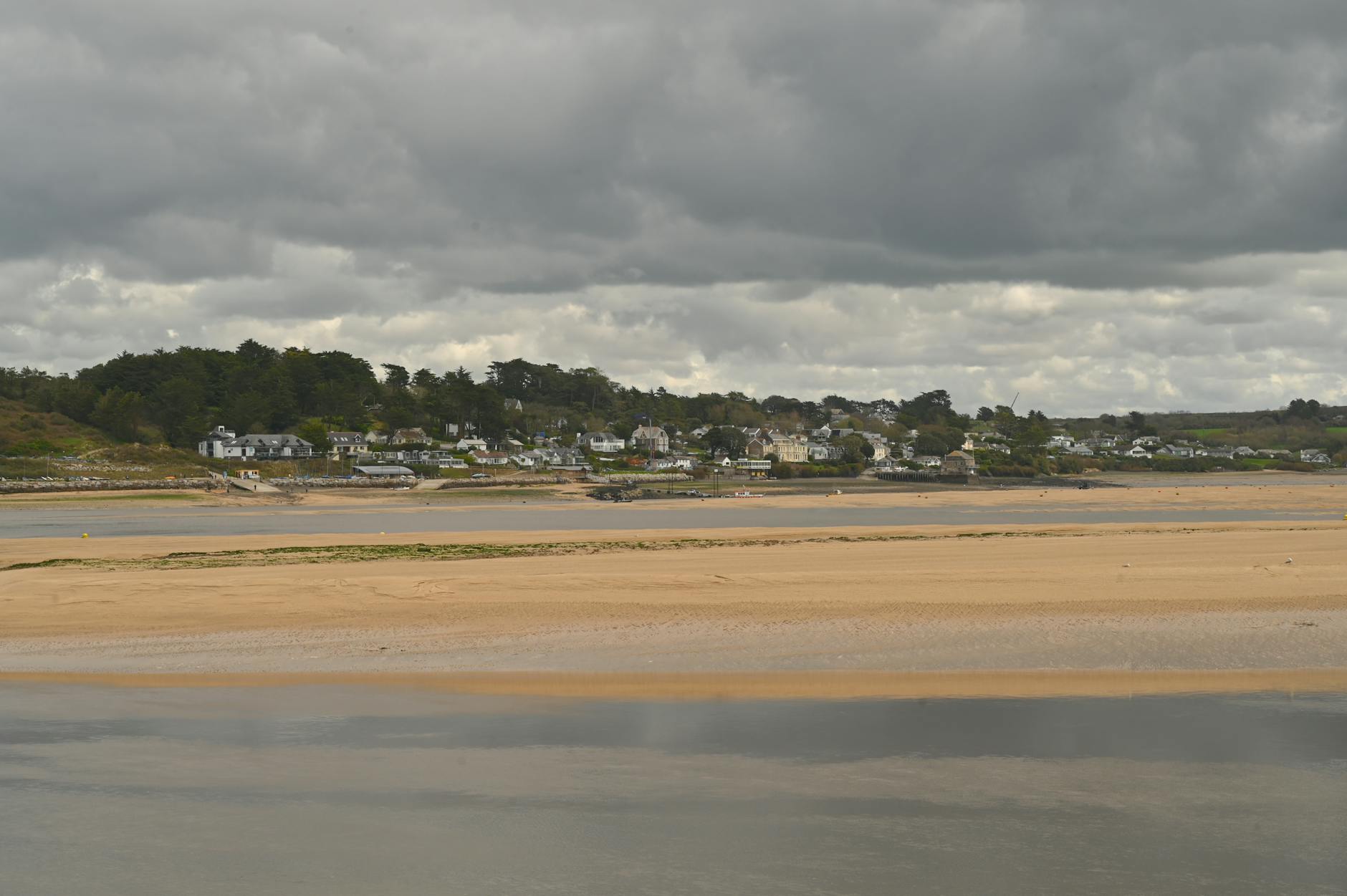
The stretch most visitors ride is Padstow to Wadebridge, 5.5 miles each way, taking about 45 minutes at an easy pace — call it an hour and a half return with a stop for photographs. This is the trail’s scenic high point, running alongside the Camel Estuary through the Cornwall National Landscape (the area formerly known as an AONB), with wide views across the water to Rock and the dunes beyond, wading birds working the mudflats at low tide, and the occasional sight of the old Camel Quarry spoil heaps, a reminder that this valley was cut for slate mining long before the railway arrived.
Start from either end.
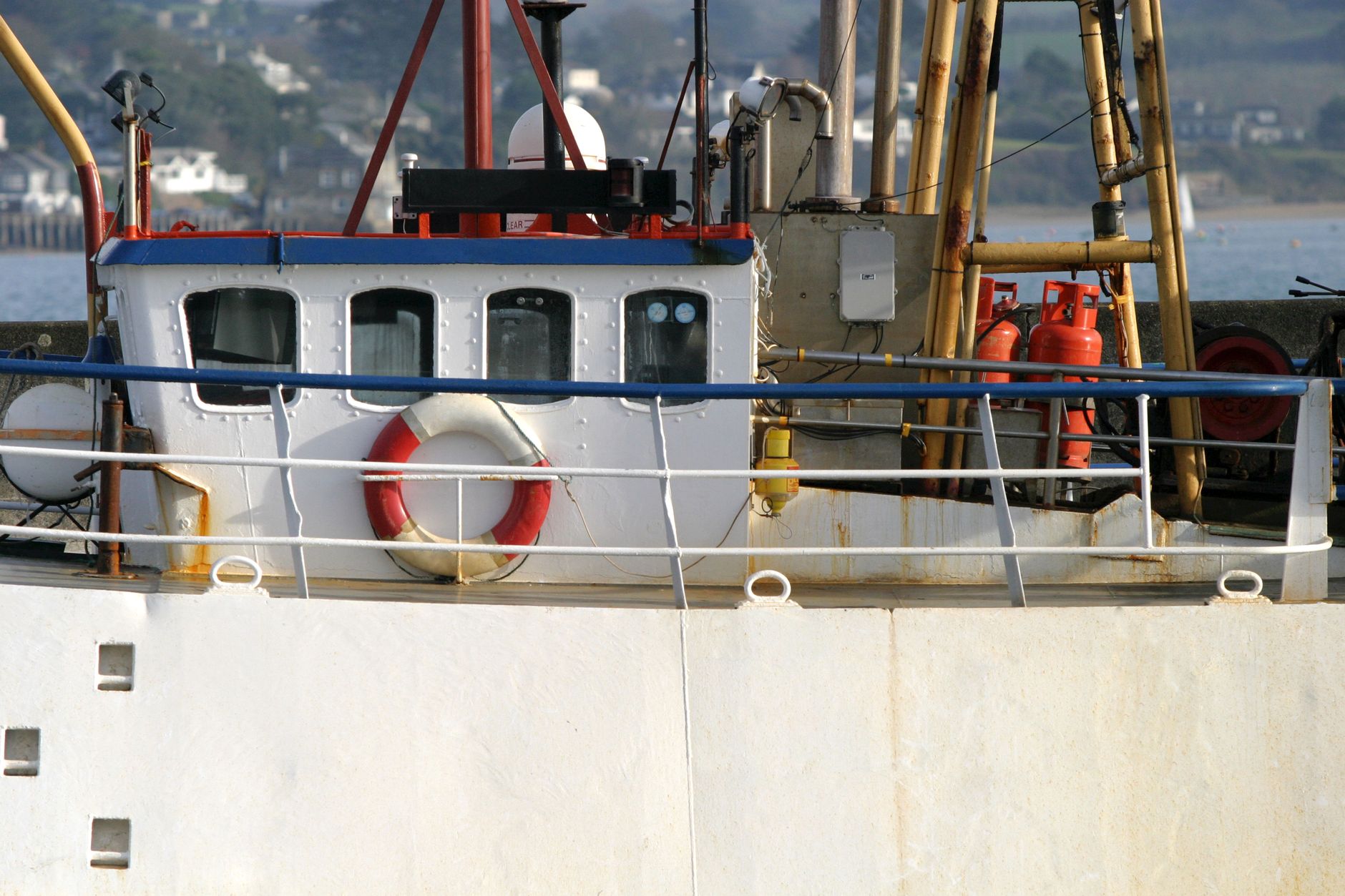
From Padstow, you’re riding out past the harbour and the fish quays that make the town Cornwall’s best-known food destination, with plenty of options to fuel up beforehand or reward yourself afterwards — see our full guide to Padstow for where to eat before or after the ride. From Wadebridge, the trailhead sits right by the old railway bridge over the Camel itself, an easy walk from the town centre.
Wildlife is a genuine draw along this stretch rather than an incidental bonus. The Camel Estuary holds good numbers of wading birds — curlew, redshank and oystercatcher are common sights working the mud at low tide — and it’s one of the more reliable spots in north Cornwall to see little egrets, elegant white herons that have only colonised Britain in any numbers over the past couple of decades. Anyone keen on Cornish wildlife watching more broadly will find the Camel Trail a useful add-on to a birdwatching trip that might otherwise focus purely on the coast.
Wadebridge to Bodmin
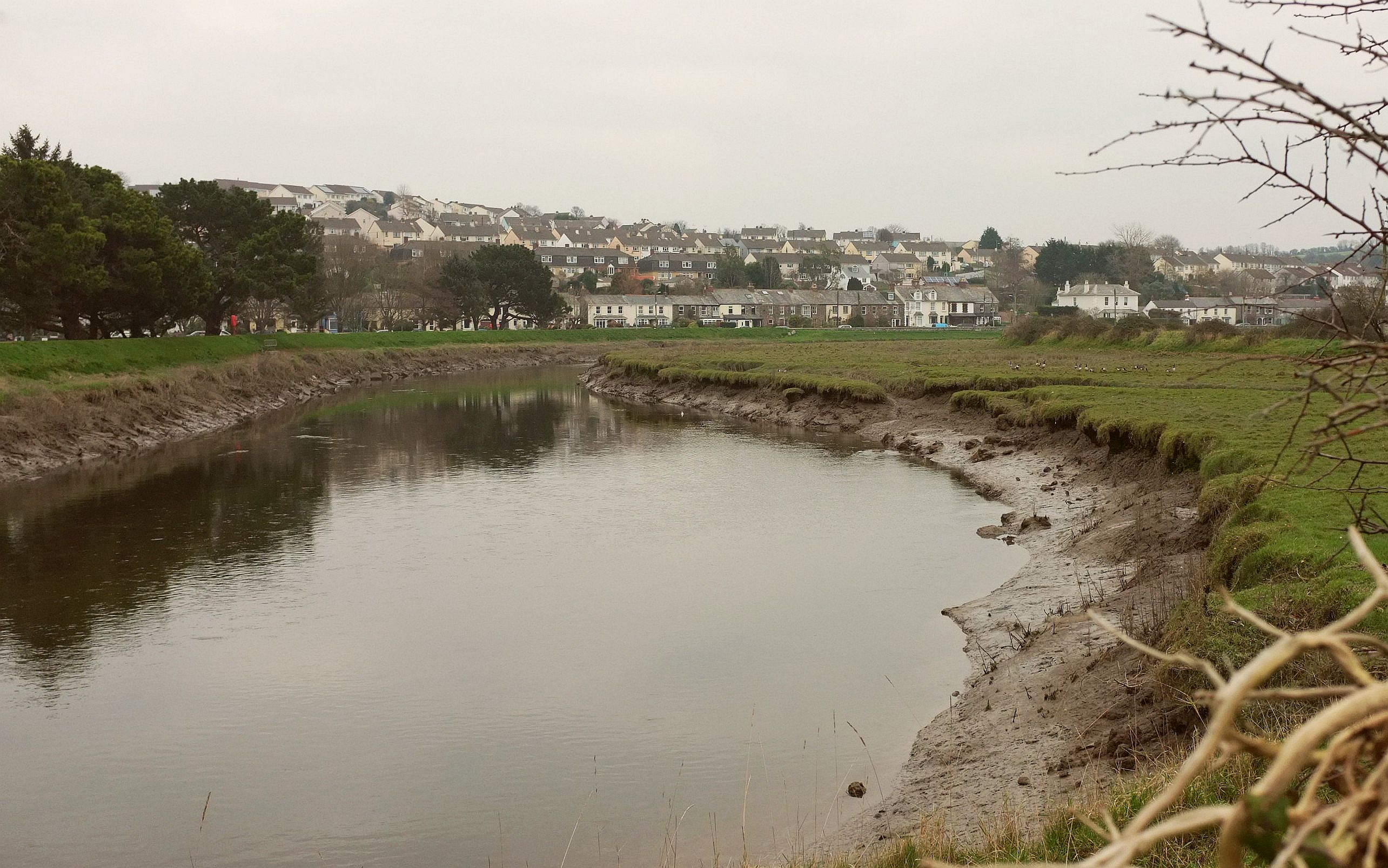
Continuing past Wadebridge, the trail turns inland and follows the river through wooded valley sides rather than open estuary — a quieter, greener stretch that sees noticeably fewer riders than the Padstow leg, which suits anyone who found the coastal section busier than expected in high summer. This section runs past the Borough Arms, a well-placed pub for a halfway pint, and on into Bodmin itself, Cornwall’s former county town.
Bodmin makes a sensible turnaround point for a moderate day’s ride, or a base if you’d rather start from the inland end and ride out towards the coast instead of back. Bike hire is available here too, from the Priory car park, useful if you’re staying inland and don’t fancy transporting a hired bike from Padstow or Wadebridge first.
Bodmin itself is worth a little time beyond the trailhead — the old county town has a genuine, unpolished character that the more tourist-oriented coastal towns sometimes lack, along with easy access to Bodmin Moor for anyone who wants to swap the bike for a walk once they’ve arrived. It’s a sensible overnight base for a two-day Camel Trail trip, splitting the coastal and moorland sections rather than trying to ride the lot in one go.
Bodmin to Wenfordbridge

The final leg, out to Wenfordbridge on the fringe of Bodmin Moor, is the quietest and least-visited stretch of the whole trail, and arguably the most atmospheric — proper wooded valley cycling with the moor rising beyond the trees, a world away from the crowds around Padstow on a August afternoon. The Snail’s Pace Cafe near Wenfordbridge is the reward at the far end, a genuinely good reason to ride the whole distance rather than stopping at Bodmin.
Doing the complete out-and-back from Padstow to Wenfordbridge and back again is a full day’s ride at 36-plus miles — entirely achievable on a flat trail like this, but worth planning food and water stops around rather than assuming you’ll find something whenever you need it, since facilities thin out considerably past Bodmin.
This far end of the trail also gives the clearest sense of what the whole route once was: a working freight line rather than a tourist attraction. The valley narrows, the tree canopy closes in overhead in places, and the moorland silence makes it easy to imagine the china clay wagons that once rattled through here on their way down to the coast for export. It’s a genuinely different mood from the open, breezy estuary section at Padstow, and worth experiencing even if you don’t manage the full round trip on the same day.
Bike hire along the trail
You don’t need your own bike. Hire operators are clustered at both busy ends of the trail: Bridge Bike Hire and Camel Trail Cycle Hire in Wadebridge, and Padstow Cycle Hire in Padstow, with Explore by Bike covering the Bodmin end from the Priory car park. Between them you can hire more or less anything: standard adult and children’s bikes, e-bikes for anyone who wants the flat trail with even less effort, tandems, child seats and trailers, trailer-bikes for older children who aren’t quite ready to ride the whole distance alone, dog trailers, and specialist wheelchair-accessible bikes — Bridge Bike Hire quotes £30 a day for the wheelchair option, one of the only prices published outright rather than left to a live booking system. Check current rates directly with whichever operator you choose, since they update through the season.
Booking ahead in the school summer holidays is sensible, particularly for e-bikes and specialist equipment, which sell out on good-weather weekends well before the standard adult bikes do.
Only Cornwall Council-licensed operators may hire on the trail
One detail worth knowing before you turn up expecting to hire from anyone with a shopfront near the trailhead: only Cornwall Council-licensed operators are permitted to hire bikes for use on the Camel Trail. It’s a rule aimed at keeping standards consistent along a route this heavily used, and it means sticking to the established names above rather than an unfamiliar operator advertising a suspiciously cheap day rate. If in doubt, ask to see the operator’s licence before you hand over payment.
When to ride the Camel Trail
The trail is rideable year-round, and the tree cover on the Wadebridge-to-Wenfordbridge stretches makes it a genuinely good option even in light rain, when a lot of Cornwall’s exposed coast path walks lose their appeal. Weekday mornings, outside the school holidays, are as close to having the Padstow section to yourself as it gets in season; weekend afternoons in July and August bring out families, dog walkers and the full spread of hire bikes, and the trail’s width comfortably absorbs it without ever feeling genuinely crowded the way a popular beach car park does.
Tides matter for the Padstow end specifically — the estuary views are at their best with the water in, so check a tide table if photographs of the full estuary are the goal rather than a stretch of exposed mud.
What to bring
Very little specialist kit is needed for a trail this gentle, which is much of the appeal, but a few things make the ride easier. A refillable water bottle, since not every stretch has a shop or cafe close by, particularly beyond Bodmin. A basic waterproof or windproof layer even on a fine-looking day — the estuary section in particular can turn breezy without much warning, and the tree-covered inland stretches trap a surprising amount of damp after rain. A lock, if you’re stopping for lunch anywhere the bike is out of sight, even though the trail has a low reputation for theft. And a phone or paper map with the trail marked, since mobile signal drops out in places along the wooded valley sections between Bodmin and Wenfordbridge.
If you’re riding with children, a basic first aid kit and spare layers for them specifically are worth the extra weight — a flat trail reduces the risk of a serious fall, but a scraped knee on gravel still happens, and a cold, tired child four miles from the nearest cafe is a worse problem than the extra bag space it would have taken to prevent it.
Parking and getting to the trailheads
All the main access points — Padstow, Wadebridge, Bodmin and Wenfordbridge — have car parks within a short walk of the trail itself, and most of the bike hire operators offer free or discounted parking to customers, which is worth asking about when you book rather than paying twice. Padstow’s car parks fill early on a warm summer day given the town’s own popularity quite apart from the trail, so an early start pays off twice over: quieter riding and an easier parking space.
If you’re not starting and finishing at the same point, some hire operators offer a one-way service or a pickup from the far end, which is worth asking about if the plan is to ride the whole 18.3 miles one way rather than out-and-back on a single section.
Who the Camel Trail suits
Almost everyone. Families with young children on stabilisers or in a trailer, wheelchair users, anyone recovering from injury who wants exercise without impact or gradient, experienced road or mountain bikers using it as a warm-up or cool-down to a harder ride elsewhere in Cornwall, and walkers and runners who share the path throughout. It’s shared-use rather than cycling-only, so a bell and reasonable manners around pedestrians, dogs and horses go a long way — the trail is popular enough in summer that a bit of courtesy keeps everyone’s day better than a race for the fastest split time.
If the flat, sheltered nature of the Camel Trail appeals but you want something with more of a challenge, or want to see what else Cornwall’s growing network of cycle routes has to offer, our guide to cycling in Cornwall rounds up the county’s other trails, from traffic-free family routes to genuinely hilly road-cycling loops. For families building a whole holiday itinerary around it, the Camel Trail slots in well alongside the wider ideas in our Cornwall family holiday guide, and anyone basing themselves in Padstow for the ride should also look at the best bed and breakfasts in Padstow for somewhere to stay at the coastal end.
Frequently Asked Questions
How long does it take to cycle the whole Camel Trail?
The full 18.3 miles one way takes around two to three hours at a leisurely pace with stops; doing it as an out-and-back from Padstow to Wenfordbridge and back is a full day at 36-plus miles.
Is the Camel Trail suitable for young children?
Yes — it’s one of the flattest, safest cycling routes in Cornwall, with a gradient of just 0.23%, and child seats, trailers and trailer-bikes are all available to hire. The Padstow to Wadebridge section is the most popular for families.
Can you walk the Camel Trail instead of cycling it?
Yes, the whole route is shared-use, open to walkers, runners and horse riders as well as cyclists, and is wheelchair accessible throughout given its gentle railway-line gradient.
Do you have to book Camel Trail bike hire in advance?
It’s not always required outside peak weeks, but booking ahead for school holidays and good-weather weekends is sensible, especially for e-bikes and specialist equipment like wheelchair bikes and tandems.
Where does the Camel Trail start and finish?
Padstow at the coastal end, Wenfordbridge on the edge of Bodmin Moor at the inland end, passing through Wadebridge and Bodmin along the way. Most visitors ride just the Padstow to Wadebridge section rather than the full length.
Is the Camel Trail free to use?
Yes, there’s no charge to walk or cycle the trail itself. You’ll pay for parking at some of the trailhead car parks and, of course, for bike hire if you don’t bring your own.
Can you take a dog on the Camel Trail?
Yes — it’s a popular dog-walking route, and dog trailers are even available from some hire operators for anyone cycling with a dog that can’t manage the full distance on its own legs. Keep dogs under control around horses and other cyclists, as with any shared-use path.
Whatever else is on a Cornwall cycling itinerary, the Camel Trail is the one route nearly every visitor manages, regardless of fitness or experience — flat, sheltered, genuinely scenic, and proof that the best cycling in the county doesn’t always mean the hardest.
Not travelling with your own bike? Our full round-up of bike hire in Cornwall covers every operator along the Camel Trail, plus e-bikes and family kit further afield.
Fancy somewhere else traffic-free for another day of the trip? Our guide to traffic-free family cycle routes in Cornwall covers the Clay Trails around the Eden Project and Tehidy Country Park near Camborne.
Once the legs are ready for something harder than a flat rail trail, our guide to road cycling in Cornwall covers the county’s best climbs and quiet lanes, from Bodmin Moor to the far west.
Photo credits: River Camel above Wadebridge: River Camel above Wadebridge – geograph.org.uk – 5411915.jpg by Derek Harper, CC BY-SA 2.0 (licence).