Why stay in a Newquay bed and breakfast
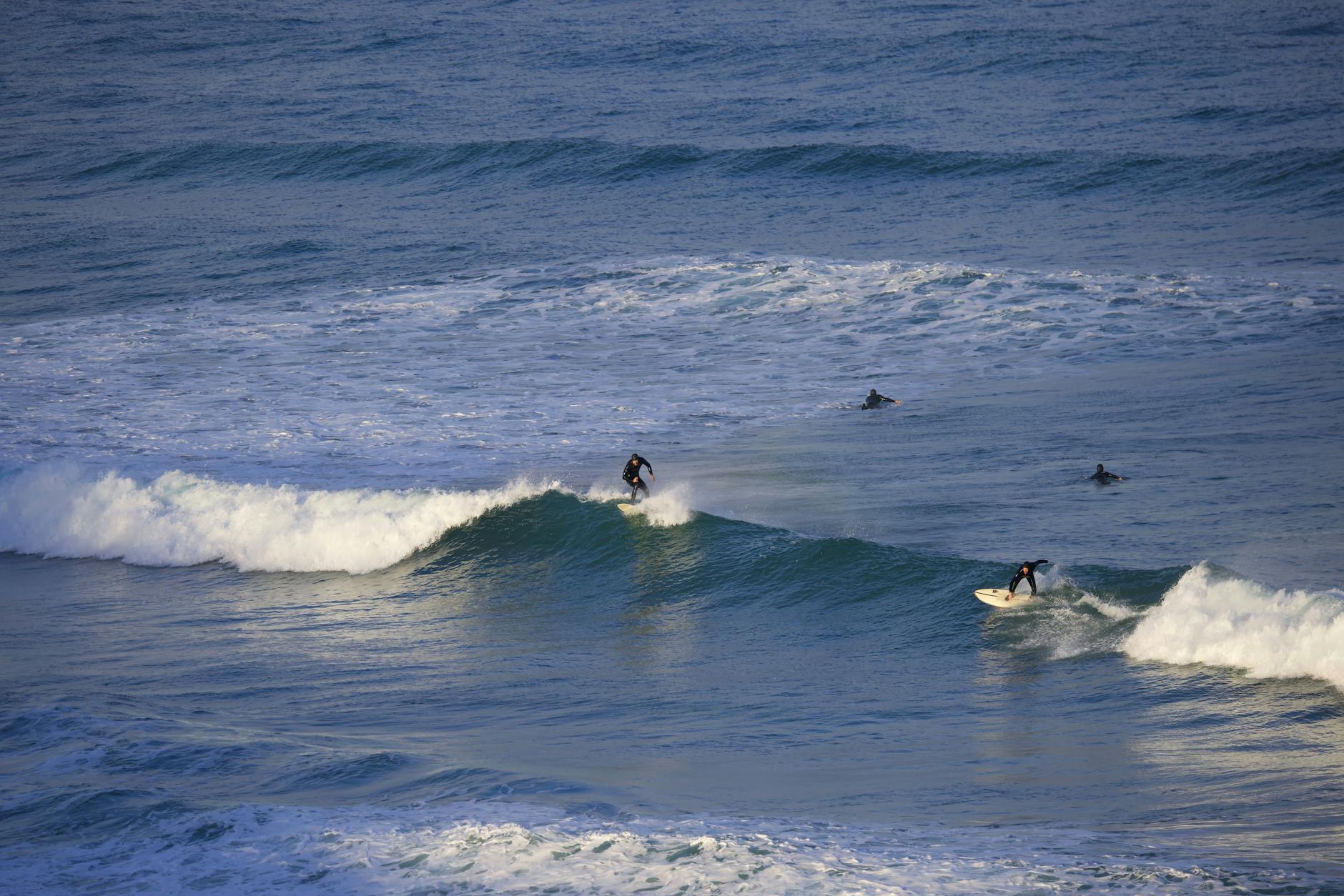
Newquay wakes early in a way few Cornish towns do. By seven, wetsuited surfers are already picking their way down the path to Fistral, and by the time you sit down to breakfast the first sets are rolling in off the Atlantic. Base yourself in a small guest house here and you tap into that rhythm from the start, with a host who has usually checked the surf report before you have even opened your eyes.
The town shed its reputation as purely a stag-and-hen playground a while ago. There is still a lively summer scene along the main strip, but the wider picture now takes in serious surf, seven distinct beaches, some genuinely good restaurants trading on Newquay’s own fishing boats, and family attractions that fill the odd wet afternoon. A room in a family-run place gives you a foothold in all of it, breakfast included, at a price that usually undercuts the big seafront hotels.
Newquay’s guest houses run the full range, from Victorian townhouses on the hill above the harbour to trim, surf-minded properties a sandy walk from the beach. A good number are run by people who moved here to be near the water and never left. Their steer on which beach to hit for the day’s swell, where the queue at the chip shop is worth it, and which coastal path walk to do at low tide is the kind of thing you cannot get from a booking site. If you are weighing up the town against other options, our complete guide to bed and breakfast stays in Cornwall sets Newquay in context alongside the rest of the county.
What to look for in a good Newquay B&B
The stars on a listing tell you something, but not everything. In a surf town the details that make a stay work are often practical ones, and they are worth asking about before you book rather than discovering their absence on arrival.
Somewhere to stash a wet wetsuit and a dripping board is the obvious one. The better surf-friendly guest houses have an outdoor tap or hose, a drying area, and a lock-up for boards so you are not trailing sand up the stairs or leaving three hundred pounds of foam on the pavement overnight. If you are travelling with your own kit, a single line in your booking email asking about this saves a lot of bother.
Parking is the second thing. Newquay’s older streets were laid out long before every guest arrived by car, and a property that includes an off-street space is doing you a real favour in July. Where there is no private parking, a host who can point you straight to the nearest long-stay car park and tell you the going rate is the next best thing.
Then there is breakfast timing and flexibility. Surfers want to be on the water for the morning tide; late risers want a lie-in. A kitchen that serves across a decent window, or will do you a flask and a bacon roll to take out when the swell is worth chasing early, is worth seeking out. Ask, too, whether breakfast is cooked to order or a fixed spread, and whether they cater for the way you eat. Most Cornish hosts will happily sort a vegetarian or vegan plate with notice, and many now do gluten-free without blinking.
Finally, weigh location against noise. A room over the main run of bars will be loud on a Friday in August; a room three streets back, or out towards Porth, will not be. If you are a light sleeper, say so, and ask for a room at the rear.
Best areas to stay in Newquay
Newquay is small enough to walk across, but where you base yourself still shapes the trip. The town spreads along a run of headlands, each sheltering its own beach, and the character shifts noticeably as you move from the surf end to the family end.
Fistral and the west side
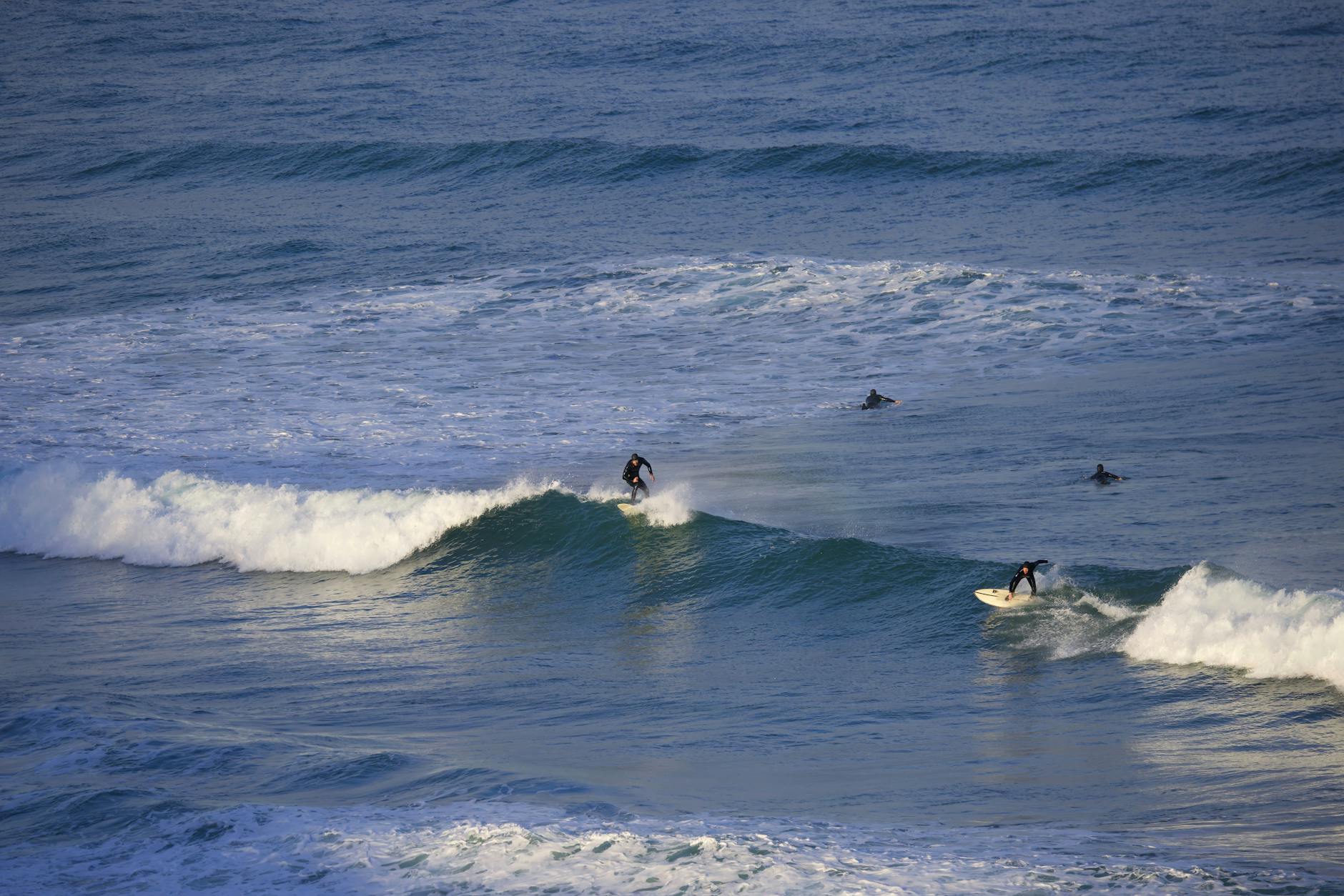
Fistral is the reason a lot of people come to Newquay at all. This is the west-facing beach that catches the cleanest Atlantic swell, home to surf schools, hire shops and the Boardmasters festival each August. Stay on this side and you are within walking distance of the best waves in town, with the dunes of Pentire between you and the busier centre. The mood out here is unhurried and outdoorsy. It suits surfers, couples and anyone who wants the sea rather than the strip. The trade-off is a slightly longer walk into town for the shops and evening choices, though it is a pleasant one along the headland.
Town centre and the harbour
The centre gathers around the old harbour and Towan Beach, with shops, cafes, pubs and the bulk of the restaurants a few minutes on foot. Basing yourself here is the convenient choice, close to the bus links and the branch-line station, and handy if you are without a car. Towan and Great Western are sheltered, shallow-shelving beaches, good for paddling and low-tide rock pooling with children. The flip side is noise: the nightlife concentrates here, so if you want early nights, aim for a guest house on the quieter fringes rather than above a bar.
Porth, Pentire and the edges
Porth sits just north of the centre and trades bustle for a calmer, family-leaning feel. Guest houses out this way tend to have easier parking and a quieter setting, with a big tidal beach and a small island to scramble round at low water. Pentire, on the headland above the Gannel estuary, is another settled residential pocket with sea views and a short walk to Fistral. Push a little further and you reach Crantock and Holywell Bay, properly rural by comparison, where you swap walkable convenience for wide empty sands and a more get-away-from-it-all stay within a short drive of the town’s facilities.
Well-reviewed bed and breakfasts in Newquay
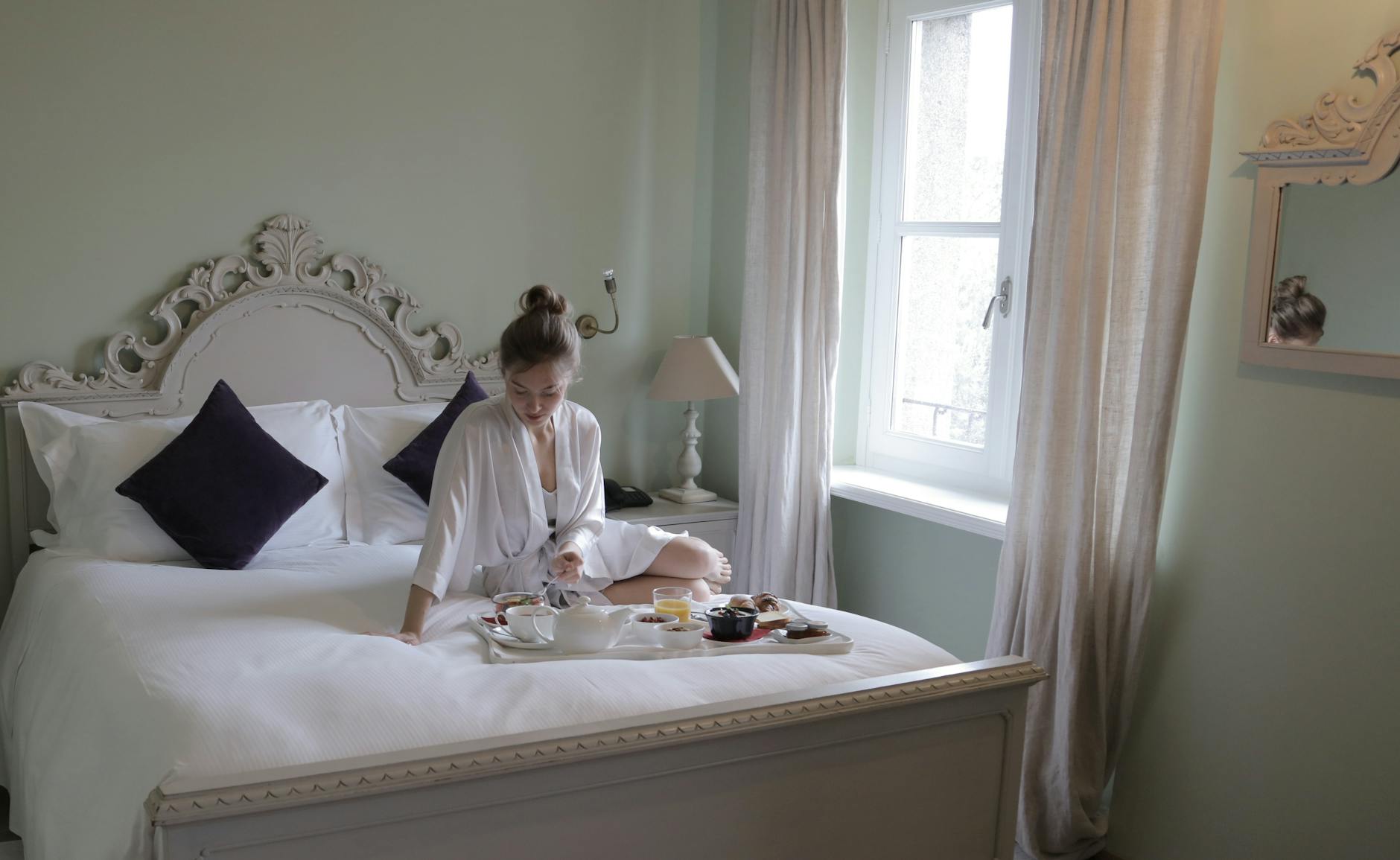
Newquay covers every budget, from cheerful, keenly priced rooms in the centre to smarter guest houses with a view. The names below are ones that consistently draw strong reviews from visitors. Availability and rates move with the season, so treat this as a starting point for your own research rather than a ranking.
Chynoweth Lodge is a Visit Britain Four Star, Silver Award family-run guest house with spacious rooms and a reputation for outstanding breakfasts. Its elevated position gives it lovely views and a peaceful feel away from the late-night noise.
Penwyth House is a beautifully restored nineteenth-century guest house a little over two kilometres from Porth Beach. It has a quiet garden and picnic area and consistently earns top marks for cleanliness and hospitality.
Jasmine House is a dog-friendly guest house in central Newquay, a short walk from both the beach and the train station. It offers solid value with clean, comfortable rooms and hosts who know the town inside out.
Skyline Guest House is a large detached property finished to a high standard, offering good-quality rooms at fair prices. Its slightly raised position gives views across the town towards the coast.
Bee and Bee is a family-run B&B in the heart of Newquay, with rooms from around £70 to £100 including breakfast, which makes it one of the better-value central options.
Holywell Bay B&B sits a five-minute walk from Holywell Cave and beach, a quieter alternative to the centre with on-site golf, walking and lawn tennis. Its 9.0 rating on booking sites reflects the standard of the stay.
When you contact any of these, mention what matters to you: a ground-floor room, a parking space, an early breakfast before a dawn session. Small guest houses are far more flexible than hotels, and a direct email often gets you a better answer, and sometimes a better rate, than a third-party site.
Newquay’s surf scene
Surfing runs through everything here. Fistral is the spiritual home of the British surf scene, hosting national and international competitions and the Boardmasters festival each August. The beach works for most abilities, with a clutch of surf schools running lessons from complete-beginner group sessions up to one-to-one coaching. If you have never stood on a board, a two-hour lesson on a soft-top will usually have you riding whitewater to the beach by the end.
Beyond Fistral, Towan and Great Western offer gentler, more sheltered waves that suit learners, while Crantock, just south, gives you a less crowded alternative when the conditions line up. The full picture of breaks, tides and where to learn sits in our Cornwall water sports and surfing guide, and if choosing a beach is your main concern, our rundown of the best beaches near Newquay breaks each one down by mood and facilities.
This is where a surf-savvy host earns their keep. Ask at breakfast which beach to head to on the day’s swell, wind and tide, and you will save yourself a wasted drive. Some guest houses lay on secure board storage and an outdoor shower to rinse off after a session, small luxuries that hotels rarely bother with and that make a real difference over a week.
The beaches, one by one
Newquay’s seven main beaches each have their own personality, and knowing the difference helps you pick a base. Fistral is the surfer’s beach, big and west-facing. Towan is the most central, tucked directly below the town with easy access to shops and cafes. Great Western is sheltered and good for rock pooling at low tide. Tolcarne has a well-liked beach bar and decent swimming. Lusty Glaze is a small privately managed cove that runs adventure activities and events. Porth is the family favourite, with a tidal island to explore. Harbour Beach is the most sheltered of the lot, ideal for small children.
Venture a little further and Crantock and Holywell Bay open out into wide, dune-backed sands with far fewer people. All of it, from the shelter of the harbour to the swell of Fistral, is covered in our complete Cornwall beaches guide if you want to plan your days around the sand.
Getting around Newquay and nearby
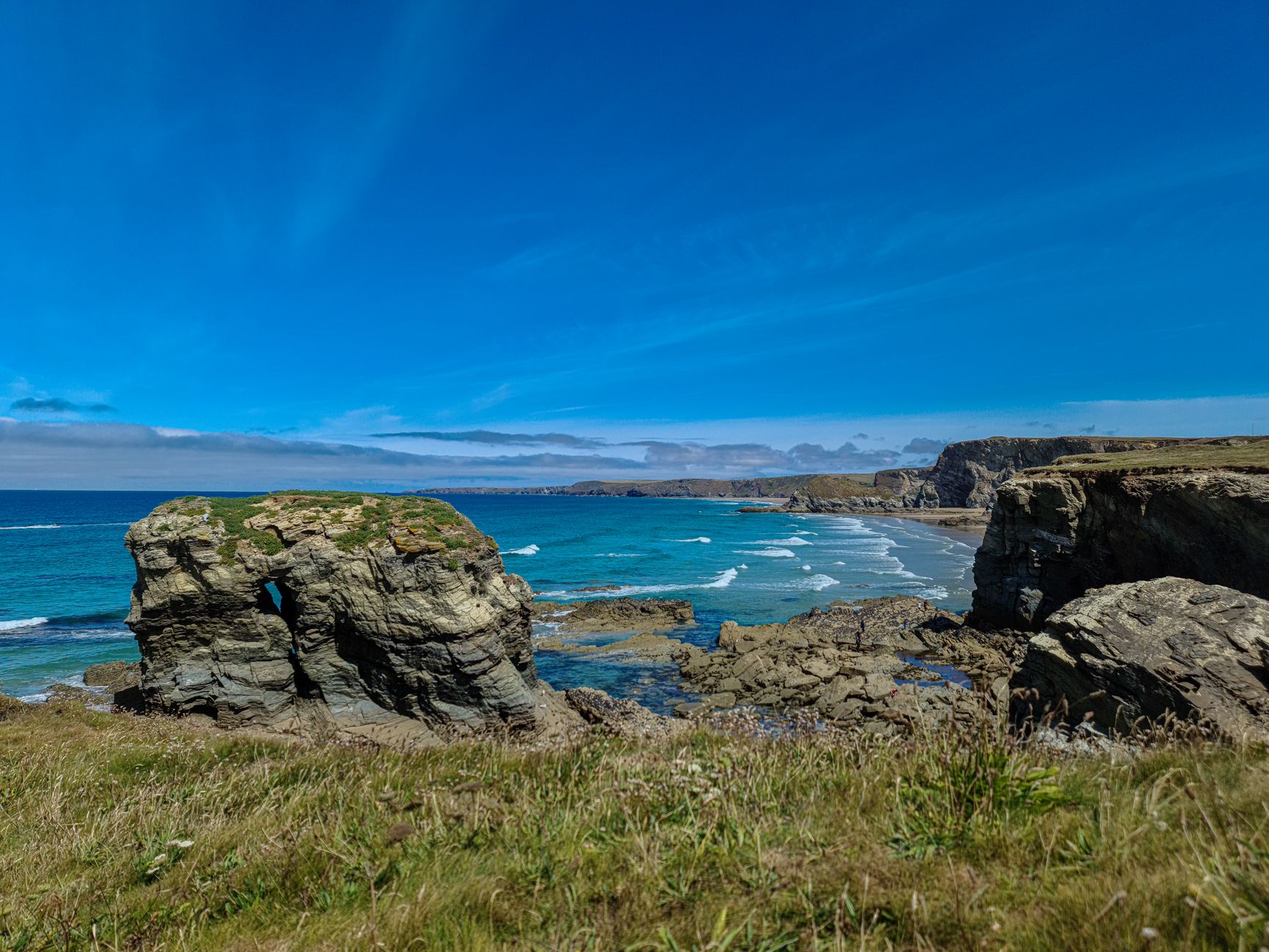
One of Newquay’s quiet advantages is that you do not really need a car once you are here. The centre, the harbour and most of the beaches are walkable, and the string of headlands means you are rarely more than a few minutes from the sea. For the beaches that sit further out, an occasional bus or a short taxi hop fills the gap.
If you do drive, be realistic about parking in high summer. The town-centre car parks fill from mid-morning on hot days, and the streets around the harbour are tight. A guest house with its own space takes the daily hunt off the table; without one, arrive early or use a long-stay car park on the edge and walk in. Ask your host where they send guests, as local knowledge beats circling the same three streets.
For days out, the coast path is your friend. The South West Coast Path runs straight through Newquay, and the walk out towards Watergate Bay and on towards Padstow is one of the finest stretches on this coast. Cornwall Airport Newquay and the branch-line station also make the town an unusually easy place to reach without your own car, which we cover below.
Newquay for families
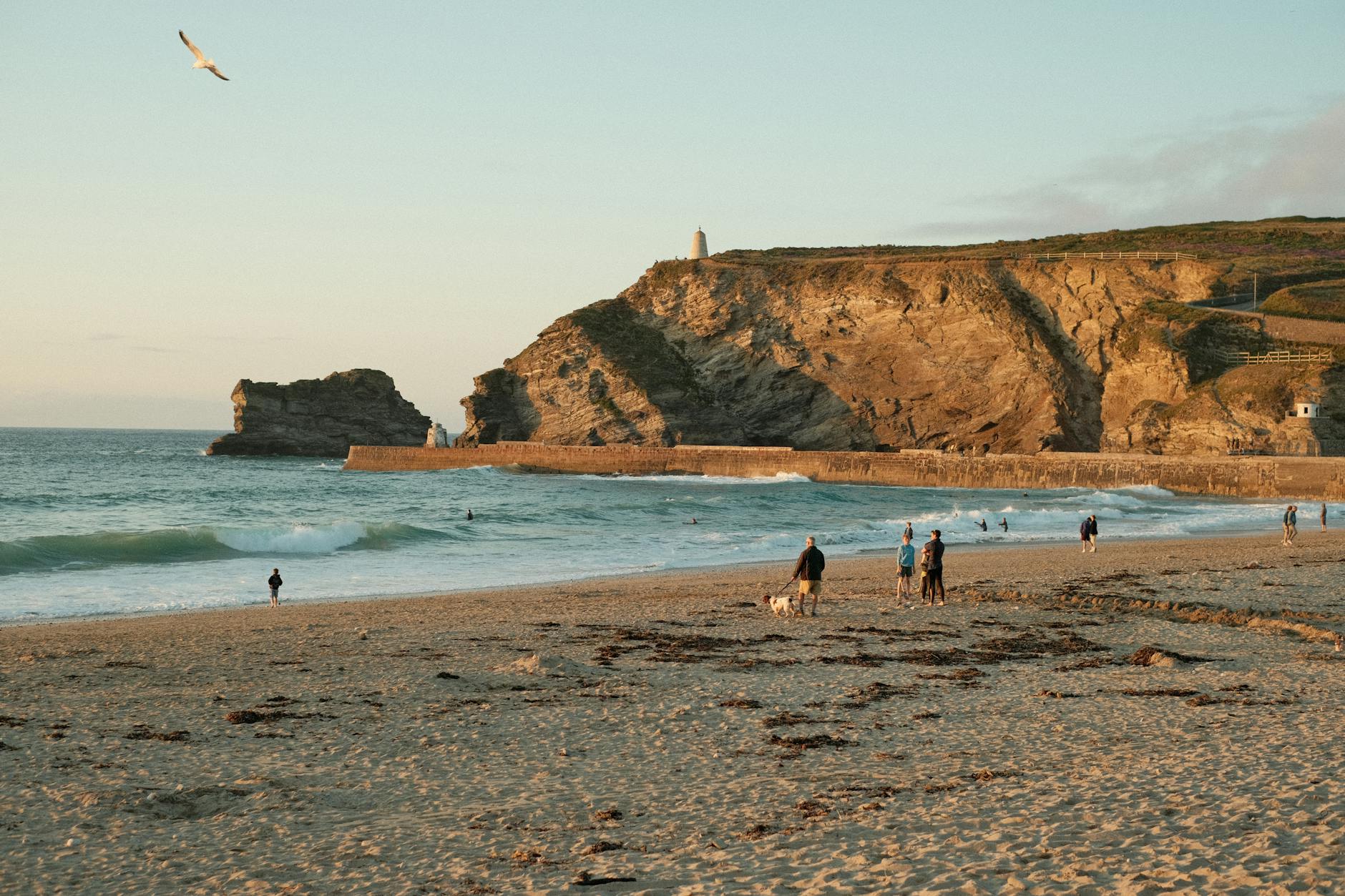
Newquay is one of the strongest bases for a family holiday in Cornwall. Beyond the beaches, there is enough to fill a wet day and then some. Newquay Zoo is home to over 130 species set in lakeside gardens, and the Blue Reef Aquarium on Towan Beach has an underwater tunnel, tropical displays and regular feeding talks that reliably hold small attention spans.
When the weather turns, indoor swimming with flumes keeps children busy for a couple of hours, and the Newquay Orchard community project runs seasonal family activities. The Killacourt near the harbour hosts pop-up events through the season and has cabins where local makers sell their goods, a pleasant browse on a grey afternoon.
Plenty of Newquay guest houses welcome families, with family rooms, travel cots and high chairs commonly on offer. Some go further and lend out buckets, spades, bodyboards and wetsuits, which spares you the hire cost and the boot space. It is always worth asking what they can provide when you book, as the answer often shapes what you need to bring.
Things to do beyond the beach
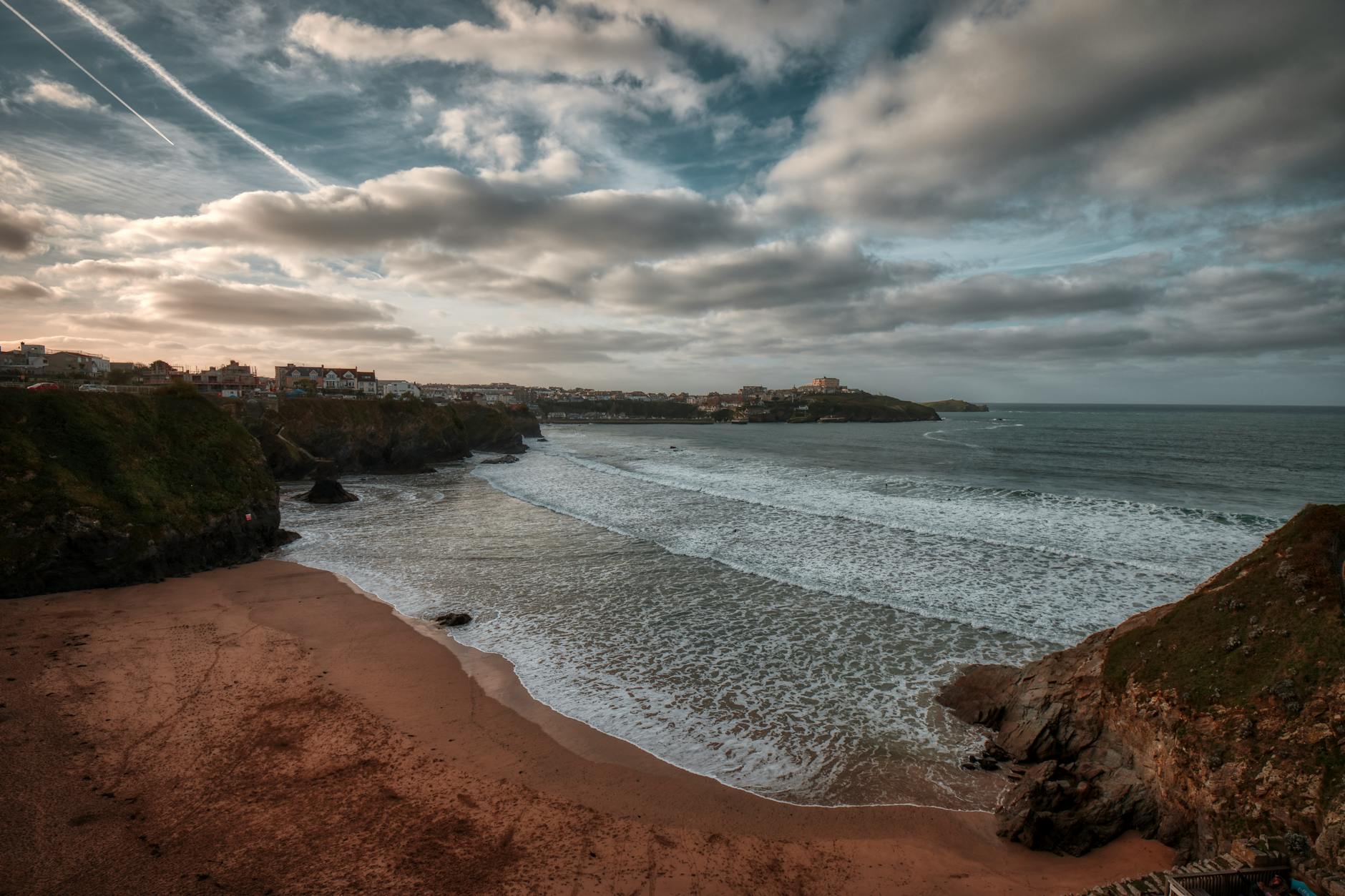
When you tire of the sand, Newquay has more range than its reputation suggests. Coasteering along the cliffs, sea-kayaking into the caves and stand-up paddleboarding in the sheltered bays are all run by local operators, and the headland walks reward an evening stroll with big Atlantic sunsets. Golfers have several courses within easy reach, and the fishing is good, whether from a chartered boat or off the rocks.
Evenings run from harbourside seafood, straight off the day’s boats, to a growing crop of independent breweries and taprooms. The town has raised its game on food noticeably in recent years, and you can eat very well without leaving. For a quieter night, a clifftop walk at sunset followed by supper at one of the beach cafes is hard to beat. If you want to venture out, Newquay makes a good jumping-off point for exploring the wider coast and countryside on a Cornwall day trip.
Getting to Newquay
Newquay is unusual in Cornwall for having its own airport. Cornwall Airport Newquay runs flights from London, Manchester, Edinburgh and other UK cities, and sits about five miles from the centre with taxi and bus links in. For anyone coming from northern England or Scotland, flying can be both cheaper and quicker than the long drive down.
The town also has its own station on the Atlantic Coast Line branch from Par, which connects to the main London Paddington to Penzance route. The branch-line trundle is scenic and relaxed, crossing the Trenance viaduct with views over the valley as you come in.
By car, Newquay is reached on the A392 off the A30 trunk road. Town-centre parking can be a scrum in summer, with several pay-and-display car parks to choose from. Most guest houses will advise on parking, and some include a free on-site space, which is worth its weight in August.
When to visit and what it costs
Newquay guest houses offer some of the better value in Cornwall, but the season swings hard. Rates and availability are at their most punishing in the school summer holidays and, above all, during Boardmasters week in August, when prices climb and rooms vanish. If the festival is your goal, book months ahead; if it is not, steer clear of that week for a saner stay.
The sweet spot for many is the shoulder season. September and October often bring the cleanest surf of the year with far fewer people, and the sea is actually at its warmest in early autumn after a summer of sun on the water. Rates ease noticeably once the schools go back. Late spring, either side of the May half-term, is another quiet, good-value window with long light evenings.
Minimum stays are worth knowing about. In peak weeks, many small guest houses ask for two or three nights rather than a single, and weekend-only bookings can be hard to land in July and August. Midweek is usually more flexible and often cheaper. Out of season, single nights and short breaks open up again.
Common mistakes to avoid
The classic error is turning up at the height of summer expecting to find a room on the day. Newquay’s best small places book out weeks or months ahead for the school holidays, and the walk-in rooms that remain are rarely the ones you would have chosen. Book early for peak; leave it late only if you are travelling off-season.
Another is underestimating how much the location within town matters. A bargain room turns out to be above a bar; a place that looked central is a stiff uphill walk from the beach with your kit. Read the map, not just the photos, and ask the host plainly how far it is to the sand and to the shops.
Finally, do not overlook the value of talking to your hosts. Guests who treat a guest house like an anonymous hotel miss the whole point. The people who run these places live here, surf here and eat here, and five minutes of conversation at breakfast will improve your trip more than an hour of scrolling reviews.
Frequently asked questions
Is Newquay just a party town?
Not any more. The summer nightlife is real, but the town has grown into a well-rounded destination with world-class surf, a run of excellent beaches, good family attractions and a food scene worth taking seriously. Families, couples and outdoor types are all well served. If you want the quiet version, simply pick a guest house away from the centre, out towards Porth, Pentire or Fistral, and you will barely notice the strip.
Do I need to surf to enjoy Newquay?
Not at all. The waves are a draw, but the beaches are just as good for swimming, sunbathing, rock pooling and coastal walking. If you fancy trying, the surf schools run beginner sessions that will have you standing up in whitewater within a couple of hours, no experience or kit required.
Are Newquay B&Bs suitable for families?
Many are. Family rooms, travel cots and high chairs are widely available, and some places lend out beach kit and wetsuits too. The beaches, zoo and aquarium keep children of most ages happy. For the most family-friendly base, look at guest houses near Porth or Tolcarne, where the mood is calmer and parking is easier.
Can I stay in Newquay without a car?
Comfortably. The airport and branch-line station make the town easy to reach, and once you are here the centre and most beaches are walkable, with buses filling in the gaps for the outlying bays. A car helps for exploring further afield, but plenty of visitors manage a full week on foot and public transport.
When is the cheapest time to book a Newquay B&B?
Outside the school holidays. Rates are lowest from late autumn through early spring, and the shoulder weeks of September, October and late May give you mild weather, good surf and much friendlier prices than the July and August peak. Avoid Boardmasters week in August unless the festival itself is why you are coming.
Newquay rewards a bit of planning. Pick the side of town that matches how you want to spend your days, book early if you are coming in summer, and choose a guest house whose hosts share your interests, whether that is the morning surf or a quiet garden. Get those three things right and the town does the rest, one Atlantic sunrise at a time.