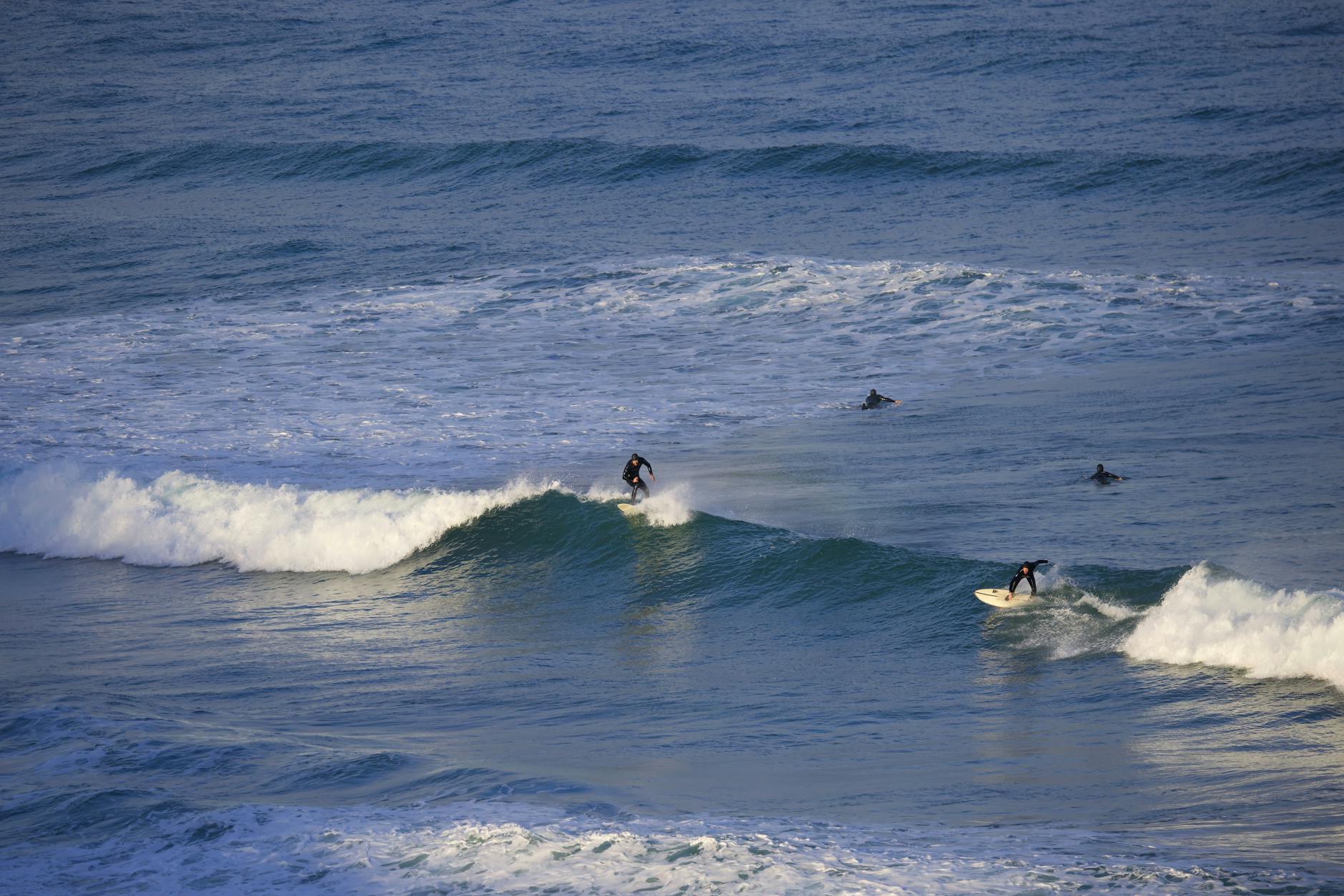
Cornwall sits at the very tip of England’s southwestern peninsula, where the wild Atlantic Ocean meets some of the most dramatic coastline in Britain. This unique geography has made surfing Cornwall a world-renowned experience, attracting wave riders from across the globe to its powerful swells and pristine beaches. But the water sports story here extends far beyond the surfboard. From sea kayaking through hidden caves to coasteering along towering cliffs, from kitesurfing across windswept bays to diving among shipwrecks, Cornwall offers an extraordinary range of aquatic adventures.
This comprehensive guide to surfing Cornwall and water sports covers everything you need to know to make the most of these incredible waters. Whether you are a complete beginner dreaming of catching your first wave, an experienced surfer hunting for the perfect barrel, or someone looking to try something entirely new on the water, you will find detailed, practical information to plan your adventure. We cover the best beaches, seasonal conditions, equipment hire, safety essentials, and much more to help you experience the very best that surfing Cornwall and coastal water sports have to offer.
What You Will Find in This Surfing Cornwall Guide
Why Cornwall Is the UK’s Surfing Capital
Cornwall’s position jutting out into the Atlantic Ocean gives it unrivalled exposure to the powerful swells that travel thousands of miles across open water. The north coast in particular faces directly into the prevailing westerly and northwesterly swells, creating consistent surf conditions that are rare anywhere else in England. This is why surfing Cornwall has been at the heart of British surf culture since the 1960s, when the first wave riders took to the waters at Newquay.
The county boasts over 300 miles of coastline, with dozens of distinct surf breaks each offering different characteristics. Some beaches produce gentle, rolling waves perfect for learning, while others generate hollow, powerful barrels that challenge even the most experienced riders. The seabed varies from soft sand to rocky reef, creating an enormous diversity of wave types. Add in the stunning natural beauty of the coastline, the vibrant surf towns, and the welcoming local culture, and it becomes clear why surfing Cornwall is considered one of Europe’s premier surf destinations.
Water temperatures range from around 8°C in winter to a pleasant 17°C or higher in late summer. Modern wetsuit technology means that surfing Cornwall is truly a year-round activity, with winter bringing the biggest and most powerful swells. The county has a well-established infrastructure of surf schools, equipment hire shops, and beach facilities that make it accessible to everyone from first-timers to seasoned professionals.
The Best Surfing Cornwall Beaches: A Complete Guide
Choosing the right beach is essential for a great surfing Cornwall experience. Each beach has its own personality, wave characteristics, and crowd levels. Here is a detailed breakdown of the county’s finest surf spots, from the internationally famous to the hidden gems.
Fistral Beach, Newquay
Fistral is arguably the most famous surf beach in the entire United Kingdom and the spiritual home of surfing Cornwall. Its open, west-facing aspect means it picks up virtually every swell that crosses the Atlantic, making it one of the most consistent breaks in the country. When other beaches are flat, Fistral almost always has something to ride. The beach has a broad range of wave types, with the southern end producing gentler, more forgiving waves ideal for beginners, while the northern section — particularly the area known as North Fistral and the Cribbar — can produce seriously powerful, hollow waves favoured by advanced surfers. Fistral hosts numerous national and international surf competitions throughout the year.
Polzeath Beach
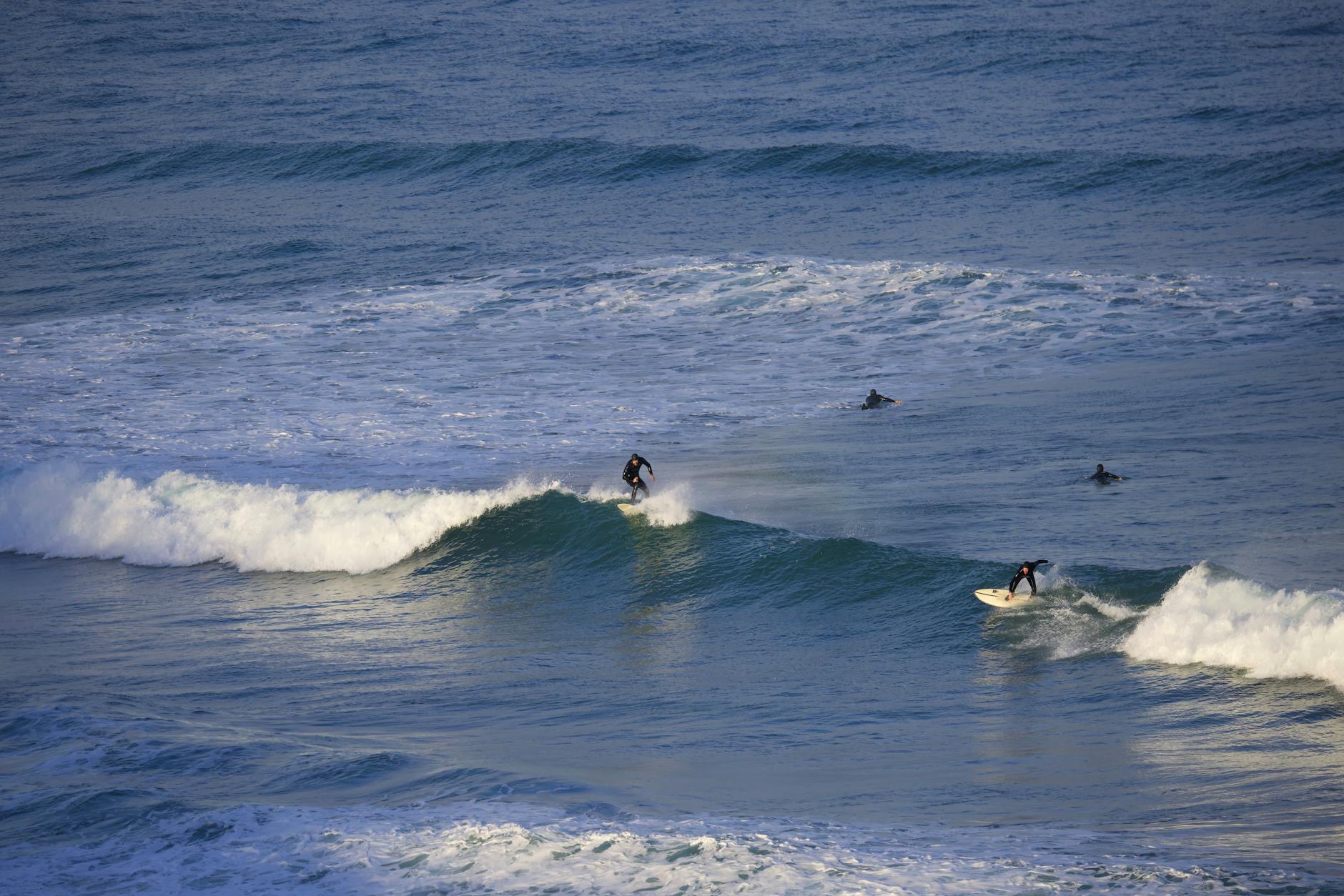
Polzeath on the north coast near Padstow is one of the most popular destinations for beginner and intermediate surfing Cornwall sessions. The wide, sandy beach produces gentle, forgiving waves that break over sand, creating ideal conditions for learning. Several excellent surf schools operate here, and the beach is well served with lifeguards during the summer months. The village has a relaxed, family-friendly atmosphere with good cafes and facilities. At low tide the beach is enormous, providing plenty of space for everyone.
Sennen Cove
Positioned between Land’s End and Cape Cornwall at the very tip of the county, Sennen Cove catches some of the most powerful swells in Cornwall due to its exposed westerly position. In winter, huge Atlantic rollers surge in with tremendous force, making this a favourite spot for advanced surfers. In summer, the waves are more manageable and the beach is excellent for improvers. The dramatic scenery of this far western location adds enormously to the surfing Cornwall experience here, with stunning cliff views and crystal-clear water.
Constantine Bay
Constantine Bay near Padstow is a renowned surf spot that produces fast, powerful, and often hollow waves breaking over a mixture of sand and rock. It is particularly favoured by experienced surfers looking for challenging conditions. The beach is set in a beautiful area of the north coast and can produce world-class waves when the conditions align. Constantine requires more experience than neighbouring Harlyn Bay, but the rewards for competent surfers are immense.
Gwithian and Godrevy
This long stretch of sandy coastline near Hayle on the north coast offers consistent, quality waves across a wide tidal range. Gwithian is particularly popular with longboarders who enjoy the smooth, peeling waves that roll in along the beach. It is generally less crowded than Newquay’s beaches despite offering equally good conditions. The dramatic backdrop of Godrevy Lighthouse adds to the appeal of this outstanding surfing Cornwall location.
Watergate Bay
Just a few miles north of Newquay, Watergate Bay is a two-mile stretch of golden sand that produces excellent surf across all tide states. The beach is home to the famous Extreme Academy, which offers not only surfing but also kitesurfing, paddleboarding, and other water sports. The wide beach means it rarely feels crowded, and the presence of Jamie Oliver’s Fifteen restaurant and the Watergate Bay Hotel give it a slightly upmarket feel. It is an excellent all-round surfing Cornwall destination.
Porthmeor Beach, St Ives
Located right below the Tate St Ives gallery, Porthmeor is an urban surf beach that offers surprisingly good waves for its compact size. It catches plenty of north-westerly swell and produces fun, punchy waves suitable for all levels. The unique combination of world-class art, charming harbour-town atmosphere, and quality surf makes Porthmeor a special surfing Cornwall experience unlike any other.
Harlyn Bay
Harlyn Bay near Padstow is a north-facing beach that comes into its own when strong southwesterly winds make most north-coast beaches unsurfable. It offers shelter and cleaner conditions in these situations, making it an essential backup spot for any serious surfing Cornwall trip. The beach is sandy and produces gentle waves that are excellent for learning, particularly during summer.
Perranporth
At nearly three miles long, Perranporth is one of Cornwall’s largest beaches and offers endless space for surfing without the crowds found at Newquay. It picks up plenty of swell on the north coast and produces consistent, rideable waves across most tide states. The town has a laid-back surf vibe with several good surf shops and schools. Perranporth is an excellent choice for those seeking quality surfing Cornwall conditions without fighting for wave priority.
For a break-by-break breakdown graded by ability, see the best surfing beaches in Cornwall for all levels.
Understanding Surfing Cornwall Conditions by Season
The Atlantic Ocean delivers very different conditions throughout the year, and understanding the seasonal patterns is key to planning the perfect surfing Cornwall trip. Each season brings distinct advantages depending on your experience level and what you hope to get from your time in the water.
Summer (June to August)
Summer is the most popular time for surfing Cornwall, particularly for beginners and families. Water temperatures reach their peak at around 15 to 18°C, making it comfortable even without a thick wetsuit. A 3/2mm summer suit is usually sufficient. The waves tend to be smaller and gentler during this period, with frequent flat spells, but when the swell does arrive it is usually clean and well-shaped. Summer is the busiest time at popular beaches, so arriving early or choosing less well-known spots helps avoid the crowds. Daylight hours are long, giving you maximum time in the water.
Autumn (September to November)
Autumn is widely regarded as the best season for surfing Cornwall across all ability levels. The water remains warm from the summer months while the Atlantic swells begin to increase significantly in both size and frequency. September in particular often produces the finest conditions of the year — warm water, consistent waves, and thinner crowds as the summer visitors depart. A 4/3mm wetsuit is recommended from October onwards. The autumn colours along the coastal paths add a beautiful backdrop to your surfing Cornwall sessions.
Winter (December to February)
Winter brings the most powerful and challenging conditions for surfing Cornwall. Major Atlantic storms generate enormous swells that light up every break along the coast. On the biggest days, waves at spots like the Cribbar off Fistral can exceed 30 feet. This is the realm of experienced surfers equipped with thick 5/4mm or even 6/4mm wetsuits, boots, gloves, and hoods. Water temperatures drop to around 8 to 10°C. However, winter also produces plenty of smaller, more manageable days that intermediate surfers can enjoy. The coast is quiet and atmospheric, and a good winter session is deeply rewarding.
Spring (March to May)
Spring marks the transition from winter to summer surfing Cornwall conditions. The large winter swells gradually diminish, but the sea still produces regular, quality waves with increasing frequency of clean, offshore wind days. Water temperatures begin to rise from April onwards, and a 4/3mm wetsuit is appropriate throughout. Spring is an excellent time to visit for intermediate surfers who want consistent waves without the extreme conditions of winter or the crowds of summer.
Cornwall surfing conditions by season goes month by month on swell, wind and water temperature so you can time a trip around the waves rather than the school holidays.
Stand-Up Paddleboarding in Cornwall
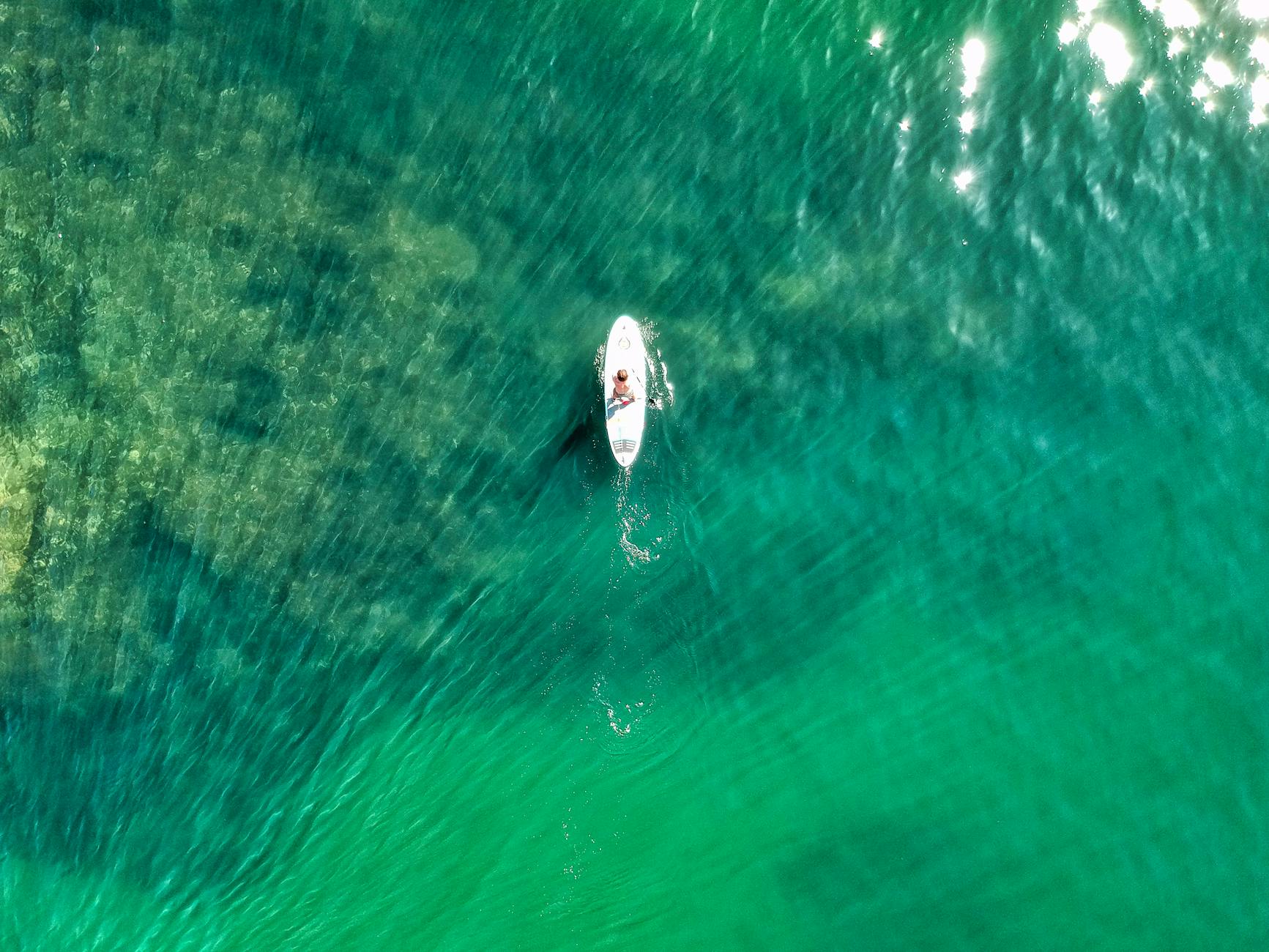
Stand-up paddleboarding, commonly known as SUP, has exploded in popularity across Cornwall in recent years and offers a wonderful alternative or complement to surfing Cornwall waves. This versatile activity can be enjoyed on flat water, gentle rivers, sheltered estuaries, or even in the surf itself. SUP provides an outstanding full-body workout while allowing you to explore the coastline from a unique, elevated perspective on the water.
The Camel Estuary between Padstow and Rock is one of the finest SUP locations in the county, offering calm, sheltered waters with stunning scenery. The Helford River near Falmouth is another exceptional spot, with its peaceful, wooded banks and opportunities to explore hidden creeks. For those wanting more adventure, SUP surfing at beaches like Gwithian and Watergate Bay combines the thrill of riding waves with the challenge of balancing on a larger board. Equipment hire is widely available from around ten to twenty pounds per hour, and many surf schools now offer dedicated SUP lessons for beginners.
Our full SUP guide maps the calmest water in the county, from the Camel and Fal estuaries to sheltered coves on the south coast.
Sea Kayaking Adventures Along the Cornwall Coast
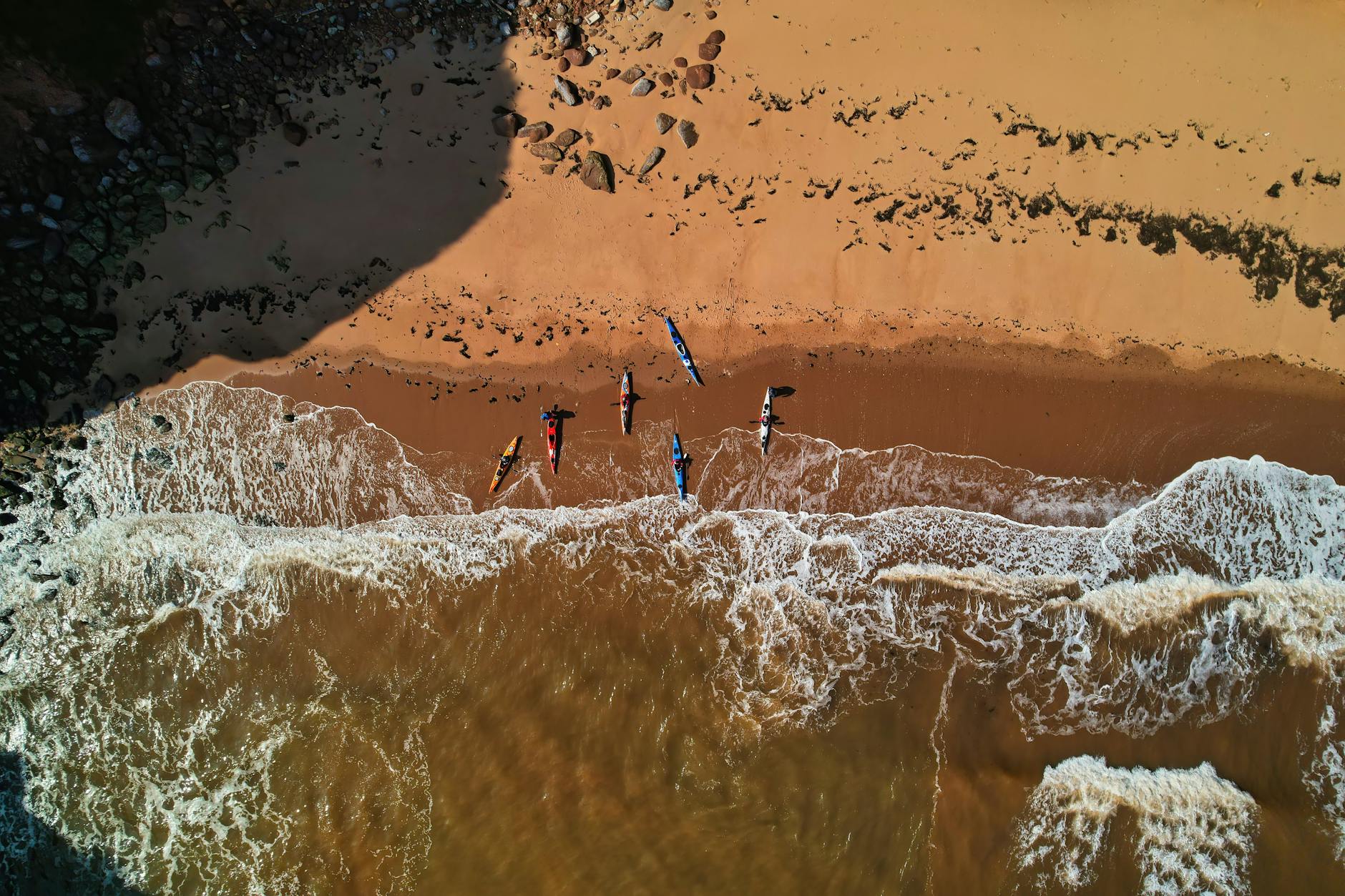
Sea kayaking is one of the most rewarding ways to experience Cornwall’s coastline at close quarters. From a kayak you can access hidden coves, explore sea caves, paddle alongside seals, and discover stretches of coast that are completely inaccessible from land. The combination of dramatic cliff scenery, crystal-clear water, and abundant wildlife makes kayaking in Cornwall a truly unforgettable experience that complements surfing Cornwall adventures perfectly.
The south coast, particularly around Falmouth, the Helford River, and the Fowey Estuary, offers more sheltered conditions ideal for beginners and those preferring calmer waters. The north coast provides more exposed and adventurous paddling, with sea caves at Polzeath and Port Quin and dramatic cliff scenery near Tintagel. Guided kayak tours are available across the county, typically lasting two to three hours and costing between thirty-five and sixty pounds per person. These guided tours are particularly recommended for those new to sea kayaking, as experienced instructors ensure safety while guiding you to the most spectacular locations.
Kayaking and canoeing in Cornwall covers rivers, estuaries and open sea routes. If you would rather someone else did the paddling, sailing and boat trips in Cornwall lists harbour cruises and skippered charters.
Coasteering: Cornwall’s Most Thrilling Water Sport
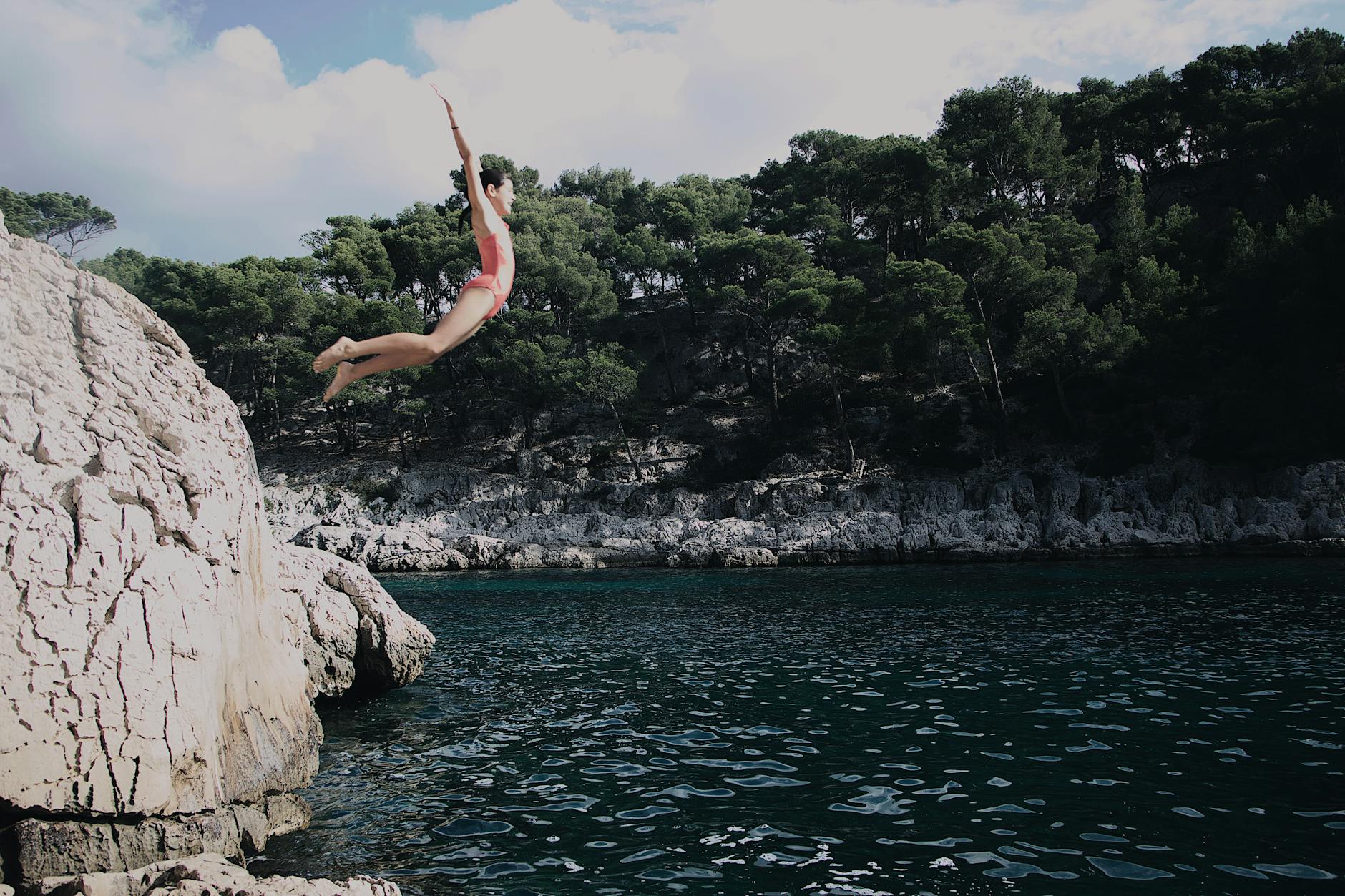
Coasteering is a uniquely exhilarating activity that combines cliff jumping, wild swimming, scrambling across rocks, and exploring sea caves into one adrenaline-fuelled adventure. Cornwall’s rugged coastline is perfectly suited to this activity, with countless natural jumps, gullies, caves, and deep-water pools to explore. It has become one of the most popular water sports alongside surfing Cornwall and attracts thrill-seekers of all ages.
Professional coasteering operators run sessions across the county, with popular locations including the dramatic cliffs around Newquay, the coves near Praa Sands, the granite formations around Land’s End, and the spectacular coastline at the Lizard Peninsula. A typical session lasts around two to three hours and includes all necessary equipment — wetsuits, helmets, buoyancy aids, and specialist shoes. Prices range from around thirty to fifty-five pounds per person. No prior experience is necessary, as qualified instructors guide you through every jump and swim, adapting the route to suit the group’s confidence and ability. Coasteering is available from approximately April through to October, weather and sea conditions permitting.
Our coasteering guide explains what a session actually involves, the age limits, and how to pick a provider that takes safety seriously.
Kitesurfing and Windsurfing in Cornwall
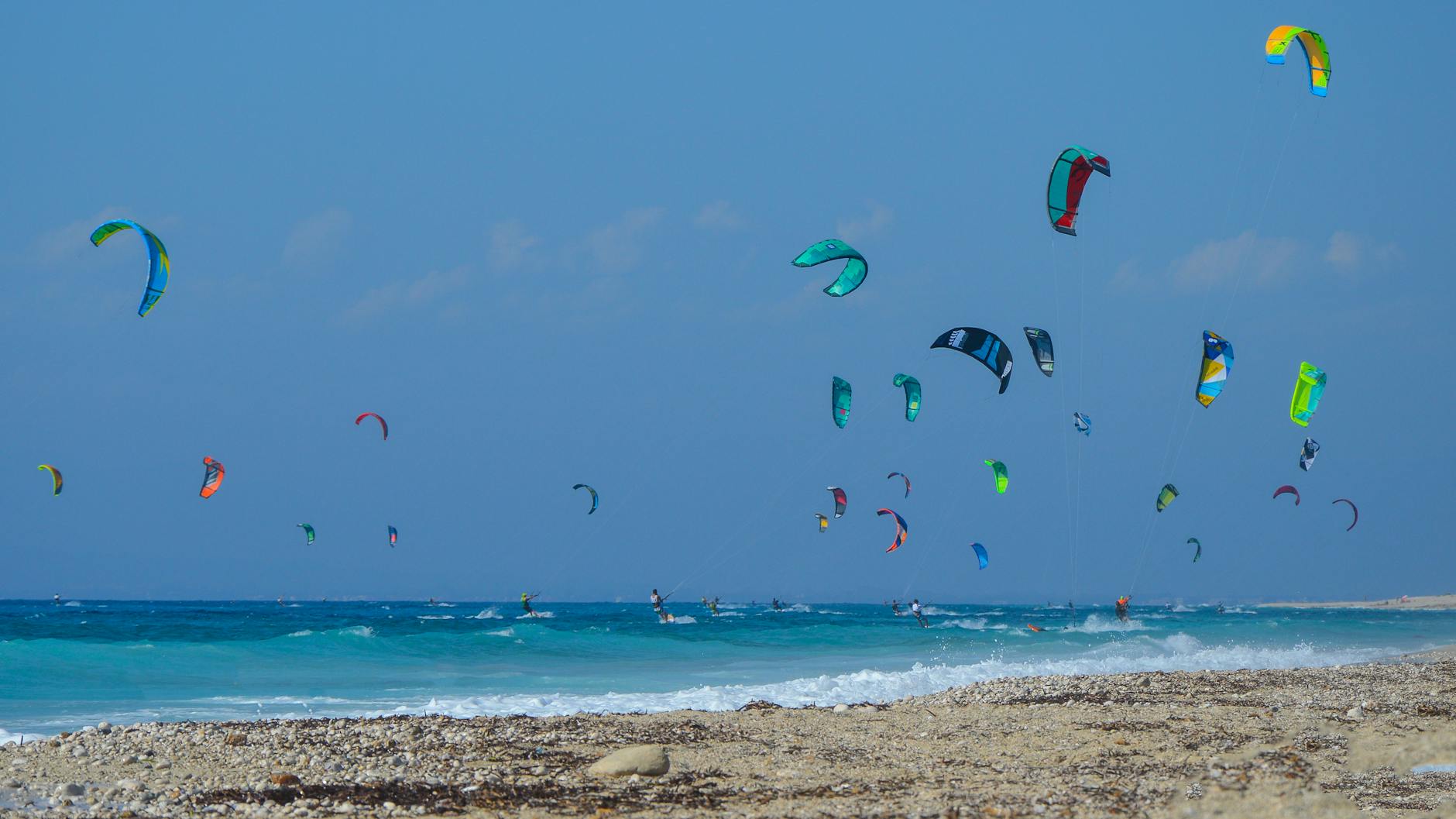
Cornwall’s consistent winds and wide, sandy beaches make it one of the best locations in Britain for kitesurfing and windsurfing. These wind-powered sports offer a thrilling alternative to surfing Cornwall waves, harnessing the Atlantic breeze to power across the water at impressive speeds. Both sports have dedicated followings in the county and are supported by excellent schools and equipment providers.
Watergate Bay is widely considered the premier kitesurfing location in Cornwall, thanks to its wide beach, consistent winds, and the presence of professional schools including the Extreme Academy and CS Watersports Academy. Gwithian, Marazion, Perranporth, and Daymer Bay are also popular spots. For windsurfing, the same beaches work well, with the addition of several south coast locations that offer flatter water conditions. Kitesurfing lessons typically start at around one hundred and fifty to two hundred pounds for a full-day beginner course, while equipment hire for experienced riders is available from specialist providers. The best wind conditions tend to occur in spring and autumn, though summer also produces reliable sea breezes along the coast.
Kitesurfing and windsurfing in Cornwall covers the wind-reliable spots, launch etiquette and where to take lessons.
Diving and Snorkelling: Exploring Cornwall’s Underwater World
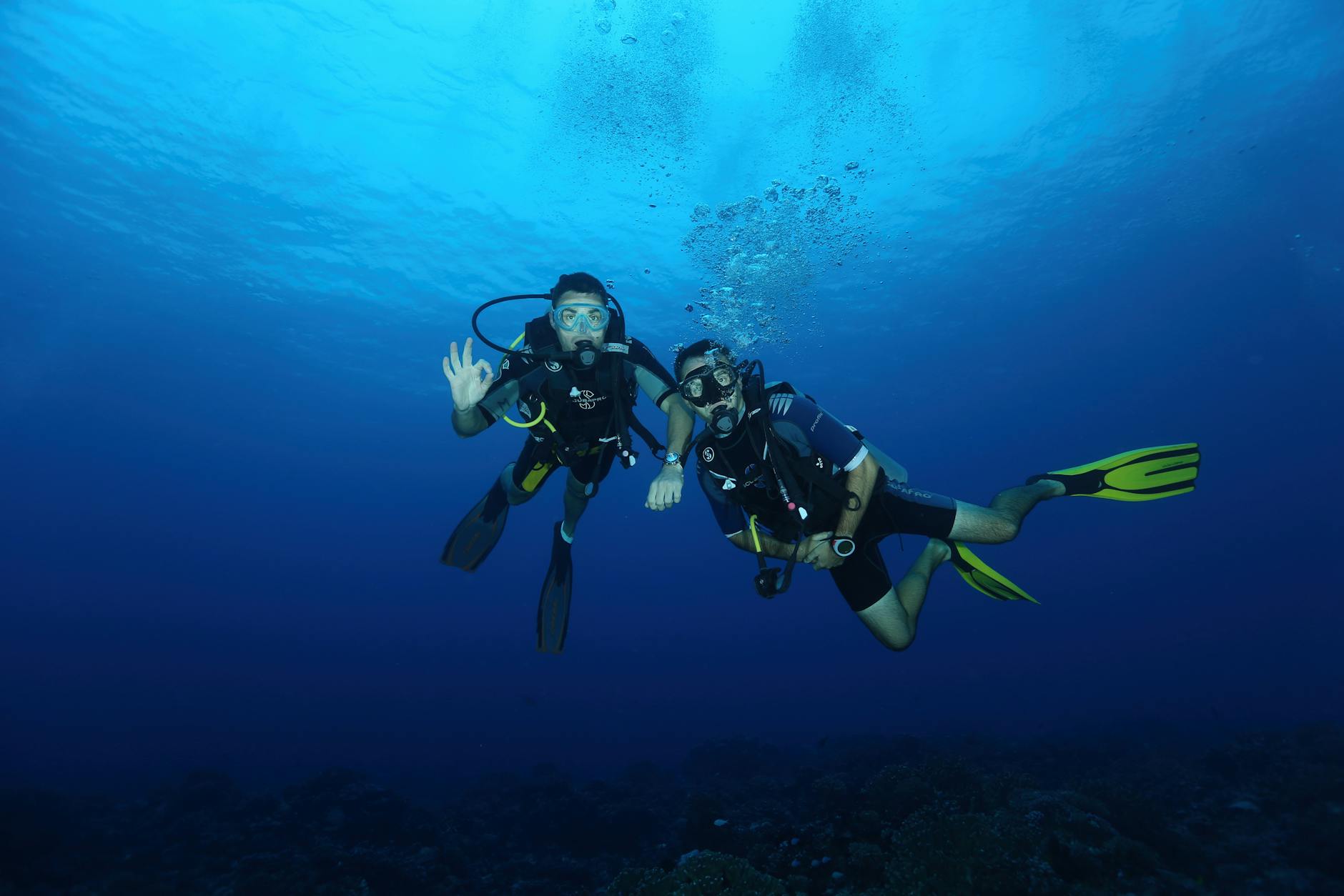
Beneath the surface of Cornwall’s waters lies a hidden world of extraordinary beauty and diversity. While surfing Cornwall is the headline activity, diving and snorkelling reveal an entirely different dimension of the county’s marine environment. Cornwall’s underwater landscapes include colourful reefs, dramatic rock formations, kelp forests, and numerous historic shipwrecks dating back centuries.
For snorkelling, the south coast tends to offer the clearest water and calmest conditions. Kynance Cove on the Lizard Peninsula is perhaps the most spectacular snorkelling location, with turquoise water, dramatic serpentine rock formations, and abundant marine life including wrasse, pollack, and spider crabs. Castle Beach and Silver Steps in Falmouth offer underwater arches, tunnels, and shallow reef systems. Porthcurno, with its crystal-clear water protected by natural rock formations, is another outstanding spot. Talland Bay near Looe and Readymoney Cove near Fowey are excellent choices for those wanting sheltered, accessible snorkelling.
Scuba diving in Cornwall offers access to fascinating shipwrecks and reef systems. The Manacles reef off the Lizard has claimed hundreds of vessels over the centuries and now provides some of the best wreck diving in the South West. The Runnel Stone, a submerged granite pinnacle off Porthgwarra, is considered one of Cornwall’s premier dive sites, with the wreck of the City of Westminster and rich marine life including jewel anemones, pink sea fans, and dead man’s fingers coral. Grey seals, basking sharks (May to June), dolphins, and even the occasional sunfish can be encountered on Cornwall dives. Several dive centres offer guided dives, equipment hire, and training courses for all levels.
Diving and snorkelling in Cornwall details the wreck sites, the best months for visibility and the shore-entry spots you can snorkel without a boat.
Wild Swimming in Cornwall
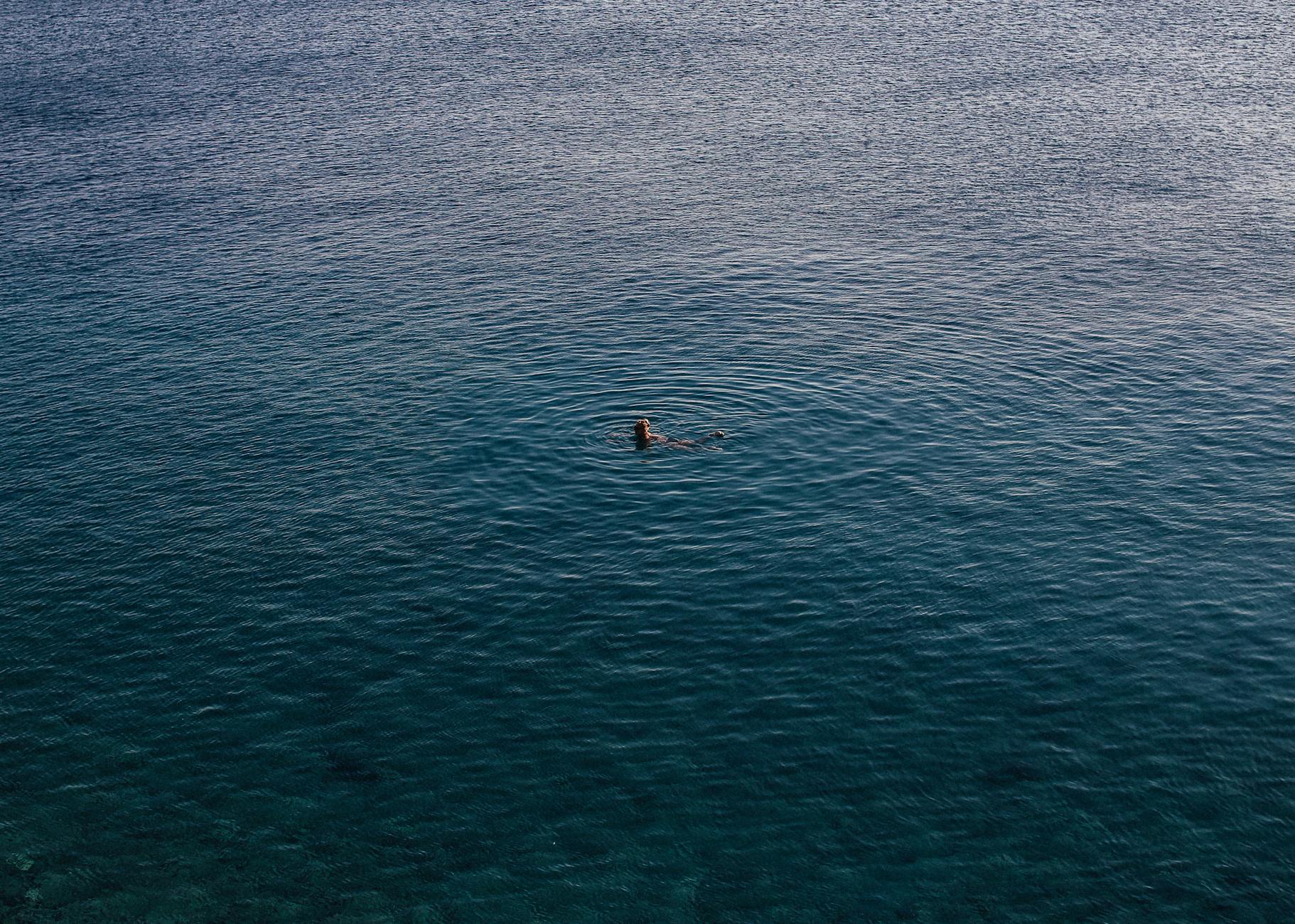
Wild swimming has seen a tremendous surge in popularity, and Cornwall’s stunning coastline and sheltered coves make it one of the finest destinations in Britain for open-water swimming. Whether you prefer the calm waters of a tidal pool, the gentle embrace of a sheltered bay, or the invigorating challenge of open ocean swimming, Cornwall delivers magnificent wild swimming experiences alongside its famous surfing Cornwall opportunities.
For beginners, Gyllyngvase Beach in Falmouth offers calm, mostly flat water with lifeguard cover during summer, making it a perfect introduction. Bude Sea Pool, a semi-natural tidal swimming pool that has been open since the 1930s, is another excellent entry point. Treyarnon Rock Pool on the north coast fills at high tide and provides a safe, sheltered bathing experience. The Camel Estuary at Daymer Bay offers calm, wave-free waters ideal for those building confidence in open water.
More experienced swimmers can explore spectacular locations such as Port Gaverne, a natural harbour that provides protection from open ocean waves, or the Gannel Estuary near Newquay at high tide. The waters around Porthcurno and Kynance Cove offer crystal-clear swimming in breathtakingly beautiful settings. Safety is paramount when wild swimming in Cornwall. Always swim with a companion, check tidal conditions before entering, never jump into unknown water, wear a brightly coloured swim cap or tow float for visibility, and have warm clothing ready for when you exit. If staying in the water longer than fifteen minutes, a wetsuit is strongly recommended, particularly outside the summer months.
Our wild swimming guide covers tidal pools, estuaries and hidden coves, with the safety points that matter most in cold water.
Surfing Cornwall Surf Schools and Lessons
Whether you are an absolute beginner or looking to progress your existing skills, Cornwall’s surf schools offer outstanding instruction from qualified, experienced coaches. The county has the highest concentration of surf schools anywhere in the UK, ensuring you can find the perfect lesson wherever you are staying. All reputable schools are staffed by ISA or SurfingGB qualified instructors and provide all necessary equipment including wetsuits and surfboards.
Group lessons are the most popular option for beginners and typically cost between thirty-five and fifty pounds per person for a two-hour session. Class sizes are usually limited to eight to ten students per instructor to ensure personal attention. Private one-to-one lessons cost between ninety and one hundred and fifty pounds and offer the fastest way to progress, with the instructor’s undivided attention focused on your technique. Family lessons, catering to parents and children together, are available from around one hundred and ninety-five to two hundred pounds for a group of four.
Some of Cornwall’s most respected surf schools include Cornish Wave at Fistral Beach in Newquay, which offers everything from beginner group sessions to advanced coaching. Global Boarders operates from Gwithian and Praa Sands, offering a more mobile approach that takes you to the best conditions on any given day. Harlyn Surf School at Harlyn Bay near Padstow is excellent for families and beginners. Sennen Surf Centre at the far west of the county provides lessons in a stunning location with fewer crowds. The Surf Academy in St Ives offers lessons from the picturesque Porthmeor Beach. All these schools welcome complete beginners and will have you standing on a board within your first lesson.
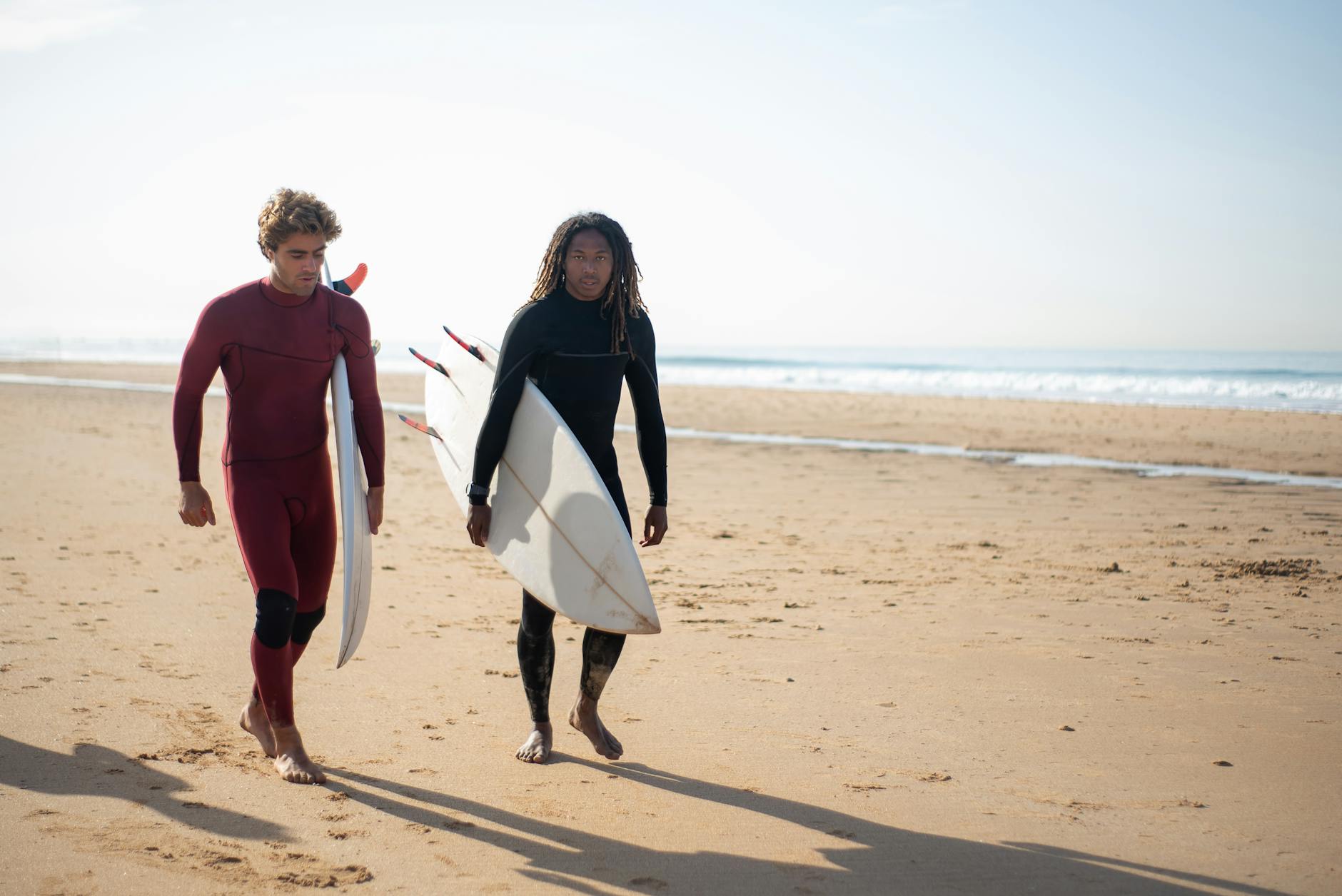
Learn to surf in Cornwall compares the schools, explains what a first lesson covers and sets realistic expectations for day one.
Equipment Hire and What You Need for Surfing Cornwall
If you already have some surfing Cornwall experience and want to head out independently, equipment hire is widely available across the county at competitive prices. Virtually every surf town has at least one hire shop offering boards, wetsuits, and accessories for casual use.
Surfboard hire typically costs between ten and twenty pounds for a half day, or fifteen to twenty-five pounds for a full day. Wetsuits can be hired from around ten pounds per day. Many shops offer combination deals for board and wetsuit together, and multi-day hire attracts significant discounts. Bodyboards, which are excellent fun and easier to use than surfboards, are available from as little as five to eight pounds per session.
For summer surfing Cornwall, a 3/2mm wetsuit is appropriate, while spring and autumn require a 4/3mm suit. Winter demands a 5/4mm suit with boots, gloves, and a hood. If you are bringing your own equipment, be aware that board bags protect your surfboard during travel and roof rack straps are essential for transporting boards on your car. Hire shops can also supply paddleboards, kayaks, bodyboards, and boogie boards. Many centres provide heated changing rooms, hot showers, and secure lockers for valuables, which is particularly welcome during the colder months.
Water sports equipment hire in Cornwall lists where to rent boards, wetsuits, kayaks and SUPs, with typical daily rates.
Water Sports Safety Essentials for Surfing Cornwall
Safety should be your top priority when enjoying any water sport in Cornwall. The Atlantic Ocean is powerful and unpredictable, and even experienced water users must respect its force. Following some fundamental safety guidelines will help ensure your surfing Cornwall experience is both thrilling and safe.
Always check the surf forecast and tide times before entering the water. Websites such as Magic Seaweed and Surfline provide detailed, beach-specific forecasts that include wave height, period, wind direction, and tide information. Swim and surf between the red and yellow flags on lifeguarded beaches, as these mark the areas patrolled by RNLI lifeguards. The red and white chequered flags indicate designated surfing areas separate from swimmers. Never surf or swim alone, particularly at unlifeguarded beaches, and always tell someone on shore where you are going and when you expect to return.
Rip currents are the most significant hazard facing surfers and swimmers in Cornwall. These are powerful channels of water flowing away from the shore that can quickly carry you out to sea. If caught in a rip, do not try to swim directly against it. Instead, swim parallel to the shore until you are out of the rip, then swim back to the beach. Understanding how to identify and escape rip currents is essential knowledge for anyone enjoying water sports in Cornwall. The RNLI website provides excellent educational resources on this topic.
Other safety considerations include wearing appropriate equipment for the conditions, being honest about your ability level, and not entering the water if conditions exceed your experience. Alcohol and water sports never mix. If you are new to surfing Cornwall or any water sport, taking a lesson with a qualified instructor is the safest way to begin. Learn basic surf etiquette — including right of way rules and not dropping in on other surfers — to keep everyone in the water safe and happy.
Read this alongside our Cornwall beach safety guide, which covers rip currents, tides and the RNLI flag system in more depth.
Where to Base Yourself for Surfing Cornwall
Choosing the right base depends on which water sports interest you most and the type of holiday atmosphere you prefer. Here is a quick guide to the best surfing Cornwall towns and their character.
Newquay is the undisputed surf capital of Cornwall, with multiple world-class breaks within walking distance and the highest concentration of surf shops, schools, and beach bars. It has a lively social scene and is ideal for younger visitors and groups. Polzeath and Rock on the Camel Estuary offer a more upmarket, family-friendly atmosphere with excellent beginner surf and beautiful estuary-side dining. St Ives combines stunning art galleries and harbour charm with good surf at Porthmeor Beach, offering culture alongside your surfing Cornwall experience.
Bude on the north coast near the Devon border has a quieter, more relaxed vibe with several excellent surf beaches and the famous Bude Sea Pool. Sennen and Porthcurno at the far west of Cornwall offer dramatic, wild scenery and quality waves away from the crowds. Falmouth on the south coast is the best base for kayaking, diving, and sailing, with calm waters and a vibrant maritime heritage. For exploring the widest range of water sports including surfing Cornwall, kayaking, and coasteering, staying centrally on the north coast gives you the most options within easy reach.
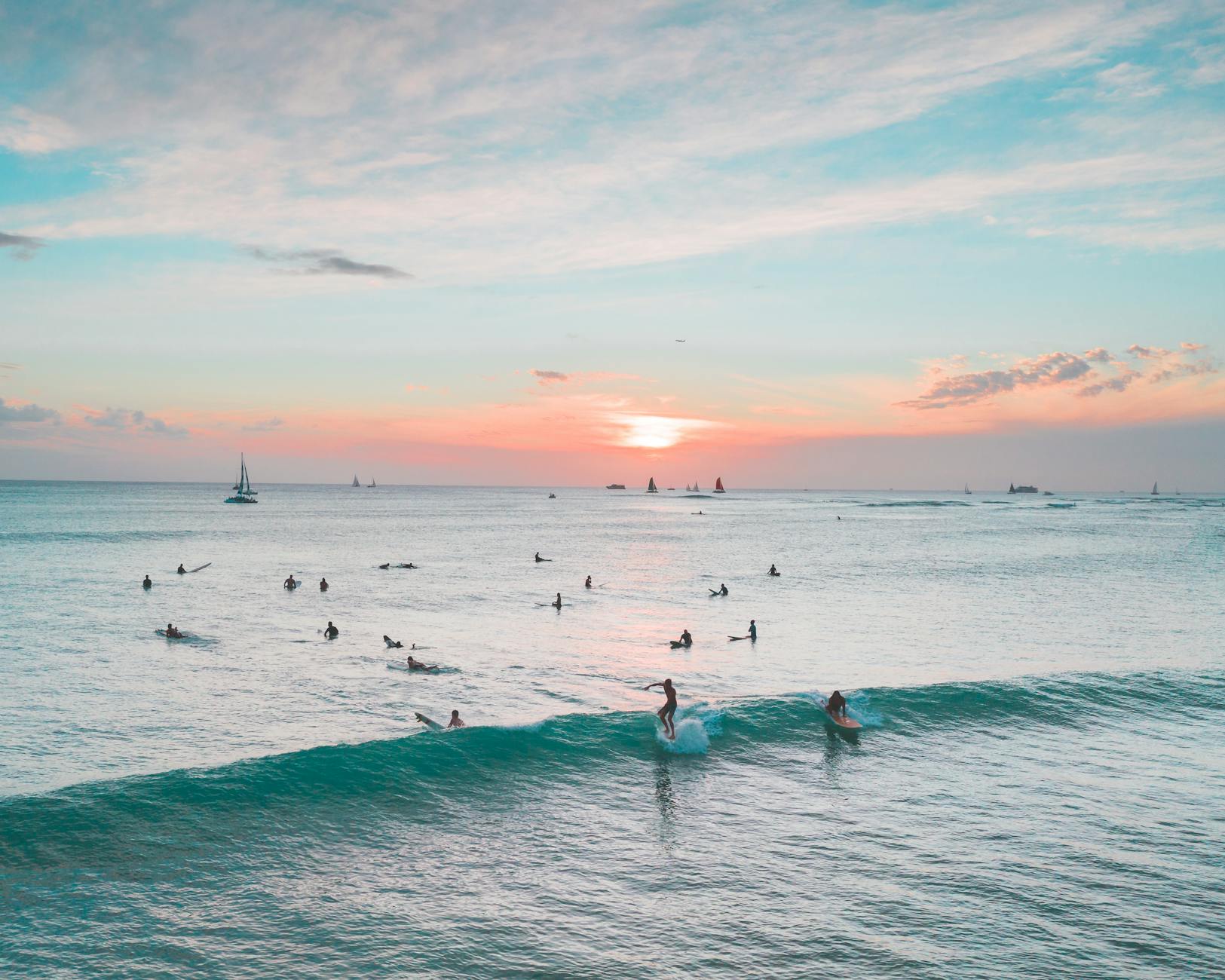
Our Newquay guide covers the obvious base in detail, and the Cornwall bed and breakfast guide has options near the main breaks.
Surfing Cornwall on a Budget: Tips for Saving Money
Water sports can be expensive, but there are plenty of ways to enjoy surfing Cornwall without breaking the bank. Group surf lessons are significantly cheaper than private tuition and still provide excellent instruction. Booking multiple lessons in advance often secures a discount — several schools offer progressive packages where the price per lesson drops as you book more sessions.
Hiring equipment for multiple days is considerably cheaper per day than single-day rental. If you visit Cornwall regularly, investing in your own wetsuit and bodyboard is cost-effective in the long run. Second-hand surfboards are widely available through local surf shops and online marketplaces at a fraction of new prices. Wild swimming, rock pooling, and beachcombing are completely free activities that connect you deeply with Cornwall’s marine environment.
Visit during shoulder seasons — September and October offer the best surfing Cornwall conditions with lower accommodation prices and thinner crowds compared to the peak summer months. Many surf schools and activity providers offer early-bird or last-minute deals. Camping and self-catering accommodation keep costs down, and cooking your own meals after a day in the water is a satisfying way to save money while refuelling after your water sports adventures.
Accessible Water Sports in Cornwall
Cornwall is increasingly recognised for its commitment to making water sports accessible to people of all abilities. Several organisations provide adaptive surfing Cornwall experiences, using specially designed equipment and trained instructors to enable people with physical disabilities, learning difficulties, and sensory impairments to enjoy the ocean. The Surfing Disabled charity and the Wave Project both operate in Cornwall and offer regular sessions that demonstrate the inclusive and healing power of the sea.
Beach wheelchairs are available at several Cornish beaches, enabling wheelchair users to access the sand and waterline. Many activity providers offer bespoke sessions tailored to individual needs. The healing benefits of water-based activities for both physical and mental health are well documented, and Cornwall’s welcoming surf community is at the forefront of making these benefits available to everyone.
Environmental Responsibility and Surfing Cornwall
Cornwall’s marine environment is precious and vulnerable, and all water sports enthusiasts have a responsibility to protect it. Surfers Against Sewage, founded in Cornwall in 1990, has been at the forefront of campaigning for cleaner seas and beaches and continues to drive important environmental improvements. Supporting their work and following their beach-clean initiatives is a meaningful way to give back to the coast that provides so much enjoyment.
Practical steps you can take include using reef-safe sunscreen, never leaving litter on the beach, using eco-friendly wax on your surfboard, and choosing surf schools and providers that demonstrate environmental awareness. Avoid disturbing wildlife, particularly seals and nesting seabirds, and observe any seasonal restrictions designed to protect sensitive habitats. By surfing Cornwall responsibly, you help ensure these incredible waters and coastline remain healthy and vibrant for future generations of water sports enthusiasts.
Planning Your Surfing Cornwall Trip: Practical Essentials
A successful surfing Cornwall trip benefits from some advance planning. Book surf lessons and activity sessions early, particularly during the summer months when popular providers fill up quickly. Check the surf forecast and conditions report for your chosen beaches — Magic Seaweed, Surfline, and BBC Weather all provide reliable Cornwall-specific information. Pack appropriate clothing for variable British weather, including warm layers for after water sessions, as the temperature drop when you exit the sea can be significant.
Cornwall’s roads can be narrow and congested during peak season, so allow extra travel time and consider arriving at beaches early to secure parking. Many popular surf beaches charge for parking, so bring change or check whether the car park accepts card payments. If you are hiring equipment, some shops require a deposit or credit card details — check their terms in advance. Travel insurance that covers water sports activities is recommended, particularly for adventure sports like coasteering and kitesurfing.
For the latest beach conditions, lifeguard status, and safety information, the RNLI and Visit Cornwall websites are invaluable resources. Cornwall’s numerous B&Bs, hotels, and holiday cottages cater to every budget and preference, with many offering specific facilities for surfers such as board storage, wetsuit drying areas, and outdoor showers. Our Cornwall Bed and Breakfast Guide can help you find the perfect accommodation.
For more on Cornwall’s finest beaches, see our Best Beaches in Cornwall guide, and for walking routes along the coast, explore our Walking Cornwall Trails Guide. Discover the best places to eat after a day in the water with our Cornwall Food Guide, and plan your complete itinerary with our Things to Do in Cornwall overview. Explore Cornwall’s charming surf towns in our Cornwall Towns and Villages Guide, and if you are bringing the family, our Family Holidays Cornwall Guide has everything you need.
Surfing Cornwall Activities by Age and Experience
One of the great things about surfing Cornwall and its related water sports is that there truly is something for every age and ability level. For young children aged four to eight, bodyboarding on gentle beach-break waves is the perfect introduction to the ocean. Many surf schools offer specific children’s programmes with age-appropriate instruction and smaller equipment. Paddleboarding on calm estuaries is another excellent option for younger children who may not be ready for the open sea.
Teenagers and young adults thrive on the adrenaline of surfing Cornwall waves, coasteering, and kitesurfing. These activities build confidence, physical fitness, and a lasting connection with the natural environment. For adults returning to the water after a long break, or those trying water sports for the first time in later life, Cornwall’s patient and experienced instructors will ensure you feel comfortable and supported throughout. Older water sports enthusiasts should consider gentler activities like sheltered kayaking, stand-up paddleboarding on flat water, or snorkelling in calm bays. The key to enjoying surfing Cornwall at any age is choosing the right activity for your fitness level and being honest about your comfort in the water.
Surfing Cornwall Quick Reference Guide
To help you plan your perfect surfing Cornwall adventure, here is a quick summary of the key information. The best season for beginners is summer, when waves are smaller and water is warmest. Experienced surfers should target autumn and winter for the most powerful conditions. Group surf lessons cost around thirty-five to fifty pounds for two hours, while private lessons range from ninety to one hundred and fifty pounds. Equipment hire starts from ten pounds per day for a wetsuit and fifteen pounds for a surfboard. All north coast beaches pick up the dominant Atlantic swell, while south coast locations offer calmer conditions for kayaking, diving, and snorkelling.
Surfing Cornwall is more than just a sport — it is a way of connecting with one of England’s most magnificent natural landscapes. Whether you are riding your first whitewater wave at Polzeath, paddling through sea caves near Falmouth, or dropping into a powerful autumn swell at Fistral, the memories you make in Cornwall’s waters will stay with you for a lifetime. The Atlantic is calling — come and answer it.