Cornwall is small enough to feel manageable on a first visit and big enough to catch you out. The county runs roughly eighty miles from the Devon border to Land’s End, the roads are slow, and the difference between a great first trip and a frustrating one usually comes down to two things: choosing the right attractions, and visiting them in a sensible order. Try to see everything and you will spend your holiday in the car. Pick a handful and give each one time, and Cornwall opens up.
This guide is built around the places that most consistently land well with people arriving for the first time — the dramatic landmarks, the world-class gardens, the harbour towns everyone photographs, and a couple of quieter spots that reward the detour. Each entry comes with honest notes on what to expect, when to go, and how to fold it into a wider route. For the full picture of what the county offers, our complete guide to things to do in Cornwall sets out the range; this page is the shortlist a first-timer actually needs.
The Ten Cornwall Attractions Every First-Time Visitor Should See
1. The Eden Project
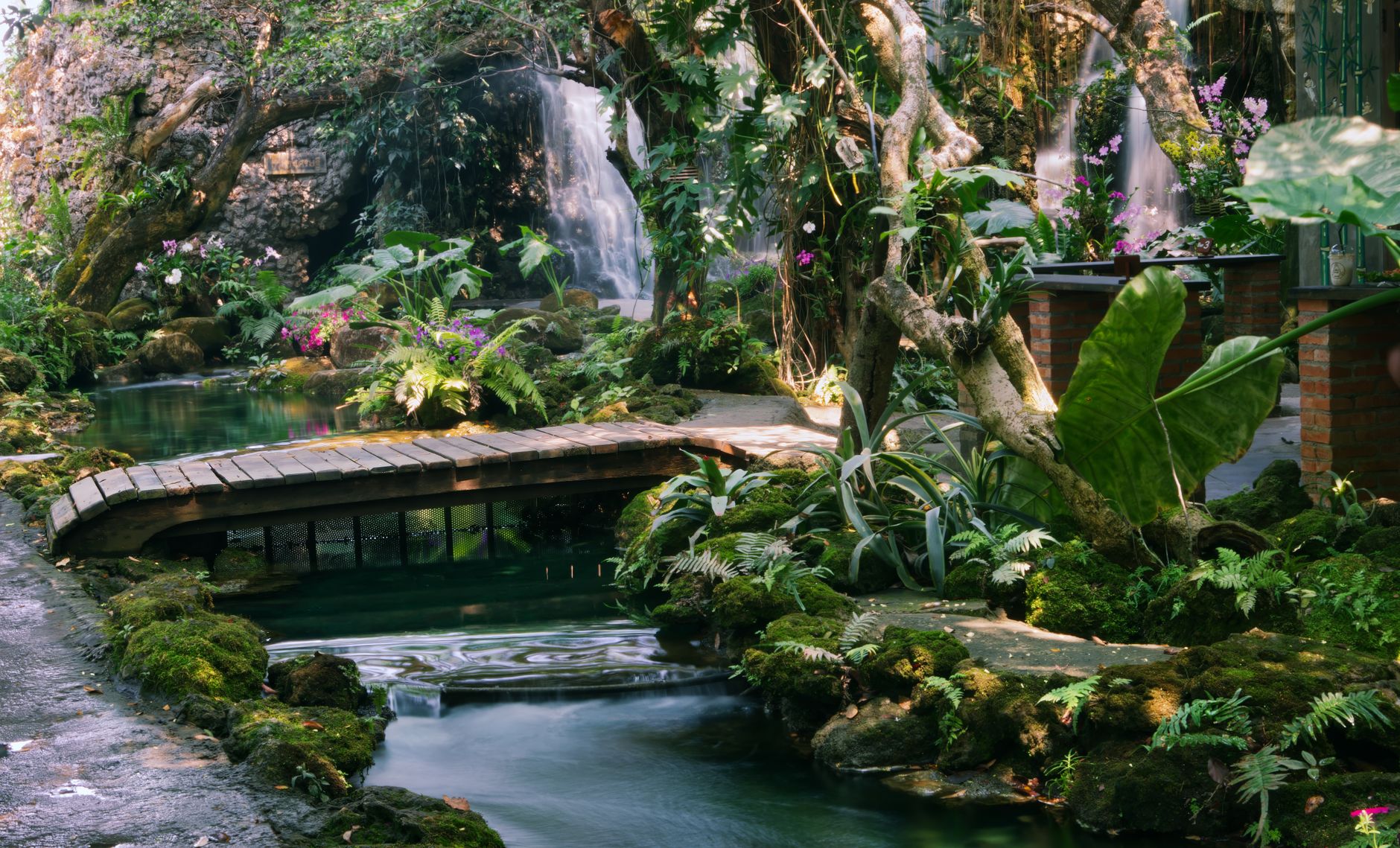
Two enormous geodesic biomes — Mediterranean and Rainforest — built into a former china clay pit near St Austell. The Eden Project is Cornwall’s most famous modern attraction, and deservedly so: the Rainforest Biome alone is one of the most extraordinary indoor environments in Britain, with tropical waterfalls, a canopy walkway, and thousands of plant species crammed under a single vast dome. It works in any weather, which makes it the county’s most reliable rainy-day backup as well as a headline day out.
Plan three to four hours as a minimum. Tickets convert to an annual pass if you Gift Aid them, so keep your receipt — a return visit later in the week costs nothing. Go mid-week or first thing in summer; the site fills up by late morning in the school holidays and the car parks are a long walk from the entrance when they are full.
2. St Michael’s Mount
A tidal island off Marazion crowned by a medieval castle and chapel, reached at low tide on foot across a granite causeway and at high tide by small ferry boats. The combination of the walk across the cobbles, the climb to the castle, and the sub-tropical gardens tumbling down the south side makes this one of the most photogenic places in the county — and one of the easiest to get wrong if you turn up at the wrong state of the tide.
Check the tide times before you set off. The causeway is only crossable for a few hours either side of low water, and the ferry only runs when there is enough depth, so there is a short window mid-tide when neither works well. Allow half a day. The castle and gardens keep their own opening days, which vary through the year, so confirm before you drive over.

3. Tintagel Castle
The legendary birthplace of King Arthur and, more soberly, the seat of the early medieval rulers of Cornwall. The site straddles a mainland headland and a rocky island now linked by a dramatic footbridge, and the views down the cliffs to the cove below are the kind that stop conversation. English Heritage runs the castle; Merlin’s Cave, at the foot of the cliffs, is free to explore at low tide if you fancy the scramble down.
Tintagel sits at the wild northern edge of the county and pairs naturally with the harbour village of Boscastle a few miles along the coast. In high summer it is extremely busy and entry is by timed ticket, so book a morning slot and arrive early to enjoy it before the crowds thicken.
4. The Minack Theatre
An open-air amphitheatre carved into the cliff above Porthcurno beach, begun in the 1930s by one determined woman and her gardener and still staging plays through the summer. Even with no performance on, the daytime visit earns its keep: the sub-tropical planting, the small exhibition telling the story of how it was built, and the frankly absurd view down to the turquoise water below. Time your trip to a show and you have one of the most memorable evenings Cornwall can offer.
Performance tickets for popular runs go months ahead, so book early if a show is the plan. Bring a cushion, a rug, and a waterproof whatever the forecast — the seats are stone and the weather off the Atlantic changes fast.

5. The Lost Gardens of Heligan
Two hundred acres of restored Victorian gardens near Mevagissey, famously “lost” for seventy years and brought back to life from the 1990s. There is a productive walled garden, a steamy sub-tropical valley known as the Jungle with rope bridges strung across it, and the celebrated Mud Maid and Giant’s Head sculptures dozing under the planting. Heligan rewards a slow pace; give it the better part of a day if you can, and it sits comfortably alongside the south coast around Mevagissey and Charlestown.
6. Land’s End and the Far West
Mainland Britain’s south-westernmost point. The commercial complex at the headland is easy to skip, but the free cliff walks either side of it are genuinely spectacular. Head a mile north for Sennen Cove and its wide beach, or south towards the secluded inlet of Nanjizal; both beat the signpost that everyone queues to photograph. Land’s End works best as one stop on a full day in the far west, tied in with the Minack, Porthcurno, and the tiny harbour at Mousehole.
7. St Ives
The harbour town that defines Cornwall for a great many visitors: white cottages stacked above the water, four sandy beaches within walking distance of one another, the Tate St Ives gallery on Porthmeor, and a food scene that punches well above the town’s size. Park on the edge of town and use the park-and-ride or the short branch railway from St Erth, which hugs the coast and counts as an attraction in its own right. If you want to base yourself here, our guide to the best bed and breakfasts in St Ives covers where to stay.
8. Padstow and the Camel Estuary
Padstow is Cornwall’s foodie capital, built around a working fishing harbour and the restaurants that made Rick Stein a household name. Walking the quay, eating your way through the town, and cycling a stretch of the flat, traffic-free Camel Trail towards Wadebridge are the classic first-time moves here. Across the estuary, Rock and Polzeath offer wide sandy beaches and a small passenger ferry connects the two sides.
9. The Lizard Peninsula and Kynance Cove
The most southerly point of mainland Britain, all serpentine cliffs, thatched fishing villages, and — at Kynance Cove — a beach that has a decent claim to being the loveliest in England. The walk from Lizard Point along the coast to Kynance is a Cornish classic, and the whole peninsula feels a step removed from the busier parts of the county. Allow a full day, and be aware that Kynance’s car park and the cove itself get busy from mid-morning in summer.
10. Falmouth
A maritime town wrapped around one of the world’s great natural harbours, with the National Maritime Museum Cornwall on the waterfront, Pendennis Castle guarding the headland, three beaches, and a lively arts and student scene courtesy of the university. Falmouth is an excellent bad-weather alternative to the more exposed corners of Cornwall and a natural base for exploring the softer south coast and the gardens of the Helford.
Getting to Cornwall and Getting Around
Most first-time visitors arrive by car down the A30 or A38, and for a fortnight of exploring, a car is close to essential — the attractions are strung along the peninsula and the countryside between them is exactly the point. The main sticking point is timing. On a peak-season changeover Saturday, the A30 westbound can crawl for hours from Exeter onwards, so if you can travel mid-week, or start early, or arrive in the evening, you will save yourself a grim beginning to the holiday.
The train is a genuinely pleasant alternative for reaching the county: London to Penzance runs direct, with the final stretch along the sea wall at Dawlish and around the coast one of the best rail journeys in Britain. Once here, though, buses are patchy outside the main towns, and the sleeper of a branch line to St Ives aside, you will find many of the best places awkward to reach without wheels. Hiring a car at Truro, Newquay, or Penzance lets you skip the long drive through Devon altogether.
Cornish lanes are the other thing to prepare for. Many are single-track, hedged high on both sides, and shared with tractors and delivery vans; a thirty-mile hop between two attractions can swallow ninety minutes. Reversing to a passing place is a skill you will acquire quickly. Plan two attractions a day rather than five, and treat the driving as part of the experience rather than dead time.
Parking and Park-and-Ride
Town-centre parking in Cornwall in summer ranges from painful to impossible. St Ives, Padstow, and Truro all run park-and-ride or edge-of-town car parks precisely because their old streets were never built for cars, and using them is far less stressful than circling for a space. At the honeypot sites — Kynance Cove, Bedruthan Steps, many of the National Trust properties — the car parks fill from mid-morning, and there is often no realistic overflow, so an early arrival is the single most useful habit you can adopt.
Keep some coins in the car for the smaller places. Plenty of beach and coast-path car parks still run on cash-only honesty boxes or older meters, and a card is no use when there is no signal to process it. National Trust and English Heritage members park free at their respective sites, which adds up quickly over a week if your itinerary leans on castles and gardens.
Tickets, Membership and Keeping Costs Sensible
Cornwall’s headline attractions are not cheap, but a little planning softens the blow. If your trip takes in several National Trust properties — St Michael’s Mount, Trelissick, Lanhydrock, Glendurgan and the rest — a touring membership usually pays for itself within four or five visits, and covers the parking too. English Heritage runs a similar scheme worth weighing up if Tintagel and Pendennis are on the list.
Prices change year to year, so check current admission on each attraction’s own website rather than trusting an old figure. Where you can, buy timed tickets online in advance for the busiest sites: it is often slightly cheaper, and at places like the Eden Project and Tintagel it guarantees entry on a day when the on-the-door queue is long. Balance the paid days with free ones — the coast path, the beaches, the harbour towns and the ancient moorland sites cost nothing, and our guide to free things to do in Cornwall has plenty to fill the gaps between the big-ticket visits.
How to Fit These Attractions Into a First-Time Itinerary
The trick is to group by geography. Cornwall divides roughly into the far west around Penzance and St Ives, the north coast from Padstow up to Bude, the softer south coast around Falmouth and Truro, the Lizard, and inland Bodmin Moor. Each makes a natural day. Pick the regions that appeal, string a couple of anchor stops through each, and let the coast walks and cafe stops fill in around them.
If You Have Three Days
- Day one: St Michael’s Mount and Marazion in the morning, Penzance and Mousehole around lunch, the Minack and Porthcurno in the afternoon or for an evening show.
- Day two: the Eden Project, then the Lost Gardens of Heligan or the harbour at Charlestown.
- Day three: St Ives, the Tate, and an afternoon on Porthmeor or Carbis Bay beach.
If You Have Five Days
- Day one: Eden Project and Heligan or Charlestown.
- Day two: Falmouth, Pendennis Castle, and the Maritime Museum.
- Day three: the Lizard, with the walk from Lizard Point to Kynance Cove.
- Day four: St Ives, Land’s End, and the Minack.
- Day five: Padstow, a stretch of the Camel Trail, and the north coast beaches.
If You Have Seven Days
Add a north-coast day taking in Tintagel and Boscastle, a day on Bodmin Moor for the Hurlers stone circles and a moorland walk, and a slower day exploring the Roseland Peninsula and the Helford from a Falmouth base. If you would rather see how a single big day fits together, our Cornwall day trip itineraries break the county into tested one-day routes you can lift straight into a longer trip.
Best Time of Year for a First Visit
Late May, June, and the first three weeks of September are the sweet spots. Daylight is long, the sea has warmed enough for a swim, the beaches are lifeguarded, and yet the roads and car parks are noticeably calmer than in the school summer holidays. July and August are glorious but they are also the busiest, priciest weeks of the year, and the last full week of August in particular can feel airless in the honeypot towns.
The shoulders reward the flexible. October half-term is fun with the right waterproofs, and the light on the cliffs in autumn is superb. Winter has quietly become a season in its own right, with storm-watching, Christmas lights, low prices and empty coast paths; our guide to Cornwall in winter makes the case for an off-season trip. Whenever you come, the same rule holds: mornings are calmer than afternoons at almost every major attraction, so front-load the busy sites and save the beaches and cafes for later.
Families and Accessibility
Cornwall is a strong family destination, but the terrain varies enormously. The Eden Project, Heligan, and the National Trust estates at Lanhydrock and Trelissick all have proper facilities, buggy-friendly stretches, cafes and play areas, and make easy days out with young children. Clifftop sites like Tintagel and the Minack involve steps and steep drops, and are better suited to older kids who can be trusted near an edge. For a fuller run-down of what suits which age, our guide to the best family attractions in Cornwall is the place to start.
Accessibility is honestly mixed. The big modern attractions have thought hard about step-free routes, and many National Trust gardens have accessible trails and mobility vehicles to borrow. But a medieval castle on a headland, or a beach reached by a steep cliff path, has natural limits that no amount of goodwill can smooth away. St Michael’s Mount, for instance, has a cobbled causeway and a steep climb to the castle that will defeat most wheels. Check each attraction’s access page before you commit, and where a site is genuinely difficult, the surrounding coast and harbour usually offer a gentler alternative with the same views.
Cornwall Attractions Worth Skipping or Saving for Later
A few honest opinions, kindly meant. The paid attractions at the Land’s End complex feel dated when the cliffs on either side are free and far better. If you see the old Flambards theme park on a dated itinerary, note that it closed in 2024 and is no longer operating. And while St Ives and Tintagel are both wonderful, visiting either in the third week of August means sharing them with a great many other people — go early in the day, or early and late in the season, and you will have a much better time. None of these are reasons to stay away; they are simply the difference between a good visit and a crowded one.
Common First-Time Mistakes
The mistakes tend to repeat. The biggest is cramming — treating Cornwall like a checklist and trying to tick off six famous places in a day, which reduces each to a car-park photo and a rushed cafe stop. A close second is ignoring the tide, and arriving at St Michael’s Mount or a tide-cut beach like Pedn Vounder at the wrong moment. Underestimating the driving is the third: those slow lanes turn a “quick” cross-county hop into a two-hour ordeal.
Two more are worth flagging. People often leave restaurant bookings until they arrive, then find the good tables gone for the week — reserve the popular places well ahead in summer. And plenty of visitors plan for wall-to-wall sun and are caught out by a wet afternoon with nothing lined up; keep an indoor option or two in reserve, whether that is the Eden Project, the Maritime Museum, or a gallery day in Falmouth.
Cornwall Attractions by Region
West Cornwall (Penzance, St Ives, Land’s End)
St Michael’s Mount, the Minack Theatre, St Ives and the Tate, Land’s End, Mousehole, the Geevor Tin Mine, and the Telegraph Museum at Porthcurno.
North Cornwall (Padstow, Tintagel, Bude)
Padstow harbour and the Camel Trail, Tintagel Castle, Boscastle, the rock stacks at Bedruthan Steps, and the surf beaches around Bude.
South Cornwall (Falmouth, Truro, the Roseland)
Falmouth, Pendennis Castle, the National Maritime Museum, Trelissick, Charlestown, Mevagissey, the Lost Gardens of Heligan, and the quiet Roseland Peninsula.
The Lizard Peninsula
Kynance Cove, Lizard Point, the fishing villages of Cadgwith and Mullion Cove, and the satellite dishes at Goonhilly Earth Station.
Bodmin and East Cornwall
Bodmin Jail, the moorland tors and the Hurlers stone circles, Carnglaze Caverns, and the twin harbours of Looe and Polperro.
Frequently Asked Questions
What is the most-visited attraction in Cornwall?
The Eden Project is consistently the county’s most-visited paid attraction, drawing over a million people a year. St Michael’s Mount and the Lost Gardens of Heligan are the next most popular, and all three are worth a first-timer’s time.
What is the most beautiful place in Cornwall?
It is subjective, but the strongest cases are for Kynance Cove on the Lizard, the Minack Theatre with the sun going down behind the stage, and the first sight of St Michael’s Mount across the bay on a clear morning.
Can you see the main Cornwall attractions in one day?
Honestly, no. The county is around eighty miles long and the roads are slow, so a single day gets you one region at most. Plan three days for a taste and five to seven for a proper first trip. If you only have twenty-four hours, our day trip itineraries pick a single region and make the most of it.
Is Cornwall worth visiting?
Yes, and especially for a first-timer. The mix of coast, food, history, and small-scale charm is genuinely distinctive within Britain. The one caveat is pace: try to see everything and you will enjoy little, so choose a few things and give them room.
What is the most under-rated Cornwall attraction?
The Roseland Peninsula and the wooded creeks of the Helford River on the south coast. Quiet, lovely, and usually passed over in favour of the bigger names, they reward the visitor willing to slow down and take the longer lane.
Are Cornwall’s attractions free?
Many of the best are. The beaches, the coast path, the ancient sites, and the harbour towns cost nothing to enjoy. The major paid attractions are Eden, Heligan, Tintagel, St Michael’s Mount, and the Minack. Our guide to free things to do in Cornwall covers the no-cost half of the county in full.
Cornwall rewards repeat visits, but a good first trip is about impressions rather than mileage: a windswept walk on a cliff, a proper pasty eaten on a harbour wall, one unforgettable view, and a growing list of reasons to come back. Choose three or four of the places above, give the driving the time it needs, and let the rest of the holiday happen by accident.