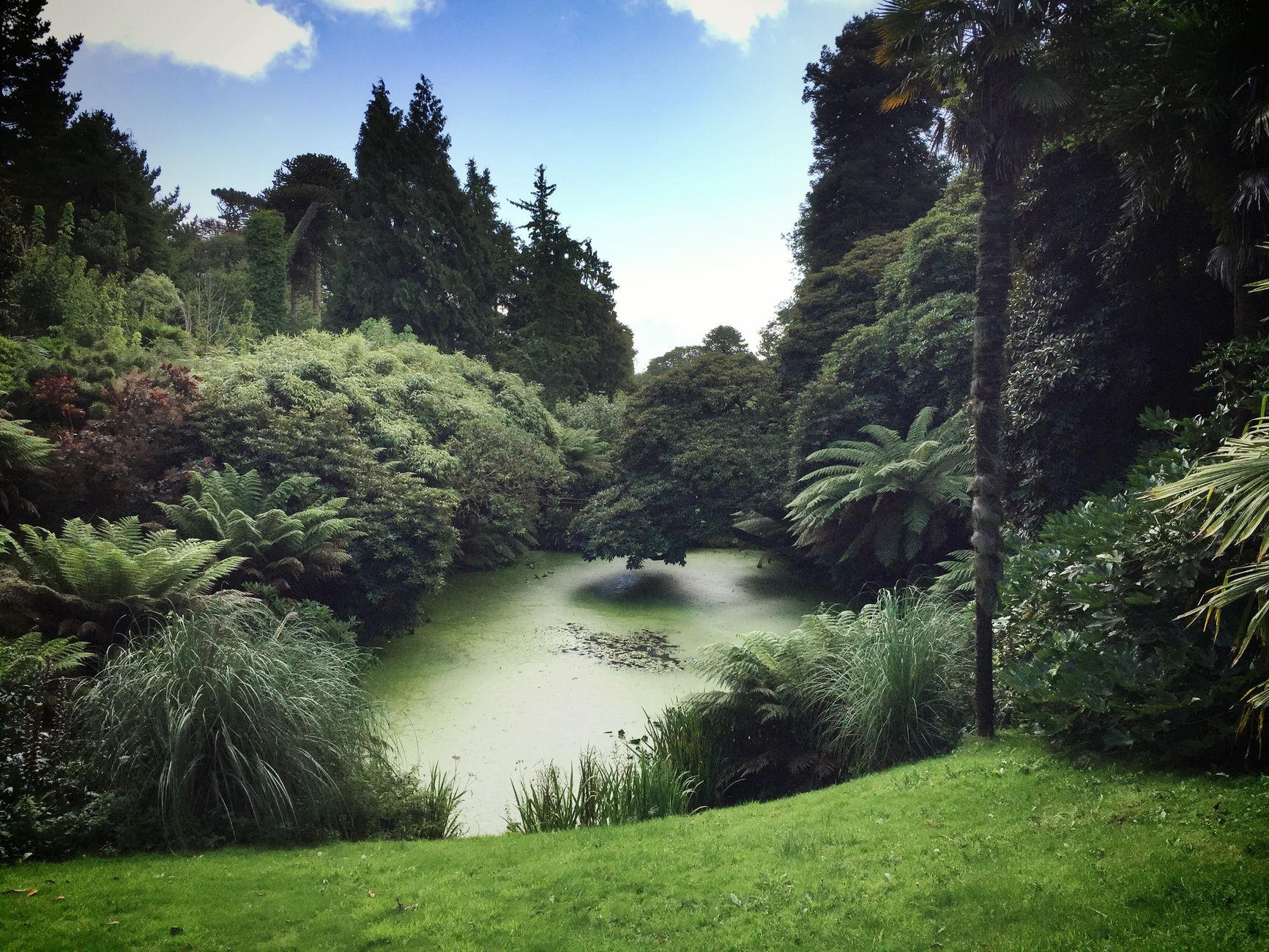
Cornwall is one of Britain’s great garden counties, and the reason is largely geographical. The Gulf Stream warms the south-west peninsula just enough to grow plants that survive nowhere else in the UK — towering tree ferns, gunnera leaves the size of paddleboards, magnolias as tall as houses, and palms that look transplanted from the Mediterranean. Add a nineteenth-century gardening tradition led by botanically obsessed local families, many of whom funded plant-hunting expeditions to the Himalayas and the Andes, and you get the cluster of world-class gardens in Cornwall that draws visitors right through the year.
This guide covers the must-see names — Eden, Heligan, Trebah, Trelissick — and the quieter, sometimes better, alternatives that locals slip away to when the famous gardens fill up. Each entry comes with practical notes on timing, parking, and when to visit for peak bloom. For the wider context of a Cornish trip, our complete guide to things to do in Cornwall puts the gardens alongside everything else the county offers.
The Big Gardens Every Visitor Should Consider
The Lost Gardens of Heligan
Two hundred acres of restored Victorian gardens near Mevagissey, “lost” for seventy years and then resurrected from the 1990s. The site is enormous: productive walled gardens, a steamy sub-tropical Jungle valley crossed by rope bridges, the famous Mud Maid and Giant’s Head sculptures, and a working farm. Heligan rewards slow visitors, so allow four to five hours. It is open year-round, and the Christmas Night Garden runs in December.
Trebah Garden
Twenty-eight acres of sub-tropical valley garden cascading down to a private beach on the Helford River, near Falmouth. Trebah’s signature is the central path through hundred-year-old tree ferns and giant gunnera, leading to a hydrangea valley and a final view of the Helford. It is smaller and more focused than Heligan, but for sheer impact per minute it is hard to beat, and it stays open all year.
The Eden Project
Strictly more biome than garden, but Eden’s outdoor planting is genuinely excellent and often overlooked in the rush to the domes. The outer trails through the Cornish wildflower meadows, the herb gardens, and the Mediterranean planting around the lakes deserve a slow walk in their own right. Allow three to four hours including the biomes; a separate day is easily justified if you want to do both the outdoor gardens and the indoor experience properly.
Trelissick Garden
A National Trust estate of garden, woodland, and parkland on a peninsula above the Fal estuary. The view from the lawn down to the water is one of the most photographed garden vistas in the county. The walks take in riverside paths along the Carrick Roads and woodland trails, and the planting mixes old rhododendrons and azaleas with modern grass borders. Open year-round, it is spectacular in May.
Glendurgan Garden
A National Trust valley garden very close to Trebah, with a famous laurel maze planted in 1833, a cherry orchard, and a private beach at the hamlet of Durgan. It is smaller and quieter than its neighbour but very rewarding, and pairing the two makes a full day on the Helford.
Less-Famous Gardens That Punch Above Their Weight
Pencarrow House Garden
A privately owned fifty-acre formal and woodland garden near Bodmin, known for its Victorian Italian terraces and one of the finest monkey puzzle avenues in the country. It draws smaller crowds than the National Trust properties, has a lovely cafe, and opens for the main season from spring into early autumn.
Caerhays Castle Gardens
One of England’s great spring gardens. Caerhays holds a National Plant Collection of magnolias and is at its absolute best in March and April, when the flowering trees fill the valley above Porthluney Cove with colour. It opens seasonally, so check the dates before you travel.
Trewithen Gardens
A privately owned thirty-acre garden near Truro with one of the most important rhododendron and camellia collections in the UK. It is at its best from late April through May, is much less visited than the headline names, and is all the more peaceful for it.
Lanhydrock Garden
A National Trust property near Bodmin, best known for its Victorian house but with formal gardens and an extensive woodland walk down to the river. The avenue of magnolias and the bluebell woods in May are exceptional, and the wider estate has cycle trails and adventure play for families.
The Lost Gardens of Penjerrick
The wilder, smaller, much quieter cousin of Heligan, tucked away near Falmouth. A private garden run on a modest budget, with extraordinary tree ferns and a hidden valley you walk down through. It opens for only a few weeks and days each year, so check the website carefully before setting out.
Trengwainton Garden
A National Trust garden near Penzance, with one of the best magnolia and rhododendron collections in the south west and a walled kitchen garden built to the dimensions of Noah’s Ark. It is quieter than Trelissick and rewards an unhurried morning.
Bonython Estate Gardens
A privately owned twenty-acre garden on the Lizard, with Mediterranean and grass-led modern planting. It is particularly good in late summer, when most of the other Cornish gardens are past their peak, which makes it a useful one to know for an August or September visit.
The Japanese Garden, St Mawgan
A small but exquisite traditional Japanese garden tucked into a valley on the north coast, with a tea house and a real sense of calm. It is especially good for autumn colour.
Cornwall’s Gardens by Season
Spring, March to May
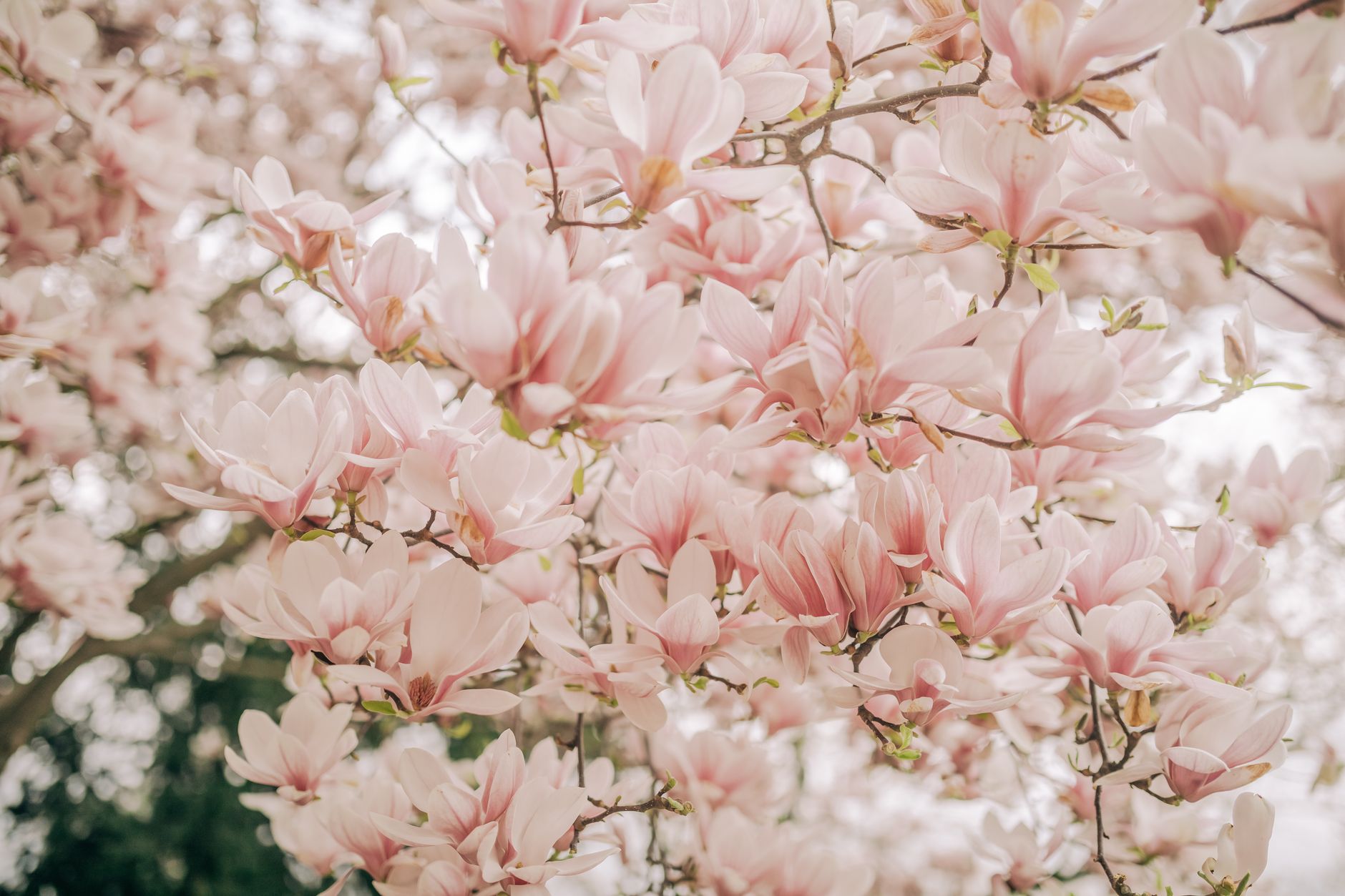
The classic Cornish garden season. Magnolias flower at Caerhays and Lanhydrock, rhododendrons at Trewithen and Trengwainton, camellias at Trebah, and bluebells carpet the woods at Lanhydrock and Glendurgan, all peaking between the middle of March and the middle of May. Heligan’s productive gardens are in their early-vegetable glory. If you visit Cornwall for one thing in spring, make it the gardens.
Summer, June to August
The big herbaceous borders at Trelissick and Lanhydrock hit their peak, Trebah’s hydrangea valley turns blue, and Eden’s Mediterranean biome is at its most fragrant. Garden cafes keep longer hours, but these are also the busiest months for the famous gardens, so early arrivals pay off.
Autumn, September to November
Trelissick’s woodland and Lanhydrock’s parkland turn to beech-gold and copper, and Eden’s autumn planting comes into its own. The walks are cooler, the crowds thinner, and the light is superb for photography.
Winter, December to February
Most National Trust gardens stay partly open with reduced hours. Heligan’s Night Garden runs in December, the Eden Project hosts ice skating and Christmas events, and the early camellias begin to flower at Caerhays as soon as January. A crisp winter walk through a bare-branched garden has its own quiet appeal, and it dovetails neatly with the other cold-weather ideas in our guide to Cornwall in winter.
Getting There and Parking
Cornwall’s gardens are firmly car country. Most sit down winding lanes some distance from the nearest town, and while a few are reachable by bus, the timetables rarely suit a proper day out, so the vast majority of visitors drive. The upside is that the bigger gardens make parking easy: Heligan, Trebah, Eden, Trelissick, and Lanhydrock all have proper car parks, most with cafes and toilets, though the National Trust properties charge non-members for parking as well as entry.
The smaller and privately owned gardens — Penjerrick, Bonython, the Japanese Garden — rely on more modest car parks reached down single-track lanes, so give yourself extra time and drive gently. In high summer the popular gardens fill their car parks by late morning, and on the Helford in particular the lanes to Trebah and Glendurgan are narrow and slow, so an early start makes for a calmer arrival. A good road atlas or offline map earns its place, as satnav can send you down the wrong lane in this part of the county.
Tickets, Membership and What to Expect
Most of Cornwall’s gardens are paid attractions, and if your trip leans on them the numbers add up quickly. A National Trust membership pays for itself within four or five visits and covers Trelissick, Glendurgan, Lanhydrock, and Trengwainton along with their car parks, so it is worth considering if the garden cluster around Falmouth is on your list. Eden Project tickets convert to an annual pass if you Gift Aid them, so keep your receipt for a return visit. Prices at the privately owned gardens vary and change year to year, so check current admission on each garden’s own website rather than trusting an old figure.
As for what a visit actually involves: expect to spend longer than the leaflet suggests, because these gardens are designed for wandering rather than ticking off. Most have a cafe or tea room, though the good ones get busy at lunchtime, so either eat early or book a table where you can. Paths range from smooth gravel to steep, rooty valley descents, so sensible footwear matters, and a waterproof is wise even on a bright day, since Cornish weather turns quickly. Dogs are welcome at some gardens and not others, which is worth checking before you arrive.
Combining Gardens Into a Day Out
The trick with Cornwall’s gardens is to group them by geography rather than dashing across the county. A few natural pairings stand out.
The Helford Valley Day
Trebah and Glendurgan sit within walking distance of one another, or a short drive apart. Spend the morning at one, lunch at the Trebah cafe, and the afternoon at the other, then add a coastal stroll to Helford village if the legs allow. It is the best single day of gardening the county offers.
The South Coast Day
Trelissick and Heligan make a long but rewarding pair, with Trelissick closer to Truro and Heligan closer to St Austell, about forty-five minutes’ drive between them. Both have good cafes, so lunch is easily solved en route.
The Spring Magnolia Tour
Caerhays for magnolias, Lanhydrock for the avenue and bluebells, and Trewithen for rhododendrons all lie within an hour of each other. Spread across two days rather than one, this is the finest spring garden circuit in Britain.
The Eden and Heligan Pairing
The classic visitor combination. Both can be squeezed into a long day, but two days is far better, and both have on-site cafes and shops. If you only have time for one, choose Heligan for variety and Eden for the sheer spectacle of the biomes.
Gardens for Particular Interests
For Plantspeople
Caerhays for magnolias, Trewithen for rhododendrons, the pinetum at Trelissick, and — a boat trip away on the Isles of Scilly — the extraordinary sub-tropical Tresco Abbey Gardens. The horticultural societies around Falmouth run garden lectures through the year for those who want to go deeper.
For Families
Heligan for its rope bridges, sculptures, and farm animals; Trebah for the private beach at the bottom; Glendurgan for the maze; Eden for the biomes and outdoor play; and Lanhydrock for its cycle trails and adventure playground. All keep children happily occupied for a good half-day.
For Couples
Penjerrick for its privacy and slightly wild feel, Trebah for the dramatic walk down to the beach, and Caerhays in the magnolia season for pure spring spectacle.
For Photographers
Trelissick at sunrise, Trebah’s hydrangea valley in midsummer, Heligan’s walled garden in early-morning light, and Caerhays in April. Many of these spots feature in our guide to the best photography spots in Cornwall.
Accessibility in Cornwall’s Gardens
Access varies as much as the planting. The larger, well-funded gardens have thought hard about it: the Eden Project is broadly accessible with step-free routes and mobility vehicles, and several National Trust properties offer accessible trails and buggies or powered vehicles to borrow. Heligan and Trelissick both have flatter, surfaced routes that take in the highlights without the steepest paths.
The valley gardens are the harder ones. Trebah, Glendurgan, and Penjerrick are, by their nature, steep, and the descent to the beach or the valley floor involves gradients and sometimes rough ground that will defeat most wheels and tire small children. Where a garden has an accessible route it is usually well signed, and it is always worth checking the garden’s access page in advance or ringing ahead, particularly out of season when some services run at reduced capacity. Even where the full garden is difficult, the top terraces and the cafe area are often reachable and worth the trip in their own right.
Common Mistakes to Avoid
A few things trip up first-time garden visitors. The biggest is misjudging the season and arriving expecting flowers in the wrong month — a spring garden like Caerhays is glorious in April and fairly bare in August, so match the garden to the time of year. The second is underestimating how long a visit takes and trying to fit three gardens into a day, which turns a pleasure into a route march. The third is turning up at a privately owned garden without checking its opening days, several of which open only a few weeks a year. And the fourth is skipping the outdoor planting at the Eden Project in the dash to the domes, missing some of the best gardening on the whole site. Slow down, plan around the bloom, and check the opening times, and the gardens repay you many times over.
Where to Stay Near the Best Gardens
The garden cluster around Falmouth — Trebah, Glendurgan, Trelissick, and Penjerrick — is best served from bed and breakfasts in Falmouth, Mawnan Smith, or Mylor. For Heligan, base yourself around Mevagissey, Charlestown, or St Austell; for Caerhays and the Roseland gardens, the area around St Mawes or Veryan; and for Lanhydrock and Pencarrow, somewhere near Bodmin or Wadebridge. Our guide to the best bed and breakfasts in Falmouth is a natural starting point for the Helford gardens, and the wider Cornwall bed and breakfast guide covers the rest of the county. If you are travelling with a dog, our dog-friendly bed and breakfast guide flags the places that welcome them, handy given how many Cornish gardens allow dogs on leads.
Why Cornwall Grows What It Does
It is worth understanding what makes these gardens possible, because it shapes what you will see. Cornwall sits at the end of a peninsula washed by the relatively warm waters of the Gulf Stream, which keeps winters mild and frosts rare on the coast. That single fact lets the county grow tender plants that would be killed by a hard winter almost anywhere else in Britain, from Australian tree ferns to Himalayan rhododendrons and South American gunnera. The sheltered, humid valleys running down to the Helford and the Fal amplify the effect, creating pockets of near-subtropical conditions within a temperate country.
The other half of the story is human. In the nineteenth and early twentieth centuries, wealthy Cornish landowning families competed to fill their valleys with the newest and rarest introductions, sponsoring plant-hunting expeditions to Asia and the Americas and swapping seed with one another. Caerhays in particular funded the collector George Forrest’s journeys to China, and many of the magnolias and rhododendrons you see in the great gardens today are descended from those original collections. That combination of exceptional climate and obsessive Victorian collecting is why a handful of gardens in one small county hold plant collections of genuinely national importance.
Beyond the Gardens
A garden day pairs beautifully with the harbour villages that dot the same stretches of coast. The Helford gardens sit within easy reach of the creekside pubs and thatched cottages of the south coast, and a slow afternoon in a fishing village is the natural counterpoint to a morning among the tree ferns. Our guide to the prettiest fishing villages in Cornwall suggests where to head when you have had your fill of horticulture, and if you would rather follow a ready-made route, several of our Cornwall day trip itineraries weave a garden or two into a full day out.
Beyond the permanently open estates, Open Gardens Cornwall covers the private gardens that open for only a few days each year.
Frequently Asked Questions
What is the best garden to visit in Cornwall?
For variety and overall experience, Heligan. For pure botanical drama in a smaller package, Trebah. For history and views, Trelissick. For spring blooms, Caerhays. The right answer really depends on the season you are visiting in.
Are Cornwall’s gardens free?
Most are paid, but National Trust members get free access to Trelissick, Glendurgan, Trengwainton, and Lanhydrock. Some smaller gardens such as Penjerrick charge modest entry, and a few council gardens — Falmouth’s Queen Mary Gardens and the Penzance promenade planting among them — are free to all.
When do Cornwall’s gardens look best?
From the middle of April to late May for the spring-flowering classics, July and August for herbaceous borders and tropical foliage, and October for autumn colour. Avoid midwinter if you want flowers, with the honourable exception of Caerhays’ early camellias.
Can you take dogs to Cornwall’s gardens?
Some allow dogs on leads, including Trebah, Glendurgan, and parts of Lanhydrock, while others such as Heligan and Eden’s indoor zones do not. Always check the individual garden before travelling.
What is the largest garden in Cornwall?
The Lost Gardens of Heligan, at around two hundred acres, with the wider Trelissick estate comparable in scale.
Are the gardens open in winter?
Many are partly open with reduced hours, and some smaller ones close for the season. Heligan, Trebah, Eden, and Trelissick all stay open year-round, but it is always worth confirming online before you set off, as winter days and hours change.
One garden sits outside this list only because it is not on the mainland. Tresco Abbey Garden, on the Isles of Scilly, grows around two thousand subtropical and Mediterranean species outdoors — aeoniums, proteas, echiums, palms — around the ruins of a twelfth-century priory, with a collection of shipwreck figureheads at its entrance. Our Tresco Abbey Garden guide covers tickets, opening times and how to fit it around the island boats.
Heligan is a mile and a half from Mevagissey, and the two make one of the best days out on the south coast: gardens in the morning, fish and chips on the harbour wall in the afternoon. Our Mevagissey guide covers the footpath up to the gardens, the harbour, the ferry to Fowey and where to park.
Cornwall’s gardens are one of the county’s quiet superpowers. Visit two or three on a single trip and you walk through a botanical world that exists nowhere else in the British Isles — tree ferns and giant rhubarb, magnolias overhead and the smell of the sea on the wind. Choose the gardens that suit your season, give each one the time it deserves, and they will be among the things you remember longest.