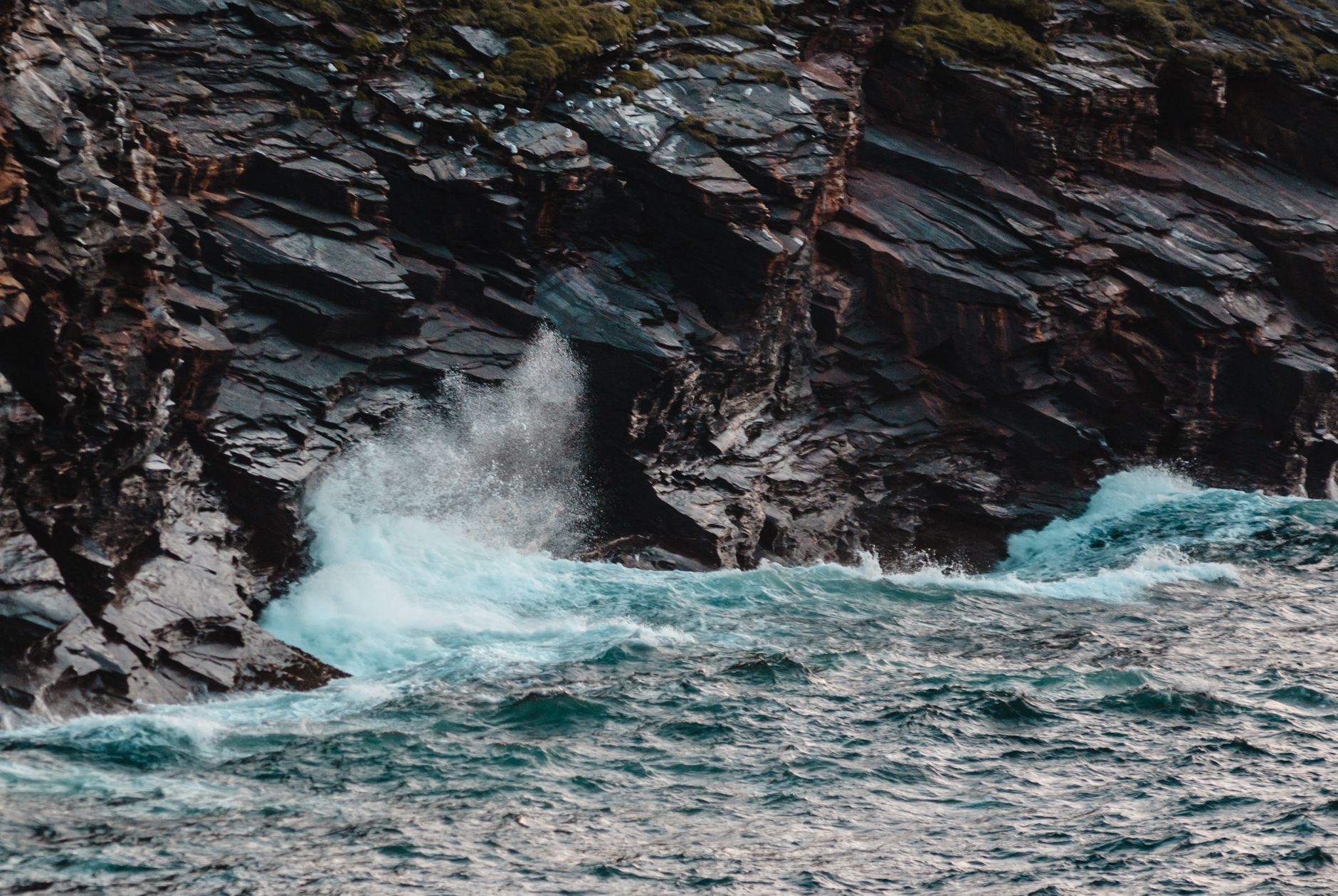
Cornwall in winter is a different county. The summer crowds vanish, the surf turns serious, the cliffs fill with wintering birds, and the harbour pubs draw locals around fires that have been lit for three centuries. Visitor numbers fall by more than half between August and January, but for anyone who does not need a tan, this is arguably when Cornwall is at its best — wilder, cheaper, quieter, and more genuinely itself.
This guide runs from the Christmas lights at Mousehole to storm-watching on the north coast, with honest advice on what to expect, what to pack, and which attractions stay open through the off season. From a quiet winter weekend to a full off-season holiday, it should help you get the most out of the county in its quietest months. For the wider year-round picture, our complete guide to things to do in Cornwall covers the rest.
Why Visit Cornwall in Winter?
The case for a winter trip is stronger than most people expect. The coast is at its most dramatic, with Atlantic swells hurling themselves at the headlands and storms turning spectators of everyone. Prices drop sharply — bed and breakfasts, restaurants, and self-catering all fall well below their peak-season rates, often by a third to a half. The famous places become walkable rather than crammed; Tintagel, the Eden Project, St Ives, and Mousehole can all be enjoyed at a human pace.
Then there is Christmas, which Cornwall does exceptionally well, from Mousehole’s harbour lights to Heligan’s Night Garden, Truro’s cathedral market, and Padstow’s Nadelik Lowen. The surf, too, comes into its own: the Atlantic between November and February is what experienced surfers wait all year for. And the walking is superb — crisp, dry winter days on the coast path are clearer and more rewarding than any hazy summer afternoon.
Cornwall in Winter, Month by Month
November
Late autumn in Cornwall means low, slanting light, big surf, and quiet villages. The National Trust gardens at Trelissick and Lanhydrock hit their peak autumn colour around the middle of the month, and the first Christmas lights go up in Truro and Falmouth in the final week. Rates stay low right up until the Christmas spike in late December, making it one of the best-value times of the whole year.
December
Cornwall’s most special winter month. Mousehole’s Christmas lights illuminate the harbour from the middle of December into early January, and Heligan runs its evening Night Garden of light installations for several weeks. Padstow’s Nadelik Lowen festival adds a lantern parade and quayside carols, while Truro’s Christmas market and Falmouth’s festive weekend bring warming food and craft stalls. Christmas Day itself is quiet — most attractions close — but the coast paths are there for anyone who wants to walk off the turkey.
January
The cheapest and quietest month of the year. Storms are at their most likely and the surf at its biggest, the beaches are empty, and winter dog restrictions are lifted so that almost every beach is dog-friendly. New Year’s Day swims take place at Bude, Sennen, and Porthtowan for those brave, or foolish, enough.
February
Half-term week aside, February is winter without the festive premium. The first daffodils appear — Cornwall is the earliest county in the UK for blooms — and the South West Coast Path starts to fill again with day-walkers making the most of the lengthening light.
Top Things to Do in Cornwall in Winter
Mousehole Christmas Lights
From the middle of December until early January, the tiny harbour at Mousehole is transformed by hundreds of lights designed and built by the villagers themselves — sea creatures, ships, bells, and the famous Mousehole Cat. It is free to walk through and gets busy at weekends, so consider parking at Penzance and walking the coast path round, or catching the bus.
Storm Watching
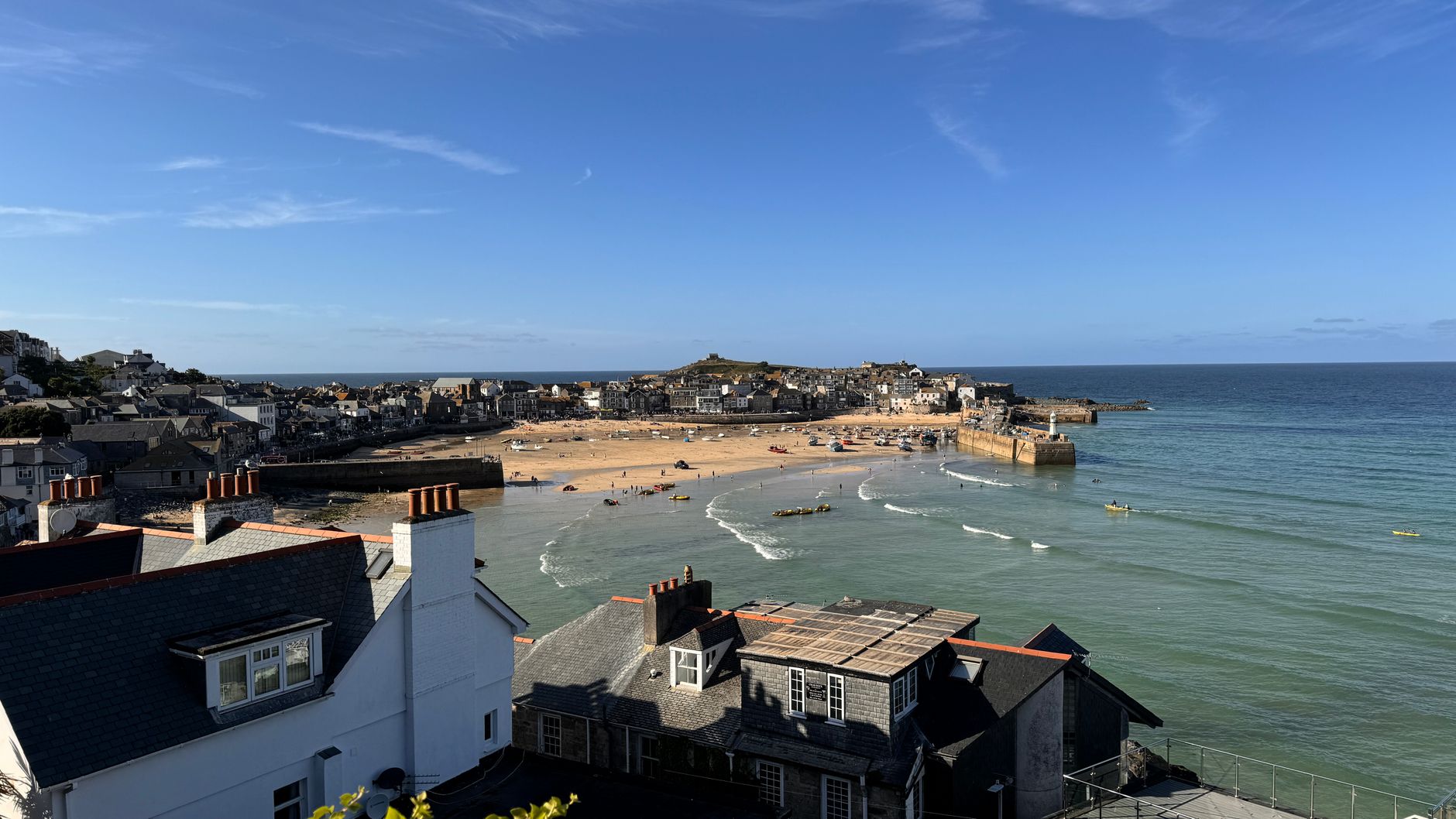
Some of the best things to do in a Cornish winter cost nothing at all. Bude breakwater, Porthleven, Mullion Cove, and Boscastle harbour are all reliable storm-watching spots with wide views from safe ground, as is Hartland Quay just over the Devon border. The key word is safe: always stay well back from cliff edges and harbour walls, keep away from exposed positions when photographing waves, and never turn your back on the sea. Rogue waves have swept people from harbour walls that looked perfectly secure.
Heligan Night Garden
The Lost Gardens of Heligan transform into an after-dark experience for several weeks in December, with fire bowls, food trucks, and an illuminated trail winding through the grounds. It is genuinely magical for younger children and sells out, so book ahead.
The Eden Project at Christmas
Eden runs ice skating, festive food, an indoor Christmas market, and Father Christmas events through December. The biomes are good year-round but particularly welcome on a cold, wet day, when a couple of hours in the warmth of the Rainforest Biome feels like a small holiday in itself.
Santa by Steam on the Bodmin and Wenford Railway
One of the most charming family outings in the county: a steam train pulled through the woods around Bodmin Moor, with Father Christmas walking the carriages. There are multiple departures every weekend in December, and it books up fast.
Cornish Christmas Markets
The seasonal markets are worth planning a day around. Truro Cathedral hosts a Christmas market in a wonderful setting, Falmouth runs a festive weekend with an ice rink, and Padstow’s Nadelik Lowen takes over the harbour. Inland, Wadebridge holds an artisan fair, and the National Trust properties at Lanhydrock and Cotehele put on traditional Christmas displays in their historic houses. The full seasonal calendar, with dates that shift a little each year, sits in our Cornwall events and festivals calendar.
Winter Coast Path Walking
Cornwall has around three hundred miles of the South West Coast Path, and in winter you may have entire sections to yourself. The crisp, low-light days are exceptional for walking and for photography. Among the finest winter stretches are Lizard Point to Kynance Cove, Tintagel to Boscastle, St Ives to Zennor, and Polruan to Polperro. Days are short, so start early and carry a torch.

Surfing the Big Swells
Cornwall’s surf season runs all year, but the best waves arrive between November and February. Fistral, Watergate Bay, Constantine, and the Cribbar reef off Towan Head all see Atlantic swells that draw experienced surfers from across Britain. Beginner lessons continue right through winter, with thicker wetsuits, gloves, and boots making cold-water sessions perfectly manageable.
Cosy Cornish Pubs
The Tinners Arms at Zennor, the Pandora Inn on the Mylor creek, the Plume of Feathers at Mitchell, the Logan Rock Inn at Treen, and the Driftwood Spars at St Agnes are all at their best with the fire lit and rain on the windows. A long lunch in a low-beamed pub as a storm blows itself out is one of the quiet pleasures of a Cornish winter. Our guide to the best pubs in Cornwall has many more.
Wildlife Watching
Winter is one of the best times of year for Cornish wildlife. Grey seals haul out at Mutton Cove on the Lizard, porpoises and dolphins are visible from the headlands, and wintering wildfowl arrive at the Hayle Estuary, Marazion Marsh, and the Camel Estuary. Choughs and peregrines patrol the cliffs from December onward. A pair of binoculars and a sheltered spot out of the wind is all you need.
What the Weather Is Really Like
Cornwall’s winter weather is milder than most of Britain but wetter and windier, and understanding that is the key to enjoying an off-season trip. Coastal temperatures rarely drop below freezing, thanks to the surrounding sea, so hard frosts and snow are uncommon on the coast, though the higher ground of Bodmin Moor does occasionally see a dusting. What you get instead is rain — often driven horizontally off the Atlantic — and wind, punctuated by the clear, bright, still days that make winter walking so good.
The practical upshot is that no single day is predictable, and the weather can turn several times within one. This is a feature rather than a bug if you plan for it: keep a flexible list of indoor and outdoor options, watch the forecast a day or two ahead, and be ready to swap a cliff walk for a gallery or a garden glasshouse at short notice. Storms tend to arrive named and forecast, so you will usually have warning of the wildest days, which are best spent watching the sea from safe ground rather than out on an exposed path.
Cornwall in Winter With Kids
Winter suits families better than you might think, as long as you build the day around warmth and daylight. The Heligan Night Garden is magical for primary-age children, the Eden Project offers ice skating and indoor greenery, and the Bodmin and Wenford Santa steam train is pure delight. Mousehole’s Christmas lights make an easy, wonderful evening walk. For wet days, Newquay’s Blue Reef Aquarium, the Bodmin Jail tours, and the Telegraph Museum at Porthcurno all keep children entertained under cover, and on a windy afternoon you can even go sand-sledging with a bodyboard at Holywell or Constantine. When the rain sets in for the day, our guide to rainy day activities in Cornwall has plenty more indoor backup.
Where to Stay in Cornwall in Winter
Most bed and breakfasts and small hotels stay open year-round, and many are at their warmest and most welcoming in the off season. The advantages stack up: rooms cost around half their summer price, hosts have the time to sit and chat, and breakfasts are unhurried affairs where a long Sunday brunch with the papers is positively encouraged. The late-night conversation in a Cornish B&B kitchen, with the weather doing its worst outside, is one of the underrated pleasures of a winter stay.
For where to base yourself, our complete Cornwall bed and breakfast guide covers the options, and if a sea view through a winter storm appeals, the coastal bed and breakfasts with sea views are hard to beat in the off season, when you can watch the waves from a warm window.
What to Pack for a Cornish Winter
Getting the kit right is the difference between loving and enduring a winter trip. A genuinely waterproof jacket is non-negotiable, because Cornish rain is rarely vertical and a cheap shower-proof will give up quickly. Add waterproof or heavy water-resistant trousers for cliff walks, wellies for muddy gardens and beach walks, and a warm hat and gloves, since the coastal wind chill is real. Layers work better than one heavy coat, as temperatures swing through the day. A small flask for outdoor pauses, a torch for the early sunsets, and an ice scraper for the car round out the list. Pack for wind and wet rather than cold, and you will be comfortable in almost anything the season throws at you.
Driving in Cornwall in Winter
Winter driving in Cornwall is generally easier than inland England, but it has its own quirks. Frost is light and infrequent on the coast, though exposed cliffs and bridges can ice over on the coldest mornings. The bigger issue is daylight: before Christmas it is dark by half past four, so plan walks and drives to finish in good time. Single-track lanes are quieter than in summer but unforgiving in heavy rain, so drive slowly and use the passing places. During a named storm, coastal roads can flood or close, so check Cornwall Council’s road status before setting out and have an alternative in mind.
Winter Festivals and Events
The winter calendar is busier than the quiet-season reputation suggests. The Truro and Falmouth Christmas lights switch on in late November, and early December brings the Padstow Christmas Festival and the start of Heligan’s Night Garden. The Mousehole lights begin mid-month, followed by Tom Bawcock’s Eve on the 23rd, when stargazy pie is served at the Ship Inn to mark an old local legend. On the shortest day, Penzance holds Montol, a wonderfully strange masked midwinter pageant rooted in Cornish tradition. New Year’s Day sees swims at Sennen, Bude, Porthtowan, and Falmouth, and by late February the first daffodil celebrations herald the approach of St Piran’s Day in early March. The full run of dates lives in our events and festivals calendar.
What’s Open in Winter, and What Closes
Most major paid attractions stay open through the winter, though usually on shorter hours or reduced days. The Eden Project, the Lost Gardens of Heligan, Tintagel Castle, and Tate St Ives all keep going year-round, and the National Trust gardens generally stay open on limited days. Some smaller seasonal attractions and beach cafes close from November until Easter, and a few sites such as St Michael’s Mount wind down their castle openings for the winter. The golden rule is simple: check each attraction’s own website before you drive anywhere, because winter hours vary and a wasted journey down slow lanes is a poor use of a short day.
Accessibility in Winter
Winter adds a few considerations for anyone with limited mobility. The upside is that the big indoor attractions — the Eden Project’s biomes, the aquarium, the museums — are quieter, warmer, and easier to navigate without summer crowds. The downside is that coast paths and beach approaches can be muddy, slippery, and buffeted by wind, so the gentler tarmac promenades and the accessible trails at the National Trust estates are the safer bet for wheels or unsteady feet. Shorter daylight also means planning outings for the middle of the day. Where a site has a step-free route or a mobility vehicle to borrow, it is worth calling ahead to confirm it is running in the off season, as some winter services are reduced.
A Winter Weekend Itinerary
To show how it fits together, a classic three-day winter break might run like this. Arrive on Friday evening and settle into a clifftop B&B with dinner at a fireside pub nearby. Spend Saturday on a bracing coast walk — Lizard Point to Kynance, say — followed by a warming lunch and an afternoon thawing out in the Eden Project’s biomes, then an evening at the Heligan Night Garden if it is running. On Sunday, take a slower morning with an unhurried breakfast, a wander round Mousehole and its harbour, and a final blast of sea air at a storm-watching spot before the drive home. Swap in the components that suit the weather and your interests, and you have a break that makes a virtue of the season rather than fighting it. If you would rather follow a ready-made route, several of our Cornwall day trip itineraries work just as well in winter, with the paid attractions swapped for indoor stops on the wildest days.
Cornwall in Winter for Couples
This is one of the most underrated romantic breaks in Britain. A clifftop B&B with a fire, a long coast walk into the wind, fish and chips eaten looking out at a grey winter sea, and a four-poster bed in an old guest house make a genuinely compelling weekend. Pair it with a visit to the Heligan Night Garden, a Mousehole light walk, and a Carbis Bay sunrise, and you have a memorable three days. Our guide to romantic bed and breakfasts in Cornwall for couples lists the places built for exactly this.
Common Winter Mistakes
A few missteps catch out winter visitors. The most common is under-packing for wet and wind and then being miserable on what could have been a glorious walk — bring the proper waterproofs. The second is forgetting how early it gets dark, and starting a coast walk at two o’clock only to be caught out by the light. The third is turning up at an attraction without checking its winter hours and finding it closed for the season. And the fourth is trying to keep a rigid plan through changeable weather; the visitors who enjoy a Cornish winter most are the ones who hold their itinerary loosely and let the forecast decide which day is for the cliffs and which is for the glasshouse.
Two winter highlights get guides of their own: Christmas in Cornwall and stargazing at Cornwall’s dark sky sites, which are at their best in the long December nights.
Frequently Asked Questions
Is Cornwall worth visiting in winter?
Yes, particularly for anyone who enjoys coastal walking, dramatic weather, low prices, and quiet villages. It is not the right choice if you want long beach days or warm-weather swimming, but for atmosphere and value the off season is hard to beat.
What is the weather like in Cornwall in winter?
Mild by British standards, rarely below freezing on the coast, but wet and windy. Expect daytime temperatures around five to ten degrees, plenty of rain, and several proper storms across the season, interspersed with clear, still days that are perfect for walking.
Are Cornwall’s beaches dog-friendly in winter?
Almost universally, yes. Most beaches that restrict dogs in summer allow them from October through to spring, though the exact dates vary, so always check the sign at the beach itself. Our guide to dog-friendly beaches in Cornwall has the detail.
Is the Eden Project open in winter?
Yes, year-round. December adds Christmas events and ice skating, and the biomes are especially enjoyable on a cold or wet day when a couple of hours in the tropical warmth is very welcome.
Can you swim in Cornwall in winter?
Yes, with a wetsuit for most people. Cornish swimmers go year-round at the Bude Sea Pool and the heated section of Penzance’s Jubilee Pool, and on calm days at sheltered south-coast beaches. Without a wetsuit, only experienced cold-water swimmers should venture in.
What is the best month to visit Cornwall in winter?
Mid-December for the festive atmosphere and the Christmas lights, or mid-February for the cheapest, quietest, and arguably most beautiful walking weather, when the first daffodils are appearing and the light is lengthening.
Winter here is milder than its reputation and darker than most people expect: highs around 9 or 10°C, roughly seven days of air frost in an entire year, and only 55 hours of sunshine across the whole of December. Our Cornwall weather month by month guide has the Met Office numbers for each winter month and what they mean for a trip.
Cornwall in winter is the version a lot of locals quietly prefer. It is wetter, wilder, and slower, but it rewards visitors who pack the right kit and slow down to its pace. For a long weekend or a full off-season holiday, this is the season when the county’s beauty stops competing with its crowds — and you get to enjoy both at once.