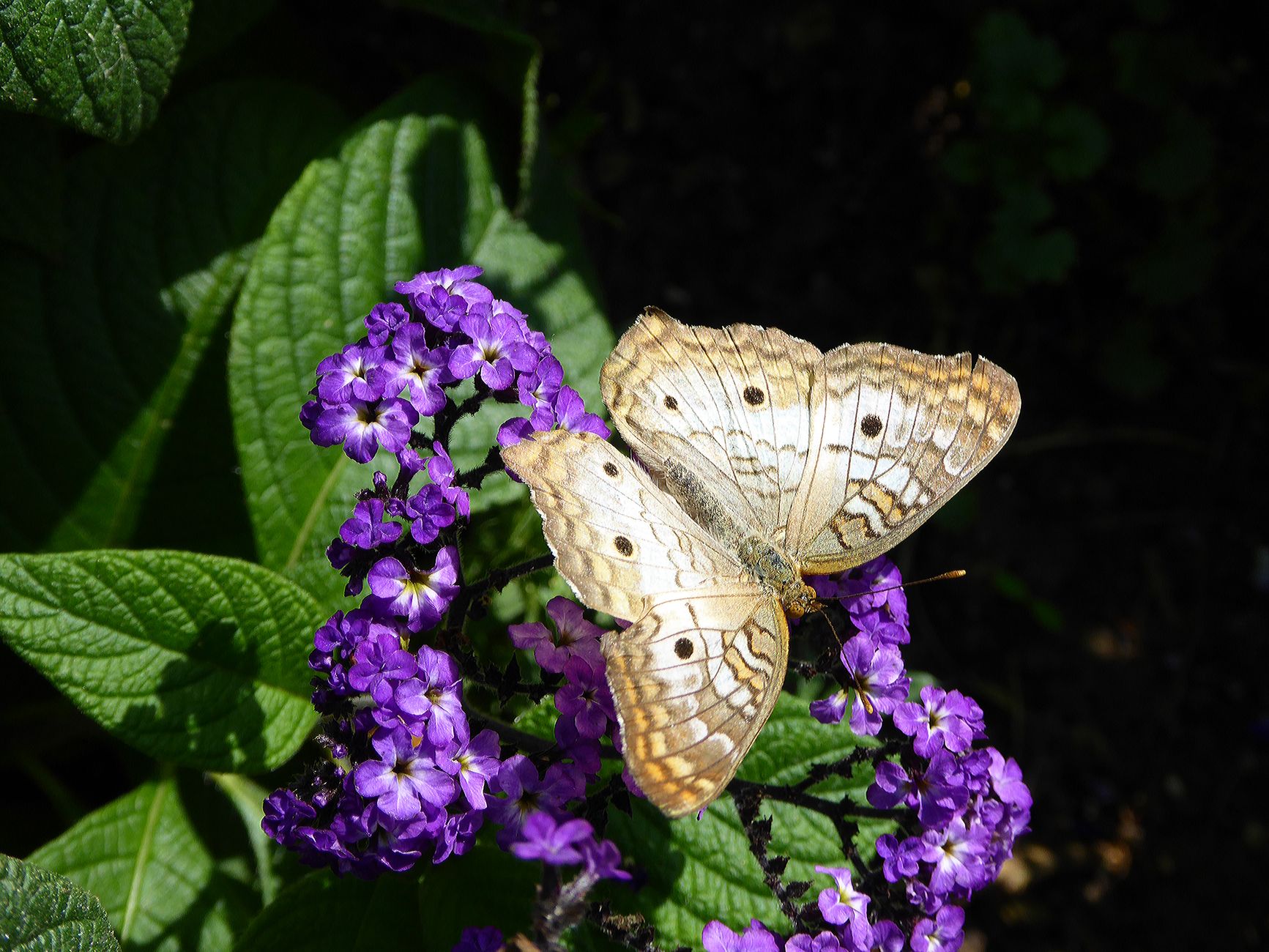
Cornwall is one of the best UK counties for butterflies and moths. The combination of mild Atlantic climate, the unique Lizard heath, the West Penwith granite, and the south-westerly position that catches American and Mediterranean vagrants produces a species list that includes over forty butterfly species, several Cornish specialities, and the UK’s best chance of seeing transatlantic monarchs and African death’s-head hawk-moths. After watching the butterfly season every summer for years, I’ve come to think that Cornish butterflies belong in any UK naturalist’s top three counties. This butterflies Cornwall guide is the practical version.
I’ll cover the species you’ll see, the specific Cornish heath specialists like the silver-studded blue at Upton Towans, the rare marsh fritillary colonies on the Lizard, the transatlantic monarch sightings that put Cornwall on the global butterfly map, the moth-watching scene including the spectacular hummingbird hawk-moth and the occasional death’s-head, and the citizen science recording you can join. Our wider Cornwall wildlife and nature guide is the parent piece.
The Cornish Butterfly Fauna
Forty-plus butterfly species occur in Cornwall. Most are familiar UK species; several are Cornish specialities; a few are rarities and migrants that turn up in significant numbers.
The Common Garden and Hedgerow Species
Small white (Pieris rapae) and large white (Pieris brassicae). The cabbage whites. Common everywhere, peak July-August.
Green-veined white (Pieris napi). Smaller than large white, with green veining on the underside. Common in damper habitats.
Peacock (Aglais io). Spectacular red-brown with the four “eye-spots”. Common from spring (overwintered adults) through autumn (new generation).
Red admiral (Vanessa atalanta). The migrant species; arrives in increasing numbers May-October. Increasingly resident in mild winters.
Comma (Polygonia c-album). Distinctive ragged-edged orange butterfly. Peak August-September.
Painted lady (Vanessa cardui). Long-distance migrant from North Africa; numbers vary hugely between years; “painted lady years” produce extraordinary irruptions.
Small tortoiseshell (Aglais urticae). Once very common, now less so but recovering. Spring through autumn.
Brimstone (Gonepteryx rhamni). The big yellow male; pale green female. Often the first butterfly of spring.
Speckled wood (Pararge aegeria). Common woodland edge species; chocolate brown with cream spots.
Holly blue (Celastrina argiolus). Common small blue butterfly of garden hedgerows.
Small copper (Lycaena phlaeas). Bright orange-copper small butterfly. Multiple generations through the season.
The Cornish Heath Specialists
The species that make Cornish butterfly-watching distinctive.
Silver-studded blue (Plebejus argus). Cornwall’s flagship butterfly species. Tiny brilliant-blue male (females browner with orange spots). Lives on coastal heath and dune systems where the foodplant (gorse, heather) grows.
The best sites: Upton Towans (Gwithian) is the single best UK site nationally for silver-studded blue — peak emergence mid-June to mid-July. Goss Moor is the other major colony. The Lizard heath has scattered colonies.
Marsh fritillary (Euphydryas aurinia). Beautifully patterned orange-and-brown chequered fritillary. Declining nationally; Cornwall holds important colonies on the Lizard. Foodplant Devil’s-bit Scabious. Best sites: Predannack/Mullion Cliffs and Windmill Farm Reserve (Lizard). On wing mid-April through July.
Dark green fritillary (Speyeria aglaja). Larger fritillary with the metallic-silver-green underwing markings. Coastal grassland species; July-August. Common at Goss Moor, the Lizard, Penhale Sands.
Grayling (Hipparchia semele). Heath specialist. Camouflaged perfectly when settled on bare ground; folded wings reveal eye-spots when alarmed. Coastal heath sites including the Lizard and West Penwith.
Heath fritillary (Melitaea athalia). National rarity. Reintroduced to Luckett in east Cornwall in 2006 after extinction in Britain (some reintroduced from Kent). Currently Cornwall’s only site. Specialist’s species; check current status with Cornwall Butterfly Conservation before planning a visit.
Cornish Migrants and Vagrants
The species that put Cornwall on the international butterfly map.
Monarch (Danaus plexippus). The North American migratory species. UK arrivals are extremely rare but Cornwall and the Isles of Scilly are the prime landing spots. Sightings cluster in September-October following hurricane-driven Atlantic crossings. The Cornish/Scilly monarchs can’t breed (no milkweed in Britain) but the sightings themselves are major events for British butterfly watchers. The Isles of Scilly had a memorable irruption in 1995; smaller numbers most autumns.
Long-tailed blue (Lampides boeticus). Mediterranean migrant occasionally reaching Cornwall in late summer/autumn.
Camberwell beauty (Nymphalis antiopa). Spectacular rarity; very occasional Cornish records.
Clouded yellow (Colias croceus). Migrant from the Mediterranean. Irruption years (like 1947, 1983, 1992, 2000, 2009) produce mass arrivals; quieter years produce only scattered sightings. Cornwall is one of the best UK counties for this species.
Painted lady (Vanessa cardui). Already mentioned. The 2009 painted lady irruption brought millions of individuals through Cornwall on the way north.

The Best Butterfly Sites
Upton Towans (near Gwithian/Hayle)
The single best UK silver-studded blue site. Coastal dune heath with the right combination of gorse, heather and bare ground. Peak emergence is mid-June to mid-July; you can see hundreds of fresh males on a good day. Cornwall Wildlife Trust manages the reserve; free access. Combine with a beach day at Gwithian.
Goss Moor National Nature Reserve
Cornwall’s largest lowland heath complex. Silver-studded blue, dark green fritillary, grayling, plus the rich invertebrate community of the lowland heath. Multiple paths give access; the western half is best for butterflies. June-August peak.
The Lizard Heath (Multiple Sites)
The Lizard’s unique serpentine geology produces unique plant communities and unique butterfly communities. The CWT reserve at Caerthillian to Kynance covers the headline Lizard heath. The Predannack/Mullion Cliffs are the marsh fritillary stronghold. Windmill Farm Reserve covers more of the marsh fritillary range. Lankidden on the east Lizard has additional colonies.
The Lizard NNR has twenty-nine recorded butterfly species across the year — a remarkable diversity for a small area.
Penhale Sands (Perranporth area)
Coastal dune system with cirl bunting and butterfly populations. Dark green fritillary; small heath; small copper; grayling. CWT reserve.
Bossiney Common (Tintagel area)
Orchid-and-butterfly meadow. Multiple orchid species (bee orchid, southern marsh orchid, common spotted) plus marsh fritillary on the wetter parts. June-July peak.
Caerthillian Cove
Coastal valley on the Lizard with sheltered conditions producing a rich butterfly community.
Most sit within the reserve network covered in Cornwall’s nature reserves and Wildlife Trust sites.
The Cornish Moths
The butterfly cousins. Cornish moth diversity is even higher than butterflies — well over a thousand species recorded — with both resident and migrant components.
Day-Flying Moths
The accessible ones for casual observers.
Hummingbird hawk-moth (Macroglossum stellatarum). The genuinely remarkable migrant species. Hovering in front of flowers in the manner of a hummingbird, with rapid wingbeats and an audible hum. Increasingly common in Cornwall through summer; numbers peak August-September. Recently has started breeding in southern UK and may become resident.
Cinnabar moth (Tyria jacobaeae). Black-and-red day-flying moth. The yellow-and-black caterpillars (on ragwort) are even more striking. Common on Cornish coastal grassland.
Six-spot burnet (Zygaena filipendulae). Black with six red spots; day-flying; coastal grassland; June-August. Hundreds visible on a good Cornish coast walk.
Five-spot burnet (Zygaena trifolii). Similar but with five red spots; rarer.
Mother Shipton (Callistege mi). Day-flying moth with the distinctive “witch’s profile” wing markings.
Hawk-Moths
The large, spectacular hawk-moths form a Cornish summer highlight. Most are night-flying but visible in mothing sessions (light trapping).
Elephant hawk-moth (Deilephila elpenor). Pink and olive-green. Common Cornish garden visitor.
Lime hawk-moth (Mimas tiliae). Olive-and-pink.
Privet hawk-moth (Sphinx ligustri). Large; pink-and-grey.
Death’s-head hawk-moth (Acherontia atropos). The headline moth. Scarce annual migrant from Africa and southern Europe. Recognisable by the dark “skull” pattern on the thorax. Squeaks defensively. Up to 130mm wingspan — the UK’s largest moth. Cornwall is one of the prime UK arrival points. Sometimes found in hives where it raids honey stores.
Convolvulus hawk-moth (Agrius convolvuli). Another large migrant. Long tongue (longer than the body) for feeding on tubular flowers. Late summer / autumn arrivals.
Other Notable Moths
Death’s-head hawk-moth. Already mentioned but worth flagging again as the headline species.
Tiger moths. Garden tiger, cream-spot tiger, scarlet tiger. Colourful, large, photogenic.
Underwings (Catocala species). Large moths with brightly coloured hind-wings concealed at rest.
Migrant noctuids. Various species arriving with autumn winds from Africa and the Mediterranean.

Why Cornwall Gets the Rarities
The transatlantic monarch and the African death’s-head hawk-moth landing in Cornwall isn’t coincidence. The county’s position at the south-western tip of mainland Britain makes it the first landfall for several migration patterns:
North American hurricane-driven vagrants. Hurricane season runs August-November. Hurricanes pick up insects (and birds) from the eastern US and Caribbean and the displaced individuals can ride the displaced air masses across the Atlantic. Cornwall and Scilly are the first British land they reach. Monarchs arrive this way.
African and Mediterranean migrants. Strong southerly winds in late summer and autumn can carry African and Mediterranean species north across the Channel. Death’s-head hawk-moths, hummingbird hawk-moths, painted ladies, clouded yellows arrive this way.
The mild Atlantic climate. Cornish winters are warm enough that some normally migratory species (red admiral particularly) now overwinter — and the resident populations are expanding.
The unique habitats. Lizard heath, West Penwith granite, the coastal cliffs and the lowland heaths support populations that elsewhere in England would have been lost to agricultural intensification.
The Best Months for Butterfly Watching
April. Brimstone (first species typically); orange-tip; speckled wood; overwintered peacocks and small tortoiseshells.
May. Spring species building; marsh fritillary emerging on the Lizard; small copper; common blue arriving.
June. The fritillary peak — marsh fritillary, dark green fritillary. Silver-studded blue starting at Upton Towans. Small heath.
July. Peak diversity. Silver-studded blue at maximum; gatekeeper; meadow brown; ringlet; large skipper; small skipper. The Cornish butterfly highlights.
August. Peacock generation; red admiral; comma; painted lady irruption potential. Hummingbird hawk-moth daytime appearances. Late silver-studded blue.
September. Late peacock; speckled wood (last generation); occasional painted lady migrants. Monarch sighting season begins.
October. Monarch peak (if any). Late red admirals. End-of-season species.
Citizen Science and Recording
Cornwall has a strong butterfly and moth recording community.
Butterfly Conservation Cornwall Branch. The county arm of the national charity. Free guided walks through the season; monitoring transects (regular butterfly counts at fixed routes); annual reports. butterfly-conservation.org/in-your-area/cornwall-branch.
Cornwall Butterfly Conservation events. Email [email protected] to join the mailing list. Walks at all the major sites through the season.
iRecord and iNaturalist. Submit photographs and species records via these apps. The records feed into the national database that informs conservation.
The Big Butterfly Count. Annual Butterfly Conservation citizen science count, typically late July to mid-August. Anyone can take part — count butterflies in your garden or local site for fifteen minutes; submit results.
Garden Moth Survey. National moth recording scheme; participants run light traps and identify catches.
Cornish moth recording. Cornwall Moth Recorder is active and welcomes records via email.
The advantage of citizen science: every record contributes to the national picture. The decline of marsh fritillary nationally has been documented through citizen records. The recovery of cornish chough (a bird, not a moth) was monitored similarly. Your sightings matter.
Equipment for Butterfly Watching
The kit list:
Binoculars (close-focus 8×32). Standard birdwatching binoculars are too long-focus for butterflies. “Close-focus” models focus down to less than two metres — essential for nervous species you can’t approach.
Field guide. Collins Butterfly Guide (Tolman & Lewington) is the canonical European reference; Pocket Guide to the Butterflies of Britain and Ireland (Lewington) is the lighter British alternative.
Phone with iNaturalist app. AI-assisted identification; submit records to the global database.
Camera. Macro or close-focus lens for photography. Many butterfly species need positive identification from photographs.
Notebook for species lists.
Sun-warmed morning timing. Butterflies need warmth to fly. Most species are active from late morning when the sun has warmed the air; peak activity is from late morning to mid-afternoon on warm sunny days.
Cool, calm conditions for marsh fritillary. Some species prefer slightly cooler conditions — Marsh fritillary is best in the morning before peak temperatures.
The Day-Flying Moth Watching Day
For visitors specifically interested in moths who can’t (or won’t) run a night-time light trap:
Choose a sunny summer day. Visit the Cornish coast or the Lizard heath. Walk the South West Coast Path on a calm warm day. The day-flying moths you’ll see: cinnabar (red and black), six-spot burnet (red-spotted black), five-spot burnet, mother shipton, garden tiger (if you’re lucky), hummingbird hawk-moth at flowers.
The Lizard heath is the best day-flying moth habitat. Penhale Sands and the Cornish coastal grassland produce excellent burnet populations.
Combined Wildflower and Butterfly Walks
Butterflies and wildflowers go together. The wildflower nectar sources are the butterfly food sources. The best Cornish combined walks:
Lizard Lighthouse to Kynance via Caerthillian. Cornish heath and other rare flora plus marsh fritillary, grayling, small heath, dark green fritillary. Peak June-July for the combined experience.
Bossiney Common circular. Bee orchid and southern marsh orchid plus marsh fritillary. June.
Goss Moor NNR. Heather and bog flora plus silver-studded blue, dark green fritillary, grayling. July-August.
Penhale Sands. Coastal dune flora plus dark green fritillary and small heath. June-July.
Our wildflower walks Cornwall guide covers the floral side in detail.
Wildflower walks in Cornwall covers the same habitats from the botanical side, and walking the Lizard Peninsula takes in the richest ground of all.
The Monarch Question
The North American monarch butterfly (Danaus plexippus) is the most-discussed Cornish vagrant species. The facts worth knowing:
Monarchs breed in North America, where they overwinter in Mexico after a famous multi-generation migration. Some individuals get caught in autumn hurricanes that develop in the Caribbean and run north-east across the Atlantic. The displaced monarchs ride the displaced air masses and occasional individuals reach Cornish and Scillonian land.
The arrivals are most likely September-October. Cornwall and Scilly are the prime UK landing sites. The 1995 Scilly irruption produced several hundred sightings; quieter years produce single-figure totals.
The Cornish monarchs cannot breed — they need milkweed (Asclepias) as larval foodplant, which doesn’t grow in Britain. So each Cornish monarch is a one-way migrant who will not survive the winter.
If you want to maximise your chance: check Butterfly Conservation Cornwall updates in September-October following any major Atlantic storm. The Scilly Wildlife Trust and Scillonian newspapers report sightings rapidly. A single monarch sighting in your trip would be a major event.
Frequently Asked Questions
What butterflies can you see in Cornwall? Over forty species including common garden species, Cornish heath specialists (silver-studded blue, marsh fritillary, dark green fritillary, grayling), and occasional rarities like monarch and clouded yellow.
When is the best time to see butterflies in Cornwall? June through August for peak diversity. May for fritillaries. September-October for migrant rarities.
Where is the best place to see silver-studded blue butterflies in Cornwall? Upton Towans near Gwithian — the best UK site for the species. Goss Moor is the secondary major colony. Lizard heath has scattered sites.
Have monarch butterflies been seen in Cornwall? Yes — Cornwall and the Isles of Scilly are the prime UK landing sites for transatlantic monarchs. Most sightings September-October following hurricane events.
Are there rare butterflies in Cornwall? Yes — heath fritillary (reintroduced at Luckett), marsh fritillary (declining nationally), silver-studded blue (large UK population), plus rare migrants.
What is the most common butterfly in Cornwall? Small white and large white (the cabbage whites) are everywhere. Peacock, red admiral and small tortoiseshell are common across most habitats.
Where can I see marsh fritillary butterflies in Cornwall? Predannack and Mullion Cliffs (Lizard); Windmill Farm Reserve (Lizard); occasional smaller populations elsewhere. Mid-April to July emergence.
Are there death’s-head hawk-moths in Cornwall? Yes — scarce annual migrant. Cornwall is one of the prime UK arrival points. Late summer/autumn arrivals; sometimes found in bee hives where they raid honey.
How do I report a butterfly sighting in Cornwall? Submit via iRecord, iNaturalist, or directly to Butterfly Conservation Cornwall Branch. Photographs are particularly valuable.
What moths are common in Cornwall? Hummingbird hawk-moth (day-flying migrant), cinnabar (day-flying), six-spot burnet (day-flying), elephant hawk-moth, garden tiger, plus thousands of less common species.
Cornish butterflies and moths reward the patient observer. Visit Upton Towans in early July for silver-studded blue. Walk the Lizard heath in May-June for marsh fritillary. Check for hummingbird hawk-moths at any flowering buddleia in August. Keep an eye out for monarchs in October. Join a Butterfly Conservation walk. Photograph and record. The species you see this summer will be the species recorded for next year’s conservation work.