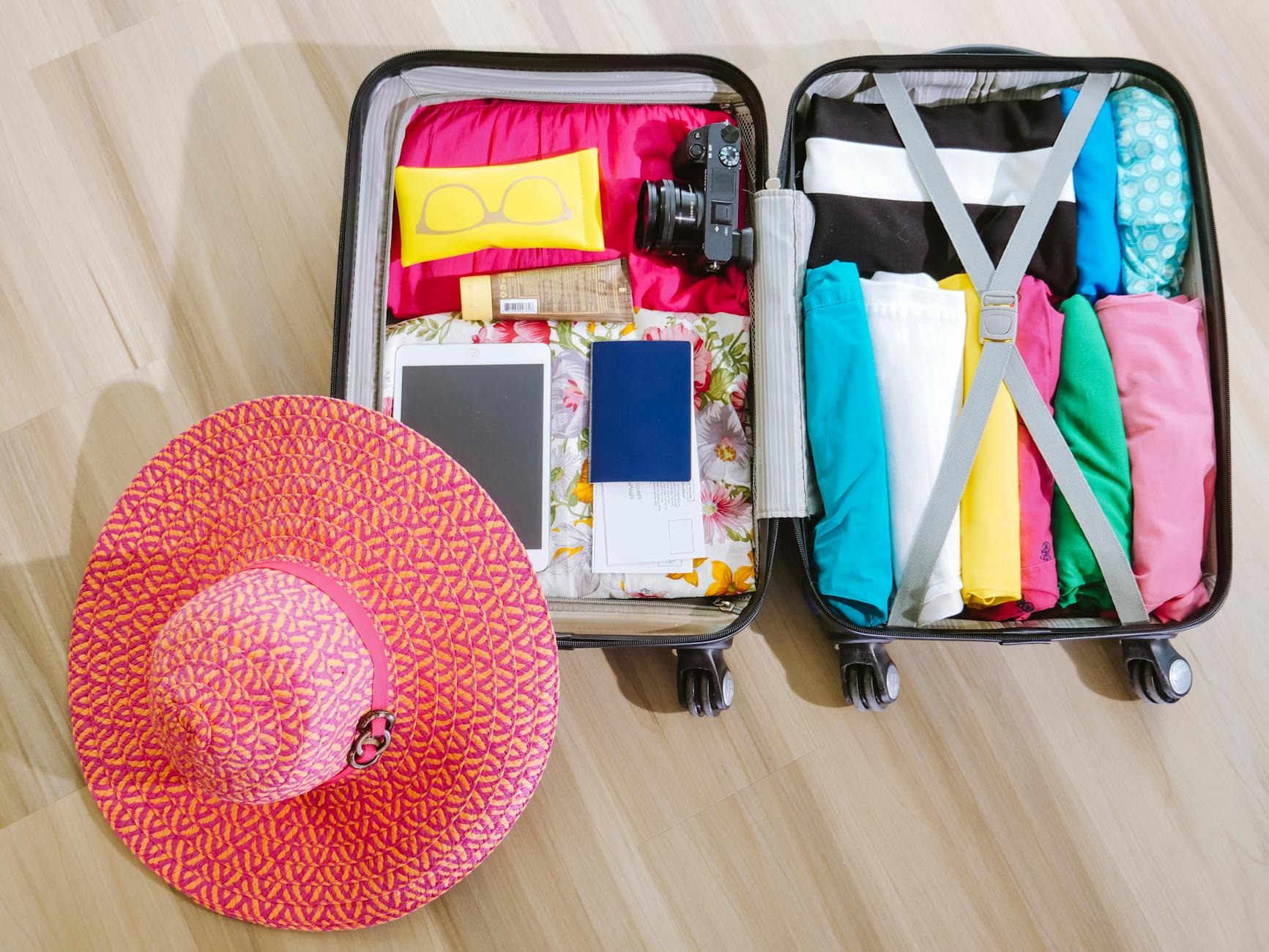
If there is one thing a decade of running a B&B has taught me about visitors and their luggage, it is that people consistently pack for the Cornwall they imagine rather than the Cornwall they will actually meet. They bring shorts and flip-flops in July and shiver on a windy headland; they bring nothing waterproof in October and spend the week dashing between doorways. Cornwall’s Atlantic weather is gloriously changeable, and the secret to packing well is not bringing more, but bringing the right things in layers. This Cornwall packing list covers exactly what to bring for every season, drawn from years of watching what guests wished they had and what they wished they had left at home.
The golden rule, whatever the month, is layers plus a proper waterproof. Get that foundation right and you will be comfortable whether the day brings sunshine, sea breeze, drizzle or all three before lunch.
The Year-Round Essentials
Some things belong in your bag no matter when you visit Cornwall:
- A packable waterproof jacket. The single most important item. Atlantic showers blow through fast and often, even in summer. A lightweight one that scrunches into a daypack is ideal.
- Comfortable walking shoes or trainers. Even non-hikers end up on cobbled streets, harbour walls and clifftop paths. Sturdy, grippy footwear saves sore feet and turned ankles.
- Layers. A few thin layers beat one thick one every time, letting you adjust as the day swings between warm sun and cool wind.
- A warm jumper or fleece. Cornish evenings turn cool near the coast in any season.
- A small daypack for beach kit, picnics, waterproofs and water.
- A reusable water bottle. Many cafes and towns will refill it, saving money and plastic.
- Sun cream and sunglasses. Yes, even outside summer; the light off the sea is strong and reflects, and you burn faster than you expect on a breezy day that does not feel hot.
- A small first-aid kit and any medications, as remote villages may have limited pharmacy hours.
What to Pack for Summer (June to August)
Cornish summers are warm rather than scorching, with highs typically in the low twenties and cool sea breezes. Pack:
- Light, breathable clothing: shorts, t-shirts, summer dresses, but always with layers for cooler evenings.
- Swimwear, and ideally two sets so one can dry while you wear the other.
- A wetsuit if you have one, or plan to hire; even in August the Atlantic is bracing, around 16 to 18°C.
- Beach footwear: flip-flops or sandals, plus old trainers or wetsuit boots for rocky coves and rock pooling.
- A sun hat and high-factor sun cream; the sea-reflected sun is deceptively strong.
- A light jumper and that all-important waterproof for the inevitable shower.
- A beach towel, and a windbreak if you like your own patch of sand in comfort.
Do not be fooled by the season: a warm summer afternoon on the beach can turn into a chilly, breezy evening on the harbour, so always have a layer to hand.
What to Pack for Spring (March to May)
Spring is one of the loveliest times to visit, with the gardens in bloom and the coast path quiet, but the weather is a mixed bag. Pack:
- Layered clothing for swings between bright warmth and cool, blustery spells.
- A waterproof jacket and ideally waterproof footwear for muddy paths and showers.
- Jeans or walking trousers plus a few warmer tops and a fleece.
- A light scarf and a hat for breezy clifftop days.
- Swimwear and a wetsuit if you are hardy; the sea is cold but the brave still swim.
- Comfortable walking shoes for garden visits and coastal strolls.
What to Pack for Autumn (September to November)
Early autumn can be glorious, with the warmest sea of the year in September and soft golden light, while late autumn turns wetter and wilder. Pack:
- Warm layers, jumpers and a fleece, plus a properly waterproof and windproof coat.
- Waterproof walking boots for increasingly muddy paths.
- Swimwear and a wetsuit for September, when the sea is at its warmest.
- A hat, gloves and a scarf for later in the season and exposed headlands.
- An umbrella for the towns, though it is little use against horizontal coastal rain, so the waterproof coat matters more.
- Quick-drying clothing that copes with a shower and dries by the fire.
What to Pack for Winter (December to February)
Cornish winters are mild by British standards, rarely freezing near the coast, but they are wet, windy and dramatic. Pack for warmth and weatherproofing:
- A thick, genuinely waterproof and windproof winter coat; this is your most important item.
- Warm layers, thermals, jumpers and a fleece.
- A hat, gloves and a warm scarf.
- Waterproof walking boots with good grip for wet, slippery paths.
- Cosy indoor clothes for evenings by the fire.
- Warm socks, several pairs, because wet feet are the fastest way to ruin a winter walk.
Winter rewards the well-prepared with empty beaches, spectacular storm-watching and cosy pubs, but only if you can stay warm and dry between the dramatic walks.
Packing for the Beach
Whatever the season, a proper Cornish beach day has its own kit list:
- Swimwear, wetsuit and a changing robe or large towel; the dryrobe-style changing robes have become almost a uniform here for good reason.
- Beach towels, a windbreak and a beach mat.
- Bucket, spade and a net for rock pooling, which children adore.
- Bodyboard or surfboard if you have your own, or plan to hire locally.
- Wetsuit boots or old trainers for rocky entries and rock pools.
- A cool bag for picnics and plenty of water.
- Sun protection: cream, hat, sunglasses, and a rash vest for children.
Don’t Forget the Practical Bits
A few easily-forgotten items make a real difference in Cornwall:
- Cash. Some rural pubs, car parks, farm shops and small attractions still prefer or require cash, and signal for card machines can be patchy.
- A power bank, because navigation and photos drain your phone, and mobile signal can be weak in the lanes.
- Reusable bags for shopping, beach finds and wet swimwear.
- A paper map or offline maps, as signal vanishes exactly when you need directions.
- Binoculars for seals, dolphins and seabirds along the coast.
- A flask for hot drinks on blustery clifftop picnics.
- Midge or insect repellent for still summer evenings near water.
What You Can Leave at Home
Just as useful is knowing what not to bother with. Smart formal wear is rarely needed; Cornwall is relaxed and even good restaurants are happy with smart-casual. Heavy umbrellas are largely defeated by coastal wind, so prioritise a hooded waterproof instead. You do not need to bring vast quantities of beach toys or equipment that you can hire locally, and high heels are simply impractical on cobbles and harbour walls. Pack lighter than you think, especially if travelling by train, and leave room for the local produce and crafts you will inevitably want to take home.
The Capsule Wardrobe Approach
The visitors who pack best for Cornwall tend to think in terms of a small, versatile capsule wardrobe rather than a separate outfit for every possibility. The reasoning is simple: Cornish life is informal, you will spend most of your time outdoors and active, and you will probably get at least one set of clothes damp or sandy. A handful of mix-and-match basics in practical colours, built around layers and topped with a good waterproof, covers almost every situation from a beach morning to a pub dinner. Choose quick-drying fabrics over cotton where you can, since cotton stays cold and wet for ages after a shower or a splash, and bring one slightly smarter outfit for an evening out and you are set. This approach also keeps your bag light, which matters enormously if you are arriving by train and carrying your own luggage up a hill to your B&B.
Packing for Families and Young Children
Families need a little more thought, but not as much as the towering pile by the front door suggests. Children feel the cold and wet more than adults, so pack plenty of changes of clothes, several pairs of warm socks, and layers they can add and remove as the day swings about. Wetsuits or rash vests keep little ones warmer and safer in the sea, and a changing robe makes the post-swim shivers far more bearable. Bring more than enough swimwear so there is always a dry set, and waterproofs sized for the children as well as the adults. For babies and toddlers, a carrier copes far better than a pushchair on coast paths, cobbled streets and soft sand, and remember sun hats and child-friendly sun cream, as the sea-reflected sun catches small skin quickly. Beyond that, much of the beach paraphernalia can be hired or bought locally, so resist the urge to bring the entire toy box.
Packing for Specific Activities
If your trip centres on a particular activity, tailor your kit accordingly. For walking the coast path, proper walking boots or trail shoes, a comfortable rucksack, a refillable water bottle, blister plasters and a fully charged phone with offline maps are essentials, along with layers and waterproofs that pack small. For surfing and water sports, a wetsuit of the right thickness for the season makes all the difference, though most beaches have hire shops if you would rather travel light; add wetsuit boots and a changing robe. For garden and heritage visits, comfortable shoes and a light waterproof are usually enough. And for dining out, relax: smart-casual is welcome almost everywhere, so one tidy outfit covers even the best restaurants. Knowing the shape of your trip lets you pack precisely rather than for every eventuality.
Packing Light for Train Travel
An increasing number of our guests arrive by train, which is a wonderful way to come but rewards ruthless packing. Without a car boot to swallow your overflow, every item has to earn its place and you have to be able to carry the lot, often up a few hills and over cobbles. Choose one bag you can comfortably manage plus a daypack, lean hard on the capsule-wardrobe idea, and plan to hire bulky gear like wetsuits, bodyboards and bikes locally rather than lugging them. Soft bags pack into luggage racks better than rigid suitcases, and packing cubes keep a small bag organised. The reward for travelling light is real freedom: you can hop between branch-line trains, buses and ferries without a second thought, as described in our guide to getting around Cornwall without a car.
A Few Sustainable Packing Choices
Cornwall’s beauty depends on looking after it, and a few packing choices help. A refillable water bottle and a reusable coffee cup cut waste and save money, reef-safe sun cream protects the marine life you have come to enjoy, and a sturdy reusable bag means you are never tempted by single-use plastic. A small bag for collecting any litter you pass on the beach is a habit many regular visitors adopt. None of this adds weight or cost, and it keeps the coves and harbours as lovely as you found them.
Packing for the Cornish Weather Mindset
More than any specific item, the right approach to packing for Cornwall is mental: expect the weather to change, and dress so that it cannot spoil your day. Locals carry a waterproof in July and sun cream in October as a matter of habit, and the visitors who do the same are the ones swimming in the surprise afternoon sunshine while others have retreated indoors. Layer up, keep a waterproof to hand, wear shoes you can actually walk in, and you will be ready for whatever the Atlantic sends. For help choosing the season itself, see our guide to the best time to visit Cornwall, and the wider Cornwall holiday planning guide for everything else.
Forgot Something? You Can Buy or Hire It Here
Do not lose sleep over a forgotten item, because Cornwall is well stocked for the things visitors most often leave behind. Every sizeable town has surf and outdoor shops selling waterproofs, wetsuits, beach gear and walking kit, and the larger supermarkets carry sun cream, basic clothing, buckets and spades and picnic supplies. Wetsuits, bodyboards, surfboards, paddleboards and bikes are all widely available to hire by the day or week, which is often smarter than packing your own, especially if you are travelling by train or plane. Pharmacies in the towns cover medications and toiletries, though their hours can be short in villages and out of season, so do bring any prescription medicines you rely on. The point is to pack the essentials well and trust that anything minor you forget can be sorted within a short drive or bus ride, usually from a friendly independent shop rather than a faceless chain.
How Much to Pack, and Laundry on Longer Stays
For a week’s holiday, the capsule approach means you genuinely need less than instinct suggests, perhaps five or six tops, two or three bottoms, layers, nightwear, a smart outfit, and your waterproof and footwear, plus beach kit. The reason you can pack light even for longer trips is that laundry is easy to manage: many B&Bs and almost all self-catering places offer washing facilities, the towns have launderettes, and quick-drying fabrics rinse and dry overnight. Packing for re-wearing and washing rather than a fresh outfit every day keeps your bag manageable, which is a blessing whether you are heaving it onto a train rack or carrying it up a steep Cornish street to your room. Roll clothes rather than fold them to save space and reduce creases, use a dry bag for damp swimwear and sandy kit, and keep a separate bag for laundry so the clean and the salty never mix.
Extending to the Isles of Scilly
If your Cornwall trip includes a hop out to the Isles of Scilly, pack with the crossing in mind. The boat and flight luggage allowances are tighter than a car boot, so travel light, and bring layers and a good waterproof because the islands catch the full Atlantic weather. The light out there is extraordinary, so do not forget your camera and binoculars, and pack reef-safe sun cream for the dazzling white-sand beaches. Comfortable walking shoes earn their place again, as the islands are best explored on foot and by little inter-island boat.
Frequently Asked Questions
What should I pack for Cornwall in summer?
Light, breathable clothing and swimwear, but always with layers and a packable waterproof for cooler, breezier evenings and sudden showers. Add a sun hat, sun cream, beach footwear and a wetsuit for the still-bracing sea.
Do I need a waterproof coat in Cornwall?
Yes, in every season. Cornwall’s Atlantic weather brings showers year-round, and a packable hooded waterproof is the single most useful thing in your bag, far more effective than an umbrella against coastal wind.
What footwear should I bring to Cornwall?
Comfortable walking shoes or trainers for cobbled streets and coast paths, beach footwear like sandals or wetsuit boots for rocky coves, and waterproof walking boots in autumn and winter.
Should I bring cash to Cornwall?
What to pack follows directly from what the month actually does. April brings 187 hours of sunshine and sea at about 10°C; November brings 130mm of rain and eight and a half hours of daylight. Before you decide between a fleece and a waterproof, check the figures in our Cornwall weather month by month guide.
It is wise to carry some. Many rural pubs, car parks, farm shops and small attractions still prefer cash, and card signal can be unreliable in remote areas.