In This Guide
Why Planning Your Cornwall Holiday Matters
Cornwall holiday planning is the single most important step you can take to ensure a memorable and stress-free trip to England’s far southwest. This stunning peninsula, stretching from the Tamar river to Land’s End, attracts millions of visitors each year with its golden beaches, dramatic cliff paths, charming fishing villages, and world-class attractions. Without proper Cornwall holiday planning, you risk missing out on sought-after accommodation, arriving to find your chosen attraction fully booked, or spending hours stuck in traffic on narrow country lanes.
The difference between an average Cornwall break and an extraordinary one often comes down to the research and preparation you do before you arrive. Cornwall is not a destination where you can simply turn up and wing it, particularly during the busy summer months when demand for accommodation, parking, and attraction tickets far outstrips supply. By investing time in Cornwall holiday planning, you can lock in the best cottages and B&Bs, discover hidden gems that most tourists never find, and build an itinerary that balances relaxation with adventure.
This comprehensive guide covers every aspect of Cornwall holiday planning, from choosing the perfect time to visit and finding the right accommodation, to getting there, getting around, budgeting wisely, and packing the right gear. Whether this is your first trip to Cornwall or your twentieth, you will find practical advice, insider tips, and detailed information to help you plan the perfect Cornish getaway.
Best Time to Visit Cornwall: A Season-by-Season Guide

Choosing the right time for your Cornwall holiday is one of the most consequential decisions in your Cornwall holiday planning process. Each season offers a distinctly different experience, and the best time to visit depends entirely on what you want from your trip. Understanding Cornwall’s seasonal patterns will help you find the ideal balance of weather, crowds, costs, and available activities.
Spring in Cornwall (March to May)
Spring is when Cornwall shakes off the quiet winter months and bursts into life. Temperatures are mild, typically ranging from 10°C in March to 16°C by late May, and the coastal paths are lined with wildflowers including bluebells, campion, and thrift. The gardens are at their most spectacular during spring, with the Eden Project’s outdoor gardens, the Lost Gardens of Heligan, and Trebah Garden all putting on magnificent displays. Spring is ideal for walking holidays, with the South West Coast Path in excellent condition and far fewer people on the trails compared to summer. Accommodation prices are noticeably lower than peak season, and you will find it much easier to secure bookings at popular restaurants and attractions.
Summer in Cornwall (June to August)
Summer is peak season in Cornwall, and for good reason. July and August bring the warmest weather, with temperatures regularly reaching 20-25°C and sea temperatures climbing to a swimmable 16-18°C. The beaches are at their best, surf schools are running full programmes, and the events calendar is packed with festivals, open-air theatre performances at the Minack Theatre, and food festivals. However, summer also brings the biggest crowds, the highest prices, and the worst traffic. The UK school summer holidays run from late July to early September, and this is when Cornwall is at its busiest. If you must visit during this period, your Cornwall holiday planning needs to start six to twelve months in advance for the best accommodation options. Consider mid-week arrivals to avoid the worst of the Friday and Saturday traffic on the A30.
Autumn in Cornwall (September to November)
September is widely regarded as the single best month to visit Cornwall, offering a perfect balance of warm weather, quiet beaches, and lower prices. Sea temperatures are actually at their warmest in September, often reaching 17-18°C after a summer of warming. The light is beautiful for photography, the crowds thin out dramatically after the first week of September, and many attractions remain open on full summer timetables. October brings stunning autumn colours to Cornwall’s wooded valleys and gardens, and the surfing conditions often improve as Atlantic swells increase. By November, many seasonal businesses begin to close, but the coastal walks take on a wild and dramatic character that many regular visitors prefer to summer.
Winter in Cornwall (December to February)
Winter in Cornwall is milder than most people expect, with daytime temperatures rarely dropping below 8-10°C thanks to the warming influence of the Gulf Stream. This is the quietest time to visit, with the lowest accommodation prices and virtually empty beaches. Winter is perfect for storm watching from clifftop paths, cosy pub lunches beside roaring fires, and experiencing Cornwall’s atmospheric Christmas markets and festive events. Some attractions close or reduce their hours during winter, but the major sites like the Eden Project remain open year-round. The surfing is at its most powerful during winter, attracting experienced surfers to ride the large Atlantic swells.
Dated events can decide your travel window — check the Cornwall events and festivals calendar before booking, and see Cornwall in winter if you are considering the off season.
How to Get to Cornwall: Transport Options Compared

A crucial part of Cornwall holiday planning is deciding how to reach the county. Cornwall sits at the far southwestern tip of England, and depending on where you are travelling from, the journey can be significant. Each transport option has distinct advantages and drawbacks, and the right choice depends on your starting point, budget, group size, and how you plan to explore once you arrive.
Driving to Cornwall
Driving is the most popular way to reach Cornwall and offers the greatest flexibility once you arrive. From London, the journey takes approximately five hours via the M4, M5, and A30. From the Midlands, allow four to five hours via the M5 to Exeter and then the A30. From the North, add an additional two to three hours depending on your starting point. The A30 is the main arterial route into Cornwall and has been significantly upgraded in recent years, though single carriageway sections remain between Carland Cross and Chiverton Cross. Try to avoid travelling on Friday afternoons and Saturday mornings during summer, when traffic on the A30 can be extremely heavy. The journey from Exeter to Penzance typically adds around two hours in light traffic, but can double during peak changeover days.
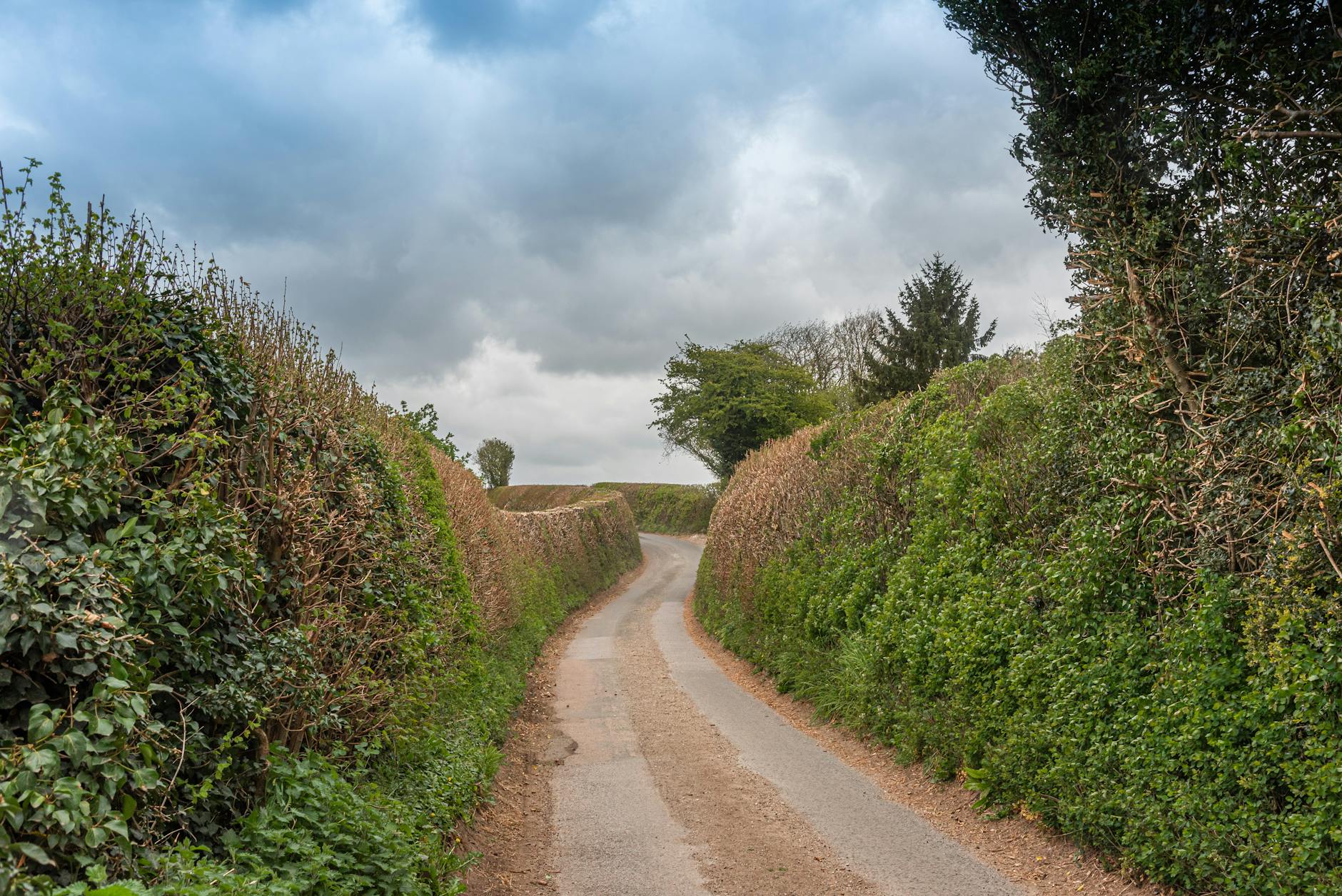
If you drive, be aware that Cornwall’s local roads are often narrow, winding, and lined with high hedgerows that limit visibility. Many popular coastal areas have limited and expensive parking, so downloading the JustPark and RingGo apps before you arrive is strongly recommended as many car parks have gone cashless. A National Trust membership can pay for itself quickly in Cornwall, giving free parking at Trust car parks near many of the most popular beaches and coastal walks.
Taking the Train to Cornwall
The train journey to Cornwall is one of the most scenic rail routes in Britain. Great Western Railway (GWR) operates frequent services from London Paddington, with the fastest trains reaching Truro in around four hours and forty-five minutes, continuing to Penzance in just over five hours. The final stretch of the mainline from Exeter through Dawlish runs right along the sea wall, offering spectacular coastal views. For a truly memorable start to your holiday, the Night Riviera sleeper train departs London Paddington in the late evening six nights a week, arriving at stations across Cornwall from early morning. You board, sleep in a comfortable cabin, and wake up in Cornwall ready to start your holiday.
Book train tickets as far in advance as possible to secure the best fares. Advance singles can be remarkably affordable compared to buying on the day. A Railcard will save you a third on most fares. Once in Cornwall, the branch line network connects many popular destinations including St Ives, Falmouth, Newquay, and Looe, making it entirely possible to explore the county by public transport.
Flying to Cornwall
Cornwall Airport Newquay offers the fastest route into the county, particularly from northern England and Scotland. Regular flights operate from London Gatwick, Manchester, Edinburgh, and other UK airports, with flight times of around an hour. Flying makes particular sense if you are coming from Scotland or the North of England, where the drive can exceed eight hours. Car hire is available at the airport, or you can use the airport bus service to reach Newquay town centre and connect with the wider public transport network. Book flights early for the best prices, and compare the total cost including car hire against the price of driving or taking the train.
Getting Around Cornwall: Local Transport Guide
Once you have arrived, getting around Cornwall is the next important element of your Cornwall holiday planning. While having a car provides the most flexibility, it is not the only option, and there are good reasons to consider alternatives for at least some of your journeys.
Driving Around Cornwall
Most visitors explore Cornwall by car, and for reaching remote beaches, hidden coves, and countryside pubs, a car is undeniably convenient. However, be prepared for narrow lanes, tight corners, and the need to reverse into passing places when you meet oncoming traffic. Sat nav can sometimes route you down unsuitable lanes, so consulting a local map or asking your accommodation host for route advice is always worthwhile. Parking is the main challenge, with popular spots like St Ives, Padstow, and Polperro filling their car parks early in summer. Arrive before 10am at popular coastal towns, or use park-and-ride services where available, such as the excellent services at St Erth for St Ives and Liskeard for Looe.
Buses and the Transport for Cornwall Network
Cornwall’s bus network is more extensive than many visitors expect. The Transport for Cornwall system operates an “Any Ticket, Any Bus” scheme, meaning a single ticket works across all participating bus companies within Cornwall. Day tickets offer unlimited travel and represent excellent value for exploring a particular area. The network covers most major towns and many coastal villages, with particularly good services along the north coast corridor between Newquay, Padstow, and Bude, and the south coast route connecting Falmouth, Truro, and St Austell. Cheaper fares are available within fourteen defined town zones, and if you are aged 19-25 you can get unlimited one-day travel on Cornwall’s entire bus network for just five pounds.
Cornwall’s Branch Line Railways
Cornwall’s branch line railways are not just a practical way to get around, they are attractions in their own right. The St Ives Bay Line from St Erth to St Ives is consistently voted one of the most scenic short railway journeys in Britain, hugging the coast with views across the turquoise waters of Carbis Bay. The Maritime Line from Truro to Falmouth passes through beautiful wooded creeks, and the Looe Valley Line winds through stunning river scenery. The Atlantic Coast Line connects Par to Newquay, and the Tamar Valley Line crosses the spectacular Calstock Viaduct. These lines are perfect for day trips without the hassle of parking, and many offer combined rail and bus tickets for onward connections.
Cycling in Cornwall
Cornwall has several excellent traffic-free cycling trails that make two wheels a genuine transport option, particularly for families. The Camel Trail runs for eighteen miles from Padstow to Bodmin along a former railway line, passing through beautiful countryside and the pretty village of Wadebridge. The Coast to Coast trail links the north and south coasts from Portreath to Devoran. Bike hire is widely available at trail heads, with options including electric bikes for those who want assistance on Cornwall’s hills. For road cycling, the quieter lanes in the interior of the county offer rewarding routes, though the steep gradients and narrow roads require confidence.
Cornwall Accommodation Guide: Finding Your Perfect Stay
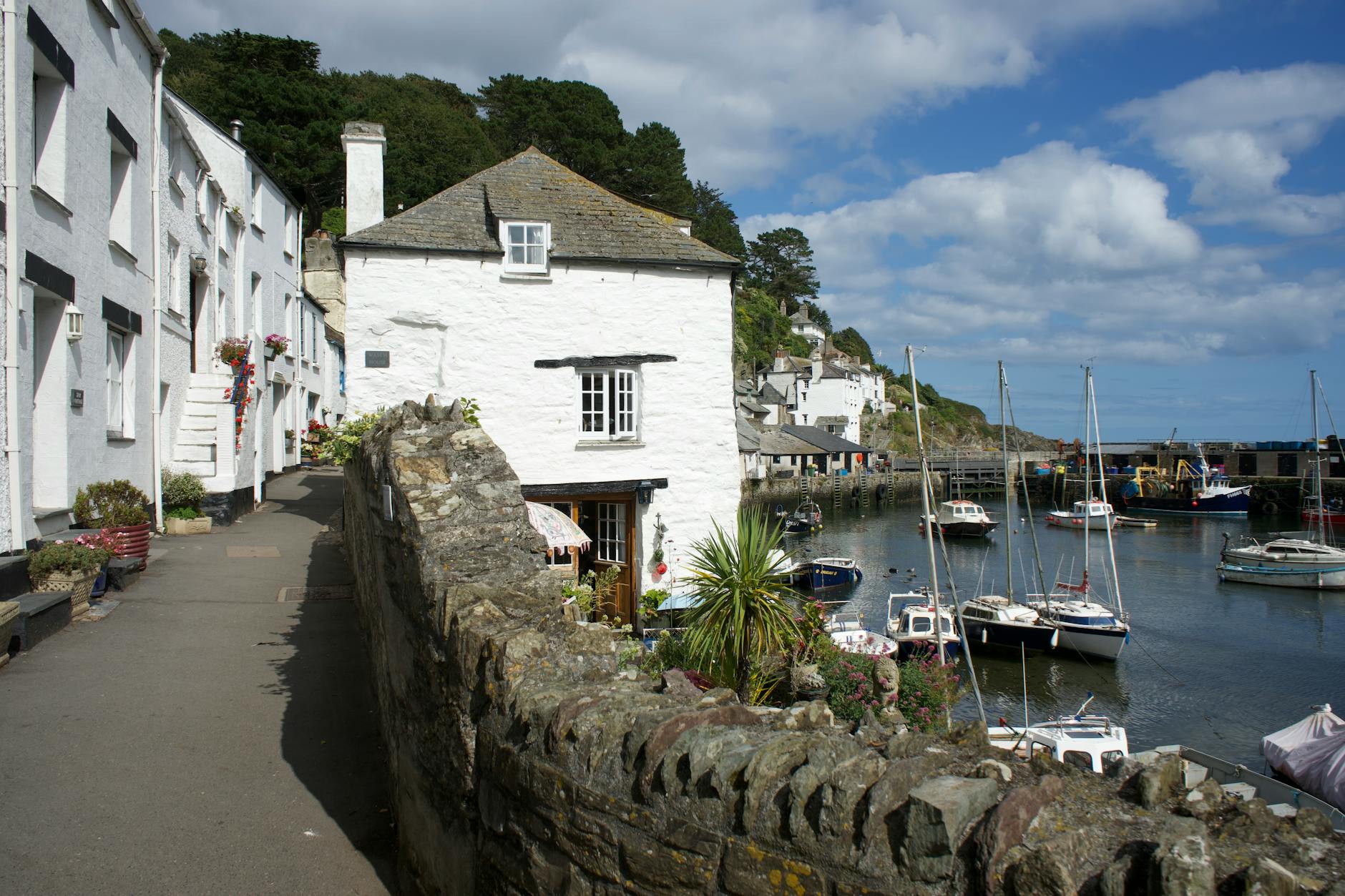
Accommodation choices are at the heart of Cornwall holiday planning. Cornwall offers an extraordinarily diverse range of places to stay, from luxury clifftop hotels to simple seaside campsites, and the type of accommodation you choose will fundamentally shape your holiday experience. Understanding the options, knowing when to book, and matching your accommodation to your priorities will help you find the perfect base for your Cornish adventure.
Self-Catering Cottages and Holiday Homes
Self-catering is the most popular accommodation type in Cornwall, and with good reason. A holiday cottage gives you space, privacy, and the freedom to eat when and what you want. Cottages range from simple two-bedroom properties in quiet villages to sprawling converted farmhouses sleeping twelve or more. Prices vary enormously depending on location, size, and season, with a typical two-bedroom cottage near the coast costing between £500 and £1,200 per week in summer, dropping to £300-£600 in the off-season. Cottages in premium locations like St Ives, Padstow, and Rock command the highest prices. For the best summer availability, particularly in July and August, aim to book by January. Popular properties in the most sought-after locations often sell out by Christmas for the following summer.
Bed and Breakfasts and Guest Houses
Cornwall’s bed and breakfasts range from traditional seaside guest houses to stylish boutique properties with sea-view rooms and locally sourced breakfasts. B&Bs are an excellent choice for couples and solo travellers who want comfortable accommodation with a personal touch. A good B&B host can provide invaluable local knowledge, from the best hidden beaches to restaurant recommendations. Expect to pay between £80 and £150 per night for a double room in summer, with premium properties in popular locations charging more. B&Bs offer flexibility that cottages do not, as you can often book for just one or two nights, making them ideal for touring holidays where you want to move between different parts of the county.
Hotels and Luxury Resorts
Cornwall has some exceptional hotels, from the iconic Headland Hotel overlooking Fistral Beach to boutique harbour hotels in Falmouth and St Ives. At the luxury end, properties like the Scarlet in Mawgan Porth offer spa facilities, fine dining, and an eco-conscious approach to hospitality. For families, larger resort-style hotels with swimming pools, kids’ clubs, and on-site restaurants can simplify Cornwall holiday planning considerably. Budget hotel chains including Premier Inn and Travelodge have properties across Cornwall offering reliable, affordable rooms. Hotel rates fluctuate significantly with demand, so booking early or looking for last-minute deals can both yield savings.
Camping and Glamping
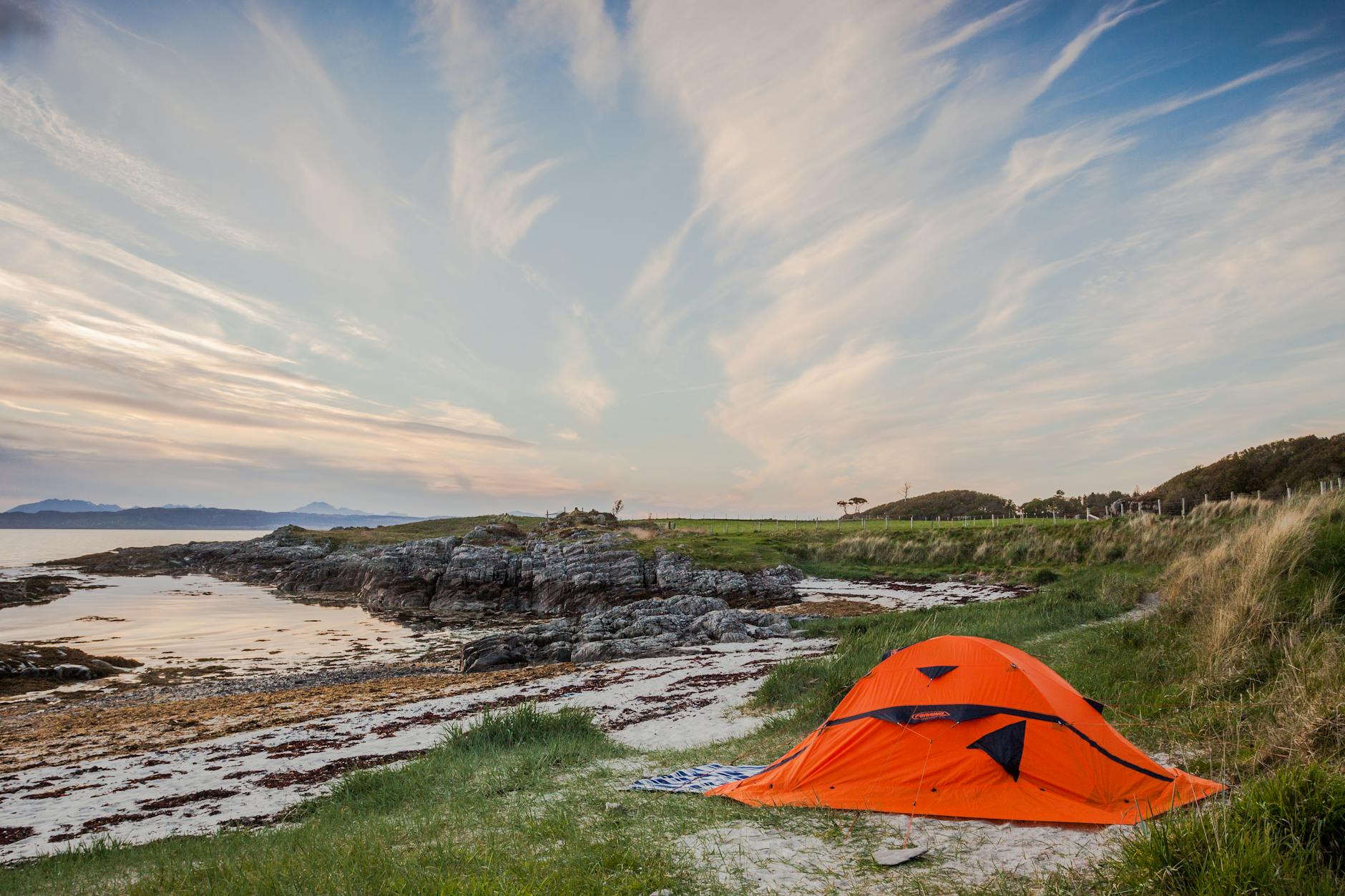
For many, camping is the quintessential Cornwall holiday experience. Waking up in a tent with the sound of waves and the smell of salt air is something special. Cornwall has hundreds of campsites, from basic farm fields with minimal facilities to fully equipped holiday parks with swimming pools and entertainment. Glamping options have expanded enormously in recent years, with bell tents, yurts, shepherd’s huts, and luxury safari tents available across the county. Camping is by far the most affordable accommodation option, with tent pitches typically costing between £15 and £35 per night. For the best clifftop and beachside pitches, book well in advance for summer. Many popular campsites open their booking systems in January and fill quickly for the school holiday weeks.
Our Cornwall bed and breakfast guide covers the B&B option in depth, including a full B&B vs self-catering comparison and holiday parks for families.
Budgeting Your Cornwall Holiday: What Things Really Cost

Realistic budgeting is an essential part of Cornwall holiday planning. Cornwall can be surprisingly expensive during peak season, but with careful planning you can enjoy a wonderful holiday at almost any budget level. Understanding what things actually cost will help you plan a holiday that delivers great experiences without financial stress.
Accommodation Costs
Your accommodation will be the single biggest cost of your Cornwall holiday. As a rough guide, a family of four can expect to spend between £600 and £1,500 per week on a self-catering cottage during summer, £100-£180 per night at a mid-range hotel, or £20-£40 per night on a camping pitch. Travelling outside of the July and August peak can reduce accommodation costs by thirty to fifty percent, making spring and autumn exceptional value.
Food and Drink Costs
If you are self-catering, a weekly supermarket shop for a family of four will cost around £80-£120. Eating out adds up quickly in Cornwall, with a pub meal typically costing £12-£18 per adult, a fish and chip supper around £8-£12 per person, and a restaurant dinner between £25 and £50 per head depending on the venue. The famous Cornish pasty remains one of the best-value lunches available, with a quality pasty costing between £4 and £6. Budget tip: mix self-catering with occasional meals out, and take advantage of Cornwall’s excellent farm shops and fishmongers for fresh local produce that is often better value than supermarket equivalents.
Attraction Entry and Activity Costs
Many of Cornwall’s best experiences are completely free, from its three hundred beaches to the hundreds of miles of coastal path. However, paid attractions can add significantly to your holiday budget. The Eden Project charges around £30 per adult, the Minack Theatre garden visits are around £7, and Tate St Ives costs approximately £14. Surf lessons typically cost £30-£40 per person for a two-hour group session. Boat trips range from £12 for a short harbour cruise to £40 or more for longer wildlife-watching expeditions. Pre-booking online often saves ten to twenty percent on gate prices at major attractions, and family tickets offer further savings.
Parking and Transport Costs
Parking costs can catch visitors off guard. Beach car parks typically charge between £3 and £8 per day, and a week of daily parking can easily add £30-£50 to your holiday costs. National Trust membership gives free parking at many of the best beach car parks, which for frequent visitors quickly pays for itself. Fuel costs for a week of exploring Cornwall are typically £40-£70 depending on the distances covered. If you are using public transport, day bus tickets cost around £8-£10 for adults, and combined rail and bus tickets offer good value for day trips to destinations like St Ives or Looe.
Free things to do in Cornwall and budget-friendly bed and breakfasts between them take a large bite out of a week’s costs.
Booking Attractions and Activities in Advance
Advance booking has become an increasingly important part of Cornwall holiday planning. Many of Cornwall’s most popular attractions now use timed entry systems or have limited capacity, meaning that turning up without a ticket can result in disappointment. During school holidays and bank holiday weekends, attractions like the Eden Project, the Minack Theatre, and popular boat trips can sell out days or even weeks in advance.
The Eden Project strongly recommends pre-booking, particularly during school holidays, and offers a discount for tickets purchased online in advance. The Minack Theatre sells performance tickets well ahead of the summer season, and popular shows sell out quickly. Tate St Ives uses a timed entry system during busy periods. For outdoor activities like coasteering, surfing lessons, and sea kayaking, booking a few days to a week ahead is generally sufficient outside of peak summer, but during July and August, booking before you arrive is sensible.
Restaurant bookings are another consideration for your Cornwall holiday planning. Cornwall has an exceptional food scene, with restaurants like Paul Ainsworth at No.6 in Padstow, the Driftwood in Portscatho, and the Shore in Penzance attracting diners from across the country. Popular restaurants can be fully booked weeks in advance during summer, so if there is a particular dining experience you have your heart set on, book before your trip. Even more casual dining spots like beach cafes and harbourside fish restaurants can have long waits during peak hours, so lunchtime bookings are worth considering.
The best Cornwall attractions for first-time visitors covers which genuinely need booking weeks ahead.
Planning Your Cornwall Itinerary: Regions and Routes
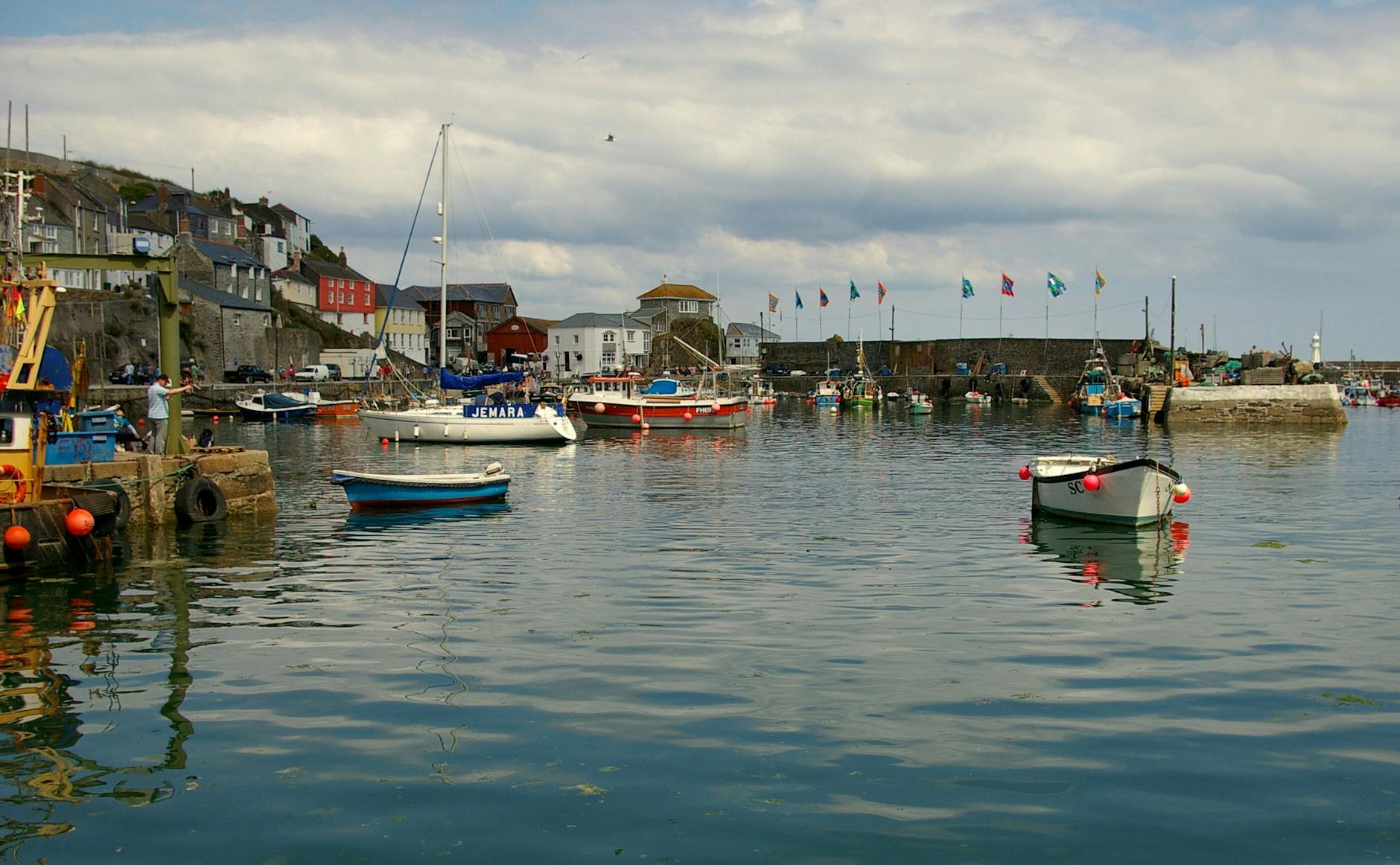
Cornwall is bigger than many first-time visitors expect, stretching around eighty miles from east to west, and the county’s narrow, winding roads mean that journey times are often longer than the distance might suggest. Effective Cornwall holiday planning means being realistic about how much ground you can cover and choosing a base, or bases, that suits your interests.
North Cornwall
The north coast is Cornwall’s most dramatic, with towering cliffs, powerful surf, and wide sandy beaches. This is the side for surf lovers, with Fistral Beach in Newquay being the spiritual home of British surfing, and excellent breaks at Polzeath, Bude, and Constantine Bay. Beyond the surf, Tintagel Castle perches dramatically on a rocky headland steeped in Arthurian legend, the pretty harbour town of Padstow is a food lovers’ paradise, and the fishing village of Port Isaac is instantly recognisable as the filming location for Doc Martin. Base yourself in or near Padstow, Newquay, or Bude depending on which stretch of coast you want to focus on. Allow at least three to four days to properly explore the north coast.
South Cornwall
The south coast is gentler, with sheltered harbours, subtropical gardens, and charming fishing villages tumbling down to hidden coves. Falmouth is a vibrant town with excellent museums, beautiful beaches, and a thriving food scene. The Roseland Peninsula offers some of Cornwall’s most peaceful and unspoilt scenery, while the villages of Fowey, Polperro, and Mevagissey are picture-perfect. The Eden Project and the Lost Gardens of Heligan are both in south Cornwall, making this area ideal for garden enthusiasts. Base yourself in Falmouth, St Austell, or Fowey for easy access to the south coast highlights. Three to four days allows a good exploration of this coast.
West Cornwall and the Penwith Peninsula
The far west of Cornwall feels like a different world, with ancient stone circles, wild moorland, and the dramatic meeting of the Atlantic and the English Channel. St Ives is one of Britain’s most beautiful seaside towns, home to Tate St Ives and the Barbara Hepworth Museum, with stunning beaches and a thriving arts scene. Penzance provides a characterful base with ferry connections to the Isles of Scilly, while nearby St Michael’s Mount is one of Cornwall’s most iconic landmarks. The Minack Theatre, Land’s End, and the Lizard Peninsula with its famous serpentine rock and Kynance Cove are all within easy reach. This is a must-visit area for any Cornwall holiday, and deserves at least three days to explore properly.
Sample Seven-Day Itinerary
For a week-long trip, a popular approach is to split your time between two bases. Spend three or four nights in the west around St Ives or Penzance, exploring the Penwith Peninsula, before moving to a second base on either the north or south coast for the remaining nights. This gives you a manageable amount of driving while covering a good cross-section of what Cornwall has to offer. Alternatively, a central base around Truro or the north coast near Padstow gives reasonable access to both coasts, though you will spend more time driving. For a two-week holiday, you have the luxury of taking things slowly, perhaps moving between three bases and including time for lazy beach days, long coastal walks, and spontaneous exploration.
Fill in the days with things to do in Cornwall, the best beaches, walking routes and our food and drink guide. For a base, start with the towns and villages guide, or follow one of our Cornwall day trip itineraries.
What to Pack for Cornwall: Essential Packing Guide

Packing the right gear is a practical but often overlooked element of Cornwall holiday planning. Cornwall’s weather can change rapidly, and being prepared for all conditions will ensure you can enjoy every day of your holiday regardless of what the Cornish skies deliver.
Clothing and Layers
The golden rule for Cornwall is to dress in layers. Even in summer, mornings can be cool, afternoons warm, and evenings chilly, sometimes all in the same day. A good waterproof jacket is absolutely essential regardless of the season. In summer, a lightweight breathable waterproof is sufficient, but for spring, autumn, and winter visits, invest in a more substantial waterproof with a hood. Pack a fleece or warm mid-layer for cooler days and evenings, along with lighter t-shirts and shorts for sunny beach days. Cornwall’s weather can change from bright sunshine to heavy rain and back again within an hour, so keeping a waterproof in your day bag at all times is strongly recommended.
Footwear
Proper footwear is crucial for enjoying Cornwall fully. Comfortable, supportive walking boots or shoes are essential if you plan to explore any of the coastal paths, as the terrain can be uneven, rocky, and muddy even in summer. Flip-flops or sandals are perfect for the beach, but beach shoes with good grip are also recommended for rocky coves where the surface can be slippery. If you plan to do any serious hiking on the South West Coast Path, invest in walking boots with ankle support and good traction. Break them in before your trip to avoid blisters on the trails.
Beach and Water Gear
Cornwall is a beach destination, so packing the right beach gear is important. Swimwear is obvious, but a rash vest provides both sun protection and warmth for beach activities. Wetsuits can be hired from surf shops across Cornwall, but if you plan to swim or surf regularly, bringing your own is more comfortable and cost-effective. A Dryrobe or large changing towel makes getting changed on the beach far more dignified, and these have become almost ubiquitous at Cornish beaches. A windbreak is invaluable on Cornwall’s exposed Atlantic-facing beaches, and a beach tent provides shade for younger children. Pack a lightweight beach towel, reef-safe suncream with high SPF, and a reusable water bottle for days on the sand.
Practical Extras
A few practical items will make your Cornwall holiday run much more smoothly. Binoculars are brilliant for spotting seals, dolphins, and seabirds along the coast. A portable phone charger is useful because mobile signal can be patchy in rural Cornwall, and you may rely on your phone for navigation. Bring insect repellent for summer evenings, particularly near coastal grasslands. A small first aid kit with plasters, antiseptic, and antihistamines covers common beach and walking holiday mishaps. If you are staying in a cottage, a favourite kitchen knife and a corkscrew can save frustration, as rental kitchens are not always well equipped.
Walkers should also read what to pack for walking in Cornwall, which goes further on footwear and wet-weather layers.
Dog-Friendly Cornwall Holiday Planning
Cornwall is one of the best dog-friendly holiday destinations in Britain, and with proper Cornwall holiday planning, your four-legged family member can enjoy the trip just as much as you do. Over sixty beaches in Cornwall allow dogs all year round, with many more lifting their seasonal restrictions between October and Easter. Popular year-round dog-friendly beaches include Holywell Bay near Newquay, Harlyn Bay near Padstow, Daymer Bay between Rock and Polzeath, and the vast stretches of sand at Perranporth and Gwithian.
When booking accommodation, check the pet policy carefully. Many self-catering cottages welcome dogs, often for a small additional charge, and some provide thoughtful extras like dog beds, bowls, and treat baskets. Larger dogs and multiple-dog households will find more options in cottages with enclosed gardens. The South West Coast Path is generally dog-friendly, though dogs should be kept on leads near cliff edges and through fields with livestock. Many pubs and cafes in Cornwall are welcoming to well-behaved dogs, particularly in rural areas, but always check before entering. Pack essentials including lead, waste bags, food, water bowl, towel for post-beach drying, and any medications your dog needs.
See dog-friendly bed and breakfasts, dog-friendly beaches and the best dog-friendly walks in Cornwall for the detail.
Mobile Signal and Staying Connected
An often overlooked aspect of Cornwall holiday planning is mobile connectivity. Cornwall’s rural nature means that mobile phone signal can be patchy, particularly in valleys, along remote stretches of coast, and in smaller villages. All four main UK networks, EE, Vodafone, Three, and O2, provide reasonable coverage in larger towns like Truro, Falmouth, Newquay, and Penzance, but coverage degrades quickly in more remote areas. If reliable connectivity is important to you, EE generally offers the best rural coverage in Cornwall, though no network provides complete coverage across the whole county.
If you are working remotely or need reliable internet, check with your accommodation provider about Wi-Fi availability and speed before booking. Many modern holiday cottages and B&Bs now offer good broadband, but older properties in remote locations may have slower connections. Download offline maps, entertainment, and any work files you might need before travelling to areas with limited connectivity. The Transport for Cornwall app works offline for timetable information, which is useful in areas with poor signal. Consider enabling Wi-Fi calling on your phone, which allows calls and texts over a broadband connection when cellular signal is unavailable.
Top Money-Saving Tips for Your Cornwall Holiday
Smart Cornwall holiday planning can save you hundreds of pounds without compromising on the quality of your experience. Cornwall does not have to be expensive if you know where to look for savings and are willing to be flexible.
Travel outside peak season for the biggest savings. May, June, and September offer weather that is often just as good as July and August, with accommodation prices that can be thirty to fifty percent lower. If you must travel during school holidays, consider the October half term, which is significantly cheaper than summer and often blessed with mild, sunny weather. Book accommodation early for the best selection, or look for last-minute deals from seven to fourteen days before travel when owners reduce prices to fill unsold weeks. Self-catering accommodation saves significantly on food costs compared to hotels, and shopping at local farm shops and markets often provides better quality and value than supermarkets.
For attractions, check for online advance booking discounts, which can save ten to twenty percent on gate prices. Many attractions offer annual passes that are only marginally more expensive than a single visit and are worth considering if you plan to visit more than once. National Trust and English Heritage memberships both offer excellent value in Cornwall, with dozens of properties and free parking at many coastal locations. Take advantage of Cornwall’s abundant free activities, from beach days and rock pooling to coastal walks and visiting free galleries and churches. Pack picnic lunches using local pasties, fresh bread, cheese, and fruit from farm shops for delicious, affordable meals eaten with spectacular views.
Safety and Practical Tips
A final but important element of Cornwall holiday planning is being aware of safety considerations. Cornwall’s natural beauty comes with genuine hazards that deserve respect. The sea is the most significant, with powerful currents, sudden waves, and cold water temperatures catching out unprepared visitors every year. Always swim at lifeguarded beaches and between the red and yellow flags. The RNLI provides lifeguard cover at over thirty beaches in Cornwall during the summer months, but cover reduces outside of peak season and outside standard hours.
The cliff paths along the South West Coast Path are spectacular but require caution. Stay on the marked paths, keep well back from cliff edges, and be aware that erosion can make edges unstable. Cornwall’s tidal range is significant, and beaches that appear vast at low tide can be completely covered at high water. Check tide times before visiting beaches, especially those accessed through coves or tunnels that can be cut off at high tide. The BBC tide tables and the Magicseaweed app both provide accurate tide information for Cornish beaches.
Cornwall’s sun can be deceptively strong, particularly when there is a breeze off the sea that makes the temperature feel cooler than it is. Apply suncream liberally and reapply after swimming. Keep children hydrated and provide shade during the hottest part of the day. For walking, tell someone your route and expected return time, carry adequate water and food, and have a fully charged phone for emergencies. The emergency number for coastguard, police, ambulance, and fire service is 999, and the non-emergency number is 111 for NHS advice.
The coast is where most problems start — read our Cornwall beach safety guide before your first swim.
Your Cornwall Holiday Planning Checklist
To bring everything together, here is a practical checklist for your Cornwall holiday planning, organised by how far ahead of your trip each task should be completed. Six months or more before your trip, research and book your accommodation, particularly if you are travelling in July or August. At the same time, book train tickets or flights if applicable, as early booking secures the best fares. Three months ahead, research and book tickets for any must-visit attractions and popular restaurants. Book surf lessons or activity sessions for your preferred dates.
One month before your trip, create a rough day-by-day itinerary with a mix of planned activities and free time. Download useful apps including Transport for Cornwall, JustPark, RingGo, and the Ordnance Survey maps app. Check your packing list against our recommendations above and purchase any items you need. One week before departure, check the weather forecast to fine-tune your packing and plans. Download offline maps and entertainment for areas with poor mobile signal. Confirm all accommodation, attraction, and restaurant bookings. Pack your car thoughtfully, with frequently needed items easily accessible, and set off at a time that avoids peak traffic on the A30.
Explore Our Detailed Cornwall Planning Guides
This pillar is the starting point. For the practical detail behind every part of your trip, dive into our dedicated Cornwall planning guides below, each written from years of local experience:
- How to Get to Cornwall — trains, driving, flights and coaches compared, with tips to beat the traffic.
- Getting Around Cornwall Without a Car — scenic trains, buses, ferries and the best car-free bases.
- Best Time to Visit Cornwall — a month-by-month guide to weather, sea temperature, crowds and prices.
- Cornwall on a Budget — how to save on accommodation, food, parking and days out.
- Cornwall Packing List — what to bring for every season, from summer to winter.
- Where to Stay in Cornwall — the best areas and towns for every type of traveller.
- Cornwall 7-Day Itinerary — a day-by-day plan for the perfect week.
- Cornwall Weekend Break Itinerary — ready-made 2-3 day itineraries for a short break.
- Cornwall Travel Tips — insider advice and the mistakes first-timers make.
- Parking in Cornwall — costs, park-and-ride and how to always find a space.
- Cornwall Accessibility Guide — accessible beaches, attractions, transport and accommodation.
With thorough Cornwall holiday planning, you will arrive relaxed and prepared to make the most of every moment in this extraordinary county. Whether you are chasing perfect surf on the north coast, exploring hidden gardens on the south, watching the sunset from Land’s End, or simply sitting on a beach with a pasty and a cup of tea, Cornwall delivers experiences that stay with you long after you return home. The time you invest in planning pays dividends in the quality of your holiday, so start early, research thoroughly, and get ready for the trip of a lifetime.