Cornwall is the rare British destination that delivers genuine educational depth alongside the beach holiday. The county is a UNESCO World Heritage Site for its mining heritage, has two International Dark Sky Parks for astronomy, the world’s largest indoor rainforest, a working seal rescue centre, and a hundred-plus museums and heritage sites that quietly cover everything from Tudor castles to Newlyn School paintings to the geological story of Cornish granite. For home-educating families, school groups, or parents who want a holiday that doesn’t feel academically wasted, the offer is genuinely impressive. This Cornwall educational days out guide is the proper version, organised by subject rather than by location.
I’ll cover geology and mining heritage (Cornwall’s strongest subject), marine biology, history, botany and ecology, art, maritime heritage, dark sky astronomy, and industrial heritage. I’ll cover home-educator discount schemes and the membership maths that turns a week’s family holiday into a year of free educational visits. Our wider Cornwall family holiday guide is the parent piece.
Why Cornwall Is Different for Education
The reason Cornwall has so much educational depth is that it was an industrial economy before it was a tourist economy. Tin and copper mining shaped the landscape and the culture for two thousand years. The Cornish Mining World Heritage Site (UNESCO inscribed 2006) covers ten areas across Cornwall and West Devon — surface engine houses, underground workings, mining villages, mineral railways, port infrastructure. Almost every major Cornish attraction has an educational subtext: the Eden Project was built in a former clay pit; the Lost Gardens of Heligan tells the story of the lost generation of First World War gardeners; the National Maritime Museum Cornwall in Falmouth covers four centuries of maritime trade.
For home-educating families and school groups, Cornwall maps onto KS1, KS2 and KS3 topics with unusual clarity. Victorians, rocks and soils, habitats and adaptation, art and design, settlement and industry, the Tudors, the World Wars — Cornwall has a major site for each.
Geology and Mining Heritage
Geevor Tin Mine, Pendeen (West Penwith)
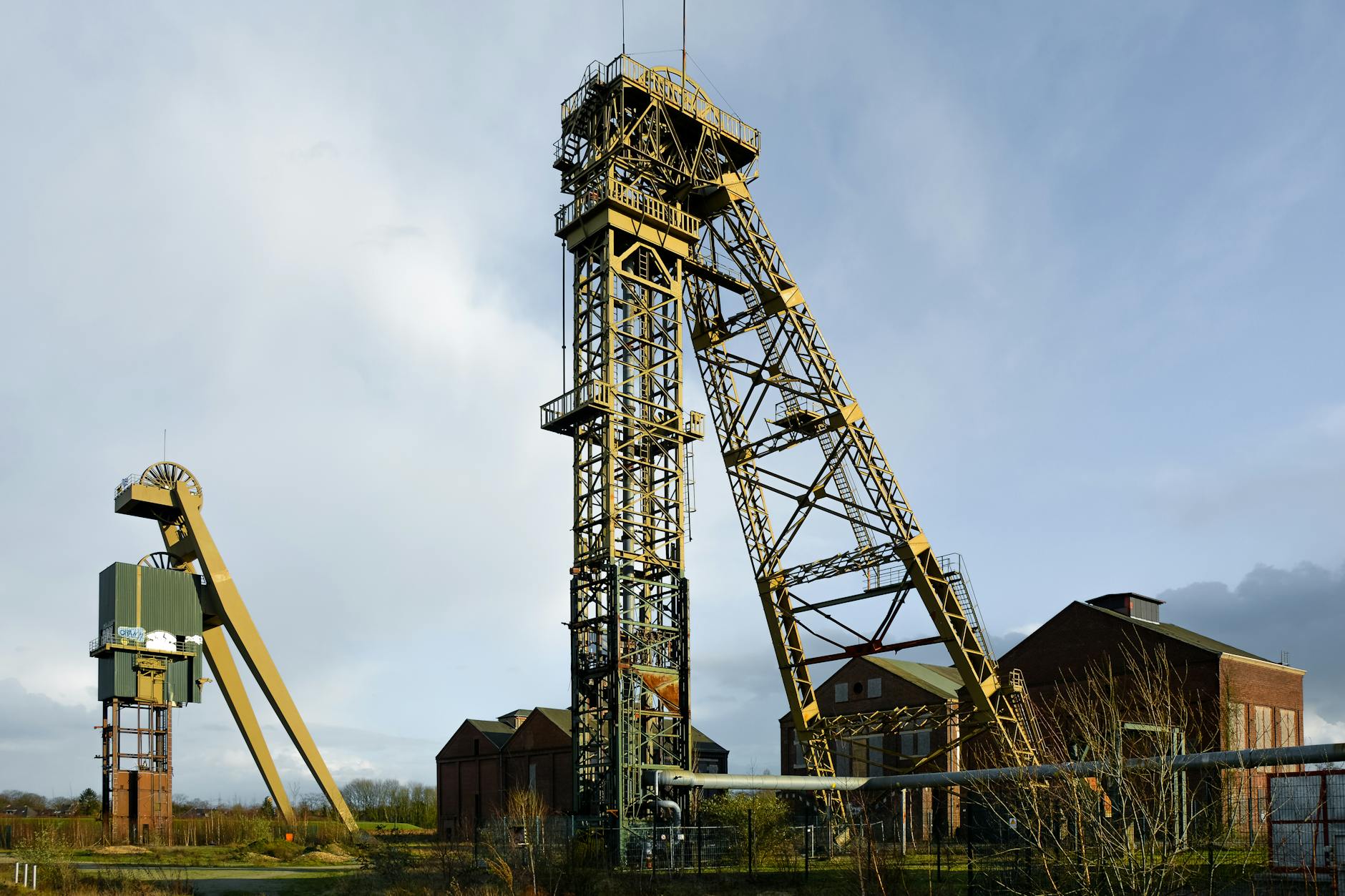
The single best geology-and-mining educational visit in the UK. The largest preserved tin mine in the country, on the Atlantic cliffs west of St Ives, in the heart of the UNESCO World Heritage area. The visit includes an underground tour through the eighteenth-century workings (genuinely below ground, in actual mining levels), a surface museum covering 200 years of Cornish mining, and gem and gold panning that occupies kids for an hour while they learn what’s in Cornish granite.
Educational group rates: £5.85 per child for groups of ten or more, adults free. Teacher pre-visits included. Curriculum links: KS2 rocks and soils, KS2 history of mining, KS3 industrial revolution.
Adult £14.90, child £8.70, under-4s free, senior £12.75. Family (2 adults + 3 children) £46. The Gift Aid sign-up converts entry to a free twelve-month annual pass.
Poldark Mine, Wendron (Helston)
The only complete underground Cornish tin mine open to the public, with workings dating to the seventeenth century. Less commercial than Geevor; more atmospheric in places. Self-guided underground tour. Check 2026 opening before visiting (small operation, seasonal hours).
King Edward Mine Museum, Camborne
Working stamps (the heavy mechanical equipment that crushed ore) plus the history of the Cornish Mining School where engineers from across the world came to train. Less child-friendly than Geevor for under-tens but a serious educational visit for older primary and secondary kids interested in engineering and industrial history.
Wheal Martyn (China Clay Country Park, near St Austell)
The story of china clay (kaolin) from 1746 to the present day. Cornwall produced most of the world’s china clay for two centuries; the industry shaped St Austell. The country park has trails through the working pits and clay villages. Family activities include ceramic-painting (paint a bird feeder, tea light or egg cup) which links the geology to the product.
Botallack Mine Workings, St Just
National Trust site on the cliffs. The submarine mines at Botallack extended 570 metres under the sea — the workings produced 14,500 tonnes of tin, 20,000 tonnes of copper and 1,500 tonnes of arsenic. UNESCO-inscribed since 2006. The above-ground engine houses are some of the most photographed in Cornwall. Free with NT membership; pay-and-display for the car park.
Cornwall Museum and Art Gallery (Truro)
The county’s main museum and a serious geological collection. Mineral cabinets with examples of every Cornish ore and crystal, plus the wider Cornish heritage. Children under 18 free; £10 annual pass for adults. Pair with Truro Cathedral and the Lemon Street area for a proper Truro educational day.
Our Cornwall history and heritage guide gives the background that makes these sites make sense.
Marine Biology
Blue Reef Aquarium (Newquay)
The walk-through underwater tunnel is the headline. Touch tanks at child-eye-level. Educational talks throughout the day. School groups welcome with curriculum-mapped sessions on habitats, adaptation, and conservation.
Cornish Seal Sanctuary (Gweek, Helford River)
A genuine rescue and rehabilitation centre, not just a marine zoo. Pups arrive from across the British coast, are rehabilitated, and returned to the wild. The site tells the story of seal-and-human interaction along Cornwall’s working-fishing coast. Educational talks throughout the day. Ticket converts to twelve-month re-entry; 20 per cent off online.
National Lobster Hatchery (Padstow)
Small charity-run aquarium and conservation centre breeding native lobsters for release. The educational story is genuinely engaging — every lobster has a name and a tracking number. Adopt-a-Lobster scheme costs around £8 and gives a child a connection to a specific lobster being released back to sea. Re-opens 14 February each year after winter closure.
Rock Pool Exploration (Free Educational Activity)
Cornwall’s rocks pools are an outdoor laboratory. Best spots for educational rock pooling: Castle Beach (Falmouth, with the pools below Pendennis Castle); Trevone (Padstow area, with the natural circular “round hole”); Prussia Cove (Mount’s Bay, smugglers’ cove with rich biodiversity); Polkerris (Fowey area). The Cornwall Wildlife Trust publishes a free ID card. The iNaturalist app turns rock pooling into citizen science. See our rock pooling and crabbing guide for the detail.
Our rockpool marine life guide works as a field key, and the Cornish Seal Sanctuary at Gweek runs talks aimed squarely at school groups.
History
Tintagel Castle (English Heritage)
The Arthurian legend headline site. Thirteenth-century castle ruins on a clifftop peninsula, with the dramatic new pedestrian bridge connecting the mainland to the island. The interpretation panels do a good job of distinguishing the historical record (the place was a sixth-century trading post; Tintagel was an early medieval royal site) from the Arthurian legend (which is largely twelfth-century invention by Geoffrey of Monmouth). KS2 history of the Anglo-Saxons; KS3 medieval history. EH free or Cornwall Heritage Trust free entry.
Pendennis Castle (English Heritage, Falmouth)
Henry VIII’s coastal artillery fort, with multiple layers of fortification covering Tudor times, the Civil War, the Napoleonic Wars and both World Wars. The Discovery Centre runs morse-code activities for kids. Free with EH membership or Cornwall Heritage Trust.
St Mawes Castle (English Heritage)
The sister fort to Pendennis across the Carrick Roads. Unique clover-leaf plan, built between 1540 and 1545. Best-preserved coastal artillery fort of its date in England. Free with EH membership or Cornwall Heritage Trust.
Truro Cathedral
The first new Anglican cathedral built in England after the medieval period (construction 1880-1910). Three spires — one of only three UK cathedrals with three. Built on the site of the medieval St Mary’s parish church, which is preserved inside as the south aisle. Free entry, free guided tours Monday to Thursday at 11am from 30 March to 29 October 2026. KS2 history of Victorian Britain; KS3 history of religion in Britain.
Lanhydrock (National Trust)
The Victorian country house with the below-stairs servants’ quarters — the best below-stairs interpretation in any NT property in Cornwall. The kitchens, laundry, nurseries and dairies are presented as if the household had stepped out for an hour. KS2 history of the Victorians, lifestyle and class. Pair with the cycle trails outside for a full educational day. NT members free.
Cotehele (National Trust, near Saltash)
Tudor manor house, intact since the sixteenth century. Free kids’ sticker trail; the working mill (open Thursdays and Sundays) is genuinely worth the visit. KS2 history of the Tudors.
Restormel Castle (English Heritage, Lostwithiel)
Circular shell-keep castle, ruined but properly atmospheric. The location and the geometry of the keep are good visual material for KS2 medieval studies. Free with EH or Cornwall Heritage Trust membership.
Padstow Museum
Small community museum, free entry except for a small donation. Smuggling, fishing, and the ‘Obby ‘Oss tradition. The community-museum scale makes it accessible for younger kids without being overwhelming.
Botany and Ecology
The Eden Project (Bodelva, near St Austell)
The world’s largest indoor rainforest, plus a Mediterranean Biome, plus extensive outdoor gardens covering sustainable agriculture and the relationship between plants and people. The educational programme is significant — Eden runs Educator Weekends for Cornwall and Devon educators (occasional free entry events), plus a home-educator discount available on request (contact a few weeks ahead). The standard family ticket converts to an annual pass with Gift Aid — see our Eden Project family guide.
Curriculum links: KS1 plants, KS2 habitats and adaptation, KS3 ecosystems and sustainability.
Lost Gardens of Heligan (Mevagissey)
The story of the rediscovery — Heligan was the productive estate of the Tremayne family, abandoned after the First World War when all but one of the gardeners died at the front, and brought back from the brambles since 1990. The educational hook is genuinely affecting: a generation of gardeners, the gardens they tended, the war that broke the link, and the slow restoration. KS2 history of WWI; KS2 plants and growing.
Trebah Garden (Helford River)
Twenty-six-acre sub-tropical valley garden running down to a private beach. The gunnera valley (giant Brazilian rhubarb plants) is the photograph kids remember. RHS members free 1 November 2025 to 31 March 2026. KS2 plants, growing, climate.
Glendurgan Garden (National Trust)
The 1833 cherry laurel maze is the headline. NT members free. Combined visit with Trebah next door covers two of Cornwall’s most important valley gardens in a single day.
Trelissick (National Trust)
Garden overlooking Carrick Roads, with national plant collections. NT members free.
The best gardens to visit in Cornwall and the Wildlife Trust reserve network cover the sites with the strongest education offer.
Art
Tate St Ives
The branch of Tate in St Ives, dedicated to the modern British artists who based themselves in the town from the 1920s through the 1970s. The St Ives School — Hepworth, Nicholson, Heron, Lanyon, Frost — alongside contemporary international shows. Free self-guided school visits with advance booking; Hepworth Museum free for under-18s and for Cornwall-resident teachers in formal education when pre-booked. KS2 art and design, twentieth-century British art.
Barbara Hepworth Museum and Sculpture Garden (St Ives)
Trewyn Studio, where Hepworth lived and worked from 1949 until her death in 1975. Major bronzes and stone pieces among the sub-tropical planting she chose herself. The combined Tate-and-Hepworth ticket is the best value art-day in Cornwall. KS2 art and design, sculpture.
Newlyn Art Gallery
Contemporary art and the heritage of the Newlyn School painters who based themselves in Newlyn from 1882 (predating the better-known St Ives School). The Penlee House Gallery and Museum behind Morrab Gardens has the canonical Newlyn School collection — Stanhope Forbes, Walter Langley, Elizabeth Forbes, Norman Garstin. KS2 art and design; KS3 art and design.
The Exchange, Penzance
Contemporary art space, sister gallery to Newlyn Art Gallery. Smaller, focused on contemporary and emerging work.
Falmouth Art Gallery
Free entry, with a small permanent collection (Tuke, Munnings, Newcomb) and rotating contemporary shows. Saturday kids’ sessions and Little Fingers pre-school sessions.
Maritime Heritage
National Maritime Museum Cornwall (Falmouth)
The county’s flagship maritime museum, with fifteen galleries across five floors covering small-boat history, the Royal Mail Packet ships, ocean exploration, and Cornish maritime culture. Properly excellent kid-focused exhibits: the Pirate Ship, RNLI Rescue Zone, Tidal Zone, Skull Island. School workshops and holiday programme. Pre-book online for 10 per cent off; £19 adult converts to a twelve-month annual pass plus free entry to Heligan, Trebah, Minack Theatre, Wheal Martyn and Pinetum Gardens at specified times.
The single best educational ticket in Cornwall for repeat-visit families.
Charlestown
The Grade II listed Georgian harbour. Now used by tall ships and Square Sail fleet boats. The Shipwreck Treasure Museum closed at the end of 2024, but the harbour itself is the best free maritime heritage visit in Cornwall — properly preserved, working, used as a film location.
Dark Sky Astronomy
Bodmin Moor International Dark Sky Landscape
Designated 2017 — the first UK Dark Sky Place within a designated National Landscape. The lowest light pollution in Cornwall. The Cornwall AONB team runs occasional dark sky events.
West Penwith International Dark Sky Park
Designated 2021. Land’s End peninsula and West Penwith. One of only a handful of International Dark Sky Parks in the UK.
Carnewas at Bedruthan Steps
National Trust Dark Sky Discovery Site. Low light pollution; Milky Way visible on clear nights; meteor showers visible in their season. The NT car park stays open in the evenings. KS2 Earth and space; KS3 astronomy.
Roseland Observatory
Occasional public events with telescopes and astronomers explaining the night sky. Smaller-scale than Bodmin Moor but useful for younger kids.
Dark sky sites in Cornwall covers where to go and what is visible month by month.
Industrial Heritage
Bude Canal
One of only two surviving inclined-plane canals in the UK (the other is the Bude Aqueduct branch into Devon). The system was built in 1825 to carry sea sand inland to fertilise the acidic farmland of east Cornwall and north Devon. Used tub-boats on inclined planes rather than locks. The lower two miles are navigable; the towpath is wheelchair-accessible and one of the most pleasant family walks in Cornwall. KS2 history of canals and the Industrial Revolution.
Levant Mine and Beam Engine (National Trust, near St Just)
Working 1840s steam beam engine, restored to working order, with regular firing days. The engine drove the pumping of water from below the workings, which were submarine — extending out under the Atlantic. KS3 industrial history.
Engine Houses Along the South West Coast Path
Free outdoor industrial heritage. Wheal Coates near St Agnes is the most photographed — silhouetted on the cliff at sunset. The walk from St Agnes to the engine house and beyond gives you four miles of industrial heritage in dramatic landscape.
Hayle Heritage Centre
The story of early Cornish railway and engineering. Hayle was an industrial port from the eighteenth century and the heritage centre tells the story.
Home Education Discount Schemes
Cornwall’s major attractions almost all have a home-education accommodation. The schemes worth knowing:
Eden Project — home-educator discount available on request; contact the education team a few weeks ahead. Occasional free Educator Weekends specifically for Cornwall and Devon educators.
National Trust — family membership at around £135 a year gives unlimited free entry to Lanhydrock, Trelissick, Trerice, Cotehele, Glendurgan, Trebah (NT-adjacent), Botallack workings and Levant Mine. For a home-educating family visiting Cornwall multiple times a year, this is the single best educational membership in Britain.
English Heritage — family membership at around £113 a year covers Tintagel, Pendennis, St Mawes, Restormel and Launceston Castles.
Cornwall Heritage Trust — the local alternative; gives free entry to the same set of Cornish castles plus 75 per cent off event entry. Cheaper than EH membership for families who only visit Cornwall and not other EH sites.
Many independent museums and gardens offer free or reduced home-ed days — Heligan, Geevor and Wheal Martyn all have programmes. Always email ahead to ask before visiting.
Two Educational Day-Plans Worth Building Around
Stargazing Weekend
Friday evening at Carnewas at Bedruthan with binoculars after sundown. Saturday daytime at the National Maritime Museum Cornwall in Falmouth (the Maritime Astronomy gallery has navigational instruments). Saturday evening at Bodmin Moor or West Penwith with a telescope (apps like Stellarium let you identify constellations). Sunday daytime at the Eden Project (the new astronomy and Earth-from-space exhibits in the Core education building). Pack warm clothes; the moor gets cold even in summer.
Mining Heritage Day
Morning at Geevor Tin Mine — underground tour, surface museum, gem panning. Walk along the cliffs to Botallack mine workings — fifteen minutes, properly dramatic. Lunch at the Queens Arms in Botallack village. Afternoon at the Levant Mine and Beam Engine on a firing day. Drive home via Pendeen for sunset. The UNESCO Mining World Heritage Site in a single day.
Free Educational Sites
For families on a budget, the free or near-free educational options are substantial:
Cornwall Gold panning at Tolgus Mill (Redruth) — free outdoor activities, paid pottery.
Falmouth Art Gallery — free.
Royal Cornwall Museum / Cornwall Museum and Art Gallery — children free.
National Trust grounds at Lanhydrock, Trelissick — accessible without membership for outdoor walks.
Wheal Coates and the engine houses on the South West Coast Path — entirely free, outdoor industrial heritage.
Carnewas at Bedruthan — NT car park, otherwise free outdoor visit.
Rock pooling and crabbing — free with bucket and bacon.
The Camel Trail — free outside of bike hire.
Beach walks at lifeguarded beaches — free.
Bude Canal towpath — free.
Truro Cathedral — free entry; donations welcome.
Cost Calculator for a Home-Educating Family of Four
A worked example. A family of four (two adults, two children) home-educating, planning to visit Cornwall multiple times a year:
Standalone admission costs for one visit to Eden Project, Heligan, Tintagel, Pendennis, Lanhydrock, Cotehele and the NMMC: around £450 in total.
Comparable membership combination: National Trust family £135, English Heritage family £113, Eden Project full-price-with-Gift-Aid £132 (becomes an annual pass), NMMC £19 (becomes annual pass and includes free Heligan/Trebah/Minack/Wheal Martyn/Pinetum in specified months). Total: ~£399.
The membership route saves money on a single visit and unlocks unlimited returns for twelve months. For families home-educating in Cornwall or visiting more than once a year, the membership maths is obvious.
Frequently Asked Questions
What educational trips can you do in Cornwall? Mining heritage (Geevor, Poldark Mine, Wheal Martyn, Botallack); marine biology (Blue Reef, Cornish Seal Sanctuary, Lobster Hatchery); history (Tintagel, Pendennis, St Mawes, Lanhydrock); botany (Eden Project, Heligan, Trebah, Glendurgan); art (Tate St Ives, Hepworth, Newlyn); maritime heritage (NMMC Falmouth); dark sky astronomy (Bodmin Moor, West Penwith); industrial heritage (Bude Canal, engine houses).
Are there free educational days out in Cornwall? Cornwall Gold panning, Falmouth Art Gallery, Royal Cornwall Museum (kids free), Wheal Coates engine house walks, NT outdoor grounds, rock pooling, the Camel Trail, the Bude Canal towpath, Truro Cathedral.
What is Cornwall famous for in history and science? The UNESCO Mining World Heritage Site, the Newlyn School and St Ives School of artists, the Eden Project’s biome architecture, Cornish maritime heritage including the Packet Ships, Tintagel and the Arthurian legend, the dark skies of Bodmin Moor and West Penwith.
Is the Eden Project educational for children? Yes — the world’s largest indoor rainforest, sustainable-living messaging throughout, education programme for schools and home educators.
Do home educators get discounts at Cornwall attractions? Eden Project offers home-educator discount on request. Many independent museums and gardens have home-ed programmes. NT, EH and Cornwall Heritage Trust family memberships cover the major sites.
What mines in Cornwall can you visit with children? Geevor Tin Mine (the best — underground tour suitable from age six upwards); Poldark Mine; Wheal Martyn for china clay; Levant Mine and Beam Engine on firing days; outdoor visits to Botallack workings.
Where can you see the Milky Way in Cornwall? Bodmin Moor International Dark Sky Landscape; West Penwith International Dark Sky Park; Carnewas at Bedruthan Steps (Dark Sky Discovery Site).
What’s the best museum in Cornwall for kids? The National Maritime Museum Cornwall in Falmouth is the strongest single museum for families. Cornwall Museum and Art Gallery in Truro for the wider county heritage.
Are National Trust sites in Cornwall good for school children? Lanhydrock for Victorian below-stairs life; Cotehele for the Tudor manor and mill; Trerice for Elizabethan history; Botallack and Levant for industrial heritage. NT family membership pays back within a few visits.
Which Cornish attractions are UNESCO World Heritage? The Cornish Mining World Heritage Site (inscribed 2006) covers ten areas across Cornwall and West Devon. Geevor, Botallack and Levant are the most visitor-accessible sites.
Cornwall is a working educational destination, not just a holiday. The Mining World Heritage Site is the headline; the National Maritime Museum is the smartest single ticket; the dark sky parks are the under-the-radar wonder. Layer one or two educational days into a family week and the holiday becomes more than just sea-and-sand. The kids will remember the underground tin mine, the rope-bridge in the rainforest biome, and the Milky Way over Bodmin Moor for longer than the beach.