Crabbing and rock pooling are the two free family activities that Cornwall does better than anywhere else in Britain, and the half-day they take up is often the bit children remember most clearly from their holiday. The maths is unbeatable: a bucket, a line, half a packet of bacon and a falling tide. Nothing else costs less and nothing else delivers more genuine engagement from a four-year-old who’s just spent two hours in a car driving down. This guide is the practical version — where to actually do it, how to do it without harming the crabs, what your kids will find in the rock pools, and how to read the tide so you don’t get caught out.
I’ll cover the ethics first (because the Cornwall Wildlife Trust has clear best-practice guidelines and a lot of guides skip them), then the kit list, then the spot-by-spot guide for each region. I’ll cover the species your kids will see, the tide-reading skills you need, and the safety basics for harbour walls and rocky beaches. Our wider Cornwall family holiday guide sets the broader context.
Kind Crabbing: The Wildlife Trust Rules
Crabs are tougher than they look but easier to harm than people realise. The Cornwall Wildlife Trust’s marine team have a simple framework for ethical crabbing that any family can follow.
Use a bucket of seawater, never fresh water. Crabs are osmotic creatures and fresh water kills them within minutes. Fill your bucket from the sea before you start.
Keep crabs in the bucket for a maximum of thirty minutes. Less if it’s a hot day. Long enough for the children to admire and identify them; short enough that the crabs don’t fight, overheat or run out of oxygen.
Only a few crabs per bucket. Overcrowding triggers fighting; crabs will tear claws off other crabs in a contested bucket. Three or four crabs in a bucket of water is plenty.
Keep the bucket in the shade. Direct summer sun heats seawater quickly. Either put the bucket in a shadow or top it up with cooler seawater every ten minutes.
Release gently, low to the water, in the same spot you caught them. Don’t drop crabs from height; don’t throw them. Tip the bucket gently into the harbour so they slide back into their environment.
Use a line and net, never a hook. Crab lines are weighted with a small piece of bait tied (not hooked) to the line. The crab grabs the bait; you lift the line slowly into a waiting net. No hooks anywhere in the process. The crab releases its grip on the bait inside the bucket.
The Cornwall Wildlife Trust’s Marine and Coastal Code, summarised as “Learn, See, Respect,” is the framework local marine conservation officer Matt Slater has published as the working family standard. His phrase is “think like a crab” — would you want to be held in 26-degree water in direct sun, fighting six other crabs, for an hour? Treat the crabs as guests in your bucket.
The Bait Question: Bacon vs Chicken vs Fish
The Cornish family debate that nobody really settles. The honest summary:
Bacon is the family-friendly favourite. Cheap, easy to handle, holds together on the line, has the right oily smell, doesn’t make a mess. Half a packet of streaky bacon will keep four children crabbing for a morning.
Raw chicken (drumsticks, necks) works but raises hygiene issues. Some local guides position raw chicken as risky for the crab population, but the actual evidence for this is folklore-grade rather than scientific. The genuine concern is hygiene: raw chicken bait left on a harbour wall in the sun is a salmonella risk for the family handling it. If you use chicken, dispose of it carefully and wash hands properly afterwards. Bacon avoids the problem.
Fish offcuts (mackerel scraps, squid pieces) work brilliantly. If you’ve been out fishing or have leftover seafood from supper, this is the proper option — but most families end up with bacon because it’s the easiest to source.
The Best Crabbing Spots in Cornwall
The shortlist, ranked by family suitability:
Looe (East and West)
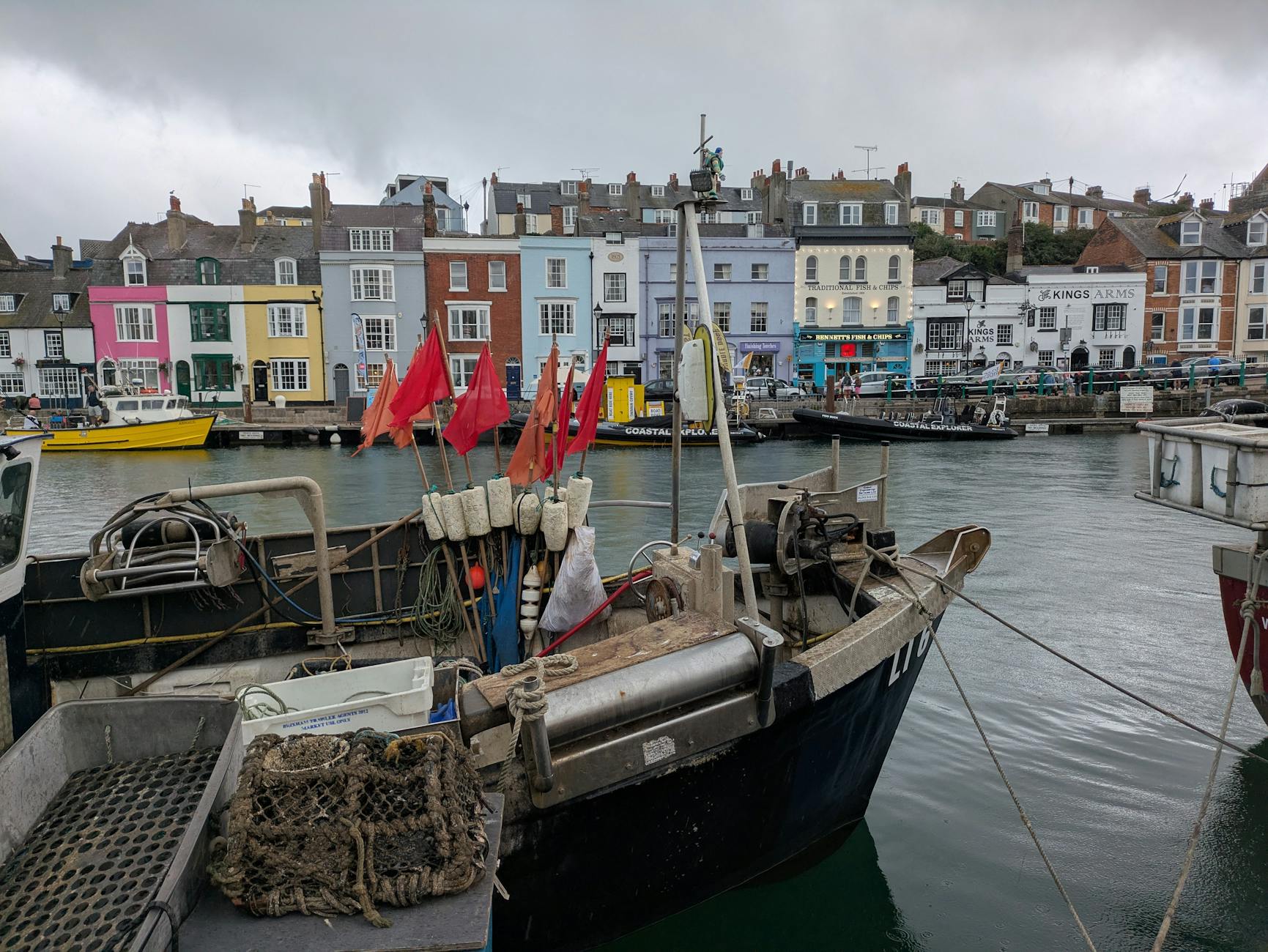
The strongest single family-crabbing destination in Cornwall. The West Looe millpool is shallow, safe for toddlers, and abundant with shore crabs. The East Looe harbour wall near the fish market is for slightly older kids — deeper water, bigger crabs, more atmosphere. Free public benches around the harbour wall, fish-and-chip options nearby, and the village is genuinely set up for this kind of family day.
Padstow Harbour
The drop from the harbour wall is deep, which makes Padstow a more advanced crabbing experience. For under-sevens, use the boat launch ramp in the middle of the harbour rather than the main wall — the water is shallower and more manageable. Supervise closely; the working harbour has fishing boats coming and going and the wall edges are uncovered. Our Padstow guide has the wider context.
Fowey
The Town Quay and the Whitehouse Pontoon (out from spring through autumn) are the main crabbing spots. Fowey’s working ferry harbour means children get to watch boats coming and going while crabbing. Pleasant village to spend a half-day in.
Mevagissey Harbour
Abundant shore crabs in the inner harbour, very family-classic atmosphere. Mevagissey’s double harbour gives you both deeper (outer) and shallower (inner) crabbing positions. Lost Gardens of Heligan a fifty-minute walk away if you want a full day in the area.
Mullion Cove
Quieter, rockier, Lizard Peninsula. Crabbing from the small harbour wall with the dramatic cliffs behind. Combines well with a coastal walk to the Marconi station above the cove.
Helford Passage
The pontoon at Helford River is one of the prettiest crabbing spots in the county. The Ferry Boat Inn is on the slipway next to the pontoon — beer for the adults, crabbing for the children, the ferry running back and forth across the estuary. The best combined drink-and-crab outing in Cornwall.
Newquay Harbour
Central, easy parking nearby, an active working harbour. Suits older primary children who can handle a slightly deeper drop and more activity around them.
Bude
Crabbing from the canal lock area near Summerleaze Beach is good for younger kids. The harbour wall section also works but is more exposed than a sheltered estuary spot.
Port Isaac
Smaller-scale tidal-pool crabbing in the harbour. Best on a falling tide.
Porthleven (not Helston)
Porthleven harbour — three miles south-west of Helston — is the most southerly port in mainland Britain and has a properly working harbour wall. The west side of the harbour is the sheltered spot. Pair with lunch at Kota or Amélies for a proper family day.
The Best Rock Pooling Beaches
Different skill from crabbing. Rock pooling needs falling tide, exposed rocks, and ideally a sandy stretch alongside the pools so under-fives can switch to digging. The shortlist:
Treyarnon Bay (Padstow area)
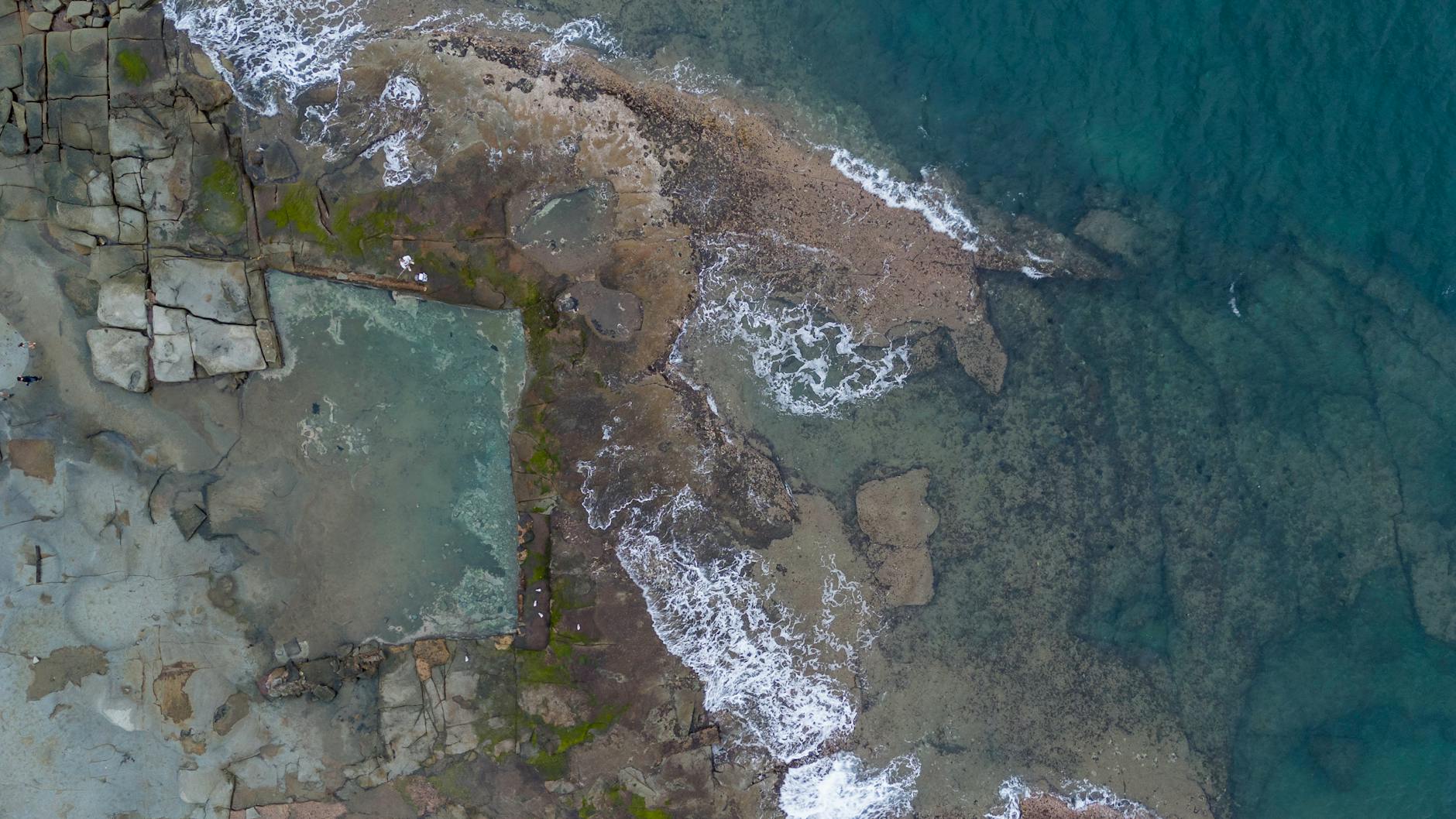
The huge natural tidal pool that fills at the bottom of the tide is the headline. Lifeguarded in summer, level access from the small car park. Surfable in the open sea, but the tidal pool itself is calm-water swimming for kids. The best single rock-pooling destination in Cornwall.
Polzeath (Greenaway end)
The northern end of Polzeath, around Greenaway Beach, is rock pool territory. Suits children seven plus because the walk from the main car park is moderate.
Kynance Cove (Lizard)
Dramatic, with rock pools at the bottom of the cliff walk. Older kids only because the access path is steep. National Trust car park above; allow two hours for the descent, the pools and the climb back. Plus the photo at the bottom is genuinely good.
Trevone Bay
The natural circular “round hole” pool is the headline. Good pools at the edges of the bay. Walk-in from Padstow (thirty minutes) if you don’t want to drive.
Hannafore (West Looe)
Concrete path to rock pools — the best buggy-friendly rockpooling beach in Cornwall. Wildlife identification signs along the path. Hermit crabs, anemones, blennies in abundance. Pair with Looe crabbing for a proper south-east Cornwall day.
Kingsand and Cawsand (Rame Peninsula)
Sheltered pools, twin-village setting. South-east Cornwall and quieter than Looe.
Mevagissey (Pentewan Sands end)
Beach pools at the northern end where the sand transitions to rocks.
Mawgan Porth
Sheltered, level access from the car park. Smaller pools but easy and family-friendly.
Kennack Sands (Lizard)
Sand and pools and a freshwater stream running across the beach — three different play environments in one. Older kids will spend hours.
Castle Beach (Falmouth)
Pools at the southern end below Pendennis Castle. Gylly Beach Café onsite. The Falmouth town-beach rockpooling option.
Prussia Cove (Mount’s Bay)
Small, dramatic, smugglers’ cove with rich rock pools at low tide. Walk-in only.
Wembury is in Devon, not Cornwall — skip it if you’re staying west of Plymouth.
Our full rock pooling beaches guide ranks them by pool quality, and the rockpool marine life guide helps you name what turns up in the bucket.
What Your Kids Will Actually Find
The species spotter list, in roughly the order children encounter them.
Shore crab (Carcinus maenas). The standard issue British rock pool crab. Green-brown, medium-sized, looks like every cartoon crab a child has drawn. Common in every harbour and rock pool in Cornwall.
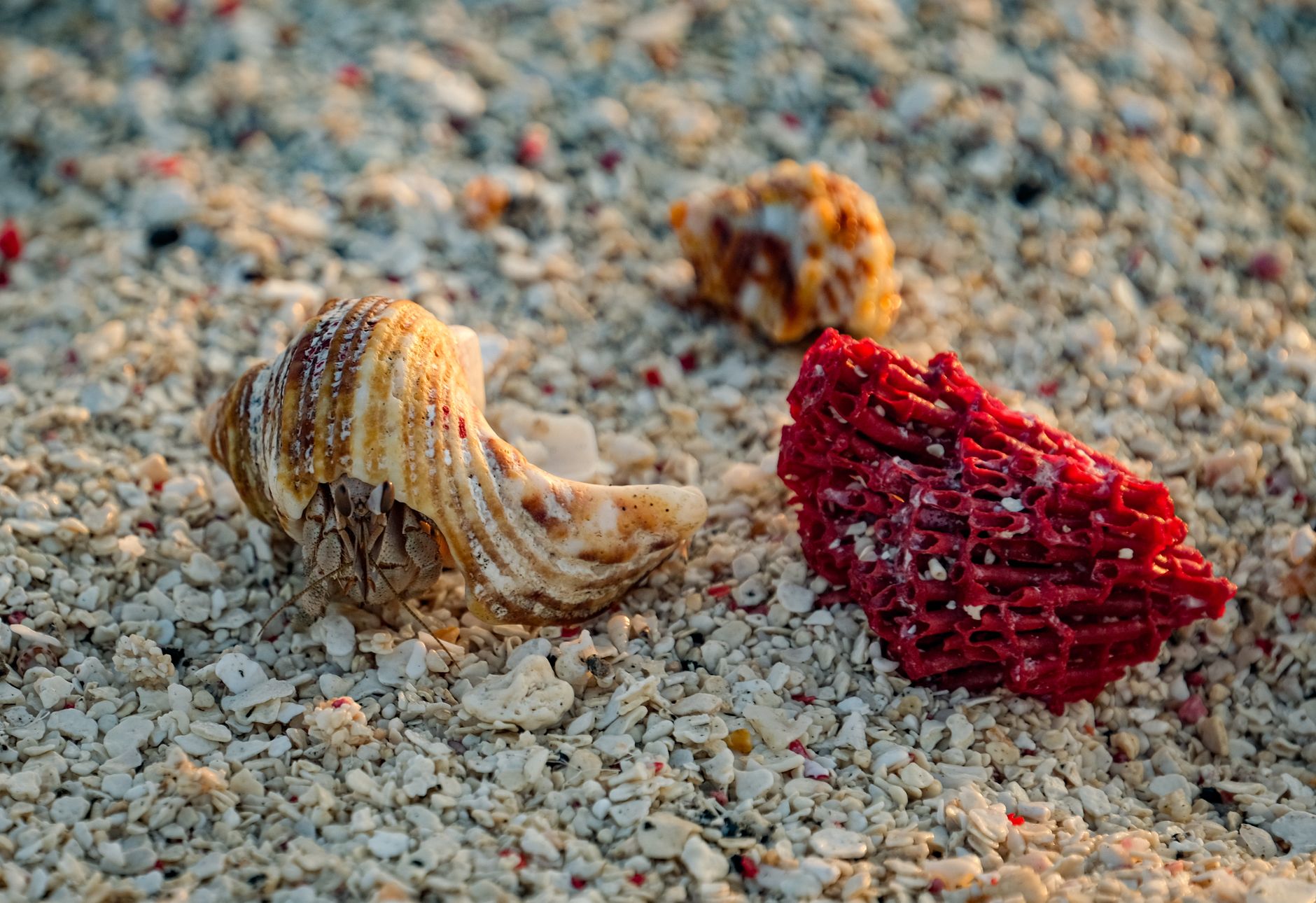
Hermit crab. Lives in periwinkle or whelk shells, retreats inside when threatened. Always one of the most exciting finds for children because they walk visibly in their borrowed home.
Velvet swimming crab. Bright red eyes and blue-banded legs. Aggressive — will pinch hard if mishandled. Show but don’t pick up barehanded.
Beadlet anemone. Small red blobs stuck to rocks at low tide. Open like flowers underwater, close into blobs when exposed. Common.
Snakelocks anemone. Green with purple-tipped tentacles. Mild sting; don’t let young children touch them.
Tompot blenny. Orange-red with a crown of tentacles on top. The fish your kids will most want to photograph.
Common blenny (shanny). Mottled brown, hides under rocks. The most common pool fish in Cornwall.
Cushion star. The size of a 50p piece, brown or pink. Common on the rocks.
Common starfish. Rarer in pools, more on the lower shore. The classic photograph if you find one.
Dogfish egg case (“mermaid’s purse”). Washed up on the strand line. Spiral tendrils means dogfish; rectangular case with horns means ray or skate. Photograph and record on the Shark Trust website.
Limpets, periwinkles, dog whelks, mussels, barnacles. The supporting cast. Limpets are surprisingly hard to dislodge from rocks; periwinkles wander; mussels and barnacles attach.
Sea slug, top shell, chiton. The patient observer’s finds. A serious rock pooler will spot all three in a good pool.
Equipment List for a Family Day
The kit that genuinely matters:
A sturdy bucket. No thin plastic that splits at the handle. Either a proper rockpooler’s bucket from a Cornish gift shop or a heavy-duty plastic bucket from a hardware store. £5-10.
A crab line with weight and a small net. Available at any Cornish harbour gift shop for £3-5. Choose lines with no hooks.
Bait. Half a packet of streaky bacon or fish offcuts.
A small soft net. For lifting crabs from line to bucket, or for rock-pool exploration.
Sturdy waterproof shoes or old trainers. Never flip-flops on rocks — limpets and barnacles cut bare feet.
Sun cream and a hat. Rock pooling sessions run long. Reflected light from water doubles UV exposure.
An ID card or app. The Cornwall Wildlife Trust publishes a free rock-pool ID guide. The iNaturalist app is brilliant for older kids — point your phone at the find, get an instant ID, and the data goes into a national citizen-science database.
Towel and spare clothes. Someone always falls in. Pack accordingly.
A camera if your phone won’t survive seawater. Cheap waterproof cameras turn rockpooling into something you’ll show at school for weeks.
Reading the Tide: The Skill That Makes Everything Work
Cornish tides are big. The tidal range on the Atlantic coast can be over six metres between high and low water — that’s the difference between water lapping at the harbour wall and a quarter-mile of exposed beach. The skill of rock pooling is reading the tide.
Low tide is the rock-pooling window. Aim to arrive two hours before low water and leave one hour after. That gives you three hours of falling and slack tide, which is when the pools are most exposed and most full.
Spring tides are best. Twice a month (around new moon and full moon), the tidal range is at its maximum — the lowest low tides. This is when the lowest part of the rock shore is exposed, where the rarer species live. Check a tide chart against the moon calendar.
Neap tides (between spring tides, around half moons) are smaller. Less shore exposed, less dramatic rock pooling, but easier safety margin for younger families.
The tide-checking tools to use: BBC Tide Times, tides4fishing.com, cornwall-tides.com, the Tide Times app. Magic Seaweed shows tide alongside surf conditions.
Crabbing from harbour walls works on any tide — but the rising tide and falling tide are when crabs feed most actively. Slack tide (the period around high or low water when the tide is essentially still) is the quietest fishing.
Our Cornwall beach safety guide covers tide tables and the cut-off risk on rocky shores.
Safety on Cornish Rocks and Harbours
Cornwall is one of the safer British coasts to take small children, but the cliffs and the tide are properly dangerous if you’re not paying attention.
Slippery rocks. Cornish rocks at low tide have algae, kelp and seaweed on them. They are properly slippery, particularly the granite and slate. Move slowly. Never run on wet rocks. Children find this hard; supervise closely.
Watch the incoming tide. Set a phone timer for low water plus ninety minutes. Know your exit route. The rate of rising water on a spring tide can be a metre every twenty minutes — quick enough to cut you off from the path back to dry land. The Treyarnon tidal pool is a classic spot for this: the pool empties at low water but the path back across the rocks disappears when the tide rises.
Lifeguarded beaches first. If you’re rock pooling, choose a beach with RNLI lifeguard cover in the summer season (most of the family beaches do). The list is on rnli.org/find-my-nearest/lifeguarded-beaches.
Never turn your back on the sea. Rogue waves are real, particularly on exposed beaches like Kynance and Trevone. A “set” of larger waves can come through at any time.
Harbour walls are deeper than they look. Padstow’s harbour wall has a drop of around three metres at high tide. Even older kids should sit on the wall, not stand at the edge.
Rinse after rock pooling. Anemones can sting sensitive skin; sand in any small cut needs cleaning before it dries. A quick rinse at a beach shower or in a bucket of clean water before the car journey home.
Best Months for Crabbing and Rock Pooling
The Cornish coastal-rockpooling year:
April brings the year’s best spring tides around Easter — often the lowest tides of the year and the most dramatic rock pooling. Cold but rewarding.
May-June is the warmth-and-clarity sweet spot. Lifeguards arrive. Schools still in. The least crowded productive months.
July-August is warm but crowded. Best for absolute beginners and families who need facilities (cafes, toilets, lifeguards). The major rock-pool sites can be busy on summer Saturdays.
September is the post-summer secret. Lifeguards still on (until 29 September 2026). Sea at its warmest. Crowds gone. Spring tides bring the year’s last great rock pooling before the autumn storms.
October-March is hardcore territory. Storms close access to many sites. Cold water. But empty beaches and dramatic finds for the determined.
Local Conservation Groups and Guided Sessions
Cornwall has a strong network of marine conservation groups running guided sessions. Joining one for an hour gives children genuine learning beyond what most parents can offer.
Cornwall Wildlife Trust runs guided rockpool rambles led by Matt Slater (the Marine Conservation Officer) and other team members. Free for members; small fee for non-members. Dates vary; check cornwallwildlifetrust.org.uk.
The Rock Pool Project is the Falmouth-based national charity running citizen-science sessions and the annual Big Rock Pool Challenge. Properly engaging for kids who want to feel like junior marine biologists.
Heather Buttivant’s Cornish Rock Pools project publishes books, runs occasional sessions and operates the cornishrockpools.com blog. Heather is the published expert on Cornish rock pool ecology and her resources are excellent for older kids.
Looe Marine Conservation Group publishes the local code of conduct and runs occasional family events.
Padstow Sea Life Safaris runs guided rockpool tours and seal-watching boat trips from Padstow harbour.
Cornwall’s nature reserves and Wildlife Trust sites lists who runs guided sessions and where.
Frequently Asked Questions
What do you need for crabbing in Cornwall? A sturdy bucket, a crab line with no hook, bait (bacon is easiest), a small net, sturdy shoes and a willingness to sit still for half an hour.
What is the best bait for crabbing? Bacon for families, fish offcuts if you have them, chicken if you handle hygiene carefully.
Can you use chicken for crabbing or is it bad for crabs? Chicken works as bait. The “bad for crabs” claim is folklore-level rather than scientifically documented. The genuine concern is hygiene risk to the family handling raw chicken in summer heat.
Where is the best place to go crabbing in Cornwall with kids? Looe (West Looe millpool for under-fives; East Looe harbour for older kids), Padstow, Fowey, Mevagissey, Helford Passage.
Do you need a licence to go crabbing in the UK? No licence needed for crabbing for fun. Different rules apply to commercial fishing and to keeping or selling shellfish.
How long can you keep crabs in a bucket? Thirty minutes maximum, in shaded seawater, only a few per bucket. Release gently afterwards.
What time of day is best for crabbing? Rising or falling tide — when crabs feed most actively. Avoid the very high or very low tide times.
What’s the best beach for rock pooling in Cornwall? Treyarnon Bay for the tidal pool; Hannafore Looe for accessibility; Kynance Cove for drama.
When is the best time to go rock pooling? Two hours before low water through to an hour after. Spring tides (around new and full moon) give the lowest low tides and the best exposure.
What creatures can you find in Cornish rock pools? Shore crabs, hermit crabs, blennies, beadlet anemones, snakelocks anemones, cushion stars, periwinkles, limpets, dogfish egg cases on the strand line.
Is rock pooling safe for toddlers? Yes with supervision. Choose easy-access beaches with sandy stretches alongside the pools (Hannafore, Treyarnon, Pentewan).
What are spring tides and why do they matter for rock pooling? Spring tides happen twice a month around new and full moon and produce the lowest low tides — the biggest area of exposed rock pools.
For a classic harbour-wall crabbing session with chips to follow, Mevagissey is hard to beat, with lines and buckets sold on the quay and a free aquarium full of local crabs a few steps away. Our Mevagissey guide has the parking and the rest of the village.
Crabbing and rock pooling are the proper Cornish family afternoons. Plan around a falling tide. Pack bacon, a bucket and patience. Follow the Wildlife Trust rules — kind crabbing matters. And bring a small notebook so your kids can record what they find. The list of species at the end of a Cornish week is the holiday memory that survives longest.