Cornwall’s beaches are among the most loved in Britain, and, when treated too casually, among the most demanding. Atlantic surf, fast-rising tides, cold water, hidden rocks and rip currents are real hazards, and they catch out experienced sea swimmers most years, never mind first-time visitors. The reassuring part is that the RNLI lifeguards, HM Coastguard and Cornwall Council between them do excellent work keeping people safe, and the great majority of serious incidents are avoidable with the simple habits set out below.
This guide is written for visitors planning a Cornwall trip rather than for rescue professionals. It explains the lifeguard system, the flags, what a rip current is and how to get out of one, how to read tide times, the risks of cold water, and what to do in the handful of emergencies that can happen on the coast. None of it is meant to alarm, and none of it should put you off; the sea here is a genuine pleasure. It is simply a working sea, and a little knowledge turns it into one of the safest holiday coastlines anywhere.
RNLI lifeguards in Cornwall
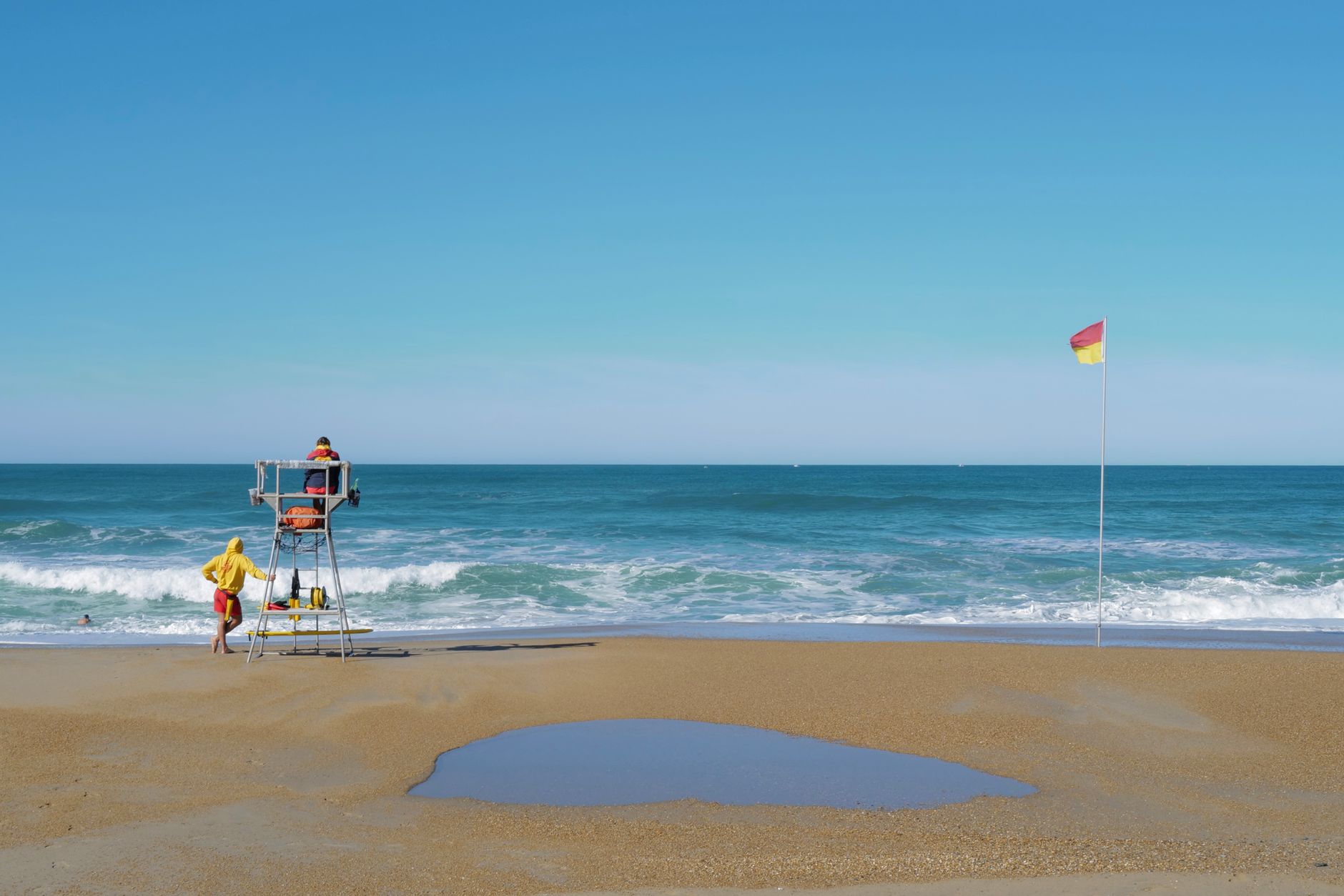
A large number of Cornish beaches, around sixty at the height of summer, are patrolled by RNLI lifeguards during the main season, which typically runs from late May to late September, with a smaller number covered over the Easter holidays and into the autumn. Patrols generally run through the middle of the day. Because the exact beaches and dates change from year to year, the single most useful thing you can do before a beach trip is check the current list on the RNLI website at rnli.org/find-my-nearest. If you plan to swim, and especially if you are swimming with children, choosing a lifeguarded beach is the most important safety decision you will make all holiday.
The beach flag system
Lifeguarded beaches use coloured flags to mark out where it is safe to be, and learning them takes about a minute. The red and yellow flags mark the supervised zone for swimming and bodyboarding; this is the area the lifeguards have chosen and are watching, and it is where you should always swim. Black and white chequered flags mark a zone set aside for surfboards and other craft, so keep out of it if you are not on a board. A red flag on its own means the water is too dangerous to enter at all, so do not swim or surf. And an orange windsock signals a strong offshore wind, which means inflatables such as lilos and paddleboards are at serious risk of being blown out to sea.
If you remember only one rule from this entire guide, make it this one: swim between the red and yellow flags. Almost everything else follows from it.
Rip currents: what they are and how to escape them
Rip currents are the single biggest cause of beach rescues in Cornwall. A rip is a strong, narrow channel of water flowing away from the shore, formed when waves pile water onto the beach and it finds a concentrated path back out to sea. Rips can pull even a strong swimmer away from the beach quickly, and the danger is as much panic and exhaustion as the current itself.
How to spot a rip current
Rips are easier to see from higher ground, so it is worth a look from the cliff or the top of the beach before you go in. Tell-tale signs include a channel of churning, choppy water running out to sea, a line of foam, seaweed or debris moving steadily away from the shore, a difference in water colour where the deeper rip channel looks darker, and a gap in the breaking waves where the surface appears deceptively calm. That flat, inviting-looking gap is often exactly where you should not swim.
What to do if you are caught in a rip
The most important thing is not to panic and not to try to swim straight back against the current, because fighting a rip head-on is exhausting and cannot be won. A rip pulls you out, not under. If you can stand, wade rather than swim. If you cannot, the RNLI advice is to remember ‘Float to Live’: lean back in the water, spread your arms and legs, and let yourself float until the initial panic passes and your breathing settles. Once you are calm, swim parallel to the beach, since most rips are only a few metres to a few tens of metres wide, and you will usually clear the current quickly by moving sideways. Then head back to shore at an angle, using the breaking waves to help you in. If at any point you cannot make progress, raise one arm, call for help, and keep floating; on a lifeguarded beach help will reach you fast.
Beaches with persistent rip currents
Almost every surf beach in Cornwall has rips, and their position can shift with the sand and the tide. Among the beaches best known for strong currents are Perranporth, Crantock with its river-mouth flows, Mawgan Porth, Watergate Bay, Sennen, Holywell Bay, Tregantle on Whitsand Bay, and Polzeath. At any of these, and indeed anywhere, the answer is the same: swim between the lifeguard flags, and if there are no flags flying, think very carefully before going in at all.
Tide times and tidal hazards
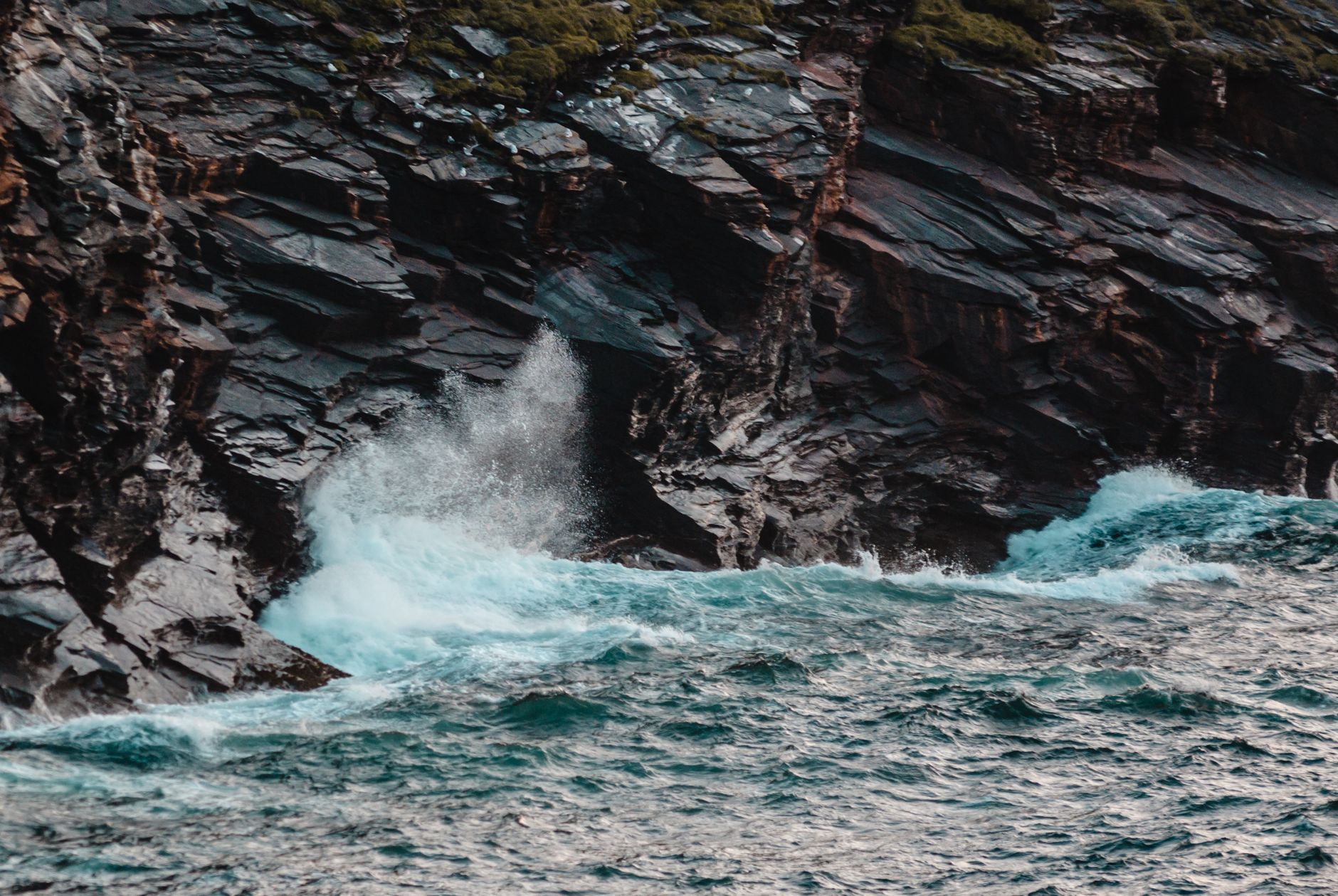
Cornwall’s tides are large, with a range of roughly four to seven metres between high and low water, and the sea comes in faster than visitors expect, particularly on rising spring tides around the full and new moon. Several beaches genuinely cut off at high tide, stranding people who did not check.
Tide-sensitive beaches
Some spots need real care with the tide. Bossiney Cove and Benoath Cove near Tintagel disappear at high water and can cut off rock-pool explorers. Pedn Vounder near Porthcurno narrows sharply and its access scramble becomes impassable. The causeway between Marazion and St Michael’s Mount is only walkable for a few hours either side of low tide. The Helford River and the Camel Estuary have sandbanks that shift with every tide. And many small coves sit at the foot of cliffs with no high-tide exit, so you must climb back up before the water returns. On any of these, know the time of high water before you commit.
How to check tide times
Checking the tide costs nothing and takes seconds. The BBC coast and sea pages and any of the free tide-time apps give accurate predictions for every Cornish beach, and printed tide tables are posted at most beach car parks and lifeguard stations. Make it a habit to glance at the day’s high and low water before you set out, especially if you are heading anywhere that cuts off, and if you are ever unsure on the beach, ask a lifeguard.
Cold water and cold water shock
Cornwall’s sea is cold even in summer, typically somewhere between twelve and eighteen degrees from June to September, and colder the rest of the year. Sudden immersion in cold water can trigger cold water shock: an involuntary gasp, rapid breathing and a spike in heart rate, all in the first thirty to sixty seconds, which is a dangerous combination if it causes panic or inhalation of water. It is a recognised factor in coastal drownings, and it is easy to underestimate on a warm, sunny day.
How to reduce the risk
A wetsuit, even a thin summer ‘shorty’, makes a real difference and is worth having. Enter the water slowly rather than diving or jumping straight in, and splash your face and chest first so the body has a moment to adjust. If the gasp reflex catches you, do not try to swim hard; float on your back until it passes, following the same ‘Float to Live’ advice that applies to rips. Stay close to the shore until your breathing has settled, and if you are an inexperienced swimmer, never go into cold water alone. These same principles underpin our companion guide to the best beaches for swimming in Cornwall, which covers where the water is calmest and warmest.
Inflatables and beach toys
Lilos, inflatable rings and cheap paddleboards cause a disproportionate share of Cornish rescues, and the pattern is depressingly consistent: a calm-looking morning, a light offshore breeze, and a child on an inflatable carried out to sea before anyone on the beach realises. The wind does not need to feel strong to do it. The sensible rules are simple: watch for the orange windsock and keep inflatables out of the water entirely if it is flying; use them only on a lifeguarded beach; keep an adult in the water alongside at all times; and hold on to them in the shallows rather than letting them drift. A cheap inflatable is not worth a rescue, so when in doubt, leave it on the sand.
Cliffs and coast path safety
Not every coastal hazard is in the water. Cornish cliffs are unstable in places, and rock falls happen, so stay back from the edge, particularly after heavy rain, and do not sit at the base of a cliff where material could come down. Resist the temptation to climb down cliffs to reach ‘secret’ beaches; many of these routes are genuinely dangerous and the rock is loose. On the coast path, mind the wind in stormy weather, when exposed cliff-edge sections become seriously unsafe, and stay well clear of wave-cut platforms and low rocks when big swells are running, because freak waves sweep people off them every winter. If you are walking the cliffs, our guide to the South West Coast Path in Cornwall has more on planning routes safely.

Other hazards worth knowing about
Weever fish
Weever fish are small sandy-coloured fish that bury themselves in the sand at low tide with venomous spines exposed. Standing on one gives a sharp, painful sting rather than anything dangerous for most people, and the usual advice is to soak the affected foot in water as hot as can be tolerated, which breaks down the venom. Wearing neoprene beach shoes when wading over sand is the simplest way to avoid them.
Jellyfish
Compass and barrel jellyfish are common in Cornish waters in summer and give mostly mild stings; the lion’s mane and the occasional Portuguese man-of-war are more serious but far less common. If you are stung, rinse the area with sea water rather than fresh water, remove any tentacles carefully with the edge of a card rather than bare fingers, and do not follow the old myth about urine, which does not help. Seek medical advice for a severe reaction.
Sun and UV
Cornwall’s summer UV levels are higher than many visitors expect, and sand and water reflect the sun and increase exposure. Use a high-factor sun cream, reapply it regularly and after every swim, and remember that a breezy day on the coast can mask how much sun you are getting.
Sandbanks and channels
Estuary beaches such as Crantock, the Hayle Estuary and the Helford have shifting sandbanks that conceal deeper channels and pull water strongly on the ebb. Keep to the flagged zones where they exist, and be wary of wading out across sand that seems to go on forever.
What to do in an emergency
If something goes wrong, staying calm and acting quickly matters more than anything. The following covers the situations most likely to arise on the coast.
If someone is in trouble in the water
If a lifeguard is on duty, tell them immediately; they are trained and equipped and will respond far more effectively than a bystander. If there is no lifeguard, call 999 and ask for the Coastguard. If a buoyancy aid, rescue ring or board is available, throw it to the person in difficulty. Do not enter the water yourself unless you are trained and completely confident you can get back, because would-be rescuers drown every year. Try to keep the casualty in sight the whole time and direct the emergency services to them when they arrive.
For cliff falls or walking emergencies
Call 999 and ask for the Coastguard. If you can, stay where you are rather than attempting a difficult scramble, and wait for help; the Coastguard’s rescue teams and helicopter respond quickly right along the coast path.
For suspected hypothermia
Get the person out of the water and out of the wind, remove wet clothing if you can and wrap them in dry layers, and give warm drinks if they are fully conscious. Call 999 if they cannot warm up within ten to fifteen minutes, or if they become confused or drowsy.
Beach safety for children
Children need a little extra planning, and a few habits make a big difference. Swim together as a family and stay between the lifeguard flags. Before you settle in, agree with children what to do if they get separated, which is to stay where they are and ask a lifeguard rather than wandering off to look for you, and consider a wristband with a parent’s phone number for younger ones. Show them what a rip current looks like so they understand why the flags matter, and keep a constant eye on little ones around rock pools, where slips on wet rock are the most common injury by far. Our guide to the best rock pooling beaches in Cornwall for families has more on doing that safely.
A quick checklist before you go
A minute of preparation prevents most problems. Before a beach day, it is worth running through a short mental list.
- Choose a lifeguarded beach if you plan to swim, especially with children.
- Check the tide times, and note whether your beach cuts off.
- Check the weather and the wind direction, particularly for offshore winds if you have inflatables.
- When you arrive, find the lifeguard station and note where the red and yellow flags are.
- Know the name of your beach, in case you ever need to give it to the Coastguard.
- Keep a phone charged and to hand.
- Pack sun cream, water, warm layers and a small first aid kit.
One more habit is worth building, especially if you are heading somewhere quiet or off the main beaches: tell someone where you are going and roughly when you expect to be back. A partner at the B&B, a friend, or a note left in the car all serve the purpose. On a busy lifeguarded beach it matters less, but on a remote cove, an evening swim or a cliff walk, it means that if something does go wrong, someone will raise the alarm rather than assuming you are simply running late. It costs nothing and it is exactly the kind of small margin that turns a scare into a non-event.
Choosing a safer beach in the first place
A good deal of beach safety is simply deciding where to go. If you want to swim, and particularly if you are swimming with young children, pick a lifeguarded beach with a gentle gradient and shelter from the prevailing wind rather than an exposed, powerful surf beach. The calm, sheltered bays of the south coast and the Lizard are generally the easiest and warmest for a family swim, while the big Atlantic surf beaches of the north are magnificent but demand more respect and are best enjoyed within the flags or from a board. Our guides to the best beaches on the south Cornwall coast and the wider best beaches in Cornwall can help you match the beach to the kind of day you want, so that safety starts with the right choice before you even leave.
Useful resources
A few official sources are worth bookmarking before a Cornwall trip. The RNLI lists current lifeguard cover, beach by beach, at rnli.org/find-my-nearest. HM Coastguard is reached by dialling 999 and asking for the Coastguard in any coastal emergency. Cornwall Council publishes beach safety information at cornwall.gov.uk, and the BBC coast and sea pages carry daily tide tables. Between them they answer almost every practical safety question a visitor is likely to have.
Frequently asked questions
Are Cornwall’s beaches safe?
Yes, when treated with respect. A lifeguarded beach, with everyone swimming between the red and yellow flags, is very safe. The hazards, rip currents, tides, cold water and cliff edges, are real but predictable, and they rarely catch out visitors who take a few sensible precautions.
Which Cornwall beaches have lifeguards?
Around sixty beaches are patrolled by the RNLI in the main season, among them Fistral, Watergate Bay, Perranporth, Polzeath, Sennen, Crantock, Holywell, Mawgan Porth, Carbis Bay, Porthminster, Porthmeor, Gwithian, Praa Sands, Gyllyngvase, Widemouth and Summerleaze. Because the list and the dates change each year, always check the current position at rnli.org before you travel.
What is the most common hazard on Cornish beaches?
Rip currents on the surf beaches. They cause more rescues than anything else, which is why swimming between the red and yellow flags is the most important single rule.
What should I do if I am caught in a rip current?
Do not panic and do not swim against it. Float on your back to catch your breath, then swim parallel to the shore until you are out of the current, and head back in at an angle. If you cannot make progress, raise an arm, call for help and keep floating.
Can you swim in Cornwall in winter?
Yes, and many people do, but with a wetsuit and never alone. Cold water shock is the main danger for anyone new to it, so build up gradually, enter slowly and stay close to the shore until you are used to the temperature.
Should I worry about jellyfish in Cornwall?
Most Cornish jellyfish give only mild stings. Compass and barrel jellyfish are common in summer; the lion’s mane is rarer and more painful. Rinse any sting with sea water rather than fresh, and seek medical help for a severe reaction.
Cornwall’s coast rewards visitors who treat it as the working sea it is. The lifeguards, the flags and the handful of simple rules above turn a potentially dangerous environment into one of the safest holiday coastlines in Europe, but only if you choose to swim between the flags, check the tide and watch the weather. Get those right, and the sea becomes the best part of a Cornish holiday rather than something to fear.