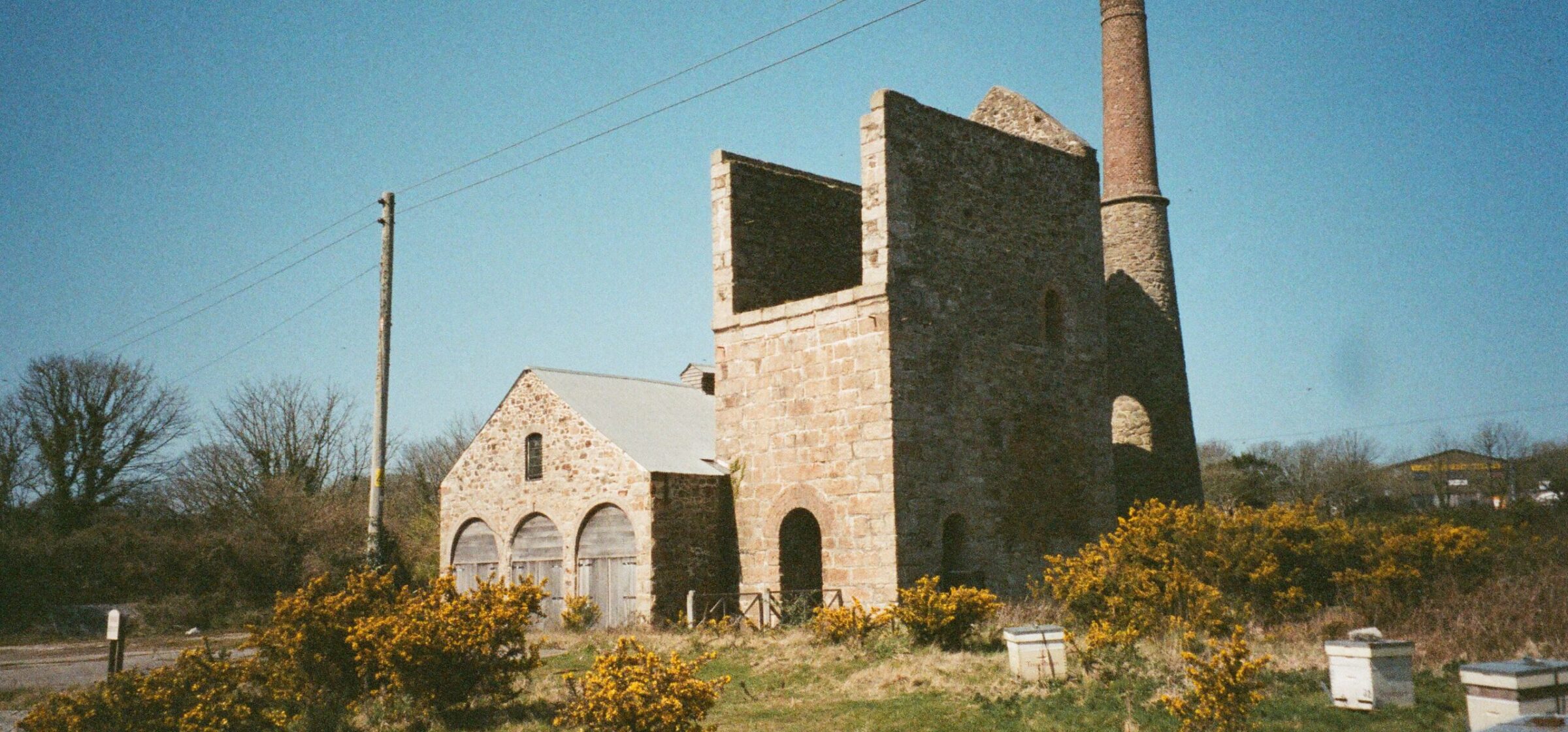
The Camel Trail gets the tourist-board attention, but Cornwall has a second network of former railway lines converted to cycling and walking trails, and it takes you somewhere the Camel Trail never does: straight through the heart of the county’s mining landscape. The Coast to Coast Trail, running eleven miles from the Atlantic at Portreath to the sheltered creek at Devoran, is the flagship route of the wider Mineral Tramways network — over sixty kilometres of old tramroads and mineral railways stitched together into one of the most historically interesting rides in the South West.
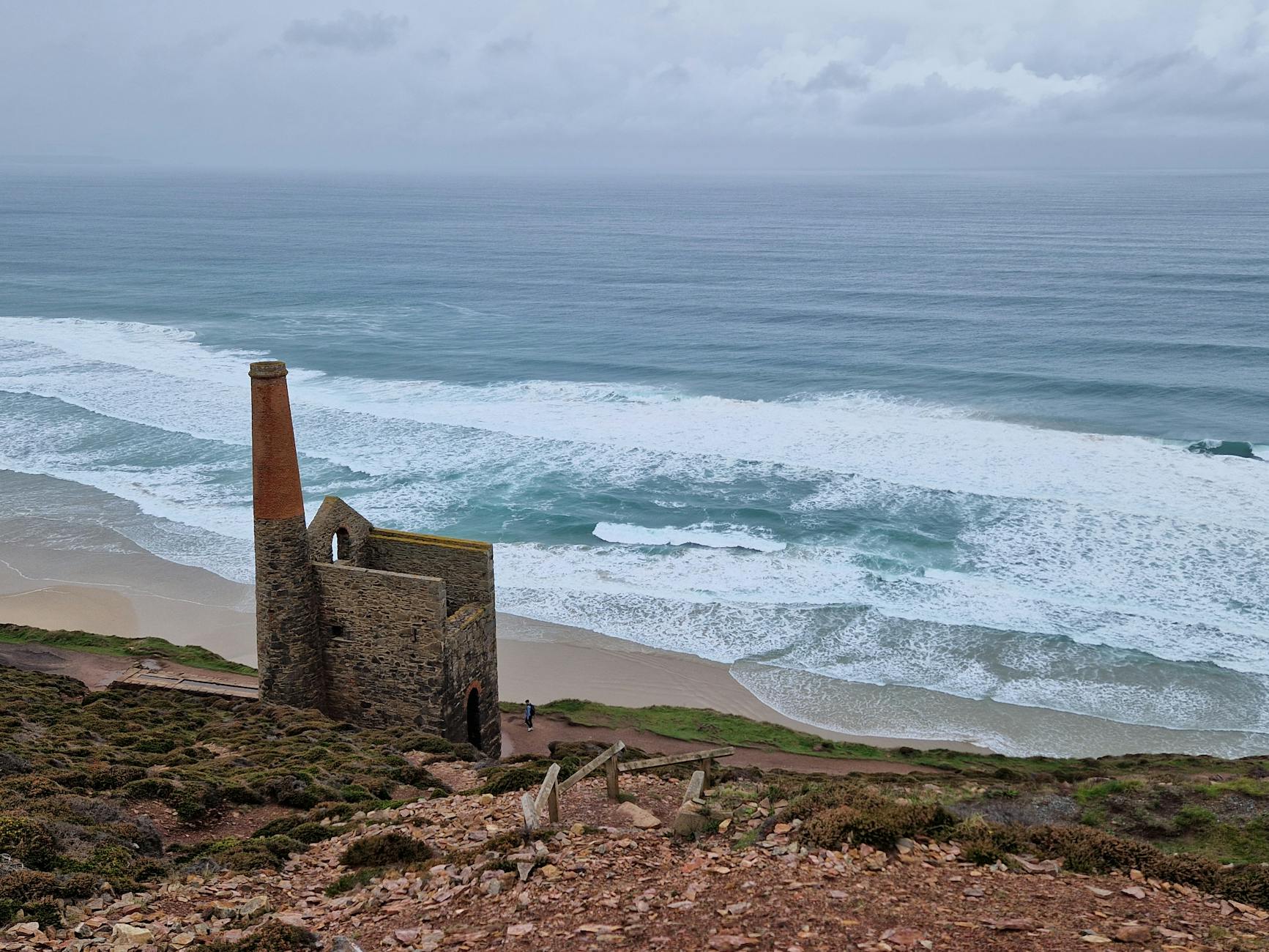
Where the Camel Trail runs through a quiet, pretty valley, the Coast to Coast Trail Cornwall visitors ride today runs through what was, for the best part of two centuries, one of the most intensively mined landscapes on earth. Engine houses stand in fields beside the trail like ruined chapels; the ground beneath your wheels was moved, tunnelled and worked by men and machines chasing copper and tin. It’s a genuinely different kind of cycling from anything else in Cornwall, closer in spirit to riding through an open-air museum than a scenic country lane.
Part of what makes the route so rewarding is that almost none of it feels curated. Nobody has smoothed off the rough edges of the industrial landscape to make it more presentable for cyclists — the engine houses are simply left where they’ve stood for a century or more, roofless and slowly being reclaimed by gorse and bramble, and the trail happens to run straight past them because that’s where the old tramway went. It gives the whole ride an unpolished honesty that a purpose-built heritage trail rarely manages.
The route: Portreath to Devoran
The full Coast to Coast Trail runs eleven miles (about 18 km) between two former mining harbours: Portreath, on the exposed north Atlantic coast, and Devoran, tucked beside the calm waters of Restronguet Creek on the south coast. Both were built to move ore and imported coal in the age before rail freight took over, which is precisely why a tramway connecting them existed in the first place — this was Cornwall’s industrial spine long before it was a tourist route.
The trail is mostly off-road, running through ancient woodland and open heathland rather than the estuary views of the Camel Trail, with a gentle overall ascent that makes it manageable for most riders without being anywhere near as flat as a rail-trail conversion built for steam locomotives. The surface is good for most of its length but genuinely bumpy and rocky in places — worth knowing before you set off on a hybrid or road bike rather than something with a bit more give in the tyres.
The trail is also part of the National Cycle Network, which brings a reasonable standard of waymarking along its length even where the tramway itself has all but vanished into the landscape. Anyone used to following the Camel Trail’s obvious, wide, gravelled path should expect a slightly more rustic experience here — narrower in places, with tree roots and loose stone rather than a consistently smooth surface, and a genuine sense of following a route rather than a manicured leisure facility.
Parking and starting points
Free parking is available at both ends of the trail — Portreath and Devoran — if you avoid the main pay-and-display car parks in each village and use the alternatives nearby. Starting from either end works equally well; Portreath gives you a coastal start and an inland finish, while Devoran does the reverse. Neither direction is meaningfully easier than the other given the trail’s overall gentle grade.
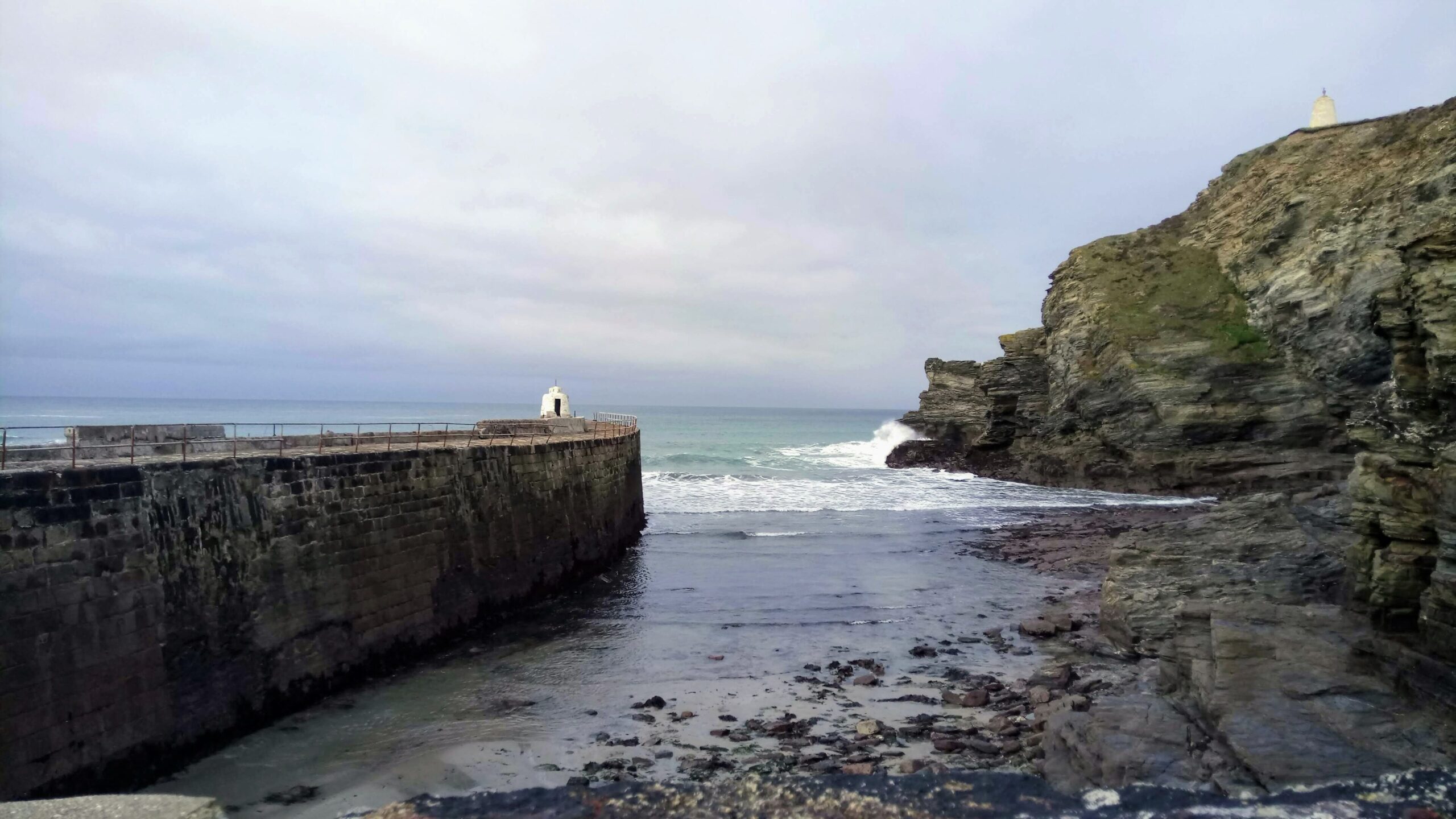
Both villages are worth a little time in their own right. Portreath was built specifically as a mining port, its small harbour once busy with vessels bringing coal in and taking copper ore out, and it retains a working-harbour character that’s noticeably different from the more polished resort towns further along the north coast.
Devoran, at the other end, sits on Restronguet Creek with views across to the wooded slopes on the far bank — a genuinely peaceful spot to finish a ride, or start one if the plan is to end the day looking out at the Atlantic from Portreath instead.
Wheal Busy and the mining landscape
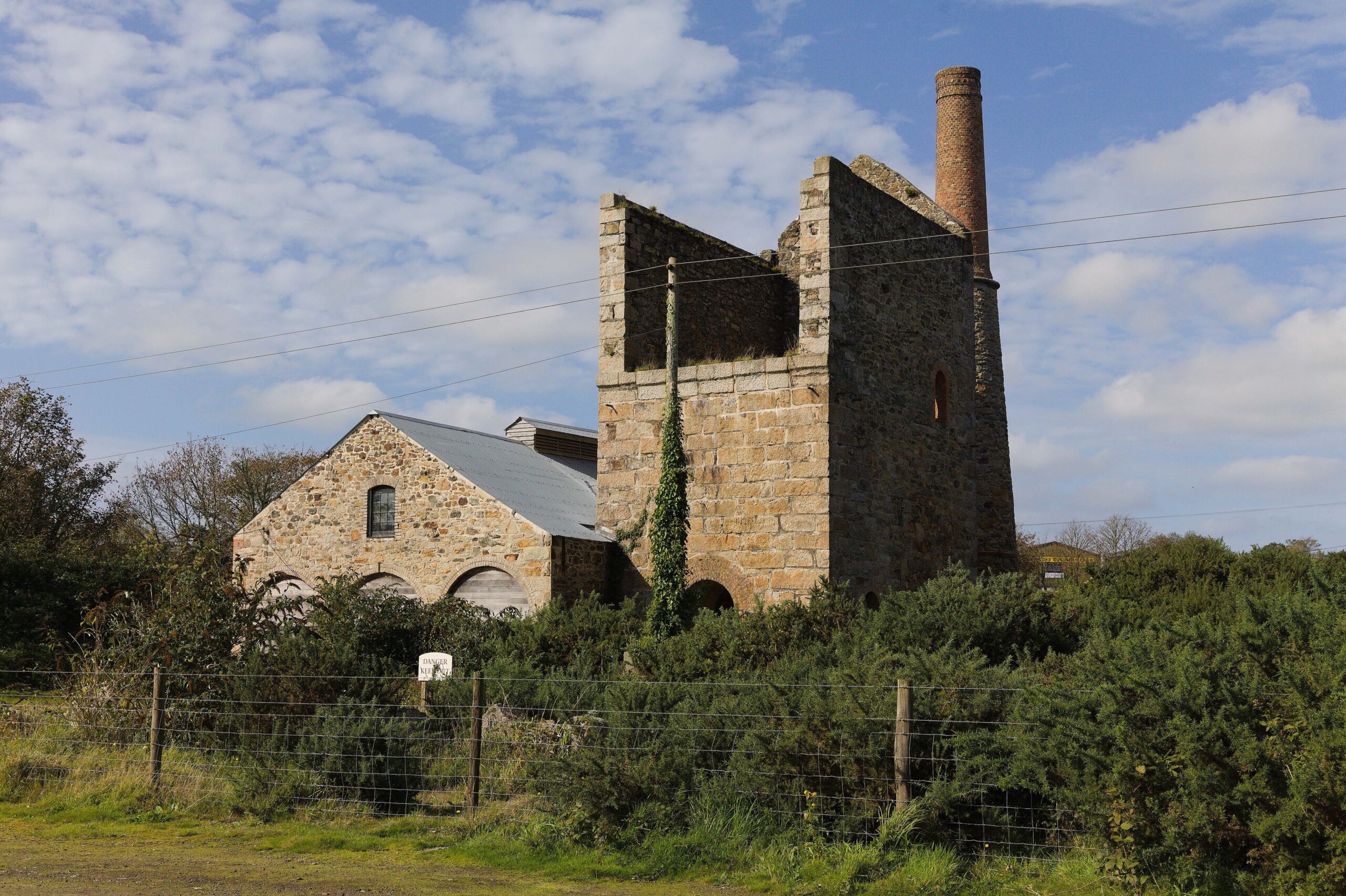
The trail’s defining feature is what it passes through rather than any single view. Wheal Busy, a historic mine site linked to the main route by its own loop, is one of the most visible reminders that this was working industrial land — engine houses, chimney stacks and spoil heaps sit in the landscape as casually as field boundaries anywhere else in the county. Further along, the trail’s southern section runs through the Gwennap mines area, once described by 19th-century commentators as the richest square mile on earth for copper output, a claim that sounds implausible until you see how densely the mine remains are packed into this stretch of countryside.
Cycling or walking the whole route is genuinely one of the best ways to understand Cornwall’s mining heritage without setting foot in a museum, and it pairs naturally with a visit to one of the sites within the wider Cornwall Mining Heritage UNESCO World Heritage Site, which covers this landscape and several others across the county in detail.
For anyone who wants more than the standard eleven miles, the Wheal Busy Loop extends the ride into a 29-mile round trip, taking in more of the mining landscape north of the main route — a serious day’s cycling rather than a gentle afternoon, and one best attempted by riders already comfortable with the standard trail’s rockier sections.
The wider Mineral Tramways network
The Coast to Coast Trail is the best-known route in a network that runs to more than sixty kilometres (37 miles) in total, all built on former tramroads and mineral railways that once served the mines of mid-Cornwall. The Great Flat Lode Trail, a 7.5-mile circular route near Redruth and Camborne, follows part of the old Basset Mine Tramroad through some of the most concentrated mining remains anywhere in the county, past South Wheal Frances, South Crofty and Carn Brea. The Redruth and Chacewater Railway Trail (7.7 miles), the Portreath Branchline Trail (5.5 miles), the Tehidy Trail (2.5 miles) through Tehidy Country Park’s woodland, and the shorter Tresavean and Tolgus trails all connect into the same network, meaning a longer stay in the Redruth-Camborne-Portreath area can string together several days of genuinely different riding without repeating a route.
Tolgus Mount, on the Tolgus Trail in the Portreath valley, was one of the most significant tin-mining areas in Cornwall and is worth the short detour if the Great Flat Lode or Coast to Coast routes have left you wanting more mining history rather than less.
The Great Flat Lode Trail deserves a special mention of its own for anyone with a full day to spend on this network rather than just the Coast to Coast route. It’s a circular route rather than a point-to-point one, which makes it easier to fit into a single day without arranging transport back to your start, and it runs through arguably the single richest concentration of mining archaeology in Cornwall — the Basset Mines complex once employed thousands of people across dozens of individual shafts, and the surviving engine houses, dressing floors and spoil heaps along this trail give a better sense of the sheer scale of that operation than almost anywhere else in the county. Carn Brea, the granite hilltop that overlooks the whole area, is visible from most of the route and makes a good orientation point if you’re new to the landscape.
Who this trail suits
The Coast to Coast Trail suits confident family cyclists and anyone with a mountain or hybrid bike more than it suits absolute beginners or road bikes — the rockier sections and gentle but sustained climbs make it a step up from the flat, smooth Camel Trail, though nowhere near as demanding as Cornwall’s genuinely hilly road routes. It’s an excellent choice for anyone who wants a proper day’s ride with real scenery and history rather than a leisurely coastal cruise, and for walkers and dog owners it works just as well as a long-distance walking route away from the crowds of the coast path.
It’s also a genuinely good option for anyone visiting Cornwall specifically for its industrial heritage rather than its beaches — a category of visitor the county doesn’t always cater to as obviously as it could, given how much of Cornwall’s actual history and identity was shaped underground rather than on the coast. History-minded travellers who’d otherwise spend a day purely in museums and visitor centres get a chance here to experience the scale of the landscape at the pace it was actually worked, on foot or by bike, rather than through a glass case.
If flat and effortless is what you’re after, the Camel Trail remains the better choice; if history and a bit more of a physical challenge appeal, the Coast to Coast Trail and the wider Mineral Tramways network are hard to beat anywhere else in Cornwall. For a broader look at what else the county offers on two wheels, our guide to cycling in Cornwall rounds up every trail worth knowing about, from gentle family routes to genuinely hilly road-cycling loops.
Walkers shouldn’t overlook it either. The whole route, and its connecting trails, works just as well on foot as on a bike, and it’s a natural extension of an interest in Cornwall’s walking trails more generally — a full day’s walk rather than a quick coastal stroll, with the mining history providing a constant point of interest along the way.
Bike hire for the Mineral Tramways
Bike hire directly on the Coast to Coast Trail is less established than the well-organised setup around the Camel Trail, so it’s worth checking availability at Portreath, Redruth or Camborne in advance rather than assuming a hire shop will be waiting at the trailhead. Our wider guide to bike hire in Cornwall covers operators across the county, including those closer to this part of mid-Cornwall, and a mountain or hybrid bike is worth specifically requesting given the trail’s surface.
When to ride
The Coast to Coast Trail’s mix of woodland and open heath means it holds up reasonably well in wetter weather compared with fully exposed coastal routes, though the rockier sections get genuinely slippery after heavy rain and are worth avoiding on a road bike in anything but dry conditions. Spring and early summer bring gorse and heather into flower across the heathland stretches, adding a burst of colour to what’s otherwise a fairly muted, industrial-toned landscape of granite and spoil.
The heathland and old mineral workings along the trail have also become valuable habitat almost by accident — the disturbed, mineral-rich ground that made this landscape hostile to conventional farming turns out to suit specialist plants and insects that struggle elsewhere in Cornwall, and it’s a rewarding stretch for anyone already interested in the county’s wildlife and nature beyond the more obvious coastal hotspots. Reptiles and ground-nesting birds both benefit from the mix of open heath and scrubby regrowth that’s colonised the old spoil heaps over the past century.
Frequently Asked Questions
How long is the Coast to Coast Trail in Cornwall?
Eleven miles (about 18 km) between Portreath and Devoran one way. The extended version via the Wheal Busy Loop runs to a 29-mile round trip, and most riders treat the standard route as a half-day out rather than rushing it.
Is the Coast to Coast Trail suitable for road bikes?
Not ideally — the surface is good in places but bumpy and rocky in others. A hybrid or mountain bike copes much better than a road bike with narrow tyres.
Where does the Coast to Coast Trail start?
Either Portreath, on the north Atlantic coast, or Devoran, on the sheltered Restronguet Creek to the south. Both have free parking nearby if you avoid the main pay car parks.
Is the Coast to Coast Trail part of the Camel Trail?
No — they’re two separate rail-trail conversions in different parts of Cornwall. The Camel Trail runs Padstow to Wenfordbridge in the north; the Coast to Coast Trail and the wider Mineral Tramways network sit further south around Redruth, Camborne and Portreath.
What mining sites can you see along the Mineral Tramways trails?
Wheal Busy and the Gwennap mines on the Coast to Coast Trail; South Wheal Frances, South Crofty and Carn Brea on the Great Flat Lode Trail; and Tolgus Mount on the Tolgus Trail, among many others across the wider network.
Can you cycle the whole Mineral Tramways network in one day?
Not comfortably — the full network runs to over 60 km (37 miles) across seven named trails. Most visitors pick one or two routes, such as the Coast to Coast Trail plus the Great Flat Lode, rather than attempting everything in a single visit.
Is the Coast to Coast Trail dog-friendly?
Yes, it’s popular with dog walkers as well as cyclists, given its length and the variety of woodland and heathland along the way. As with any shared-use trail, keep dogs under control around cyclists and other walkers.
Ride the whole Coast to Coast Trail and you come away with a far better sense of why Cornwall looks the way it does than any single museum visit could give you — a working industrial landscape, reclaimed by gorse and cycle paths, with the engine houses left standing as the only monument the miners themselves ever got. It’s the kind of route that changes how you see the rest of the county afterwards: the granite in a dry-stone wall, the strange conical hills that turn out to be spoil heaps, the placenames that all mean something specific in Cornish once you know to look for it. Few cycle routes anywhere manage to double as a genuine history lesson without ever feeling like one.
Photo credits: Wheal Busy (featured): Wheal Busy (51110973391).jpg by chris lovelock, CC BY 2.0 (licence). Wheal Busy mine remains: Wheal Busy – geograph.org.uk – 7616795.jpg by Elizabeth Scott, CC BY-SA 2.0 (licence). Portreath harbour entrance: Portreath, Cornwall, Harbour Entrance – geograph.org.uk – 7265596.jpg by David Lewis, CC BY-SA 2.0 (licence).