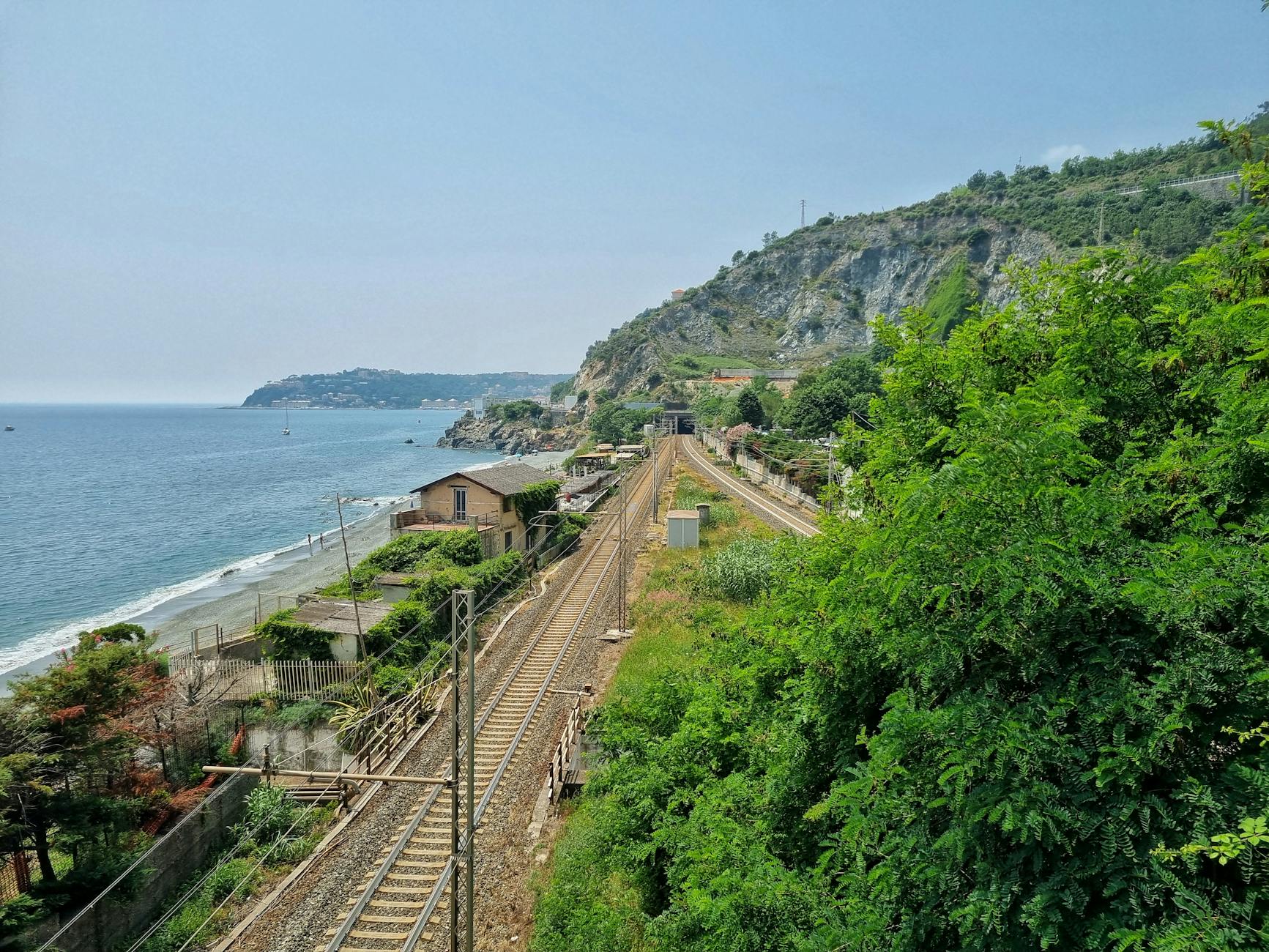
I have lost count of the number of guests who have arrived at our door slightly frazzled, having underestimated exactly how far Cornwall is from the rest of England. Cornwall sits at the very south-western tip of Britain, a long thin peninsula pointing out into the Atlantic, and getting here is part of the holiday rather than a footnote to it. Whether you come by train through the Devon hills, drive down the spine of the A30, fly into Newquay or take the overnight sleeper, the journey sets the tone for the days that follow. This guide explains exactly how to get to Cornwall by every realistic route, with honest advice on cost, comfort and timing that I have gathered from a decade of welcoming visitors from all over the world.
The short version is this: there is no motorway into Cornwall, the train line is genuinely scenic and surprisingly relaxing, and the time of day you travel matters enormously in summer. Get those three things right and your arrival will be calm rather than chaotic.
Where Exactly Is Cornwall, and Why It Matters for Your Journey
Cornwall is the most south-westerly county in England, bordered only by Devon to the east along the River Tamar. From there it tapers for around 80 miles to Land’s End, the most westerly point of mainland England. The practical consequence is that “getting to Cornwall” is rarely the whole story; getting to your part of Cornwall can add another hour or more once you cross the Tamar. Bude in the north and Penzance in the far west are nearly two hours apart by road, so the first decision is not really how to reach Cornwall but where in Cornwall you are heading.
Rough driving times to the heart of Cornwall (Bodmin, the rough centre) are around 4.5 to 5 hours from London, 3.5 hours from Bristol, 4 hours from Birmingham, and 6 to 7 hours from the north of England. Add 45 to 90 minutes to reach the far west or the more remote north coast. I always tell guests to plan the journey to their actual destination, not to “Cornwall” as a vague blob on the map.
Getting to Cornwall by Train: The Most Relaxing Option
If you can travel without a car, the train is my favourite way to arrive. The main line is run by Great Western Railway (GWR) from London Paddington, sweeping down through Reading, Taunton and Exeter before the famous sea wall section at Dawlish, where the track runs so close to the water that spray hits the windows in a storm. You then cross Brunel’s Royal Albert Bridge over the Tamar at Saltash and you are officially in Cornwall.
The main line continues through Liskeard, Bodmin Parkway, Par, St Austell, Truro, Redruth and Camborne before terminating at Penzance. Journey time from London Paddington to Penzance is roughly five hours direct, with Truro reached in around four and a half. CrossCountry trains also run to Cornwall from the Midlands, the north and Scotland, which saves northern visitors the trek to London.
The Branch Lines Are Half the Fun
Several beautiful branch lines peel off the main line, and they are the secret weapon for a car-free Cornish trip:
- The St Ives Bay Line from St Erth to St Ives is regularly voted one of the most scenic rail journeys in Britain. It hugs the cliffs above Carbis Bay and delivers you almost onto the beach.
- The Newquay branch (Atlantic Coast Line) from Par to Newquay carries surfers and families to the north coast.
- The Falmouth branch (Maritime Line) runs from Truro down to Falmouth Docks.
- The Looe Valley Line from Liskeard follows the river down to the fishing town of Looe.
For more on planning a holiday entirely without driving, see our detailed guide to getting around Cornwall without a car.
The Night Riviera Sleeper
One of the great romantic journeys still operating in Britain, the Night Riviera Sleeper runs every night except Saturday between London Paddington and Penzance. You board late in the evening, sleep in a private cabin with a proper bed, a sink, USB and plug sockets, and wake up gliding past the Cornish coast. There is a lounge bar for a nightcap and breakfast is brought to your cabin. Fares for a solo cabin start from around £135 one-way, and it is worth booking well ahead because the cabins are limited. For a short break it effectively gives you two extra days, because you travel while you sleep rather than burning a precious holiday day behind the wheel.
Saving Money on Train Tickets
Train fares to Cornwall swing wildly depending on when you book. The cheapest Advance singles are released around twelve weeks ahead and sell out fast. A railcard (Two Together, Family & Friends, Senior or 16-25) knocks a third off and pays for itself on a single Cornwall return. Travelling mid-week and avoiding Friday afternoons and Saturday changeover day will save money and crowds alike. If you are bringing surfboards or a lot of luggage, reserve space in advance and travel light where you can.
Getting to Cornwall by Car: Freedom With a Few Catches
Most visitors still arrive by car, and for good reason: once you are here, a car opens up the hidden coves, the moorland tors and the tucked-away villages that buses simply do not reach. The standard route from the east is the M5 motorway down to Exeter, where the motorway ends and you join either the A30 or the A38.
The A30 Versus the A38
This is the great Cornish driving question. The A30 is the faster, more modern route, running across the high spine of the county past Bodmin, the Goss Moor, the Cornwall Airport Newquay turn-off, Redruth and Camborne to Penzance and the far west. Most of it is now dual carriageway following the long-awaited completion of the Chiverton to Carland Cross upgrade, which removed one of the county’s worst summer bottlenecks. The A38 peels south at Exeter towards Plymouth, crosses the Tamar Bridge into Saltash, and serves south-east Cornwall, Looe, Liskeard and the Fowey area.
As a rule of thumb: A30 for the north coast, the centre and the far west; A38 for the south-east corner. Your sat-nav will usually pick correctly, but knowing the difference helps you understand the traffic reports.
Timing Is Everything in Summer
I cannot stress this enough to summer guests. Saturday is changeover day for self-catering cottages and holiday parks across the whole West Country, which means tens of thousands of cars all moving on the same day. The A30 and A38 can crawl for hours. If you possibly can, travel on a weekday, or set off very early or quite late. Leaving London at 6am on a Tuesday is a different universe from leaving at 11am on a Saturday in August. The same applies to your departure home; a relaxed Sunday morning getaway beats sitting in Friday’s queue at the Tamar.
Driving Once You Are Here
Cornwall’s main roads are good, but the lanes that lead to the best beaches are narrow, high-hedged and often single-track with passing places. Take them slowly, be ready to reverse with good grace, and never assume the road is wide enough for two vehicles. Fuel up before heading into remote areas like the Lizard or the far west, as petrol stations thin out considerably. For where to point the car once you arrive, our guide to parking in Cornwall covers costs and the all-important park-and-ride options.
Getting to Cornwall by Air: The Quick Route From Afar
Cornwall Airport Newquay is the county’s only commercial airport, sitting just off the A30 near the north coast. It is a small, friendly airport that takes minutes to walk through, which is a joy after a big hub. Domestic routes connect Newquay with London (Gatwick), Manchester, Edinburgh, Leeds Bradford, the Isles of Scilly and a handful of other UK cities, with some seasonal European routes added in summer. Flying makes the most sense for visitors coming from Scotland, the north of England or abroad, for whom the train or drive would swallow the best part of a day.
From the airport you can hire a car on site, grab a taxi, or take the bus into Newquay and onward by rail. Flight times are short, but factor in that Newquay is still 45 minutes to an hour from the far west, so it is not a shortcut to Land’s End. There is also a useful air link to the Isles of Scilly, either by fixed-wing flight from Land’s End and Newquay or by helicopter from Penzance, for anyone extending their trip to the islands.
Getting to Cornwall by Coach: The Budget Choice
National Express and Megabus both run long-distance coaches into Cornwall, serving towns including Plymouth, Liskeard, Bodmin, Truro, Camborne, Hayle, St Ives, Penzance and Newquay. It is comfortably the cheapest way to travel, with advance fares from London sometimes under £20, and you do not need to drive or navigate. The trade-off is time: a London to Penzance coach can take eight or nine hours. For students, solo travellers and anyone on a tight budget it is a genuinely useful option, and it pairs well with our advice on doing Cornwall on a budget.
Which Route Is Right for You?
After years of comparing notes with guests, here is how I would summarise it:
- Coming from London or the South East: the train is hard to beat for comfort, and the sleeper is a treat. Drive only if you want a car for remote exploring and can travel off-peak.
- Coming from the Midlands or the North: CrossCountry trains save you the London detour, but a flight into Newquay can be quicker and competitively priced if booked ahead.
- Coming from Scotland or abroad: fly into Newquay and hire a car, or fly to a larger airport and take the train down.
- On a tight budget: the coach wins on price; mid-week Advance train tickets are the sweet spot for value plus comfort.
- Want maximum flexibility: drive, but respect the Saturday changeover and the narrow lanes.
When to Travel: Pairing Your Route With the Season
The route you choose interacts with the time of year. In July and August the roads are at their busiest and train tickets at their priciest, so booking early and travelling mid-week matters most. In spring and autumn the journey is far gentler whatever the mode, and winter brings the quietest roads of all, though check for engineering works on the rail line, which GWR often schedules over the Christmas and New Year period. For a full breakdown of seasons, weather and crowds, see our guide to the best time to visit Cornwall.
Arriving and Settling In
However you travel, the moment you cross the Tamar the pace changes. The light softens, the hedgerows close in, and the sea is never far away. Once you know which corner of the county you are basing yourself in, our guide to where to stay in Cornwall will help you pick the right town, and the Cornwall towns and villages guide goes deeper on each one. Most of our guests find that a friendly Cornish bed and breakfast is the perfect landing pad after a long journey, with a proper Cornish breakfast waiting to set you up for the first day of your holiday.
Travelling With a Dog, a Bike or a Surfboard
So many of our guests travel with more than just a suitcase, and each mode of transport handles the extras differently. Dogs travel free on GWR and CrossCountry trains and on most coaches, which makes the train a brilliant choice for the many people who bring a four-legged friend to Cornwall; just keep them on a lead and off the seats. If you are driving with a dog, plan a couple of stops because the journey is long, and remember that the M5 and A30 service areas get extremely busy on summer weekends.
Bikes can be carried on GWR trains but spaces are limited and must usually be reserved in advance, free of charge, so book the moment your ticket is confirmed. The reward is enormous: arrive by train at Bodmin Parkway and you can ride straight onto the Camel Trail, or reach Falmouth and explore the south coast on two wheels. Surfboards and bodyboards are accepted on trains within reason, though long boards can be awkward; if surfing is the whole point of your trip, a car or a board bag you can manage easily on the train is the practical answer.
Electric Cars and Charging on the Way Down
Electric vehicles have changed the long drive south, mostly for the better. The M5 corridor is well served by rapid chargers at the major service areas around Bridgwater, Taunton and Exeter, and the A30 has growing provision at Cornwall Services near Victoria, roughly halfway across the county. My advice to EV-driving guests is simple: arrive in Cornwall with a comfortable margin of charge, because rural chargers can be busy or occasionally out of service in peak season. Many B&Bs, ours included, can point you to the nearest reliable chargers, and an increasing number of attractions and car parks now offer charging while you explore.
Ferries, the Isles of Scilly and Onward Journeys
Getting to Cornwall sometimes includes getting across it, and the county’s ferries are a delight rather than a chore. The Torpoint Ferry and the Cremyll Ferry link Plymouth with south-east Cornwall, the King Harry Ferry crosses the Fal on the Roseland, and seasonal passenger ferries connect Padstow with Rock, Falmouth with St Mawes, and Fowey with Polruan. If your accommodation is on the far side of an estuary, a short ferry hop can save a long inland drive.
For anyone extending their holiday to the Isles of Scilly, the gateway is the far west. You can sail from Penzance on the Scillonian passenger ferry, fly from Land’s End Airport or Newquay on a fixed-wing Skybus flight, or take the Penzance helicopter. Whichever you choose, the islands are a 28-mile journey out into the Atlantic and a wonderful add-on to a Cornish trip, so I always suggest building in a buffer day either side in case the weather delays a sailing.
A Quick Route Comparison
To pull it all together, here is the at-a-glance comparison I give guests when they ask how to get to Cornwall:
- Train (GWR main line): around 4 to 5 hours from London, scenic and relaxing, no parking worries, best value booked in advance. Ideal if you are basing yourself in a rail-served town.
- Sleeper train: overnight from London to Penzance, saves a daytime journey, romantic and efficient for short breaks, book cabins early.
- Car: 4.5 to 7 hours depending on origin, total flexibility once here, but mind the Saturday changeover and narrow lanes; budget for fuel and parking.
- Plane: roughly 75 minutes flying to Newquay from the furthest UK cities, best for Scotland, the north and international visitors, then hire a car or take the train onward.
- Coach: the cheapest option at 8 to 9 hours from London, no driving required, great for budget and solo travellers.
Frequently Asked Questions About Getting to Cornwall
How long does it take to get to Cornwall from London?
Around 4.5 to 5 hours by car to central Cornwall, roughly 4 to 5 hours by direct train to Truro or Penzance, and 8 to 9 hours by coach. Flights to Newquay take about 1 hour 15 minutes plus airport time.
Do I need a car in Cornwall?
Not necessarily. Towns on the rail network like Truro, Falmouth, St Ives, Penzance and Newquay are very doable car-free using trains, buses and ferries. A car helps for remote beaches and moorland, but it is far from essential if you base yourself well.
What is the best way to get to Cornwall to avoid traffic?
Travel by train, or if driving, avoid Saturdays and travel early morning or evening mid-week. The summer Saturday changeover is the single worst time to be on the A30 or A38.
Is there an airport in Cornwall?
One journey continues past the end of the railway. From Penzance you can carry on twenty-eight miles into the Atlantic by ferry or by Twin Otter to the archipelago off Land’s End, and the connections matter: a 09:15 sailing is a hard start from Bristol, and Skybus fog delays have a habit of eating a same-day train home. The Isles of Scilly guide sets out both routes and how much slack to leave around them.
Yes, Cornwall Airport Newquay, with domestic flights from cities including London Gatwick, Manchester and Edinburgh, plus seasonal European routes and connections to the Isles of Scilly.