Cornwall has a quiet but very real night-time identity. The seafood restaurants stay busy until closing, the harbour pubs draw locals around fires that have been lit for generations, and once you leave the bigger towns behind the sky over the moor and the far west is among the darkest in England. For anyone used to city nightlife, the county after dark does not so much compete as offer something different — slower, more atmospheric, and often the part of a holiday people remember longest.
This guide covers the evening options that genuinely earn a place in your plans: stargazing in Cornwall’s two International Dark Sky Parks, traditional pubs and live music, late cultural attractions, sunset and twilight walks, and the surprisingly good business of eating well after dark. It works for couples, families, and small groups alike, and it sits alongside our wider guide to things to do in Cornwall as the after-hours chapter.
Stargazing in Cornwall
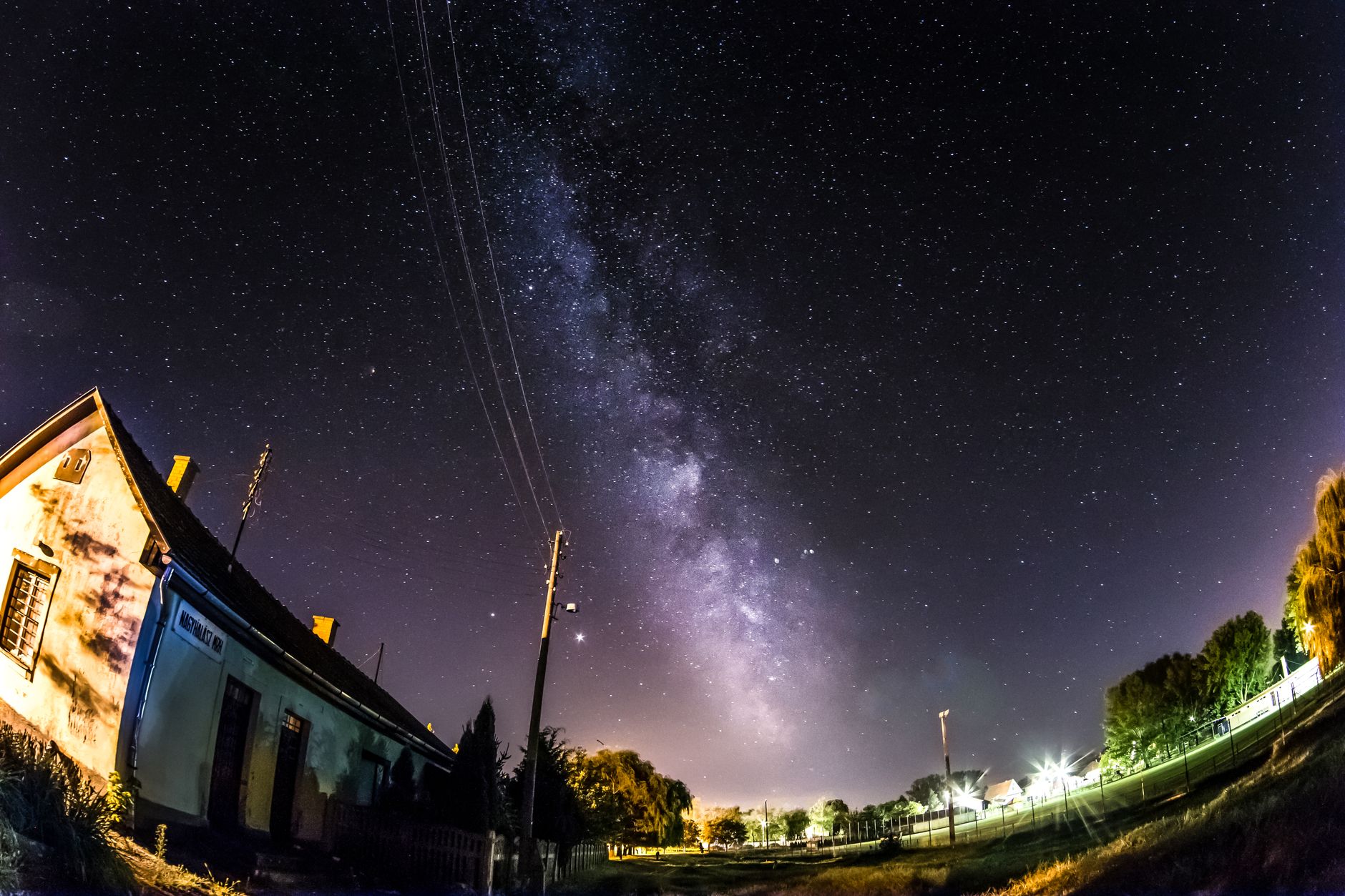
Cornwall holds two of the UK’s relatively few International Dark Sky Parks, designated for the quality of their unpolluted night skies: Bodmin Moor, recognised in 2017, and West Penwith, added in 2021. Both are easy to reach and both deliver a depth of starry sky that most British visitors simply will not have seen at home. On a clear, moonless night the Milky Way arches overhead in a way that stops people in their tracks the first time they see it properly.
Where to Go
On Bodmin Moor, the high ground around Minions and the Hurlers stone circles is the classic choice: accessible, with a small car park near the stones, and the combination of Bronze Age granite and the Milky Way overhead is hard to beat. Bring a red-light torch and a thermos and give your eyes time to adjust. Out west, the moorland near St Just and around Carn Galver sits dark on all sides, with the Atlantic to the west blocking any stray glow from towns.
The north coast has its own dark spots. Carnewas and Bedruthan Steps is a genuinely dark site with parking and a short, easy walk to the cliff; St Agnes Head and Chapel Porth are recognised dark-sky areas with parking and almost no artificial light. Godolphin Hill near Helston gives a full sweep of horizon with very little ambient glow, and Lizard Point — the southernmost tip of the mainland — is as dark and dramatic as anywhere in the county. None of these need booking; they simply need a clear night and warm clothes.
Getting the Most From a Night Under the Stars
A few habits make the difference between a magical night and a cold, disappointing one. Check the moon phase and aim for the week around a new moon, when the sky is at its darkest. Use a torch with a red-light setting to protect your night vision, and give yourself a good twenty minutes outside before you expect to see much. Wrap up in far more layers than you think you need — a clear night on an exposed Cornish headland is cold even in summer, and the wind adds a bite.
The Milky Way core is at its best from late spring to early autumn, roughly April to September, though the winter sky has its own rewards with Orion and the brighter constellations riding high. A stargazing app such as Stellarium or a good sky guide helps you make sense of what you are looking at, and several local astronomers run small guided sessions seasonally if you would rather have an expert point things out. For the wildlife and natural side of Cornwall after dark — from nightjars on the heaths to the phosphorescence that sometimes lights the surf — our Cornwall wildlife and nature guide is a useful companion.
Cornish Pubs Worth a Night Out
The Cornish pub is the cornerstone of the county’s evening culture, and the best of them are old, granite-built, and run by the same families for a generation or more. For a first-time visitor there are a handful that stand out. The Tinners Arms at Zennor claims to be Cornwall’s oldest, with a slate floor and no music to compete with the conversation. The thatched Pandora Inn at Mylor Bridge sits right on a tidal creek and feels genuinely ancient. Inland, the Plume of Feathers at Mitchell is a traditional coaching inn, while the Logan Rock Inn at Treen, close to Pedn Vounder beach, is family-run and reassuringly granite-walled. In Helston, the fifteenth-century Blue Anchor has been brewing its own Spingo ales on the premises for centuries.
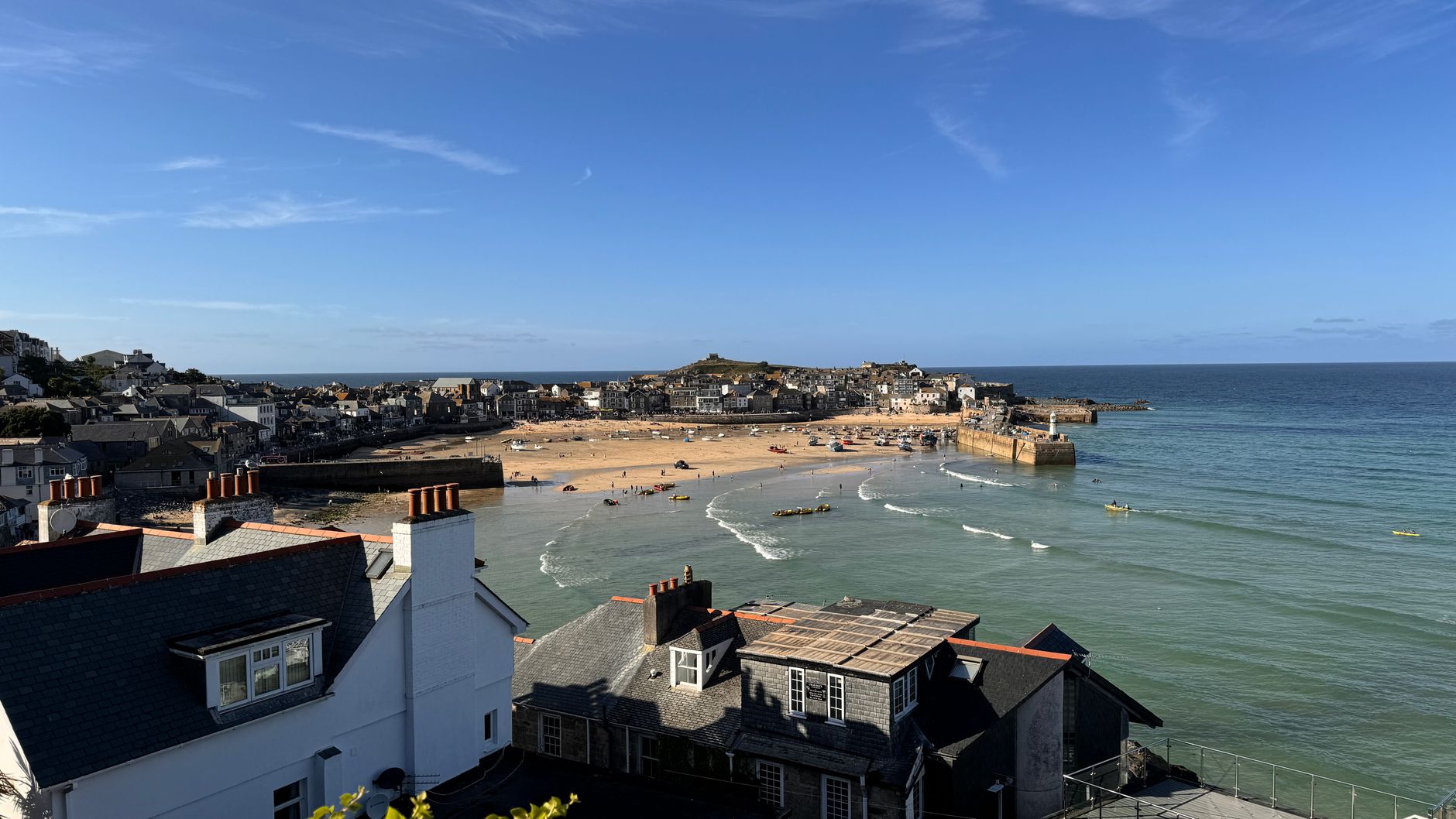
Then there are the pubs you go to for the view. The Ship Inn at Mousehole is unbeatable in winter when the harbour lights come on; the Old Albion at Crantock sits across from the dunes near the beach; and the Driftwood Spars at St Agnes runs its own micro-brewery across three bars near Trevaunance Cove. Down on the Falmouth waterfront, the refurbished Chain Locker looks out over the harbour, while Beerwolf Books nearby is half bookshop and half pub, and all the more lovable for it.
For live music, the mood shifts town by town. The Old Ale House in Truro runs folk and acoustic nights mid-week, the Cornubia at Hayle keeps a small but consistent programme, and the Star Inn at St Just holds Cornish folk sessions on Sundays. Most striking of all is the Watering Hole at Perranporth, the only pub in the county sitting directly on the beach, with live music through the season. For a fuller round-up, our guide to the best pubs in Cornwall goes well beyond this shortlist.
Evening Cultural Attractions
Cornwall’s most spectacular night-time experience is the Minack Theatre, the open-air amphitheatre carved into the cliff above Porthcurno. Performances run from late spring through to early autumn, and even a modest play takes on something extraordinary against the Atlantic as the light goes. Book well ahead for popular runs, and pack rugs and waterproofs even on a warm evening, because the seats are stone and the weather turns quickly.
Elsewhere, the after-dark tours at Bodmin Jail lean into the drama, with actor-led storytelling around the lives of former prisoners — more theatrical than the daytime visit, and better suited to older children and adults. Tate St Ives runs occasional late openings through the summer, with music and gallery talks, and the view from the upper-floor cafe over Porthmeor beach at sunset is a quiet highlight. For a calmer night, the independent cinemas at the Newlyn Filmhouse and the Plaza in Truro keep well-chosen programmes, and Newlyn in particular is a fine option on a dark winter evening. Cornwall’s main theatre, the renovated Hall for Cornwall in Truro, hosts touring shows year-round, with smaller venues in Falmouth, Penzance, and St Ives filling out the calendar.
Sunset and Twilight Walks
Cornwall’s sunsets are an attraction in their own right, and the shape of the county helps: with coastline facing in almost every direction, you can find a sea-view sunset most evenings and a sunrise from the same stretch of sand in the morning. Pendeen Watch lighthouse gives Atlantic sunsets with barely a soul about, and Sennen Cove offers a wide, easy horizon straight from the car park. The headland at Porthcurno pairs perfectly with a Minack visit, Lizard Point rewards the drive with real drama, and Trevose Head marks the mouth of the Camel estuary in fine evening light. On the north coast, Carbis Bay faces east and is better known for its moonrises over the water.
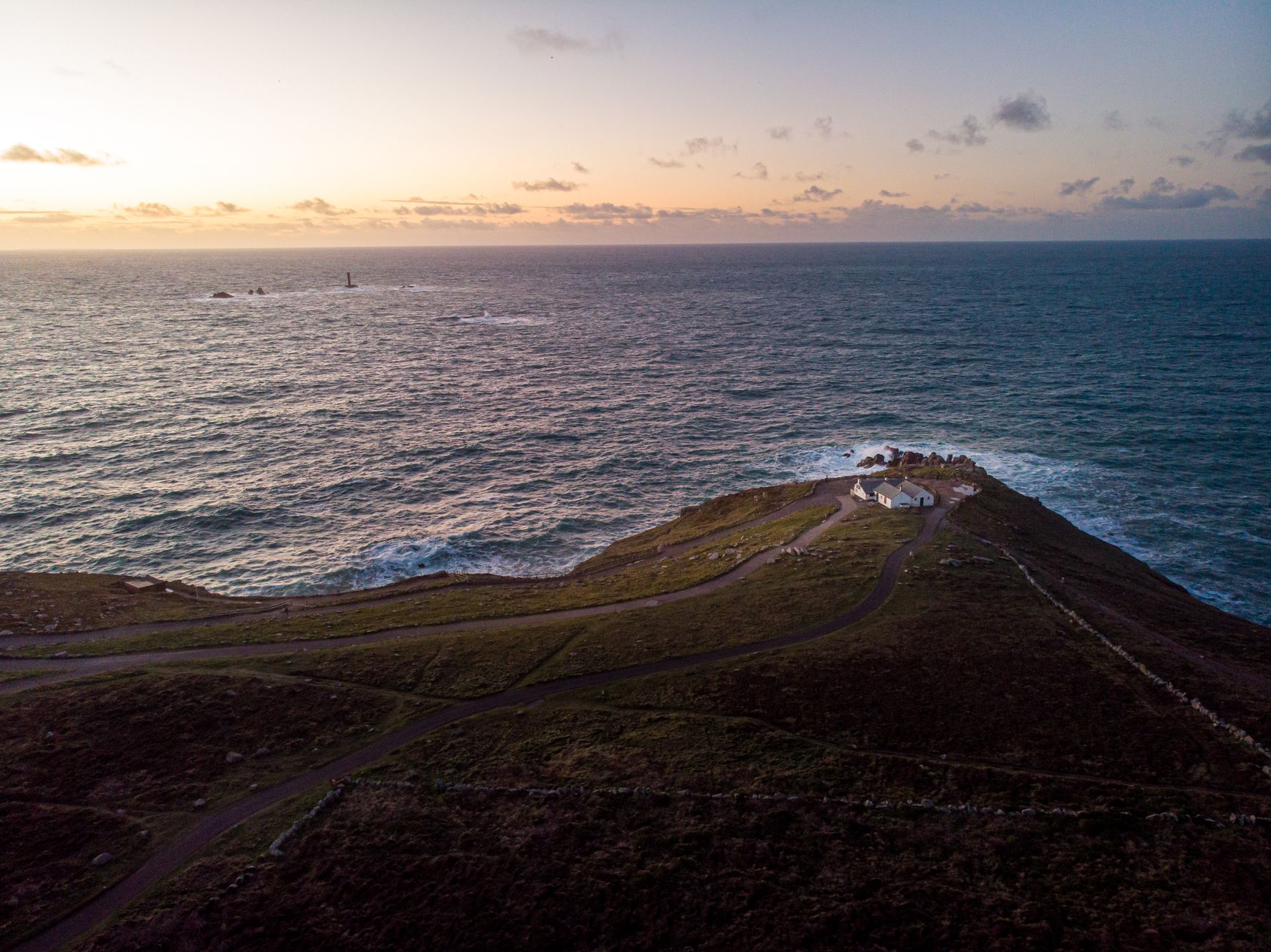
The practical point with any of these is timing and light. Aim to be in position half an hour before sunset, and carry a head torch for the walk back, because a footpath that felt obvious in daylight becomes a different proposition in the dusk. Cliff edges are unforgiving in poor light, so keep well back and stick to the path. A flask and a warm layer turn a quick sunset stop into something you will linger over. These headlands are, unsurprisingly, some of the county’s finest camera spots too; our guide to the best photography spots in Cornwall lists the best of them for golden hour and beyond.
Eating Out After Dark
Cornwall is not a late-dinner county, and it pays to know that going in. Most kitchens take last orders somewhere between half past eight and half past nine, and rural pubs often stop serving food earlier still. A few places consistently run later in season: the Hub Box branches in Truro and St Ives serve burgers and craft beer towards ten, Falmouth’s harbour-front restaurants take orders past nine in summer, and the chip shops in St Ives keep going on warm evenings when the town is busy. Newquay is the exception to the rule, with a genuine cluster of late bars and clubs, and remains the closest Cornwall comes to conventional nightlife.
The simplest rule is to book a table for seven or half past, which gives you time to eat properly before the kitchen closes and leaves room for a harbour walk or a nightcap afterwards. In peak season the good tables in the food towns — Padstow and St Ives especially — go days ahead, so reserve when you arrive rather than hoping to walk in. Where you are staying shapes the evening too; a bed and breakfast within walking distance of a harbour and a couple of pubs means you can have a drink without worrying about the drive back down dark lanes. Our guide to what to expect at a Cornish bed and breakfast covers the practicalities of an overnight stay, from breakfast times to house keys.
Cornwall’s Nightlife Towns
If you actively want a night out rather than a quiet evening, a few towns deliver. Newquay is the closest Cornwall has to traditional nightlife, with surf-themed pubs and a cluster of clubs along Bank Street, lively in season and much quieter in winter. Falmouth has the best all-round mix of pubs, live music, and student-driven bars, spread out rather than concentrated, so a wander around Church Street and the Moor turns up several good options. Truro, the county’s only city, is the most reliable place for evening eating and small theatre, calmer than either of the other two. St Ives and Padstow are quieter still — characterful harbourside pubs and good restaurants, but early closing and few late venues. Both are places for a long dinner and a walk, not a late one. If you are building your evenings around days out in these towns, our Cornwall day trip itineraries show how to plan a full day in each that ends with dinner in the right place.
Evenings Out With Kids
Cornwall after dark works surprisingly well for families if you pick the right things. Stargazing on Bodmin Moor is genuinely magical for children and educational without trying to be, and a clear night at Bedruthan Steps combines dramatic rock formations at sunset with the Milky Way later. In summer, when low tide falls in the evening, rock pooling by torchlight is a treat. December brings the seasonal highlights: the Night Garden at the Lost Gardens of Heligan, with its light installations and fire bowls, and the Mousehole Christmas lights, a whole village transformed. Earlier in the year, the outdoor Eden Sessions concerts turn the Eden Project into an open-air music venue on summer nights. Keep evenings shorter than you would at home, factor in an early start the next morning, and the novelty of being out after dark on holiday does the rest.
Romantic Evenings
For couples, the county after dark is quietly one of its strengths. A summer performance at the Minack is about as memorable an evening as Cornwall offers. A sunset dinner at a clifftop restaurant, a walk down to Mousehole harbour as the lights come on, a nightcap at the Pandora Inn on the Mylor creek, or a flask of something warm under the stars on Bodmin Moor all make for a proper evening out with none of the noise of a city. It pairs naturally with the right sort of stay; our guide to romantic bed and breakfasts in Cornwall for couples lists the places built for exactly this kind of trip.
Getting There and Home Again After Dark
The single biggest practical question about a Cornish evening is how you get back. Away from the towns there is almost no street lighting, the lanes are narrow and often single-track, and the last buses run early, so an evening out needs a plan for the return journey before you set off. If you are driving, factor in that a route which took twenty minutes in daylight feels longer in the dark, and slow right down through the wooded valleys where deer and badgers cross without warning. Autumn and early winter are the worst for wildlife on the roads, so ease off after dusk.
For the pubs and stargazing spots, parking is usually the easy part — most moorland car parks and village pubs have space in the evening once the daytime crowds have gone. The Minack and the busier seasonal events are the exception, with car parks that fill for popular performances, so arrive in good time and follow the on-site directions rather than trusting a satnav to the nearest pin. If drinking is on the agenda, the calmest solution is to stay somewhere within walking distance of a harbour and a pub or two, which turns the whole question of the drive home into a non-issue. Basing yourself in a town such as Falmouth, St Ives, or Padstow puts an evening’s worth of pubs, restaurants, and a harbour walk on your doorstep.
Best Time of Year and Time of Night
Cornwall’s after-dark year has a clear rhythm. Summer gives you long, warm evenings, the full run of Minack performances, live music in the beach pubs, and late-serving kitchens in the food towns — but it also brings the crowds and the shortest, palest nights, which makes for poorer stargazing. The trade-off reverses in winter: the nights are long and genuinely dark, the Milky Way and the winter constellations are at their most vivid, and the festive lights at Mousehole and the Heligan Night Garden come into their own, though many kitchens close earlier and some seasonal venues shut altogether.
Spring and autumn are the quiet sweet spots, with mild evenings, thinner crowds, and enough darkness for a decent night sky. Whatever the season, the timing within the evening matters as much as the month. Aim to be settled at a sunset spot half an hour before the sun drops, allow a full twenty minutes for your eyes to adjust to the dark before judging a night sky, and remember that Cornish kitchens close early — book dinner for seven and you will rarely be caught out. Check the weather close to the time, too, because a clear afternoon can cloud over or fog in by nightfall, especially on the Lizard and the far west coast.
Cornwall art and cultural events covers the evening programme at the Minack, Hall for Cornwall and the St Ives festivals.
Frequently Asked Questions
What is there to do in Cornwall at night?
Plenty, though it is different in flavour to a city. Stargazing in the dark sky parks, harbour pubs and live music, a performance at the Minack, an after-dark tour of Bodmin Jail, late dinners in Falmouth and Newquay, and simply watching the sun go down from a clifftop are the mainstays.
Where is the best stargazing in Cornwall?
Bodmin Moor and West Penwith are both International Dark Sky Parks and the darkest places in the county. The Hurlers stone circle near Minions, Carnewas and Bedruthan Steps on the north coast, and St Agnes Head are all reliable, accessible spots on a clear, moonless night.
Does Cornwall have nightlife?
It does, but it is regional. Newquay has the most conventional clubs and bars, Falmouth the best mix of pubs and live music, and Truro the steadiest evening eating. Away from those towns, evenings are quieter and pub-led, which many visitors come to prefer.
What time do Cornwall’s pubs close?
Typically around eleven in summer and ten in winter, with some town-centre pubs in Newquay and Falmouth open later at weekends. Rural village pubs often close earlier out of season, and kitchens usually stop serving food well before the bar shuts, so eat earlier than you might elsewhere.
Is Cornwall safe at night?
Very. Crime rates are low, and the real hazards are natural ones — cliff edges, tides, and unlit lanes. Treat those with respect and an evening out in Cornwall is about as safe as it gets.
What can families do in Cornwall in the evening?
Stargazing on the moor, a beach walk before dusk, torchlit rock pooling on a summer low tide, and seasonal events such as the Heligan Night Garden and the Mousehole Christmas lights in December all work well with children.
Cornwall does not deliver a city’s nightlife, and that is rather the point. The county after dark is quieter, more atmospheric, and often more memorable than the daytime version. A clear night on Bodmin Moor under the Milky Way, a fireside pint at the Tinners Arms, or a July evening at the Minack are the sort of things first-time visitors describe years later as the highlight of the whole trip.