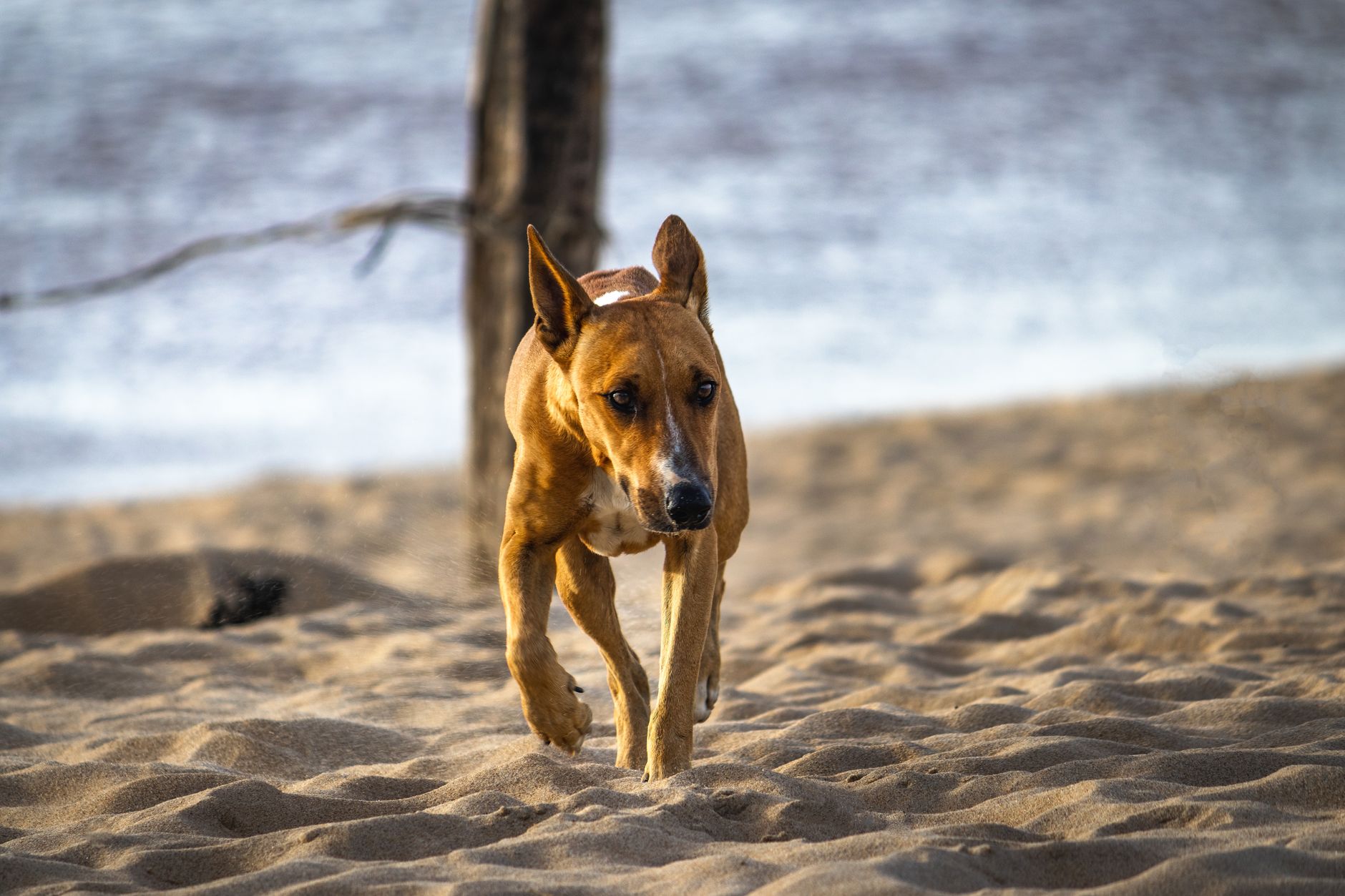
A Cornish beach with a happy dog on it is one of the quietly perfect images of a British holiday, and Cornwall delivers it more reliably than almost anywhere else in England. The county has around 150 beaches that welcome dogs all year and roughly 43 more with seasonal restrictions, which on paper sounds generous and in practice can be confusing, because the rules are not uniform. They vary from beach to beach, month to month and sometimes hour to hour. This guide sorts the genuinely useful dog-friendly beaches in Cornwall from the ones that only work at certain times of year, and tells you how to read the situation on the day.
Below you will find the year-round beaches, the popular beaches with summer restrictions you can still use sensibly, the rules as they generally apply, and the practical business of travelling to Cornwall with a dog. Each beach entry has notes on parking, terrain and water access, and which sort of dog it suits, whether yours is anxious, sociable, water-mad or simply built to run.
Cornwall beach dog rules: the basics
Cornwall Council manages most of the county’s beaches and applies a small set of broadly consistent rules, though the detail differs by beach. Rather than memorise a long list, it helps to understand the pattern.
Year-round beaches allow dogs in every month, often off-lead, with no seasonal exclusion at all. A larger group of popular beaches have a summer daytime ban under Cornwall Council’s order: no dogs from 10am to 6pm in July and August, or from 15 May to 30 September on the listed Blue Flag and Seaside Award beaches, so dogs are welcome early in the morning and again in the evening even during the restricted months. A handful of beaches ask for dogs on leads year-round, and a few sensitive spots, such as parts of the Hayle estuary, prohibit dogs at all times to protect wildlife.
The single rule worth internalising is this: read the sign at the beach entrance. It is the authoritative source, it reflects any local conditions, and it will always be more current than any guide. Cornwall Council’s website also lists the restrictions beach by beach if you want to check before you set off. When in doubt, aim for the year-round beaches below, or use the early-morning and late-evening windows.
The best year-round dog-friendly beaches in Cornwall
Harlyn Bay
A wide, spacious sandy bay near Padstow, dog-friendly all year and one of the best dog beaches in north Cornwall. It is backed by dunes and grassy walks, with a cafe and pub on the way in, lifeguards in season and gentle surf. The space makes it a good bet for dogs that need room to run.
Trevone Bay
Also near Padstow, but not quite year-round: dogs are banned from 10am to 6pm between 15 May and 30 September. Sandy at low tide, with a famous round hole sea cave to walk around and excellent cliff walking towards Stepper Point. Outside those hours and dates it is a lovely dog walk on the Padstow side.
Treyarnon Bay
Dog-friendly year-round, occasionally with an on-lead request in high summer, so check the sign. The rock pools at low tide are superb, and the natural tidal pool is a favourite with water-loving dogs that want a safe splash.
Constantine Bay
A wide sandy beach with year-round off-lead access. The waves are bigger than the family bays nearby, which makes it ideal for athletic dogs that love to charge across open sand, though keep an eye on the sea with smaller dogs.
Booby’s Bay
Right next to Constantine and a little quieter, dog-friendly all year. There can be seasonal bathing-flag arrangements, but dogs are welcome throughout, and it makes a peaceful alternative when Constantine is busy.
Daymer Bay
A large, sheltered, sandy bay across the Camel Estuary from Padstow, dog-friendly year-round. It is calmer than the Atlantic-facing beaches, which makes it a kind choice for older or more nervous dogs and for gentle swimming.
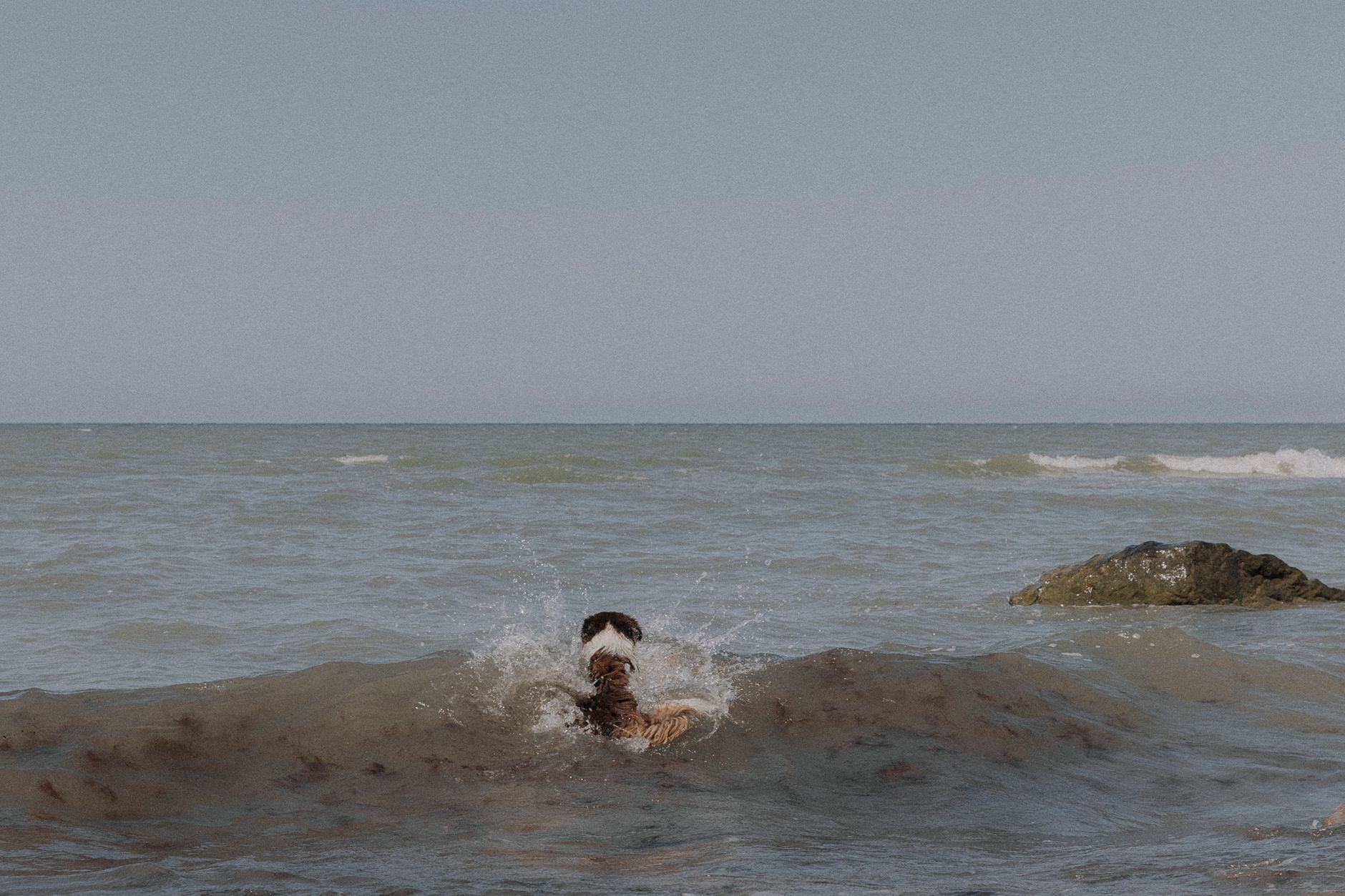
Marazion Beach
The long, curving beach opposite St Michael’s Mount. Dogs are banned from 10am to 6pm in July and August between Long Rock and Marazion, but outside those hours and months the beach is theirs. The flat sand suits swimmers and the shelter suits nervous dogs, and the view is one of the finest of any dog beach in the county.
Praa Sands
The council’s summer ban covers the whole beach, eastern end included, so dogs are not allowed from 10am to 6pm in July and August. The rest of the time there is good walking and easy water access, particularly at the eastern half.
Loe Bar
A dramatic shingle bar between Loe Pool and the sea near Helston, dog-friendly year-round and rarely crowded. The surf here can be powerful, so it suits confident swimmers and warrants caution with smaller dogs, but for a wild, open walk it is hard to beat.
Gunwalloe, Church Cove
Managed by the National Trust and dog-friendly outside high summer: dogs are banned from 10am to 6pm in July and August. Sandy and sheltered, with a tiny medieval church tucked into the cliff, it makes one of the loveliest dog walks in west Cornwall.
Kennack Sands
Two sandy beaches split by a rocky outcrop on the Lizard. The eastern beach is dog-friendly year-round; the western beach has summer restrictions. Good rock pools and easy walking make the eastern side a strong all-year option.
Coverack Beach
A small fishing village with a sandy bay, dog-friendly year-round. Pretty and quiet, with a pub and a cafe in the village, it suits older dogs that prefer a shorter, gentler outing.
Cadgwith Cove
Dog-friendly outside high summer: dogs are banned from 10am to 6pm in July and August. A working fishing cove with steep paths down, atmospheric and rarely busy, and a genuine slice of the old Lizard.
Bossiney and Benoath Coves
Both near Tintagel and dog-friendly year-round, though tide-sensitive: Bossiney disappears at high water, so time your visit to a falling tide. The rock pooling at low tide is excellent, and the cliff path between them and Tintagel is one of the best dog walks in Cornwall.
Crackington Haven
Not quite year-round: dogs are banned from 10am to 6pm between 15 May and 30 September, so come early, late or out of season. A mix of pebble and sand under dramatic cliffs, especially atmospheric in stormy weather, with a pub and cafe at the back for afterwards.
Sandymouth, north of Bude
Dog-friendly year-round and run by the National Trust. Wide and sandy at low tide, with several rock-pool areas, it gives energetic dogs plenty of space.
Northcott Mouth
Dog-friendly year-round, just north of Bude. Quiet, with good rock pools and easy parking, it is an unfussy spot for an everyday walk.
Talland Bay and the south-east coast
Talland is dog-friendly year-round: a sheltered south-coast bay, sandy at low tide, and a good base for dog-friendly walks over to Polperro.
Popular beaches with summer restrictions worth knowing
Cornwall Council’s summer dog bans run from 10am to 6pm: from 15 May to 30 September on listed beaches with Blue Flag or Seaside Award status, and through July and August on the others. The longer ban includes Polzeath, Sennen Cove’s main beach, Carbis Bay, Porthminster, Porthmeor and Gyllyngvase, but Daymer Bay, round the corner from Polzeath, and Gwenver, at the far end of the bay from Sennen, have no seasonal restrictions. Summerleaze in Bude asks for dogs on leads from 10am to 6pm between 21 May and 30 September rather than banning them. Three big north-coast surf beaches are not on the list at all: Fistral and Watergate Bay allow dogs all year, and so does Perranporth, where dogs must be on a lead on the main beach from 10am to 5pm in July and August but can run free in the dunes and beyond Flat Rocks. Outside the restricted hours and dates, dogs are welcome on all of these beaches, but the sign at the entrance always has the final word.
The practical translation is simple. From autumn through to spring, roughly September to April, almost every beach in Cornwall is dog-friendly. In peak summer, aim for the year-round beaches above, or use the early-morning and late-evening windows on the bigger beaches, when they are quieter and cooler for your dog anyway.
Best year-round dog beaches by region
Where you are staying will shape your choices, so here is the year-round picture by area. For the wider run-down of the coastline, our definitive guide to the best beaches in Cornwall covers every region in more depth.
North Cornwall: Padstow, Bude and Tintagel
Harlyn, Treyarnon, Constantine, Booby’s, Daymer, Sandymouth, Northcott Mouth, Bossiney and Benoath. This is the strongest concentration of year-round dog beaches in the county.
South Cornwall: Falmouth, Helston and Looe
Loe Bar, Coverack, Talland Bay and Polridmouth near Fowey, plus Marazion, Gunwalloe Church Cove and Cadgwith outside July and August.
West Cornwall: Penzance, St Ives and Land’s End
The small coves around Pendeen, plus Marazion, Praa Sands, Sennen Cove and Porthcurno out of season.
Lizard Peninsula
Kennack Sands’ eastern beach, Coverack and Mullion Cove, with Cadgwith and Polurrian best out of season.

The best dog beaches by type of dog
Not every dog wants the same beach, and matching the spot to your dog’s temperament makes for a calmer day.
For dogs who love to swim
Marazion for gentle water, Daymer Bay for shelter, Treyarnon’s tidal pool for a safe splash, and Polridmouth for calm sand. Loe Bar suits strong swimmers, but its currents can be powerful, so supervise closely. Many of these sheltered bays also appear in our guide to the best beaches for swimming in Cornwall, and the rock-pool coves rank among the best rock pooling beaches in Cornwall for children.
For older or less mobile dogs
Marazion and Daymer for their flat, gently sloping sand, and Coverack, Cadgwith and Booby’s for short, manageable walks close to the car.
For athletic, energetic dogs
Constantine, Sandymouth and Loe Bar for wide open space and dunes, and Gwithian out of season for miles of running room.
For anxious dogs
Daymer Bay, Polridmouth and Bossiney out of season, along with any of the year-round beaches in the shoulder months, when crowds are thin and the beach feels calmer.
Practical tips for a Cornwall beach dog day
A few habits make dog days on the coast easier and safer. Bring fresh water and offer it often, because salt water dehydrates dogs quickly and a thirsty dog will drink it if nothing else is on offer. Pick up after your dog and use the bins provided at most beach car parks. Watch for jellyfish: Cornwall sees seasonal blooms, and dogs will happily investigate a washed-up specimen that can sting.
Mind the heat, too. Dark sand on a hot afternoon can get surprisingly hot underfoot, so test it with the back of your hand before letting your dog cross it, and never leave a dog in a parked car. After every trip, rinse your dog with fresh water to clear salt and sand, which otherwise irritate skin and ears. Keep an eye on the tide, since beaches like Bossiney can cut off at high water, and remember that some cliff paths have stiles you will need to lift a small dog over. For the coast-path routes that link these beaches together, our guide to the best dog-friendly walks in Cornwall is the natural companion to a beach day.
Dog-friendly pubs and cafes near the beaches
Plenty of Cornish coastal pubs welcome dogs in the bar and often throughout, which turns a beach walk into a proper day out. Reliable names near the coast include the Old Albion at Crantock, the Watering Hole on Perranporth beach itself, the Tinners Arms at Zennor near the coast path to Pendour Cove, the Logan Rock Inn at Treen, the Ship Inn at Mousehole, the Driftwood Spars at St Agnes near Trevaunance Cove, and the Pandora Inn at Mylor on the Helford. Dog-friendliness can vary in peak summer, so a quick call ahead never hurts.
Travelling to Cornwall with your dog
Getting to Cornwall with a dog is straightforward with a little planning. Most Cornish bed and breakfasts welcome dogs by arrangement, often for a small extra charge; our guide to dog-friendly bed and breakfasts in Cornwall covers what to look for and how to book. In the car, keep dogs ventilated and shaded in warm weather and never leave them inside on a hot day. Dogs travel on most south-west train services on a lead, usually free. Pack a towel, fresh water, treats, a tide-time card and a blanket for sandy paws, and the logistics more or less take care of themselves.
If you are travelling as a family with young children as well as a dog, it is worth planning around both. Many of the calmer year-round dog beaches also work well for toddlers out of the restricted season, and our guide to Cornwall with toddlers pairs usefully with the shoulder-season beach list above.
Keeping your dog safe on a Cornish beach
Cornwall’s beaches are wonderful for dogs, but the coast has a few hazards worth taking seriously. The most common is the tide. A dog absorbed in a scent or a stick has no sense that the sea is coming in behind it, and on beaches that cut off at high water, like Bossiney, or on long flat sands where the tide races in across the shallows, that matters. Check the day’s tide times before you go, walk with the falling tide where you can, and keep a closer eye when the water is on the turn.
Rip currents are the second thing to respect. Many of Cornwall’s finest dog beaches face the open Atlantic, and a dog that swims out after a ball can be caught in a channel of water running back out to sea. If your dog loves to fetch in the water, do it in the calmer shallows rather than throwing far out, and never send a dog after a toy in heavy surf. Loe Bar in particular has powerful, unpredictable water despite looking benign on a calm day, and it has a fearsome reputation among locals for exactly that reason. The same tides, rips and cold water apply to two-legged swimmers as well, and our Cornwall beach safety guide is worth a read before anyone in the family goes in.
Then there is what washes up. Cornwall’s seasonal jellyfish blooms leave stranded specimens on the tideline that a curious dog will nose or bite, and some sting even when dead. Weever fish, which bury themselves in the sand at low tide, can deliver a painful sting to a paw. Palm oil and other congealed lumps occasionally wash ashore and can make a dog very ill if eaten. None of this should put you off, but a dog that reliably drops or leaves on command is far safer on the strandline than one that hoovers up whatever it finds.
The best time of day and year for dog beaches
If you have any choice in the matter, the early morning is the finest time to be on a Cornish beach with a dog. The light is low and soft, the sand is cool underfoot, the summer restrictions have not yet kicked in on the bigger beaches, and you often have a stretch of coast more or less to yourself. Evenings work the same way, with the restrictions lifting again and the crowds thinning as the day cools. In the middle of a hot summer day, by contrast, the sand can be uncomfortable, the beaches are busiest, and the restricted zones are closed to dogs.
By season, the calculation is even simpler. Autumn and winter are the golden months for dog owners in Cornwall: the restrictions lift almost everywhere, the beaches empty out, and a bracing walk followed by a pub fire is about as good as a dog holiday gets. Spring is lovely too, with wildflowers on the cliff paths and quieter sands before the summer crowds arrive. High summer is the only time that takes real planning, and even then the year-round beaches and the early-and-late windows keep the coast open to you.
What to pack for a dog day at the beach
A dog beach day needs less kit than a family one, but a few things earn their place every time. Fresh drinking water and a collapsible bowl come top of the list, because there is rarely a tap on a Cornish beach and salt water is no substitute. Bring more poo bags than you think you need and use the car-park bins. A long line is useful on the beaches that ask for dogs to be kept under close control near nesting birds or livestock on the approach paths, and a towel and an old blanket keep the car bearable on the way home.
In warm weather, add a bit of shade if your beach has none, since dogs overheat faster than people and pale-nosed or short-coated dogs can even catch the sun. A tug toy or a ball for the shallows keeps a water-loving dog happy without sending it out into the surf. And a small first-aid kit with a tick remover and a way to flush a cut paw is worth having in the boot, because a sliced pad on a barnacled rock is the most common minor mishap of a Cornish beach walk.
Dog-friendly beaches in Cornwall: frequently asked questions
Are dogs allowed on Cornwall beaches?
On most of them, yes, with some seasonal restrictions on the busier summer beaches. Around 150 Cornish beaches allow dogs year-round, and about 45 more are on Cornwall Council’s summer list, where dogs are banned from 10am to 6pm in July and August, or from 15 May to 30 September on the listed Blue Flag and Seaside Award beaches.
What are the best dog-friendly beaches in Cornwall?
For year-round access, Harlyn Bay, Daymer, Constantine, Coverack and Sandymouth are all excellent. For the summer-restricted beaches, the early-morning and late-evening windows keep almost all of them open to dogs.
Are dogs allowed at Watergate Bay year-round?
Yes. Watergate Bay is not on Cornwall Council’s list of restricted beaches, so dogs are allowed all year round. On busy summer days, keep them under close control around the surf lessons and kite zones.
What about Fistral Beach for dogs?
Fistral has no seasonal dog ban either, so dogs are welcome all year round. On busy summer days, keep them clear of the surf school groups.
Do dogs need to be on a lead on Cornwall beaches?
Most beaches do not require leads year-round, but some near nature reserves or with bird-breeding seasons ask for dogs on leads at certain times, so check the local sign before letting your dog off.
Where can I take my dog in Cornwall in winter?
Almost anywhere. Outside the summer restriction window, virtually every beach in the county allows dogs, which makes autumn and winter the finest dog-walking seasons in Cornwall.
The restrictions are more precise than most people realise. There are two tiers — 1 July to 31 August on standard restricted beaches, and 15 May to 30 September on Blue Flag and Seaside Award beaches — and both apply only between 10:00 and 18:00, with a £100 fixed penalty for getting it wrong. Our complete guide to dog-friendly Cornwall explains how to plan a whole holiday around them.
One of the best big beaches for dogs is Perranporth, where they’re allowed all year and can run free in the dunes even in high summer. Our Perranporth beach guide explains the July and August lead rule and where the off-lead areas start.
Cornwall and dogs are a natural fit. With a little planning around the seasonal rules, you can put together a holiday where your dog is beside you on the cliff paths, in the sea and in front of the pub fire, and at the breakfast table every morning. Few places in England do all of those things as well.