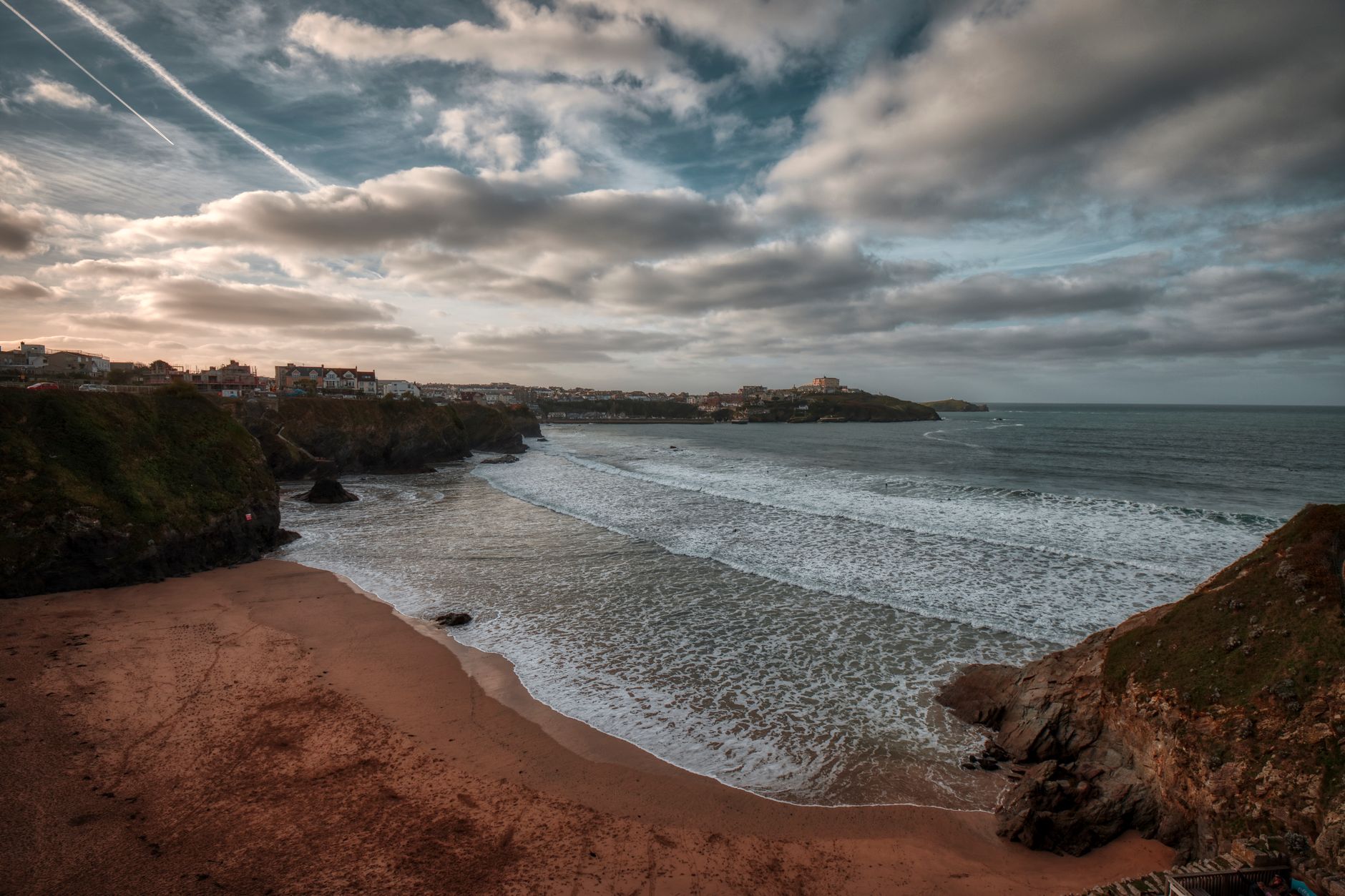
A good family beach day in Cornwall comes down to a handful of small things going right: safe water, a loo within a short walk, somewhere to change a baby, parking you can actually find, and a cafe close enough to reach before anyone melts down. The county has around three hundred miles of coast and more clean, lifeguarded beaches than any parent could work through in a fortnight, so the real skill is not finding a beach but matching the beach to the wind, the tide and the ages of your children.
This guide covers the family beaches in Cornwall that parents come back to season after season, grouped by region so you can plan around wherever you are staying. For each one you get honest notes on lifeguard cover, facilities, parking and the age group it suits best. Nothing here is invented: the RNLI dates, dog rules and access details follow the general pattern that holds across Cornwall, but they do shift, so the golden rule below applies to every beach on the list.
Always check the current lifeguard schedule at rnli.org/find-my-nearest and read the sign at the beach entrance before you rely on cover or assume the dog rules. Both change from year to year, and a five-minute check saves a wasted trip.
What makes a beach genuinely family-friendly in Cornwall
Plenty of Cornish beaches are beautiful. Fewer are practical with a double buggy and a toddler who needs the toilet now. The beaches below score well on the things that matter when you are the one carrying the windbreak, and it is worth understanding those criteria before you choose.
Lifeguard cover and flags
RNLI lifeguards patrol the busier beaches, usually from around 10am to 6pm, with the main season running from late May to late September. A number of the biggest beaches extend cover into the Easter holidays and half-terms. Lifeguards set out red and yellow flags to mark the safest swimming area and black and white flags for the surfing zone; the simple rule you teach children on day one is that they swim between the red and yellow, and never in the black and white. If the beach flies a red flag, nobody goes in.
Facilities that make or break the day
Not every Cornish beach has toilets, and fewer still have baby-change. The beaches on this list mostly do, but it is worth confirming for the specific spot before you commit a whole day to it. A cafe within sight of the sand is the quiet hero of a family beach day: when the wind gets up and the little ones are cold, being ten minutes from a hot chocolate changes everything.
Parking and the tide
Most family beaches have pay-and-display car parks that fill early. In July and August, aim to arrive by mid-morning or you will be circling. Tide matters more than people expect: some beaches all but vanish at high water, while others only reveal their best rock pools and paddling spots as the tide drops. Check the day’s tide times alongside the weather, and lean towards a falling tide for younger children so the sea is retreating rather than creeping up on your pitch.
The best family-friendly beaches in Cornwall
Gyllyngvase Beach, Falmouth
Falmouth’s town beach, known to everyone locally as Gylly, is about as easy as a family beach gets. It holds a Blue Flag, the sand shelves gently into sheltered south-coast water that is calmer and a touch warmer than the north coast, and it sits a few minutes’ walk from the town centre. The Gylly Beach Cafe is right on the sand, there are toilets and baby-change, and buggy access is straightforward. If you have a nervous paddler or a baby’s first trip to the sea, this is a sensible place to start.
Best for: toddlers and young children, calm swimming, and days when you want town facilities on tap.
Watergate Bay
Two miles of open north-coast sand between Newquay and Padstow, Watergate is wide enough that even a busy August afternoon leaves room to spread out. There is a flagged swimming zone, peak-season lifeguards and decent rock pools at the southern end. The Beach Hut sits on the sand and the Watergate Bay Hotel restaurant looks down from above, and there is a well-run surf school for older children who want a first lesson. It is exposed, though, so check the forecast; on a blowy day the same openness that feels glorious in sunshine will sandblast your picnic.
Best for: all ages, first surf lessons and rock pooling, provided the weather plays along.
Perranporth
Two miles of golden sand backed by a dune system, with Atlantic surf and a lifeguarded zone. Perranporth is big enough that crowds dilute across it, and it has a genuine oddity in the Watering Hole, the only pub that sits directly on a Cornish beach. Toilets, baby-change and cafes are in the town immediately behind the sand. It is less sheltered than the south coast, so it suits families with a bit more energy who do not mind the wind.
Best for: active families with primary-age children, bodyboarding and late-afternoon picnics.
Sennen Cove, Whitesands Bay
The far west’s family classic, Sennen is a wide sweep of pale sand with a flagged surf-and-swim zone and lifeguards in season. It has a long-standing surf school that is a good bet for a child’s first lesson, and the Old Success Inn sits by the beach for food and a drink afterwards. The sunsets here, with Land’s End to the south, are the sort people plan a whole day around.
Best for: first surf lessons, older children and teenagers, and photogenic family days.
Polzeath
The default family beach for the Padstow and Camel Estuary side of the county. Polzeath gives you wide sand, gentle whitewater that is ideal for bodyboarding, and lifeguards through the main season. The village behind has shops, cafes and pizza, and the surf school is well regarded. It is calmer at low tide, which is when you want younger swimmers in.
Best for: bodyboarding, north-coast beach holidays and mid-tide family sessions.
Carbis Bay
A sheltered, pale-sand bay just outside St Ives, Carbis Bay has the kind of clear turquoise water that fools first-time visitors into thinking they have wandered onto the Mediterranean. The hotel behind runs a cafe and bar, there is baby-change and toilets on the beach, and it is lifeguarded in season. The shelter makes it a strong pick for calmer swimmers and small children.
Best for: toddlers, calmer swimmers and families who want that Mediterranean look without the flight.

Porthminster Beach, St Ives
A short walk from St Ives town centre, Porthminster is south-facing, sheltered and a proper sun-trap, noticeably calmer than the north-facing Porthmeor on the other side of town. The Porthminster Beach Cafe behind it has a reputation that goes well beyond a beach kiosk. Lifeguards patrol in season, access is easy, and the position makes it one of the best family beaches in Cornwall for pairing sand with a wander round the galleries and harbour.
Best for: sun-trap days, toddlers and families who want to combine the beach with a town visit.
Widemouth Bay, near Bude
A wide, sandy, lifeguarded beach on the north coast with reliable rock pools and beginner-friendly surf. There are two car parks and cafes at either end, and it tends to feel less crowded than Bude’s town beaches a couple of miles away. The spread of activities on one beach makes it a safe bet for a mixed-age group.
Best for: rock pooling, beginner surf and picnic days.
Treyarnon Bay
Treyarnon has a natural rock pool exposed at low tide that turns into a safe, sheltered paddling spot, which makes it a quiet winner for families. There is a youth hostel and a cafe behind the beach, lifeguards in season, and it works well as a calmer alternative to busier Constantine and Polzeath nearby.
Best for: adventurous primary-age children and rock-pool families.
Summerleaze, Bude
Bude’s town beach comes with the Bude Sea Pool, a tidal pool refilled by every high tide and sheltered from the swell. For nervous swimmers and small children it is a gift: the sea, but calmer and more contained. The beach is lifeguarded in season, with toilets, parking and cafes close by, and it is a reliable fallback on days when the surf elsewhere is simply too big for little ones.
Best for: beach-plus-safe-pool combinations, younger children and rough-sea days.
Mawgan Porth
Smaller and quieter than Watergate just up the coast, Mawgan Porth has a stream running across the sand that children treat as a free water feature, along with lifeguard cover in season, parking, toilets and a cafe. The rock pools at the southern end are good on a dropping tide. It is an easy, low-stress choice for a day with toddlers.
Best for: toddlers, the stream and gentler crowds.
Praa Sands
A long, gently shelving south-coast beach near Penzance with a lifeguarded zone, a surf school and cafes including the Sandbar directly on the sand. Being on the south coast, it is a sun-trap with water that warms up more readily than the north. It handles a full day well.
Best for: all-day beach families and calmer water for swimmers.
Best family beaches by region
Where you are staying will decide most of your beach choices, so it helps to know the strong family options in each part of the county. If you want a fuller run-through of the coastline as a whole, our definitive guide to the best beaches in Cornwall sets out the regions and the standout beaches in each.
North coast
Watergate Bay, Polzeath, Perranporth, Mawgan Porth, Treyarnon, Constantine, Holywell Bay, Trevone, Widemouth and Bude. This is surf and open-sand country, brilliant on a fine day and exposed on a rough one. Newquay makes an obvious base, and our roundup of the best beaches near Newquay goes into the town beaches and nearby bays in detail.
South coast
Gyllyngvase, Praa Sands, Porthcurnick on the Roseland, Pentewan Sands, Porthluney Cove below Caerhays Castle and Looe’s town beach. The south coast is generally calmer and warmer, which is why it suits the youngest children best.
West Cornwall
Sennen Cove, Carbis Bay, Porthminster, Porthkidney, Marazion and Porthcurno, the last of which is better for rock pools and paddling than serious swimming. If you are based around St Ives, the sheltered bays here are hard to beat for small children.
Lizard Peninsula
Kennack Sands, Coverack, Polurrian Cove and Poldhu Cove all work well for families. Kynance Cove is one of the most photographed beaches in Britain, but the steep walk down and back makes it hard going with very young children, so save it for a day when everyone can manage the climb.

Best beaches for the youngest children
If you are travelling with a baby or toddler, the priorities narrow to calm water, gentle sand and short carries from the car park. Carbis Bay, Gyllyngvase, Porthminster and Marazion all shelve gently into sheltered water. Mawgan Porth’s stream is a safe, shallow draw for paddling, and Treyarnon’s natural tidal pool is about as reassuring a first sea experience as Cornwall offers. For a wider view of where the sea is calmest and warmest, our guide to the best beaches for swimming in Cornwall is worth a read before you pick.
With babies, tide direction quietly matters. A falling tide gives you a steadily widening beach and warm, shallow water left behind in the sand, whereas a rising tide can push you back up the beach and cover the gentle shallows you chose the spot for. Aim to arrive an hour or two after high water and let the sea do the retreating.
Rock pooling, bodyboarding and surf lessons
The activity that reliably absorbs children of almost any age is rock pooling, and it is best on the falling tide when fresh pools are exposed every few minutes. Bring a net and a bucket, turn rocks back the way you found them, and put everything back where it came from. Treyarnon, Widemouth, Mawgan Porth and Kennack all have good pools; for a proper deep-dive on the best spots and what lives in them, see our guide to the best rock pooling beaches in Cornwall.
Bodyboarding works from about the age of five in the whitewater zone, and boards are easy to hire at most surf beaches for a few pounds a day. Surf schools generally take children from around seven; Sennen, Polzeath, Watergate and Mawgan Porth all run well-established ones. For older children who want more of a challenge, coasteering and other adventure activities are covered in our Cornwall adventure activities guide. Whatever the activity, keep an eye on the flags: bodyboarders and swimmers stay between the red and yellow, and clear of the surfers’ black and white zone.
Common mistakes on a Cornish family beach day
The two things that ruin family beach days here are almost never the ones people worry about. First is underestimating the wind. Cornish sunshine can be deceptively fierce while a stiff onshore breeze makes it feel cold and flings sand into the sandwiches; a windbreak or beach tent does more for morale than any amount of sun. Second is misreading the sun itself. The UV here runs higher than visitors expect, and reflected light off sand and water burns pale skin quickly, so factor 30 or higher, applied early and topped up, is not optional.
Beyond that, a short list of avoidable errors: arriving after 11am in peak season and losing an hour to the car park; letting children swim outside the flagged zone because the water looked calmer there; forgetting that the sea is cold for the first few minutes even in August, which a cheap wetsuit or a hired one fixes; and assuming a dog is welcome. Most popular family beaches restrict dogs through the summer, so if you are bringing one, check first and read our dog-friendly beaches in Cornwall guide for the year-round options.
What to pack for a Cornwall family beach day
You do not need to bring a van’s worth of kit, but a few things earn their place every time.
- Wetsuits for the children, or hire them on the beach; they turn a five-minute paddle into an hour in the water.
- A windbreak or beach tent, which matters more than anything else on the north coast.
- Sun cream of factor 30 or higher, reapplied every couple of hours.
- Swimwear, towels and a full change of clothes for each child.
- Buckets, spades and a net for the rock pools.
- A waterproof bag for wet kit on the way home.
- Snacks and water, because the cafe queues at peak times test everyone’s patience.
- A flask of tea, on the reasonable assumption that even a sunny day will turn cool.
Combining the beach with the rest of your trip
A beach day rarely stands alone, and Cornwall is at its best when you string one together with a short walk or a proper lunch. Many of the family beaches here sit on gentle stretches of the coast path, and our guide to family-friendly walks in Cornwall with pushchairs and young children pairs naturally with a morning on the sand. On a rainy day, or simply to break up the week, the Eden Project with kids is the obvious indoor-outdoor fallback, and if you are trying to slot everything together across a week, our one-week Cornwall family itinerary shows how the beaches, attractions and down-days fit around each other.
Where to stay near family-friendly Cornwall beaches
Base yourself around Mawgan Porth or Newquay for Watergate and the north Newquay beaches; around Padstow, Trevone or Wadebridge for Polzeath and the Camel Estuary beaches; in St Ives or Carbis Bay for the sheltered St Ives Bay beaches; and in Falmouth or Maenporth for Gyllyngvase and the Helford. For the practicalities of choosing where to sleep, our Cornwall bed and breakfast guide and the wider Cornwall family holiday guide cover accommodation and trip-planning in more depth.
Family beaches in Cornwall: frequently asked questions
Which is the best family beach in Cornwall?
For the youngest children, Gyllyngvase in Falmouth and Carbis Bay near St Ives are the most reliable: calm, sheltered, with cafes and easy access. For active families who want surf and space, Watergate Bay and Polzeath are hard to beat. The honest answer is that the best beach depends on the wind direction and your children’s ages more than any ranking.
Are Cornwall beaches safe for children?
The lifeguarded ones are, with sensible precautions. Swim between the red and yellow flags, keep clear of surf beaches’ rip currents, and supervise young children around rock pools, where slips on wet rock are the most common minor injury. On unlifeguarded beaches, take more care again and never let inexperienced swimmers go in alone.
Which Cornwall beaches have lifeguards?
RNLI cover runs on the major beaches through the main season, roughly late May to late September, on the likes of Watergate, Fistral, Perranporth, Polzeath, Sennen, Gyllyngvase, Praa Sands, Carbis Bay, Porthminster, Porthmeor, Constantine, Mawgan Porth, Widemouth and Summerleaze. Dates and hours vary each year, so check rnli.org/find-my-nearest before you travel.
Are Cornwall beaches warm enough for children to swim?
From late June into early September the south-coast beaches and the sheltered north-coast bays warm up enough for swimming without a wetsuit, especially at high tide on a sunny day. A wetsuit extends the comfortable season by months and is well worth it for children who want to stay in.
What are the best Cornwall beaches for toddlers?
Carbis Bay, Gyllyngvase, Porthminster, Mawgan Porth for its stream, and Marazion all give you gentle shelving sand and calm conditions. Treyarnon’s natural tidal pool is a particularly safe first paddle.
Can you take dogs to family beaches in Cornwall?
Most of the popular family beaches restrict dogs through the summer, broadly from around Easter or May through to the end of September, often between mid-morning and early evening. Outside those months dogs are welcome on almost every beach in the county. Always check the sign, and see our dog-friendly beaches in Cornwall guide for the year-round options.
Cornwall does family beaches as well as anywhere in Britain. Match the beach to the wind, the tide and your children’s ages, decide whether you want surf or calm swimming, and you have the makings of the kind of day people still talk about years later, sandy car seats and all.