
The boat from St Mary’s drops you on a small stone quay at the southern tip of Tresco, and for the first few minutes it looks like any other Scilly island: sand, bracken, a track through the dunes, gulls. Then you turn a corner by a freshwater pool and a wall of green rises up behind a hedge of pines, and over it, taller than a house, are palms. By the time you have paid at the gate and walked up the first terrace, you are standing among plants from South Africa, Australia, Chile and the Canary Islands, flowering outdoors on an island twenty-eight miles off Land’s End, beside the arches of a twelfth-century priory.
Tresco Abbey Garden is the most extraordinary garden in the south-west and one of the most extraordinary in Britain, and it is the reason a large share of Isles of Scilly visitors make the boat trip to Tresco at all. This guide covers tickets and opening times, how to get there from St Mary’s and the mainland, what grows there and why, the Valhalla collection of ships’ figureheads, when to go, and how to fit a visit around the island boats.
Tresco Abbey Garden at a glance
| Open | Daily, 14 March to 31 October |
|---|---|
| Hours | 10:00 to 16:00, last entry 15:15 |
| Adults | £18 |
| Concessions | £17 |
| Under-16s | £5 (under-5s free) |
| Family ticket | £40 for two adults and up to three children |
| Weekly ticket | £25 |
| Staying on Tresco | Free entry for overnight guests |
| Booking | Not needed — pay on arrival |
| Time needed | At least two hours; three with Valhalla and the café |
The café and the shop keep the same hours as the garden. Prices and dates are those currently published by the Tresco estate; check before you travel, as they can change from season to season.
A garden that should not exist
The story of the garden is really the story of one man and a lot of trees. In 1834 Augustus Smith, a wealthy and determined reformer from Hertfordshire, took the lease of the Isles of Scilly and became their Lord Proprietor. He chose Tresco for his home, built a house on the rocky outcrop above the ruins of the old priory, named it Tresco Abbey, and almost immediately began making a garden among the ruins below.
The ruins themselves go back a long way. There was an abbey on the site from the tenth century, recorded in AD 964, and most of the arches that survive belong to the Priory of St Nicholas, founded by monks from Tavistock Abbey in 1114. Smith built his garden around them, and the old stones still stand at the heart of it, with succulents growing out of the walls.
The problem was the wind. Tresco had hardly any trees, and nothing tender could survive the salt gales off the Atlantic. So Smith planted shelterbelts — first of elm, sycamore, oak and poplar, and later of the fast-growing Monterey pine and Monterey cypress that coped with the salt and wind far better. Those windbreaks, now tall and dense, are what make the garden possible. Inside them, a series of terraces and walls traps the sun and breaks the wind further.
The final ingredient is the climate. The islands are warmed by the sea, frost is rare, and snow is almost unknown. Smith worked on the garden from 1834 until his death in 1872, and his successors have kept adding to it ever since.
What grows there
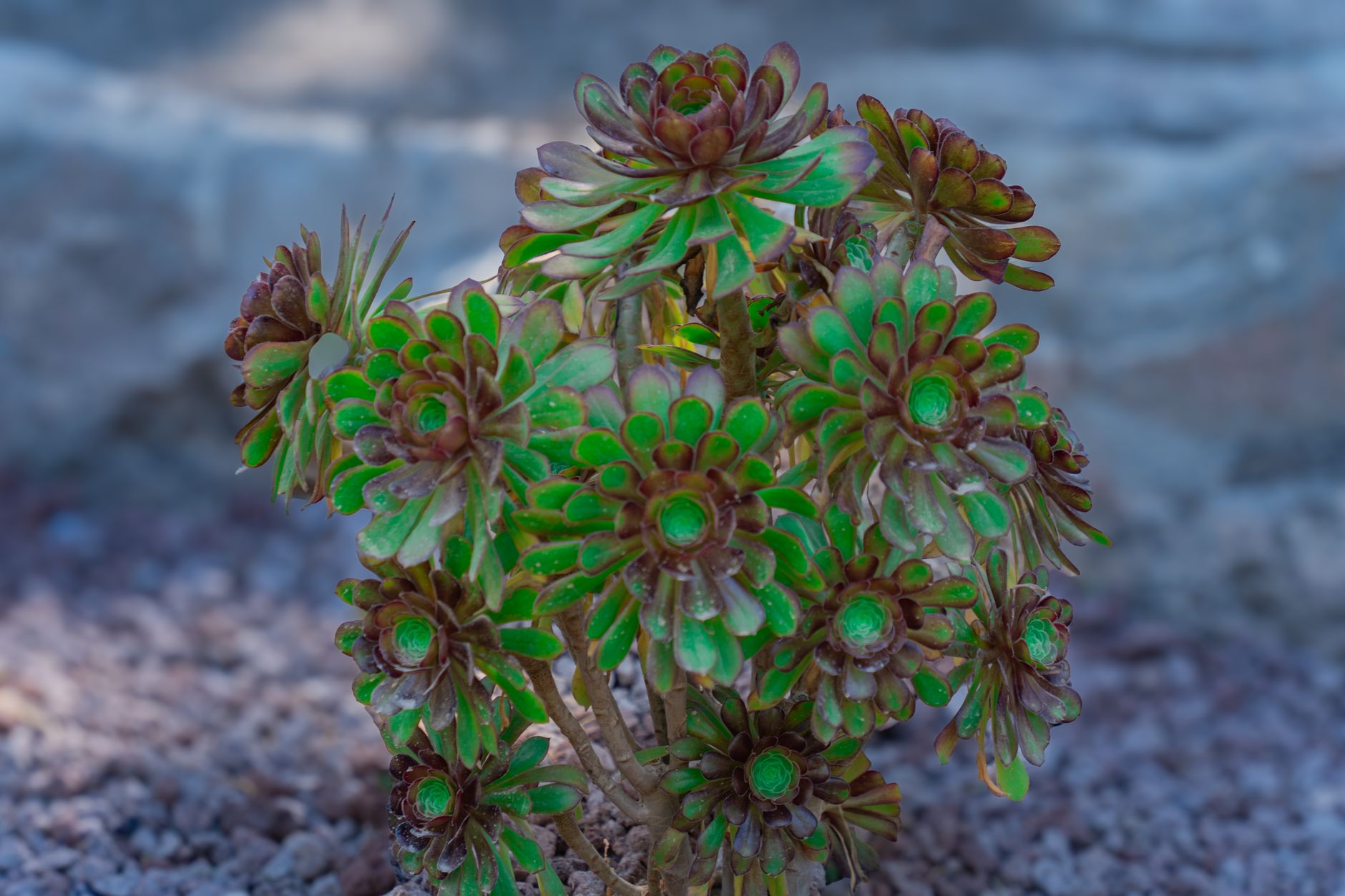
The garden holds around two thousand species from subtropical and Mediterranean climates. Walking through it is like travelling across the southern hemisphere in an afternoon. Among the plants you will see:
- Aeoniums from the Canary Islands, growing in huge rosettes and self-seeding on walls and paths.
- Echiums, including towering flower spikes that can reach well above head height, loud with bees.
- Proteas and other South African plants, with their extraordinary architectural flower heads.
- Agaves and aloes, sculptural and spiky, on the hottest, driest terraces.
- Palms, including tall specimens that give the garden its skyline.
- Flame trees and other flowering trees and shrubs from Australia and New Zealand, in startling reds.
- South American plants, including puyas with their strange, metallic flowers.
The layout follows the climate. The upper terraces are the hottest and driest, planted with the succulents and South African and Australian plants that need sun and drainage. The lower, more sheltered areas hold plants that prefer more moisture. The planting changes through the year, which is part of why people come back.
For keen gardeners the fascination is that these plants are growing outdoors, all year, in Britain. For everyone else, it simply looks like nowhere else — which is more than enough reason to go.
Valhalla: the figurehead collection
Inside the garden, near the entrance, is one of the strangest and most moving small collections in the country. Valhalla is a set of open-fronted loggias, built by Augustus Smith in 1871 as an entrance for the visitors who had begun arriving in numbers from around 1860, with rustic stone piers and walls decorated with shells.
Inside stands a crowd of ships’ figureheads — carved, painted figures that once rode on the bows of sailing ships — along with nameboards and other carved fragments. Most date from the middle and late nineteenth century and came from merchant sailing ships and early steamships wrecked on the rocks and reefs around the islands. Smith began collecting them around 1840, and the collection grew as wreck followed wreck.
The figures are bold, colourful and often a little unsettling: kings, warriors, women with flowing hair, a Highlander, staring out over the heads of the visitors. Each one represents a ship that did not make it past Scilly, and the collection is a powerful reminder that these beautiful waters were among the most dangerous in the Atlantic. Our guide to Cornwall’s history and heritage puts the wrecks in the context of the wider coast. Give Valhalla at least twenty minutes; it is included in the garden ticket.
Getting to Tresco
From St Mary’s
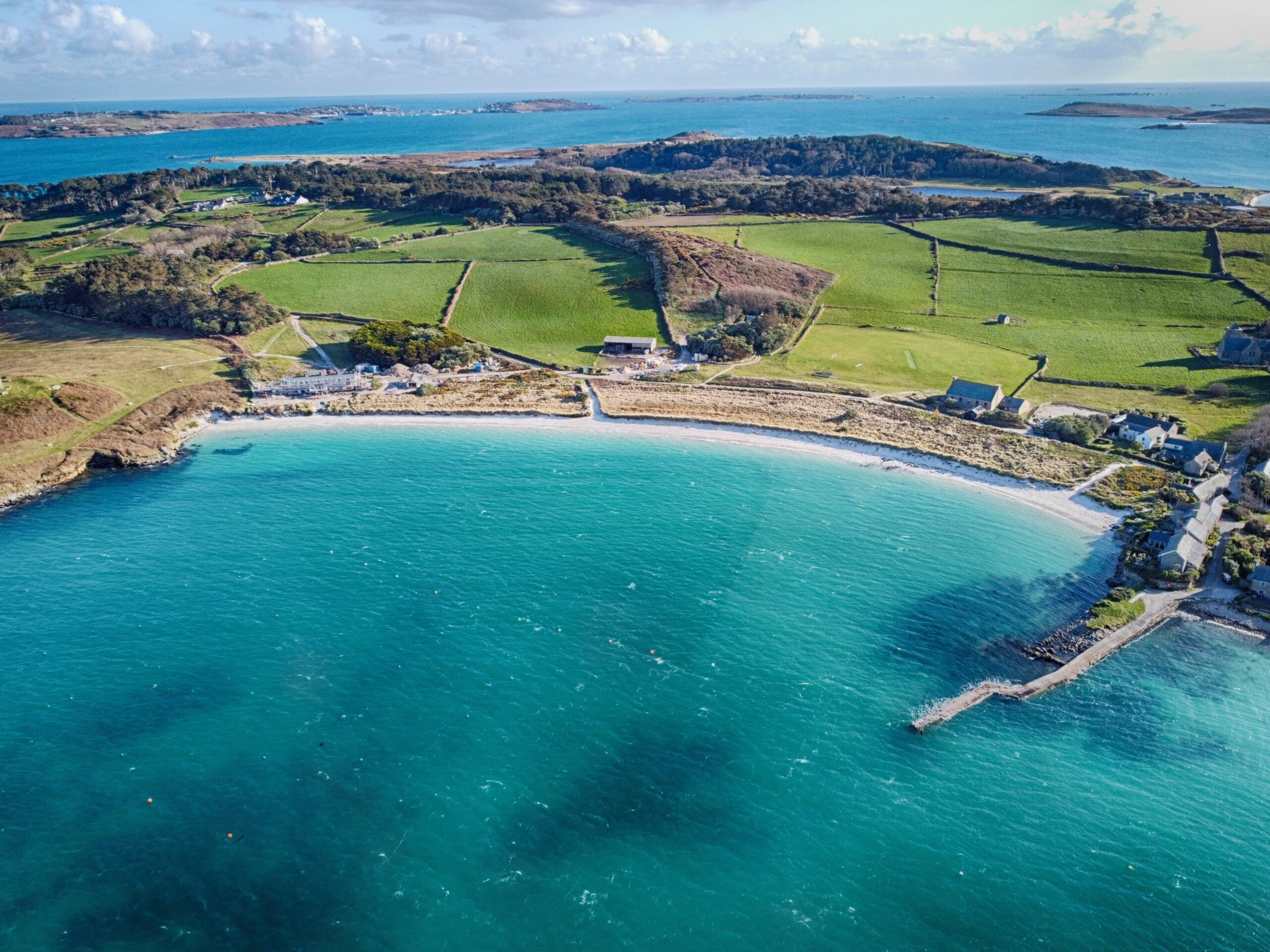
Tresco has no airport and no direct ferry from the mainland, so almost everybody arrives by boat from St Mary’s. Inter-island boats leave St Mary’s Quay at around ten in the morning, with return sailings in the afternoon; the day’s times are posted on boards on the quay. Depending on the state of the tide, boats to Tresco land at New Grimsby on the west side of the island, Old Grimsby on the east side, or Carn Near at the southern tip. Carn Near is the closest landing to the garden, a short walk along a track; from the Grimsbys it is a longer but lovely walk across the island.
Check the return boat time before you set off, and allow time to walk back to the right quay. Missing the last boat to St Mary’s is an expensive mistake.
From the mainland in a day
Visiting the garden as a day trip from Cornwall is possible but needs planning. If you sail both ways on the Scillonian III you arrive at St Mary’s around midday, after the main morning boats to the off-islands have gone, and the garden’s last entry is 15:15. On many days that combination does not work. Flying out on Skybus from Land’s End puts you on St Mary’s in time for the morning boats, which makes a Tresco garden day far more realistic. Our Isles of Scilly day trip guide covers the options in detail, and our guides to the Scillonian ferry and Skybus flights have the practical details.
Staying on the islands
By far the easiest way to visit is to stay on the islands for a few days and choose a calm, sunny day for Tresco. Guests staying overnight on Tresco itself get free entry to the garden throughout their stay. Our Isles of Scilly guide covers the five inhabited islands and where to stay.
Planning your visit
- Allow at least two hours for the garden, and three if you want to see Valhalla properly and stop at the café.
- No booking is needed. You pay at the entrance.
- Watch the last entry time of 15:15, and more importantly your boat back.
- Consider the weekly ticket if you are staying on the islands. At £25 against £18 for a single visit, it pays for itself on the second trip, and the garden looks different in different light.
- The café and shop keep the garden’s hours, and the café is a pleasant place for lunch among the plants.
- Take a layer. The garden is sheltered, but the boat trip and the walk from the quay are not.
When to go
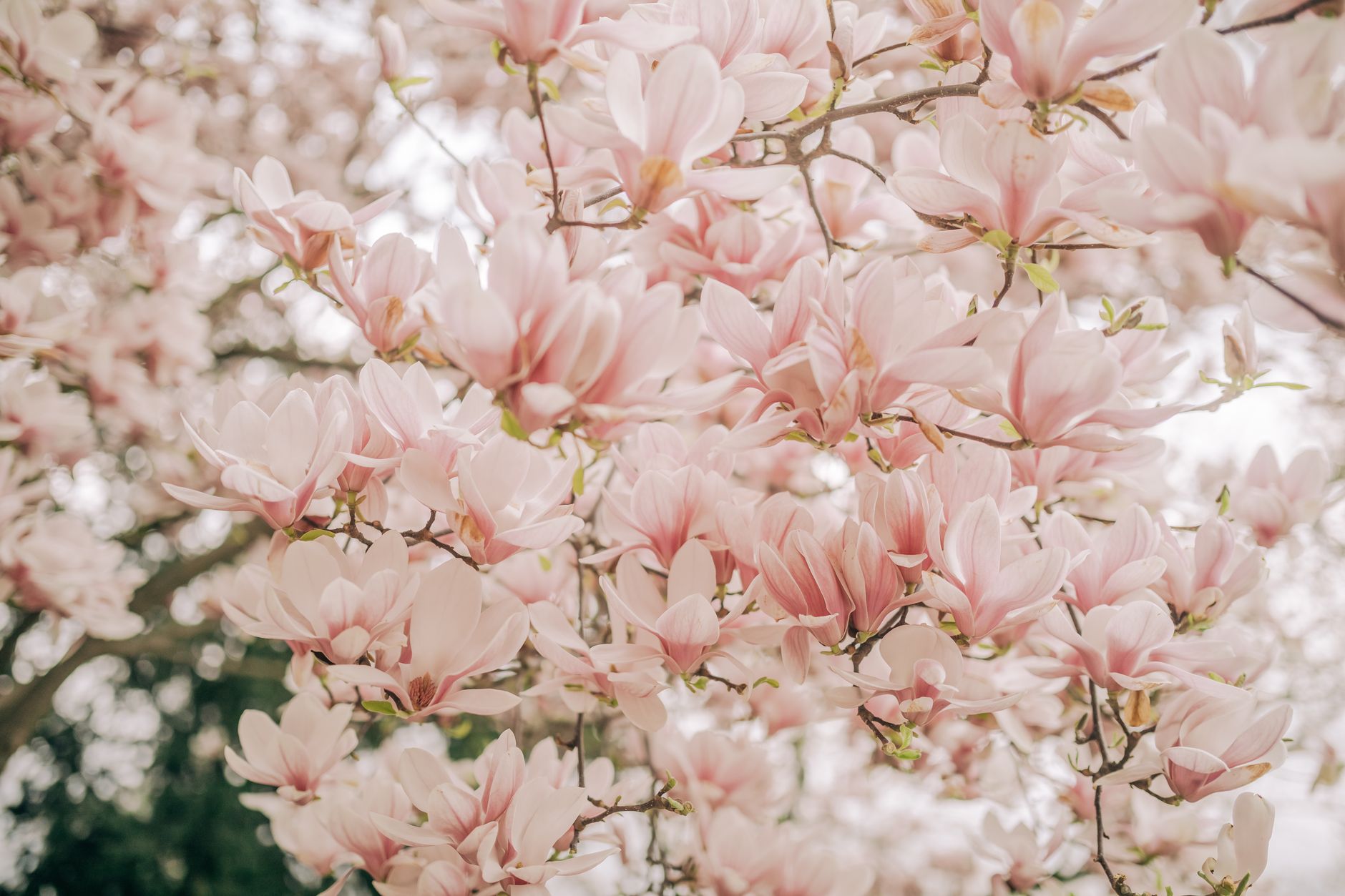
The garden is open from mid-March to the end of October, and there is something to see throughout. Spring brings the first big flush of flowering and the garden at its freshest, with few other visitors. Late spring and early summer is when many of the South African and Australian plants are at their showiest and the echiums tower over the paths. High summer is warm, colourful and busiest, and the succulents and agapanthus are in their element. Autumn is quieter, still full of colour and often very beautiful in the lower light.
Weather matters more than month. Choose a calm day, both for the pleasure of the garden and because the boats to Tresco are cancelled in rough seas. Our guide to the best gardens to visit in Cornwall covers the mainland gardens that are at their best at the same time of year.
Accessibility
The paths through the garden are shingle and mostly manageable, though there are slopes and steps between terraces. A small number of mobility scooters are available on a first-come, first-served basis. The walk from the boat landing to the garden varies with the landing, and the boats themselves involve steps and sometimes a high step from a quay at certain states of the tide. If mobility is a concern, ask the boatmen and the garden in advance. Our Cornwall accessibility guide has more general advice for the region.
Photography and rules
Photography is welcome throughout the garden, and the combination of palms, succulents, stone arches and sea views makes it one of the most photographed places on Scilly. Drones are not allowed. Stay on the paths; many of the plants are rare, and some of them are extremely spiky.
Beyond the garden
If you have time, the rest of Tresco is worth exploring. Pentle Bay and Appletree Bay are two of the finest beaches in the islands, with white sand and shallow turquoise water. The Great Pool in the middle of the island attracts birds. At the northern end of the island, Cromwell’s Castle and the older King Charles’s Castle guard the channel between Tresco and Bryher, with superb views. The island is small enough to walk across in under an hour.
How it compares with the mainland gardens
Cornwall is famous for its gardens, and the great mainland valley gardens on the Helford and around Falmouth and St Austell are superb in their own right, especially in spring, when the camellias, magnolias and rhododendrons are in flower. Tresco is different. It is less about woodland and flowering shrubs and more about the subtropical and Mediterranean plants that simply cannot survive outdoors on the mainland. If you visit only one garden on a trip to the far south-west and you are going to Scilly anyway, make it this one. If you are a keen garden visitor, our guide to open gardens in Cornwall covers the private gardens that open for a few days a year.
The honest verdict
Tresco Abbey Garden is worth the journey, and not just for gardeners. Even people with no interest in plants tend to find it astonishing, and Valhalla alone would justify the ticket. At £18 for an adult it is not cheap, but it is a unique place that is expensive to maintain, and for two or three hours of something you cannot see anywhere else in Britain it is fair value.
The real challenge is timing. As a sail-both-ways day trip from the mainland it can be rushed or impossible, and a visit squeezed between boats is a lesser experience. Stay on the islands, or fly out; choose a calm, bright day; and give the garden the whole afternoon it deserves.
Frequently Asked Questions
How much does Tresco Abbey Garden cost?
Adults £18, concessions £17, under-16s £5, and under-5s free. A family ticket for two adults and up to three children is £40, and a weekly ticket is £25. Overnight guests on Tresco get free entry.
What are the opening times?
Daily from 10:00 to 16:00, with last entry at 15:15, from 14 March to 31 October.
Do I need to book tickets in advance?
No. There is no advance booking; you pay on arrival at the garden.
How do I get to Tresco Abbey Garden?
Take an inter-island boat from St Mary’s Quay, usually leaving around ten in the morning. Boats land at New Grimsby, Old Grimsby or Carn Near depending on the tide; Carn Near is closest to the garden.
Can I visit the garden on a day trip from Cornwall?
It is possible but tight if you sail both ways, as the ferry arrives on St Mary’s around midday. Flying out from Land’s End gives you time to catch the morning boats to Tresco.
How long should I spend in the garden?
At least two hours, and ideally three if you want to see the Valhalla figureheads and have a break at the café.
What is Valhalla?
A collection of ships’ figureheads and carvings, mostly from nineteenth-century merchant ships wrecked around the Isles of Scilly, displayed in loggias built by Augustus Smith in 1871. It is inside the garden and included in the ticket.
Is the garden accessible?
The shingle paths are mostly manageable, with some slopes and steps, and a few mobility scooters are available first-come, first-served. The boat landings can involve steps depending on the tide.
When is the best time to visit?
Any time between mid-March and October, on a calm, sunny day. Late spring and early summer are especially colourful; autumn is quieter.
Choose a still morning, catch the ten o’clock boat, and walk up from the quay without looking at the time. Tresco Abbey Garden rewards people who stop hurrying — the ones who sit on a bench under the palms, listen to the bees in the echiums, and remember that they are on a scrap of granite in the Atlantic, twenty-eight miles from the nearest mainland, somewhere a garden like this has no right to exist at all.
Tresco is only one stop on a longer Scilly itinerary for most visitors. Our guide to island hopping the Isles of Scilly covers how to combine a day at the Abbey Garden with trips to Bryher, St Martin’s and St Agnes.
Photo credits: Old Grimsby, Tresco — Old Grimsby Beach Isles of Scilly by Kernow Skies, CC BY-SA 3.0 (licence).