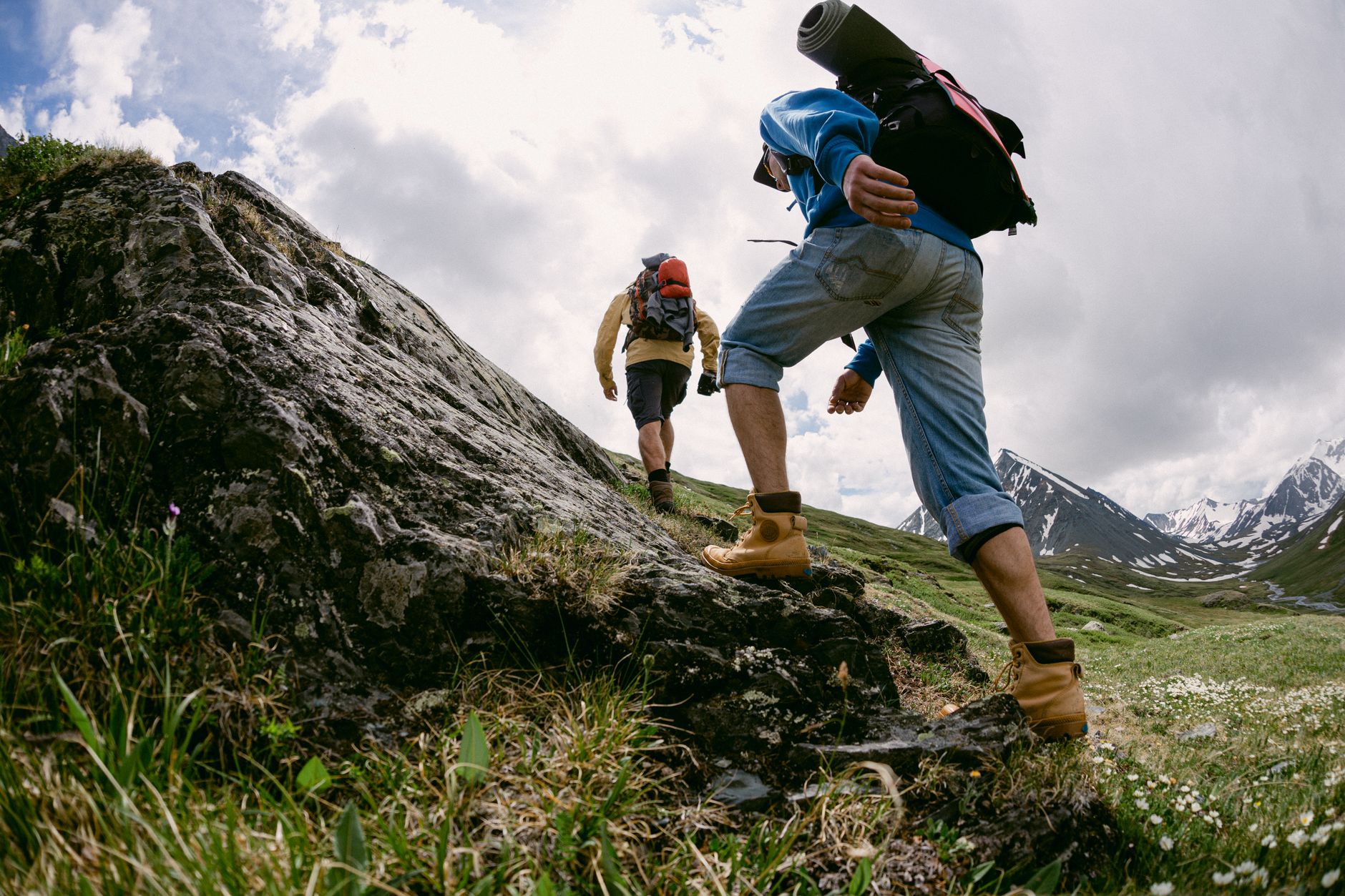
Cornwall’s walking weather is famously changeable. A clear, sunny morning can turn to horizontal rain by the time you have crossed the second headland, and a mild day in May can catch you cold on the cliff at Sennen. The point of good walking kit is not to look like a serious mountaineer — it is to stay comfortable enough to keep enjoying the walk when the weather changes its mind, which in Cornwall it reliably does. Get the kit right and a day that could have been miserable becomes one you remember for the right reasons.
This guide draws on the practical wisdom of Cornish hosts, walking-holiday operators, and the South West Coast Path Association’s own recommendations. It covers what you genuinely need for a day walk on the coast, a multi-day section, and a walk on Bodmin Moor, and it separates the true essentials from the optional extras. It also flags the specifics that catch first-time visitors out — the strength of the UV reflected off the sea, and how fast a Cornish bog fills a boot that turns out not to be as waterproof as the label claimed. Read it alongside our complete guide to walking and hiking in Cornwall for the routes themselves.
The Essential Kit for Cornwall Walking
A handful of items do the heavy lifting. Get the footwear, the waterproof, and the layering system right, and everything else is detail.
Footwear
Walking boots are the right choice for almost any Cornwall walk. The coast path is rocky, root-strewn, sometimes boggy, and consistently uneven, and boots give the ankle support that stops a minor twist becoming a holiday-ending injury. Look for waterproof leather or synthetic uppers — a Gore-Tex lining genuinely helps in Cornwall’s wet conditions — a real ankle cuff rather than the low collar of a trail shoe, and a deep-lugged sole for grip on wet granite, slate, and seaweed. Above all, break them in on flat ground at home before you arrive; a new boot on day one of a coastal walking holiday is a guaranteed blister story.
Trail running shoes have their place on shorter, drier walks, and plenty of experienced walkers use them. But they wear out fast on the rougher ground of Penwith and the Lizard, and they offer little protection when your foot finds a hidden rock or a bog. For a first Cornwall trip, or any multi-day walk, boots remain the safer bet.

Socks
Merino wool walking socks are the small luxury that makes the biggest difference to a day on foot. The features worth having are a cushioned heel and toe, wicking fabric to keep feet dry, a seamless toe to prevent rubbing, and a mid-calf height so the boot cuff never touches skin. Pack at least one more pair than you think you need, because wet socks shorten any walk fast, and a dry pair at lunchtime can rescue an afternoon.
Waterproof Jacket
This is the single most important piece of Cornwall walking kit. The clifftop wind makes any rain feel colder, and a poor jacket becomes misery within minutes. Look for a genuinely waterproof shell rather than merely water-resistant — a hydrostatic head of 10,000mm or more — in a breathable fabric such as Gore-Tex or eVent, since Cornish rain is rarely cold enough to justify a non-breathable coat that leaves you damp with sweat instead. A proper hood with a peaked brim and adjusters matters, as do pit zips for venting when the rain stops but you keep walking, and pockets that close fully to protect a phone and map.

Waterproof Trousers
For multi-day walks and any winter walking, waterproof trousers move from optional to essential. Side-zips are the feature to look for, because they let you pull the trousers on over boots without having to take your footwear off in the rain — a small thing that matters a great deal on an exposed cliff in a squall.
Layers
A layered system beats a single heavy jacket every time on the Cornish coast, because it lets you fine-tune your warmth as the weather and your effort change. The standard three layers are a wicking base layer of merino or synthetic (never cotton, which chills you when wet), a fleece or light insulated mid layer for warmth, and the waterproof shell over the top. For legs, a quick-drying synthetic walking trouser is far better than jeans, and some walkers like convertible zip-off trousers for hot summer days. The whole point is to be able to add or shed a layer in thirty seconds, so keep the mid layer somewhere you can reach without unpacking the whole bag.
Daypack
Twenty to thirty litres is the sweet spot for day walks. The features that earn their keep are an adjustable hip belt and chest strap to take the weight off your shoulders, compression straps to stop the load shifting, an external hydration sleeve, and a rain cover, either built in or bought separately. Several pockets help you keep the small essentials — phone, map, snacks — to hand without digging. On a multi-day walk where your main bag is being transferred ahead, this daypack is all you carry, so it is worth getting comfortable.
Important Small Kit
Beyond the big items, a scattering of smaller pieces of kit make a real difference to comfort and safety.
Maps and Navigation
The relevant OS Explorer maps for Cornwall are numbers 102 to 107, and a paper map plus a compass remains the reliable backbone of navigation when visibility drops. The OS Maps app with offline downloads is an excellent complement, but not a replacement, because phone signal is patchy across much of the county and non-existent on parts of the moor. A power bank to keep the phone alive on longer days completes the set.
Water and Food
Carry at least 1.5 litres of water for a half-day, and more in summer, because taps and cafes are scarce on the cliff path and absent on the moor. For multi-day independent walks a water filter or purification tablets are worth packing. Bring energy snacks such as oat bars, trail mix, or dried fruit to keep you going between stops, and a pasty or sandwich in a sturdy box or a beeswax wrap for lunch. Food is not just fuel on a long, cold day — it keeps your morale up as much as your energy.
Sun Protection
Cornwall’s UV is stronger than most visitors expect, and reflection off the sea compounds it, so sunburn is a real risk even on a breezy day that does not feel hot. Always carry factor 30 or higher sun cream, an SPF lip balm, a wide-brimmed hat or cap, and sunglasses. The wind on the cliffs disguises how much sun you are getting, which is exactly why people burn.
First Aid
A small first-aid kit is non-negotiable, and blister plasters such as Compeed are the item you will most likely actually use — carry them and apply them at the first hot spot, not after the blister forms. Round the kit out with antiseptic wipes, painkillers, antihistamines, a small bandage, and tweezers for ticks, which live on Bodmin Moor and in long grass. A little care here prevents a small problem from ending a walk.
Other Useful Kit
Several extras are not quite essential but earn their place. Walking poles are brilliant on Cornwall’s relentless ups and downs and fold into a daypack when not needed. A head torch is worth carrying if there is any chance of finishing in the dark, and most rucksack chest straps have a whistle built in for emergencies. A penknife, a small microfibre towel for unexpected swims or sudden rain, and swimwear all reward their modest weight, because Cornwall walking pairs remarkably well with a spontaneous sea swim.
How to Layer for the Cornish Coast
Layering sounds obvious until the weather makes it complicated, and Cornwall’s weather usually does. The principle is simple: trap warmth in still air between thin layers, and manage moisture so you never end up wet from the inside. Start a little cool, because you will warm up within ten minutes of setting off, and adjust before you either overheat or chill rather than after. On a typical changeable day you might walk in a base layer and shell, add the mid layer for an exposed headland or a lunch stop, and strip back to the base as you climb out of a sheltered cove.
The one rule that never bends is to avoid cotton next to the skin. A cotton T-shirt soaks up sweat and rain, holds it against you, and drags your body heat away — exactly the wrong behaviour on a windy cliff. Merino and synthetic base layers dry fast and keep working when damp, which is why every experienced walker swears by them.
Getting Boots and Fit Right
More walks are spoiled by footwear than by anything else, and most of it comes down to fit rather than price. Buy boots at the end of the day, when your feet have swollen slightly, and try them on with the walking socks you actually intend to wear. There should be room to wiggle your toes, no slipping at the heel, and no pressure points anywhere when you walk up and down a slope in the shop. A good outdoor retailer will let you test them on a ramp for exactly this reason.
Once you have them, break them in properly. Wear the boots around the house, then on short local walks, building up over a week or two before you rely on them for a full day. Waterproofing needs looking after too: reproof leather boots periodically and treat the fabric of a Gore-Tex-lined boot, because “waterproof” wears off with use, and a Cornish bog will find the weakness. None of this is complicated, but skipping it is the most common reason a walking holiday turns into a limp.
Preventing Blisters
Blisters end more Cornwall walks than the weather, and nearly all of them are preventable. The causes are friction, moisture, and heat, so the fixes address all three: boots that fit and are broken in, socks that wick and do not wrinkle, and feet kept as dry as the day allows. The golden rule is to stop the moment you feel a hot spot and deal with it there and then, before it becomes a blister — a strip of tape or a blister plaster applied early saves the whole afternoon. Some walkers swear by a thin liner sock under the main sock to move the friction between the two layers rather than against the skin, and it is worth trying if you are prone to blisters. Carry the plasters where you can reach them without unpacking, because the temptation to press on and hope is exactly how a hot spot becomes a wound.
Cornwall Walking Kit by Season
The core kit stays the same year-round, but the emphasis shifts with the seasons. In spring, from March to May, run the full layering system with an insulated mid layer, carry full waterproofs always, take gloves and a hat for the higher cliffs, and add sun cream once the cloud breaks. Summer, June to August, calls for lighter base layers, a breathable shell, a sun hat, plenty of water, and swimwear for the coves you cannot resist. Autumn, September to November, is back to the spring kit, with storms more likely, so full waterproofs are essential. And winter, December to February, wants a heavier insulated mid layer, gloves and a hat as standard, a head torch for the early dark, waterproof trousers, and gaiters for the boggy sections.
Bodmin Moor Walking Kit
Moor walking adds a few specific items to the coastal list, because the moor is more exposed, harder to navigate, and further from help. Carry a compass and a paper map, since phone signal is unreliable across much of Bodmin Moor. Add gaiters, because bog water reaches above ankle height in places, and a whistle for emergencies. An emergency bivvy bag is a sensible precaution, as the weather changes fast up top and a twisted ankle can leave you waiting in the open. Take more food and water than you would for a coast walk, too, because there are no shops or cafes out on the moor. Our dedicated Bodmin Moor walking guide goes into the routes and the navigation in more detail.
Packing for a Day Walk versus a Multi-Day Trip
What you carry depends heavily on the kind of walk. For a day walk, a twenty to thirty litre daypack holds everything: waterproofs, a spare layer, water, lunch, first aid, sun cream, map, and phone, with room to spare. You return to the same bed each night, so the load stays light.
A multi-day walk with luggage transfer works much the same way on the trail, because your main bag travels ahead to the next B&B and you walk with only the daypack. The difference is what goes in the transferred bag: evening clothes, toiletries in small bottles, spare base layers and socks, slip-on shoes for the pub, and a lightweight repair kit of needle, thread, cord, and a little tape. If you are walking unsupported, carrying everything yourself, you step up to a forty to fifty litre pack with a proper hip belt and take the toiletries, spare layers, and evening kit on your back — a very different day, and one that rewards ruthless attention to weight. Our guide to Cornwall walking holidays and multi-day routes explains how luggage transfer works and when it is worth using.
Budget versus Premium: Where to Spend
You do not need to spend a fortune to walk comfortably in Cornwall, but some items reward the investment more than others. Spend where it matters most — on boots and a waterproof jacket, the two pieces that most affect whether you enjoy the day, and where cheap versions fail exactly when you need them. A good pair of merino socks is a small cost for a large gain, and worth buying properly too.
Elsewhere you can economise without regret. A budget daypack, a supermarket fleece, and own-brand base layers all do the job perfectly well for occasional walking, and there is no shame in building a kit gradually. The one false economy to avoid is a cheap “waterproof” that turns out to be merely shower-resistant, because Cornish rain arrives sideways and stays for hours, and a jacket that wets through leaves you colder than no jacket at all.
What Not to Pack
Some things are better left at home. Cotton clothing dries slowly and chills you when wet; brand-new boots guarantee blisters on a multi-day walk; heavy denim jeans are cold, heavy, and slow to dry; and single-layer thick coats are too inflexible for weather that changes hour by hour. Open-toe sandals have no place on a cliff path, and a vast seventy-litre expedition pack is needless weight for a day walk. Leave the excess behind and your shoulders will thank you by mid-afternoon.
Where to Buy Walking Kit in Cornwall
If you arrive without something, several Cornish retailers can put it right. Cotswold Outdoor has branches in Truro and Newquay, Mountain Warehouse has several Cornwall stores, and Trespass offers budget options in a number of locations. For surf-and-walk crossover gear, the independent shops in St Ives and Penzance are worth a look. It is better to arrive properly equipped, but it is reassuring to know a forgotten waterproof or a split boot need not end the trip.
Kit, Comfort and Where You Stay
Good kit and a good base go hand in hand. A B&B with a drying room turns a soaked jacket and boots into dry kit by morning, which on a run of wet days is the difference between a holiday and an ordeal, so it is worth asking about drying facilities when you book. Many walker-friendly places also offer early breakfasts and packed lunches, both of which shape what you need to carry. If you are new to staying in a Cornish guesthouse, our guide to what to expect at a Cornish bed and breakfast covers the practicalities, and for a walking trip with a partner our guide to romantic bed and breakfasts in Cornwall for couples points to the sort of place that makes a fine reward after a long day on the cliffs.
Binoculars and the Naturalist’s Extras
For anyone who walks with an eye on the wildlife, a few extras are worth their weight. A compact pair of binoculars transforms a coast or moor walk, bringing seals hauled out on distant rocks, choughs over the cliffs, and seabirds on the water within reach. A small field guide or a phone app helps you put a name to what you see, and a notebook is a pleasant indulgence for keeping a record of the walk. Cornwall’s coast, moor, and woods are exceptionally rich in wildlife; our Cornwall wildlife and nature guide covers what to look for and where, and turns a walk into a day of quiet natural history.
Common Cornwall Walking Kit Mistakes
A few errors recur again and again. Wearing trail runners on the rougher coast, where they wear out fast and offer poor protection, is a common one; so is skimping on a real waterproof, only to discover how sideways and cold Cornish rain can be. People carry too much water on cafe-rich coast sections and too little where there are no taps at all. And the classics never go away: not breaking in boots, forgetting blister plasters, and heading out hatless in summer, when sun and wind together make headwear essential. Every one of these is easy to avoid, and avoiding them is most of what separates a comfortable walker from a miserable one.
Frequently Asked Questions About Walking Gear for Cornwall
What boots are best for walking in Cornwall?
Mid-cut, waterproof leather or synthetic walking boots with a deep, grippy sole. Brands such as Salomon, Scarpa, Meindl, and Brasher all make well-regarded options, but fit matters more than name — buy the pair that fits your foot properly and break it in before you rely on it.
Do I need waterproof trousers for Cornwall?
For multi-day walks and for autumn or winter walking, yes. For a single summer day walk you can usually manage with quick-drying walking trousers and a long waterproof jacket, but carry the overtrousers if heavy rain is forecast, especially on exposed cliff sections.
What is the best waterproof jacket for Cornwall walking?
Any three-layer Gore-Tex or eVent jacket from a reputable brand will serve you well. Cheaper coated jackets work for occasional walks, but avoid pure rain ponchos, which the Cornish wind shreds. Prioritise a genuine waterproof rating, a good hood, and pockets that close.
Are walking poles useful in Cornwall?
Yes, particularly on the steeper coast-path sections such as St Ives to Zennor, the Lizard cliffs, and the Hartland stretch, where the constant ascent and descent tire the legs. Telescopic poles fold away into a daypack when the ground eases off.
How big a daypack do I need?
Twenty to thirty litres for a day walk, thirty to thirty-five for a luggage-transfer multi-day trip, and forty litres or more for an unsupported walk where you carry everything. Look for a proper hip belt on anything you will wear all day.
Do I need crampons or an ice axe in Cornwall?
No. Cornwall almost never has snow, and frost on the coast is rare. A set of lightweight ice grips might help on the odd frosty winter morning, but crampons and ice axes are entirely unnecessary for walking here.
The best Cornwall walking gear is the kind you forget you are wearing. Boots that do not blister, a jacket that does not soak through, layers you can add or shed in thirty seconds, and a daypack that does not make you sweat. Get those right and the cliff path becomes the holiday it was always meant to be, whatever the weather decides to do.