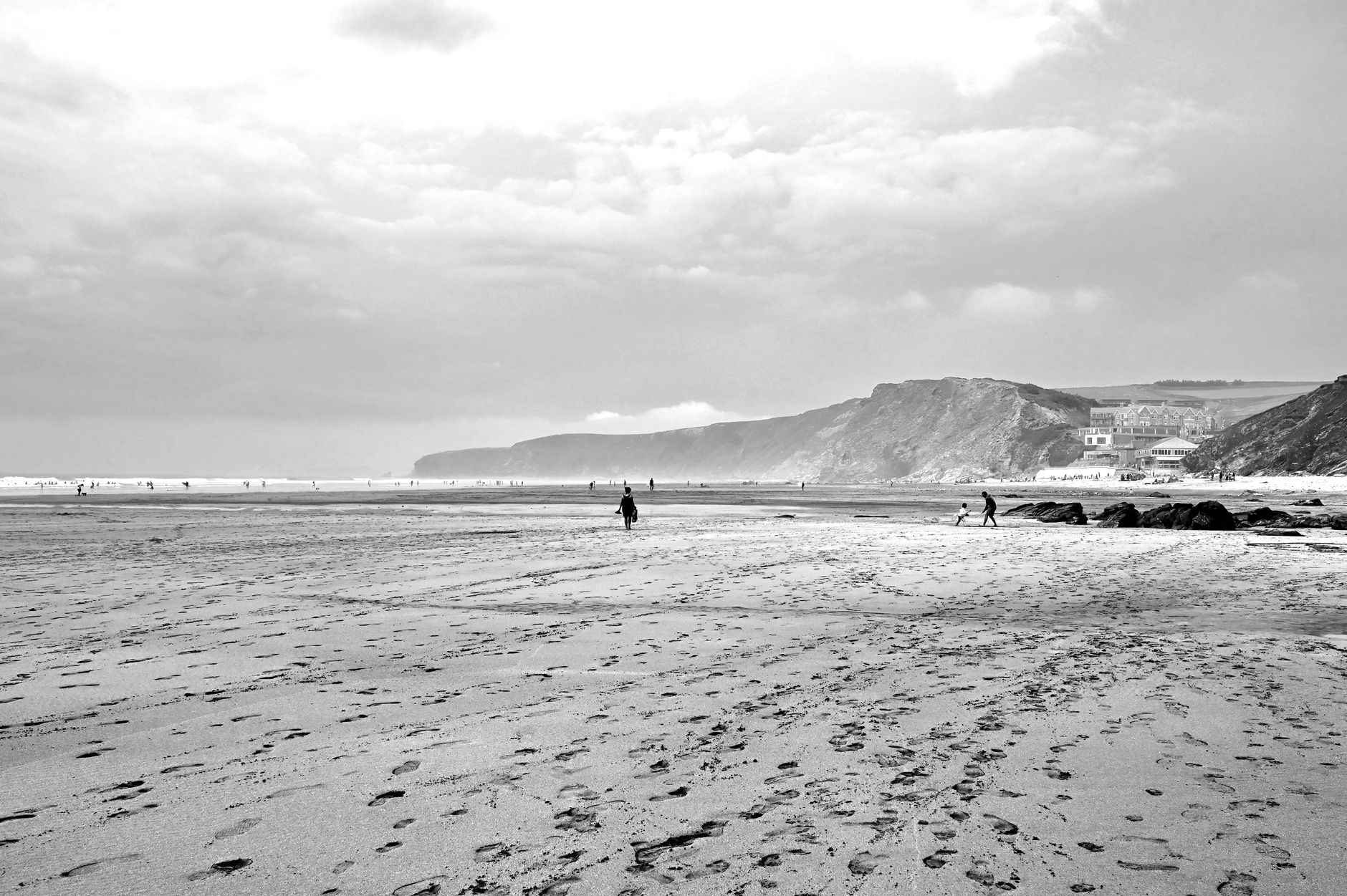
At low tide, Watergate Bay is so wide and so flat that it stops feeling like a beach and starts feeling like a landscape. People fly kites from one end of it and ride kite buggies across the middle; children dig moats that the sea won’t reach for hours; a surf lesson in the shallows looks tiny against two miles of sand running away under the cliffs. Then the tide turns, the water races across all that flat sand, and within a couple of hours much of it has gone.
Watergate Bay sits a couple of miles up the coast from Newquay, a long, straight sweep of Atlantic beach below the hamlet of Tregurrian, with a hotel, three restaurants and a watersports centre gathered around the slipway at its heart. It’s more polished than most Cornish beaches and less frantic than Newquay’s town beaches, with excellent surf, space for kitesurfers and dogs welcome all year. This guide covers the tides, the surf and watersports, lifeguards, parking, dogs, where to eat, the history of the hotel, getting there and the walks along the coast in either direction.
Watergate Bay at a glance
- Where: about two miles north-north-east of Newquay on the B3276 coast road, below Tregurrian.
- Size: around two miles of flat sand at low tide, narrowing dramatically at high water.
- Surf: an exposed Atlantic beach break that picks up plenty of swell; lessons and hire on the beach.
- Lifeguards: RNLI patrols from May to September, 10am to 6pm.
- Dogs: allowed all year.
- Parking: pay and display in summer, from £2.30 for an hour; free in winter.
- Food: The Beach Hut on the sand, Zacry’s on the sea wall and The Living Space in the hotel.
Tides: two miles of sand, but not all day
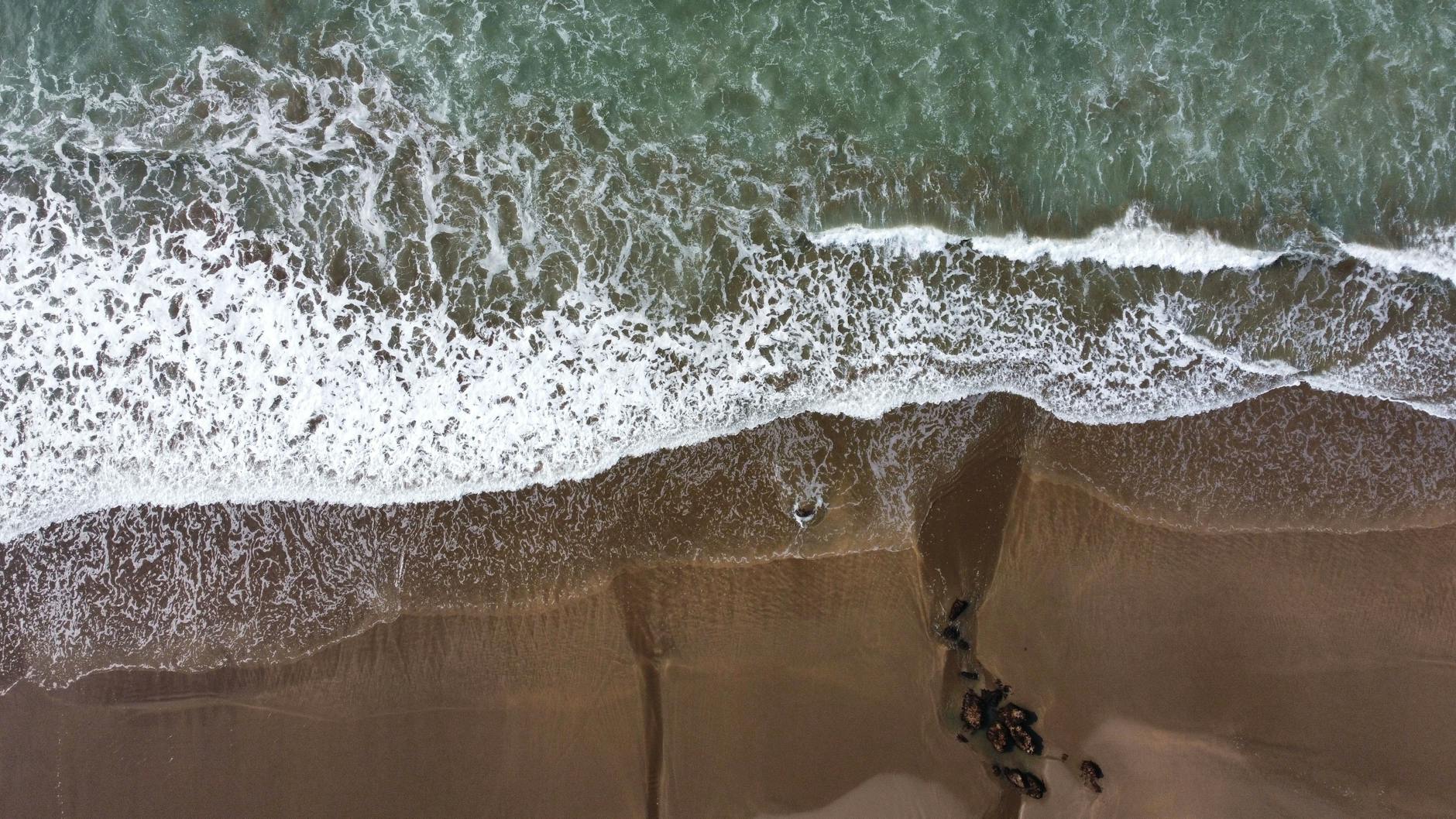
Watergate is a beach to plan around the tide. At low water the sand stretches for around two miles and is several hundred metres deep in places, with endless room to spread out. As the tide rises it floods quickly across the flat sand, and at high water the beach narrows to a strip in front of the slipway, with the sea reaching the foot of the cliffs along much of the bay.
That matters most if you’re walking the length of the beach. At low tide it’s a wonderful walk, but the far ends of the bay are cut off by the rising water, and the cliffs behind are sheer and unclimbable. Check the tide times before you set off, turn back in good time, and don’t get caught below the cliffs as the water comes in. For a full day on the sand, arrive a few hours before low tide, when you’ll have the beach at its biggest for the middle of the day.
Surfing at Watergate Bay
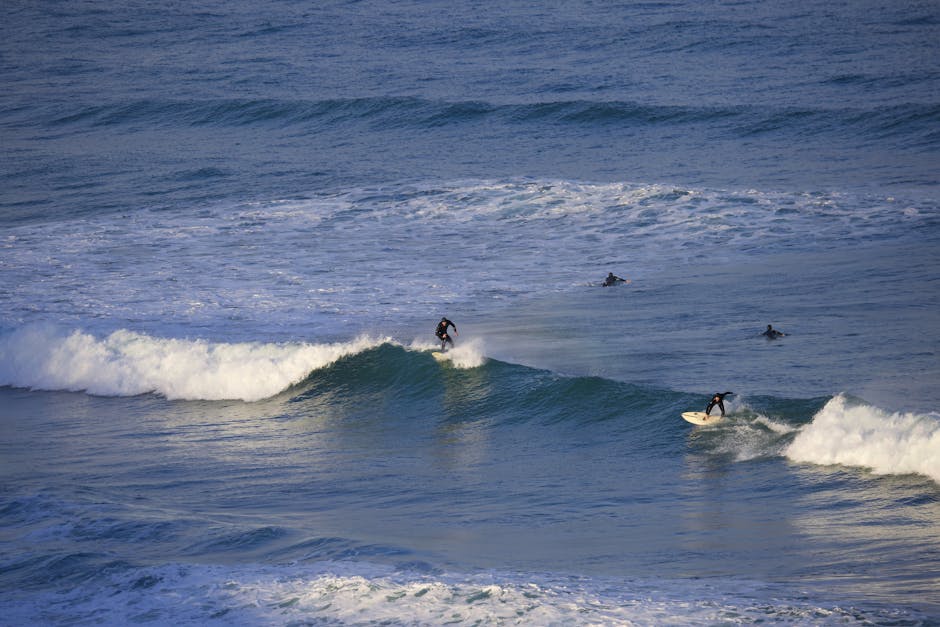
Watergate faces the open Atlantic and picks up plenty of swell, with waves breaking along the full length of the bay on the shifting sandbanks. It’s consistent, it’s rarely as crowded as Fistral, and with two miles of beach there’s room for everyone to find a peak. On small and medium days it’s a good beach for beginners and improvers, with lessons in the whitewater close to the slipway; on bigger days it can be powerful, with strong currents, and it’s better left to experienced surfers. The bay has also hosted the English National Surfing Championships.
Lessons and hire are run from the beach by the hotel’s Extreme Academy, which covers surfing and the bay’s other watersports, and hires out sand chairs and beach kit too. As with any surf beach, book lessons ahead in the school holidays, and look for small group sizes and qualified instructors. If you’re choosing between Newquay’s beaches for a first lesson, our Fistral Beach guide explains how the town’s most famous surf beach compares.
Kitesurfing and other watersports
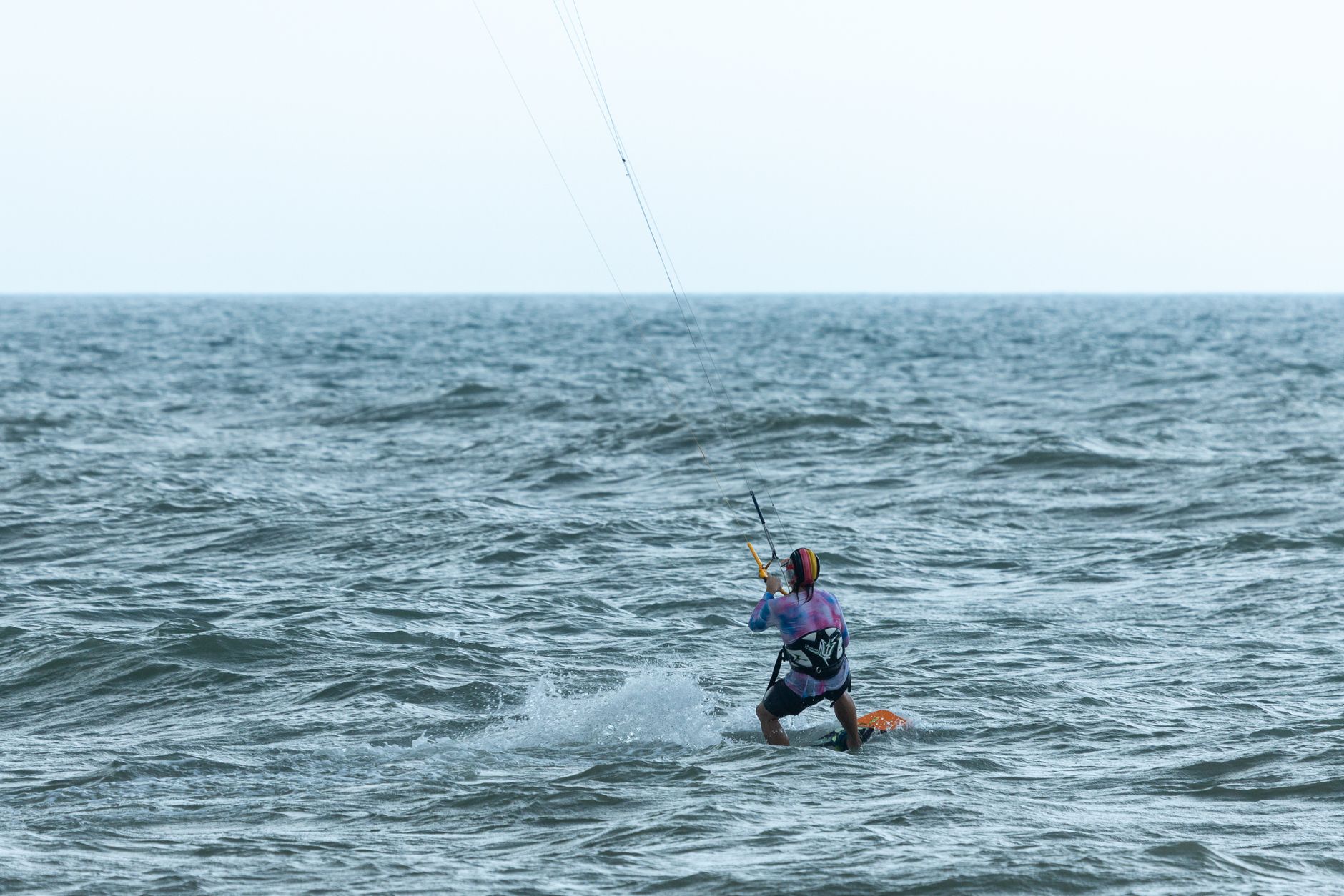
Watergate is best known beyond surfing for non-powered watersports, and on a windy day the sky above the bay fills with kites. The long, open beach and the space between the sandbanks make it one of the most popular spots on the north coast for kitesurfing, and at low tide the flat sand is perfect for kite flying and kite buggies. Stand-up paddleboarding and bodyboarding are popular on calmer days, and the beach has a long tradition of sand art, with huge designs raked into the sand at low tide.
If you’re new to kitesurfing, don’t just turn up with a kite: lessons with a qualified instructor are essential, and the lifeguards and the kite community keep kite zones well away from swimmers and surf lessons. Our guide to kitesurfing and windsurfing in Cornwall explains where to learn and which winds work where.
Lifeguards and safety
RNLI lifeguards patrol Watergate Bay from May to September, 10am to 6pm. Swim and bodyboard between the red and yellow flags, keep surfboards in the black-and-white chequered zones, and stay out of the water when the red flag is flying. The main hazards are rip currents, which form between the sandbanks and are strongest on bigger days, and the incoming tide, which moves fast across the flat sand. Outside the patrol season there’s no cover at all, so be doubly careful if you’re swimming in spring or autumn, and remember that the water is cold for most of the year: around 16°C at its warmest in September.
Watergate Bay parking
The car park sits behind the beach, a short walk from the slipway. It’s pay and display through the summer season and free in the winter months. The recent summer tariff runs:
| Stay | Charge |
|---|---|
| 1 hour | £2.30 |
| 2 hours | £4.60 |
| 3 hours | £5.80 |
| 4 hours | £6.80 |
| 24 hours | £10.50 |
| Evening, 6pm to midnight | £2.10 |
Check the machine for current prices, as they’re reviewed each season. That evening rate is worth knowing: on a summer evening, after the crowds have gone, a couple of pounds buys you the whole bay at sunset. On sunny days in the school holidays the car park fills by late morning, and during the Boardmasters festival in August the whole area is exceptionally busy.
Dogs at Watergate Bay
Dogs are allowed on Watergate Bay all year round, which makes it one of the best big beaches near Newquay for a dog walk, and at low tide there’s space for a proper run. On busy summer days, keep your dog under close control around the surf lessons, the kite zones and other people’s picnics, and remember that the tide comes in quickly across the flat sand, so a long walk towards either end of the bay needs the same tide planning as it would without a dog.
Eating and drinking at Watergate Bay
For a beach of its size, Watergate has an unusually good choice of places to eat, all run by the Watergate Bay Hotel:
- The Beach Hut sits right on the sand by the slipway, the most relaxed of the three and the natural choice for lunch in beach clothes.
- Zacry’s occupies its own building on the sea wall, with one of the best dining views in Cornwall and a seafood-led menu; it’s featured in the 2026 Michelin Guide.
- The Living Space, the hotel’s lounge bar, serves sharing platters and hearty dishes with big windows over the sea.
All three are overseen by executive head chef Chris Eden, who joined Watergate Bay in autumn 2024. None of it is cheap, and in summer it’s worth booking ahead for dinner; for a family on a budget, a picnic on the sand and a drink at The Beach Hut is the best-value way to enjoy the setting. Our guide to fine dining in Cornwall covers the county’s other standout restaurants.
The Watergate Bay Hotel
The hotel at the heart of the bay has a surprising origin story. It first opened in July 1900, designed by the architect Joshua Harrison Goodland, and was built on farmland to cater for the tourists expected to arrive on a new railway line along this coast. The railway was never built, but the hotel survived it, and over the following century it grew into one of Cornwall’s best-known beach hotels. Watergate Bay has other history, too: in the early 1900s it hosted Cornish wrestling tournaments for the Burnaby Cup, long before anyone thought to bring a surfboard.
Boardmasters
Every August, the clifftops above Watergate Bay become the music site for Boardmasters, one of the UK’s biggest surf and music festivals, while the surf and beach events take place at Fistral in Newquay. Festival week transforms the area: roads, car parks and accommodation are at their busiest, and the beach fills with festival-goers. If you’re coming for Boardmasters, book everything early; if you’re not, it’s worth checking the dates and planning your Watergate days around them.
Watergate Bay through the year
Spring is quiet and fresh, with long, empty low-tide walks and the first lifeguards back on the beach in May, though the sea is at its coldest after the winter. Summer is Watergate at its busiest and most sociable: lessons in the shallows, kites overhead, every table at The Beach Hut taken, and long light evenings that make the evening parking rate the best deal on the coast. Autumn is the surfer’s season, with the most consistent swells, warmer water after the summer and far fewer people once the schools go back. Winter brings free parking, big seas and some of the best walking of the year; wrap up and time your walk for low tide, and on a clear, cold day between storms you may have the whole two miles almost to yourself.
A day at Watergate Bay
Start by checking the tide, and work the day around low water. If it falls in the early afternoon, book a surf lesson for mid-morning, when the beach is opening up and the lesson area has plenty of room. Take lunch at The Beach Hut or a picnic on the sand, then walk the length of the bay on the lowest of the tide, when the beach is at its biggest and the far ends are within reach. Leave plenty of time to walk back before the water turns. Spend the late afternoon flying a kite or watching the kitesurfers, and if you can, stay for the evening: the day-trippers leave, the evening parking rate kicks in, and on a clear night the sun drops into the Atlantic beyond the bay. Finish with dinner at Zacry’s if you’ve booked, or a picnic supper on the sand if you haven’t.
Watergate Bay with children
On a calm summer day, Watergate is a superb family beach: acres of flat sand for games, lifeguards on duty, shallow water on the lower tides, and food, toilets and the car park all close to the slipway. The main things to watch are the tide, which comes in fast across the flat sand, and the surf, which can be too big for small children even on a sunny day, so check the flags and ask the lifeguards if you’re unsure. If you’re planning a family trip in the school holidays, our guide to half-term and school holiday activities in Cornwall has plenty of ideas for the days when the weather doesn’t play along.
Getting to Watergate Bay
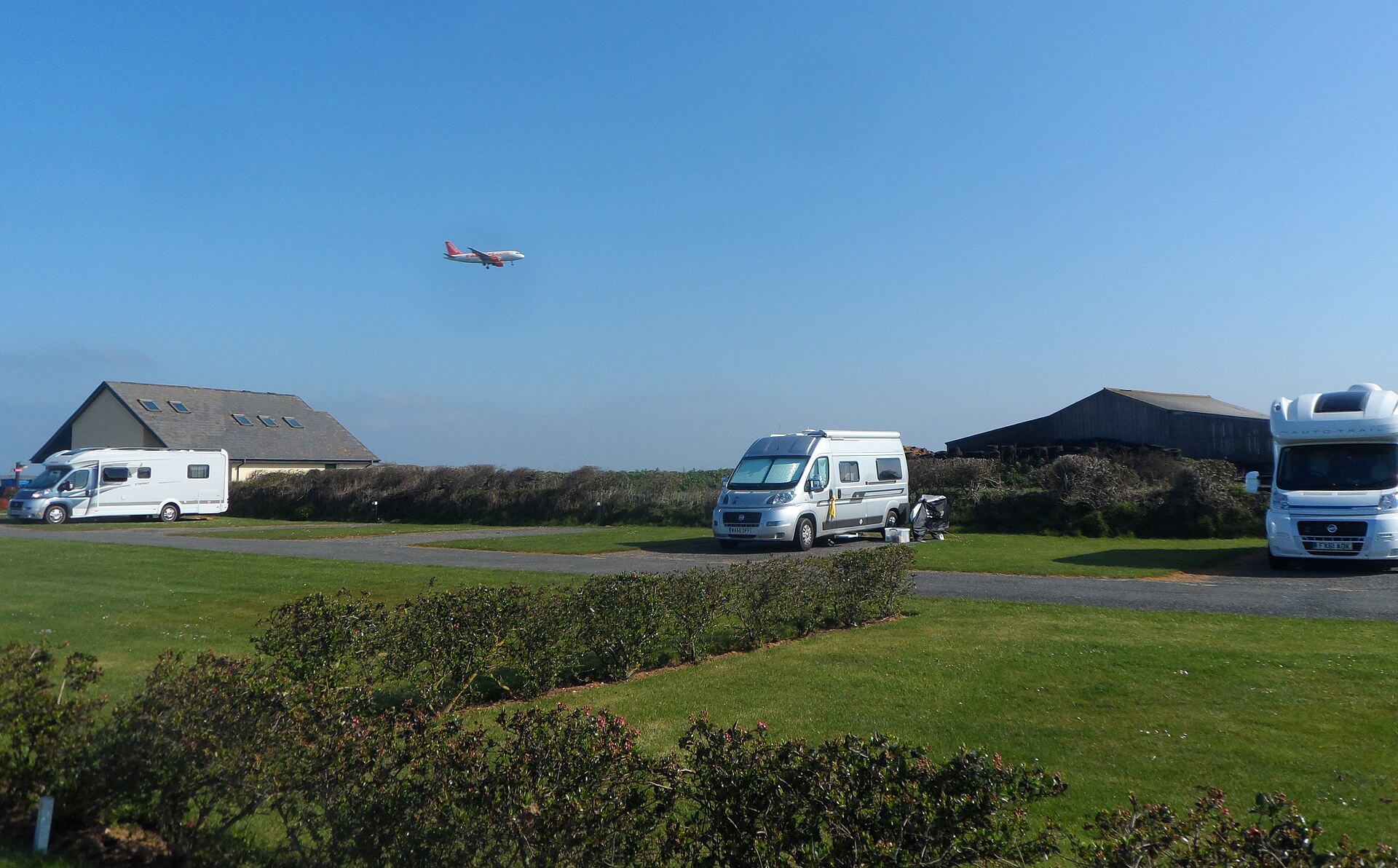
Watergate Bay is about two miles north-north-east of Newquay on the B3276 coast road towards Padstow, a few minutes’ drive from the town. Cornwall Airport Newquay is just inland, so close that planes come in low over the fields above the bay, which makes Watergate one of the easiest beaches in the county to reach for a short break. Buses run along the coast road between Newquay and Padstow; check Transport for Cornwall for current routes and times. From Newquay you can also walk along the coast path, which is the best way to arrive.
Walks from Watergate Bay
The South West Coast Path runs along the clifftops above the beach in both directions. Head south and the path follows the cliffs towards Porth and Newquay, with views back along the whole bay. Head north and it climbs to Mawgan Porth, a smaller surf beach with a village and cafés, then continues along the clifftops to Carnewas, where the stacks of Bedruthan Steps are one of the great views on the north coast. With buses along the coast road, it’s easy to walk one way and ride back.
Where to stay near Watergate Bay
The Watergate Bay Hotel itself is the obvious choice if the budget allows, right on the beach with its restaurants and watersports on the doorstep. For something simpler, there are campsites and holiday parks on the fields above the bay around Tregurrian, and Newquay, a few minutes away, has the widest choice of B&Bs, guesthouses and hotels in this part of Cornwall. Our Newquay guide covers the town and its neighbourhoods.
Nearby beaches
If Watergate is too busy, or the tide is high, there are plenty of alternatives close by. Mawgan Porth, just to the north, is a smaller, more sheltered surf beach with a village behind it. Newquay’s own beaches, including Fistral, are a few minutes south, and further down the coast Perranporth has around two miles of sand and dunes of its own, plus a bar on the beach. For the full round-up across both coasts, see our guide to the best beaches in Cornwall.
Frequently Asked Questions
Is Watergate Bay dog-friendly?
Yes. Dogs are allowed on Watergate Bay all year round. Keep them under control around surf lessons and kite zones on busy days, and watch the tide on long walks.
How much is parking at Watergate Bay?
The car park is pay and display in summer, with recent charges of £2.30 for an hour, £6.80 for four hours and £10.50 for 24 hours, plus a £2.10 evening rate from 6pm to midnight. Parking is free in the winter months. Check the machine for current prices.
Is Watergate Bay good for beginner surfers?
On small and medium days, yes. Lessons run close to the slipway, and the long beach gives plenty of room. On bigger days it can be powerful, with strong currents, and is best left to experienced surfers.
Is Watergate Bay lifeguarded?
Yes, RNLI lifeguards patrol from May to September, 10am to 6pm. Swim between the red and yellow flags.
Does the beach disappear at high tide?
Much of it does. At low tide the sand runs for around two miles; at high tide the beach narrows to a strip in front of the slipway and the sea reaches the cliffs in many places. Check tide times before walking along the bay.
Where can you eat at Watergate Bay?
The Watergate Bay Hotel runs three restaurants: The Beach Hut on the sand, Zacry’s on the sea wall and The Living Space in the hotel’s lounge bar. Book ahead for dinner in summer.
How far is Watergate Bay from Newquay?
About two miles, a few minutes by car along the B3276 coast road. You can also walk there along the coast path or take the bus along the coast road.
Watergate Bay does the big Cornish beach day as well as anywhere: surf in the morning, a long, low-tide walk with the dog, lunch at The Beach Hut, kites in the afternoon and a sunset on the sand for the price of an evening parking ticket. Just keep one eye on the tide, because on this beach it moves faster than you’d think.
If you’re heading west, the far end of the county has surf to rival the Newquay beaches. Our Sennen Cove guide covers Whitesand Bay and Gwenver, from first lessons to big Atlantic swell.
Photo credits: Campsite at Tregurrian: Camping and Caravanning Club Site – Tregurrian – geograph.org.uk – 4419957.jpg by Anthony Parkes, CC BY-SA 2.0 (licence).