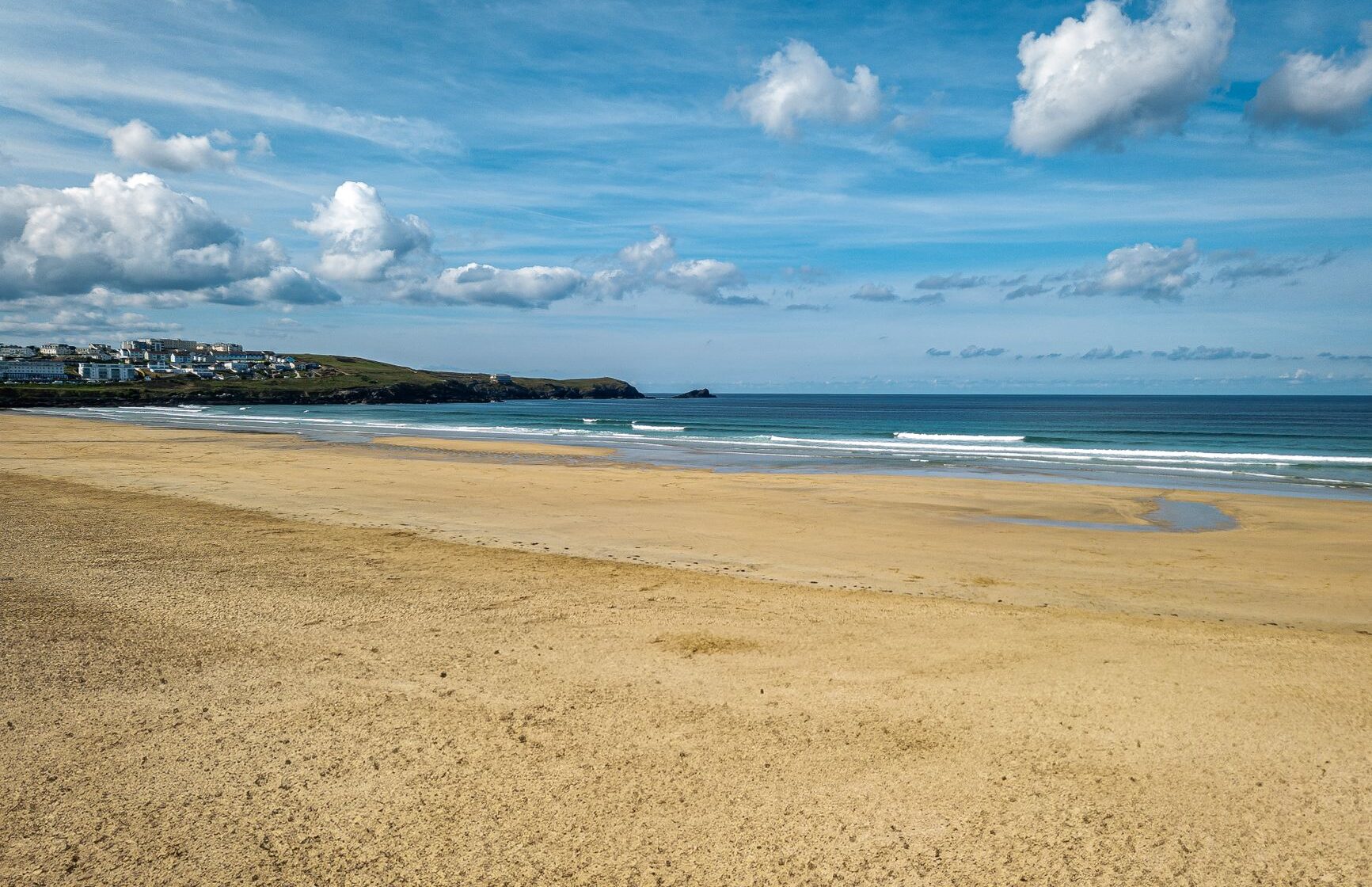
On a clean autumn morning, with a light south-easterly blowing the faces of the waves smooth, you can stand at the top of the sand behind Fistral and count a hundred surfers spread across the bay: the locals and the visiting pros sitting deep at the north end, the improvers in the middle, a row of foam boards and a surf school instructor’s whistle at the south end under the headland. It’s been like this, give or take the wetsuits, for sixty-odd years. British surfing more or less grew up here.
Fistral Beach is Newquay’s big Atlantic beach, a wide, west-facing sweep of sand between Towan Head and Pentire, a fifteen-minute walk from the town centre. You don’t have to surf to enjoy it — it’s a superb beach for a long walk, a sunset, a swim between the flags or a day with the dog, which is welcome all year — but the surf is what makes it famous and what shapes everything about it, from the parking to the lifeguards. This guide covers the lot: how the waves work, where beginners should go, lessons and hire, parking, lifeguards, dogs, food, the Cribbar and the walks on either side.
Fistral Beach at a glance
- Where: the west side of Newquay, between Towan Head to the north and Pentire headland to the south; about 15 minutes’ walk from the town centre.
- Surf: picks up almost any Atlantic swell and works on all states of tide; best with a south-easterly (offshore) wind.
- For beginners: South Fistral, sheltered by Pentire headland, with surf schools on the beach. North Fistral is for experienced surfers only.
- Parking: a large pay car park directly behind the beach, with charges that vary through the year.
- Lifeguards: RNLI daily patrols through the main season, typically from early spring to the end of October half-term.
- Dogs: welcome all year, with no seasonal ban.
- Facilities: toilets, showers, surf shops, cafés, restaurants and a bar behind the beach.
Surfing at Fistral: how the bay works
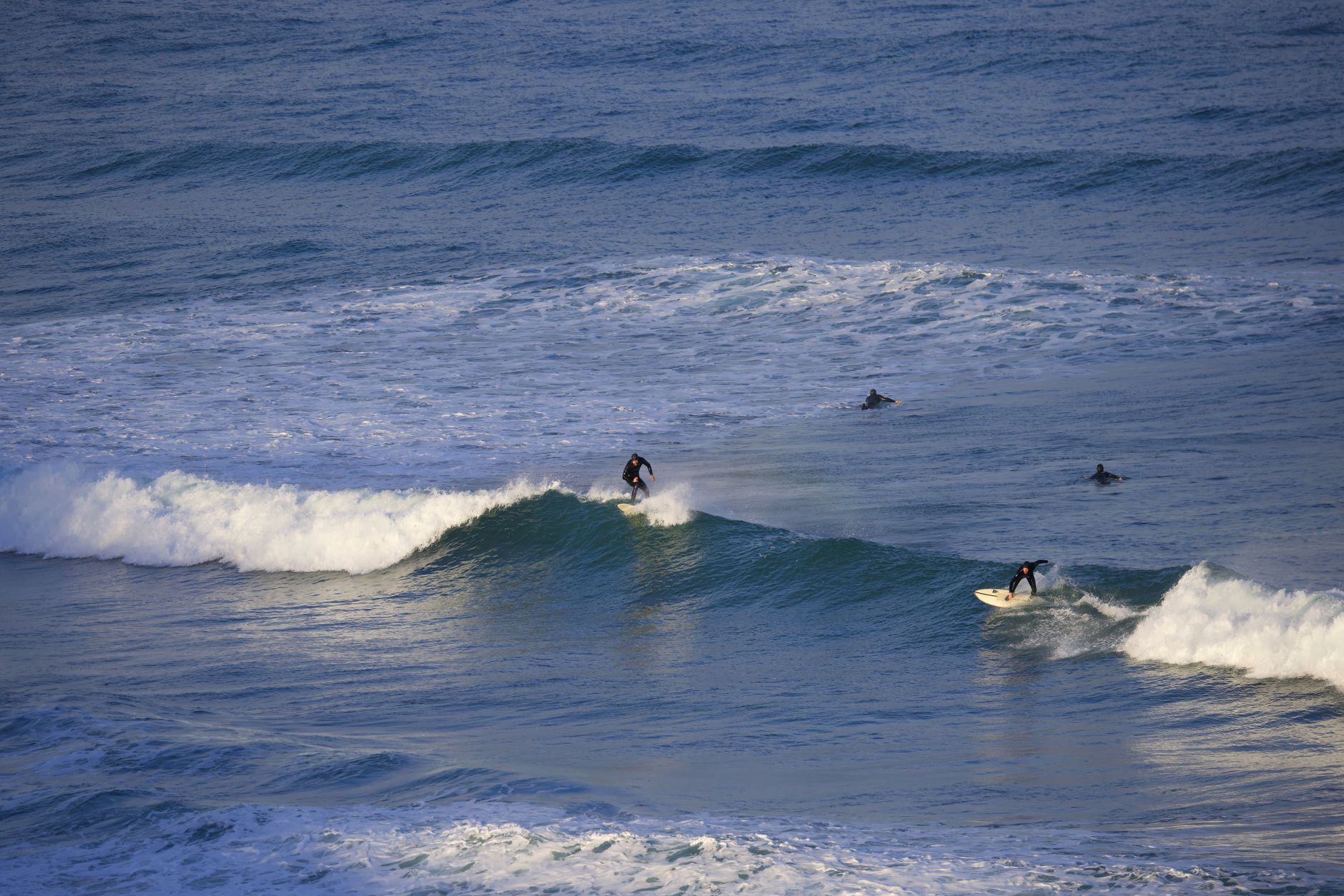
Fistral faces almost due west into the Atlantic, which is why it picks up more swell than almost anywhere else on the north coast and why surfers drive here from all over the country. The bottom is sand, so the peaks shift with the sandbanks from week to week, and the beach works on all states of tide, with different parts of the bay switching on as the water moves. The magic wind is a south-easterly, which blows offshore, holding the waves up and grooming them clean. A westerly or north-westerly blows straight onshore and turns the bay into a jumble of whitewater; on those days, the sheltered beaches elsewhere around Newquay are usually a better bet.
North Fistral
The north end, under Towan Head, is the powerful, competitive end of the beach and one of the best-known surf spots in the country. It’s predominantly right-handers, it’s where the pros and the local crew sit, and it can be heavy even on moderate days. It’s also a challenging stretch of water, with rocks at the headland and strong currents when the swell is up. If you’re still learning, this is not the place to paddle out, and the locals will be unimpressed if you try.
The middle of the bay
Through the centre, peaks break both left and right off the sandbanks, usually best from mid to low tide and on the first push of the tide back from low. This is the improvers’ zone: waves with a bit of punch but more room to spread out than at the north end.
South Fistral
At the south end, the Pentire headland shelters the beach from the full force of the swell and the waves are noticeably mellower. This is usually the best part of Fistral for beginners and where you’ll find most of the lessons. When a big swell is running, South Fistral comes into its own for better surfers too, with a left-hand wedge off the rocks between low and mid tide, and it often holds up better than the rest of the bay at high tide in heavy conditions.
Little Fistral
Tucked under Towan Head at the northern end is Little Fistral, a small cove that only really appears around low tide and has a good right-hander when the conditions line up. It’s for experienced surfers with local knowledge: rocky, tidal and easy to get caught out by the incoming water.
The Cribbar
Off Towan Head lies the Cribbar, Cornwall’s most famous big-wave reef. It sleeps for most of the year and only wakes on the biggest winter swells, a handful of days a year, when it can throw up faces of thirty feet or more. On those days a small group of big-wave surfers paddle or tow out, and half of Newquay seems to line the headland to watch. Unless you’re one of them, the headland is exactly where you should be.
The best time of year to surf Fistral
Autumn is the sweet spot. From September into November, the sea is at its warmest after the summer, the Atlantic swells are more consistent, the offshore winds more frequent and the crowds far smaller once the school holidays end. Summer brings smaller, gentler waves that suit beginners, and very busy line-ups. Winter delivers the biggest and best surf of the year for experienced surfers, in cold water that makes a 5mm wetsuit, boots and gloves essential. Our guide to Cornwall’s surfing conditions by season explains swell, wind and water temperatures month by month.
Surf lessons and hire at Fistral
If you’ve never surfed, Fistral is one of the most natural places in Britain to take a first lesson, and several schools teach here, mostly at the sheltered south end. Established names include Fistral Beach Surf School, Quiksilver Surf School and Cornish Wave, which also teaches on Newquay’s town beaches. A lesson typically includes the board, wetsuit and a couple of hours in the water with an instructor, starting in the whitewater and working up to catching unbroken waves.
A few honest tips. In July and August, book your lesson a few days ahead, and expect the beginner area to be busy. Look for a school that keeps its groups small and holds recognised coaching qualifications, and be wary of any operator that takes beginners out anywhere near the north end. If you’ve already had a lesson or two, the surf shops behind the beach hire boards and wetsuits by the hour, half-day or day. Our guide to learning to surf in Cornwall compares the best beaches and schools for first-timers across the county.

Fistral parking
The main car park sits directly behind the beach, with room for around 200 to 250 cars, and it’s as close as parking gets to a major Cornish surf beach: no steps, just a short walk and a sloping sand bank down to the beach. There are designated disabled bays in the main car park too. Charges vary through the year and are posted on the board at the entrance; in recent seasons the tariff has run from a little over £2 for an hour to around £12 for a full day, but check before you pay rather than relying on those figures.
On sunny summer days, and above all during the Boardmasters festival in August, the car park fills early. There are further car parks in the streets behind the beach, and if you’re staying in Newquay the simplest option is to walk: it’s around 15 minutes from the town centre, and less from the hotels and B&Bs on the Pentire side.
Getting to Fistral without a car
Newquay is one of the few Cornish resorts you can reach easily by train: the Atlantic Coast Line runs from Par on the main line to Newquay station in the middle of town, and from there it’s about a 20-minute walk across town to Fistral. Local buses serve the Pentire side, and Cornwall Airport Newquay is only a few miles out of town, which makes Fistral one of the most accessible big surf beaches in Britain for a long weekend. If you’re bringing a surfboard on the train, check the rules for large items with the operator before you travel.
Lifeguards and beach safety
Fistral is patrolled by RNLI lifeguards, with daily cover through the main season — in recent years from early April to the end of October half-term, 10am to 6pm — and volunteer cover on some busy weekends outside it. Exact dates change slightly from year to year, so check the RNLI’s beach finder if you’re visiting at either end of the season.
The flags matter here more than on most beaches, because the same stretch of water is being shared by swimmers, bodyboarders and surfers:
- Red and yellow flags mark the area patrolled for swimming and bodyboarding. Swim between them.
- Black and white chequered flags mark the zone for surfboards and other craft. Don’t swim there; you’re sharing it with fast-moving boards.
- A red flag means danger: don’t go in the water at all.
Rip currents are a fact of life on a big surf beach, often running out between the sandbanks and alongside the rocks at either end. If you’re caught in one, don’t try to swim against it: stay calm, float, raise a hand and shout for help, or swim parallel to the beach until you’re out of it. Watch the rising tide around the rocks at the north end too, where it can catch out anyone exploring the pools. Our Cornwall beach safety guide covers rips, flags and tides in more detail.
Swimming and families
On calm summer days, swimming between the flags at Fistral is lovely, with long, gently sloping sand and plenty of space. But it’s a surf beach first and foremost, and even a moderate swell makes the water rough for small children. If you’ve got toddlers or nervous swimmers, Newquay’s more sheltered town beaches are the better bet on bigger days, and our guide to the best beaches near Newquay will help you pick one to suit the conditions. Fistral makes up for it with the space: at low tide it’s a vast playground of sand, with rock pools at both ends to explore on a falling tide.
Dogs at Fistral Beach
Here’s something that sets Fistral apart from most of Cornwall’s big resort beaches: dogs are welcome all year round, with no seasonal ban. They can run off the lead on the sand, as long as they’re under proper control, which on a busy summer day means keeping them away from other people’s picnics, children and the surf school groups. Bring bags, as always.
Eating and drinking at Fistral
The buildings behind the beach house surf shops, a café or two, the Fistral Beach Bar and The Fish House Fistral, a small seafood restaurant at the north end. The Stable, at the Fistral Beach Hotel, is a busy, family-friendly pizza-and-cider place. Up on the Pentire headland at the southern end, Lewinnick Lodge has one of the best clifftop dining views in Newquay, and the grand Victorian Headland Hotel at the northern end does afternoon tea with the whole bay laid out below the windows.
As at any big resort beach, you pay for the view. For a long day on the sand, a picnic and a flask save a lot of money, and you can treat yourself to a drink at sunset instead.
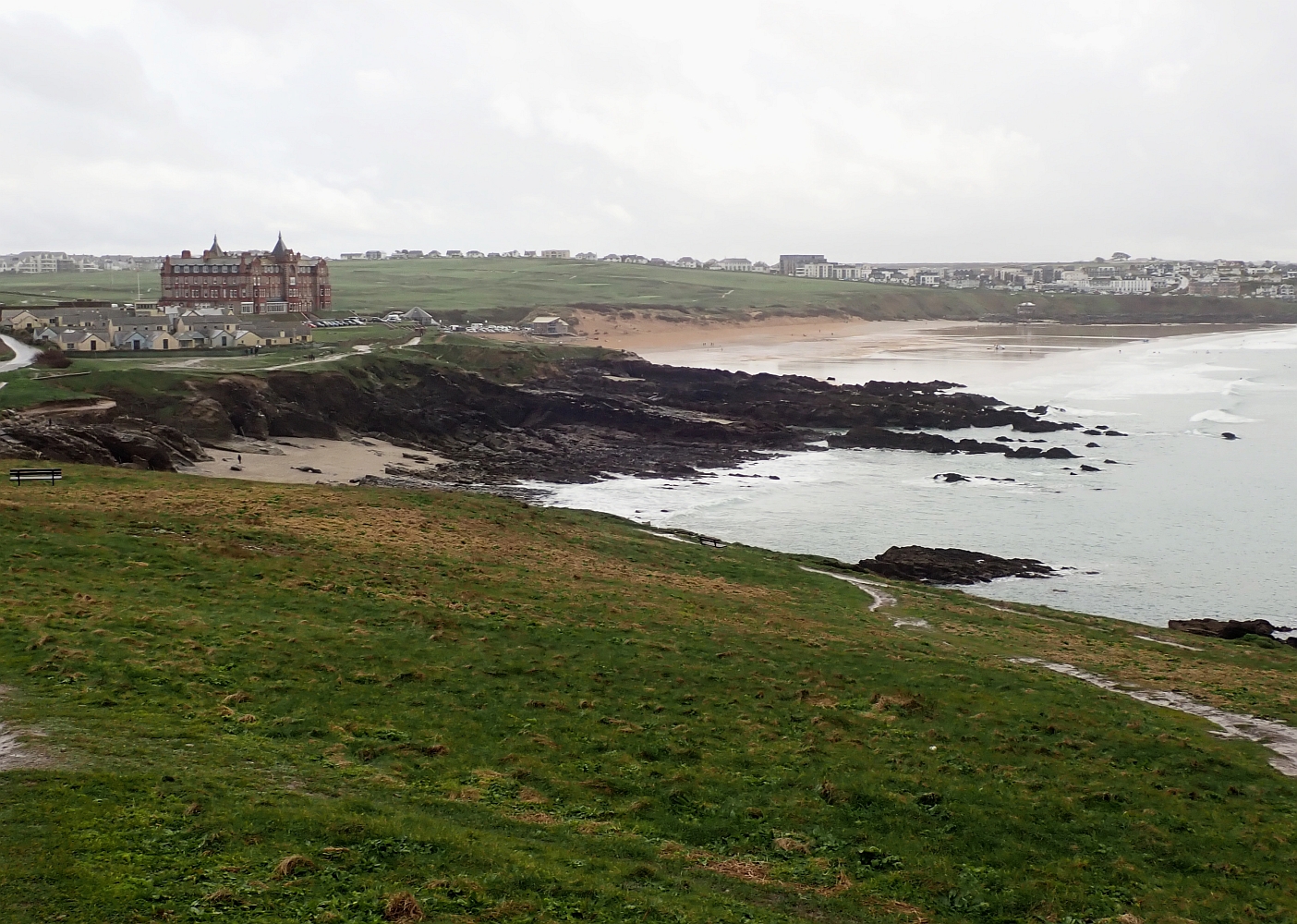
The Headland Hotel
The turreted red-brick hotel that dominates the northern end of the bay is one of Newquay’s landmarks. Built at the end of the Victorian era, when the railway was bringing the first wave of holidaymakers to the town, it has watched Fistral turn from an empty Atlantic beach into the capital of British surfing. Film fans may recognise it as a key location in the 1990 film The Witches. Even if you’re not staying, afternoon tea on the terrace is an excellent way to watch the surf without getting wet.
Boardmasters and surf contests
Every August, Boardmasters takes over Newquay, with the music on the clifftops at Watergate Bay and the surf and beach festival at Fistral. For that week, the beach is at its busiest, parking is at a premium and accommodation books out months ahead, so plan accordingly, whether you’re coming for the festival or trying to avoid it. Fistral has also hosted national and international surf competitions over the decades, and there’s usually a contest of some kind running through the season. Our guide to Cornwall’s surf competitions and sporting events has the calendar.
Fistral out of season
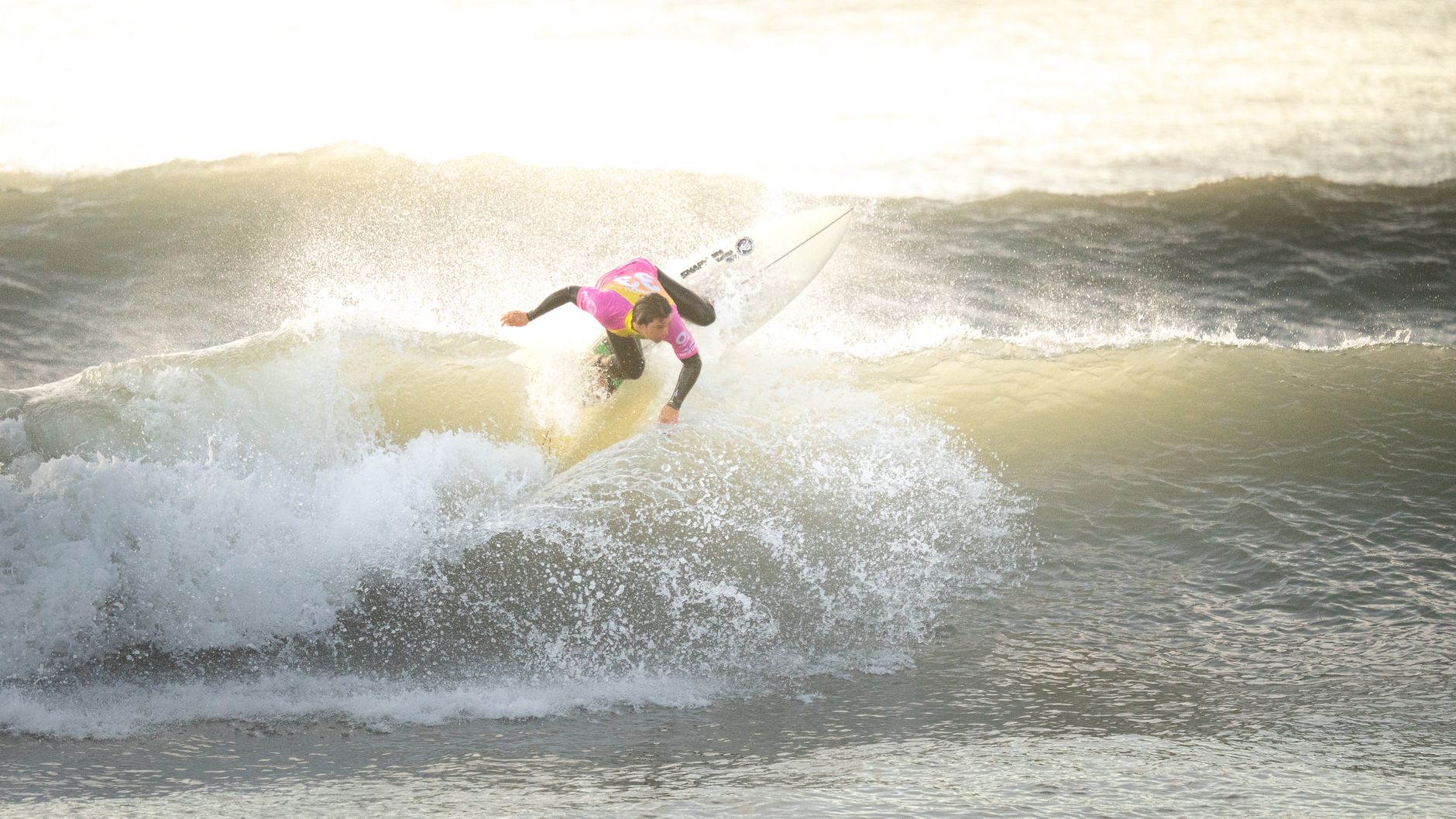
Some of the best days at Fistral come when the summer crowds have gone. In autumn, the sea is still relatively warm, the surf is at its most consistent and you can park without a fight. In winter, the beach becomes a place to watch rather than swim: big Atlantic storms send lines of swell marching in from the horizon, the spray blows back off the tops of the waves, and on the calmer days in between, the few surfers in the water have the whole bay to themselves. Wrap up, walk the length of the sand at low tide and finish with something warm behind the beach. Just keep well back from the water’s edge on big days, when surges can run far further up the sand than you’d expect.
Walks from Fistral
Fistral sits between two of Newquay’s best short walks. North, a path climbs onto Towan Head, with views back along the whole bay and, on big winter days, front-row seats for the Cribbar. On the way, look for the whitewashed Huer’s Hut above the harbour, where a lookout once watched for shoals of pilchards and raised the cry to the fishing boats below. South, the coast path heads out onto Pentire, past Lewinnick Lodge to the tip of the headland, then round above the Gannel estuary, where tidal footbridges at low water lead across to Crantock. Both are lovely at sunset, when the whole of Fistral turns gold.
Where to stay near Fistral
The Pentire side of town is the closest neighbourhood to Fistral, with guesthouses, hotels and B&Bs a few minutes’ walk from the sand, which means you can check the surf before breakfast and be in the water before the car park fills. The town centre, a quarter of an hour’s walk away, puts you close to the restaurants, the harbour and the town beaches. Our guide to the best B&Bs in Newquay covers places to stay in both, and our complete Newquay guide has everything else about the town. For the wider picture across both coasts, see our guide to the best beaches in Cornwall.
Frequently Asked Questions
Is Fistral Beach good for beginners?
The south end is. South Fistral is sheltered by Pentire headland, the waves are gentler and most of the surf schools teach there. North Fistral is for experienced surfers only, and beginners should steer well clear of it.
Is Fistral Beach dog-friendly?
Yes. Dogs are welcome all year round, with no seasonal ban, and can be off the lead as long as they’re under control.
How much is parking at Fistral Beach?
The main car park behind the beach charges by the hour, with rates that change through the year. In recent seasons it has run from just over £2 for an hour to around £12 for the day; check the board at the entrance for current prices.
When is Fistral Beach lifeguarded?
RNLI lifeguards patrol daily through the main season, in recent years from early April to the end of October half-term, 10am to 6pm. Dates vary a little each year.
What tide is best for surfing Fistral?
Fistral works on all tides, but different parts of the bay suit different states. The middle of the beach is often best from mid to low tide and on the push back from low; South Fistral’s left off the rocks works between low and mid tide. Pair it with a south-easterly wind for the cleanest waves.
What is the Cribbar?
The Cribbar is a big-wave reef off Towan Head at the northern end of Fistral. It only breaks on the largest winter swells, a few days a year, when waves can reach thirty feet or more. It’s strictly for expert big-wave surfers; everyone else watches from the headland.
How far is Fistral Beach from Newquay town centre?
About a 15-minute walk. There’s a large car park directly behind the beach if you’re driving.
Whether you’re paddling out at dawn, taking your first lesson at the south end, or just walking the dog along the tideline as the sun goes down, Fistral is the beach that defines Newquay. Pick your end of the bay, watch the flags and the tide, and it’ll give you a proper taste of what the Atlantic coast is all about.
Twenty minutes up the coast road towards Padstow is one of the great clifftop views in Cornwall. Our Bedruthan Steps guide covers the viewpoints, parking at Carnewas, the tea room and why you currently can’t reach the beach.
A short drive down the coast, Perranporth offers a longer, less crowded beach with plenty of surf. Our Perranporth beach guide has the lifeguards, parking, dog rules and the famous bar on the beach.
Photo credits: The Headland Hotel and Fistral Bay: Fistral Bay and the Headland Hotel – geograph.org.uk – 7747288.jpg by Rob Farrow, CC BY-SA 2.0 (licence).