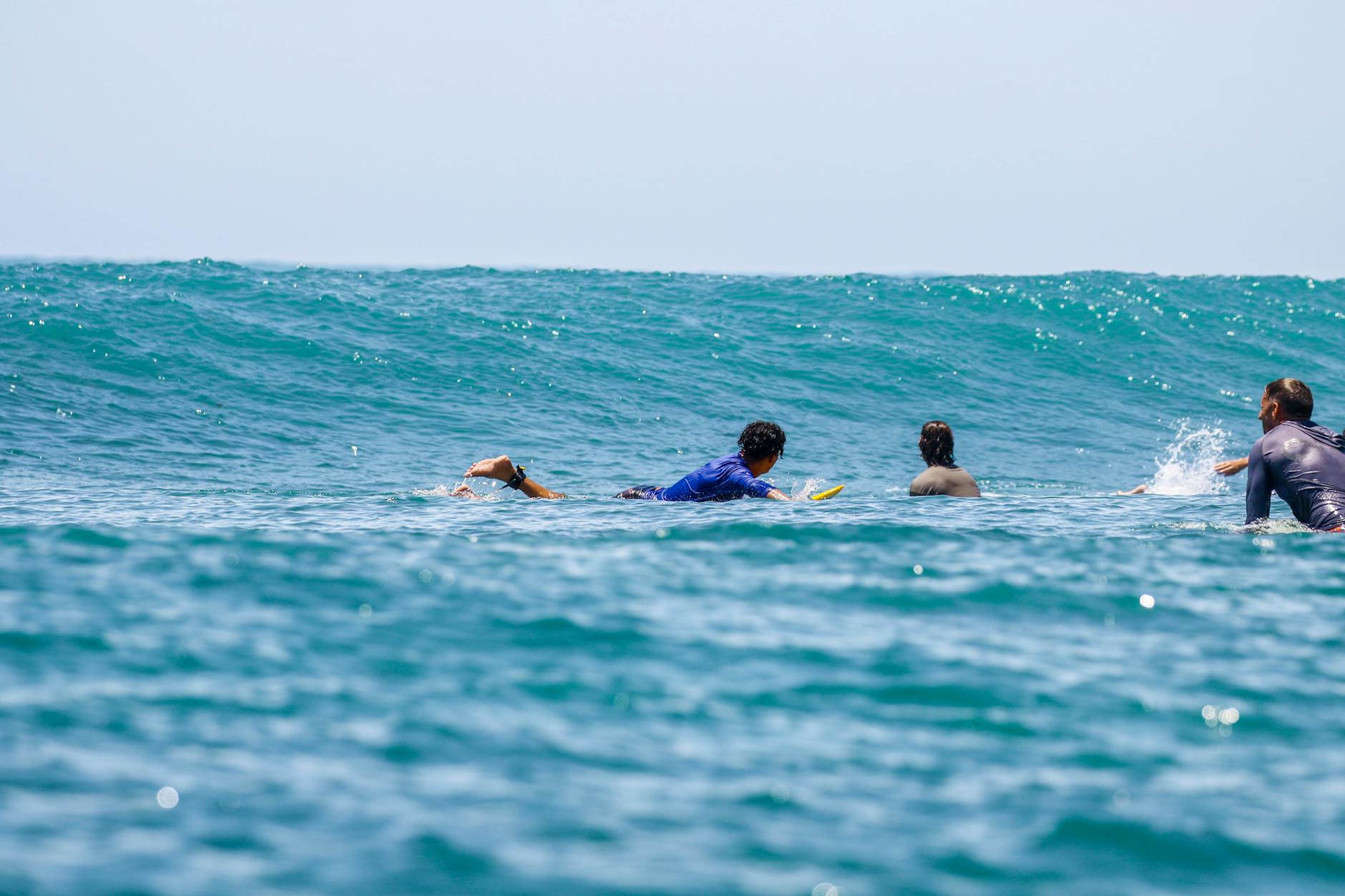
Cornwall surf conditions are unusually consistent for a British surf zone, and that consistency is the reason the county built its surf industry. The Atlantic delivers swells from the deep west almost year-round, the prevailing wind patterns produce regular offshore-wind windows, and the long, gradual tidal range gives most beach breaks four-to-six hours of rideable water across the day. After surfing here for years and watching guests try to plan their lessons around the wrong tide on the wrong beach, I’ve come to think that the single best thing a Cornwall-bound surfer can do is understand the seasonal patterns before booking the trip. This Cornwall surf conditions guide is the season-by-season version.
I’ll cover what the swell and weather do across spring, summer, autumn and winter; the wetsuit thickness you actually need each month; how to read the tide for the major beach breaks; the difference between north coast and south coast surf; the Cribbar — the big-wave reef that breaks a handful of days each winter; and the forecasting tools that the locals actually use. Our wider Cornwall water sports and surfing guide is the parent piece, and the learn to surf Cornwall guide covers the lesson-by-lesson detail.
The Cornish Surf Calendar at a Glance
Cornwall has four properly distinct seasonal modes for surfers, and the wave size, water temperature, wind pattern and crowd level all change with them.
Spring (March-May): Big winter swells decreasing through the season. Cold water (8-12°C). Lighter winds with offshore mornings common. Almost no crowds. Five-three or four-three wetsuit. Best for: experienced surfers chasing winter-quality waves without freezing temperatures.
Summer (June-August): Smallest waves of the year — typically one-to-three feet, can go flat for days. Warmest water (15-18°C peaking late August). Variable winds, sea breezes onshore most afternoons. Peak crowds, school holidays everywhere. Three-two wetsuit; some skip the suit on hot calm days. Best for: beginners, families, learn-to-surf lessons.
Autumn (September-November): The locals’ season. Consistent groundswells start arriving from Atlantic weather systems, water still holds summer warmth (13-16°C), crowds dramatically reduced after the school summer holidays, lifeguards still on duty in September. Four-three wetsuit; five-three by November. Best for: experienced surfers wanting clean, well-formed waves. Often cited as the best surfing season in Cornwall.
Winter (December-February): Biggest swells of the year — can hit ten to twenty feet on the most exposed Atlantic breaks. Cold water (8-11°C). Storm-driven wind patterns; can be unsurfable for days then perfect for a single window. Five-four hooded wetsuit, boots, gloves, hood. Best for: advanced surfers chasing power and the rare big-wave conditions.
Match the season to the right break using the best surfing beaches in Cornwall, or start from scratch with learn to surf in Cornwall.
Spring Conditions in Detail
March sees the tail end of winter Atlantic patterns. Big swells still arrive from deep-low-pressure systems out in the ocean, but the storms themselves are mostly further north and the local wind is less aggressive. The water is at its coldest — 8 to 9 degrees in late February and March is the genuine cold zone, requiring a five-four hooded suit with boots and gloves.
April and May warm up steadily. Water reaches 10 degrees by mid-April, 12 by late May. The light gets longer (sunset is past 8.30pm by mid-May), which extends the surf day. The crowds are almost non-existent — Cornwall is still in pre-tourist mode for most of spring. If you’re an intermediate or experienced surfer, April and May offer some of the year’s best value: clean autumn-spec waves with summer-spec accommodation prices.
The wetsuit progression: 5/4 hooded through March; 4/3 through April; 4/3 or 3/2 by May. Boots optional from April onwards.
Summer Conditions in Detail
June, July and August are the small-wave months. Atlantic high-pressure systems dominate and the storm-driven swell windows close down. Average wave size drops to one-to-three feet — perfect for learners, frustrating for anyone wanting bigger surf. The water warms steadily to its peak around 18 degrees in mid-to-late August.
The wind pattern is the big surfing variable in summer. Mornings often have light offshore conditions; the sea breeze fills in from the south-west by mid-morning and runs onshore through the afternoon. The trick is dawn surf or evening surf — early-morning sessions before the sea breeze fills in produce the cleanest conditions of the day.
Crowds are at their peak. Fistral can have hundreds in the water on a Saturday afternoon. The line-up at Polzeath becomes a school-holiday surf-lesson conveyor belt. The smaller beaches (Sennen south end, Praa Sands when working, Porthmeor St Ives) are the quieter alternatives.
Wetsuit: 3/2mm full suit, or a shorty when the water reaches 16+ degrees. Boardshorts plus rashguard works for the brave on the hottest August days.
Autumn Conditions in Detail
September is the consensus best surf month in Cornwall. Three things align: the water is still holding summer warmth at 16-17°C; the autumn weather systems start sending the first proper groundswells across the Atlantic; and the school-holiday crowds disappear after the first week of September.
October continues the run. Water drops to 14-15°C, swells get more frequent, the daylight starts shortening but the offshore-wind windows multiply. November is colder and stormier but still produces world-class days when the wind cooperates.
The wetsuit progression: 3/2 through early September, 4/3 by mid-September through October, 5/3 by November.
The autumn pattern means more variability — three days of clean head-high surf, then four days of stormy chaos, then another window. Forecasting becomes essential.
Winter Conditions in Detail
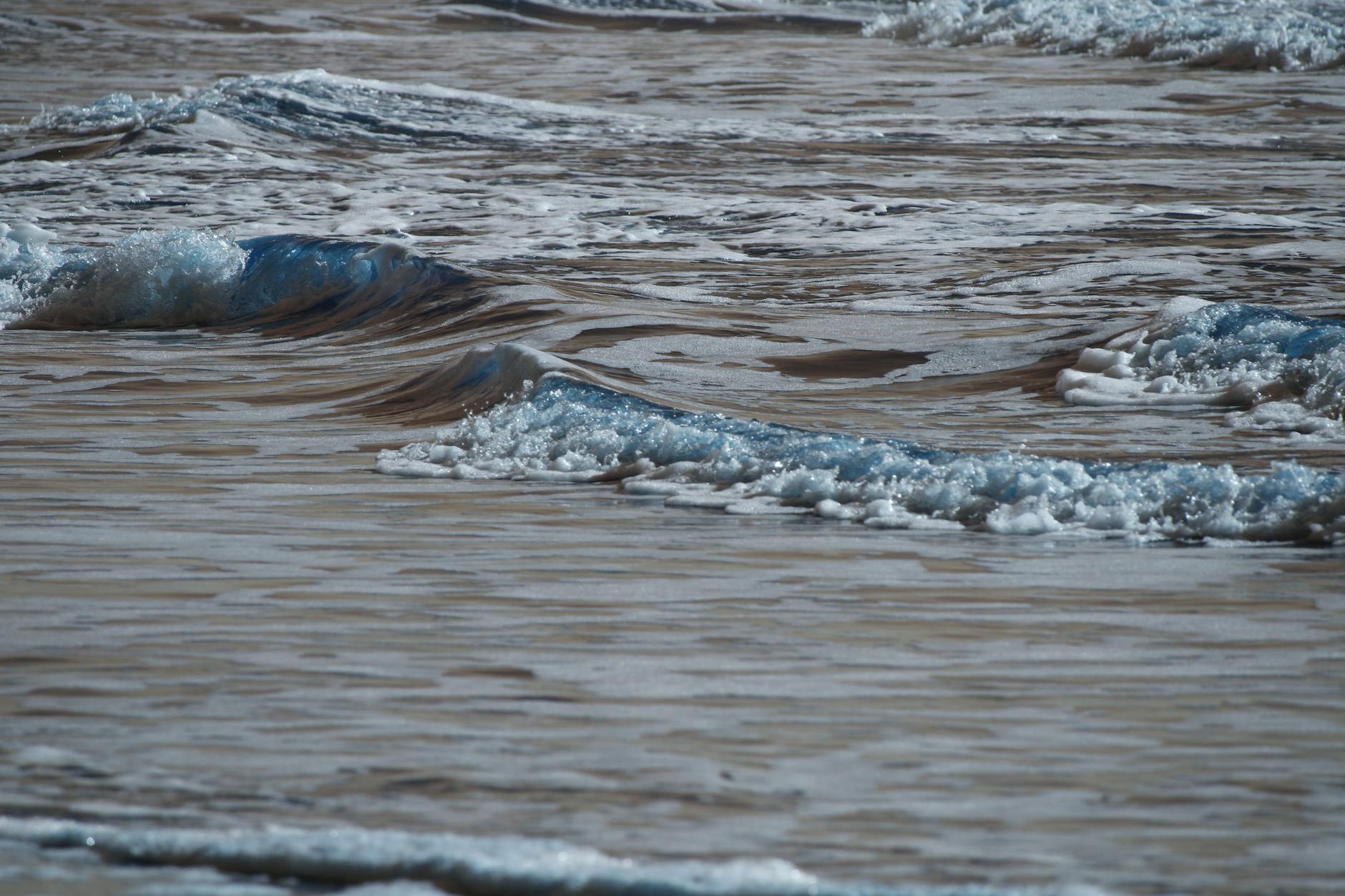
December, January and February are storm season. Atlantic depressions track across the ocean producing groundswells up to twenty feet on the most exposed beaches. Wind patterns shift toward south-westerly storms with brief easterly offshore windows in between. The whole Cornish coastline becomes a hunt for the right combination of swell direction, wind direction and tide.
The cold is real. February is the coldest water month (8 degrees on average), and even in a 5/4 hooded suit with boots and gloves, sessions are limited by core temperature. Forty-five minutes is a long winter surf for most riders; an hour-plus is for the committed.
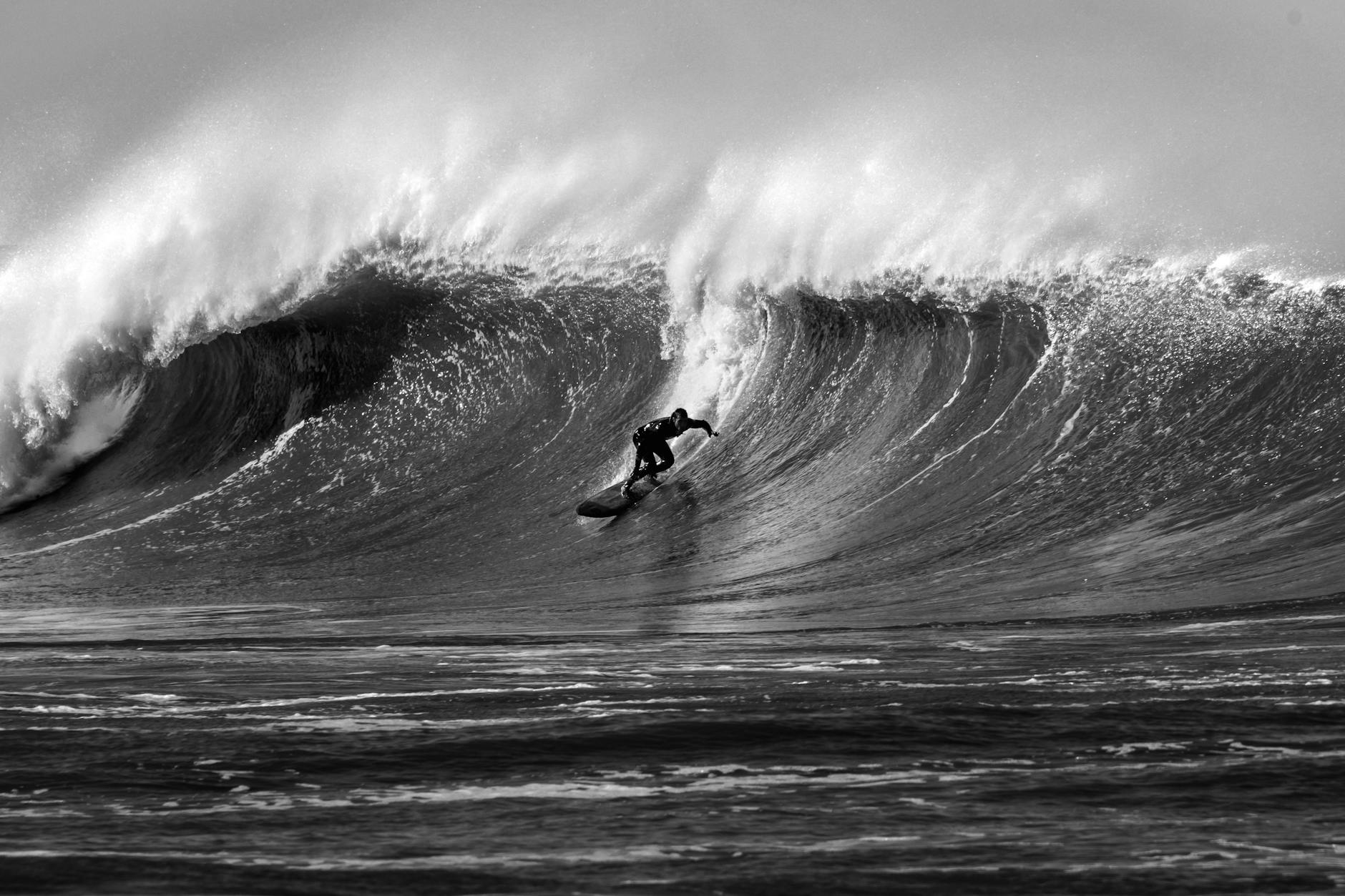
The reward is empty line-ups and proper waves. The Cribbar — Newquay’s big-wave reef — only breaks a handful of days each winter when long-period swells coincide with offshore wind. Porthleven (south coast) is the heavy advanced reef that fires in southerly storms. The north coast standards (Fistral, Watergate, Crooklets) produce some of their best days of the year.
The Tide Question
Cornish tides are large — a tidal range of around six metres on spring tides — and most beach breaks need a specific tide phase to work properly. The single biggest mistake beginners make is showing up at the wrong tide.
Fistral (Newquay): Best on mid-rising or mid-falling tide. High tide closes the wave out; low tide breaks too far out from the shore.
Polzeath: Works on most tides but best mid. Slight preference for incoming.
Harlyn: Works low through mid. High tide brings a shore-dump.
Watergate Bay: Works through the tide but mid is the sweet spot.
Widemouth Bay: Mid through high.
Sennen Cove: Mid-tide for most rideable shape.
Perranporth: Mid-tide preferred; low tide breaks far out.
Porthleven (advanced reef): Low-tide reef break only.
Tide times are published in tables (Met Office Marine, BBC Tide Times, cornwall-tides.com) and most surf forecasting apps. The cycle is roughly six hours twelve minutes from high to low, so tides shift across the day. Spring tides (around new and full moon) have the largest range and the fastest tidal currents; neap tides (around half moons) have smaller range and more forgiving conditions for beginners.
North Coast versus South Coast
Cornwall has two distinct surf coasts and they work in opposite conditions.
The north coast (Atlantic-facing) takes the brunt of all Atlantic swells. This is where ninety-five per cent of Cornish surfing happens. Fistral, Watergate Bay, Polzeath, Harlyn, Constantine, Bude (Summerleaze, Widemouth, Crooklets), Sennen, Gwithian and Godrevy, Porthmeor at St Ives, and Perranporth all face roughly north-westwards into the Atlantic and pick up swells from W to NW directions. The catch is that the prevailing westerly wind blows directly onshore — the north coast needs an easterly or south-easterly offshore wind to produce clean conditions.
The south coast (Channel-facing) is largely sheltered from the prevailing westerly swells — a “swell shadow” that means the south coast is mostly flat in summer. But when the wind shifts to north or north-east and the north coast becomes blown out, the south coast cleans up and produces fun beach-break waves. Praa Sands is the most reliable south coast break; Whitsand Bay (south-east Cornwall) gets bigger swells in winter; Porthleven is the advanced reef that produces world-class barrels in heavy southerly storms.
The Cornish surfing trick: when the wind shifts to N or NE and your usual north coast spot is unrideable, drive south. The drive from Newquay to Praa Sands or Porthleven is around an hour. Worth it on the right day.
The Cribbar: Cornwall’s Big-Wave Reef
The Cribbar (from the Cornish word “kribow” meaning reef) breaks offshore from Towan Headland in Newquay. It only breaks on a handful of days each year — specifically when an Atlantic groundswell with twenty-second-plus period coincides with offshore south-easterly wind and a specific tide phase. When it works, the wave faces are over thirty feet (nine metres).
The Cribbar was first surfed in 1966 by Ric Friar with the Australians Pete Russell and Johnny McElroy plus American Jack Lydgate. It was brought to international attention by the South African big-wave surfer Chris Bertish in December 2003. The wave is nicknamed “The Widow Maker” — the reef wraps the swell horseshoe-style, focusing the energy, and the deep-to-shallow gradient causes the wave to heave rather than break cleanly.
It’s an advanced wave for advanced surfers. Anyone surfing the Cribbar is going to break a board, a leash, a jet ski, sometimes a body part, often a spirit. Most years it breaks two or three times; some years not at all. The Headland Hotel on the cliff above Towan Headland has the best viewing seats when it’s on.
Forecasting Tools the Locals Use
The single biggest change in Cornish surf forecasting in the past few years is the consolidation: Magic Seaweed, the long-running British surf forecaster, was acquired by Surfline in 2023 and the MSW app has now been discontinued, with all data migrated to Surfline. Old MSW URLs redirect to Surfline equivalents. This catches out a lot of returning surfers who haven’t updated their habits.
The tools currently in use:
Surfline. The premium forecast tool, now incorporating former MSW data. Live cams at North Fistral, Porthmeor and other key spots. Free tier with basic forecast; Premium tier with live cam access and longer-range forecasts. The current default.
Surf-Forecast.com. Free, with regional breakdowns for North Cornwall, South Cornwall and Devon-Cornwall borders. Includes “eyeball reports” from local surfers — short observational notes from the day.
Met Office Marine. Trustworthy UK government weather data. Wind, swell, sea state. The base layer most other forecasters work from.
Cornwalls.co.uk Surf Forecast. Local Cornwall-focused free forecast.
Sharkbait UK. Devon and Cornwall surf reports with a community-driven feel.
Windy.com. Wind and swell visualisation, particularly useful for chasing offshore wind windows.
The forecasting framework that works: look for period of 10+ seconds (proper groundswell, not local windswell), offshore wind (easterly or south-easterly for north coast, northerly or north-westerly for south coast), and a mid-tide window on the beach you’ve picked.
Wetsuit Guide by Month
The honest month-by-month wetsuit picture. Water temperatures are sea-surface averages on the open coast.
January: 8-9°C. Five-four hooded wetsuit, boots, gloves, hood mandatory.
February: 8°C (the coldest). Same as January.
March: 8-9°C. Five-four with boots and gloves.
April: 9-11°C. Four-three, boots optional.
May: 11-13°C. Four-three.
June: 13-15°C. Three-two.
July: 15-17°C. Three-two or shorty.
August: 16-18°C (the warmest). Three-two or shorty.
September: 15-17°C. Three-two early September, four-three later.
October: 13-15°C. Four-three, boots optional.
November: 11-13°C. Five-three or five-four with boots and gloves.
December: 9-11°C. Five-four hooded with full winter kit.
Hire rates and what each thickness costs to buy are covered in water sports equipment hire in Cornwall.
Groundswell versus Windswell
The distinction matters because it determines wave quality.
Groundswell is created by distant storms hundreds or thousands of miles away — typically deep Atlantic depressions out in the North Atlantic. The waves travel for days across open ocean, organising themselves into long-period clean lines. Wave period of 10-20 seconds. Power, shape, predictability. Cornwall’s autumn and winter staple.
Windswell is created by local wind on the surface of the sea. Wave period of 4-8 seconds. Choppy, weak, disorganised. The summer pattern in Cornwall when the storms are too far away to deliver groundswell.
Reading a forecast: aim for period at or above 10 seconds for proper waves. If the forecast shows a 4-foot swell at 6-second period, expect choppy windswell that’s hard to ride. If it shows the same 4-foot swell at 14-second period, expect cleaner, more powerful waves with proper shape.
Rip Currents and Safety
Cornwall’s beach breaks produce rip currents — strong seaward channels of water moving at up to 5 mph. They’re the cause of most surf-related rescues in the county. Identifying them: darker patches of water between breaking waves, fewer breaking waves in a strip, foamy discoloured water moving outward, debris and seaweed lines pulled out to sea.
If you’re caught in one: do not swim against it (you’ll exhaust yourself in minutes). Swim parallel to the beach until you’re out of the current’s pull, then swim back to shore. The RNLI’s “Float to Live” advice is the backup: lean back, extend arms and legs, float for 60-90 seconds until the cold-shock response passes.
The Cornish surf culture: always surf at a lifeguarded beach in lifeguard season (Easter through to early November); surf between the black and white flags (the surf zone); swimmers stay between red and yellow flags (the swim zone). Don’t surf the swim zone; don’t swim the surf zone.
Our Cornwall beach safety guide goes through rip identification, escape technique and the RNLI flag system properly.
The Crowd Question
Crowd factors matter for both safety and enjoyment. The Cornish surf calendar by crowd level:
Almost empty: November to March. Even Fistral is quiet in February. Winter surfers have the line-ups largely to themselves.
Quiet: April, May, October. Schools and tourists thin. Local surfers fully on.
Moderate: June, September. Schools back; tourists fewer. Manageable line-ups.
Heavy: July, August, early September. School holidays. Fistral can have hundreds in the water on a Saturday. The smaller and less-famous beaches (Praa Sands, south end of Sennen, Porthmeor on a small day) are the quieter alternatives.
The Best Days of the Year
If I had to bet on a single day of the Cornish surf year, it would be a Tuesday in late September with the following alignment: a long-period swell (12-14 seconds) arriving from the WNW, easterly offshore wind at 5-10 knots, sea temperature still 16-17 degrees, mid-tide window from 10am to 3pm. That combination produces clean, head-high waves at most north-coast beaches, manageable crowds because the schools are back, comfortable water for long sessions, and the kind of day that experienced surfers travel from London for.
Second best: a January Saturday after a winter storm has cleared the swell still pulsing in but the wind has dropped offshore. Five-four hooded suit. Six-foot clean lines at Crooklets or Watergate. Eight people in the line-up. Sun out by mid-morning. That’s the day that justifies winter Cornwall.
Frequently Asked Questions
What is the best month to surf in Cornwall? September and October for experienced surfers (groundswells, warm water still, smaller crowds). May and June for beginners.
How cold is the sea in Cornwall? Coldest 8°C (February-March), warmest 18°C (August). Wetsuit essential year-round.
What wetsuit thickness do I need in Cornwall? Summer 3/2; spring/autumn 4/3; winter 5/4 with boots, gloves and hood.
Is Cornwall surf better at high or low tide? Most beach breaks are best at mid-tide. Fistral wants mid-rising or mid-falling; Harlyn low-to-mid; Porthleven low.
Where is the best surf forecast for Cornwall? Surfline (premium, includes former MSW data); Surf-Forecast.com (free); Met Office Marine (free, government data).
Does the south coast of Cornwall have surf? Yes — Praa Sands, Whitsand Bay, Porthleven. Best when north winds blow out the north coast.
What is the Cribbar? Big-wave reef offshore from Newquay’s Towan Headland. Breaks only a few days a year on 20-30 foot swells. Advanced surfers only.
What’s the difference between groundswell and windswell? Groundswell (10-20 second period) is clean and powerful, generated by distant storms. Windswell (short period) is choppy and weak, generated by local wind.
Can you surf in Cornwall in winter? Yes — winter has the biggest, most consistent swells. Requires 5/4 hooded wetsuit, boots, gloves, hood. Intermediate+ level recommended.
What does “offshore wind” mean and why does it matter? Wind blowing from land to sea. Holds waves up cleanly. Cornwall’s north coast wants easterly or south-easterly offshore; south coast wants northerly or north-westerly.
How big are the waves in Cornwall? Summer 1-3 feet; autumn 3-8 feet; winter 6-20 feet on the most exposed Atlantic-facing breaks.
Is Cornwall surfing safe? Generally yes at lifeguarded beaches in lifeguard season. Rip currents are the main hazard; always surf between the black and white flags.
Cornwall surf conditions reward surfers who plan around the season. Come in autumn for the best days. Bring the right wetsuit. Read the forecast properly — period over swell size — and check the tide for your chosen beach. The county will deliver clean, well-formed waves more often than anywhere else in Britain.