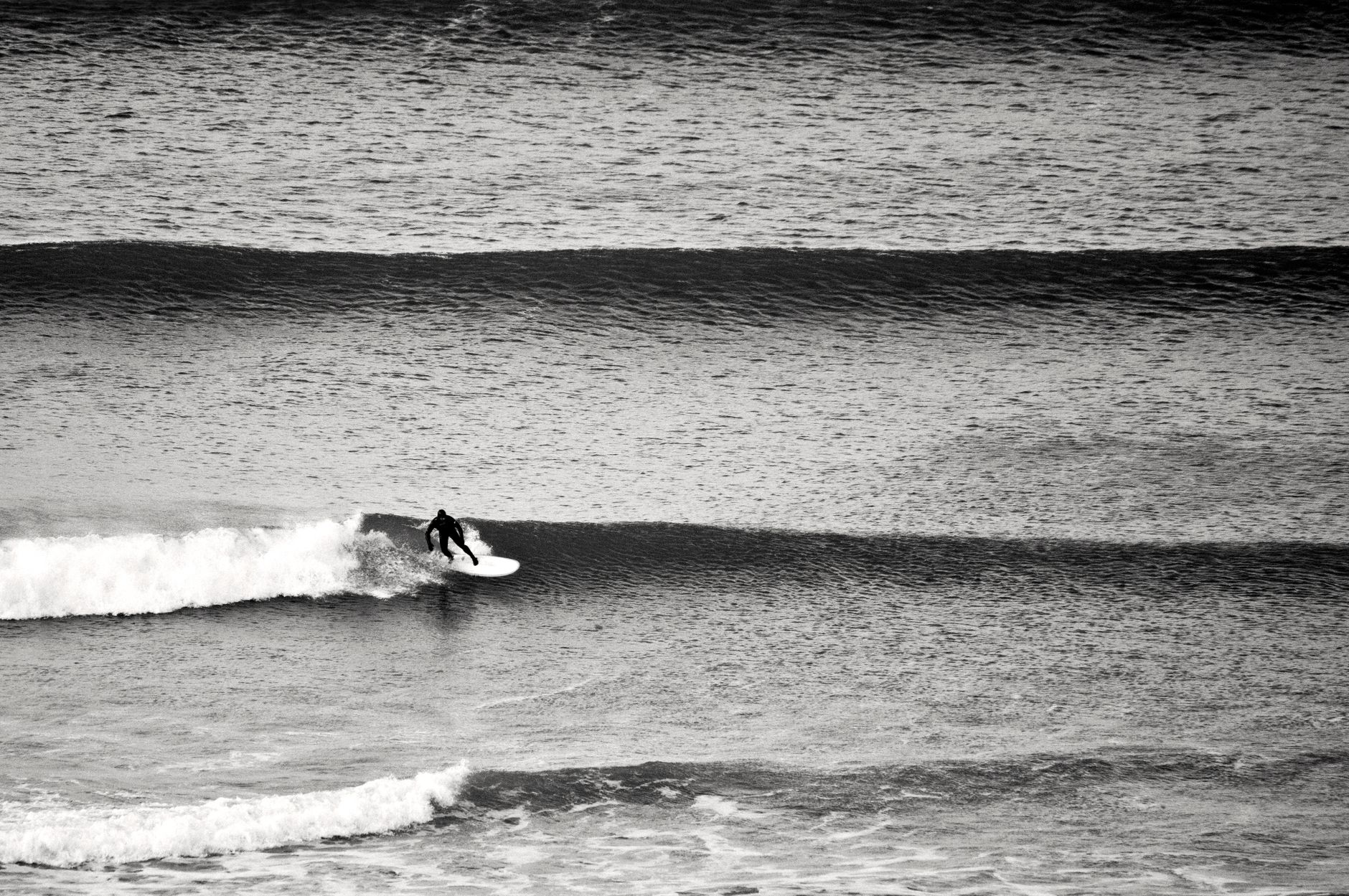
If Britain has a surf capital, it is Cornwall. The Atlantic swells that wrap into the south-west give the county more consistent, more varied and more accessible waves than anywhere else in the UK, and the industry that has grown up around them, the schools and hire shops and instructors, is denser here than in any other part of England. Which beach you should surf on a given day comes down to three things: your ability, the wind direction and the size and direction of the swell. The joy of Cornwall is that, between the two coasts and the dozens of beaches on them, there is almost always somewhere working.
This guide is built the way surfers actually make the decision, by level, by area, by season and by the conditions on the day. It covers the headline beaches like Fistral and Watergate, the honest beginner spots, the under-rated alternatives that switch on when the famous names are blown out, and the serious reefs that pull experienced surfers from across the country. For each beach you get the tide and wind it prefers, plus notes on facilities and parking.
The best surfing beaches in Cornwall at a glance
Before the detail, a rough map of where to point yourself by ability. None of these are rigid; a beginner beach on a big day becomes an intermediate one, and a mellow reef at the wrong tide is closed out and useless. But as a starting point:
For beginners
Polzeath, Sennen Cove, the whitewater zone at Watergate Bay, Mawgan Porth, Holywell Bay, and Constantine Bay when it is small.
For improvers
Fistral in Newquay, Watergate Bay, Praa Sands, Porthtowan, Chapel Porth and Treyarnon Bay.
For advanced surfers
Fistral when it is overhead, the Cribbar reef off Towan Headland, the Constantine Bay low-tide reef, the Porthtowan reef breaks, Gwithian and Godrevy, and the Lizard reefs for those with the local knowledge to read them.
The best surfing beaches in Cornwall
Fistral Beach, Newquay
The home of British surfing, and the beach most people picture when they think of surfing in Cornwall. Fistral picks up almost any swell and works across the tides, with several peaks spread along the bay: gentler on the south end, punchier through the middle. Behind it sits a proper surf town, with schools, hire shops and a shop scene that takes the sport seriously. When a big swell lines up, the Cribbar reef off Towan Headland next door comes alive for experienced big-wave surfers only.
Best for: all levels.
Tide: works at all tides; mid is the most reliable.
Wind: offshore is east-north-east; a south-westerly flattens it.
Watergate Bay
Two miles of sand that catches Atlantic swell dependably and forgives mistakes. The whitewater at the back of the beach is a genuinely good beginner zone, while the outer reform breaks suit improvers and intermediates. There are several peaks to choose from, refreshments at the Beach Hut and the hotel above, and enough width that it is rarely properly crowded even in August.
Best for: beginners to intermediates.
Tide: most tides; low brings the reform.
Wind: offshore is south-east; a west-to-north-west wind makes a mess of it.
Polzeath
The classic family-friendly surf beach on the north coast, with gentle whitewater that builds confidence fast. It is one of the busiest surf-school beaches in the country for good reason. Calmer at low tide, bigger and quicker as the tide fills. The infrastructure is excellent, with lifeguards, hire, schools and cafes all on hand.
Best for: first-timers to improvers.
Tide: best from low to mid.
Wind: offshore is east-south-east.

Sennen Cove, Whitesands Bay
Far west, with a soft, sandy break that is about as friendly a first wave as Cornwall offers, and a long-established surfing centre on the beach. Bigger swells give improvers something to work with, and the advanced crowd looks along the cliffs to Gwynver, the next bay north, which can hold serious surf when it is really pumping.
Best for: beginners.
Tide: mid to high.
Wind: offshore is easterly.
Constantine Bay
Larger and faster than Polzeath up the coast, with a reef at the southern end that picks up advanced waves at low tide. It is a favourite of improvers wanting more punch than Polzeath delivers. Parking is limited, so arrive early in summer or you will not get in.
Best for: improvers and advanced.
Tide: mid to high; the reef fires at low.
Wind: offshore is east to south-east.
Porthtowan
Often quietly excellent when the bigger names are blown out. Porthtowan picks up swell efficiently and handles bigger conditions than its size suggests, and the reef break to the south is for experienced surfers only. There is a cafe and pub on the beach for afterwards.
Best for: improvers to advanced.
Tide: best at mid.
Wind: offshore is easterly.
Chapel Porth
Right next to Porthtowan and a fine alternative when its neighbour is too busy. It disappears completely at high tide and works low to mid, so the tide dictates whether you go at all. The cafe is one of the best on the north coast, and the ruined Wheal Coates engine house on the cliff above is a bonus for anyone who likes a photograph as much as a wave.
Best for: improvers.
Tide: low to mid only.
Wind: offshore is easterly.
Mawgan Porth
Smaller than Watergate next door but frequently less crowded and with more consistent shape, with a stream running through the middle of the beach. There are schools, hire, lifeguards and a relaxed cafe, and it works for all levels given the right swell.
Best for: beginners to improvers.
Tide: mid to high.
Wind: offshore is south-east.
Praa Sands
The south coast’s main surf beach: generally smaller than the north but more sheltered and warmer, which makes it a solid winter option when north-coast storms make the rest unsurfable. It has a lifeguarded zone in season and a cafe and pub-restaurant on the sand.
Best for: improvers.
Tide: mid.
Wind: offshore is northerly.
Gwithian and Godrevy
A long sandy beach on St Ives Bay that picks up consistent swell across multiple peaks, with excellent reef breaks at the northern Godrevy end for experienced surfers. The Sunset Surf cafe here is something of a Cornish institution. Good for improvers, with the advanced crowd heading to Godrevy on the right tide.
Best for: improvers to advanced.
Tide: low to mid.
Wind: offshore is south-east.
Holywell Bay
A wide, friendly beach south of Newquay with schools and lifeguards, less famous than Fistral and often less crowded. There is a big dune system behind it, and it is at its best on smaller days for beginners and improvers.
Best for: beginners.
Tide: mid.
Wind: offshore is easterly.
The Cribbar, Towan Headland, Newquay
Cornwall’s most famous big-wave reef. The Cribbar holds serious Atlantic swell, well overhead, when everything aligns, and only experienced advanced surfers with local knowledge should even consider it. For everyone else it is a spectator sport: watching it break from the cliffs in a big winter swell is worth the walk on its own.
Best for: advanced, experienced surfers only.
Tide: specific.
Wind: light offshore easterly.
The best surfing beaches in Cornwall by region
Grouping the beaches geographically helps once you have chosen a base, because on most days you will want to move between nearby breaks to find the one that suits the wind. For the wider context of the coastline, our definitive guide to the best beaches in Cornwall covers the regions beyond surfing.
North of Newquay, Watergate to Trevone
Watergate Bay, Mawgan Porth, Constantine, Treyarnon and Trevone. The most consistent zone in the county for novices to improvers, and a good area to base yourself for a first surf trip. Our roundup of the best beaches near Newquay goes into these in more detail.
Newquay town
Fistral, Towan, Tolcarne, Lusty Glaze and Great Western. Easy access straight from town, with surf schools on almost every beach.
South of Newquay, Crantock to Holywell
Crantock, Holywell and Polly Joke. Quieter and more family-friendly, with some genuinely good beginner peaks.
St Agnes, Porthtowan and Chapel Porth
Powerful waves and a less commercial feel than Newquay, and often the answer when north-of-Newquay beaches are blown out by north-westerlies.
St Ives Bay: Hayle, Gwithian and Godrevy
Long, sandy and multi-peaked, usually quieter than the Newquay-area beaches and a fine place to spread out.
Far west: Sennen and Gwynver
Sennen for first-timers, Gwynver next door for advanced waves when a big swell is running.
South coast
Praa Sands is the main event, with smaller spots at Pentewan, Long Rock and Loe Bar coming to life in larger swells.
How to choose a Cornwall surf beach for the day
Reading the forecast is most of the skill of surfing well in Cornwall, and it is not complicated once you know what to look at. Start with the swell direction: big north-westerlies light up Watergate, Fistral and Constantine, while south-westerly swell favours the south coast. Then the wind, which matters just as much: an offshore wind blowing from land to sea grooms the waves and holds them up, while an onshore wind blowing off the sea flattens and ruins them, which is why the north coast wants easterly offshores.
After that, the tide. Some beaches only work at low, like Chapel Porth; others come good at high, like Praa Sands; and many change character completely across a tide cycle. Magicseaweed, now part of Surfline, and Surf-Forecast are the sites most Cornish surfers watch, and the buoy readings on them are worth learning to interpret. Above all, be honest about your level against the day: a beginner paddling out at Fistral on a six-foot day is asking for trouble, and the sea does not grade on effort.
Surfing Cornwall through the seasons
Cornwall surfs year-round, but the character changes completely across the year, and knowing which season suits you saves disappointment.
Spring, March to May
Often the best window for clean conditions, with smaller, organised swells and lengthening days. A strong time for improvers to make progress.
Summer, June to August
Smaller waves, packed surf schools and warmer water. The best season for a first lesson, at the cost of crowds on the big-name beaches.
Autumn, September to November
The serious surfer’s favourite. The big Atlantic swells begin to roll in while the water is still warm enough for a 4mm wetsuit, and the summer crowds thin right out.
Winter, December to February
Cornwall’s biggest and most powerful surf, when the reef breaks come into their own. The air and water are cold, so a proper winter wetsuit with boots and gloves is essential, and the line-ups are usually busy only at weekends.
Surf schools and hire in Cornwall
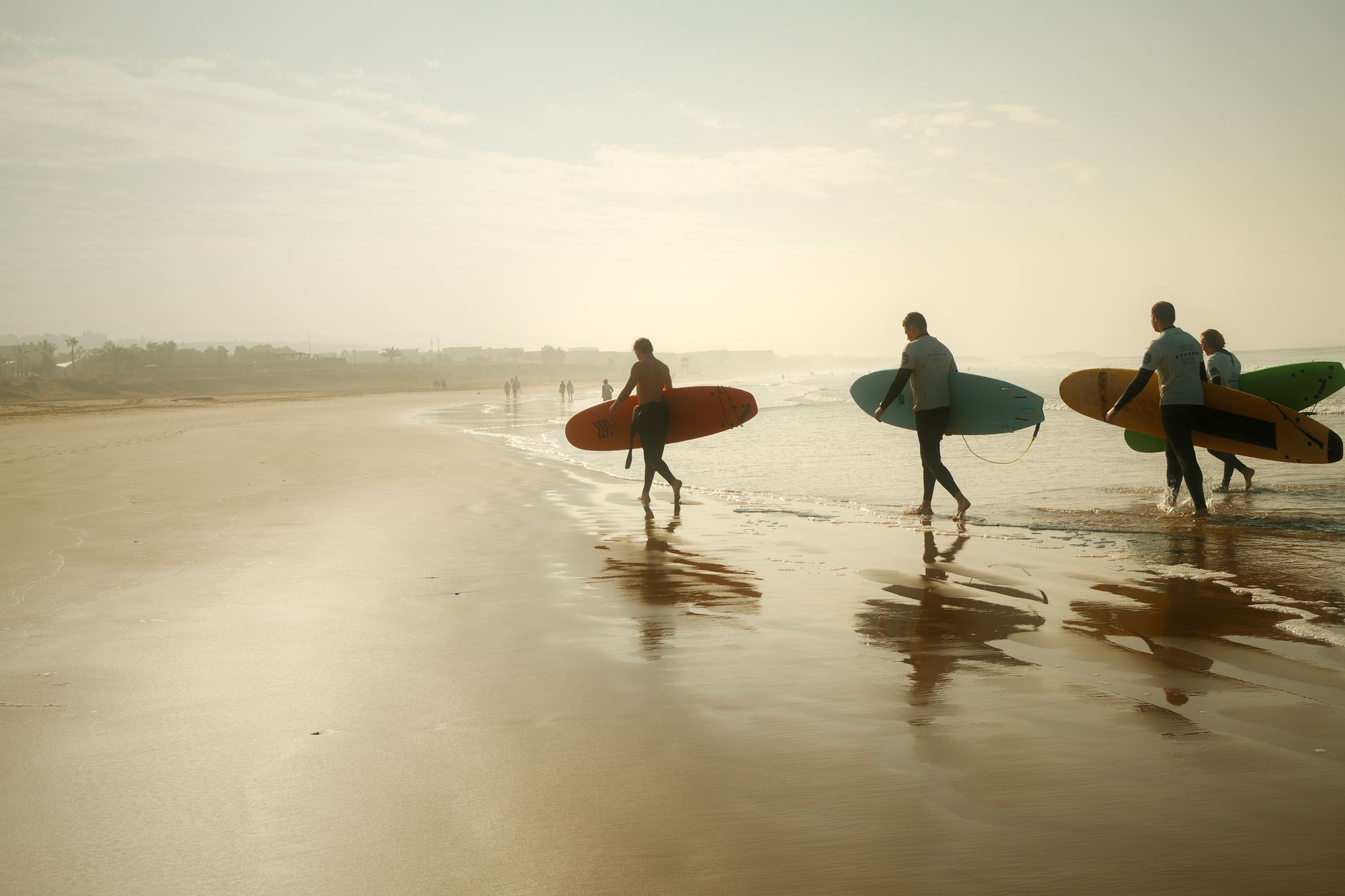
Almost every popular beach has at least one surf school, and the bigger ones have several. Well-regarded operators include Fistral Beach Surf School and the smaller-group Cornish Wave in Newquay, the long-standing Sennen Surfing Centre in the far west, and Surf’s Up and Wavehunters over at Polzeath, along with the school at Mawgan Porth for a less crowded lesson. Group lessons generally run a couple of hours and include wetsuit and board hire; private one-to-one coaching costs more. If you are learning from scratch, the broader picture of tuition and progression is covered in our Cornwall water sports and surfing guide.
Board and wetsuit hire is easy and cheap on any surf beach, and for anything longer than a day or two a rolling hire deal works out far better than buying gear you then have to transport home. If you are combining surfing with other adventure activities, coasteering and the like are covered in our Cornwall adventure activities guide.
Staying safe and surfing well
The etiquette and the safety come as a package on a Cornish beach. When lifeguards are on duty, surf between the black and white flags and keep out of the red-and-yellow swimming zone. Respect the locals at the smaller breaks, take your turn and do not drop in on a wave someone is already riding. Rip currents are common on Cornwall’s surf beaches; learn to spot the deeper, calmer-looking channels where the water is running back out, and if you are caught in one, do not fight it directly back to shore.
A few practical habits round it off. Cuts on rock are the most common Cornish surf injury, so a small first-aid kit lives well in the bag. Match the wetsuit to the season: a 3/2 in summer, 4/3 in spring and autumn, and a 5/4 with boots and gloves in winter. Check the tide before you go, because a beach that was firing at low can be a closed-out shorebreak two hours later. And if you are surfing alone, especially out of season, tell someone where you are and when you expect to be back.
When the surf is genuinely too big or blown out, the coast still delivers on foot. Many of the best surf beaches sit on dramatic stretches of the coast path, and our guide to the best circular walks in Cornwall pairs well with a flat-sea day. If you would rather chase a swim than a wave, the best beaches for swimming in Cornwall point you to the calmest, warmest water.
Choosing your first board and getting the gear right
Beginners consistently make progress faster on the right board, and in Cornwall that means starting big and soft. A foam softboard of eight feet or more floats you high, paddles into the gentle whitewater easily and does not hurt when it catches you, and every hire shop on a beginner beach stocks them. Resist the temptation to jump onto a short, thin board because it looks the part; the surfers making it look easy have usually spent a season or two on foam first. As you improve, a longer minimal or a funboard bridges the gap before you go anywhere near a shortboard.
Wetsuit fit matters as much as thickness. A suit that is loose at the neck or the small of the back flushes cold water through with every duck-dive and steals the warmth you came for, so a snug fit that is hard to get on when dry is usually about right. Add boots once the water drops below the low teens, and gloves and a hood for the depths of winter. A leash that matches your board length, a bar of the right-temperature wax and a small tube of ear protection round out the kit that keeps a session pleasant rather than an ordeal.
Common mistakes surfers make in Cornwall
The errors that spoil a Cornish surf trip are predictable, which is the good news, because they are all avoidable. The most common is misreading the wind. A beach can have head-high, well-shaped swell on the forecast and still be a churned-up mess on the day because an onshore wind has got up, and beginners in particular waste sessions paddling out into slop that no amount of effort will fix. Learn to pair swell with wind before you drive anywhere, and be willing to switch coasts.
Two smaller ones round it off. Underestimating the cold is a classic first-trip mistake; the sea here is bracing even in August, and a session cut short by shivering is a session wasted, so hire or bring a proper wetsuit rather than making do. And forgetting to check whether a beach is lifeguarded, or paddling out at an unpatrolled beach alone and out of season, removes the safety net just when the conditions are least forgiving. None of these require experience to avoid, only a few minutes of planning before you leave.
Where to stay for a Cornwall surf trip
Newquay is the obvious base for variety, with Fistral and half a dozen beaches within reach; Polzeath suits family-led trips; St Agnes offers a quieter alternative near the Porthtowan beaches; and Sennen is the pick for a far-west adventure. Our guide to the best bed and breakfasts in Newquay covers places to stay near Fistral, and for the wider trip-planning the water sports and surfing guide ties the logistics together.
Surfing beaches in Cornwall: frequently asked questions
What is the best surfing beach in Cornwall?
For sheer variety and reliability, Fistral. For families and first-timers, Polzeath or Sennen. For improvers chasing cleaner waves, Watergate Bay. There is no single answer, because the best beach is whichever one suits the day’s swell, wind and tide for your level.
Is Cornwall good for beginner surfers?
It is among the best places in Europe to learn. Polzeath, Sennen, Mawgan Porth and Watergate’s whitewater zone are textbook beginner beaches, all with established surf schools and plenty of hire.
When is the surf biggest in Cornwall?
From October to February. The Atlantic delivers the largest swells through winter, with the cleanest combination of size and wind usually falling in autumn.
Do I need to bring my own surfboard?
No. Every popular surf beach in Cornwall has hire shops, and a modest daily fee covers a board and wetsuit. For a longer trip a rolling hire arrangement beats buying and transporting your own kit.
What is the warmest Cornwall beach for surfing?
Praa Sands and the south coast generally run warmer than the north. The sea peaks at around 17 to 18 degrees in late August, though a wetsuit is still worth wearing.
Are Cornwall surf beaches crowded?
Fistral and Polzeath get genuinely busy in peak summer, while Watergate, Mawgan Porth and the St Agnes and Porthtowan beaches tend to be quieter. Outside July and August, most beaches are pleasantly busy at worst.
Nobody needs convincing that Cornwall is one of Europe’s great surf destinations. The craft is in choosing the right beach for the day, picking a level that matches the conditions, and not paddling into something you are not ready for. Get those three right, and a Cornwall surf trip becomes the kind of holiday you find yourself booking again the following year.
If Polzeath is on your list, our Polzeath and Daymer Bay guide has the practical detail: lifeguard dates, parking on the beach, the dog rules and the sheltered estuary beach next door for days when the surf is too big.
When the wind is too strong to surf, kitesurfing and windsurfing in Cornwall covers the spots that come alive instead — and Bude is the north coast base most visitors overlook.