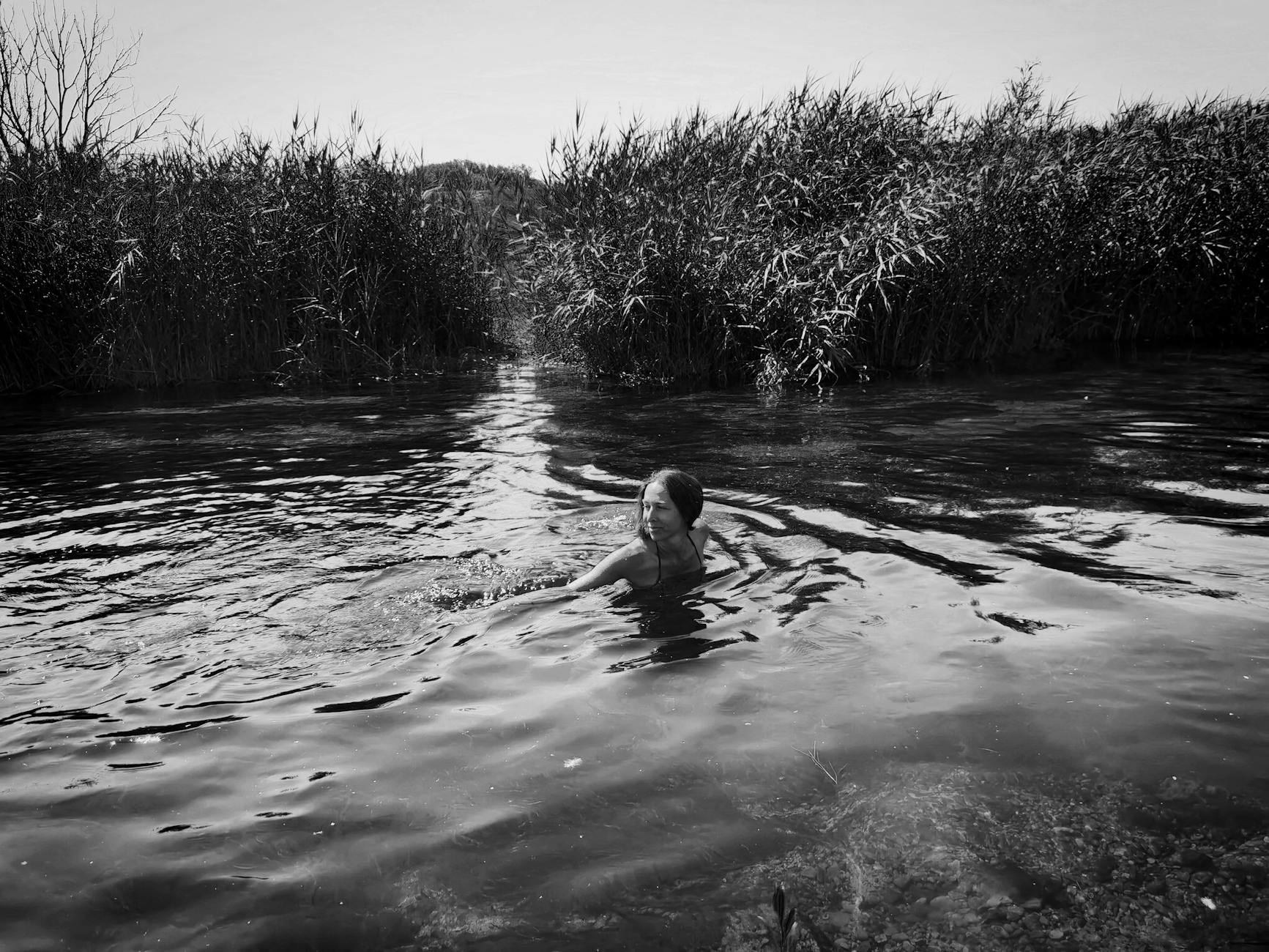
Wild swimming has become one of Cornwall’s defining outdoor activities over the last decade. The county has the longest coastline of any English county, the most dramatic tidal pools in Britain, the friendliest sea-swimming community via the Bluetits chill swimmers chapters, and weather patterns that make the Atlantic water genuinely swimmable from June through September. After watching the cold-water-swimming culture grow from a niche interest to a mainstream practice, I’ve come to think that Cornwall is now the UK’s best wild swimming destination outright. This wild swimming Cornwall guide is the practical version.
I’ll cover the best wild swimming spots (tidal pools, sea coves, river swimming, lakes), the cold-water shock safety basics that prevent most accidents, the Bluetits and other local swim groups, the equipment that makes year-round swimming possible, and the realistic Cornish sea temperatures month by month. Our wider Cornwall water sports and surfing guide sets the broader picture and our best beaches in Cornwall guide covers the broader beach scene.
Why Cornwall Is Britain’s Wild Swimming Capital
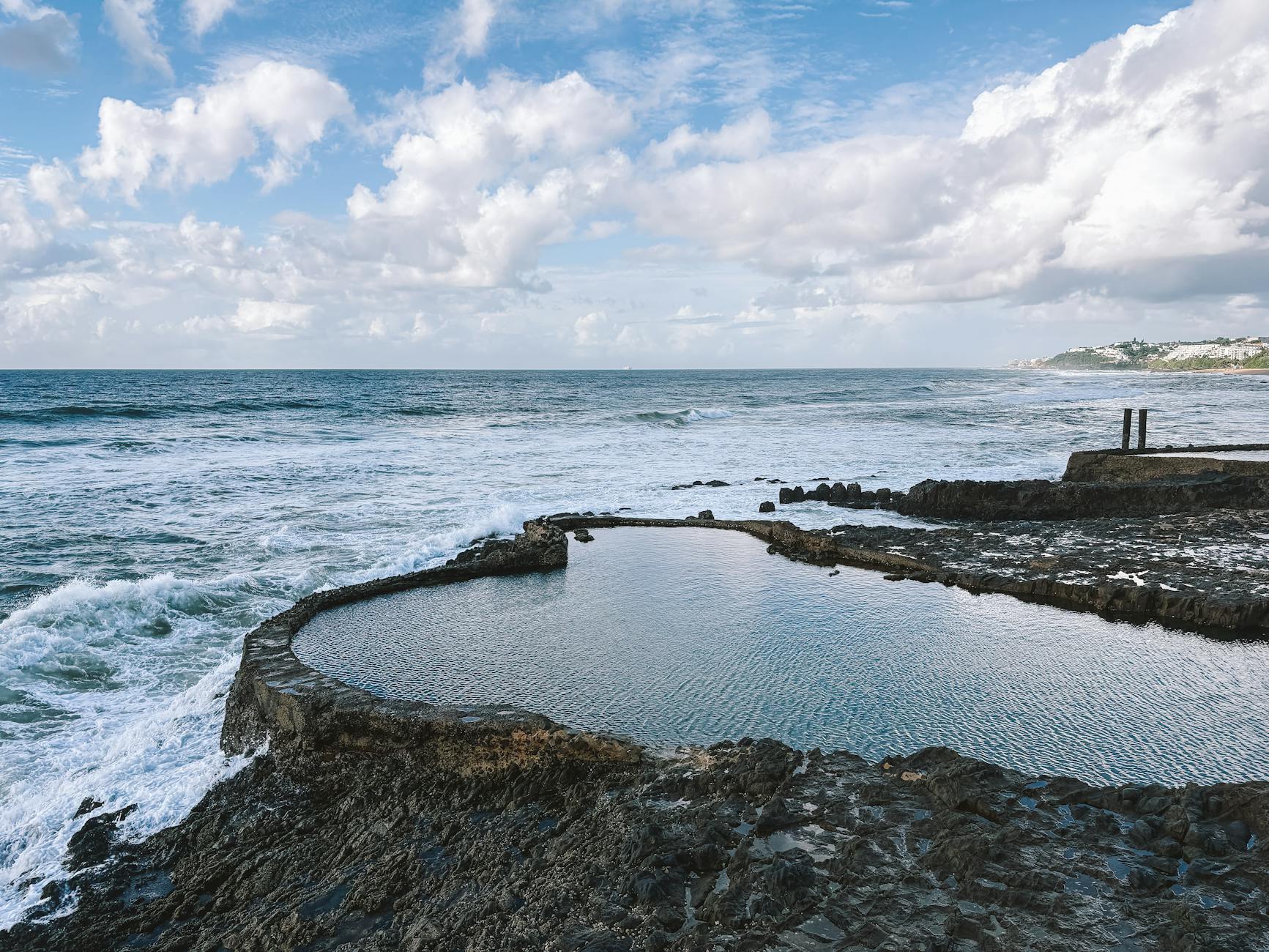
Three reasons. First, the tidal pools — Cornwall has thirty-plus tidal pools along its coastline, the highest concentration in Britain. From the Art Deco Jubilee Pool at Penzance (1935) to the Bude Sea Pool (1930, community-rescued by FoBSP in 2012) to the smaller natural and dynamited pools at Trevone, Mousehole, Treyarnon and Perranporth, the county has a network of safe semi-enclosed swimming venues that work year-round.
Second, the sheltered coves and estuaries. The Helford River, Lerryn Creek, Daymer Bay, Sennen Cove, Lamorna, Kynance, Porthcurno and Pedn Vounder offer some of the most photogenic sheltered swimming locations in the UK. The Atlantic delivers fresh water; the inland geography provides shelter.
Third, the swim culture. The Bluetits Chill Swimmers — founded in 2014 in Pembrokeshire by Sian Richardson — established Cornish chapters from January 2020 onward and the network now covers most of the county. The Outdoor Swimming Society and the Wild Swim Festival give additional structure. Cornwall has more organised cold-water swim groups per capita than anywhere else in Britain.
The Tidal Pools
Bude Sea Pool (Summerleaze Beach)
The biggest tidal pool in southwest England — 290 by 140 feet, around 88 by 43 metres, approximately 3,500 square metres of pool surface. Built in 1930. Tide-filled, free entry, community-managed by the Friends of Bude Sea Pool charity (registered 2012) after Cornwall Council withdrew funding in 2010. One of the few major UK tidal pools still in public free access. The pool is the centerpiece of the Bude cold-water swimming community and a year-round destination.
Jubilee Pool (Penzance)
The UK’s largest saltwater pool. Art Deco design opened in 1935 for King George V’s Silver Jubilee. Around 100 metres long, 56 metres wide, capacity 600 swimmers. The UK’s first geothermal pool — the heated section was added in 2020 using a borehole drilled into Cornish granite. The geothermal water enters at 30°C and the pool is held at 28-30°C, making this the only year-round genuinely warm wild swimming pool in Britain. The main sea pool remains unheated for the cold-water swimmers.
Treyarnon Bay Rock Pool
Twelve metres wide, nearly two metres deep. Natural rock pool that fills twice daily with the rising tide. The water bottom heats with the sun so it can be ten degrees warmer than the open sea on a hot August day. Marine life — blennies, starfish, the occasional hermit crab.
Mousehole Rock Pool
Small, shallow tidal pool with views to Marazion and St Michael’s Mount across the bay. Suitable for family paddling and easy swimming.
Chapel Rock Pool (Perranporth)
Natural pool in the Chapel Rock crags at the southern end of Perranporth Beach. Small but properly atmospheric — accessible at low tide, photogenic.
Porthtowan Tidal Pool
Wedged between cliffs and Atlantic. Wall-protected on the open-sea side. Refills with the rising tide.
Trevone Natural Sea Pool
Padstow-area tidal pool, near the round-hole rock formation.
The Sea Swimming Coves
Kynance Cove (Lizard)
The most photographed Cornish swimming location. Turquoise water, dramatic rock formations, white sand at low tide. Strong currents at certain tide states; confident swimmers only at higher tides. The walk down from the National Trust car park is steep — allow two hours for the descent, swim, and climb back.
Sennen Cove
Crystal-clear, sandy bottom, sheltered enough for sea swimming on most days. Lifeguarded in summer.
Porthcurno and Pedn Vounder
The shallow lagoons that form at low tide create atoll-like swimming pools between sandbars. Genuinely Mediterranean-feeling on a calm day. Pedn Vounder (the next cove east) is the more dramatic of the two — accessed only via a steep descent.
Lamorna Cove
Hidden cove with kelp forest snorkelling/swimming. Sheltered from prevailing winds. The walk down from the road is moderate.
Polly Joke (Porth Joke)
Secluded sandy cove on the north coast, between Crantock and Holywell. The walk from the car park keeps it quieter than the more accessible beaches.
Daymer Bay (Camel Estuary)
The estuary side of Polzeath. Calm, almost wave-free, warmer than the open Atlantic. The sandbar swimming option for families.
Helford River
Estuarine swimming. Sheltered from open sea swell. The Helford ferry slipway at Helford Passage is a popular launch point; the inner creeks are quieter.
Holywell Bay
Sheltered from wind and swell by the headlands at either end. Lifeguarded in summer.
Gyllyngvase Beach (Falmouth)
The Falmouth town beach. Calm, accessible, sheltered. Gylly Beach Café right behind. Lifeguarded in summer.
Nanjizal Cove
Hidden cove near Land’s End. The “Song of the Sea” sea arch is the headline feature. Properly remote — a forty-five-minute walk from Land’s End. Confident swimmers only.
Best beaches for swimming in Cornwall covers the lifeguarded options, and hidden and secret beaches the coves that take more effort to reach.
River Swimming
Cornwall’s rivers are less famous for swimming than its coves but the inland options are genuinely good.
River Fowey — Pont Pill area — Sheltered river swimming in the upper Fowey estuary. Best at higher tide states for depth.
River Fowey — Lerryn village — The village pool with the pub and the shop. The river was part of Kenneth Grahame’s inspiration for The Wind in the Willows.
River Fal — Roundwood Quay, Cowlands Creek, Ruan Creek — Secluded inlets in the upper Fal estuary. Tidal; boat access often easier than land.
River Lerryn — The Lerryn river is a tributary of the Fowey with quiet pools.
St Nectan’s Kieve (near Tintagel) — Waterfall plunge pool. Small but properly dramatic; the kieve (Cornish for “basin”) is a holy site with pre-Christian and early-Christian significance.
Golitha Falls — Young River Fowey in a wooded valley near Liskeard. Plunge pool with shallow paddling depth for kids; deeper sections for adult swimmers.
Goldiggins Quarry (Minions, Bodmin Moor) — Spring-fed flooded quarry. Crystal clear, deep, and unusually cold even in summer. Popular with cold-water swimmers but treat with respect — properly cold water, no lifeguard.
Lakes and Reservoirs
Loe Pool — Cornwall’s largest natural freshwater lake (not Britain’s, despite some claims). Sits behind Loe Bar near Helston. Swimming is officially discouraged by the National Trust because of agricultural runoff and water quality issues, though wild swimmers visit it discreetly.
Stithians Reservoir — Organised swimming events run by Outside2 watersports centre. Family-friendly. Some restrictions on which areas of the lake are swimmable; check before visiting.
Crowdy Reservoir (Bodmin Moor) — Smaller Bodmin Moor reservoir.
Tamar Lakes — Two reservoirs near Bude with organised swimming options through the canal-and-rivers operator.
Cold Water Shock — The Safety Basics
This is the section nobody else writing about wild swimming quite gets right. Cold water shock is the immediate physiological response to entering water below 15 degrees. It causes involuntary gasping, hyperventilation, increased heart rate, and can trigger heart attacks even in young, healthy swimmers. UK sea temperatures average around 12 degrees — meaning cold water shock is a year-round risk on Cornish coastlines.
The RNLI’s “Float to Live” advice is the framework that prevents cold-water drownings:
- If you fall in or feel cold shock, fight the instinct to swim hard.
- Lean back. Extend your arms and legs.
- Float for sixty to ninety seconds.
- The gasping reflex passes within a minute.
- Then start swimming — calmly — to shore, parallel to the current if there’s a rip.
The practical rules for safe wild swimming:
- Never enter cold water hot. If you’ve been running or sun-bathing, your body’s circulatory response to cold can be lethal. Cool down before entering.
- Never enter cold water drunk. Alcohol impairs the shock response and judgment.
- Never enter alone. Cornish coastlines have rip currents, swell and cold-water dangers. Swim with someone or with a group.
- Acclimatise slowly. Start with feet, then ankles, then knees, splashing water on your wrists and neck. Don’t dive straight in for the first time of the day.
- Know your exit. Identify the easiest exit point before entering.
- Wear or carry a tow float. Bright high-vis tow floats keep you visible and give you something to hold if you tire.
- Wear a wetsuit when the water is below 14 degrees. Below 10 degrees, full wetsuit plus boots and gloves.
- Time your exposure. The “one minute per degree” rule is a rough guide — in 8°C water, 8 minutes is the upper end for unacclimatised swimmers. Acclimatised cold-water swimmers can go longer, but build up to it.
If someone shows signs of cold shock or hypothermia (uncontrollable shivering, confusion, slurred speech, loss of coordination), get them out of the water immediately, get them into dry warm clothes, give them warm sweet drinks, and call 999 if symptoms don’t subside.

Read this with our Cornwall beach safety guide, which covers rip currents and tide timing.
The Sea Temperature Reality, Month by Month
The honest Cornish sea temperature picture:
January: 8-9°C. Cold-water swimmers only; wetsuit essential for non-acclimatised.
February: 8°C (the coldest). Same as January.
March: 8-9°C. Light starts shifting.
April: 9-11°C. Cold but acclimatised swimmers go without wetsuit.
May: 11-13°C. The threshold where many casual swimmers can go without wetsuit.
June: 13-15°C. Comfortable for most adults; wetsuit for long sessions.
July: 15-17°C. Peak swim season starts.
August: 16-18°C (peak August temperatures).
September: 15-17°C. Often the warmest single month for swimming.
October: 13-15°C. End of the regular swim season.
November: 11-13°C. Cold-water swimmers back to year-round mode.
December: 9-11°C. Properly cold; wetsuits and gloves.
The Bluetits Chill Swimmers
The Bluetits are the cold-water swim community that’s transformed UK swimming culture. Founded by Sian Richardson in Pembrokeshire in 2014 with a small group of friends; now over 6,000 members across the world.
Cornwall’s chapter network started in January 2020, when Sarah at Perranporth gathered seven women for a January Saturday morning swim. The network spread — Falmouth, St Ives, Newquay, Bude, Penzance, Polzeath, Looe, Mevagissey, Padstow, Truro, Helston all have active Bluetits groups now. Most groups are female-only or female-led; some have mixed sessions.
The Bluetits ethos:
- Free. No fees, no rules.
- Informal. Show up, swim, leave.
- Cold-water focus — typically year-round swimming.
- Community over performance. The slowest swimmer is as welcome as the fastest.
- Mental health framing — the “post-swim endorphin therapy” is genuinely transformative.
To join: search Facebook for “Bluetits Cornwall” or your nearest town and the group name. Most groups post weekly meet-up times. New swimmers welcome.
Other local groups: The Outdoor Swimming Society has Cornwall sub-groups; individual towns sometimes have non-Bluetit groups (Penzance Jubilee Pool swim club, Bude Sea Pool swim group).
Equipment for Year-Round Wild Swimming
The kit that makes Cornish cold-water swimming sustainable:
Wetsuit: 3:2mm for summer; 4:3mm for spring and autumn; 5mm+ with hood for winter. Open-water wetsuits (different from surfing wetsuits — more buoyancy in legs) are the open-water option.
Tow float: Bright high-vis (orange or pink). Inflatable bag attached by a leash to your waist. Doubles as visibility marker and emergency flotation.
Swim cap: Neoprene swim cap for cold water (retains heat through the head). Silicone cap for visibility in warmer weather.
Neoprene socks and gloves: For water below 12°C. Cold extremities are the first thing to go on a winter swim.
Changing robe: The Dryrobe brand made these famous but multiple cheaper alternatives exist now. Essential for getting changed in cold wind after a sea swim.
Goggles: Open-water goggles with anti-fog. Tinted for sunny days.
Whistle: For emergency signalling.
Thermometer: Useful for the cold-water community — knowing the exact water temperature lets you plan duration.
Total kit cost for proper year-round wild swimming: £200-400. Worth the investment if you commit to the practice.
Wetsuits, gloves and boots can all be hired first — see water sports equipment hire in Cornwall.
The Tide-Time Calendar for Tidal Pools
Most Cornish tidal pools work best around low water — when the pool refills slowly and you can climb in safely. The general rules:
Bude Sea Pool: Works through most of the tide cycle. The pool drains and refills with the rising tide; best swimming is at slack high tide when the water is fresh.
Jubilee Pool, Penzance: The sea pool is open through tide; the geothermal pool is climate-controlled year-round.
Treyarnon Bay Rock Pool: Arrive around 2 hours before low water. The pool is fully exposed at low tide and can be paddled or swum.
Trevone Natural Pool, Mousehole Rock Pool, Chapel Rock Pool: Low-tide access; consult tide tables.
Porthtowan Tidal Pool: Best at mid to low tide.
Tide times: BBC Tide Times, cornwall-tides.com, the Tide Times app.
The “First Winter Dip” Acclimatisation Protocol
For anyone wanting to start year-round wild swimming, the safe progression looks like this:
Week 1: Summer swims (15+ degrees), 5-15 minutes per session. Build up to 20 minutes.
Weeks 2-4: As water cools through autumn, continue swimming. Don’t extend your time; let the cold acclimatise gradually as the temperature drops.
Weeks 5-8: By the time water is 12-13°C, you’ll have adapted. Sessions of 10-15 minutes are sustainable.
Weeks 9+: The cold-water season. Below 10°C, drop session time to 3-8 minutes max, even with a wetsuit. Listen to your body.
Never make the jump from “I haven’t swum cold water before” to a January sea swim. The cold-water shock and the cardiovascular response are real risks. Build up over autumn through to your first winter swim.
The Pool-to-Pool Tidal Pool Road Trip
For wild swimmers who want to do the lot, a three-day Cornish tidal pool tour is genuinely possible:
Day 1: Bude Sea Pool (morning) → Trevone Natural Pool (afternoon).
Day 2: Treyarnon Tidal Pool (morning) → Chapel Rock Pool, Perranporth (afternoon) → Porthtowan Tidal Pool (sunset).
Day 3: Jubilee Pool Penzance (morning geothermal session) → Mousehole Rock Pool (afternoon) → finish with a sea swim at Lamorna or Sennen.
That’s the major Cornish tidal pool network covered in three days, with a mix of warm-water (Jubilee geothermal), large-pool (Bude), small-pool (Mousehole) and natural rock-pool experiences. The road distances are manageable; the swimming is varied.
The Outdoor Swimming Society and Wild Swim Festival
The Outdoor Swimming Society is the UK’s national wild swimming organisation, founded in 2006. They run the Big Cornish Swim event and other Cornish swim-day events; their website has a directory of wild swim spots across Cornwall.
The Wild Swim Festival is a growing annual event with Cornish dates — check the OSS website for 2026 schedule. Combines organised swims, talks, kit fairs, and the cold-water-swimming community gathering.
The Community-Saved Story (Bude Sea Pool)
The Bude Sea Pool is the Cornish wild swimming story worth knowing. Built in 1930 by the local Thynne family (who paid half) and the council. Maintained by Cornwall Council until 2010 when funding was withdrawn citing maintenance costs. The pool was scheduled to close.
A local committee — the Friends of Bude Sea Pool — formed in 2010, raised funds, applied for charity status (granted 2012), and took over management of the pool. The pool remains free to enter and is now entirely community-run, with volunteer maintenance and donation-supported running costs.
The story matters because it represents a model — community management of public assets in the face of funding cuts. The Bude Sea Pool isn’t a niche local concern; it’s an example of the civic engagement that keeps Cornwall’s open-access amenities going. Drop a donation in the box when you visit.
The Loe Pool Clarification
Worth a quick correction. Loe Pool, near Helston, is often described in older guides as “Britain’s largest natural freshwater lake.” It isn’t. Loe Pool is Cornwall’s largest natural freshwater lake, formed when the River Cober became dammed behind Loe Bar (the shingle bar between the lake and the sea). Britain’s largest natural freshwater lake is Loch Lomond in Scotland.
Swimming in Loe Pool is officially discouraged by the National Trust because of water quality issues from agricultural runoff. Wild swimmers visit it discreetly; the official position is to use other Cornish swim sites.
Frequently Asked Questions
Where is the best place for wild swimming in Cornwall? The Bude Sea Pool for tidal pool swimming; the Helford River for sheltered estuary; Kynance Cove for the photograph; Daymer Bay for family-friendly calm water; Jubilee Pool Penzance for the heated geothermal section.
Is wild swimming safe in Cornwall? Safe with the right precautions — buddy system, wetsuit in cold water, knowing the tide, never entering cold water hot or drunk. Cold-water shock is the main risk.
Can you swim in Loe Pool Cornwall? Officially discouraged by the National Trust because of agricultural runoff. Wild swimmers visit discreetly but it’s not an officially safe site.
What temperature is the sea in Cornwall? Coldest 8°C (February); warmest 18°C (August). Year-round swimming possible with proper kit.
Do I need a wetsuit for wild swimming in Cornwall? Recommended below 14°C. Essential below 10°C. Optional from mid-June through September for short swims.
When is the best time of year for wild swimming in Cornwall? June to September for unwetsuited swimming. Year-round for the Bluetits and cold-water swimmers.
Are tidal pools safe to swim in? Yes — semi-enclosed, refilled by tide, generally safer than open sea. Watch for slippery rocks at edges and don’t dive in.
Where can you swim with seals in Cornwall? Encounters at Mutton Cove (Godrevy), occasionally in the Helford and the Lizard caves. Don’t approach seals; let them approach you.
Is wild swimming free in Cornwall? Yes — all the major tidal pools (Bude Sea Pool free, Jubilee Pool has a small charge for the geothermal section but the sea pool is free). All beach swimming is free.
What is cold water shock and how do I avoid it? Involuntary gasping and hyperventilation when entering cold water. Avoid by acclimatising slowly, never entering cold water hot or drunk, and following the RNLI “Float to Live” advice if affected.
Are there wild swimming groups in Cornwall? Yes — Bluetits Cornwall chapters in most towns, Outdoor Swimming Society sub-groups, individual swim clubs at Bude Sea Pool and Jubilee Pool.
Can you swim in Bude Sea Pool in winter? Yes — year-round access, no closure. Properly cold (8-10°C in winter). Bring wetsuit, neoprene gloves, and a changing robe.
The water lags the air by about two months in both directions, which is why September swimming beats June swimming despite June being sunnier. The sea peaks at around 16°C in late August and September and bottoms out near 9 or 10°C in late February. Our Cornwall weather month by month guide has the full sea-temperature and daylight picture.
Cornwall’s wild swimming scene is among Britain’s best. Start with the sheltered options (Helford, Daymer Bay, Jubilee Pool). Join a Bluetits group. Learn cold-water shock safety. Buy proper kit. Build up gradually. The county will reward you with the best sea-swimming days of your life — and, eventually, the post-Christmas dip on Bude Sea Pool that turns the new year into something to look forward to.