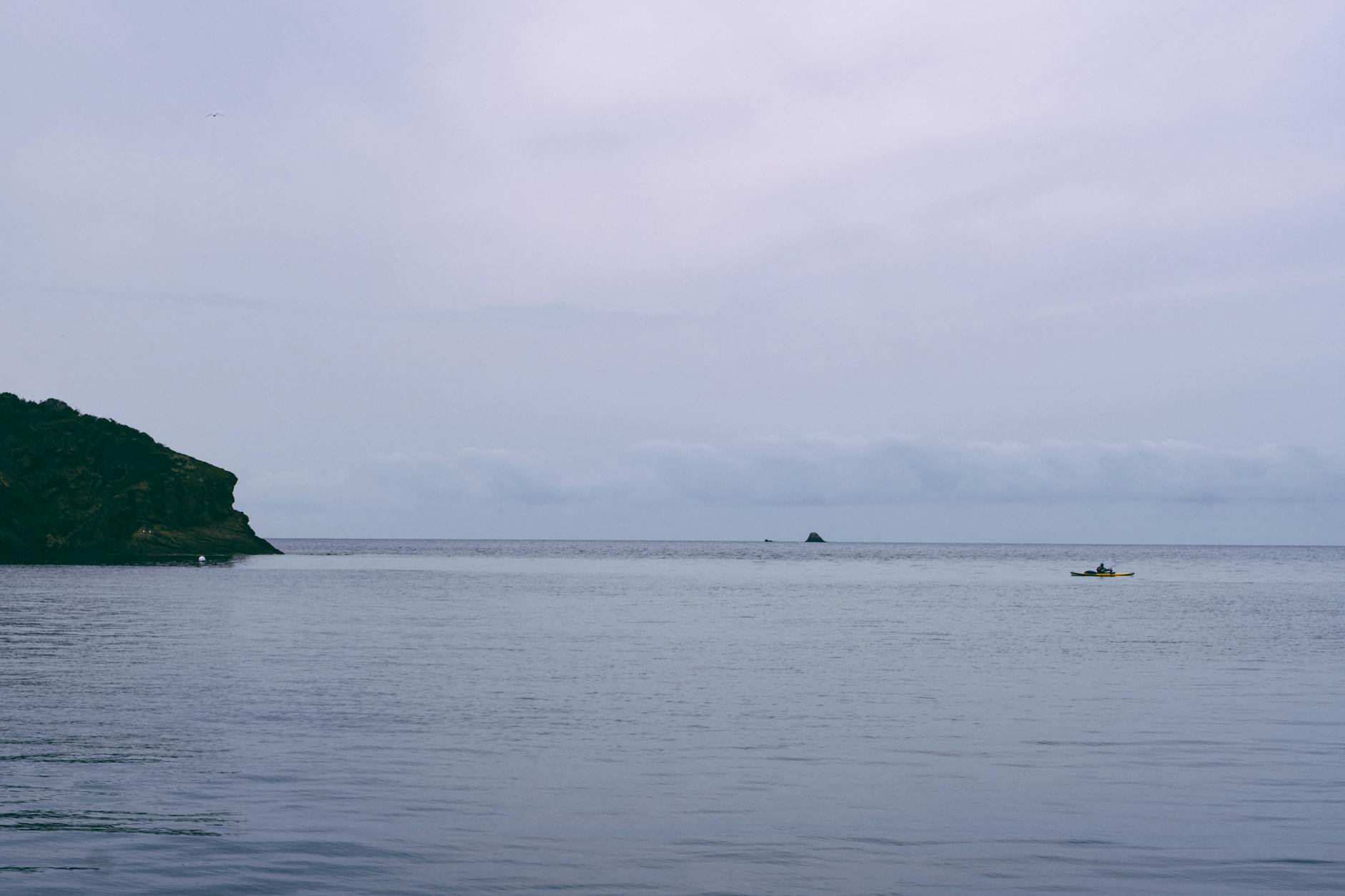
Kayaking is the activity that turns Cornwall’s hidden geography into something you can actually visit. The county has more sheltered creeks, tidal estuaries and protected coves than anywhere else in southern England, and most of them are only reachable by water. The Helford River curves inland through oak forest with creeks that look exactly as they did when Daphne du Maurier rowed up them in the 1930s. The Fal estuary has working oyster beds and Victorian villages. The Camel estuary is fast and tidal but spectacular. This kayaking Cornwall guide is the version that splits the easy estuary paddles from the more serious sea kayaking and tells you which provider does which best.
I’ll cover the best paddling waters by region (sheltered inland for beginners, exposed sea kayaking for experienced paddlers), the guided tour providers worth booking with, the verified 2026 prices and the practical tide and weather rules that make Cornish kayaking safer. Our wider Cornwall water sports and surfing guide is the parent piece and our paddleboarding Cornwall guide covers the SUP alternative.
Why Cornwall Is the Best UK Kayaking Destination
Three things make Cornwall unusually good for kayaking. The estuary geography produces miles of sheltered tidal water — the Helford River alone has fourteen named creeks branching off the main river, the Fal estuary connects Truro to Falmouth via a network of side-creeks, the Camel runs from Padstow to Wadebridge, and the Fowey upper estuary curls inland to Lerryn. All of these are sheltered, tidal, scenic and beginner-friendly.
The sea kayaking opportunities are equally varied — the Lizard Peninsula’s cave network, the Cape Cornwall coast, Mounts Bay with St Michael’s Mount as a navigation point, Carbis Bay’s seal-spotting waters. The wildlife is genuinely abundant: grey seals year-round, basking sharks May to September, dolphins and porpoises, kingfishers on the rivers, herons and egrets in the creeks.
And the providers are properly accredited. The Paddle UK (formerly British Canoeing) coaching scheme, the National Coasteering Charter, and the AALA licensing all apply. The Cornish kayaking scene has good safety standards and the guided tour networks have been running long enough that the routes are well-tested.
The Best Beginner Paddling Waters
Helford River
The single best beginner kayak in Cornwall. The Helford runs inland for about seven miles between Helford Passage on the north bank and Helford village on the south bank, with fourteen named creeks branching off including Frenchman’s Creek — the inspiration for Daphne du Maurier’s 1941 novel of the same name. Sheltered, tree-lined, tidal but gentle, almost no boat traffic in the inner reaches. Oyster beds are visible at low tide; herons, kingfishers and egrets are common.
Koru Kayaking runs the headline guided tours here from Budock Vean Hotel on the north bank. The two-hour tour costs around £45 per person, runs April to October, three tours per day, maximum eight per trip, in tandem sit-on-top kayaks. The route covers the main river plus an exploration of Frenchman’s Creek. Excellent for beginners and families.
Fal Estuary and Carrick Roads
The Fal estuary connects Truro to Falmouth via the wide Carrick Roads — one of the world’s deepest natural harbours. The water is sheltered and the side creeks (Restronguet Creek, Mylor Creek, Cowlands Creek, Ruan Creek) offer hours of quiet exploration. The Tregothnan estate (the only working tea estate in Britain) borders one stretch.
Encounter Cornwall and Sea Kayaking Cornwall run tours from various put-in points around Falmouth and St Mawes. Allow three to four hours for a proper Fal estuary paddle. The wildlife is excellent — seals appear in the deeper sections, oyster catchers and curlews on the mudflats.
River Fowey to Lerryn
The upper Fowey estuary curls inland to the village of Lerryn — the wooded river that inspired Kenneth Grahame to write parts of Wind in the Willows when he visited in the 1900s. Best paddled on the incoming tide (which carries you upriver) and returning on the falling tide. From Fowey to Lerryn is around three miles each way; allow four hours for a leisurely round trip with a pub stop at the Lerryn Inn.
Fowey River Hire is the main provider — kayak hire and SUP hire from Town Quay. Half-day kayak hire £30 single / £40 double; full-day £40 / £50; week £180 / £200. Encounter Cornwall runs guided tours from Golant on the Upper Fowey Estuary.
Camel Estuary (Padstow to Rock)
The Camel estuary between Padstow and Wadebridge is wide and tidal. The lower section from Padstow to Rock is the main paddling area, with the Doom Bar sandbank visible at low tide. The catch is the tide — the Camel runs fast and the outer estuary near the bar can be choppy in onshore wind. Best paddled at slack tide windows or with a guide who knows the local timings.
Kernow Kayak Hire is the local provider, operating from Penzance with mobile delivery options. Hire from £50 per half or full day. Salty Kit is the other local kayak operator with knowledge of the Camel estuary timings.
Hayle Estuary
The Hayle estuary is wide, tidal and best paddled at higher tides when the mudflats are covered. The Hayle Towans (the sand dune side) and Lelant Saltings provide put-in options. Bird-watching estuary — egrets, curlews, kingfishers.
Tamar Lakes (Inland)
An inland alternative to estuary paddling. Two reservoirs (Upper and Lower Tamar Lakes) near Bude, run by the canal-and-rivers organisation. Lesson-friendly, no tide to worry about, surrounded by countryside. Good for first-time beginners who want a fully sheltered first paddle.
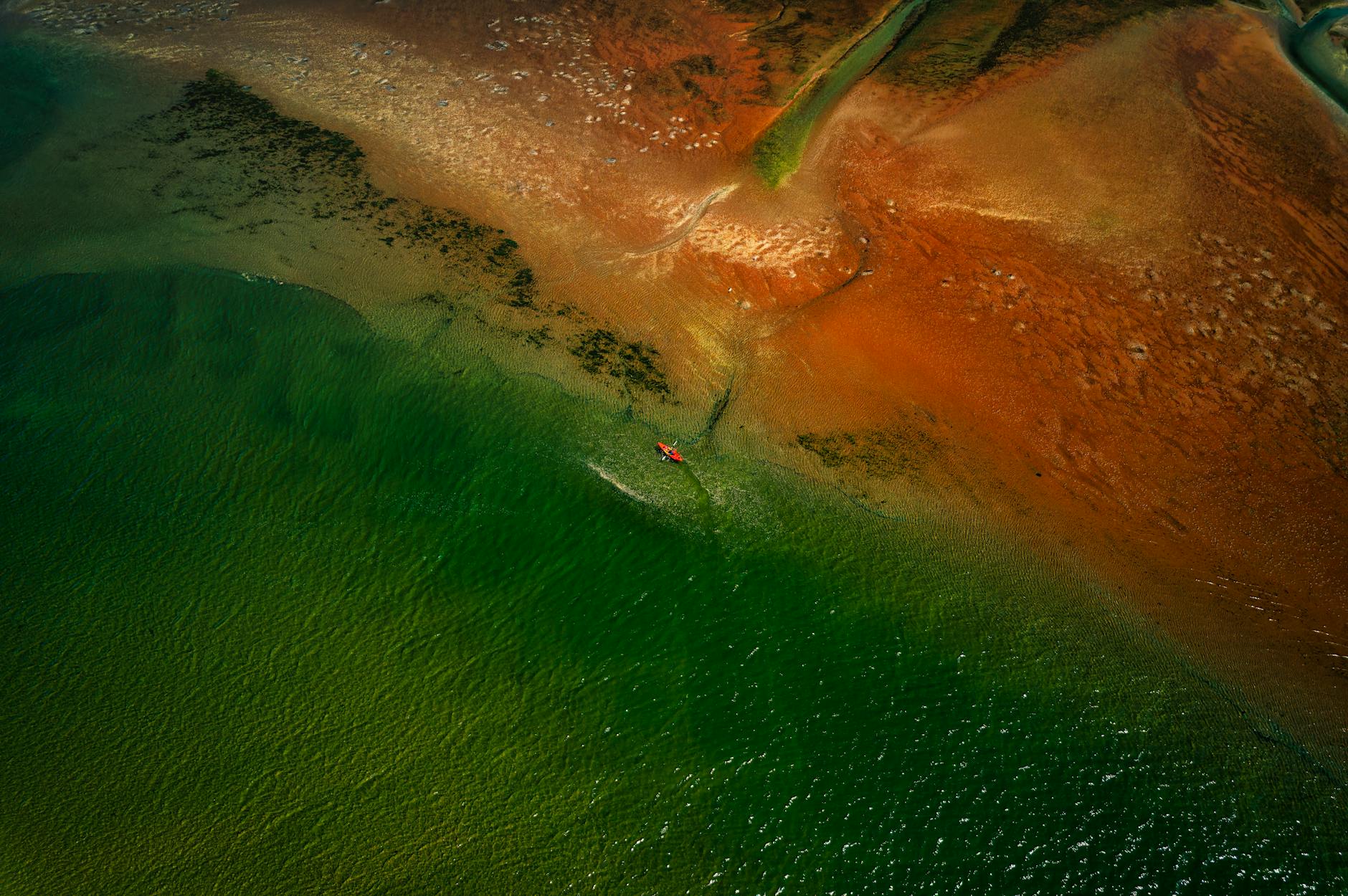
The same sheltered water suits a board just as well — see stand-up paddleboarding in Cornwall.
Sea Kayaking for Experienced Paddlers
Lizard Peninsula Caves
The Lizard’s serpentine cliffs are riddled with sea caves accessible only from the water. From Cadgwith, Coverack or Mullion you can paddle around small coves and into caves that are some of the most photographed kayaking features in Cornwall. Conditions are weather-dependent — the Lizard takes the full Atlantic swell, so swell-free days are essential. Lizard Adventure runs guided sea-kayak sessions here.
Cape Cornwall and the West Penwith Coast
The western tip of mainland Britain, between Sennen Cove and St Ives. Exposed granite coast, seabird colonies, hidden coves between the headlands. Properly serious sea kayaking — open water, swell exposure, currents. Only attempt with a guide or with significant sea kayaking experience.
Mounts Bay and St Michael’s Mount
The classic Cornish sea kayak — paddle from Marazion or Penzance out around St Michael’s Mount, seeing the tidal island from the unique angle that landside visitors never get. The bay is sheltered from prevailing south-westerlies but exposed to anything from the south or south-east. Best at slack tide; the bay can be choppy at peak ebb.
Port Isaac Bay
The north coast bay between Port Isaac and Polzeath. Cornish Rock Tors runs sea kayak sessions here — two-hour beginner sessions, three-hour advanced from £80 per person, and three-day closed-cockpit sea kayak courses from £300 per person. Properly committed sea kayaking territory.
Polzeath and Daymer Bay
The Polzeath stretch, with the option of paddling around to Daymer Bay or up the Camel estuary at Padstow. Wavehunters runs sessions here. Sheltered enough for confident beginners; the option to extend into more exposed water for experienced paddlers.
Carbis Bay and St Ives
Carbis Bay is one of the sheltered options on the north coast — the curve of the bay deflects most swell. Carbis Bay Ocean Sports runs kayak hire and tours. Seal watching toward Godrevy is the main wildlife draw.
The Verified Provider Directory
Koru Kayaking (Helford River and St Agnes) — The Helford specialists. Two-hour guided tour around £45, April-October only, three tours per day, max eight per trip, tandem sit-on-top kayaks. korukayaking.co.uk.
Encounter Cornwall (Golant, Upper Fowey Estuary) — Paddle UK qualified coaches. Guided kayak tours (children £25, adults £35), plus SUP and hire. encountercornwall.com.
Sea Kayaking Cornwall (Falmouth-based) — Introduction-to-Advanced courses; multi-day expeditions. seakayakingcornwall.com.
Cornish Rock Tors (Port Gaverne) — Two-hour sea kayak sessions; three-hour Advanced from £80 per person; three-day closed-cockpit course £300 per person. cornishrocktors.com.
Paddle Cornwall — Multi-day expeditions including trips to the Isles of Scilly. Properly advanced operation. paddlecornwall.com.
Harlyn Surf School (Harlyn Bay) — Sea kayaking sessions alongside the surf operation. harlynsurfschool.co.uk.
Newquay Activity Centre (Newquay) — Multi-activity centre with AALA license and £10 million public liability insurance. Private kayak tours available.
Lizard Adventure — Lizard-based specialists. Kayak hire and guided sea-kayak sessions. lizardadventure.co.uk.
Fowey River Hire — The Fowey hire specialists. Half-day kayak hire from £30 (single) / £40 (double); full-day £40 / £50; weekly £180 / £200. foweyriverhire.co.uk.
Kernow Kayak Hire (Penzance) — Mobile delivery options. From £50 half or full day. kernowkayakhire.co.uk.
Wavehunters (Polzeath/Watergate) — Multi-activity provider; kayak tours alongside the surf school.
Carbis Bay Ocean Sports — Hire and tours from the south end of Carbis Bay beach.
Tide Reading for Cornish Kayakers
Cornwall has a six-metre tidal range on spring tides — a huge variable for kayakers. The general rules:
For estuary paddles upstream: Go with the incoming tide; return on the falling tide. Saves effort and avoids paddling against fast currents at maximum ebb.
For the Camel estuary specifically: The outer estuary near Padstow can be choppy at mid-ebb because the Doom Bar creates standing waves. Paddle the lower estuary at high tide or slack water; avoid the outer bar at peak ebb.
For the Helford: The whole estuary works through the tide because the geography is sheltered. The creeks dry out at low spring tides — Frenchman’s Creek is best paddled in the upper part of the tide cycle.
For sea kayaking around headlands: Check the tidal stream charts. The Lizard, Cape Cornwall and Trevose Head all have significant tidal streams; paddling against a 3-knot tidal stream is unrealistic. Time your route to use the tide.
Tide times: Met Office tides, BBC Tide Times, cornwall-tides.com, the Tide Times app, or any modern marine forecasting tool.
Wildlife on the Water
Cornish kayaking puts you closer to the wildlife than any other water sport. The species worth knowing:
Grey seals are year-round residents. The colony at Godrevy/Mutton Cove holds 100+ animals in winter; smaller colonies live in the Helford caves and around the Lizard. The Marine Mammal Code is clear: stay at least 100 metres away from hauled-out seals on land. On the water, never approach closer than 20 metres and let the seal control the encounter — if it swims toward you, that’s its choice. If a seal hides or moves away, you’ve crowded it.
Basking sharks visit Cornish waters from May to September, peaking June and July. The world’s second-largest fish (up to 10 metres long), filter-feeding on plankton, completely harmless. Charles Hood Shark Adventures runs guided trips from Penzance to find them. Sighting from a kayak is rare but possible.
Dolphins and porpoises appear off the Lizard, Godrevy and Penzance most reliably from May to October. Common dolphins are the regular species; bottlenose dolphins less common.
Kingfishers are the river and creek headline. The Helford, Fowey upper estuary, Fal side creeks and the Camel all have kingfisher populations. The blue flash is unmistakable.
Herons and egrets populate every Cornish estuary year-round. Little egrets (white, smaller) have spread dramatically in the last twenty years; grey herons are the classic UK species.
Oyster catchers, curlews, gulls of all species on the mudflats and headlands.
The Helford oyster beds are working — visible at low tide as the dark beds in the upper estuary. The Frenchman’s Creek shipwreck (a small remnant near the head of the creek) is the other quirky feature worth a look.
For what you are likely to meet and how to behave around it, see seal watching in Cornwall and dolphins and marine life in Cornwall.
Equipment and Safety
The kit varies by paddle. Sit-on-top kayaks (the most common rental and tour kayak) are stable, self-draining and beginner-friendly — almost impossible to capsize meaningfully. Sea kayaks (closed cockpit) are faster, more efficient and used for longer trips and serious sea kayaking, but require skills to handle and edge.
Mandatory kit: Buoyancy aid (impact-rated, properly fitted), paddle, kayak. Plus drinking water and a snack.
Recommended kit: A whistle (for emergency signalling), a small dry bag for valuables, a waterproof phone case, sunscreen. For longer paddles, a basic first-aid kit and a means of contacting emergency services (waterproof phone or a small handheld VHF).
Clothing: A wetsuit is sensible in most conditions — three-two for summer, four-three for shoulder seasons. In high summer with warm water and warm air, board shorts and a rashguard work. Sun protection is essential; the water reflection doubles UV exposure.
Safety rules: Never paddle alone in open sea. Always check tide and weather. File a “float plan” — tell someone where you’re going and when you’ll be back. Stay close to shore in unfamiliar waters. The Coastguard is reachable on 999 (ask for Coastguard) or via VHF Channel 16.
Rental rates and what is included are covered in water sports equipment hire in Cornwall.
The Literary Kayaking Trail
Cornwall has a unique kayaking sub-genre — the literary paddles. The Helford was Daphne du Maurier’s territory; Frenchman’s Creek (her 1941 novel) is paddleable. Lerryn on the Fowey is part of the territory that inspired Kenneth Grahame’s Wind in the Willows. Du Maurier’s Rebecca (Manderley) was based on Menabilly above Fowey — the coast near there is paddleable. Arthur Ransome wrote part of a Swallows and Amazons book inspired by the Fal estuary. None of these are commercial tour products yet but you can paddle them yourself and the experience is genuinely different from a generic estuary trip.
The Honeymoon and Sunset Paddle Niche
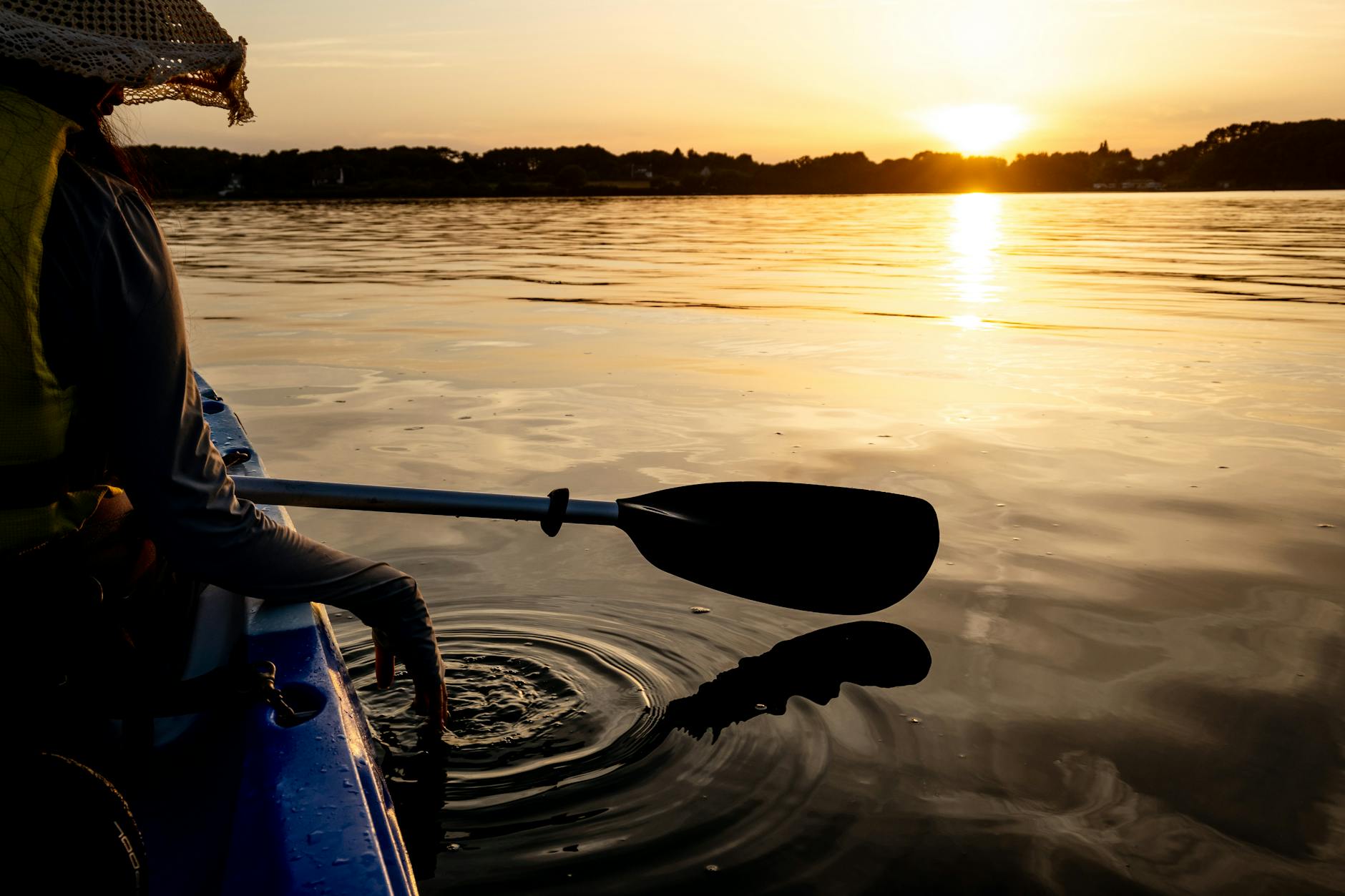
Several Cornish providers run sunset paddles (May to September only — sunset is too late in May/June for a sensible evening start) that combine kayaking with cream tea or wine on a sheltered beach. Koru Kayaking is the main operator of this format on the Helford. Encounter Cornwall has similar evening tours on the Fowey. Worth knowing if you’re planning a romantic Cornish trip.
Multi-Day Expeditions and the Scilly Crossing
For experienced sea kayakers, Paddle Cornwall runs multi-day expeditions to the Isles of Scilly — twenty-eight miles of open Atlantic from Land’s End to St Mary’s. Properly serious sea kayaking; not for beginners. Run as guided expeditions only.
Less ambitious multi-day options: paddling sections of the South West Coast Path by sea kayak, with overnight camps or cottage accommodation. The Helford to Falmouth route, the Fowey to Polperro route, the Padstow to Rock to Polzeath route — all doable with planning.
Best Months for Kayaking
The Cornish kayaking season is April to October. May, June and September are the sweet spot — long days, warm air, manageable water temperatures, fewer crowds than peak summer. July and August have warmer water but the estuaries are busier with motorboats and tourist traffic.
Winter kayaking is possible on the sheltered estuaries (the Helford, the Fal, the Fowey) for experienced paddlers with proper kit. The water is cold (8-10°C December through March) and a four-three wetsuit or drysuit is sensible. Commercial tour operators mostly close for winter.
Frequently Asked Questions
Where is the best place to kayak in Cornwall? The Helford River for beginners and families; the Fal estuary for a longer paddle; Cornish Rock Tors at Port Gaverne for sea kayaking; Cape Cornwall and the Lizard for advanced.
Do I need experience to kayak in Cornwall? Not for the sheltered estuaries with a guided tour. For open-sea kayaking, yes — book a course or go with a guide.
How much does it cost to hire a kayak in Cornwall? Fowey River Hire from £30 half-day (single); Kernow Kayak Hire from £50 half or full day. Guided tours around £35-65 per person for two to three hours.
Can you kayak with seals in Cornwall? Yes — Godrevy/Mutton Cove and the Lizard are the seal locations. Follow the Marine Mammal Code; keep 20+ metres distance.
Is sea kayaking dangerous in Cornwall? It can be if you go unprepared. With a guide on a calm day, low risk. Open sea, big swell, no guide — properly dangerous.
What is the best river for kayaking in Cornwall? The Helford for sheltered scenic paddling; the Fowey upper estuary for the Lerryn inn-stop paddle; the Fal for length and variety.
When is the best time of year to kayak in Cornwall? April to October peak season. May, June and September for the best balance of weather, water, and crowds.
Can you kayak to St Michael’s Mount? Yes — from Marazion or Penzance, around 1-1.5 miles. Sheltered from south-westerlies, but check forecast for south/south-east wind.
Do you need a licence to kayak in Cornwall? No licence required for sea kayaking. The British Canoeing (now Paddle UK) membership gives you river access permits if you want to paddle inland waterways elsewhere, but most Cornish paddling is sea or tidal estuary which is licence-free.
Can you kayak Frenchman’s Creek? Yes — it’s a tributary of the Helford and Koru Kayaking runs tours that include exploration of the creek. Best at the upper part of the tide cycle.
What’s the difference between a kayak and a canoe? Kayak — sit-in or sit-on, double-bladed paddle, more common in Britain. Canoe (open canoe or “Canadian canoe”) — open boat, single-bladed paddle, less common.
Are there any kayak hire places in Padstow? Kernow Kayak Hire and Salty Kit operate around the Camel estuary; not a hire shop in Padstow itself in 2026 but the surrounding network covers the area.
Kayaking in Cornwall is the activity that gets you into the bits of the county that walkers and drivers can’t reach. Pick a sheltered estuary for your first paddle (Helford is the most beautiful). Book with a guided tour for safety and local knowledge. The wildlife alone — kingfishers, herons, seals — is worth the half-day.