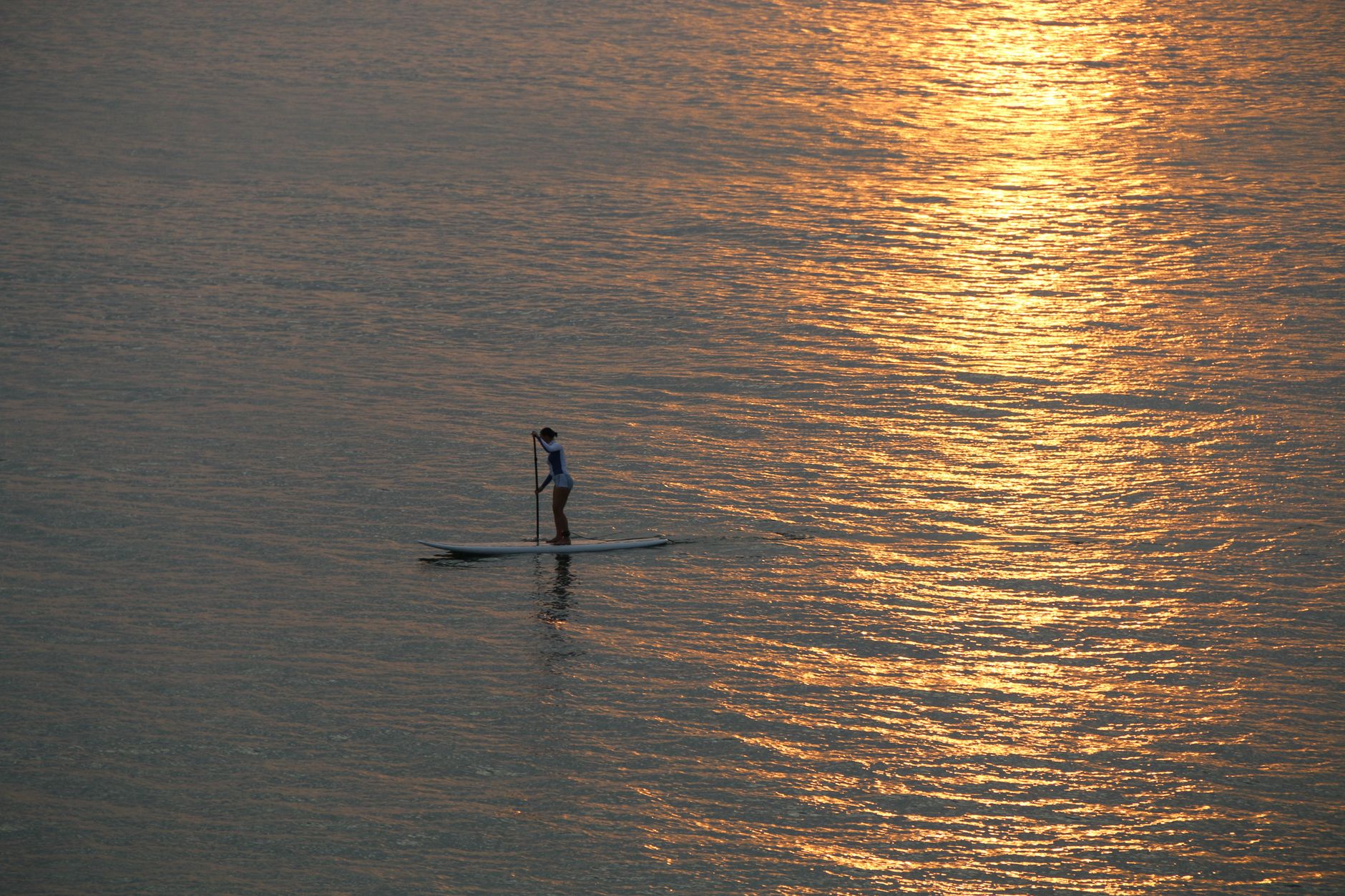
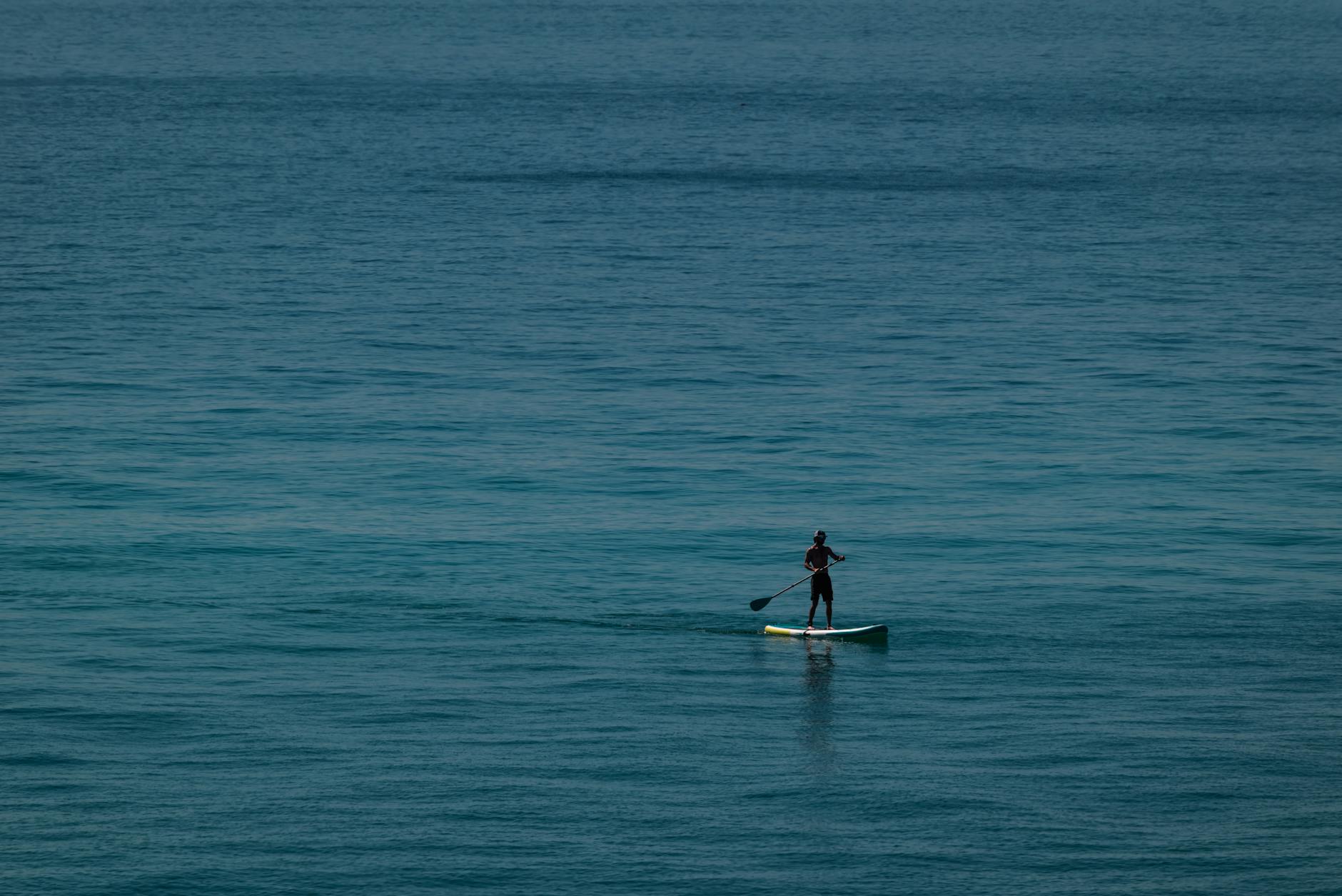
Stand-up paddleboarding is the water sport that grew faster than anything else in Cornwall over the last decade, and the reason is simple: it suits the local geography better than almost anywhere else in Britain. The county has miles of sheltered estuary water, calm protected bays, and tidal coves that work for paddleboarding when the open Atlantic is unsurfable. You can stand on a board next to St Michael’s Mount, paddle the Helford River through tree-lined creeks, or work your way up the Camel estuary at slack tide. This paddleboarding Cornwall guide is the version that splits the genuinely calm-water spots from the ones that need experience.
I’ll cover the best calm-water spots by region, the SUP yoga venues, the providers running lessons and hire, the verified 2026 prices, and the practical tide and wind rules that make Cornish paddleboarding safer. Our wider Cornwall water sports and surfing guide is the parent piece and our kayaking Cornwall guide covers the kayak alternative for the same waters.
Why Cornwall Suits Paddleboarding
Three factors. First, the estuary geography — the Helford, Fal, Camel, Fowey and Hayle estuaries all provide sheltered tidal water that’s perfect for paddleboarding. The water is flat or near-flat most of the time, the wind is broken by the surrounding land, and you can paddle for miles without crossing open exposed sea.
Second, the sheltered coves on the south coast and the inner bays on the north coast. Gyllyngvase in Falmouth, Marazion in Mount’s Bay, Carbis Bay near St Ives, Daymer Bay on the Camel estuary, Coverack on the Lizard — all paddleboardable in calm conditions.
Third, the season is long. Cornish water reaches sixteen degrees by July and stays at fourteen through October — warm enough for proper paddling without a five-millimetre wetsuit. Sheltered estuaries like the Helford and Fal are workable year-round with appropriate kit.
The Best Calm-Water Paddleboarding Spots
Gyllyngvase Beach (Falmouth)
The single most reliable calm-water paddleboard spot on the south coast. Gyllyngvase faces south-east and is sheltered by Pendennis Point from the prevailing south-westerlies. The water is flat almost any day the wind isn’t strong from the south. Beach access is level; the Gylly Beach Café is right behind the beach. Multiple paddleboard schools run from here. The best first-timer spot in west Cornwall.
Marazion and Mount’s Bay
The paddle out to St Michael’s Mount is the single most photographed paddleboard image in Cornwall, and it’s properly accessible — the bay is shallow, the water flat in south-westerly weather, and the half-mile paddle from the beach to the Mount is comfortable for confident first-timers. Ocean High and Mounts Bay SUP run lessons and hire from Marazion. The west-coast equivalent of Gyllyngvase.
Daymer Bay (Camel Estuary)
The shallow, calm side of the Camel estuary opposite Padstow. Best at high tide when the sand bottom is covered and the water is glass. Avoid the lower estuary near Padstow (fast tide and rip currents); stay in the inner Daymer Bay. Easy launch from the beach car park. Suitable for beginners and family paddles.
Helford River
The Helford runs sheltered for seven miles inland with fourteen side creeks. Frenchman’s Creek (the Daphne du Maurier inspiration) is paddleboardable on the upper part of the tide. Sub-tropical creek-side trees, oyster beds visible at low water, kingfishers and herons. Launch options from Helford Passage or Helford village. Koru Paddle Sports runs guided tours.
Carbis Bay (St Ives)
The curve of the bay deflects most Atlantic swell. The beach is south-east facing and protected from the prevailing winds. Carbis Bay Ocean Sports runs hire and lessons from the south end of the beach. The seal-spotting paddle toward Godrevy is the popular tour.
Coverack (Lizard Peninsula)
The east-side Lizard cove. South-east facing, sheltered from west winds, properly calm on the right day. The Coverack Windsurfing Centre also runs paddleboard hire alongside their windsurf operation.
Mevagissey Harbour
The inner harbour is genuinely flat. Paddleboardable in any weather that’s not a south-easterly gale. The outer harbour and beyond into Mevagissey Bay opens up to swell, so stay inside the breakwater for beginner sessions.
Hayle Estuary
Wide, tidal, sheltered by the surrounding land. Best paddled at high or near-high tide; mudflats at low tide make navigation awkward. The St Ives Bay end is exposed to swell so stay in the inner estuary.
Stithians Lake
The inland alternative. A reservoir near Falmouth with no tide, no swell, no wind exposure issues. Outside2 (the watersports centre on the lake) runs SUP sessions. Useful for absolute first-timers who want a fully sheltered initial paddle before tackling the sea.
Bude Sea Pool and Summerleaze (Calm Days)
On a flat-calm summer day, paddleboarding the Bude Sea Pool or out onto Summerleaze in front of it is achievable. Not a reliable daily option — onshore wind makes it impractical — but on the right day, brilliant family paddle.
Readymoney Cove (Fowey)
Small sheltered cove just south of Fowey town. Easy launch, sheltered from west wind by Gribbin Head. Combine with a longer paddle up the Fowey estuary to Lerryn for a full day.
Fowey River
The upper Fowey estuary is paddleboardable to Lerryn (around three miles). Best paddled on the incoming tide with the return on the falling tide. Fowey River Hire is the main operator — kayak and SUP hire from Town Quay.
Porthcurno (Logan Rock paddle, low tide)
The classic west Penwith paddle. The sheltered cove at Porthcurno (with the Minack Theatre on the cliff above) opens out to Logan Rock — a famous offshore rocking-stone landmark. Only on calm days, only at low tide, and only with paddleboarding experience.
The same estuaries suit a kayak — see kayaking and canoeing in Cornwall — and for flat swimming water, the calmest beaches for swimming in Cornwall.
SUP Yoga in Cornwall
Stand-up paddleboard yoga has grown rapidly in Cornwall. The combination of stable inflatable SUPs, calm water, and a network of yoga teachers willing to take the practice onto the water has made Cornwall one of the UK’s strongest SUP yoga destinations.
Watergate Bay — The Zen Den and Wavehunters Wellness run SUP yoga sessions in the calm-water mornings before the sea breeze fills in. Beach access, multiple sessions per week in summer.
Marazion — Ocean High runs SUP yoga in Mount’s Bay, often with St Michael’s Mount in the background. Sarah’s “Sand beneath Sky” SUP yoga is the other Marazion operation.
Helford and Trebah — Yoga Ro runs Wednesday SUP yoga sessions on the Helford. The combination of sub-tropical garden setting and the river is properly unique.
SUP yoga sessions typically run sixty to ninety minutes; expect to pay £40-55 per person. Most sessions take complete beginners — the inflatable boards are wide and stable, and the yoga is adapted for the platform.
The Verified 2026 Provider Directory
The main paddleboard schools and hire operations across Cornwall in 2026:
Newquay Activity Centre (Newquay) — Standard SUP plus Super SUP group boards (huge boards that take six people, brilliant for groups). Hire and lessons. newquayactivitycentre.co.uk.
Cornish Rock Tors (Port Gaverne) — Sessions from £45 per person. North coast SUP specialists. cornishrocktors.com.
Global Boarders (Gwithian and Praa Sands) — Lessons and Giant SUP (for group photographs). Two locations covering north and south coasts. globalboarders.com.
Era Adventures — Sessions from £45 per person.
Cornish Coast Adventures (Polzeath) — Multi-activity provider including SUP. cornishcoastadventures.com.
Via Ferrata Cornwall — £35 SUP taster session (2.5 hours), one of the most affordable lesson formats in the county.
Ocean High (Marazion) — Hire, lessons, SUP yoga, and Eco SUP tours around St Michael’s Mount. oceanhigh.co.uk.
Camel Ski School (Rock) — Established Rock-side operation. camelskischool.com.
Fowey River Hire — Hire from Town Quay. Half-day SUP £30, full day £40, week £180. foweyriverhire.co.uk.
Cornwall Watersports — Multi-activity hire and lessons. cornwallwatersports.co.uk.
Harlyn Surf School — SUP alongside the surf operation. harlynsurfschool.co.uk.
Wavehunters (Polzeath/Watergate) — Multi-activity provider.
Carbis Bay Ocean Sports — Carbis Bay hire and tours.
Salty Kit (Padstow area) — Local Camel estuary paddleboarding knowledge.
Loe Beach Watersports (Carrick Roads) — Falmouth-area paddleboard hire.
Koru Paddle Sports (Helford River) — The Helford specialists, alongside their kayak operation.
2026 Pricing
The verified bracket for 2026:
Hire: From £15 per hour at the entry-level operators (Carlyon Bay, Cornwall Waverunner Safaris). £40-60 per day at most operators.
Lessons (1-2 hours typical): £35 (Via Ferrata taster), £40 (Global Boarders beginner two-hour), £45 (Cornish Rock Tors, Era Adventures, Koru).
Tours (2.5-3 hours): £55 (Global Boarders, Koru), £45-65 typical.
SUP yoga (60-90 minutes): £40-55 per person.
Multi-day or weekly hire: £180 per week (Fowey River Hire) — useful for self-catering visitors.
Tide-Aware Launch Planning
The single skill that makes Cornish paddleboarding safer and more enjoyable is reading the tide. Specific guidance by location:
Camel estuary: The lower estuary near Padstow has fast currents at peak ebb. Paddle the inner Daymer Bay at slack tide (one hour before or after high or low water) or stay in the upper estuary above Padstow. Don’t paddle below the Doom Bar in any conditions without local knowledge.
Helford River: Works through most of the tide. The upper creeks (Frenchman’s Creek) need the upper part of the tide cycle to have water; the lower main river works at any tide.
Hayle estuary: Needs high or near-high tide to be sensibly paddleable. Mid-low tide exposes mudflats that make navigation awkward.
Marazion: Mid-tide to high is the sweet spot. Low tide exposes too much sand and rocks; spring tide low water leaves the launch beach effectively dry.
Daymer Bay: Best at high tide when the sand bottom is covered and the water is glass.
Fowey to Lerryn: Paddle upstream on the incoming tide; return on the falling tide. The Lerryn Inn is the natural midpoint pub stop.
Gyllyngvase, Mevagissey, Carbis Bay, Coverack: Sheltered enough to work through the tide. Check wind direction more than tide.
Wind Awareness
Wind is the bigger Cornish paddleboarding variable than tide. The key rules:
Force 3 or below (under 12 mph) is comfortable paddleboarding wind. Force 4 (13-18 mph) is workable for experienced paddlers but tiring; the board catches wind like a sail.
Force 5+ is unsuitable for beginners and uncomfortable for experienced paddlers. Don’t paddle in Force 5+ unless you’re an expert.
Wind direction matters. Onshore wind blows you back to the beach if you get tired (good for beginners). Offshore wind blows you out to sea (bad — avoid on big winds). Cross-shore wind is workable but means you’ll drift down the beach as you paddle.
If you’re a beginner, choose a sheltered location (estuary, deep bay) and a calm day (Force 3 or below). If you’re going to a more exposed spot, check the forecast and have an exit plan.
Wildlife From a Paddleboard
The view from a paddleboard is genuinely different from a kayak — you’re standing, so the perspective is higher and the scan range is wider. The wildlife to expect:
Grey seals. Year-round residents. Mutton Cove at Godrevy has a colony of 100+ animals in winter; Lizard caves and the Helford have smaller populations. Critical: do not approach seals on a paddleboard. The Marine Mammal Code is twenty metres minimum distance on the water; never approach a hauled-out seal on land. Let the seal control the encounter — if it swims to you, that’s its choice.
Basking sharks. May to September, peaking June and July. Rare from a paddleboard but possible in the West Penwith waters and off the Lizard.
Dolphins and porpoises. Occasional off the Lizard, Godrevy, and Penzance.
Kingfishers, herons and egrets. Creek-edge species. The Helford and Fal side creeks have abundant kingfisher populations — the blue flash is unmistakable.
Oysters. The Helford working oyster beds are visible at low tide. The Fal has working aquaculture too.
Jellyfish. Compass jellyfish (white with brown markings) and lion’s mane jellyfish (red, tentacles) appear in late summer. Stings range from mildly uncomfortable to properly painful; the lion’s mane is the more concerning. Wear a wetsuit if jellyfish are about.
Keep your distance and enjoy it: seal watching in Cornwall and dolphins and marine life in Cornwall cover the code of conduct in detail.
The Best Season
April to October is peak paddleboarding in Cornwall. Sheltered estuaries (Helford, Fal, Fowey) work year-round for experienced paddlers with proper wetsuits, but the commercial tour operators mostly close November through March.
The sweet spot: late May to early July, and September through mid-October. Long days, warm water, lower crowds, manageable wind patterns. July and August have warmer water but the estuaries are busier with motorboats and tourist traffic.
The First-Timer Checklist
Before launching your first paddleboard session:
- Check wind forecast — Force 3 or below is the right beginner condition.
- Check tide — for estuary paddles, go with the tide or at slack water.
- Tell someone where you’re going and when you’ll be back.
- Wear or carry a buoyancy aid (mandatory for any operator-provided session; sensible always).
- Wear a leash that attaches you to the board.
- Wear a wetsuit if water temperature is below 14 degrees.
- Carry a whistle for emergency signalling.
- Carry your phone in a waterproof pouch.
- Start on your knees, not standing — get comfortable balance first, then progress to standing.
- Stay close to shore. The first session is not the day for an open-water crossing.
Water sports equipment hire in Cornwall lists where to rent a board before committing to buying one.
The “Calm-Water-Only” Hierarchy
The honest ranking of Cornish paddleboard spots strictly by beginner-friendliness:
- Stithians Lake (inland reservoir, no tide, no swell)
- Helford River upper creeks (most sheltered estuary water in Cornwall)
- Gyllyngvase Beach, Falmouth (south-east facing, deep harbour shelter)
- Marazion (Mount’s Bay shelter from south-west)
- Daymer Bay (high tide, calm water)
- Mevagissey inner harbour (proper breakwater shelter)
- Coverack (east Lizard cove)
- Carbis Bay (curve of bay deflects swell)
- Hayle estuary at high tide
- Fowey upper estuary on rising tide
Anywhere not on this list — including the open sea sections of Polzeath, Bude, Sennen, the Lizard cliffs, Cape Cornwall — is not beginner-territory. Go with a guide or wait until you have experience.
Frequently Asked Questions
Is Cornwall good for paddleboarding? Yes — the best UK paddleboarding destination by some margin, with sheltered estuaries, calm bays and a strong provider network.
Where is the best place to paddleboard in Cornwall? The Helford River for beginners; Gyllyngvase for Falmouth-based calm water; Marazion for the St Michael’s Mount paddle; Stithians Lake for absolute beginners on inland water.
Where is the calmest place to paddleboard in Cornwall? Stithians Lake (no tide, no swell). Then the Helford River. Then Gyllyngvase Beach.
What is the best time of year to paddleboard in Cornwall? May to October peak. Year-round on sheltered estuaries with proper kit.
Do I need a licence to paddleboard in Cornwall? No licence required for sea or tidal-estuary paddleboarding. Some inland waterways require Paddle UK membership.
How much does it cost to hire a paddleboard in Cornwall? From £15 per hour at most operators; £40-60 per day; £180 per week at the cheaper end.
Can beginners paddleboard in Cornwall? Yes — book a lesson on a sheltered estuary or in Stithians Lake. Don’t go into open sea on your first day.
Is paddleboarding on the Camel Estuary safe? The inner Daymer Bay at high tide is safe. The lower estuary near Padstow has fast currents and rip risk — only with experience or a guide.
What should I wear paddleboarding in Cornwall? Swimsuit plus wetsuit (3:2 summer, 4:3 shoulder seasons) plus buoyancy aid plus leash. Sunscreen always.
Can you see seals while paddleboarding in Cornwall? Yes — Godrevy/Mutton Cove is the colony location. Don’t approach; let the seals control the encounter.
Where can I do SUP yoga in Cornwall? Watergate Bay, Marazion (Ocean High and Sarah’s), Helford (Yoga Ro on Wednesdays).
Is the Helford River good for paddleboarding? Yes — the best sheltered paddleboard water in Cornwall. Koru Paddle Sports runs guided tours including Frenchman’s Creek.
Paddleboarding in Cornwall is the activity that opens up the county’s hidden water. Pick a sheltered estuary or sheltered cove. Book a lesson if you’ve never stood on a board. Bring a buoyancy aid and a wetsuit. Paddle quietly past the seals and the kingfishers. You’ll see Cornwall from the angle most visitors never get.