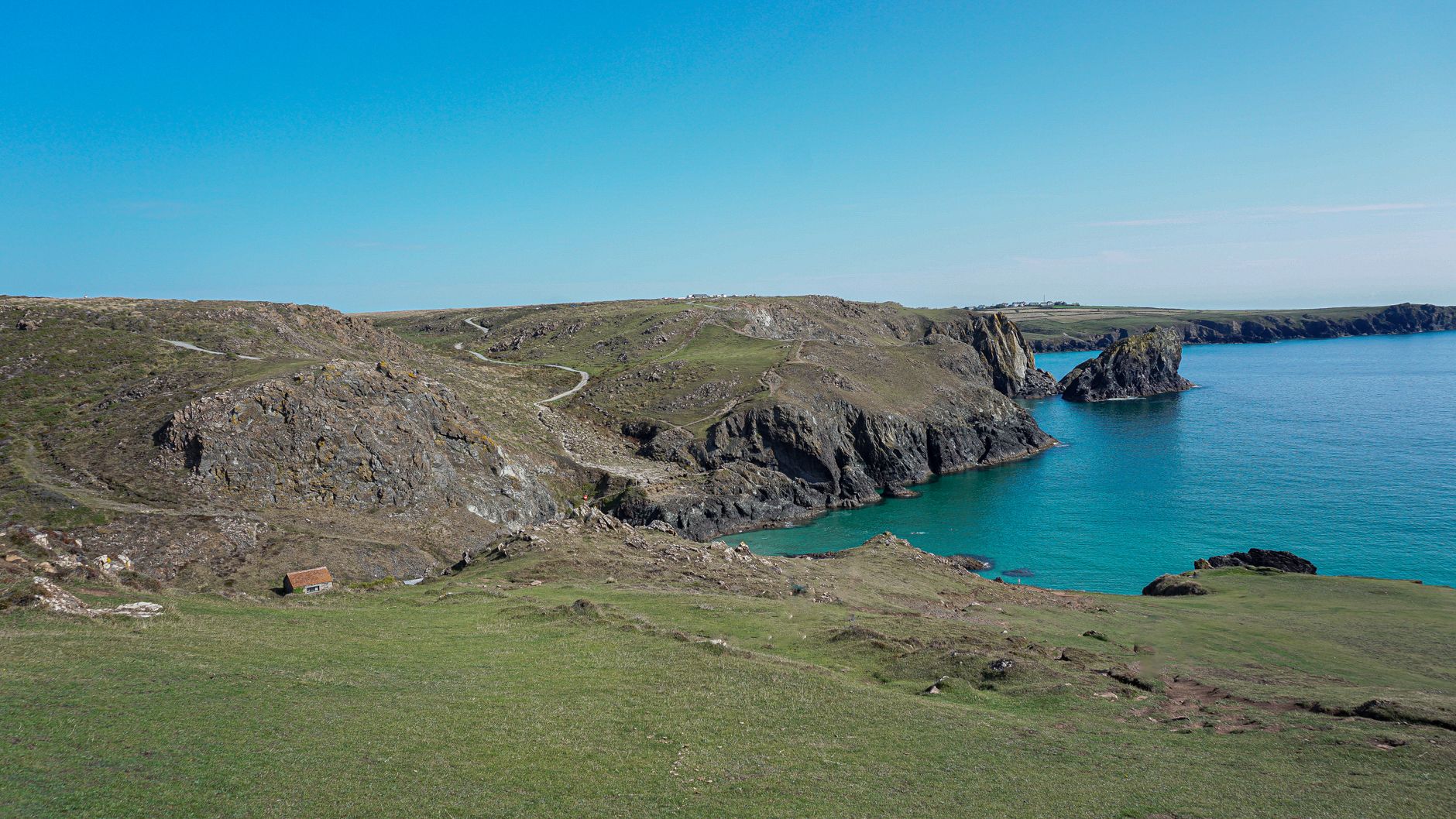
Cornwall has so many beaches that even people who live here have not set foot on all of them. The famous ones earn their headlines, but a quietly held truth among Cornish people is that the loveliest beaches in the county are usually the ones that take an extra twenty minutes to reach. The walk filters the crowds, the lack of facilities filters the day-trippers, and the absence of a signpost filters almost everyone else. What remains is some of the quietest, most beautiful coastline in the British Isles.
This guide covers the hidden coves and secluded beaches that local people tend to share with friends rather than tourists. For each one you get honest access notes, the path, the tide and the parking, an equally honest assessment of how secret it really is, and a sense of what to expect when you arrive. None of it is dangerous if you go prepared, but the same features that make these beaches beautiful also mean no lifeguards, few signs and often no phone signal. Plan accordingly, and treat these places gently.
The best hidden beaches in Cornwall
Pedn Vounder
The poster child for Cornwall’s secret beaches: white sand, water the colour of the Caribbean, and a sandbar that emerges at low tide to create a turquoise lagoon. It is reached by a steep, unmarked descent from the cliffs near Treen, and the final scramble is harder than it looks, so it is no place for unsteady walkers or buggies. Time it for low tide and pair it with a pub lunch at the Logan Rock Inn in Treen. Social media has made it less of a secret than it was, but the scramble still does its filtering job.
Access: steep and scrambly, not buggy-friendly.
Best at: low tide, summer.
Parking: Treen National Trust car park.
Nanjizal Bay, the Song of the Sea
A thirty-minute walk from Land’s End along the coast path brings you to Nanjizal, where a deep slit in the granite at the eastern end, nicknamed the Song of the Sea, frames a perfect rectangle of ocean. The beach itself is soft sand dotted with rock pools, and it is almost never crowded because the only way in is on foot.
Access: coast path from Land’s End or Polgigga.
Best at: mid to low tide.
Parking: Polgigga or Land’s End.
Portheras Cove
Tucked away on the far north coast near Pendeen lighthouse, Portheras is reached by a twenty-minute walk through fields and along a small stream to a soft, sandy cove under high cliffs. Locals walk it daily; visitors rarely find it. Some debris from a 1960s shipwreck can still occasionally surface, so check bare feet for cuts after a paddle.
Access: 20-minute walk from Pendeen.
Best at: any tide.
Parking: small lay-by near Pendeen.
Lantic Bay and Little Lantic
On the south-east coast between Polruan and Polperro, Lantic is a long, beautiful sand-and-shingle beach with no facilities, reached by a steep coast-path descent from the National Trust car park at Pencarrow Head. At low tide you can scramble around to the smaller Little Lantic next door. The climb back up is the price of admission, and it keeps the crowds honest.
Access: steep cliff path from Pencarrow Head NT car park.
Best at: low tide.
Parking: Pencarrow Head NT car park.
Hemmick Beach
A tiny cove of shingle and sand tucked between the Dodman and Gorran Haven, reached down a single-track lane with barely any parking. A shallow pool at mid-tide makes it a gentle spot for younger children if you can find room, and the sheer effort of getting there keeps it quiet. Worth the drive for the seclusion alone.
Access: walk from one of two NT car parks.
Best at: mid tide.
Parking: Penare or Dodman NT car park.

Porthbeor Beach
A hidden golden-sand beach on the Roseland Peninsula, reached only by a steep cliff path, which keeps it almost permanently quiet. The water here is some of the cleanest on the south coast. Pair it with a visit to the little village of St Anthony or the lighthouse on St Anthony Head.
Access: steep coast-path walk from St Anthony car park.
Best at: mid to low tide.
Parking: St Anthony Head NT car park.
Rinsey Cove
A rugged cove on the south coast near Praa Sands, framed by dramatic cliffs and a ruined engine house on the headland above. Low tide reveals golden sand and plenty of rock pools; high tide covers the beach completely. Atmospheric in any weather, and rarely busy.
Access: NT path down from the clifftop car park.
Best at: low tide only.
Parking: Rinsey NT car park.
Polly Joke, Porth Joke
A short walk from the busy beaches of Crantock and Newquay but a world apart: a wide, dune-backed sandy bay with no facilities that stays quiet even when the famous beaches less than a mile away are packed. The fifteen-minute walk through the dunes from West Pentire is all that stands between it and the crowds.
Access: 15-minute walk through dunes from West Pentire.
Best at: mid tide.
Parking: West Pentire NT car park.
Lansallos and Lantivet Bay
Lansallos is a small, secluded sandy beach reached by a National Trust trail through woodland and fields, with a stone-cut path down to the sand that is a curiosity in itself. Just east lies Lantivet Bay, quieter still. Both reward the walk on the south-east coast.
Access: 20-minute walk from Lansallos church.
Best at: mid to low tide.
Parking: Lansallos NT car park.
Vault Beach
Below the Dodman near Gorran Haven, Vault is a long, beautiful sweep of sand reached by a steep coast-path descent. It is almost always quiet, and the wide-open horizon makes it a fine place for a long swim if you are a confident swimmer.
Access: steep walk from Penare or Gorran Haven.
Best at: mid tide.
Parking: Penare NT car park.
Cot Valley, Porth Nanven
Near St Just on the far west, Cot Valley is famous for the smooth, round granite boulders that make it one of the most distinctive beaches in the county. It is best at low tide, and stays quiet despite being only a ten-minute drive from St Just. The boulders are protected, so admire them and leave them where they lie.
Access: short walk from the car park.
Best at: low tide.
Parking: Cot Valley.
Polridmouth
Near Fowey, reached across the National Trust’s Menabilly estate, once home to Daphne du Maurier. It is a sheltered, sandy bay with a small ornamental lake behind it, beautiful and atmospheric, and famously the inspiration for the beach in Rebecca. A gentle walk and a literary pedigree make it a favourite.
Access: walk from Menabilly Barton NT car park.
Best at: mid to high tide.
Parking: Menabilly Barton NT.
Mutton Cove, Lizard
This one is a clifftop viewpoint rather than a swimmable beach: grey seals haul out on the rocks below all year round, and it is one of the most reliable places in Cornwall to watch them. Do not attempt the descent, as the cliff is unstable and the seals are protected. Bring binoculars, keep your distance, and let them be.
Access: coast path from Lizard Point.
Best at: any tide; calm days for spotting.
Parking: Lizard Point.
Hidden beaches by region
The secluded coves cluster in a few parts of the county, which helps if you are choosing a base. For the wider view of the coastline, including the famous beaches these ones hide behind, see our definitive guide to the best beaches in Cornwall.
West Penwith, the far west
Pedn Vounder, Nanjizal, Portheras Cove, Cot Valley and the small coves around Porthgwarra. Penwith has the highest concentration of genuinely wild, hard-to-reach beaches in Cornwall.
The Lizard Peninsula
Mutton Cove for the seals, plus the small, rocky coves such as Housel and Caerthillian near Lizard Point. The Lizard’s paths reward slow, careful walking more than swimming.
South coast and the Roseland
Porthbeor, Vault Beach, Hemmick, Polridmouth, Lantic Bay, Lantivet Bay and Lansallos. This stretch mixes sheltered sand with quiet, wooded approaches.
North coast
Bossiney Cove when the tide is low, the northern end of Sandymouth, Polly Joke, and the quieter coves north of the main Treyarnon beach.

How to find hidden Cornwall beaches for yourself
Half the pleasure of these beaches is the finding, and a little map craft goes a long way. The OS Maps app, or the paper Explorer sheets that cover the Cornish coast, mark the coves clearly even when they are unnamed and unsignposted; learning to read a contour and spot a break in the cliff line is the single most useful skill. Watch for the words no facilities on a sign, which are usually code for the quietest beaches, and think about walking between two honeypot beaches, because the coast path that links them often passes the secret ones on the way.
The oldest trick still works best: ask your host. Locals almost always know one or two unsigned coves they will happily share with polite guests, and a bed and breakfast owner who has lived on a stretch of coast for years is a better guide than any website. And remember that many secret beaches are simply famous beaches at seven in the morning or in October, so timing does as much work as geography. If you enjoy the walking as much as the beach, our guide to walking the Lizard Peninsula takes you to some of the countys most secluded coastline.
Staying safe on Cornwall’s hidden beaches
The freedom of an unlifeguarded cove comes with responsibility, and a few sensible habits keep these days as safe as they are memorable. Check the tide tables before you set out, because several of these beaches vanish at high water and a few can leave you cut off against the cliff if you misjudge it. Bring everything you need, since there are no cafes, no toilets and often no phone signal to summon them. Wear proper footwear for the cliff descents, which are no place for flip-flops, and tell someone where you are going, especially for the remoter beaches of the far west and the Lizard.
In the water, take more care than you would on a patrolled beach. There are no lifeguards, and some of these coves have strong currents, so do not swim alone if you are inexperienced, and treat any big Atlantic surf with respect. For a fuller understanding of tides, rip currents and how to read the sea, our Cornwall beach safety guide is essential reading before you go anywhere unlifeguarded, and the best beaches for swimming in Cornwall point you to gentler water if you would rather not gamble.
Hidden beach walks worth the effort
Some of the best of these beaches are earned on foot, and a handful of routes stand out. The coast path from Sennen to Nanjizal takes around ninety minutes and pays off with the Song of the Sea. Polruan to Lantic Bay is about an hour through woods and along the cliff. Lansallos to Lantivet links two National Trust coves in ninety unhurried minutes. Treen to Pedn Vounder is only twenty-five minutes including the scramble, and St Anthony to Porthbeor takes about half an hour from the Roseland car park. None are long, but the terrain is real, so allow more time than the distance suggests.
Rock pooling and quieter family coves
Not every hidden beach is a hair-raising scramble. Several of the gentler coves, Hemmick with its shallow mid-tide pool, Polridmouth with its sheltered sand, and the rock-strewn reaches of Treyarnon, work well for families willing to carry their kit a little further than usual. The falling tide exposes pools full of life, and children who tire of a busy beach often love the sense of discovery a quiet cove gives them. Our guide to the best rock pooling beaches in Cornwall and the wider Cornwall family holiday guide both help you match a hidden cove to younger explorers.
Where to stay for hidden-beach Cornwall trips
Base yourself in the far west, around Sennen, St Just or Penzance, for Nanjizal, Portheras and Pedn Vounder and the wild Penwith coast. For the Roseland coves of Porthbeor and Vault, stay around St Mawes or Veryan. For Lantic, Lansallos and Polridmouth, Fowey or Polperro put you within a short drive. A room with a sea view sets the tone for this kind of trip, and our guide to coastal bed and breakfasts in Cornwall with sea views is a good place to start.
A word on eating well after the walk
Half the reward of a long walk to a quiet cove is the meal afterwards, and the villages that guard these beaches often hide excellent food. The Logan Rock Inn near Pedn Vounder, the pubs of Fowey and Polperro near the south-east coves, and the harbourside kitchens of the far west all reward a hungry walker. If seafood is what you are after, our roundup of the best seafood restaurants in Cornwall covers where to eat the days catch within reach of the coast.
Hidden beaches and Cornwall’s bigger picture
Hidden beaches are not just a nicer day out; they are part of the reason Cornwall stays genuinely worth visiting. Every secret cove that remains uncrowded means one less trend, one less coach park, one more piece of coast that locals can still call their own. So visit responsibly. Arrive on foot where you can, leave nothing behind, take only photographs, and resist the urge to broadcast exact grid references to the internet. The way to keep a place special is to treat it as though it already is.
The best time of year to find a beach to yourself
Timing is the quiet secret behind most of Cornwall’s secret beaches. The difference between a cove that feels like a discovery and one that feels like everyone else’s discovery is often just the hour of the day. Arrive at dawn, even in high summer, and beaches that will be busy by noon are yours alone, with the added bonus of the best light for photographs and the calmest sea before the afternoon wind gets up. The last hour before sunset works the same magic in reverse, as the day-trippers pack up and head for their evening meal.
By season, the shoulder months of late spring and early autumn are the sweet spot: warm enough to swim, dry enough to walk the cliff paths in comfort, and far quieter than July and August. October in particular can deliver still, golden days with the beaches all but empty, and the sea holds its summer warmth well into the month. Winter has its own reward, when a hidden cove on a bright, cold day after a storm feels like the wildest and most private place in England, though you go for the walk and the drama rather than the swim.
What to take to a hidden beach
Because these beaches have nothing, you have to carry everything, and a little forethought turns a good day into an easy one. Water and food come first, along with a flask if the weather is uncertain, since there is no cafe to retreat to. A small rucksack keeps your hands free for the scramble down, and a dry bag protects phone and keys from spray and rogue waves. Sturdy shoes or walking sandals matter more than on a car-park beach, because the descents are steep and often slippery, and a lightweight windproof layer earns its place even on a warm day, as these coves can be breezy and shaded by their cliffs.
Add a printed or downloaded tide table, because you cannot rely on a signal to check it once you are down on the sand, and a bin bag to carry out everything you bring in, including any litter you find. A basic first-aid kit is sensible for the cliff paths, and if you plan to swim, a tow float makes you visible and gives you something to hold on to in water that no lifeguard is watching. None of this is heavy, and all of it means you can relax once you arrive rather than wishing you had thought ahead.
Secret beaches in Cornwall: frequently asked questions
What is the most secret beach in Cornwall?
It is subjective and ever-changing, but the strongest cases are Nanjizal with its Song of the Sea, Pedn Vounder despite its social-media fame, Porthbeor on the Roseland, and Hemmick. Mutton Cove is special in a different way, for the grey seals rather than the sand.
Are Cornwall’s hidden beaches safe?
Most are safe with sensible behaviour. The genuine risks are rip currents, unstable cliffs and being cut off by the tide. None of these beaches are lifeguarded, so do not swim alone if you are unsure, and always check the tide before you go.
Can you camp at hidden Cornwall beaches?
Wild camping is not legal in England without the landowner’s permission, and that includes National Trust beaches. Several excellent campsites sit near hidden beaches, however, at Treen, Lower Treave and Pencarrow among others, and give you an early-morning head start on the crowds.
Do hidden beaches have facilities?
Mostly not. Bring water, food, sun shade and a bag for your rubbish, and expect the nearest toilet to be a hike away. That lack of facilities is exactly what keeps these beaches quiet.
What is the best hidden beach in Cornwall for swimming?
Polridmouth and Lansallos for sheltered sand, Vault Beach and Hemmick for big-horizon swims, and Lantic for scenic deep-water swimming if you are a strong, experienced swimmer.
Are hidden Cornwall beaches dog-friendly?
Most are dog-friendly year-round, being too remote for seasonal bans, though a few near wildlife sites ask for care. See our dog-friendly beaches in Cornwall guide for the rules and the best year-round coves.
The hidden beaches of Cornwall are not really secret anymore, but the way to enjoy them has not changed: get up early, walk the extra mile, take only photographs, and treat them like the small treasures they are. Follow that pattern and you will leave Cornwall with a list of beaches your friends will not quite believe exist.
For more of the same spirit inland, unique and unusual things to do in Cornwall collects the county’s stranger corners.