Cornwall is the centre of British surfing. The Atlantic swells that roll into the south-west deliver more consistent, varied, and accessible surf than anywhere else in the UK, and the county supports more surf schools, hire shops, and instructors per mile than any other part of England. The right surfing beaches Cornwall for you depends on three things: your level, the wind direction, and the day’s swell — and the best of Cornwall is that there is almost always somewhere in the county that is working.
This guide is built from how surfers actually choose where to surf in Cornwall: by ability, by location, by season, and by the conditions on the day. We cover the headline beaches like Fistral and Watergate, the brilliant beginner spots, the under-rated alternatives that lock in when the famous spots are blown out, and the advanced reefs that draw experienced surfers from across Britain. Each entry has practical notes on facilities, parking, and what to expect.
Cornwall’s Best Surfing Beaches at a Glance
For Beginners
- Polzeath
- Sennen Cove
- Watergate Bay (whitewater zone)
- Mawgan Porth
- Holywell Bay
- Constantine Bay (when small)
For Improvers
- Fistral, Newquay
- Watergate Bay
- Praa Sands
- Porthtowan
- Chapel Porth
- Treyarnon Bay
For Advanced Surfers
- Fistral (when overhead)
- The Cribbar reef, off Towan Headland
- Constantine Bay (low tide reef)
- Porthtowan reef breaks
- Gwithian and Godrevy
- Lizard reef breaks (advanced only)
The Best Surfing Beaches in Cornwall
1. Fistral Beach, Newquay
The home of British surfing. Fistral picks up almost any swell and works at all tides, with multiple peaks across the bay. Surf schools, hire shops, and a buzzing town behind it. The full range of abilities is catered for — beginners on the south end, intermediates in the middle, and the famous “Cribbar” advanced reef break off Towan Headland next door for big-wave conditions.
Best for: All levels.
Tide: Works at all tides; mid is most reliable.
Wind: Offshore is ENE; SW kills it.
2. Watergate Bay
A two-mile beach that catches Atlantic swells reliably and forgives mistakes. The whitewater area at the back of the beach is a brilliant beginner zone, while the outer reform breaks suit improvers and intermediates. Multiple peaks across the bay; the Watergate Bay Hotel and Beach Hut serve refreshments. Big enough that it is rarely truly crowded.
Best for: Beginners to intermediates.
Tide: Works at most tides; low brings the reform.
Wind: Offshore is SE; W to NW gets messy.
3. Polzeath
The classic family-friendly surf beach on the north coast, with gentle whitewater that builds confidence quickly. One of the most popular surf-school beaches in the country. Calmer at low tide; bigger and faster at high. Excellent infrastructure: lifeguards, hire shops, surf schools, cafes.
Best for: First-timers to improvers.
Tide: Best around low to mid.
Wind: Offshore is ESE.
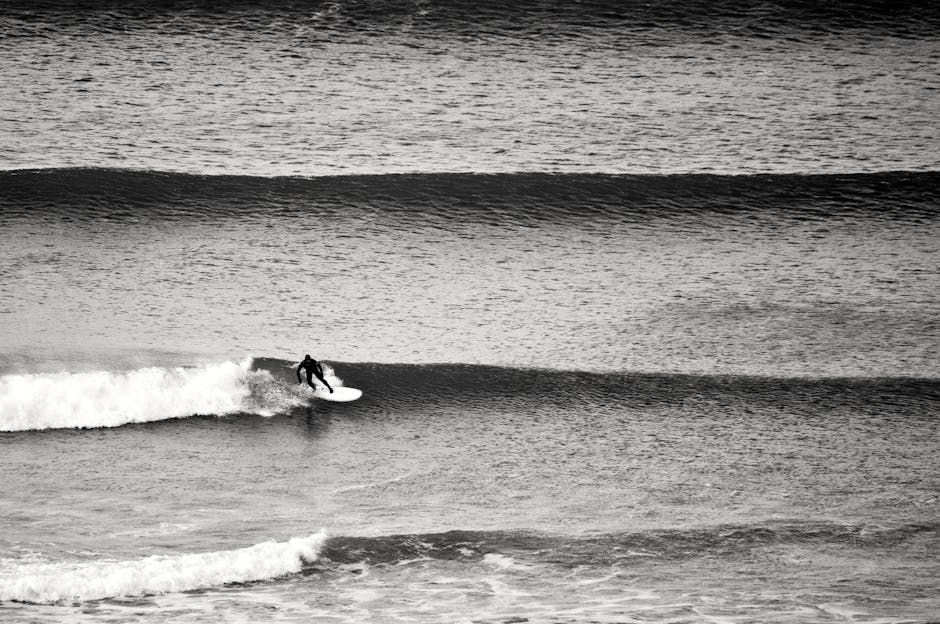
4. Sennen Cove (Whitesands Bay)
Far west, with a particularly gentle sandy break that is perfect for first-timers. The world-class Sennen Surfing Centre is on the beach. Bigger swells suit improvers; advanced surfers will look further along the cliffs to Gwynver, the next bay north, which can hold serious surf in big conditions.
Best for: Beginners.
Tide: Mid to high.
Wind: Offshore is E.
5. Constantine Bay
Larger and faster than Polzeath nearby, with the Treyarnon reef at the south end picking up advanced waves at low tide. A favourite for improvers wanting more juice than Polzeath delivers. Limited parking; arrive early in summer.
Best for: Improvers and advanced.
Tide: Mid to high; reef at low.
Wind: Offshore is E to SE.
6. Porthtowan
Often surprisingly excellent when the bigger names are blown out. Porthtowan picks up swell efficiently and handles bigger conditions than its size suggests. The reef break to the south is for experienced surfers only. Cafe and pub on the beach.
Best for: Improvers to advanced.
Tide: Best at mid.
Wind: Offshore is E.
7. Chapel Porth
Adjacent to Porthtowan and a brilliant alternative when its neighbour is too crowded. Disappears completely at high tide; works low to mid. The cafe is one of the best on the north coast (the Chapel Porth Hedgehog Ice Cream is famous). Ruined Wheal Coates engine house above is a photographer’s bonus.
Best for: Improvers.
Tide: Low to mid only.
Wind: Offshore is E.
8. Mawgan Porth
Smaller than Watergate next door but often less crowded and with more consistent shape. A stream runs through the middle of the beach. Surf schools, hire, lifeguards, and a relaxed cafe. Works for all levels with the right swell.
Best for: Beginners to improvers.
Tide: Mid to high.
Wind: Offshore is SE.
9. Praa Sands
The south coast’s main surf beach. Generally smaller than the north coast but more sheltered and warmer. A solid winter alternative when north-coast storms make conditions unsurfable. Lifeguarded zone in season; cafe and pub-restaurant on the beach.
Best for: Improvers.
Tide: Mid.
Wind: Offshore is N.
10. Gwithian and Godrevy
A long sandy beach near St Ives Bay, picking up consistent swell. Multiple peaks; some excellent reef breaks at the northern end (Godrevy) for experienced surfers. The Sunset Surf Cafe is a Cornish institution. Good for improvers; advanced surfers head to Godrevy at the right tide.
Best for: Improvers to advanced.
Tide: Low to mid.
Wind: Offshore is SE.
11. Holywell Bay
A wide and friendly beach south of Newquay, with surf schools and lifeguards. Less famous than Fistral but often less crowded. Big sand-dune system behind. Best on smaller days for beginners and improvers.
Best for: Beginners.
Tide: Mid.
Wind: Offshore is E.
12. The Cribbar (Towan Headland, Newquay)
Cornwall’s most famous big-wave reef. The Cribbar holds 6–10m+ Atlantic swells when conditions align — only experienced advanced surfers should consider it, and only with local knowledge. Watching it from the cliffs is a worthwhile spectator activity in big winter swells.
Best for: Advanced experienced surfers only.
Tide: Specific.
Wind: Light offshore E.
Best Cornwall Surfing Beaches by Region
North Newquay (Watergate to Trevone)
Watergate Bay, Mawgan Porth, Constantine, Treyarnon, Trevone. The most consistent zone for novices to improvers.
Newquay Town
Fistral, Towan, Tolcarne, Lusty Glaze, Great Western. Easy access from town; surf schools everywhere.
South Newquay (Crantock to Holywell)
Crantock, Holywell, Polly Joke. Quieter, family-friendly, with some excellent peaks for beginners.
St Agnes / Porthtowan / Chapel Porth
Powerful waves, less commercial than Newquay, brilliant when the north Newquay beaches are blown out by NW winds.
St Ives Bay (Hayle, Gwithian, Godrevy)
Long, sandy, multiple peaks, often quieter than Newquay-area beaches.
Far West (Sennen, Gwynver)
Sennen for first-timers; Gwynver next door for advanced waves in big swells.
South Coast
Praa Sands main; smaller spots at Pentewan, Long Rock, and Loe Bar work in larger swells.
How to Choose a Cornwall Surf Beach for the Day
- Check the swell direction. Big NW swells pump up Watergate, Fistral, Constantine; SW swells favour the south coast.
- Check the wind. Offshore wind (blowing from land to sea) cleans up waves; onshore wind ruins them. North-coast beaches need easterly offshores.
- Check the tide. Some beaches only work at low tide (Chapel Porth), others at high (Praa Sands).
- Watch the buoy and forecast sites. Magicseaweed Cornwall (now part of Surfline) and Surf Forecast are reliable.
- Choose the right beach for your level. A beginner on Fistral on a 6ft day is a very bad idea.
Best Cornwall Surfing Beaches by Season
Spring (March–May)
Cornwall’s best season for clean conditions. Smaller, organised swells; long usable days. Great for improvers.
Summer (June–August)
Smaller waves, packed surf schools, warmer water. Best season for first lessons. The big-name beaches get crowded.
Autumn (September–November)
The serious surfer’s favourite. Big Atlantic swells start to roll in; water still warm enough for 4mm wetsuits. Crowds drop.
Winter (December–February)
Cornwall’s biggest, most powerful surf. Reef breaks come into their own. Air and water are cold; serious wetsuits and gloves required. Most crowded only on weekends.
Surf Schools and Hire in Cornwall
Most popular beaches have at least one surf school; the bigger ones have several. Reliably good operators include:
- Fistral Beach Surf School (Newquay) — large, well-staffed, suitable for groups.
- Cornish Wave (Newquay) — smaller groups, professional instructors.
- Sennen Surfing Centre — west coast classic.
- Surf’s Up Polzeath — high-rated family-friendly school.
- Mawgan Porth Surf School — uncrowded alternative.
- Wavehunters (Polzeath) — long-established and well-regarded.
Group lessons typically £35–£50 for 2 hours, including wetsuit and board hire. Private one-to-one lessons cost more. See our learn to surf in Cornwall guide for school recommendations.
Practical Tips for Surfing Cornwall Beaches
- Always surf between the black and white flags when lifeguards are on duty.
- Respect locals at smaller breaks; share waves and don’t drop in.
- Watch out for rip currents; they are common on Cornwall surf beaches.
- Check tide tables — many beaches change character completely with the tide.
- Carry a small first aid kit in your bag (cuts on rocks are the most common Cornish surf injury).
- Wetsuits are essential year-round. Summer 3/2; spring/autumn 4/3; winter 5/4 with boots and gloves.
- Always tell someone where you are going if surfing alone, especially out of season.
Where to Stay for a Cornwall Surf Trip
Newquay is the obvious base for variety; Polzeath for family-led trips; St Agnes for a quieter alternative; Sennen for far-west adventure. Our Newquay B&Bs guide covers options near Fistral, and our water sports and surfing guide covers wider trip planning.
FAQs: Surfing Beaches Cornwall
What is the best surfing beach in Cornwall?
For variety and reliability, Fistral. For families and first-timers, Polzeath or Sennen. For improvers wanting cleaner waves, Watergate Bay.
Is Cornwall good for beginner surfers?
Yes — among the best places in Europe. Polzeath, Sennen, Mawgan Porth, and Watergate’s whitewater zone are textbook beginner beaches with established surf schools.
When is the surf biggest in Cornwall?
October to February. The Atlantic delivers the largest swells in winter, with wind and weather best in autumn.
Do I need to bring my own surfboard?
No. Every popular Cornwall surf beach has hire shops; £15–£25 buys a day’s board and wetsuit hire. For longer trips, a regular hire deal is cheaper than buying.
What’s the warmest Cornwall beach for surfing?
Praa Sands and the south coast in general are warmer than the north. The water peaks at around 17–18°C in late August.
Are Cornwall surf beaches crowded?
Fistral and Polzeath get genuinely crowded in peak summer; Watergate, Mawgan Porth, and the St Agnes / Porthtowan beaches are usually quieter. Outside peak weeks (July–August), most beaches are pleasantly busy at most.
Cornwall does not need to convince anyone that it is one of Europe’s great surf destinations. The point is choosing the right beach for the day, picking the right level for your conditions, and not making the mistake of paddling into something you are not ready for. Get those right, and a Cornwall surf trip turns into the kind of holiday people repeat year after year.