Cornwall and dogs go together like clotted cream and scones. With hundreds of beaches, thousands of miles of coastal and countryside footpaths, and a famously relaxed attitude to four-legged visitors, the county is one of Britain’s best destinations for a dog-friendly holiday. And bed and breakfasts — with their home-from-home atmosphere, flexible hosts, and ground-floor access — are often the ideal accommodation choice for dog owners.
This guide covers everything you need to know about staying at a dog-friendly B&B in Cornwall: where to find them, what to expect, which beaches welcome dogs year-round, the best walks from the doorstep, and how to ensure both you and your furry companion have the best possible stay.
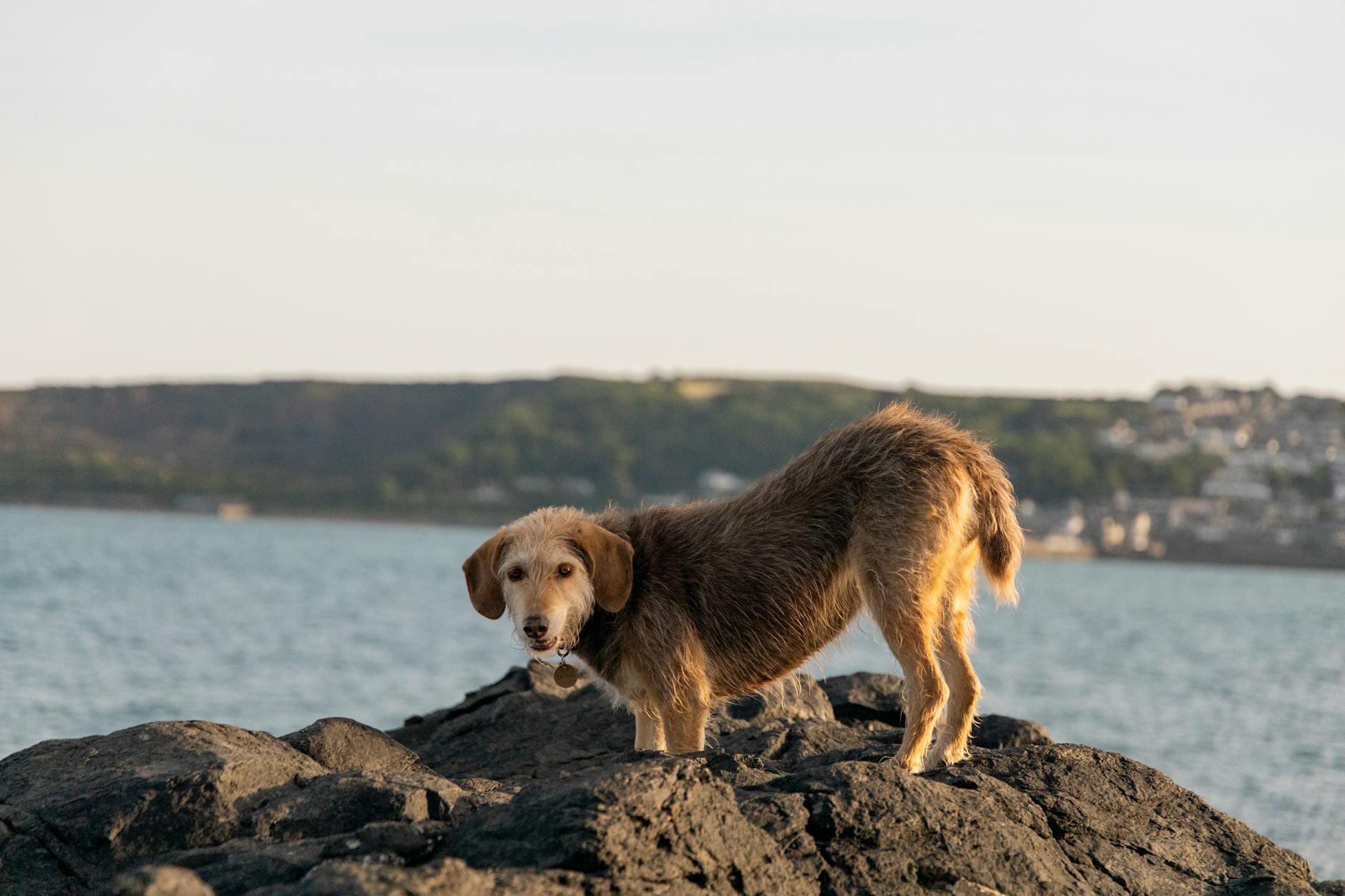
Table of Contents
- Why Cornwall Is Perfect for a Dog-Friendly Holiday
- What to Expect at a Dog-Friendly B&B
- Best Areas for Dog-Friendly B&Bs in Cornwall
- Dog-Friendly Beaches in Cornwall: A Seasonal Guide
- Best Dog Walks Near Cornwall B&Bs
- Dog-Friendly Pubs and Restaurants
- Practical Tips for Travelling with Your Dog
- B&B Etiquette for Dog Owners
- Frequently Asked Questions
Why Cornwall Is Perfect for a Dog-Friendly Holiday
Cornwall has earned its reputation as one of the UK’s most dog-welcoming destinations for good reason. The county offers an extraordinary range of outdoor experiences that dogs love just as much as their owners — from wild moorland hikes across Bodmin Moor to gentle beach strolls along the south coast, and everything in between.
The South West Coast Path, which traces the entire Cornish coastline for over 300 miles, is fully open to dogs (on leads where livestock are present). Many of Cornwall’s 300-plus beaches allow dogs year-round, and even those with seasonal restrictions typically welcome dogs from October through to Easter — the quietest and often most atmospheric time to visit. For the full picture on outdoor activities in Cornwall, including walking routes, see our dedicated guide.
Culturally, Cornwall is remarkably dog-friendly. Most pubs welcome well-behaved dogs, many restaurants have outdoor areas where dogs can join you, and it’s common to see dogs in independent shops, galleries, and even some cafés. Cornish hosts genuinely like dogs — many B&B owners are dog owners themselves and understand exactly what visiting dog owners need.
What to Expect at a Dog-Friendly B&B
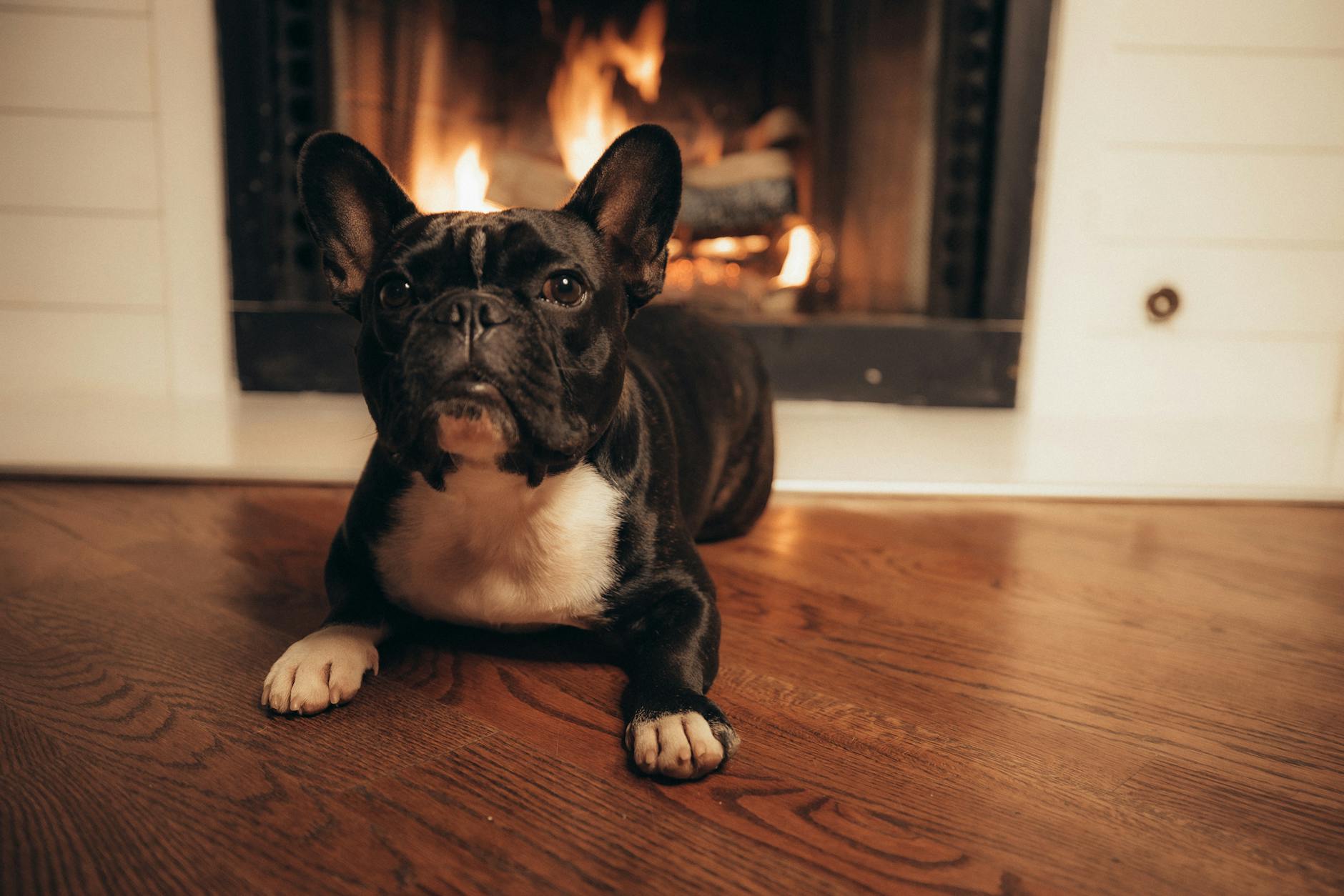
Dog-friendly B&Bs in Cornwall range from basic to boutique, but most share certain common features that make life easier for dog owners. Here’s what you can typically expect:
Designated dog rooms: Most dog-friendly B&Bs allocate specific rooms for guests with dogs — usually ground-floor rooms with easy garden access. These rooms often have hard floors or wipe-clean flooring rather than carpet, making clean-up after muddy walks much simpler. Some properties offer direct garden access from dog-friendly rooms, which is particularly convenient for late-evening and early-morning toilet breaks.
Dog welcome packs: Many Cornwall B&Bs go above and beyond with their canine hospitality. It’s common to find a dog bed, water bowl, towels for drying off after beach walks, dog treats, and sometimes even a list of local dog-friendly beaches and walking routes. Some hosts provide poo bags, a lead hook by the front door, and a hose or outdoor shower for rinsing sandy paws.
Garden access: A secure, enclosed garden is one of the most valued features for dog owners. Many Cornwall B&Bs have gardens where dogs can stretch their legs safely. Always check whether the garden is fully fenced — “garden access” doesn’t always mean “escape-proof.” Understanding what to expect at a Cornish B&B generally will help you feel prepared.
Dog charges: Most dog-friendly B&Bs charge a small supplement — typically £5–£15 per dog per night. Some accept dogs free of charge. It’s always worth asking what the charge covers; some include treats and bedding while others simply waive any cleaning surcharge. Many properties accept a maximum of one or two dogs per room.
House rules: Expect reasonable rules: dogs should not be left unattended in rooms, are typically not allowed in dining areas or guest lounges, and should be kept on leads in communal spaces. These rules exist to ensure all guests — with and without dogs — have a comfortable stay. Responsible dog owners will find these guidelines perfectly reasonable.
Best Areas for Dog-Friendly B&Bs in Cornwall
While dog-friendly B&Bs can be found across Cornwall, certain areas are particularly well-suited for dog holidays thanks to their combination of year-round dog beaches, excellent walking, and a high concentration of dog-welcoming establishments.
The North Cornwall Coast
Bude and Widemouth Bay: The Bude area is a paradise for dog owners. Summerleaze Beach allows dogs year-round on the southern section, Widemouth Bay’s south beach is dog-friendly all year, and Crooklets Beach welcomes dogs from October to Easter. The extensive network of coastal and canal paths provides brilliant walks. B&Bs here tend to be more affordable than in nearby Newquay, with many specifically catering to dog owners.
Polzeath and Rock: Popular with surfers and families, this area also has excellent dog-walking territory. Polzeath Beach allows dogs year-round outside the lifeguarded zone, and the coastal walk from Polzeath to Port Quin is spectacular. The Camel Trail, a flat cycling and walking path along the former railway line, is ideal for dogs who prefer a gentler walk.
West Cornwall
Penzance and the Lizard Peninsula: The Lizard offers some of Cornwall’s most dramatic dog walking along its wild, windswept coast path. Many beaches here — including Church Cove, Kennack Sands, and Mullion Cove — allow dogs year-round. The area has a good selection of dog-friendly B&Bs, and its slightly off-the-beaten-track location means you’ll often find quieter beaches even in summer.
Hayle and Gwithian: Gwithian Beach is one of the best year-round dog beaches in Cornwall — three miles of golden sand backed by dunes, with reliable surf and stunning views to Godrevy Lighthouse. B&Bs in Hayle and the surrounding villages offer good value and easy access to both this beach and the nearby coast path.
South Cornwall
The Roseland Peninsula and Falmouth: The quieter south coast offers a more relaxed dog-walking experience. The Roseland’s secluded beaches are less crowded and many allow dogs year-round. Falmouth has several dog-friendly beaches and excellent coastal walking, plus a strong café culture that extends a warm welcome to dogs.
Bodmin Moor: For dogs who love open space and wild terrain, Bodmin Moor is hard to beat. Miles of open moorland, ancient woodland, and river valleys provide extraordinary walking. B&Bs near the moor are typically very dog-friendly and offer some of the best budget rates in Cornwall. Just be aware of livestock — dogs must be kept under close control on the moor.
Dog-Friendly Beaches in Cornwall: A Seasonal Guide
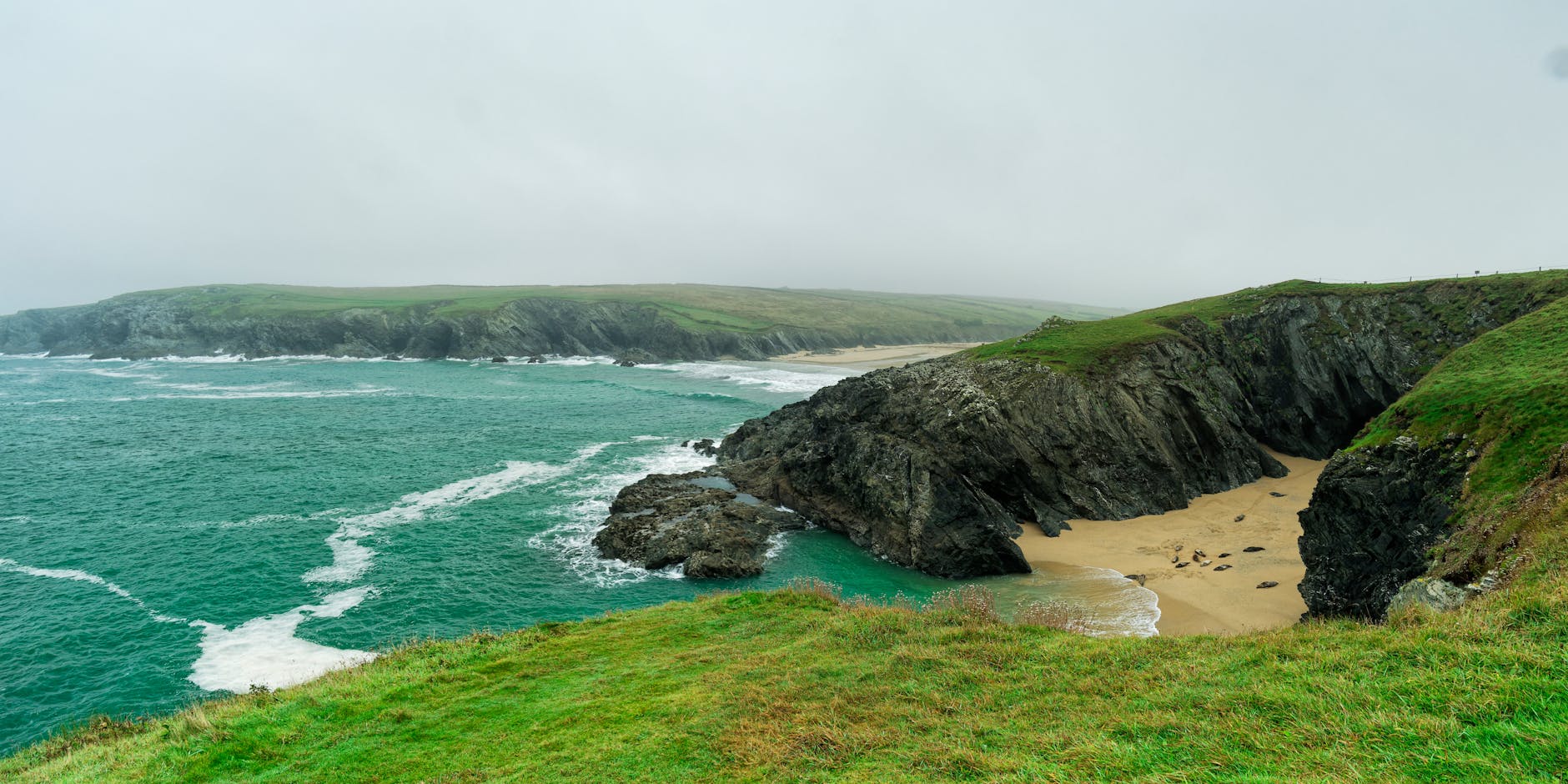
Understanding Cornwall’s beach dog rules is essential for a stress-free holiday. Most beaches fall into one of three categories:
Year-round dog beaches: These beaches welcome dogs at all times with no restrictions. They tend to be less commercialised and often more scenic. Notable year-round dog beaches include Gwithian/Godrevy, Praa Sands, Kennack Sands (Lizard), Par Beach, Daymer Bay, Constantine Bay (outside the lifeguarded area), and most small cove beaches around the coast.
Seasonal restriction beaches: Many popular beaches ban dogs from Easter (or 1 May) through to 30 September (or 31 October) to protect busy family swimming areas. However, many of these beaches allow dogs before 9am or after 6pm during the restricted period. Check individual beach signs for exact dates and times. Beaches with seasonal restrictions include Fistral (Newquay), Porthmeor (St Ives), Porthminster (St Ives), and Polzeath (main lifeguarded area).
Dog-free beaches: A small number of beaches ban dogs entirely during summer months with no time-of-day exceptions. These are rare in Cornwall but do exist — Gyllyngvase Beach in Falmouth is one example during peak season.
Your B&B host will know the local beach rules and can point you to the nearest year-round dog beach. The Cornwall Council website also maintains an updated list of beach dog restrictions. For more information on Cornwall’s beaches, see our comprehensive guide.
Best Dog Walks Near Cornwall B&Bs
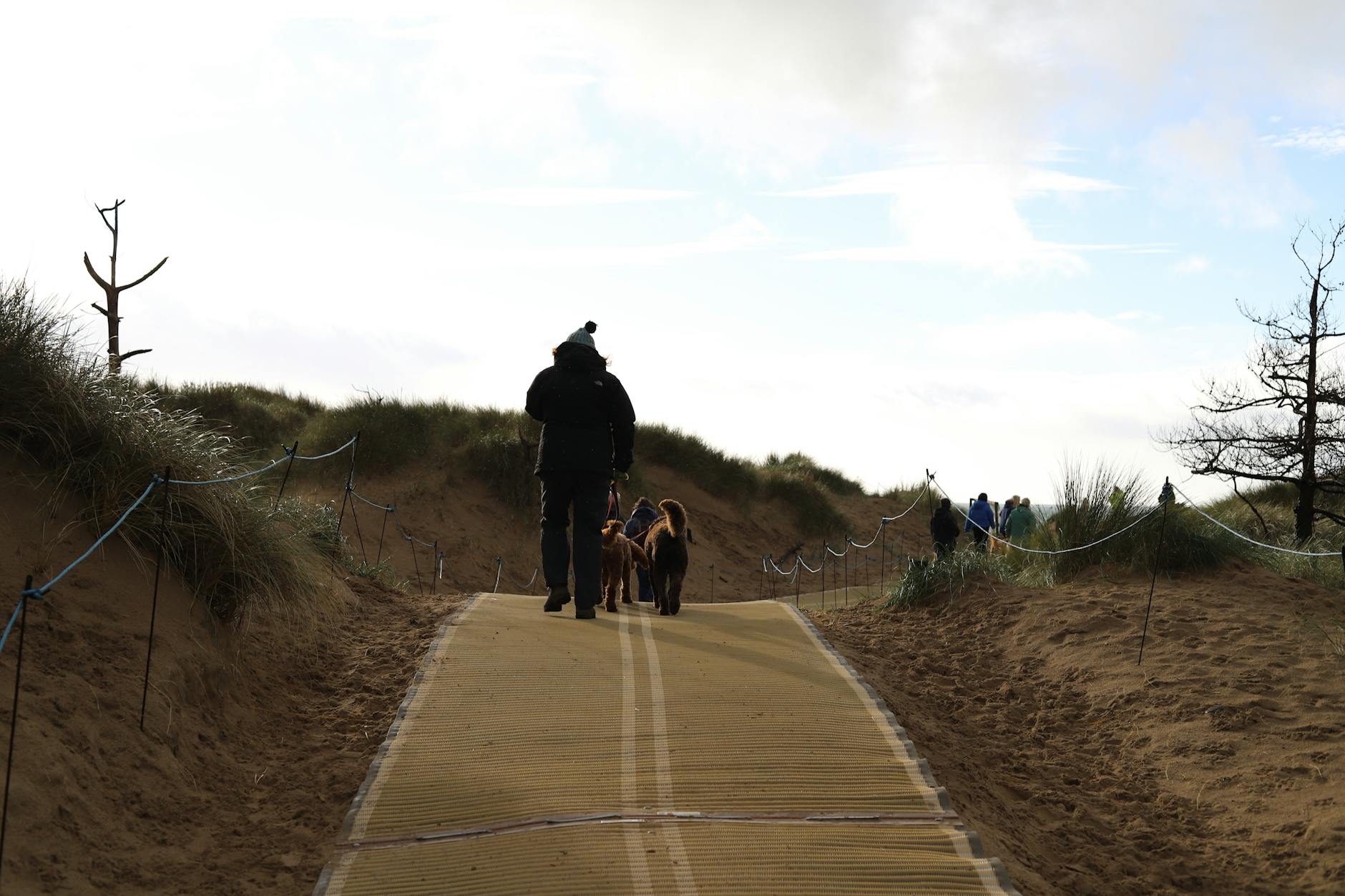
Cornwall offers an embarrassment of riches when it comes to dog walking. Here are some of the best walks that are particularly suitable for dogs, grouped by area:
Coastal Walks
Boscastle to Crackington Haven (5.5 miles): A dramatic section of the North Cornwall coast path with towering cliffs, hidden waterfalls, and a wonderfully wild atmosphere. Dogs can run free for much of this stretch, though keep them on leads near cliff edges. The walk ends at the dog-friendly Coombe Barton Inn in Crackington Haven — perfect for a post-walk pint.
Zennor to St Ives (6 miles): One of Cornwall’s classic walks, following the coast path along a wild and beautiful stretch of the north coast. The terrain is rocky in places but manageable for fit dogs. You can catch the bus back from St Ives to your starting point. Bring water — there’s no freshwater for dogs along this stretch.
The Helford River circular (4 miles): A gentler walk through ancient oak woodland along the banks of the Helford River. This route is sheltered from wind and offers shade on hot days — ideal for dogs who overheat easily. You may spot seals in the river estuary.
Woodland and Moorland Walks
Cardinham Woods, Bodmin (various loops, 1–5 miles): A Forestry England site with well-marked trails through mixed woodland. Dogs are welcome off-lead throughout and there are streams for swimming. The on-site café is dog-friendly, making this an excellent option for a relaxed morning out.
Bodmin Moor — Rough Tor and Brown Willy (5 miles): For adventurous dogs and their owners, a walk to Cornwall’s two highest points offers panoramic views and wild moorland terrain. Dogs must be on leads when livestock is present (which is most of the year). This is an exposed walk, so check the weather and bring layers.
Tehidy Country Park, Camborne (various loops, 1–3 miles): A former estate with sheltered woodland walks, a lake, and access to the coast at Portreath. Dogs are welcome throughout and there’s a dog-friendly café. An excellent wet-weather option when the coast path is too exposed.
River and Canal Walks
The Camel Trail, Padstow to Bodmin (18 miles total, shorter sections possible): A flat, traffic-free trail along the former railway line following the River Camel. Dogs should be on leads as it’s shared with cyclists. The Padstow-to-Wadebridge section (5.5 miles) is the most popular and offers beautiful estuary views. Bike hire is available if you’d rather cycle alongside your running dog.
Bude Canal walk (various, 2–4 miles): A gentle, flat walk along the historic Bude Canal, passing through water meadows and alongside the river. Dogs love the water access points, and the entire route is pushchair-friendly — useful if you’re combining dog walking with young children.
Dog-Friendly Pubs and Restaurants

Cornwall’s pub culture is overwhelmingly dog-friendly. In rural areas, it would be unusual to find a pub that doesn’t welcome dogs, at least in the bar area or beer garden. Here are some tips for dining out with your dog:
Pubs: The vast majority of Cornish pubs welcome dogs in their bar areas. Many provide water bowls and dog treats. Some have dedicated dog-friendly dining areas where your dog can join you for a meal. Country pubs with large beer gardens are especially convenient — your dog can enjoy the fresh air while you eat.
Cafés and tea rooms: Many independent Cornish cafés welcome dogs, particularly those with outdoor seating. Beach cafés and garden centres are usually dog-friendly. Chain cafés are less likely to allow dogs indoors, but most have outdoor seating where dogs are welcome.
Restaurants: Formal restaurants are less likely to welcome dogs, but many offer outdoor terrace seating where dogs can join you. In the evening, consider booking a pub that serves restaurant-quality food — several in Cornwall hold AA Rosettes or Michelin recommendations while still welcoming dogs. For more on Cornish dining, see our food and drink guide.
Fish and chip shops: Almost all Cornish fish and chip takeaways will serve you while your dog waits outside or with you. Eating fish and chips on the harbour wall with your dog at your feet is a quintessentially Cornish experience.
Practical Tips for Travelling with Your Dog
A successful dog holiday in Cornwall comes down to preparation. Here are the practical essentials:
Tick awareness: Cornwall’s mild climate and rural terrain mean ticks are present year-round, with peak season from March to October. Check your dog thoroughly after walks, especially through bracken, long grass, and woodland. Bring a tick remover tool and ensure your dog’s tick prevention treatment is up to date. Lyme disease is present in Cornwall, so prompt tick removal is important.
Cliff safety: The Cornwall coast path passes along some dramatic cliff edges. Keep your dog on a lead on cliff-top sections — chasing a seagull over a cliff edge is a real danger. The coastguard reports several dog rescue incidents each year in Cornwall. If your dog is a chaser, a long training lead (5–10 metres) gives freedom while maintaining control.
Sea safety: Many Cornish beaches have strong currents, rip tides, and large waves. Not all dogs are strong swimmers, and even confident water dogs can be caught out by Atlantic surf. Supervise your dog around the water, especially on unfamiliar beaches. The calmer south coast beaches and river estuaries are generally safer for dogs who love to swim.
Livestock awareness: Cornwall is farming country. Dogs must be kept on leads when near livestock — this is a legal requirement. Cattle with calves can be aggressive towards dogs, so give them a wide berth. If cattle approach aggressively while you’re walking with a dog on a lead, let go of the lead — your dog will outrun the cattle, and you’ll be safer without the dog attracting them towards you.
What to pack: Beyond the usual lead, bowls, and food, consider bringing: a towel specifically for the dog (beaches and rain guarantee a wet dog), poo bags (bag dispensers are not always available on remote paths), a dog first aid kit, your dog’s vaccination record, and a cooling mat or crate for the car during warm weather. If travelling by train, GWR allows dogs free of charge on all Cornwall services.
B&B Etiquette for Dog Owners
Being a considerate guest ensures that B&Bs continue to welcome dogs — and that you’re welcomed back. Here are the unwritten rules of a dog-friendly B&B stay:
Declare your dog at booking. Never surprise a host by turning up with a dog you didn’t mention. Even at dog-friendly properties, hosts need to allocate the right room and prepare accordingly. Mention your dog’s breed and size — some properties have weight or breed restrictions.
Dry and clean your dog before coming indoors. After beach walks and rainy rambles, towel your dog off before entering the building. Most dog-friendly B&Bs provide towels and a drying area, but bringing your own dedicated dog towel shows consideration. If there’s an outdoor hose or tap, use it to rinse off sand and mud.
Don’t leave your dog unattended. Most B&Bs ask that dogs are not left alone in rooms. An anxious dog may bark, scratch furniture, or have accidents. If you need to go somewhere your dog can’t join you, ask your host if there’s a secure area where the dog can wait, or consider a local dog-sitting service.
Keep your dog off furniture and beds. Unless your host specifically says otherwise, keep your dog on the floor. Bring your dog’s own bed or blanket from home — it gives them a familiar, comfortable place to sleep and protects the B&B’s furnishings. A throw or sheet to cover any chair where your dog might sit is also appreciated.
Clean up after your dog. This should go without saying, but always clean up after your dog in the garden, on walks, and on beaches. If your dog has an accident indoors, tell your host immediately — they’ll appreciate the honesty and can clean up properly before any damage sets in.
Frequently Asked Questions
How many dogs can I bring to a Cornwall B&B?
Most dog-friendly B&Bs accept one or two dogs per room. Some larger properties or those with dedicated ground-floor annexes may accept three dogs. Always check at booking — exceeding the stated limit without permission risks being turned away. If you have more than two dogs, you may find self-catering accommodation more suitable for your needs.
Do I need to pay extra for my dog at a B&B?
Most Cornwall B&Bs charge a supplement of £5–£15 per dog per night. Some accept dogs free of charge, while a few charge up to £20 per night. The charge covers additional cleaning and laundry. Always confirm the cost at booking so there are no surprises. For budget-conscious travellers, the dog supplement is still far cheaper than kennelling costs.
Which Cornwall beaches allow dogs all year round?
Many Cornwall beaches welcome dogs throughout the year, including Gwithian, Praa Sands, Kennack Sands, Par Beach, Daymer Bay, Widemouth Bay (south section), Holywell Bay (parts), and most small cove beaches. Year-round access typically applies to less commercially developed beaches. Always check signage at each beach, as rules can change seasonally.
Can I take my dog to Cornwall attractions like the Eden Project?
Policies vary by attraction. The Eden Project allows dogs in its outdoor gardens but not inside the biomes. The Lost Gardens of Heligan welcome dogs on leads. National Trust properties like Lanhydrock and Trelissick allow dogs in the gardens and grounds but not inside the houses. Most Cornish pubs and many cafés welcome dogs. Always check an attraction’s website before visiting.
Is Cornwall safe for dogs?
Cornwall is generally very safe for dogs, but there are specific risks to be aware of: cliff edges on the coast path, strong tidal currents on some beaches, adders (Britain’s only venomous snake, occasionally found on heathland), ticks carrying Lyme disease, and livestock encounters on farmland. Keeping your dog on a lead on cliff paths and near livestock, checking for ticks after walks, and supervising around water will mitigate these risks effectively.
Can I travel to Cornwall by train with my dog?
Yes. Great Western Railway allows dogs to travel free of charge on all services, including the main line to Penzance and the scenic branch lines to St Ives, Falmouth, Looe, and Newquay. Dogs should be kept on a lead and off seats. You don’t need to book a separate ticket for your dog. The train is often the most relaxing way to reach Cornwall with a dog, as you avoid the long drive and your dog can stretch out under your seat.
Planning a dog-friendly Cornwall holiday? Start with our comprehensive Cornwall B&B guide, then explore Cornwall’s best beaches and outdoor activities to plan the perfect itinerary for you and your dog.