Choosing where to stay is one of the biggest decisions when planning a Cornwall holiday — and for most visitors, it comes down to two options: a traditional bed and breakfast or a self-catering cottage. Both have passionate advocates, and both can deliver a wonderful Cornish experience. But they suit different kinds of travellers, different trip lengths, and different budgets.
This guide offers an honest, detailed comparison to help you decide which is right for your Cornwall trip. We’ll look at cost, convenience, flexibility, atmosphere, and the practical pros and cons of each — so you can book with confidence, knowing you’ve chosen the accommodation style that fits your holiday plans.
Table of Contents
- Quick Comparison: B&B vs Self-Catering at a Glance
- Cost Comparison: Which Is Actually Cheaper?
- Convenience and Flexibility
- Atmosphere and Experience
- Who Should Choose a B&B?
- Who Should Choose Self-Catering?
- The Hybrid Approach
- Booking Tips for Both Options
- Frequently Asked Questions
Quick Comparison: B&B vs Self-Catering at a Glance
| Factor | Bed & Breakfast | Self-Catering Cottage |
|---|---|---|
| Minimum stay | Usually 1 night | Often 3–7 nights minimum |
| Breakfast | Included daily | You provide your own |
| Cooking facilities | None (or very limited) | Full kitchen |
| Cleaning | Daily room service | Self-managed (or end-of-stay clean) |
| Local knowledge | Host on hand | Typically self-guided |
| Privacy | Good (your own room) | Excellent (entire property) |
| Best for | Short breaks, couples, solo travellers | Week-long stays, families, groups |
| Typical cost (couple, per night) | £60–£120 | £80–£200 (but includes kitchen) |
| Parking | Usually included | Usually included |
| Pets | Some welcome dogs | Many welcome dogs |
Cost Comparison: Which Is Actually Cheaper?
The cost question is more nuanced than it first appears. A self-catering cottage might seem cheaper per night on paper, but the true cost depends on your trip length, group size, and eating habits.
For Short Breaks (1–4 Nights)
B&Bs are almost always better value for short stays. Here’s why: most self-catering cottages require a minimum stay of three nights (often seven in peak season) and charge cleaning fees of £40–£80 on top of the nightly rate. You’ll also need to buy groceries and cook your own meals — an added cost and effort that eats into a short break.
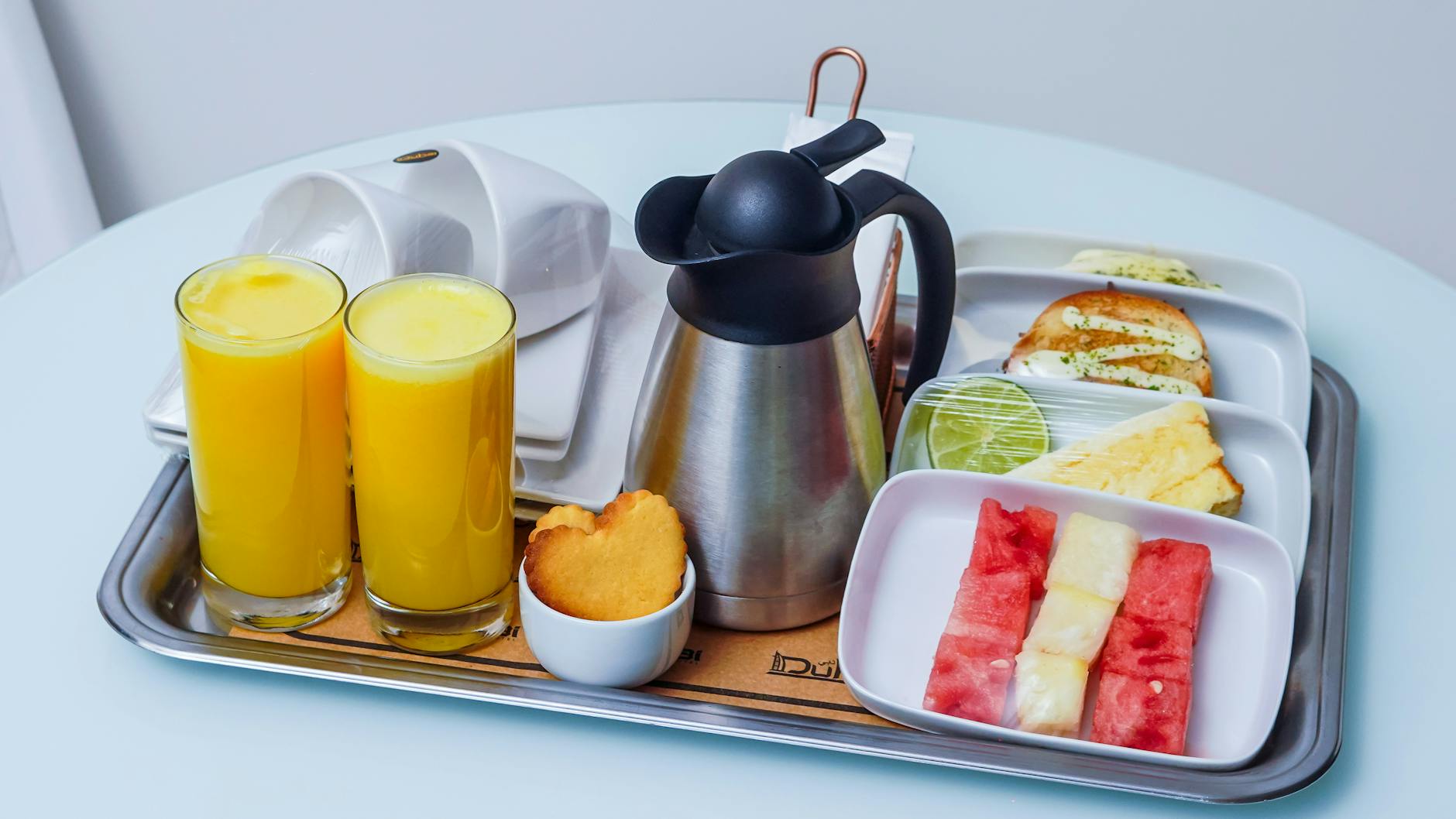
A B&B at £75 per night for a couple includes breakfast — saving you £10–£15 per person per day on morning meals alone. Over a three-night break, that’s a saving of £60–£90 in breakfast costs, effectively reducing your true accommodation cost significantly. There’s no cleaning fee, no grocery shopping required, and no minimum stay to worry about. For budget-friendly B&B options, see our dedicated guide.
For Week-Long Stays
Self-catering becomes more competitive for stays of a week or longer. A two-bedroom cottage at £800 per week works out to about £114 per night — and with a full kitchen, you can save significantly on meals. A family of four eating breakfast and dinner at the cottage rather than in restaurants could save £50–£80 per day in dining costs.
However, the comparison isn’t straightforward. A B&B at £90 per night for seven nights would cost £630, which is actually less than the cottage. The B&B includes breakfast daily but no dinner savings. For a couple, the B&B is often still cheaper. For a family, the self-catering option starts to pull ahead — especially when you factor in the single room versus multiple bedrooms.
For Families and Groups
This is where self-catering wins convincingly on cost. A family of four needing two rooms at a B&B would pay £120–£200 per night. The same family could rent a three-bedroom cottage for £150–£250 per night — providing far more space, a kitchen, a garden, and often a washing machine. The more people in your group, the stronger the case for self-catering becomes.
For groups of friends, a large self-catering property with five or six bedrooms offers even greater per-person savings. The cost per person per night can drop to £20–£30 in a shared house rental — far cheaper than any B&B option.
Convenience and Flexibility
The B&B Advantage: Effortless Holidays
The fundamental appeal of a B&B is that someone else does the work. You arrive to a clean room, wake to a cooked breakfast, and return each evening to a freshly made bed. There are no dishes to wash, no bins to put out, no bed linen to change. For many visitors — particularly those with demanding jobs — this hands-off approach to daily chores is the whole point of a holiday.
B&Bs also offer something self-catering can’t: a knowledgeable host. A good B&B owner is essentially a personal concierge. They’ll recommend the best restaurant for your anniversary dinner, tell you which beach is sheltered when the wind is from the north-east, warn you about a road closure, or suggest a walk you’d never find in a guidebook. This insider knowledge — delivered casually over breakfast — can transform a good holiday into a great one. For more on this, see our guide to what to expect at a Cornish B&B.
Flexibility is another B&B strength. Most offer nightly bookings with no minimum stay, making them ideal for spontaneous weekends, mid-week escapes, or travel itineraries that take you around the county. You can stay two nights in St Ives, then move on to Falmouth for two more — something that’s rarely possible with cottage bookings.
The Self-Catering Advantage: Independence and Space
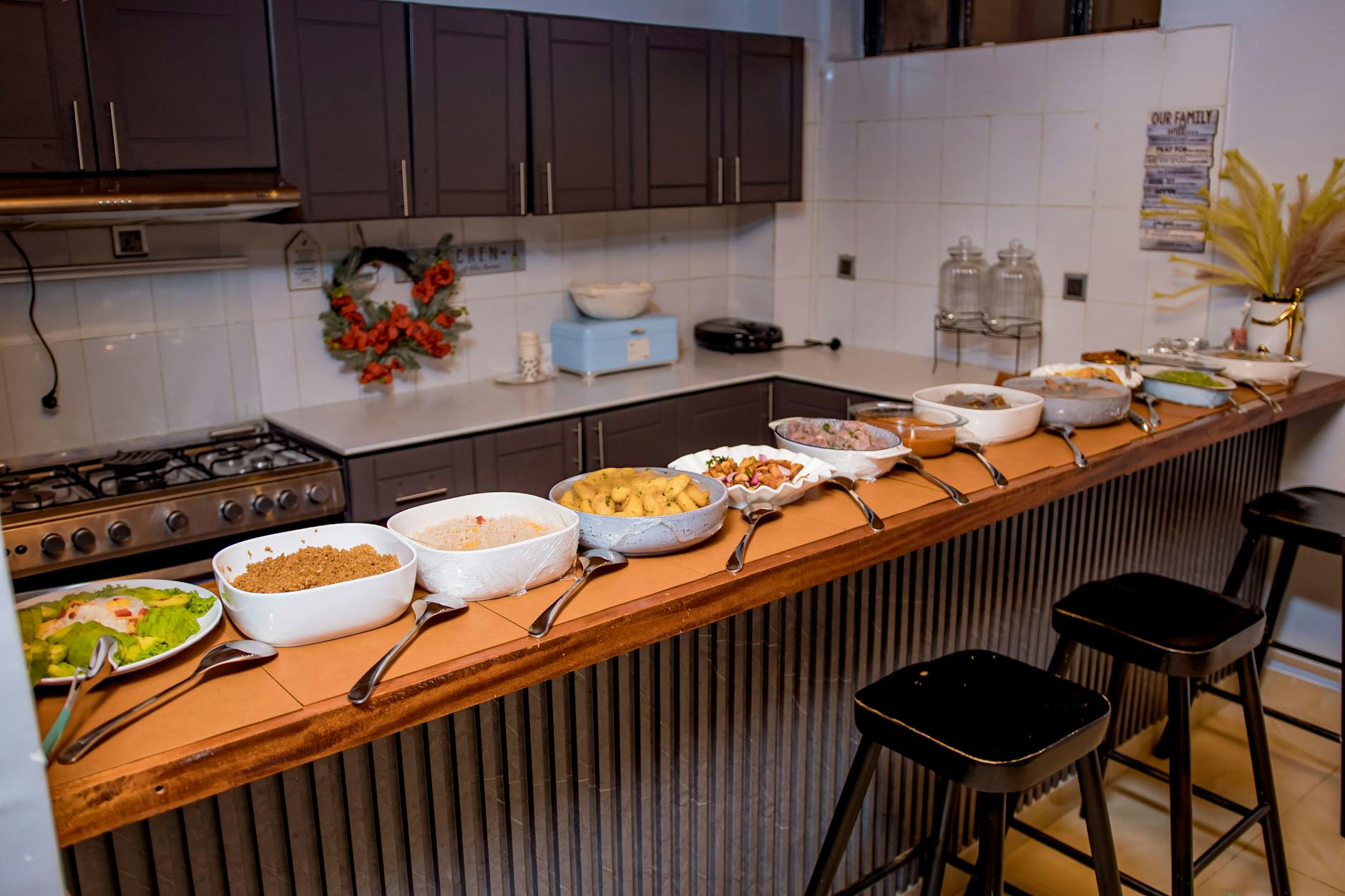
Self-catering cottages offer something B&Bs can’t: complete independence. You eat when you want, come and go on your own schedule, and don’t need to consider other guests or a host’s breakfast time. For families with young children, this flexibility is invaluable — there’s no stress about early risers disturbing other guests or picky eaters struggling with a set breakfast menu.
Space is the other major advantage. A self-catering cottage typically provides a living room, kitchen, dining area, and often a garden — far more room than a B&B bedroom. On rainy days (which do happen in Cornwall), having a sofa, a bookshelf, board games, and a kitchen to potter in makes a significant difference to your holiday enjoyment.
The kitchen also gives you creative control. Cornwall’s farm shops, fish markets, and village butchers sell extraordinary produce — local crab, day-boat fish, grass-fed beef, artisan cheese, and vegetables straight from the farm. Cooking a meal with these ingredients, eaten in a cottage garden with a view of the sea, is a genuine Cornish experience in itself.
Atmosphere and Experience
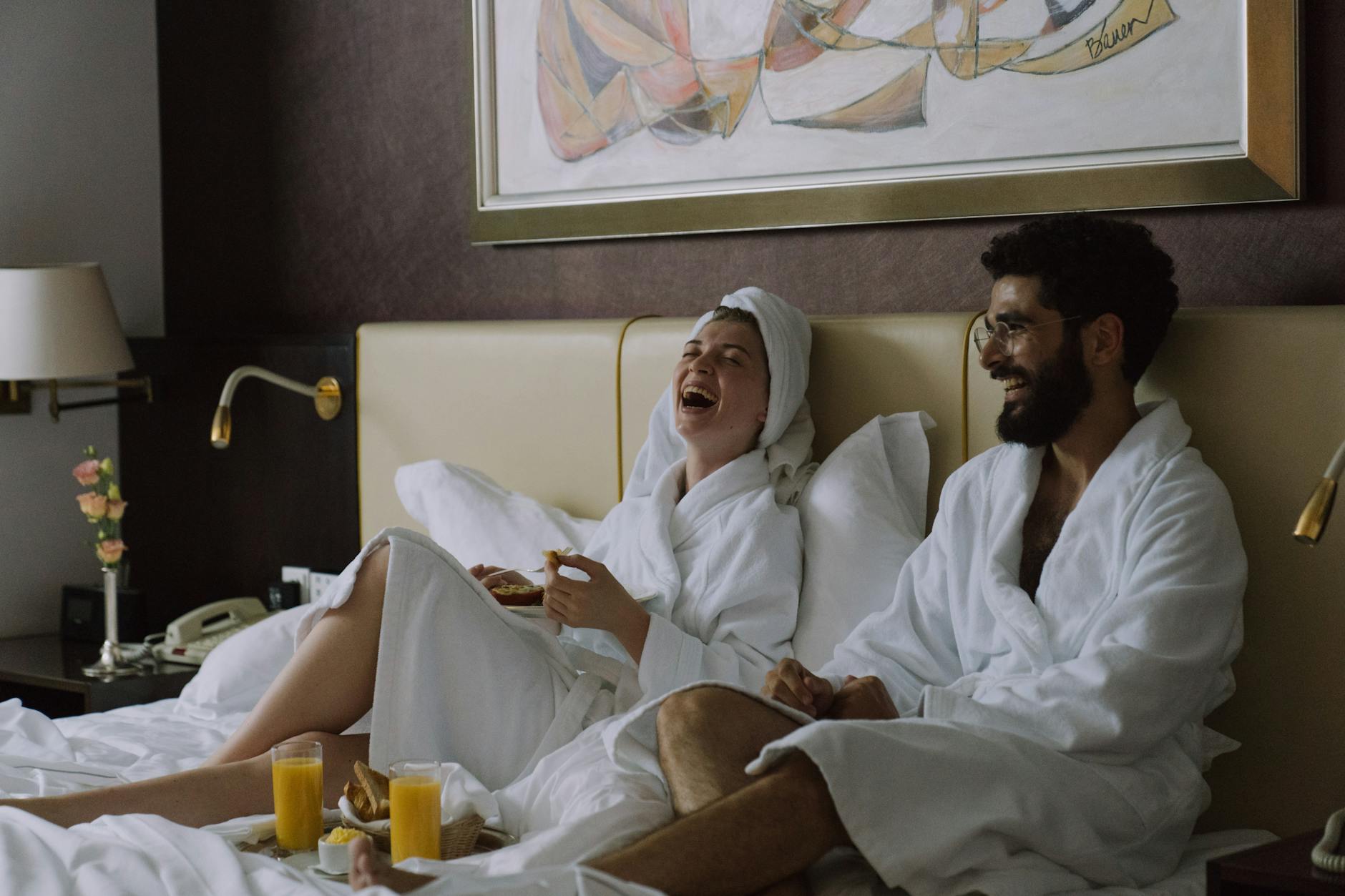
The atmosphere of your accommodation shapes the entire feel of your holiday. B&Bs and self-catering cottages deliver very different experiences, and understanding these differences helps you choose the right one.
B&B atmosphere: A well-run B&B creates a sense of welcome and belonging. You’re a guest in someone’s home — or a carefully designed extension of it. There’s a social dimension that some travellers love: chatting with the host at breakfast, swapping tips with other guests, feeling part of a small community. Cornish B&B hosts are famously warm and often go the extra mile — a homemade cake on arrival, a flask of tea for your walk, or a personal note welcoming you back on a return visit. The best B&Bs have personality that reflects their owners’ tastes and character.
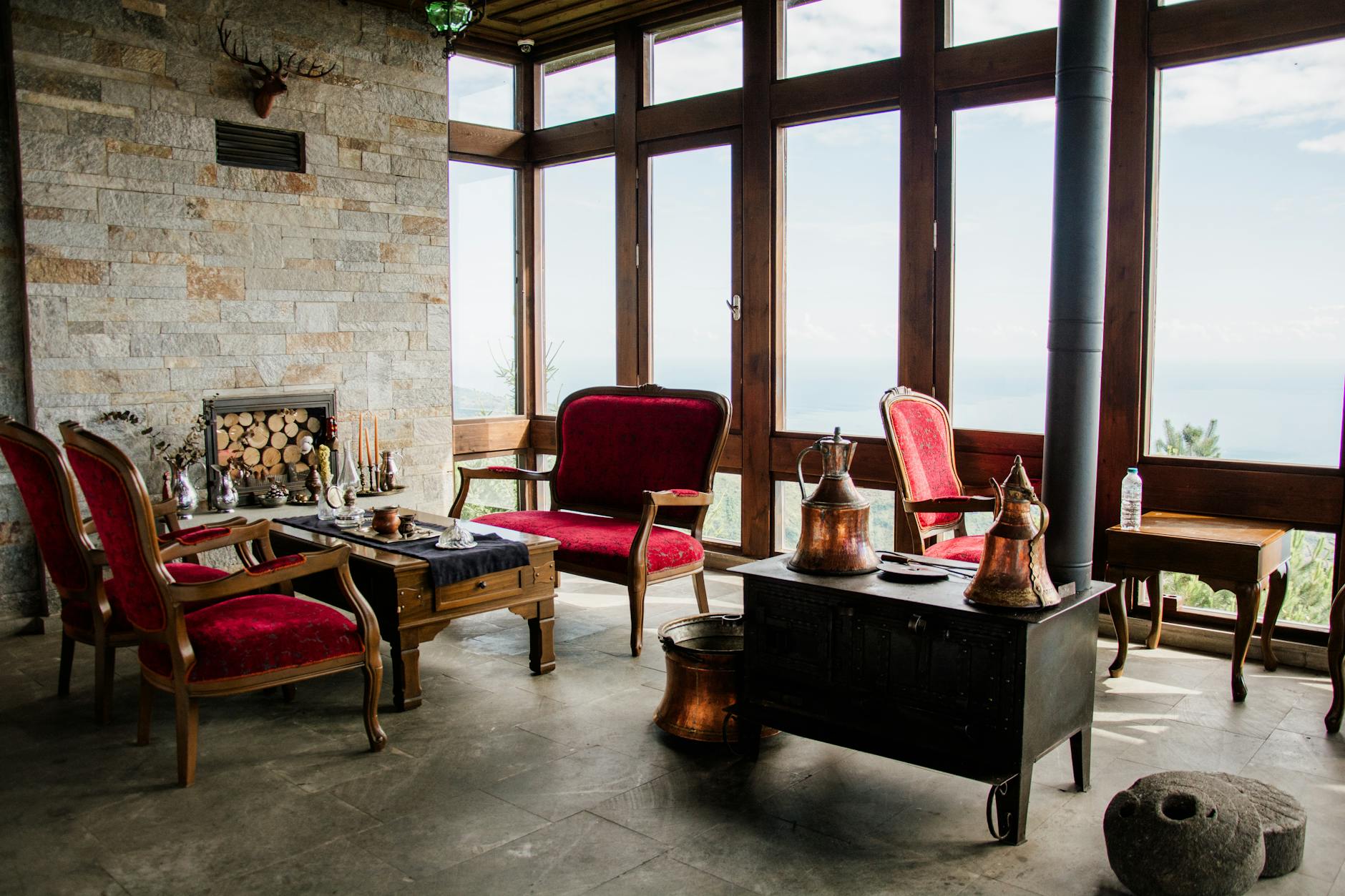
Self-catering atmosphere: A cottage provides a home-from-home experience — your own space, your own rules, your own rhythm. This suits travellers who value privacy and autonomy. There’s something deeply satisfying about unlocking your own front door, lighting the fire, and settling in as if the cottage were yours for the week. Many cottages have individual character — beamed ceilings, inglenook fireplaces, stone walls — and the best feel like a genuine Cornish home rather than a rental property.
The social factor: If you’re an introvert or value solitude, self-catering eliminates the need for daily social interaction with hosts and other guests. If you’re a sociable traveller who enjoys meeting people and hearing local stories, a B&B’s breakfast table can be a source of unexpected connections and valuable recommendations.
Who Should Choose a B&B?
A B&B is likely the better choice for you if:
You’re a couple on a short break. For stays of one to four nights, B&Bs offer unbeatable convenience and value. No minimum stay, included breakfast, and a comfortable room — it’s the simplest way to enjoy Cornwall without the logistics of self-catering. Romantic B&B options are particularly well-suited for couples.
You’re visiting Cornwall for the first time. The local knowledge a B&B host provides is invaluable on a first visit. Rather than relying on guidebooks and review sites, you’ll get current, personalised recommendations from someone who lives in the area and understands what visitors enjoy.
You want a hassle-free holiday. If your idea of a perfect break is walking, exploring, and dining out — with no cooking, cleaning, or shopping to do — a B&B removes all the domestic chores from your holiday. You wake up, eat a beautifully prepared breakfast, and head out for the day.
You’re a solo traveller. B&Bs are ideal for solo visitors. You’ll have company at breakfast if you want it, and the host provides a social connection that can feel isolating in a self-catering cottage alone. Single rooms, where available, offer better value than renting an entire cottage for one person.
You’re touring Cornwall. If you plan to explore multiple areas — spending a few nights in different locations — B&Bs offer the flexibility to move around without being locked into a week-long booking in one place.
Who Should Choose Self-Catering?
Self-catering is likely the better choice for you if:
You’re a family with children. The space, kitchen access, and independence of a cottage make family holidays significantly easier. Children can eat familiar food, play in the garden, and go to bed in their own room while you enjoy the evening downstairs. Washing machines and dishwashers — luxuries you won’t find in a B&B — are practical necessities for family holidays.
You’re staying for a week or more. The economics of self-catering improve dramatically for longer stays. The cleaning fee is absorbed over more nights, and the kitchen saves you significant money on meals. A week-long stay also lets you settle into the cottage and enjoy it as a genuine temporary home.
You’re travelling as a group. Whether it’s a group of friends, a multi-generational family gathering, or a special occasion celebration, a large self-catering property brings everyone under one roof in a way that separate B&B rooms can’t match. Shared meals, communal living spaces, and a garden for socialising create a very different — and often more memorable — group holiday experience.
You have specific dietary needs. If you follow a complex diet, cooking your own meals gives you complete control over ingredients. While many B&Bs accommodate dietary requirements, a kitchen removes the need to communicate restrictions at each meal.
You value complete privacy. If you prefer not to interact with hosts or other guests, a self-catering cottage provides a fully private experience. Some people find the social expectations of B&B breakfasts slightly draining — if that’s you, self-catering lets you be entirely self-contained.
The Hybrid Approach
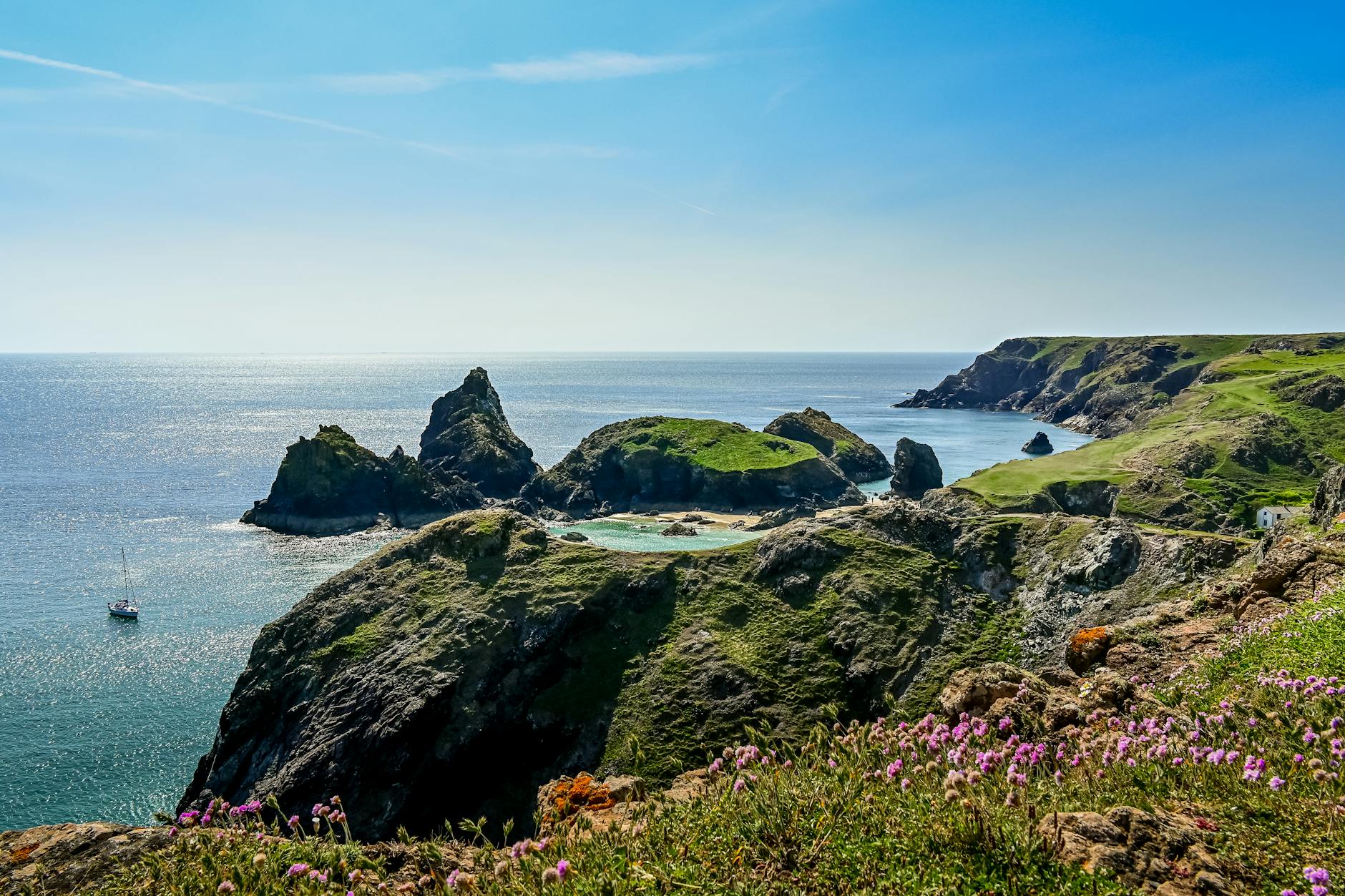
There’s no rule that says you have to choose one or the other for your entire Cornwall holiday. Many visitors combine both accommodation types for a trip that plays to each one’s strengths:
B&B bookends: Start and end your trip with a night in a B&B, with a week in a self-catering cottage in between. The B&B provides a welcoming arrival after a long journey and a relaxing final night before heading home, while the cottage gives you a settled base for the main part of your holiday.
Two-centre holidays: Spend three nights in a B&B in one part of Cornwall, then move to a cottage in another area for a week. This lets you experience both accommodation styles and two different parts of the county. Many visitors use a B&B in a town like Padstow or Newquay for the lively start of a holiday, then retreat to a rural cottage for relaxation.
B&B touring: Combine several short B&B stays across Cornwall for a touring holiday. Two nights in St Ives, two in the Roseland, two near the Lizard — each B&B introduces you to a new area with local recommendations, and you experience the variety of Cornwall without being tied to one location.
Booking Tips for Both Options
Whichever you choose, these booking strategies will help you get the best value and availability:
For B&Bs: Book directly with the property for the best rates — most B&B owners offer discounts for direct bookings because they avoid paying commission to online travel agents. Call rather than email if you can — a phone conversation lets you ask about room preferences, discuss dietary needs, and get a sense of the host’s personality. For peak season (July–August), book three to six months ahead. For shoulder season, two to four weeks is usually sufficient.
For self-catering: The most desirable cottages for peak season book up by January or February — plan early if you want a specific property. However, last-minute availability can offer bargains in shoulder season, when owners reduce prices to fill gaps. Check the changeover day — most cottages run Saturday to Saturday, which limits flexibility. Some offer short breaks of three or four nights outside peak season.
For both: Read recent reviews carefully, focusing on cleanliness, accuracy of photos, and responsiveness of the owner or host. Google Maps street view can be helpful for checking the actual location and surroundings. If you have a dog, confirm the pet policy early — not all properties that say “pets considered” will accept your specific dog. Our dog-friendly B&B guide has more details.
Frequently Asked Questions
Is a B&B cheaper than self-catering in Cornwall?
For couples on short breaks (1–4 nights), B&Bs are usually cheaper — especially when you factor in the included breakfast and no cleaning fee. For families or groups staying a week or more, self-catering typically offers better per-person value. The break-even point depends on your group size, eating habits, and the specific properties you’re comparing.
Can I cook my own meals at a B&B?
Generally, no. B&Bs don’t provide cooking facilities beyond a tea and coffee tray in your room. A few may offer a guest kitchenette, but this is rare. If cooking your own meals is important, self-catering is the right choice. However, with breakfast included and Cornwall’s excellent restaurant and takeaway scene for lunch and dinner, many B&B guests find they don’t miss having a kitchen.
Which is better for families with young children?
Self-catering is generally better for families, especially with young children. The space, kitchen, and independence make family logistics much easier. However, some family-friendly B&Bs offer interconnecting rooms, high chairs, and flexible breakfast times — worth considering for a shorter family break where you don’t want the hassle of self-catering.
Do Cornwall B&Bs have minimum stay requirements?
Most B&Bs accept single-night bookings, though some may require a minimum of two nights during peak season or over bank holiday weekends. This is one of the key advantages over self-catering cottages, which often require minimum stays of three to seven nights.
Can I find self-catering accommodation for just a weekend?
Short-break self-catering is available outside peak season, typically from October to May. Properties usually offer three or four-night breaks starting on a Friday or Monday. In peak season (July–August), most cottages require a full week booking from Saturday to Saturday. For weekend-only stays in summer, a B&B is the more practical option.
Which option offers more privacy?
Self-catering provides maximum privacy — you have the entire property to yourself with no shared spaces or host interaction. B&Bs vary: some offer very private experiences with separate entrances and minimal host contact, while others have a more sociable, shared-house atmosphere. If privacy is your priority, look for B&Bs with detached annexe rooms or garden suites, or choose a cottage.
Whichever you choose, Cornwall rewards every visitor with stunning scenery, warm hospitality, and unforgettable experiences. Browse our comprehensive Cornwall B&B guide for detailed area recommendations, or explore our guides to Cornwall’s beaches, food and drink, and trip planning to make the most of your Cornish holiday.