If you’ve never stayed at a bed and breakfast before — or if your only experience of B&Bs comes from dated stereotypes of chintz curtains and awkward shared breakfasts — you might be unsure what to expect from a Cornish B&B in 2026. The reality is likely to surprise you. Cornwall’s bed and breakfasts have evolved enormously, and today’s best properties offer a level of comfort, hospitality, and personal attention that puts many hotels to shame.
This guide walks you through everything a first-time guest needs to know: from booking and arrival to breakfast, checkout, and etiquette. Whether you’re a seasoned hotel guest trying a B&B for the first time or a first-time visitor to Cornwall, you’ll find everything you need here to feel confident and prepared.
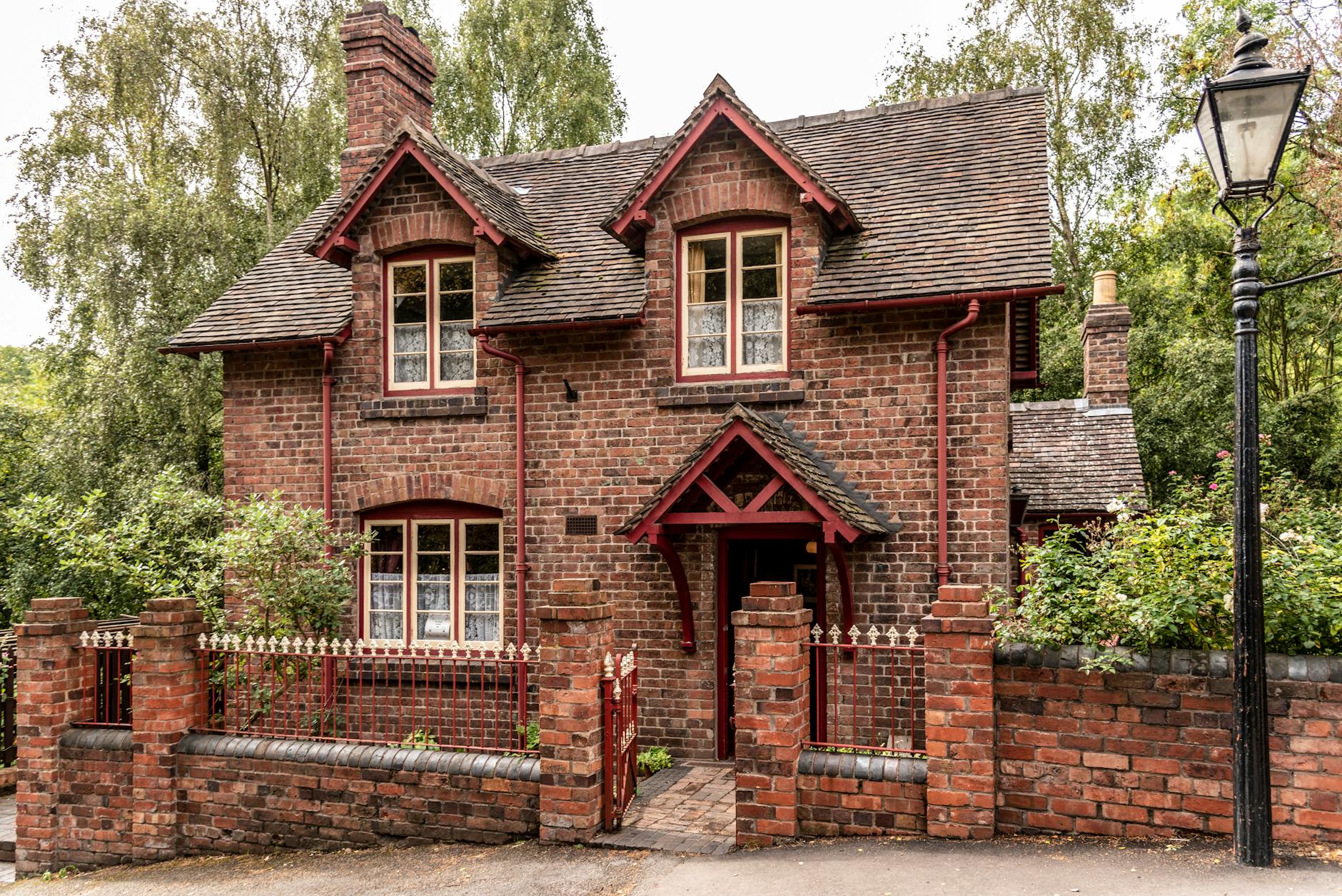
Table of Contents
- What Actually Is a Bed and Breakfast?
- Booking Your Stay
- Arriving at Your B&B
- Your Room: What to Expect
- The Breakfast Experience
- During Your Stay
- Checking Out
- B&B Etiquette: The Unwritten Rules
- How a B&B Differs from a Hotel
- Frequently Asked Questions
What Actually Is a Bed and Breakfast?
A bed and breakfast is a small, privately owned accommodation — typically a family home, converted farmhouse, or purpose-built guest house — that offers overnight lodging and a cooked breakfast in the morning. In Cornwall, B&Bs range from modest two-room properties above a village shop to beautifully restored Georgian townhouses with sea views. What they share is a personal, hosted experience that’s fundamentally different from a hotel stay.
Most Cornish B&Bs have between two and six guest rooms. They’re run by the owners, who live on the premises and take personal responsibility for your comfort. This owner-hosted model is the defining characteristic of a B&B — and it’s what makes the experience so different from staying in a hotel or holiday park. For a broader overview of all your options, see our complete Cornwall B&B guide.
The “bed” part of the name is straightforward: you get a comfortable bedroom, usually with an en-suite bathroom, clean linen, and basic amenities. The “breakfast” part is where Cornwall really shines — Cornish B&B breakfasts are renowned for their quality, generosity, and use of local ingredients. It’s not uncommon for breakfast alone to become a highlight of your stay.
Booking Your Stay
Booking a B&B is straightforward, but there are some details worth knowing to get the best experience and value:
Where to book: You can find Cornwall B&Bs on platforms like Booking.com, Expedia, and Airbnb, as well as specialist B&B directories. However, the best approach is often to use these sites for research — reading reviews, comparing prices, checking photos — and then contact the B&B directly to book. Many hosts offer better rates for direct bookings because they avoid paying the 15–20% commission charged by online platforms. Some B&Bs have their own websites with online booking systems, while others prefer a phone call or email.
What to communicate at booking: Let the B&B know any special requirements upfront. This includes dietary restrictions (vegetarian, vegan, gluten-free, allergies), accessibility needs, whether you’re bringing a dog, your likely arrival time, and any special occasions you’re celebrating. B&B hosts appreciate advance notice and will go out of their way to accommodate your needs — but they can’t help if they don’t know.
Deposits and cancellation: Most B&Bs require a deposit at booking — typically one night’s stay or a percentage of the total. Cancellation policies vary, but many offer free cancellation up to 48–72 hours before arrival. Some may charge the full amount for very late cancellations or no-shows. Always check the cancellation policy before booking, and consider travel insurance for longer or more expensive stays.
Room types: B&Bs typically offer double rooms (one double or king-size bed), twin rooms (two single beds), and occasionally family rooms or suites. Some properties have a mix and may be able to configure rooms to suit your needs. If you have a preference for room position — ground floor, garden view, away from the road — ask when booking. For budget-conscious visitors, rooms with shared bathrooms are often available at a lower rate.
Arriving at Your B&B
Arriving at a B&B is more personal than checking into a hotel, and knowing what to expect makes the process comfortable:
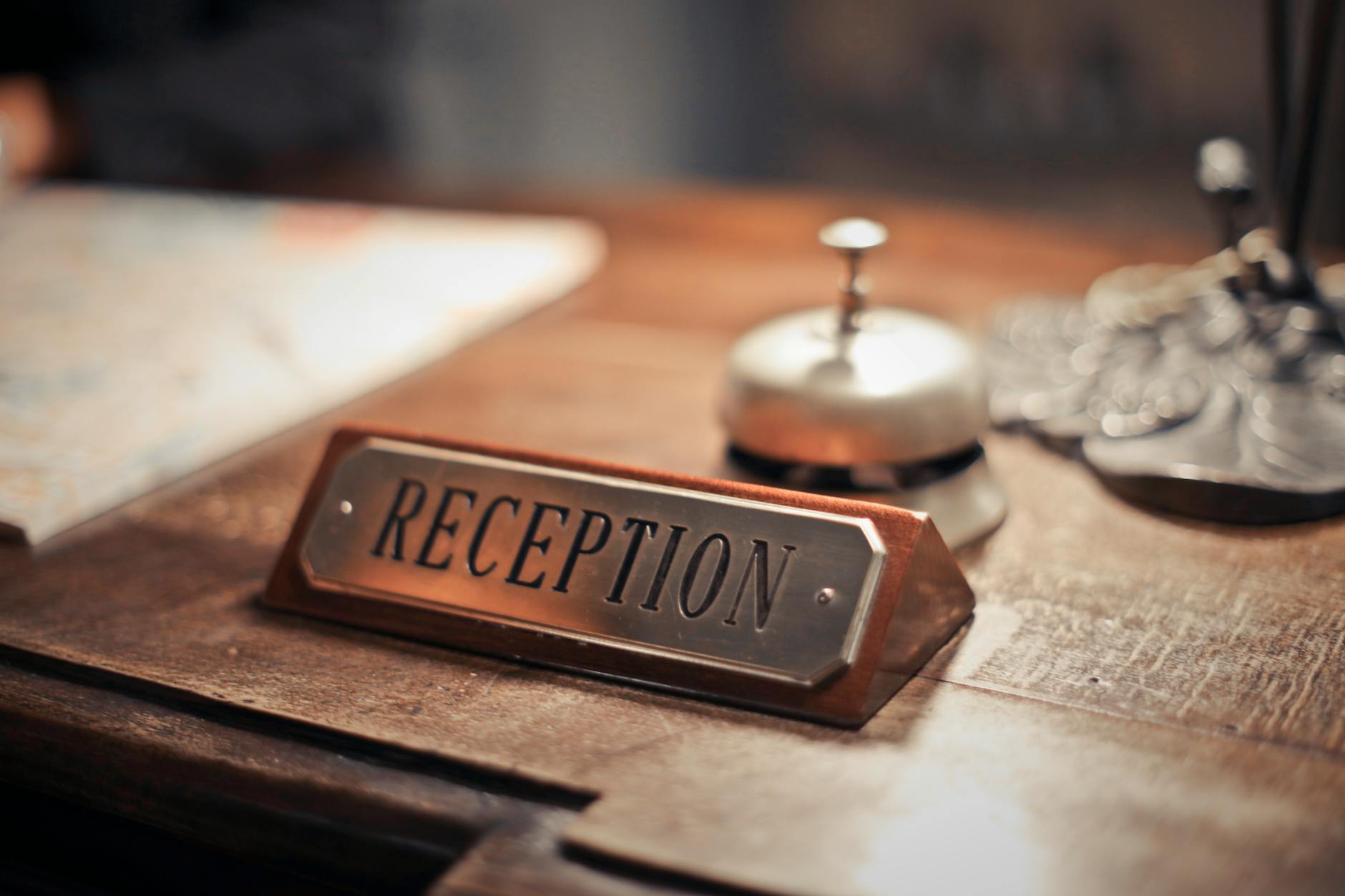
Check-in time: Most B&Bs offer check-in from 3pm or 4pm onwards. Unlike hotels with 24-hour reception desks, B&Bs are run by real people with their own schedules — so arriving within the agreed window is important. If you’re going to be significantly early or late, call ahead. Many hosts are flexible and can arrange earlier access or leave a key if you’ll arrive late, but they need to know in advance.
The welcome: When you arrive, your host will typically greet you personally, show you to your room, explain how everything works (heating, hot water, Wi-Fi password, breakfast time), and offer you a cup of tea or coffee. Some hosts provide a welcome tray in the room with biscuits, cake, or even a glass of wine. This is also the moment to ask any questions — about parking, local restaurant recommendations, the best nearby walk, or anything else you need to know.
Parking: Most Cornwall B&Bs offer free parking, though spaces may be limited. In towns like St Ives and Padstow, where parking is scarce, your host may direct you to a specific space or a nearby car park. Always ask about parking arrangements when you book, especially in popular coastal towns where parking can be a challenge.
Keys and access: You’ll be given a front door key or code for the main entrance, and a key for your room. Most B&Bs don’t have a curfew — you can come and go as you please. However, out of consideration for other guests and your host, try to be reasonably quiet when returning late in the evening.
Your Room: What to Expect
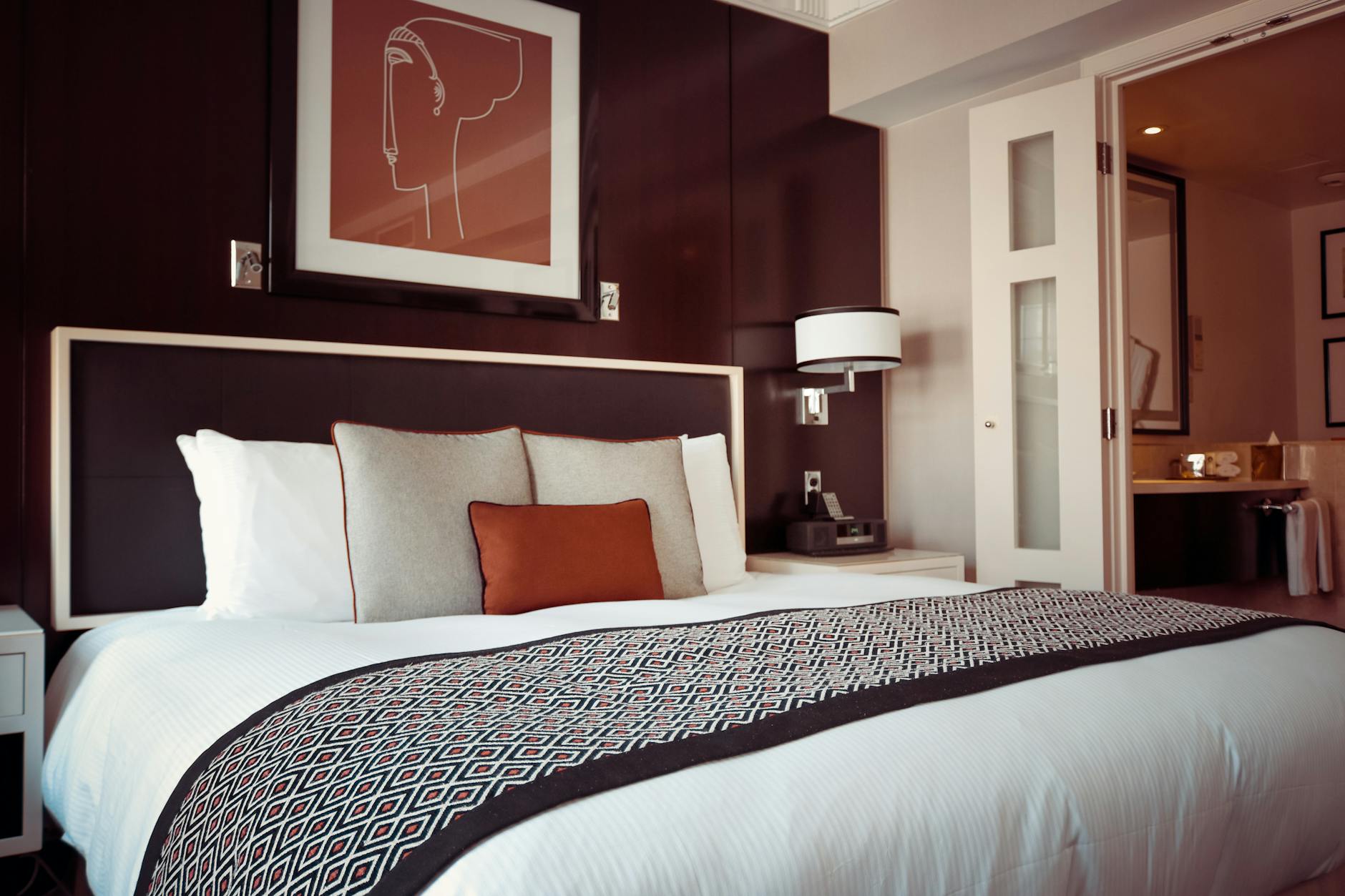
B&B rooms in Cornwall vary enormously in style, but you can expect certain standard features at any reputable property:
The bed: A comfortable double, king, or super-king bed with quality mattress and linen. Most Cornish B&Bs invest significantly in their beds — owners know that a good night’s sleep is the foundation of a positive review. You’ll typically find plump pillows (often with a choice of soft or firm), a duvet, and crisp cotton or high-thread-count sheets.
The bathroom: The majority of Cornwall B&B rooms have an en-suite bathroom — either a shower room, a bathroom with a bath and shower, or occasionally a wet room. Expect clean towels (refreshed daily or on request), toiletries (ranging from basic soap and shampoo to premium brands), and a well-maintained space. A few budget-friendly rooms may have a private bathroom across the hallway rather than an en-suite — this is usually clearly stated at booking and reflected in a lower price.
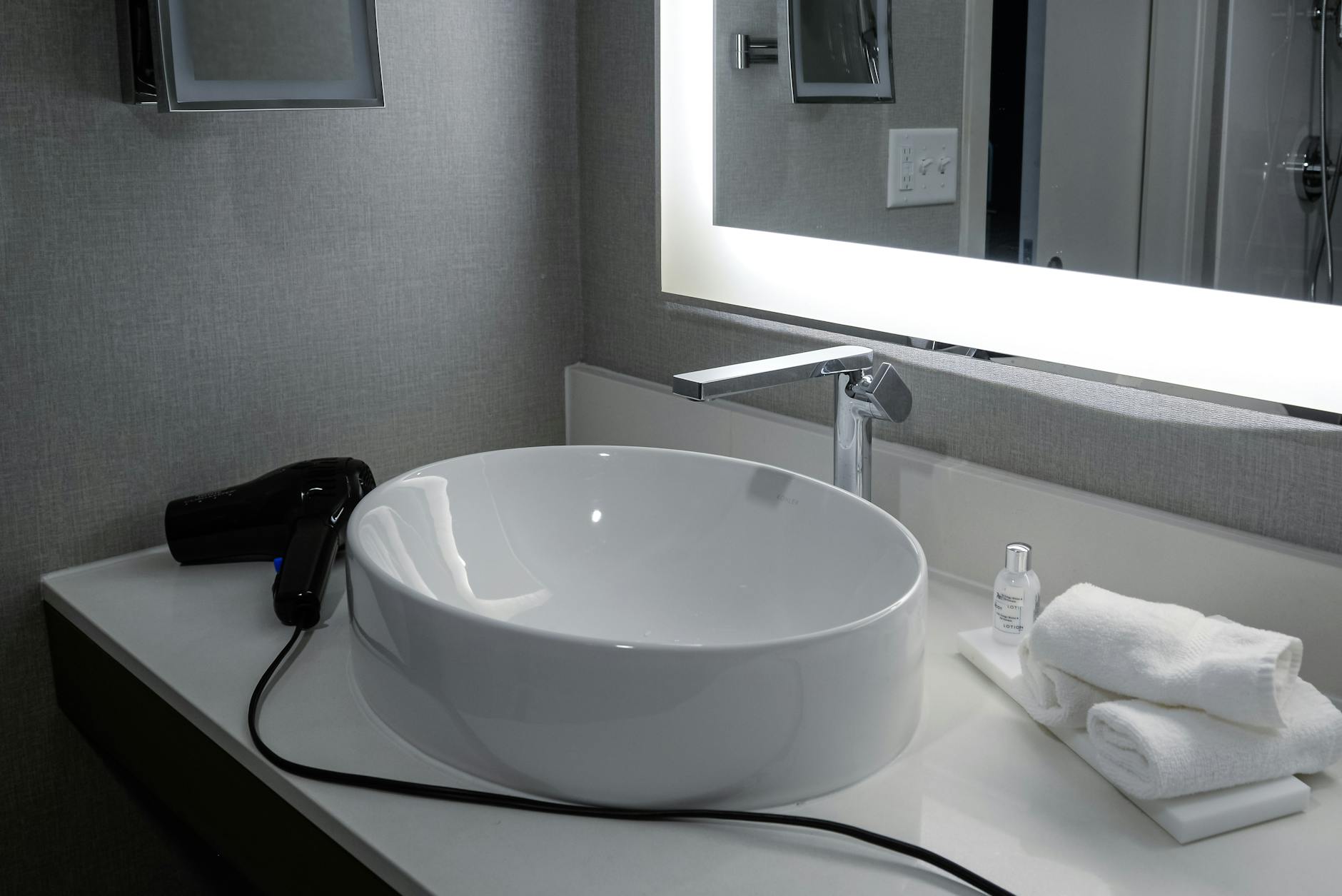
In-room amenities: At minimum, you’ll find a tea and coffee making tray (with proper tea bags, instant or ground coffee, biscuits, and fresh milk), a television, Wi-Fi access, and a hairdryer. Many B&Bs also provide a radio or Bluetooth speaker, an iron and ironing board (often on request), and an information folder about the local area with menus, walk guides, and tide tables. Higher-end properties may offer robes and slippers, complimentary bottled water, and premium coffee pods.
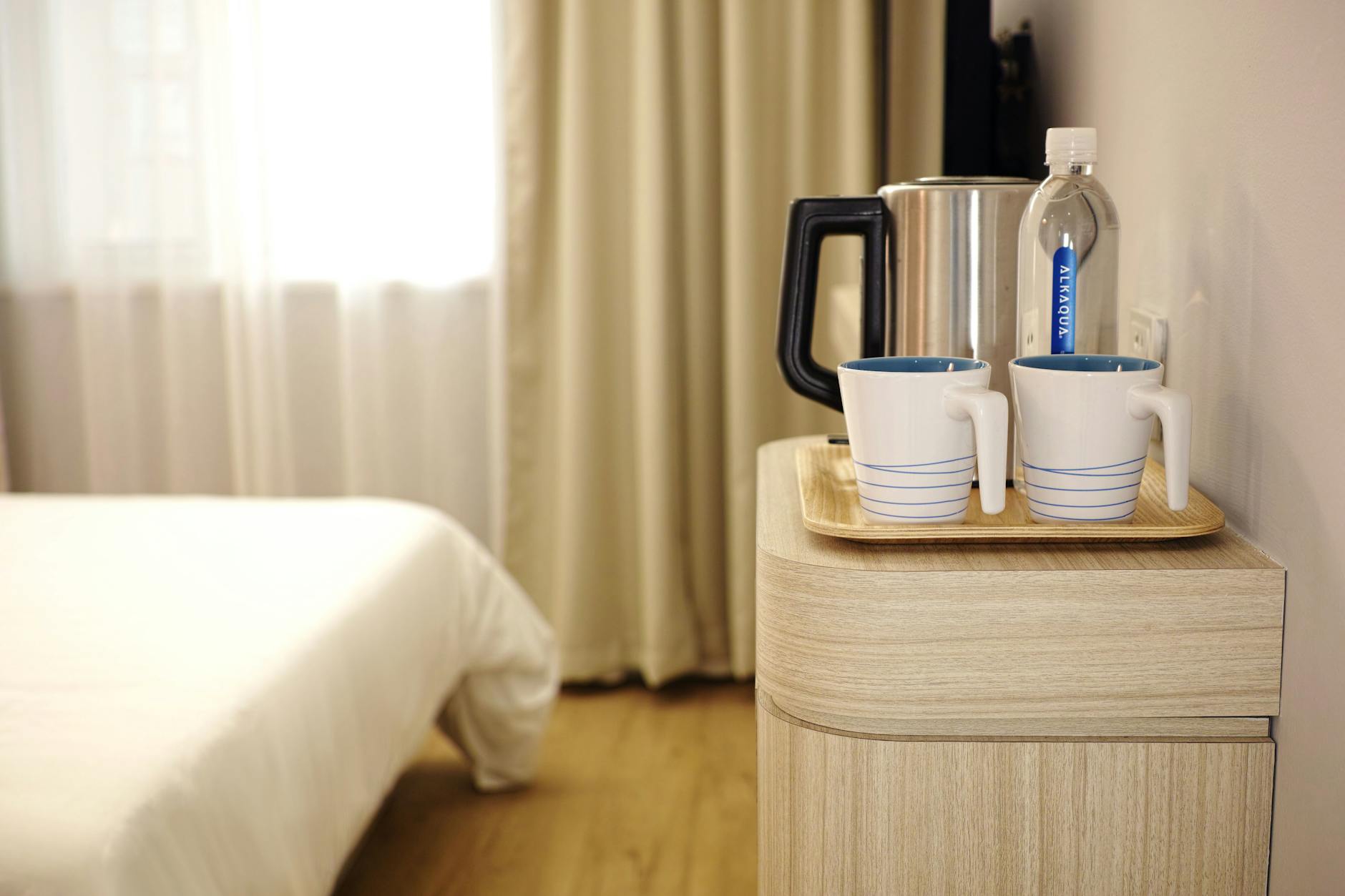
Character and décor: Unlike the standardised rooms of hotel chains, B&B rooms have individual character. You might find exposed stone walls, beamed ceilings, a window seat, vintage furniture, or original artwork. Many Cornwall B&B owners have decorated their rooms with genuine care and personality — making each room a distinct space rather than an identical box. If you have strong aesthetic preferences, check the photos on the B&B’s website and choose a room that appeals to you.
What you won’t find: B&B rooms don’t typically have kettles large enough for cooking, minibars, room service, air conditioning (rarely needed in Cornwall), or a telephone. If any of these are essential to you, check with the B&B before booking or consider a hotel instead.
The Breakfast Experience
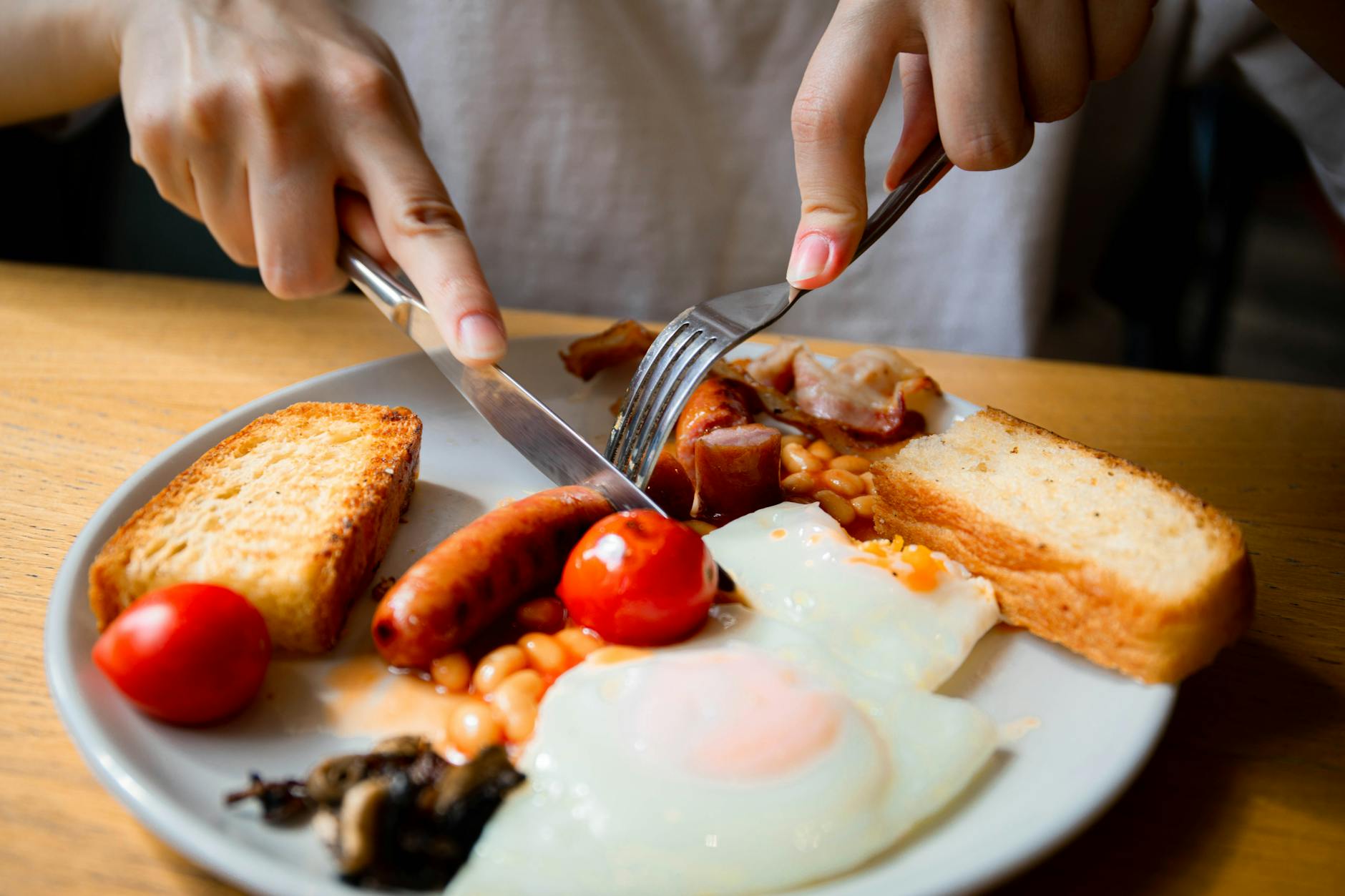
Breakfast is the centrepiece of the B&B experience — it’s right there in the name. In Cornwall, breakfast is taken seriously, and many hosts consider it a point of professional pride. Here’s what to expect:
Timing: Breakfast is served at set times — typically between 8am and 9:30am, with some B&Bs offering a window as wide as 7:30am to 10am. Your host will ask your preferred breakfast time when you arrive, or you may choose a slot from a menu card. Being roughly punctual is appreciated — the host has prepared food specifically for you, and late arrivals can disrupt the kitchen schedule.
The full English: The cornerstone of a Cornish B&B breakfast is the “full English” — also sometimes called a “full Cornish” when it includes local specialities. A typical plate includes back bacon, pork sausages, eggs (fried, scrambled, or poached — you’ll be asked your preference), grilled tomato, mushrooms, baked beans, toast, and sometimes hash browns or black pudding. In Cornwall, you may also find hog’s pudding (a local sausage) and Cornish potato cakes. The best B&Bs source ingredients locally — sausages from the village butcher, free-range eggs from a nearby farm, bread from an artisan bakery.
Beyond the fry-up: A full English is the star attraction, but most B&Bs also offer alternatives. Expect a help-yourself selection of cereals, fresh fruit, yoghurt, and fruit juice before or alongside the cooked course. Many hosts offer additional options like smoked salmon and scrambled eggs, eggs Benedict or Florentine, kippers, pancakes with berries, or avocado on sourdough. Porridge — often made with cream — is popular in cooler months.
Dietary requirements: Most Cornish B&B hosts are experienced at accommodating dietary needs. Vegetarian and vegan options, gluten-free alternatives, and dairy-free substitutes are usually available with advance notice. If you have allergies, communicate these clearly at booking and again at arrival. The personal nature of B&B hosting means dietary requirements get genuine attention — unlike a hotel buffet where cross-contamination risks are higher.
Tea and toast: Cornish B&B breakfasts almost always include unlimited tea and coffee (proper cafetière coffee, not just instant) and toast with local butter and preserves. Many hosts make their own marmalade or jam. A small but meaningful detail: in Cornwall, you should expect Rodda’s clotted cream to appear somewhere during your breakfast — perhaps with scones, on toast, or alongside fruit and yoghurt.
The breakfast room: Breakfast is served in a dedicated dining room — sometimes with views over the garden or coast. You’ll typically have your own table for two or four. Some smaller B&Bs use a communal table, which can be sociable but isn’t everyone’s cup of tea. If you prefer privacy at breakfast, choose a B&B with individual tables. The breakfast room atmosphere is usually relaxed and unhurried — this is a meal to be enjoyed, not rushed.
During Your Stay
Between breakfast and bedtime, your time is your own. Here’s what else you should know about life at a Cornwall B&B:
Coming and going: You’re free to come and go as you please. Most B&Bs provide a key for the front door so you’re not dependent on the host’s schedule. Some properties have a code-locked door for even greater flexibility. There’s no expectation that you’ll spend time at the property during the day — most guests head out after breakfast and return in the late afternoon or evening.
Communal spaces: Many B&Bs have a guest lounge or sitting room where you can read, watch television, or simply relax. Some have a garden with outdoor seating — particularly pleasant in summer. These spaces are shared with other guests, so normal courtesy applies. A guest lounge is a genuinely nice feature on a rainy afternoon or when you want to unwind before dinner without retreating to your bedroom.
Host interaction: The level of interaction with your host varies. Some are chatty and sociable, keen to share their knowledge of Cornwall. Others are more discreet, recognising that some guests prefer privacy. Neither approach is better — it’s a matter of personal style. Don’t feel obligated to make conversation if you’d rather be left alone, but equally don’t hesitate to ask questions. Your host is a genuine asset — they live in Cornwall and know it intimately. For exploring Cornwall’s options, from beaches to food and drink, their recommendations are often the best you’ll find.
Housekeeping: Your room will be serviced daily — bed made, towels refreshed or replaced, bins emptied, surfaces wiped. Some B&Bs ask whether you’d like daily towel changes or whether you’re happy to reuse towels for environmental reasons. Fresh towels are always available on request. The level of housekeeping is generally excellent — B&B owners take enormous pride in their rooms, and cleanliness is consistently one of the highest-rated aspects in guest reviews.
Dinner: Most B&Bs do not serve evening meals. You’ll need to eat out or bring food back to your room (though not all B&Bs allow food in rooms — check the house rules). Your host will happily recommend restaurants and can often help you book a table. Cornwall has an outstanding food scene at all price points — from fish and chip shops and pub dinners to fine dining restaurants. See our Cornish food and drink guide for ideas.
Checking Out
Checkout at a B&B is simple and relaxed:
Checkout time: Most B&Bs ask guests to check out by 10am or 10:30am. This gives the host time to clean and prepare rooms for arriving guests. If you need a later checkout, ask your host — many will accommodate this if no one is arriving that day, especially outside peak season. Luxury B&Bs sometimes offer late checkout as a standard feature.
Payment: If you haven’t already paid in full, you’ll settle your bill at checkout. Most B&Bs accept card payments, but a few smaller properties may prefer cash or bank transfer. Check the payment options when you book. There’s no expectation to add a tip to your bill, though a small gratuity or a positive online review is always appreciated.
Luggage storage: If you’re continuing your holiday elsewhere in Cornwall or have a late train, most hosts will happily store your luggage for a few hours after checkout. Just ask — it’s a common request and rarely a problem.
Reviews: After your stay, leaving a review on Google, TripAdvisor, or the platform you booked through is genuinely helpful to your host. B&Bs live and die by their reviews, and a few thoughtful sentences about your experience can make a real difference to a small, independent business.
B&B Etiquette: The Unwritten Rules
B&B etiquette is simply common courtesy, but knowing the unwritten rules helps first-time guests feel confident:
Shoes off: Many B&Bs ask guests to remove muddy boots or shoes before entering the building — especially in Cornwall, where a day on the coast path can leave your footwear in quite a state. Most provide a boot rack or tray near the entrance. Slippers or clean indoor shoes are fine to wear inside.
Noise and hours: Remember that you’re sharing a building with other guests and your host’s family. Keep noise to a reasonable level, especially late at night and early in the morning. If you’re returning from an evening out, close doors quietly and keep conversation low in hallways. Most guests are naturally considerate — this isn’t a major issue at the vast majority of B&Bs.
Cancellation courtesy: If your plans change and you need to cancel, do so as early as possible. A late cancellation — especially in peak season — means the host loses income they can’t recover. If you cancel within the policy terms, no charge applies. If circumstances force a very late cancellation, communicating personally with your host is always appreciated.
Communication: If something isn’t right — the room is too cold, the shower pressure is low, you’ve run out of towels — tell your host. They genuinely want you to be comfortable and will fix problems quickly. Suffering in silence and then leaving a negative review is unfair to hosts who would have happily addressed the issue if they’d known about it.
Tipping: Tipping is not expected at B&Bs in the UK, but it’s always appreciated. If your host has gone above and beyond — arranging something special, providing exceptional service, or simply making your stay memorable — a small cash tip (£5–£10 per night) left in the room at checkout is a lovely gesture. Alternatively, a heartfelt thank-you note, a box of chocolates, or an excellent online review means just as much to most hosts.
How a B&B Differs from a Hotel
If you’re accustomed to hotels, a few key differences are worth understanding:
Size and scale: Hotels have dozens or hundreds of rooms; B&Bs typically have two to six. This intimacy is the whole point — you’re not anonymous. Your host knows your name, your breakfast preferences, and what you’ve got planned for the day. Some guests love this; others prefer the anonymity of a hotel. Know which camp you fall into before booking.
Services: Hotels offer room service, concierge, 24-hour reception, restaurants, bars, gyms, and spas. B&Bs offer none of these. What they do offer is a personal host who will do things no hotel concierge would — lend you their walking boots, drive you to the pub when it’s raining, wash and dry your sodden walking clothes, or sit down with you and a map to plan tomorrow’s walk. The service is more personal but less available-on-demand.
Consistency vs character: A chain hotel delivers a predictable, standardised experience. A B&B delivers a unique, personal experience that reflects the owners’ taste, effort, and personality. This means B&Bs can be brilliant or disappointing — the quality varies more than with hotels. Reading recent reviews is the best way to gauge quality before booking. For understanding the full spectrum, our guide to B&B vs self-catering in Cornwall adds another comparison dimension.
Price: B&Bs are typically 20–40% cheaper than hotels of equivalent comfort level in the same area. A B&B room at £80 per night with an included breakfast will often match or exceed the comfort of a hotel room at £120–£140 where breakfast is extra. The value equation strongly favours B&Bs in Cornwall, where many properties offer exceptional quality at reasonable prices.
Frequently Asked Questions
Do I have to eat breakfast at a B&B?
Breakfast is included in your room rate, but you don’t have to eat it. If you’d prefer to skip breakfast — perhaps for an early start or simply because you’re not a morning eater — let your host know the evening before so they don’t prepare food that goes to waste. Most hosts will offer a lighter continental option, a takeaway breakfast, or a packed lunch if a full cooked breakfast doesn’t suit your plans.
Can I bring food or drinks to my room?
Most B&Bs are relaxed about guests bringing drinks and light snacks to their room. Taking a bottle of wine and some cheese to enjoy in the evening is perfectly normal. However, cooking in your room is not permitted (there are no facilities), and most hosts ask that you don’t bring strong-smelling hot food back to the room. If in doubt, ask your host — they won’t mind.
What time should I arrive at a B&B?
Most B&Bs offer check-in from 3pm or 4pm. Arrive within the agreed window or communicate changes. If you’ll be arriving after 8pm, always let your host know — some may provide a key safe or alternative access arrangement. If you arrive early, your host may not be able to give you your room immediately, but many will store your luggage and suggest somewhere to go while you wait.
Is a B&B suitable for families with children?
Some B&Bs welcome families while others are adults-only. Family-friendly B&Bs often provide cots, high chairs, and early breakfast options. However, for families with very young children, self-catering cottages may be more practical due to the additional space, kitchen access, and independence they offer. Check the B&B’s children policy before booking.
How much does a B&B cost per night in Cornwall?
Cornwall B&B prices range from around £50 per night for a basic room in an inland location to £200+ per night for a luxury sea-view room in a sought-after town like St Ives. The sweet spot for most visitors is £70–£110 per night, where you’ll find comfortable rooms with en-suites, excellent breakfasts, and welcoming hosts. Prices vary significantly by season — shoulder season (May, September, October) typically offers the best balance of value and weather.
Do B&Bs have Wi-Fi?
Almost all Cornwall B&Bs now offer free Wi-Fi. Connection speeds vary — rural properties may have slower broadband than those in towns. If you need reliable, fast internet for remote working, ask about connection speeds before booking. Most B&Bs will be honest about their Wi-Fi capabilities. In general, Cornwall’s broadband infrastructure has improved significantly in recent years, but very remote properties may still have limited speeds.
Ready to book your first Cornish B&B? Explore our complete Cornwall B&B guide for area-specific recommendations, or browse our guides to the best B&Bs in St Ives, Padstow, Newquay, and Falmouth to find your perfect property.