Cornwall has long been one of Britain’s most beloved destinations for family holidays Cornwall visitors return to year after year. With its stunning beaches, world-class attractions, and endless outdoor adventures, this spectacular county on England’s southwestern tip offers something magical for every age group. Whether your children dream of surfing their first wave, exploring rock pools teeming with marine life, or coming face to face with seals at a rescue sanctuary, Cornwall delivers unforgettable experiences that create lifelong memories. This comprehensive guide to family holidays Cornwall covers everything you need to plan the perfect trip with children of all ages.

Contents
- Best Family Beaches in Cornwall
- Outdoor Adventures for All Ages
- Top Family Attractions
- Rainy Day Activities
- Wildlife Encounters
- Family Accommodation Guide
- Eating Out with Children
- Getting Around Cornwall with Kids
- Activities by Age Group
- Budget Tips for Family Holidays Cornwall
- Suggested Day Trip Itineraries
- Seasonal Guide
- Planning Checklist
Best Family Beaches in Cornwall
Cornwall boasts over 300 beaches, but not all are equally suited to family holidays Cornwall visitors need. The best family beaches combine safe swimming conditions, lifeguard cover during summer, good facilities, and easy access. Here are the beaches that consistently earn top marks from families.
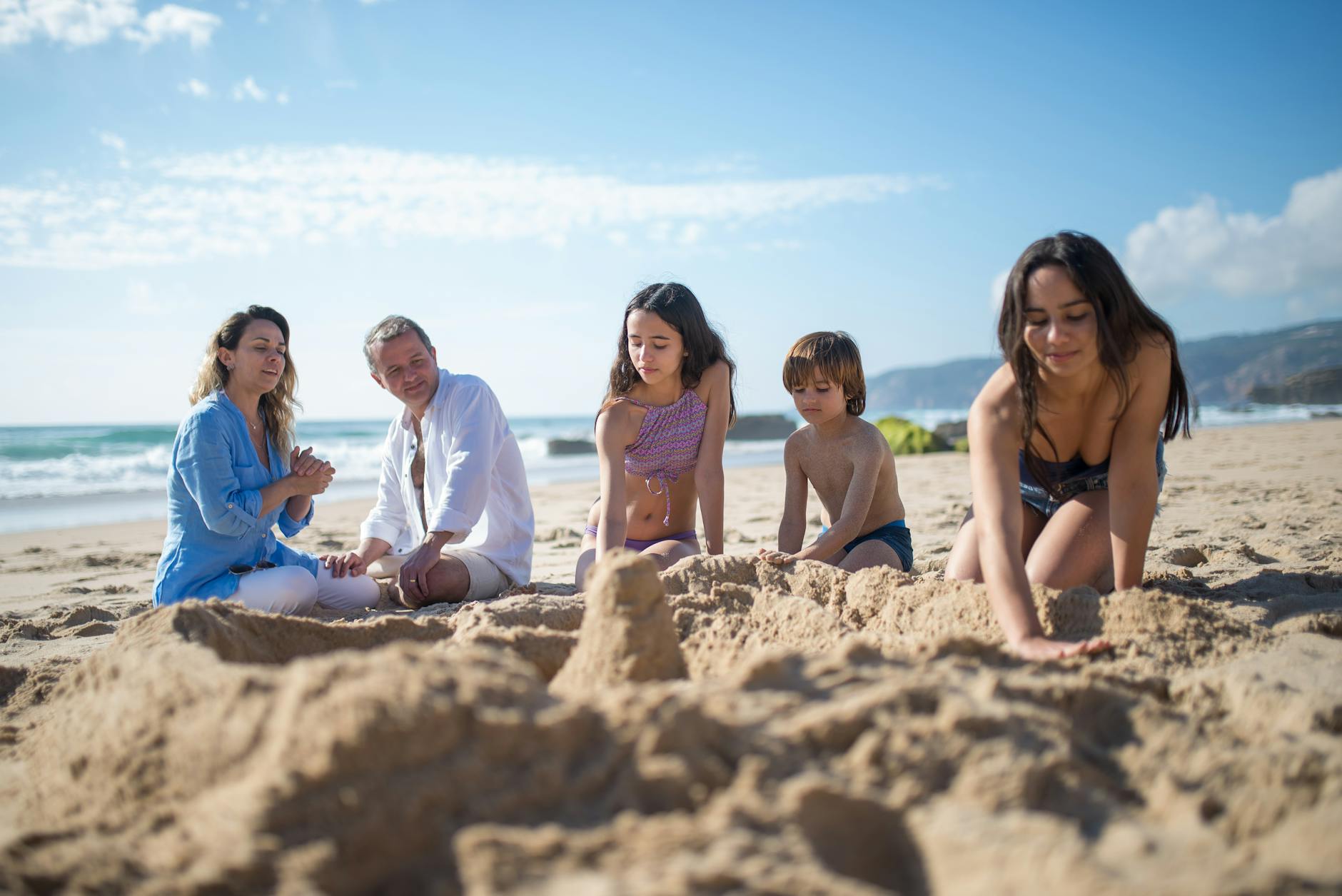
Polzeath on the north coast is many families’ first choice. Its wide expanse of fine golden sand, gentle waves ideal for beginner surfers, and excellent lifeguard cover from May to September make it a safe and exciting destination for children of all ages. The village has good facilities including cafés, surf hire shops, and public toilets. Rock pools at the edges of the beach provide hours of exploration at low tide, and several surf schools offer family lessons.
Porthminster Beach in St Ives is a sheltered, south-facing crescent of soft golden sand that is perfect for younger children. The calm, clear water is ideal for paddling and swimming, and the beach has a café, toilets, and excellent wheelchair and pushchair access via a ramp. The nearby train station makes it accessible without a car — the branch line from St Erth is one of Britain’s most scenic railway journeys.
Perranporth is a top family holidays Cornwall beach that stretches for nearly three miles and is one of Cornwall’s largest and most impressive beaches. The vast expanse means it never feels crowded, even in peak summer. Children have unlimited space for sandcastle building, kite flying, and beach cricket. The natural pool at the base of the cliffs is a safe paddling area for very young children.
Gyllyngvase Beach in Falmouth is a well-maintained family holidays Cornwall beach with golden sand, clear water, and excellent facilities including showers, changing rooms, and the popular Gylly Beach Café. The beach is sheltered from the worst of the Atlantic swells, making it safer for younger swimmers. Nearby Swanpool Beach, just a short walk away, has a freshwater lake that is home to swans and ducks — a natural attraction for toddlers.
Gwithian and Godrevy on St Ives Bay offer miles of golden sand backed by dunes, with the iconic Godrevy Lighthouse visible across the bay. The beaches are managed by the National Trust and have good parking, a café, and lifeguard cover in summer. The dunes behind the beach are wonderful for hide and seek and nature exploration.
Bude on the north coast deserves special mention as a family holidays Cornwall destination for its collection of family beaches. Summerleaze has the famous Bude Sea Pool — a semi-natural tidal swimming pool that provides safe swimming for children regardless of wave conditions. Crooklets Beach is excellent for surfing, while Widemouth Bay offers a huge expanse of sand. For a complete guide to Cornwall’s coastline, see our Best Beaches Cornwall guide.
Outdoor Adventures for All Ages
The great outdoors is where family holidays Cornwall truly shine. From the coastline to the countryside, Cornwall offers adventures that get children away from screens and into nature.
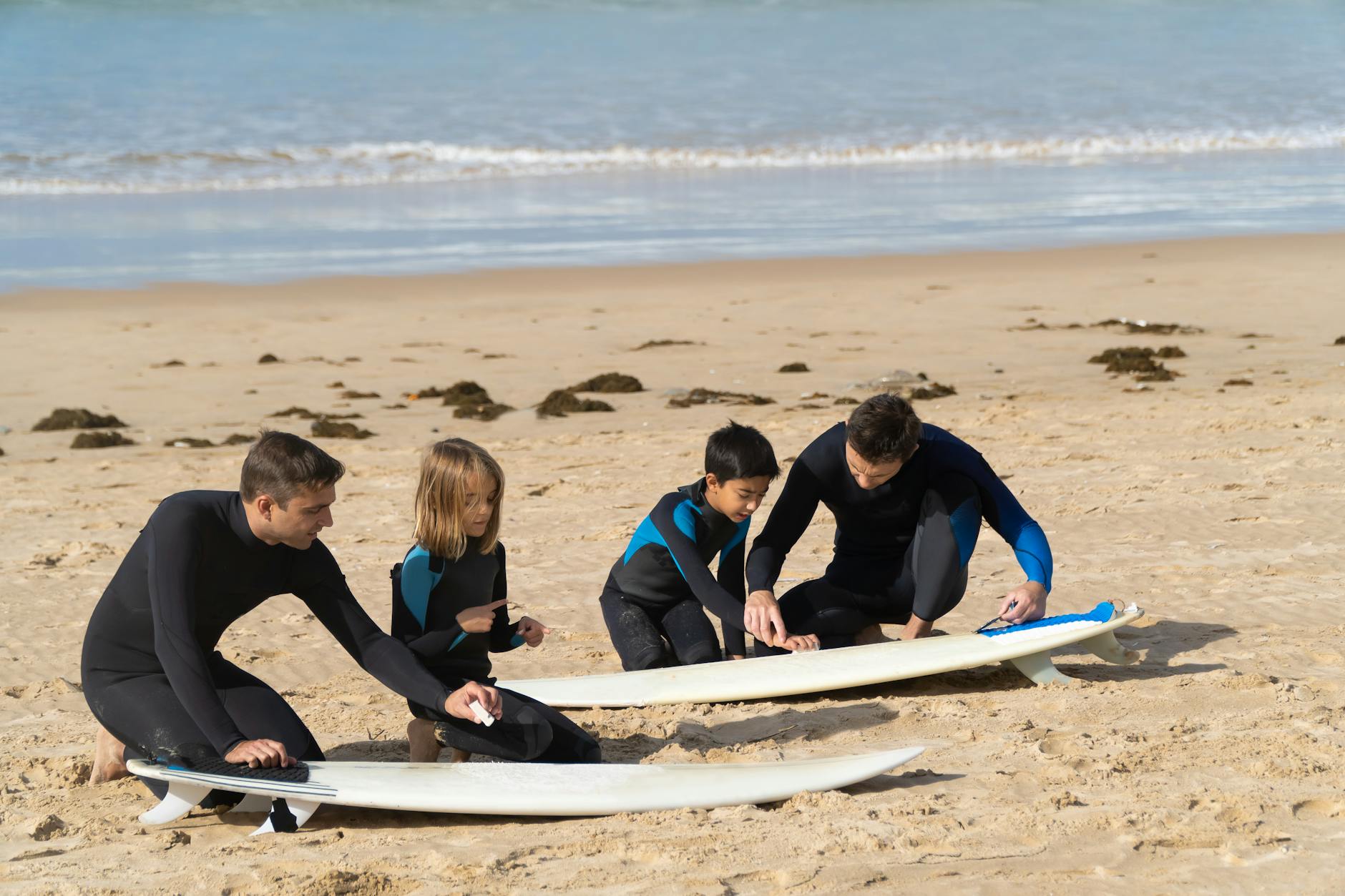
Surfing is perhaps the quintessential activity when planning family holidays Cornwall adventures. Dozens of surf schools around the county offer family lessons for complete beginners, typically accepting children from age six upwards. Fistral Beach in Newquay is the most famous surf beach, but gentler waves at Polzeath, Widemouth Bay, and Sennen Cove are often better for family sessions. Most schools provide all equipment and wetsuit hire within the lesson price.
Coasteering is an exhilarating family holidays Cornwall adventure combining cliff jumping, swimming, and rock scrambling that older children (typically 8+) and teenagers love. Several operators run family-friendly sessions along the north coast. Kayaking and paddleboarding are calmer water alternatives, with sheltered estuaries like the Helford River and the Camel Estuary offering ideal conditions for families.
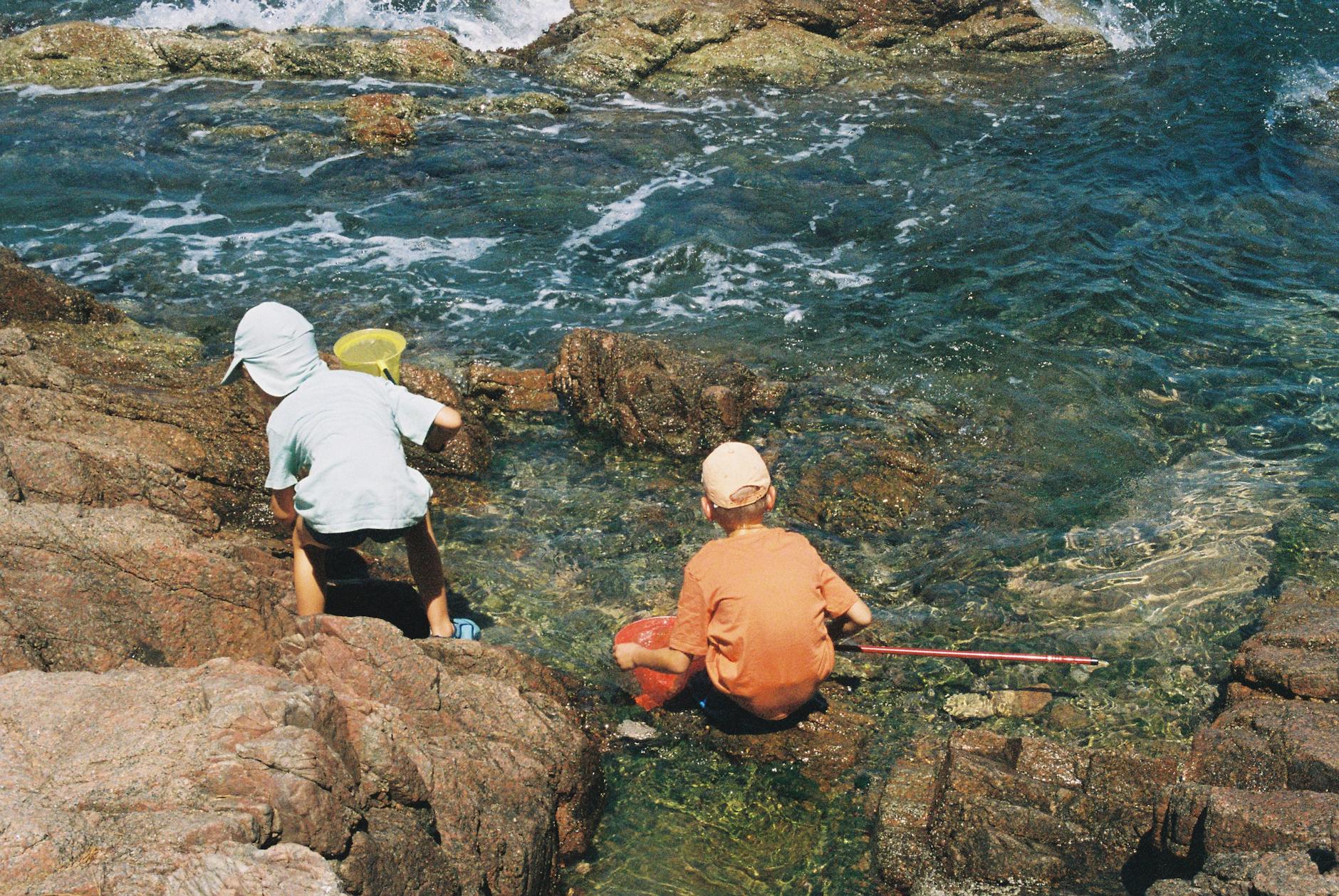
Rock pooling is a free, endlessly fascinating family holidays Cornwall activity that captivates children of all ages. Cornwall’s rocky coastline teems with crabs, anemones, small fish, and starfish. The best spots include Hannafore at Looe, Chapel Porth near St Agnes, and the Lizard Peninsula. Time your visit for low tide and bring a bucket and net. The Cornwall Wildlife Trust runs guided rock pool rambles at several locations during school holidays.

Cycling is another superb family holidays Cornwall activity. The Camel Trail from Padstow to Bodmin is Cornwall’s most popular family cycle route — 18 miles of flat, traffic-free path along a disused railway line following the Camel Estuary. Bike hire shops in Padstow and Wadebridge offer children’s bikes, tag-alongs, trailers, and child seats. The Coast to Coast trail from Portreath to Devoran is another excellent option.
Walking with children is one of the best family holidays Cornwall experiences. Short coastal path walks between coves and headlands suit most ages, and the variety of terrain keeps things interesting — castle ruins, lighthouse viewpoints, seal colonies, and hidden beaches all appear along the route. For detailed walking routes, see our Walking Cornwall Trails Guide. The National Trust organises family-friendly nature trails and scavenger hunts at many of their properties during school holidays.
Top Family Attractions
Cornwall is packed with attractions that appeal to children and adults alike. These are the headline destinations that make family holidays Cornwall so rewarding.

The Eden Project near St Austell is Cornwall’s most visited attraction and a guaranteed hit with families. Two enormous biomes — the Rainforest Biome, the largest indoor rainforest in the world, and the Mediterranean Biome — house thousands of plant species from around the globe. Children are transported to tropical jungles and arid deserts within minutes of each other.
Beyond the biomes, the outdoor gardens feature a zip wire, climbing frames, and in summer, an ice rink transforms the space in winter. Educational workshops run throughout the school holidays. The Core education centre hosts interactive science exhibits, and the recent addition of a virtual reality experience takes visitors on a journey through the world’s ecosystems. Allow at least half a day; most families find a full day easily passes. Annual pass holders get unlimited visits, which represents excellent value if you are visiting Cornwall more than once a year.
The Lost Gardens of Heligan near Mevagissey combine history, mystery, and nature making them perfect for family holidays Cornwall adventures in a way that captivates older children especially. These gardens were lost for 75 years under overgrowth before being rediscovered and restored in the 1990s. The Jungle Valley features a boardwalk through exotic plants, rope bridges, and the famous Mud Maid sculpture. The wider estate includes woodland walks, farm animals, and a wildlife hide overlooking a lake.
Camel Creek Adventure Park near Wadebridge is purpose-built for family fun, with rides suitable for toddlers through to teenagers. The park includes water rides, go-karts, a dinosaur trail, farm animals, and indoor play areas for rainy days. It is one of the best value full-day attractions for family holidays Cornwall.
Newquay Zoo is home to over 1,000 animals, including lions, penguins, red pandas, and meerkats. The zoo focuses on conservation and offers animal encounter experiences where children can get closer to certain species. The Dragon Maze, Tarzan Trail, and adventure playground add active fun to the educational experience. Regular keeper talks and feeding sessions run throughout the day.
Tintagel Castle (English Heritage) is dramatically perched on a clifftop headland linked by a modern bridge, with legend claiming it as King Arthur’s birthplace. The combination of ruined castle walls, a cave accessible at low tide, and sweeping views over the Atlantic fires children’s imaginations. The steep paths and cliffside setting suit children comfortable on their feet (roughly age 5+).
Adrenalin Quarry near Liskeard offers thrilling activities for older children and teenagers, including Cornwall’s longest zip wire across a flooded quarry, an inflatable aqua park, and go-karting. The activities have varying minimum ages, typically from 6 to 10 years old.
Rainy Day Activities
Cornwall’s weather can be unpredictable, so having a rainy day plan is essential for family holidays Cornwall. Fortunately, the county offers plenty of indoor entertainment.
The National Maritime Museum Cornwall in Falmouth is one of the best family museums in the southwest. Spread across five floors with 15 galleries, it features interactive exhibits, a flotilla of boats suspended from the ceiling, and an underwater viewing window into Falmouth Harbour. Children can tie knots, send semaphore signals, and explore a replica ship’s cabin. Holiday activity programmes add extra hands-on fun.
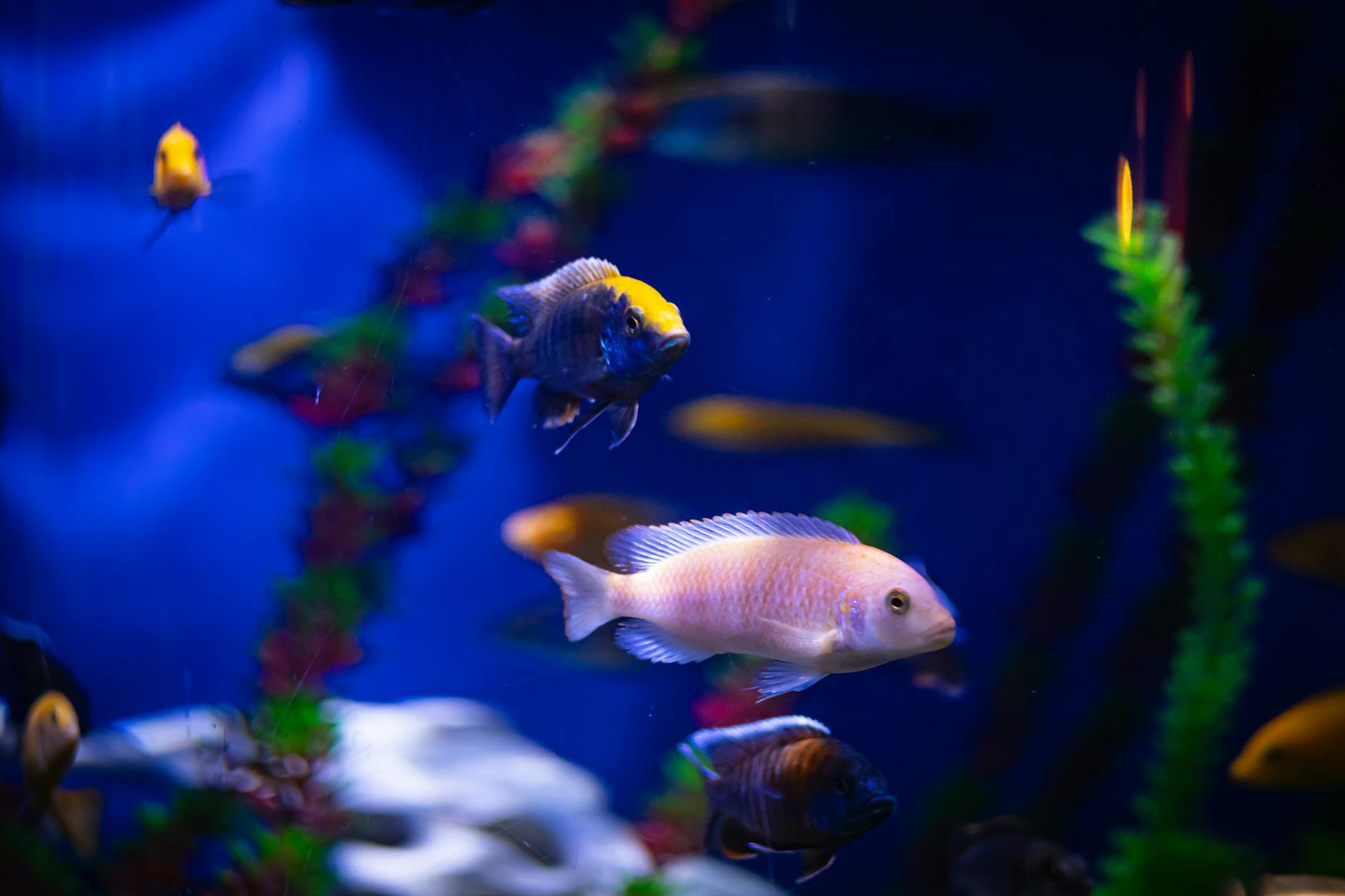
Blue Reef Aquarium in Newquay takes visitors on a journey from local Cornish rock pools through to tropical coral reefs. The highlight is the walk-through ocean tunnel where sharks, rays, and tropical fish swim overhead. Touch pools allow children to handle starfish and crabs, and daily feeding talks are both entertaining and educational.
The Royal Cornwall Museum in Truro has reinvented itself following a major renovation, with over a million objects on display. The mineral gallery is spectacular, the Egyptian collection fascinates children, and interactive exhibits throughout make learning hands-on. Free admission makes it exceptional value for families. For more about Truro and other towns, see our Cornwall Towns and Villages Guide.
Indoor play centres are a lifesaver on wet days with younger children. Raze the Roof in Penryn offers a mega play frame, slides, laser tag, and virtual reality experiences. Flambards Theme Park near Helston combines indoor exhibits with outdoor rides. Newquay Leisure World has an indoor water park with flumes that will satisfy water-loving children regardless of the weather outside.
Poldark Mine near Helston offers underground tours of a genuine 18th-century tin mine, giving families a fascinating insight into Cornwall’s mining heritage. The underground temperature stays constant year-round, making it comfortable regardless of the weather. A museum, heritage park, and treasure hunt add to the experience above ground.
Cinema and bowling are available as backup options in the larger towns. The Plaza Cinema in Truro shows mainstream and independent films in a beautiful Art Deco setting. WF Cinema in Newquay is a modern multiplex. Bowling alleys operate in Newquay and Truro. Several towns have leisure centres with swimming pools — Waterworld in Newquay, Ships and Castles in Falmouth, and the Lux Park leisure centre in Liskeard all offer family swim sessions that provide a warm-water alternative to the Atlantic.
Wildlife Encounters
Cornwall’s wildlife is a major draw for family holidays Cornwall visitors, with opportunities to see seals, dolphins, and rare seabirds in their natural habitat.
The Cornish Seal Sanctuary at Gweek on the Helford River rescues, rehabilitates, and releases grey seals found stranded on Cornwall’s beaches. Resident seals, sea lions, penguins, and otters live in spacious pools, and children can watch feeding sessions and learn about marine conservation. The sanctuary runs adoption programmes that make meaningful souvenirs for animal-loving children.
Seal watching in the wild is possible at several locations. The grey seal colony at Mutton Cove near Godrevy can be observed from the clifftop (bring binoculars). Boat trips from St Ives, Padstow, and Falmouth offer closer encounters, with operators respecting safe distances to avoid disturbing the animals. Autumn is the best season, when seal pups are born on remote beaches.
Dolphin and whale watching trips depart from Falmouth, Penzance, and Padstow. Bottlenose dolphins, harbour porpoises, and ocean sunfish are regularly spotted, and lucky visitors may see basking sharks between May and October or minke whales in late summer. Several operators offer family-friendly trips with commentary designed for younger passengers.
Screech Owl Sanctuary near Lostwithiel is home to over 60 species of owl from around the world. Children can hold owls during supervised experiences and watch flying displays. The intimate scale makes it a relaxed, less overwhelming alternative to larger wildlife parks. Feadon Farm Wildlife Centre near Portreath offers farmyard animal encounters, pony grooming, and tractor rides that younger children adore.
Birdwatching is rewarding throughout Cornwall, with the RSPB reserves at Hayle Estuary and Marazion Marsh offering excellent hides where families can spot wading birds, herons, and in winter, rare visitors from Scandinavia and beyond. The Lizard Peninsula is renowned for its autumn migration, when rare birds regularly appear, attracting twitchers from across Britain. Puffins can be seen at the Rumps headland near Polzeath from April to July, nesting on the offshore islands. For a broader perspective on Cornwall’s natural world, our guide to Things to Do in Cornwall covers wildlife activities in more detail.
Family Accommodation Guide
Choosing the right accommodation can make or break family holidays Cornwall. The county offers an exceptional range of options to suit every budget and family size.
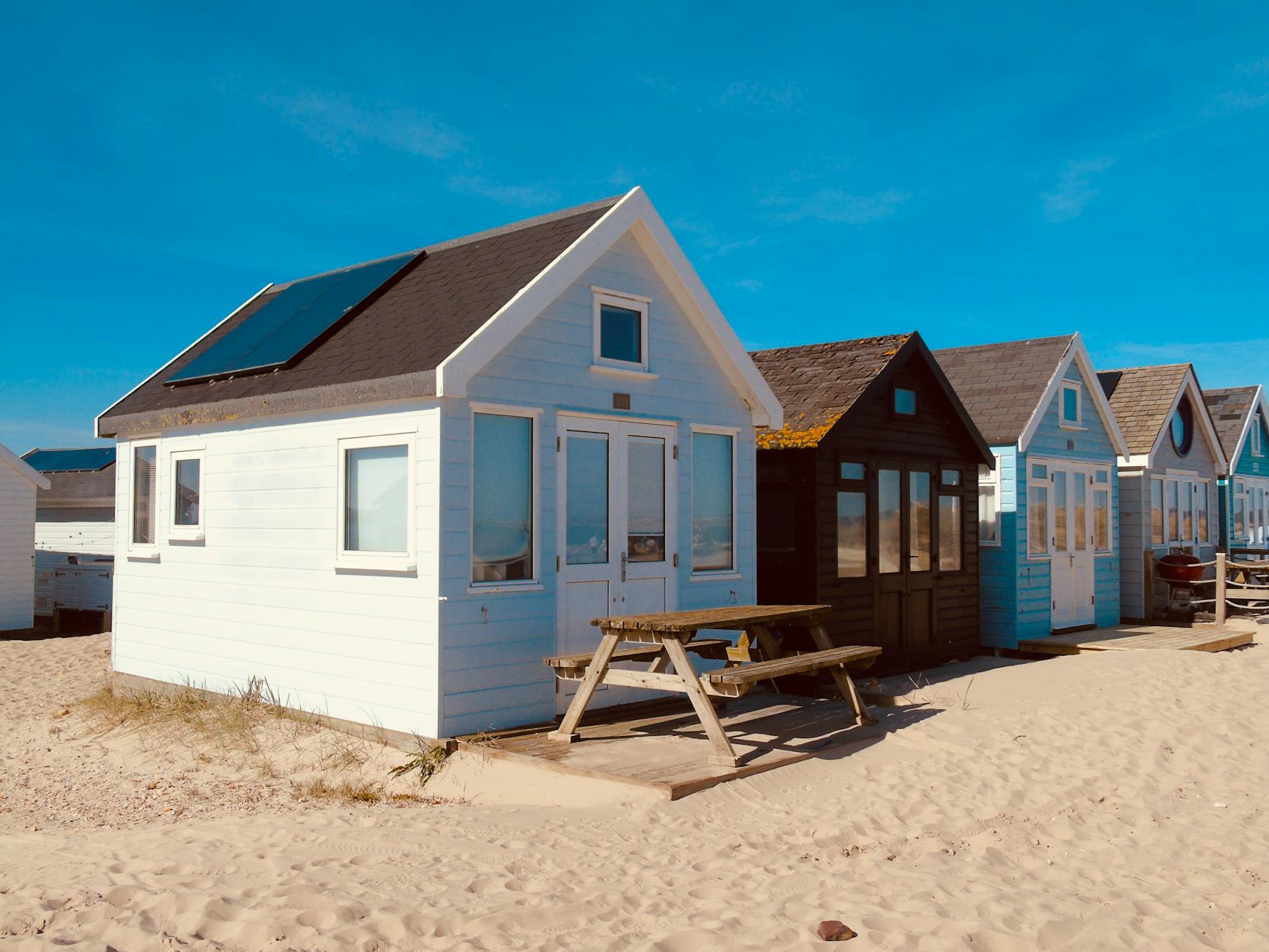
Self-catering cottages are the most popular choice for families, offering space, flexibility, and kitchens that save enormously on eating out. Converted farmhouses, fishermen’s cottages, and modern barn conversions are available across the county. Key features to look for include enclosed gardens (essential for toddlers), cot and highchair availability, dishwashers (a surprising luxury that transforms family holidays), and proximity to beaches or attractions. Specialist agencies like Classic Cottages, Cornish Cottage Holidays, and Aspects Holidays have extensive family-friendly selections.
Holiday parks remain a popular option for family holidays Cornwall, particularly for families with younger children. Haven operates two parks in Cornwall — Perran Sands near Perranporth and Riviere Sands on Hayle Beach — both offering swimming pools, entertainment programmes, and direct beach access.
Parkdean Resorts has eight Cornish parks with similar facilities. Independent parks like Trevornick at Holywell Bay and Pentewan Sands offer a more relaxed atmosphere while still providing swimming pools and children’s activities. John Fowler Holidays operates six parks across Cornwall, including Sandymouth near Bude and Hendra Holiday Park in Newquay, both with entertainment programmes that keep children busy from morning to night. For families who want something quieter, sites like Bosinver Farm Cottages near St Austell offer a boutique farmstay experience with a farm trail, indoor swimming pool, and regular activities like den building, toasting marshmallows, and feeding the animals — a gentler, more personal alternative to the larger parks.
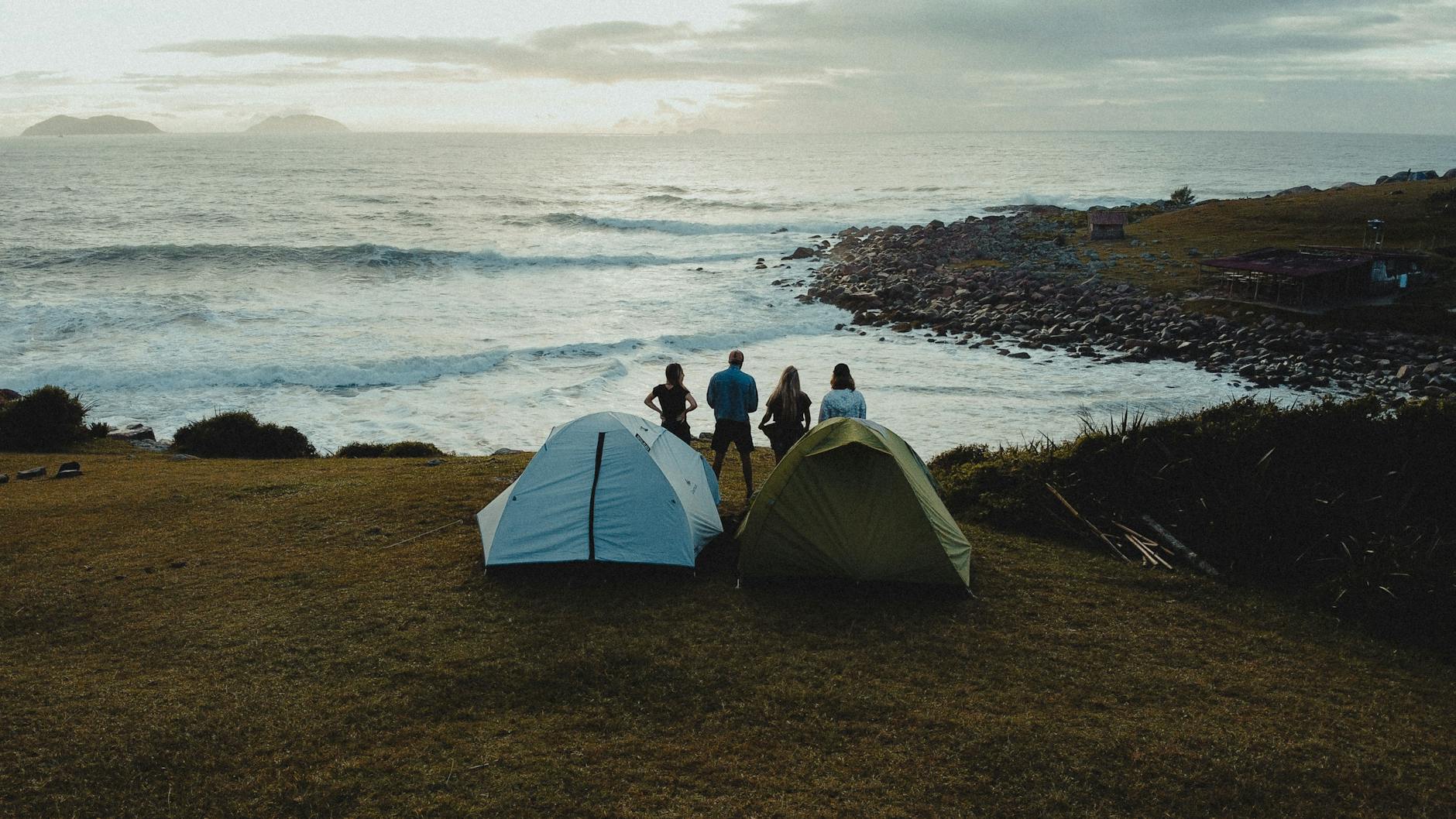
Camping and glamping provide the most immersive outdoor experience. Cornwall has dozens of family campsites, many in cliff-edge or waterside positions. Henry’s Campsite on the Lizard, Treen Farm near the Minack Theatre, and Ayr Holiday Park in St Ives are all family favourites. For those who prefer not to pitch a tent, glamping options range from shepherd’s huts and bell tents to safari lodges and treehouses, combining outdoor living with comfortable beds and proper facilities.
B&Bs and guest houses that welcome families are found throughout Cornwall. Many have interconnecting rooms or family suites, and the included cooked breakfast saves both time and money. For our comprehensive guide to Cornish accommodation, visit our Cornwall Bed and Breakfast Guide.
Eating Out with Children
Cornwall’s food scene has blossomed in recent years, and many restaurants warmly welcome families. Knowing where to eat well with children makes a real difference to family holidays Cornwall.

Fish and chips eaten on a harbour wall is the classic Cornish family meal. Every coastal town has its favourite chippie — Stein’s Fish and Chips in Padstow, the Harbour Fish and Chips in Newquay, and Beck’s Fish and Chips in St Ives are all excellent. Cornish pasties are the other essential family food, perfectly portable for beach picnics. Philps in Hayle, Ann’s Pasties in the Lizard, and Chough Bakery in Padstow all produce outstanding examples.
Beach cafés are Cornwall’s speciality and many are genuinely excellent restaurants that happen to have sand outside the door. Porthminster Beach Café in St Ives, the Gylly Beach Café in Falmouth, and Life’s a Beach in Newquay all serve high-quality food in relaxed, family-friendly settings. For our detailed guide to Cornwall’s food scene, see our Cornwall Food Guide.
Farm shops and delis are perfect for picnic provisions and self-catering supplies. Trevaskis Farm near Hayle, Lobbs Farm Shop in Heligan, and Gear Farm near St Martin offer fresh produce, local cheeses, and homemade cakes. Many farms have play areas and animal encounters alongside the shopping, combining errands with entertainment. Ice cream is practically compulsory on family holidays Cornwall — Roskilly’s on the Lizard makes organic ice cream from their own herd, Moomaid of Zennor produces artisan gelato, and you will find excellent local ice cream parlours in every seaside town.
Cream teas are a must — the debate over whether jam or cream goes first (Cornwall says jam first, Devon says cream first) will entertain the whole family.
Getting Around Cornwall with Kids
Cornwall is a large, rural county and getting around requires some planning, especially with children in tow.
By car is the most flexible option for family holidays Cornwall, allowing you to reach remote beaches and attractions at your own pace. However, roads are predominantly single carriageway, journey times are longer than expected, and parking at popular beaches during summer can be challenging and expensive. National Trust membership provides free parking at numerous coastal car parks across Cornwall, which alone justifies the membership fee over a week’s holiday.
By train, the main line runs from London Paddington to Penzance, with branch lines to St Ives, Newquay, Falmouth, and Looe — all of which are scenic journeys that children enjoy. The St Ives branch line hugs the coast with views across the bay that are genuinely spectacular. Family railcard holders receive a third off standard fares. The Night Riviera sleeper from London Paddington to Penzance is an adventure in itself that many children find thrilling.
By bus, Cornwall’s network connects most major towns and many villages. The Atlantic Coaster runs along the north coast between Newquay and Padstow, and the Land’s End Coaster connects Penzance with St Ives and Land’s End. Open-top bus services operate on several scenic routes in summer, and children under five travel free. Day rider tickets offer good value for hop-on, hop-off exploration.
By ferry, several passenger ferries connect coastal towns and provide memorable experiences that children love. The Black Tor ferry from Padstow to Rock takes just five minutes but feels like an adventure. The King Harry chain ferry crossing the River Fal is fascinating for mechanically minded children. The Bodinnick ferry to Fowey and the Place ferry to St Mawes are both scenic crossings that beat driving round by miles.
Journey planning tips: Cornwall is further than many families expect — the drive from London to Newquay takes around five hours without traffic, significantly longer on summer Saturdays. If possible, travel on a Sunday or Monday to avoid the worst congestion on the A30. The last stretch through Cornwall is single carriageway and can be slow behind caravans and tractors. Factor in rest stops at services or family-friendly pubs along the way. The A303 past Stonehenge is a notorious bottleneck; some families prefer the M4/M5 route via Bristol despite the extra distance.
Activities by Age Group
Different ages call for different approaches to family holidays Cornwall. Here is a guide to making the most of your trip at every stage.
Babies and toddlers (0–3): Cornwall is wonderfully suited to holidays with very young children. Sheltered beaches like Porthminster, Gyllyngvase, and Readymoney Cove provide safe paddling. Many attractions offer free entry for under-threes. Self-catering accommodation with enclosed gardens allows for flexible nap schedules. The Watering Hole on Perranporth beach is one of several restaurants with high chairs and a relaxed attitude to sandy visitors. Pushchair-friendly walks include the Camel Trail and the Tehidy Country Park woodland trails.
Young children (4–7): This age group delights in rock pooling, sandcastle building, and animal encounters. Camel Creek Adventure Park, the Cornish Seal Sanctuary, and Dairyland Farm World are all pitched perfectly for this age. Surf lessons typically start from age six. Boat trips to spot seals or dolphins are magical at this age. The Lost Gardens of Heligan and the Eden Project both have junior trails and interactive elements designed for this age range.
Older children (8–12): Adventures ramp up for this age group. Coasteering, surfing, bodyboarding, and kayaking all become options. Adrenalin Quarry’s zip wire and aqua park are hugely popular. Tintagel Castle and the underground Poldark Mine appeal to developing imaginations and interests. The South West Coast Path can be tackled in more ambitious sections.
Teenagers (13+): Cornwall has a natural cool factor that appeals to teenagers. The surf culture in Newquay, Bude, and Polzeath provides a social scene alongside the sport. Coasteering, sea kayaking, and paddle boarding offer independent adventure. The Boardmasters music and surf festival at Watergate Bay (August) is a highlight of the teenage social calendar.
Evening entertainment in larger towns, escape rooms, and bowling alleys provide after-dark options. St Ives and Falmouth both have thriving art scenes that creative teenagers appreciate, with galleries, studios, and maker workshops offering drop-in sessions. Photography walks along the coast path can channel their phone obsession into something productive. The Tate St Ives and Barbara Hepworth Museum provide accessible introductions to modern art in inspiring settings.
Budget Tips for Family Holidays Cornwall
Family holidays Cornwall can be enjoyed at every budget level, from luxury to shoestring. Here are practical ways to manage costs without sacrificing quality.
Timing matters enormously. Peak season (late July to late August) sees the highest prices for accommodation, often double or triple the off-peak rates. The weeks either side — late June and September — offer better weather than most people expect, lower prices, quieter beaches, and all attractions still operating. Half-term weeks in May and October are busy but significantly cheaper than the main summer holidays.
Self-catering saves a fortune. A week in a self-catering cottage with kitchen facilities means you can buy fresh produce from farm shops and markets, prepare breakfasts and packed lunches, and limit restaurant meals to occasional treats. A family of four can easily save several hundred pounds over a week compared to eating out for every meal.
Free activities abound. Beaches are free. Rock pooling is free. Coastal walks are free. Many museum and galleries have free admission. The National Trust and English Heritage memberships pay for themselves quickly through free parking and attraction entry. Several attractions offer discounted advance booking online, typically saving 10–20 percent compared to gate prices. Family treasure trails — self-guided walks with clues available for a small fee in several Cornwall towns — offer a fun, budget-friendly way to explore a new place while keeping children engaged. The Cornwall Heritage Trust manages several free-to-visit historic sites worth exploring with curious children.
Accommodation cost ranges: Self-catering cottages range from around £600 per week in quieter areas during off-peak season to £2,500 or more for premium properties in St Ives or Padstow during peak weeks. Holiday park stays start from around £400 per week for a basic caravan. Camping pitches range from £20 to £45 per night depending on season and facilities. B&B family rooms start from around £100 per night including breakfast.
Seasonal Guide
Suggested Day Trip Itineraries
Planning daily activities helps make the most of family holidays Cornwall. Here are four tried-and-tested itineraries that families love.
The North Coast Adventure Day: Start with a surf lesson at Polzeath (book the 10am session). After your lesson, dry off with a Cornish pasty from a Wadebridge bakery, then cycle the Camel Trail from Wadebridge towards Padstow — about 5.5 miles, suitable for all ages on the flat, traffic-free path. Explore Padstow harbour in the afternoon, perhaps with a boat trip to spot seals. End with fish and chips on the harbour wall as the sun sets over the estuary.
The Eden and Heligan Explorer: Arrive early at the Eden Project (opening time) to beat the queues. Spend the morning in the biomes and outdoor gardens. After lunch in one of Eden’s cafés, drive 15 minutes to the Lost Gardens of Heligan for the afternoon — the Jungle Valley and farm area are highlights for children. End the day at Pentewan or Mevagissey for an evening stroll along the harbour.
The Falmouth and Helford Day: Start at the National Maritime Museum (opens 10am) in Falmouth. After exploring the galleries, walk along the seafront to Gyllyngvase Beach for a swim and a lunch at the Gylly Beach Café. In the afternoon, drive to Gweek for the Cornish Seal Sanctuary, then continue to the Helford River for a cream tea at one of the waterside cafés. The ferry from Helford Passage to Helford village is a charming way to cross the river.
The Wild West Cornwall Day: Begin at Marazion with a low-tide walk across the causeway to St Michael’s Mount (check tide times in advance). After exploring the castle and gardens, drive to Porthcurno for an afternoon at the stunning beach and a tour of the Telegraph Museum. If energy allows, walk along the cliffs to the Minack Theatre — the open-air amphitheatre carved into the granite clifftop is one of the most dramatic settings in Britain, and summer performances are unforgettable.
Every season offers a different flavour of family holidays Cornwall, and understanding what each period brings will help you plan accordingly.
Spring (April–May): Cornwall comes alive with wildflowers along the clifftops, and the weather is often surprisingly warm and sunny. Easter holidays bring the first rush of visitors, but beaches and attractions are noticeably quieter than in summer. Lambing season at farms adds extra appeal for younger children, and the bluebells in the Cornish woodlands are magical. The sea is still cold (around 10–12°C) but wetsuit-clad surfers are undeterred.
Summer (June–August): This is prime family holiday season. All attractions are open, lifeguards patrol the beaches, and the sea warms to a more comfortable 15–17°C by August. The long evenings mean you can enjoy the beach until 9pm. However, this is also the busiest and most expensive period. Arrive at popular beaches before 10am to secure parking and a good spot. The Boardmasters festival in Newquay and numerous village events add to the summer atmosphere.
Autumn (September–October): September is arguably the best month for family holidays Cornwall, combining warm weather with emptier beaches and lower prices. The sea is at its warmest following a summer of warming. October half-term brings family events and Halloween activities at many attractions. Seal pupping season along the coast adds wildlife interest.
Winter (November–March): A quieter, more atmospheric Cornwall emerges. Storm watching from clifftop paths is dramatic, and cosy pub lunches beside roaring fires are a different kind of family treat. Christmas lights at Mousehole, Padstow, and Truro are magical. Many attractions close or reduce hours, but the Eden Project, National Maritime Museum, and major museums remain open. Accommodation prices drop significantly, making winter breaks excellent value.
Planning Your Family Holiday in Cornwall
A well-planned trip makes all the difference. Here are the essentials for successful family holidays Cornwall.
What to pack: Wetsuits if you plan to spend significant time in the water (hire is available but owning saves money over a week). Sun cream (the Cornish sun is deceptive, especially near the sea). Waterproof jackets for everyone — Cornwall weather can change quickly. Rock pooling nets and buckets. Comfortable walking shoes for coastal paths. A picnic blanket and cool bag for beach days.
Booking tips: Reserve accommodation as early as possible for school holidays — popular properties for August book up by January. Pre-book surf lessons and popular attraction tickets, especially during peak weeks. Research tide times for your chosen beaches, as some are only accessible or swimmable at certain tides. Download the Visit Cornwall app for up-to-date event listings and attraction information.
Essential resources: Visit Cornwall is the official tourism website with comprehensive listings. The National Trust and English Heritage websites detail their Cornish properties and events. The RNLI website provides beach safety information and lifeguard patrol times. For accommodation guidance, our Cornwall Bed and Breakfast Guide covers options in detail. For broader activity inspiration, visit our Things to Do in Cornwall guide and our Cornwall Towns and Villages Guide for choosing a base.
Cornwall has been welcoming families for generations, and it continues to evolve and improve as a family destination. The combination of stunning natural beauty, world-class beaches, excellent attractions, and that uniquely relaxed Cornish atmosphere makes it hard to beat anywhere in Britain. Whatever the ages of your children, whatever your budget, and whatever the weather throws at you, family holidays Cornwall deliver experiences that your family will treasure and return to again and again.
Beach safety essentials: Always swim at lifeguarded beaches and between the red and yellow flags. Teach children about rip currents — if caught, swim parallel to the shore rather than fighting the current. Check the RNLI beach finder app for daily safety information at your chosen beach. Apply sun cream regularly, even on cloudy days — the reflection from water and sand intensifies UV exposure. Keep a close eye on the tide, especially if your beach access involves climbing over rocks, as rising water can cut off escape routes surprisingly quickly.
Cliff safety: Cornwall’s clifftop paths are stunning but require care with children. Keep well back from cliff edges, which can be unstable and undercut. Stick to marked paths rather than venturing to cliff edges for photographs. Wind gusts near cliffs can be sudden and powerful. Dogs should be kept on leads near cliff edges. The coastguard rescue number is 999 — ask for the coastguard if someone is in trouble on the coast.