In This Guide
Cornwall History: A Land Shaped by Thousands of Years
Cornwall history stretches back over ten thousand years, creating one of the most richly layered heritage landscapes in all of Britain. This remote peninsula at England’s far southwest has been shaped by wave after wave of human activity, from the earliest hunter-gatherers who arrived as the ice retreated, through the great civilisations of the Bronze and Iron Ages, the mysterious Celtic era, the drama of the medieval period, the industrial revolution of tin and copper mining, and the romantic literary traditions that continue to draw visitors today.
What makes Cornwall history so remarkable is the sheer density and visibility of its heritage. Cornwall is home to roughly twenty percent of England’s ancient monuments, and the county contains perhaps the highest concentration of prehistoric sites found anywhere in Western Europe, particularly across the Penwith peninsula and Bodmin Moor. From Neolithic quoits and Bronze Age stone circles to Iron Age hillforts and Roman-period villages, the evidence of Cornwall’s deep past is everywhere in the landscape, often sitting undisturbed in fields and on moorland where it has stood for thousands of years.
This comprehensive guide to Cornwall history takes you on a journey through every major period and theme, from the ancient stone circles that predate the pyramids to the engine houses of the industrial revolution. Whether you are a history enthusiast planning a heritage-focused trip, or simply want to understand the stories behind the places you will visit, this guide provides the context, detail, and practical information you need to explore Cornwall’s extraordinary past.
Ancient Cornwall: The Prehistoric Landscape
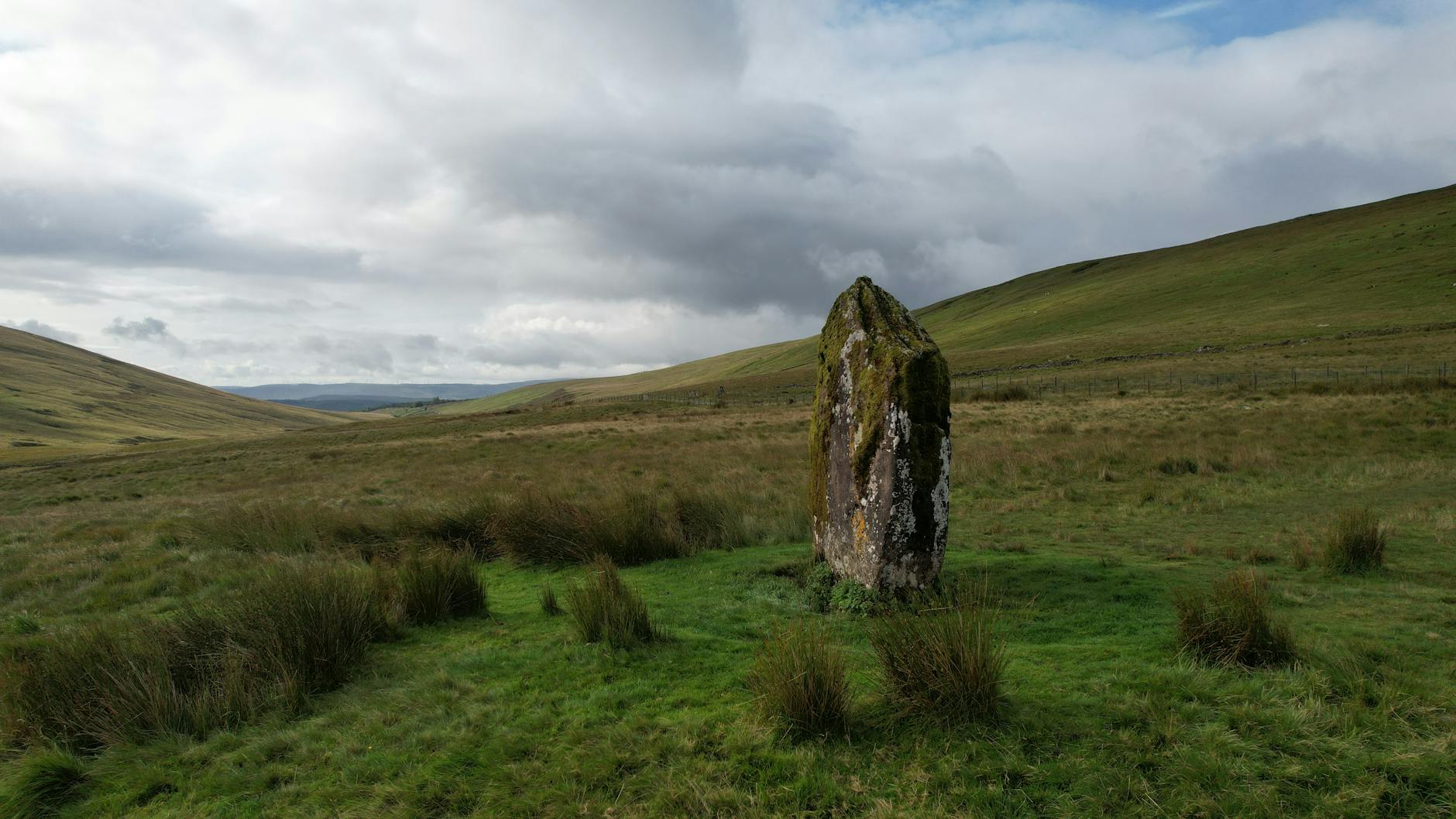
The story of Cornwall history begins around 10,000 BC, when the first hunter-gatherers arrived in what was then still connected to mainland Europe by land bridges. As sea levels rose and Cornwall became a peninsula, these early inhabitants left traces of their presence in the form of flint tools and simple shelters. By the Neolithic period, from around 4000 BC, Cornwall’s communities had developed agriculture and begun constructing the first monumental structures that still stand in the landscape today.
The Neolithic period saw the construction of Cornwall’s distinctive quoits, which are chambered burial tombs consisting of massive stone slabs. Lanyon Quoit near Madron is one of the most photographed, featuring a thirteen-tonne capstone balanced on three upright stones. Although it collapsed in a storm in 1815 and was re-erected with one fewer support stone, it remains an awe-inspiring sight. Trethevy Quoit near St Cleer on Bodmin Moor is even more impressive, with a massive ten-tonne capstone rising over two metres from the ground, making it one of the best-preserved portal dolmens in the country. These structures are approximately six thousand years old, making them older than Stonehenge and roughly contemporary with the earliest Egyptian pyramids.
The Bronze Age, from around 2500 BC to 800 BC, was a transformative period in Cornwall history. Cornwall’s rich deposits of tin made it one of the most important regions in the ancient world, as tin was an essential component of bronze. There is strong evidence that Cornish tin was traded across the Mediterranean, with Phoenician and Greek merchants making the long journey to obtain this precious metal. The Bronze Age saw Cornwall’s population grow significantly, and the largest communities gathered on Bodmin Moor, the Lizard Peninsula, and West Penwith, where their megalithic monuments and settlement remains can still be explored today.
Stone Circles and Standing Stones
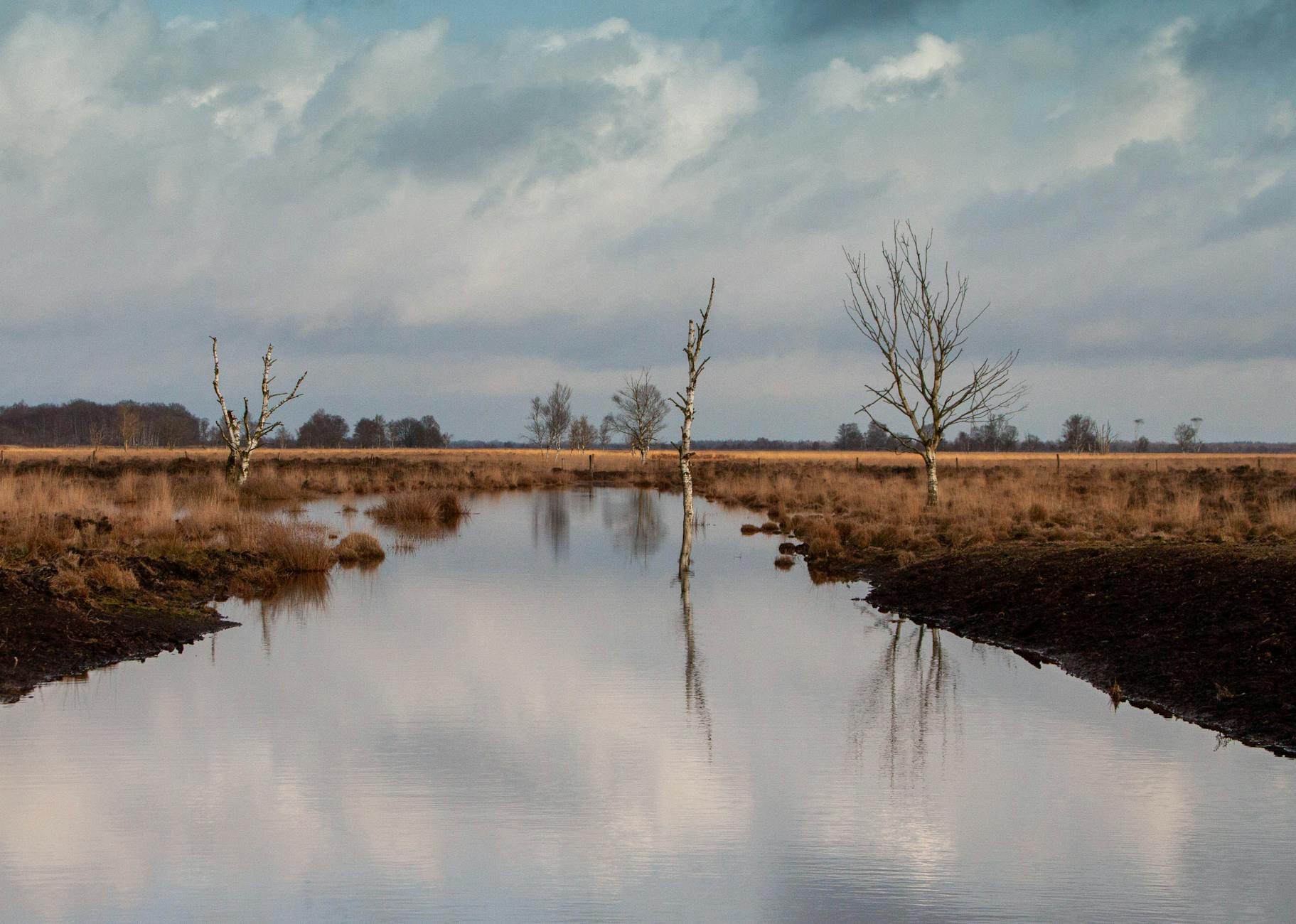
Cornwall’s stone circles are among the most atmospheric ancient monuments in Britain, and exploring them is one of the most rewarding ways to connect with Cornwall history. Unlike the more famous Stonehenge, Cornwall’s stone circles are typically unenclosed, free to visit, and set in wild, evocative landscapes that have changed little since they were erected.
The Merry Maidens near Lamorna is one of the most complete stone circles in Cornwall, comprising nineteen granite megaliths arranged in a near-perfect circle. The name derives from a corruption of the Cornish ‘Dons Meyn’, meaning dancing stones, and local legend holds that the stones are girls who were turned to stone as punishment for dancing on a Sunday. Nearby stand two tall standing stones known as the Pipers, said to be the musicians who were similarly petrified. The circle dates to the late Neolithic or early Bronze Age, around 2500 BC, and its completeness and accessible location beside the B3315 make it an essential stop on any Cornwall history tour.
The Hurlers on Bodmin Moor near Minions represent something even more extraordinary. This grouping of three aligned stone circles dating to around 1500 BC is unique in England. The close grouping of three such regular circles is extremely rare, and research suggests their positioning was designed to track celestial events such as the solstices and equinoxes, with some scholars proposing that the three circles represent an earthly mapping of the Orion’s Belt constellation. The axis through the centres of the northern circles aligns directly with the massive Rillaton Barrow visible on the skyline, demonstrating the sophisticated astronomical knowledge of their Bronze Age builders. According to legend, the stones are men who were turned to stone for playing the Cornish game of hurling on a Sunday.
The Boscawen-Un stone circle near St Buryan is perhaps Cornwall’s most sacred ancient site, sitting in a secluded field and consisting of nineteen stones with a dramatic leaning central pillar. This circle has strong associations with Druidic ceremonies and was likely an important ceremonial centre for thousands of years. Other notable circles include the Tregeseal Dancing Stones near St Just, the Duloe stone circle with its unusual use of white quartz stones, and the Nine Maidens near St Columb Major, a linear arrangement of standing stones stretching across open moorland.
Iron Age Villages and the Mysterious Fogous
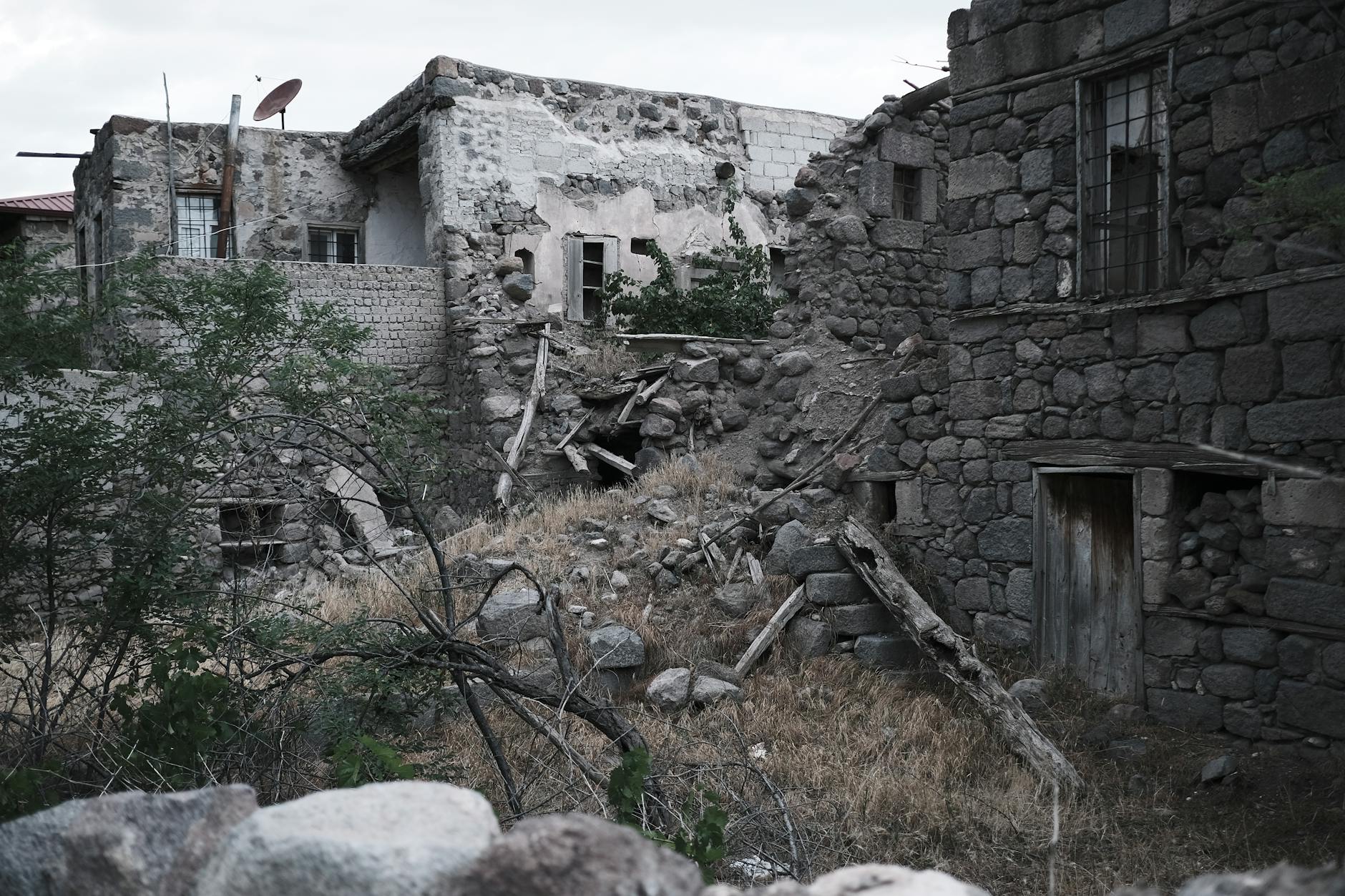
Cornwall history includes some of the best-preserved Iron Age settlements in Britain. These ancient villages provide a remarkably vivid picture of how people lived in Cornwall two thousand years ago, and several are open to visitors as managed heritage sites.
Chysauster Ancient Village near Penzance is one of the finest examples. Occupied from the late first century to the end of the third century AD, Chysauster consists of eight stone-walled houses, each with several rooms arranged around a central courtyard. This house layout is unique to late Iron Age and Romano-British settlements in western Cornwall and the Isles of Scilly, found nowhere else in Britain. Walking through the village, you can clearly make out individual rooms, garden plots, and the drainage systems that served each house. An English Heritage site, Chysauster gives an intimate sense of daily life in ancient Cornwall.
Carn Euny near Sancreed is even more ancient, with evidence of occupation spanning over eight hundred years from the Iron Age through the late Roman period. The village contains the foundations of stone houses with walls standing up to a metre high in places, but its most remarkable feature is its fogou, a substantial underground passage that remains one of Cornwall’s greatest archaeological mysteries. Fogous, from the Cornish word meaning cave, are unique to Cornwall and there are fifteen known examples in the county. These underground tunnels and chambers were constructed during the Iron Age, but their purpose remains debated. Theories range from food storage and refuge during attacks to ritual and ceremonial use. The fogou at Carn Euny is one of the best preserved and most accessible, with a long stone-lined passage leading to a circular beehive chamber.
Other significant Iron Age sites include Chun Castle, a well-preserved hillfort near St Just with massive stone walls encircling the summit of a hill, and Castle an Dinas near St Columb Major, one of the largest hillforts in Cornwall with spectacular panoramic views from its triple ramparts. These defensive structures reveal a period of Cornwall history marked by territorial conflict and the need for fortified settlements. The Rumps cliff castle near Polzeath is another impressive example, dramatically positioned on a headland with deep defensive ditches cutting across the neck of the promontory. Visitors can walk freely across the earthworks and enjoy spectacular views along the north coast, imagining the Iron Age community that chose this naturally defensive position. The Men-an-Tol near Madron is one of Cornwall’s most enigmatic ancient monuments, consisting of a circular holed stone flanked by two upright stones. Local tradition holds that passing through the hole could cure children of rickets and adults of back pain, and the stone was also believed to have the power to help women conceive. Whether the Men-an-Tol was originally part of a stone circle, a tomb entrance, or a standalone ritual monument remains uncertain, but its mystery and the wild moorland setting make it one of the most atmospheric places in all of Cornwall.
Celtic Heritage and the Cornish Language
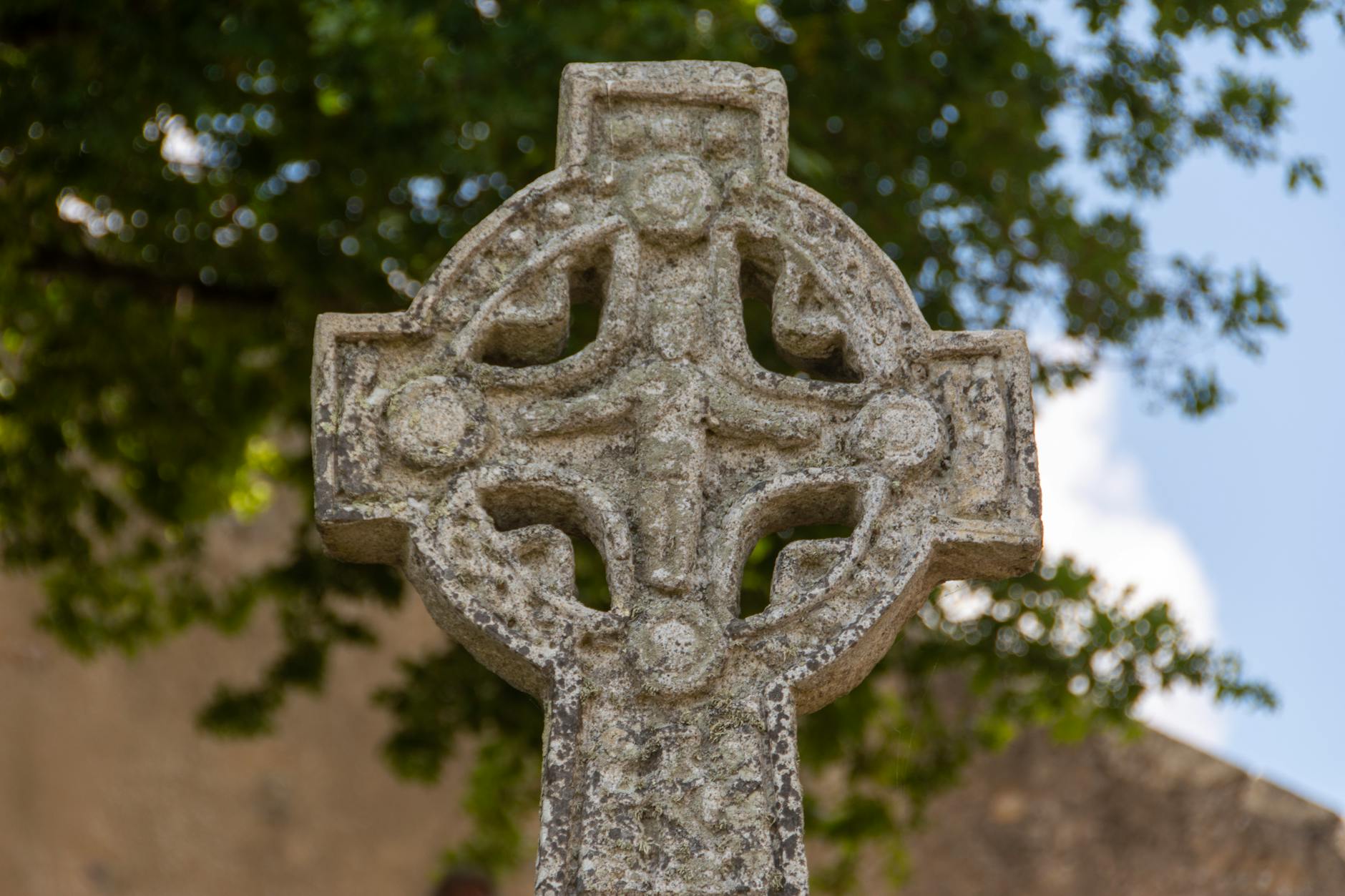
One of the most distinctive threads running through Cornwall history is its Celtic identity. Cornwall is recognised as one of the six Celtic nations, alongside Ireland, Scotland, Wales, Brittany, and the Isle of Man. The ancient Celts who settled in Cornwall spoke Cornish, a Southwestern Brittonic language closely related to Welsh and Breton, and this Celtic heritage has profoundly shaped Cornwall’s culture, traditions, place names, and sense of identity right up to the present day.
The Cornish language, known as Kernewek, was the everyday language of Cornwall for centuries. It gradually declined as English became dominant, with the last known native speaker, Dolly Pentreath of Mousehole, traditionally said to have died in 1777, although recent research suggests some Cornish speakers survived into the early nineteenth century. The language experienced a remarkable revival beginning in 1904 when Henry Jenner published his Handbook of the Cornish Language. Since then, the revival has gathered strength steadily. The Cornish language was granted official recognition under the European Charter for Regional or Minority Languages in 2002, and in 2014, the Cornish people received formal recognition as a national minority under the Framework Convention for the Protection of National Minorities.
Today, Cornish appears on bilingual street signs, is taught in schools, and a small number of children are being raised as bilingual speakers. Cornwall’s Celtic heritage is celebrated through annual festivals and traditions that have deep historical roots. The Padstow Obby Oss festival on May Day is one of the oldest surviving fertility celebrations in Britain, with its origins in the Celtic feast of Beltane. Golowan Festival in Penzance celebrates midsummer with bonfires, processions, and fireworks, continuing traditions that stretch back centuries. Cornish wrestling, with its distinctive style and rules, is one of the oldest surviving sports in Britain and remains actively practised and competed in throughout the county.
Tintagel and the Arthurian Legend
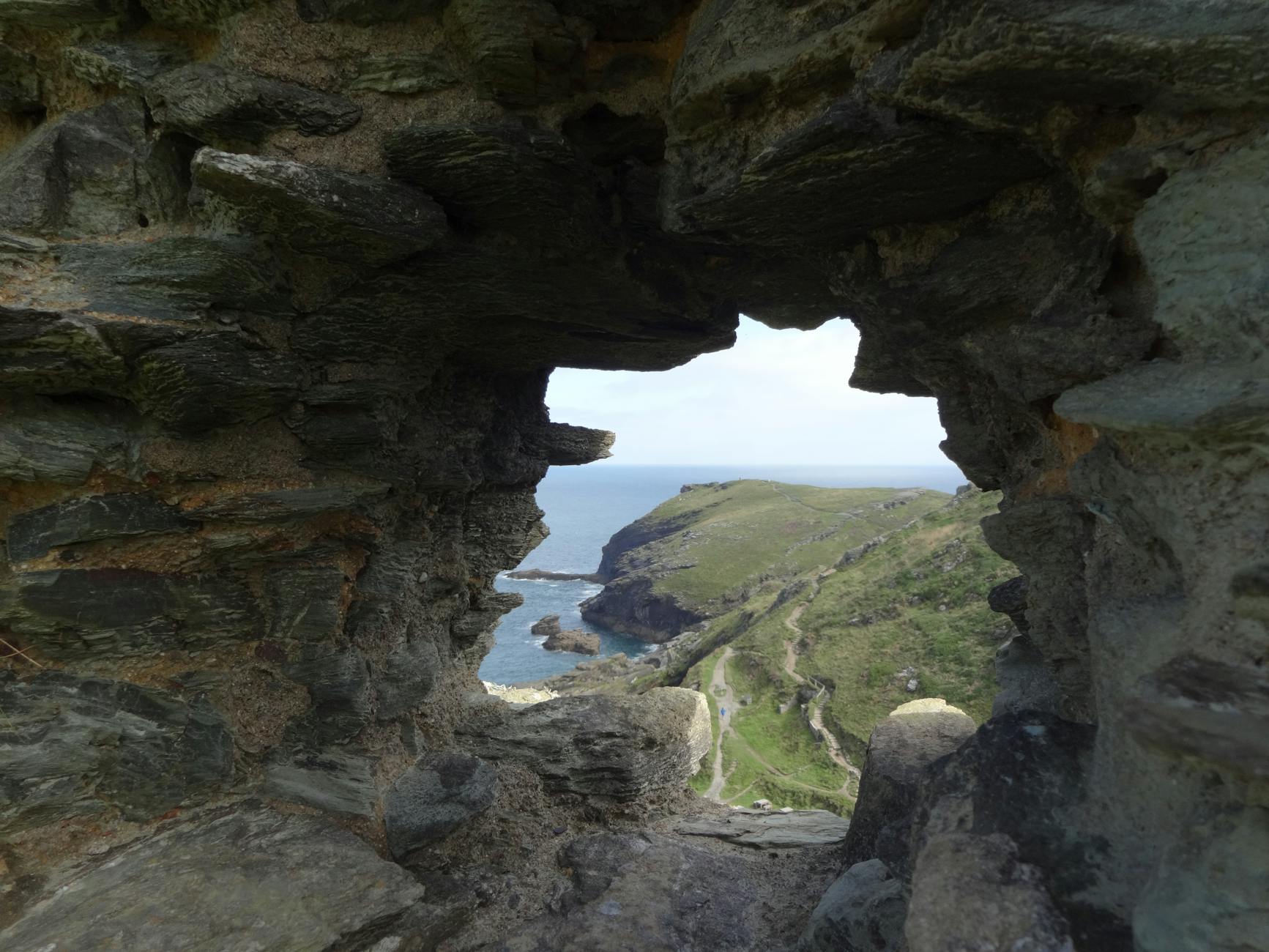
No exploration of Cornwall history is complete without encountering the legends of King Arthur, and nowhere are those legends more powerfully present than at Tintagel on Cornwall’s dramatic north coast. According to the twelfth-century writer Geoffrey of Monmouth, Tintagel is the place where King Arthur was conceived, with the wizard Merlin helping Uther Pendragon gain access to Igraine, wife of the Duke of Cornwall. This association transformed Tintagel from a remote headland into one of the most famous legendary sites in the world.
Tintagel Castle itself was built in the 1230s by Richard, Earl of Cornwall, who was inspired by the Arthurian associations to construct a castle on this spectacular but impractical site. Built half on the mainland and half on a jagged headland connected by what is now a dramatic modern footbridge, the castle was never an effective military fortification but served as a powerful statement of Richard’s connection to the legendary king. The ruins you see today date primarily from this medieval period, though archaeological excavations have revealed that the headland was an important settlement from the fifth to seventh centuries AD, when it served as a high-status trading post with connections across the Mediterranean. Fragments of luxury pottery from as far afield as North Africa and Turkey have been found here.
Today, visitors to Tintagel can cross the footbridge to explore the island ruins, visit Merlin’s Cave on the beach below when the tide allows, and see the bronze Gallos sculpture that stands on the headland as a tribute to Cornwall’s mythic past. English Heritage manages the site and recommends advance booking, particularly during summer, as visitor numbers are limited to protect the fragile archaeology. The village of Tintagel itself has embraced its Arthurian connections, with King Arthur’s Great Halls housing an impressive collection of Arthurian artwork, and numerous shops and attractions themed around the legends.
The Arthurian legends connect to several other locations across Cornwall. Dozmary Pool on Bodmin Moor is traditionally identified as the lake into which Sir Bedivere cast Excalibur, and where the arm of the Lady of the Lake rose to catch it. The Tristan Stone near Fowey bears an inscription linking it to the tragic romance of Tristan and Iseult, another great legend closely associated with Cornwall. Castle Dore, an Iron Age hillfort near Fowey, has been identified by some scholars as the court of King Mark of Cornwall from the Tristan legend.
Medieval Castles and Fortifications
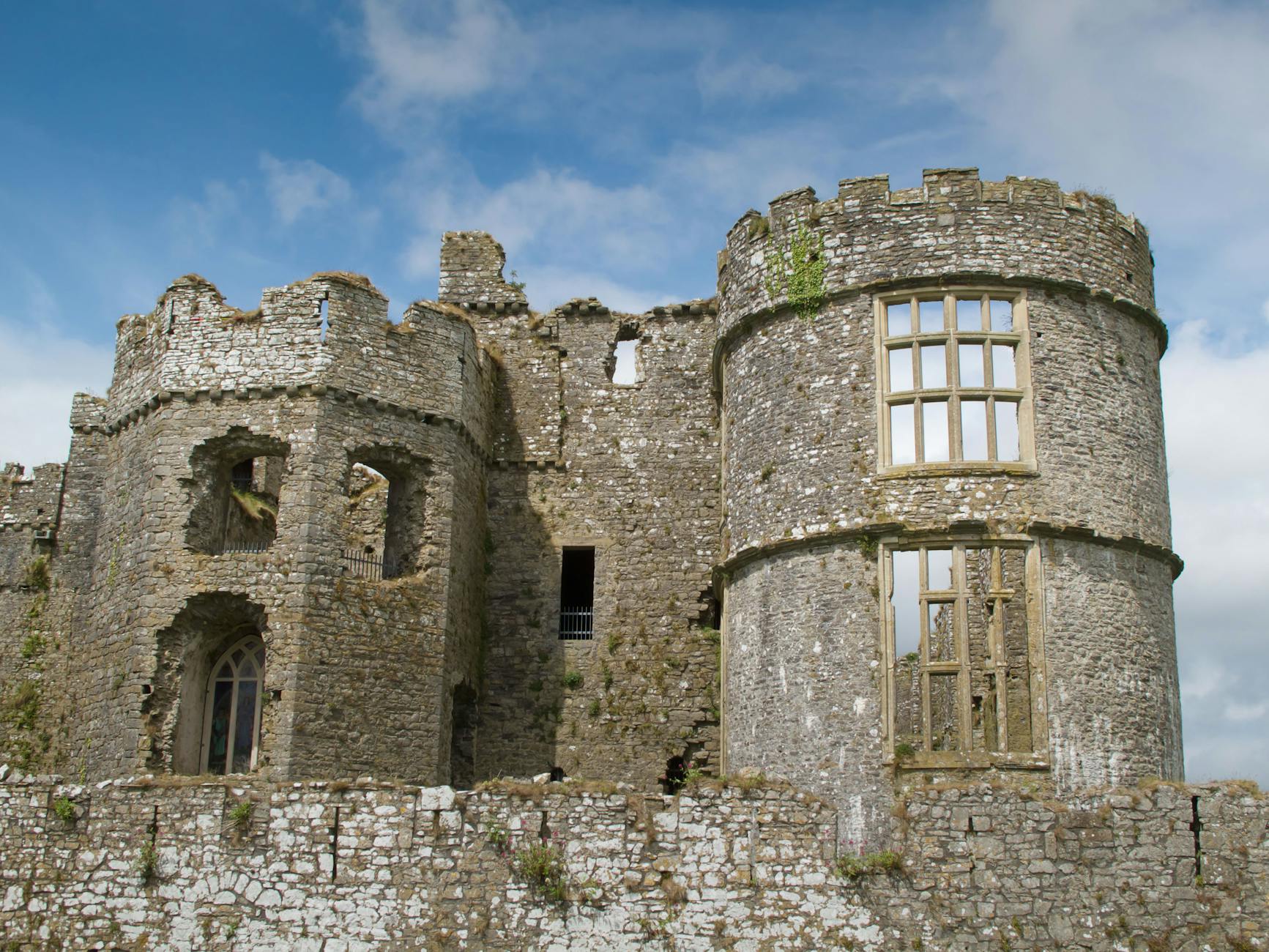
Cornwall history is written in stone across the county’s remarkable collection of medieval castles and fortifications. These range from imposing Norman strongholds to Tudor coastal defences, and many are among the best-preserved examples of their type in England.
Launceston Castle, perched on a prominent mound overlooking the town of Launceston, was the principal castle of the Earls of Cornwall and served as the gateway to Cornwall from the Norman Conquest onwards. Its unusual design, with a round keep built on top of an earlier motte, gives it a distinctive stepped silhouette. The castle served as both a county court and a gaol for centuries, with conditions for prisoners being notoriously harsh, and the notorious Judge Jeffreys held assizes here after the Monmouth Rebellion. Managed by English Heritage, it offers panoramic views across the town and surrounding countryside from its elevated position.
Restormel Castle near Lostwithiel is widely considered one of the best-preserved circular shell keeps in England. Built in the late thirteenth century, the castle’s perfectly circular walls still stand to nearly their full height, enclosing a courtyard with clearly identifiable rooms including the great hall, kitchen, solar, and chapel. The Black Prince, Edward III’s eldest son, held court here in the fourteenth century during his time as Duke of Cornwall. Pendennis Castle near Falmouth and its twin, St Mawes Castle on the opposite side of the Fal estuary, were built by Henry VIII in the 1540s as part of a chain of coastal defences against the threat of French and Spanish invasion following his break with Rome. Pendennis is the larger of the pair, expanded significantly during the Elizabethan period and then besieged during the English Civil War, holding out for five months before becoming one of the last Royalist strongholds to surrender in 1646. Today it houses excellent interactive exhibitions about Cornwall’s military history. St Mawes Castle, with its distinctive clover-leaf design and fine decorative carvings, is considered one of the best-preserved of Henry VIII’s coastal fortresses and enjoys a picturesque setting overlooking the Fal estuary. Beyond the major castles, Cornwall is dotted with smaller fortifications, manor houses, and tower houses that speak to centuries of defence, wealth, and power. Cromwell’s Castle on Tresco in the Isles of Scilly is a rare example of a Cromwellian-era fort, while the medieval manor of Cotehele on the banks of the Tamar is a remarkably complete surviving example of a late medieval and Tudor house, furnished with original tapestries, armour, and furniture. Managed by the National Trust, Cotehele also includes a medieval barn, a restored watermill, and a quay on the river where the restored Tamar sailing barge Shamrock is moored.
St Michael’s Mount: Icon of Cornwall History
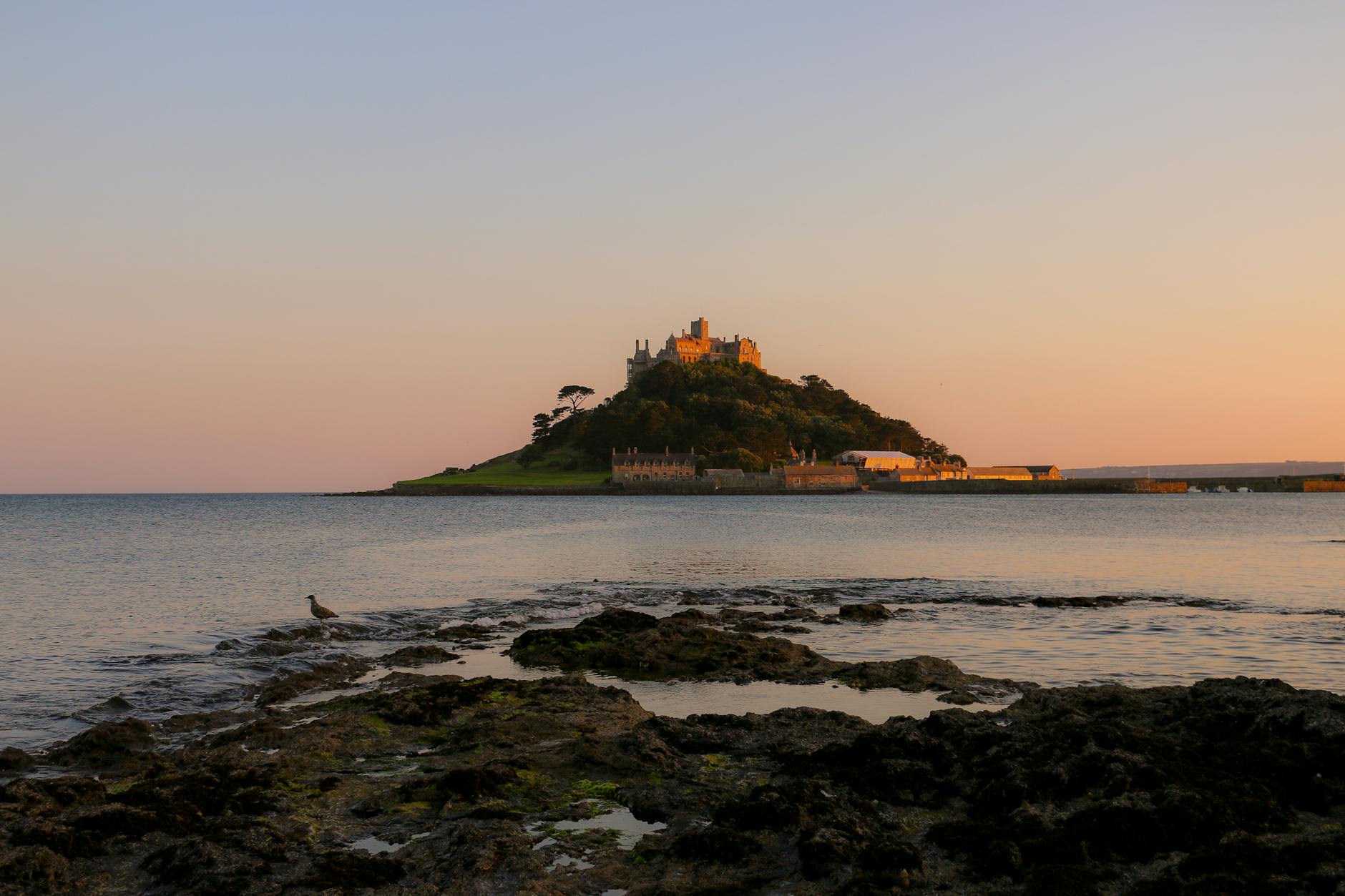
St Michael’s Mount is arguably Cornwall’s most iconic heritage site, a tidal island crowned by a medieval church and castle that rises dramatically from Mount’s Bay near Marazion. The island has been a place of spiritual significance for centuries, and its history weaves together religious devotion, military drama, and aristocratic life in a way that encapsulates Cornwall history in a single location.
The earliest recorded history of the Mount dates to the medieval period, when Edward the Confessor granted the island to the Benedictine monks of Mont Saint-Michel in Normandy, creating a priory that served as a place of pilgrimage. The Pilgrims’ Steps leading up to the castle have been trodden since the fifth century. The priory later became a fortress, playing a role in the Wars of the Roses and the Prayer Book Rebellion of 1549. The castle has been the home of the St Aubyn family since around 1650, and the National Trust now manages the island in partnership with the family.
Visiting St Michael’s Mount is an experience unlike any other in Cornwall. At low tide, you walk across an ancient cobbled causeway from Marazion to the island, following in the footsteps of pilgrims who have made this crossing for over a thousand years. At high tide, small boats ferry visitors across the harbour. The castle tour takes you through medieval rooms, the armoury, the Chevy Chase Room with its remarkable plaster frieze of hunting scenes, and the church at the summit with its stunning views across Mount’s Bay. The subtropical gardens that cling to the steep southern slopes are a wonder in their own right, thriving in the microclimate created by the island’s sheltered position and the warming Gulf Stream.
Mining Heritage: Cornwall’s UNESCO World Heritage Site
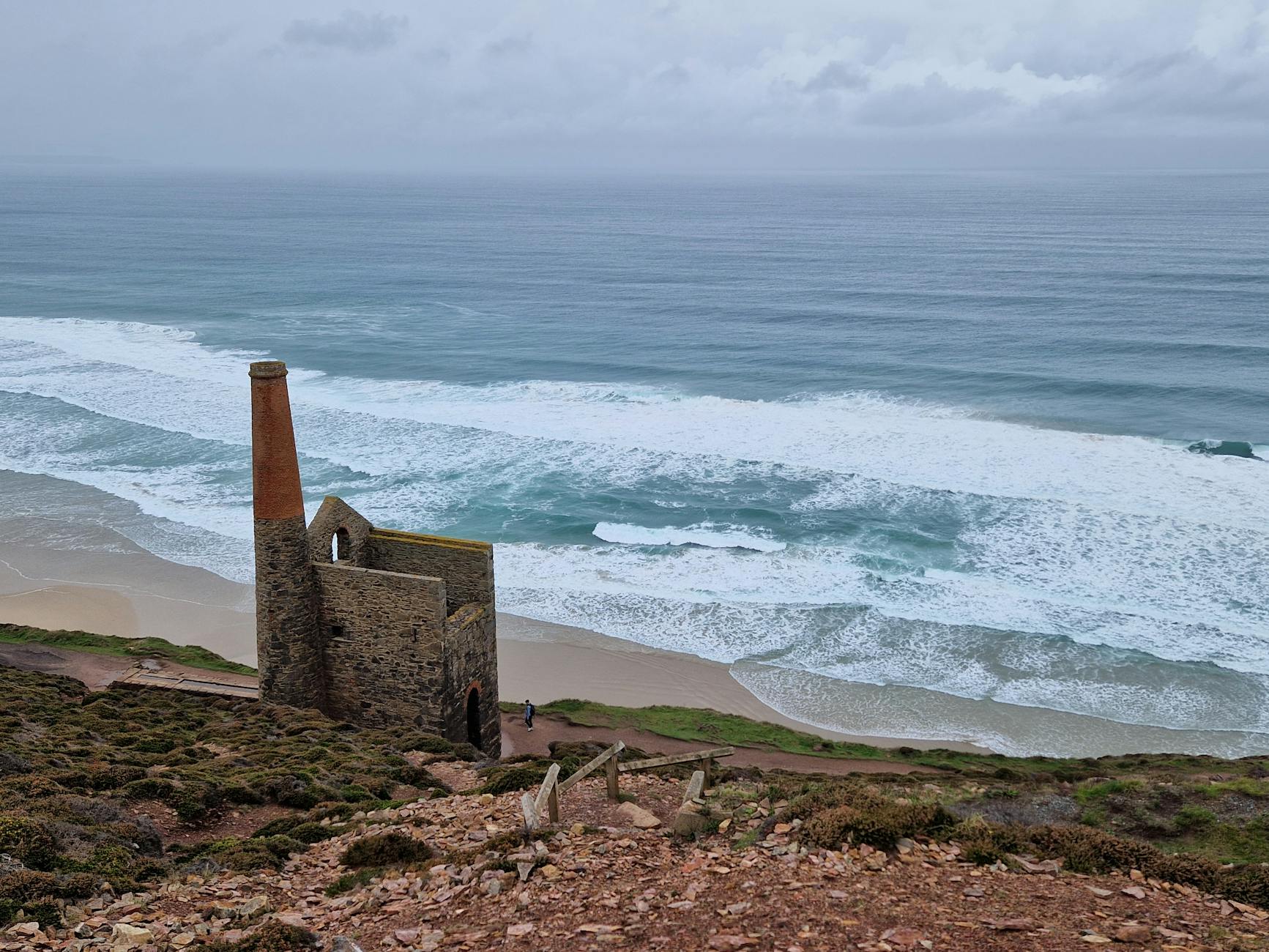
The story of mining is one of the most significant chapters in Cornwall history, and its impact on the landscape, economy, and culture of Cornwall cannot be overstated. In 2006, select mining landscapes across Cornwall and West Devon were inscribed as a UNESCO World Heritage Site, the largest industrial World Heritage Site in the United Kingdom, covering twenty thousand hectares and recognising Cornwall’s extraordinary contribution to global industrialisation.
Tin mining in Cornwall has ancient origins, with evidence of extraction dating back to the Bronze Age when Cornish tin was traded across the Mediterranean world. However, it was during the eighteenth and nineteenth centuries that Cornwall’s mining industry reached its zenith. At its peak in the early nineteenth century, Cornwall produced two-thirds of the world’s copper supply, and its tin output was equally dominant. The Cornish developed revolutionary mining technology, particularly the beam engine, which was used to pump water from ever-deeper mines. These technological innovations were exported worldwide, and Cornish miners emigrated to mining regions across the globe, from Australia and South Africa to Mexico and the American West, taking their expertise and culture with them.
The remains of this extraordinary industrial period are written across the Cornish landscape. More than two hundred engine houses still stand, their distinctive chimney stacks silhouetted against the sky in some of Cornwall’s most dramatic coastal settings. The engine houses at Botallack near St Just, perched on the cliff edge above the churning Atlantic, are among the most photographed industrial ruins in the world. Geevor Tin Mine in Pendeen is the largest preserved mining site in Britain and has been converted into a superb museum where visitors can go underground, explore the mill, and understand the gruelling conditions in which miners worked. The National Trust’s Levant Mine has a working beam engine that brings the industrial past thunderously to life.
The mining heritage of Cornwall extends beyond the physical remains. Mining shaped Cornwall’s communities, its language, its music, its Methodist religious traditions, and its patterns of emigration. The decline of mining in the late nineteenth and twentieth centuries had a profound impact on Cornwall’s economy and population, and understanding this industrial heritage is essential to understanding modern Cornwall. The mineral tramways that once carried ore to the ports have been converted into popular cycling and walking trails, offering a unique way to explore the mining landscape. The King Edward Mine near Camborne is the only complete nineteenth-century mine in Cornwall that has been preserved as a museum, with working machinery and demonstrations of the mineral processing techniques that made Cornwall famous. The mining heritage towns of Redruth and Camborne retain their Victorian character, with imposing public buildings and terraced streets built during the boom years when Cornwall was at the forefront of global industrialisation.
Smuggling, Wrecking, and Maritime Tales
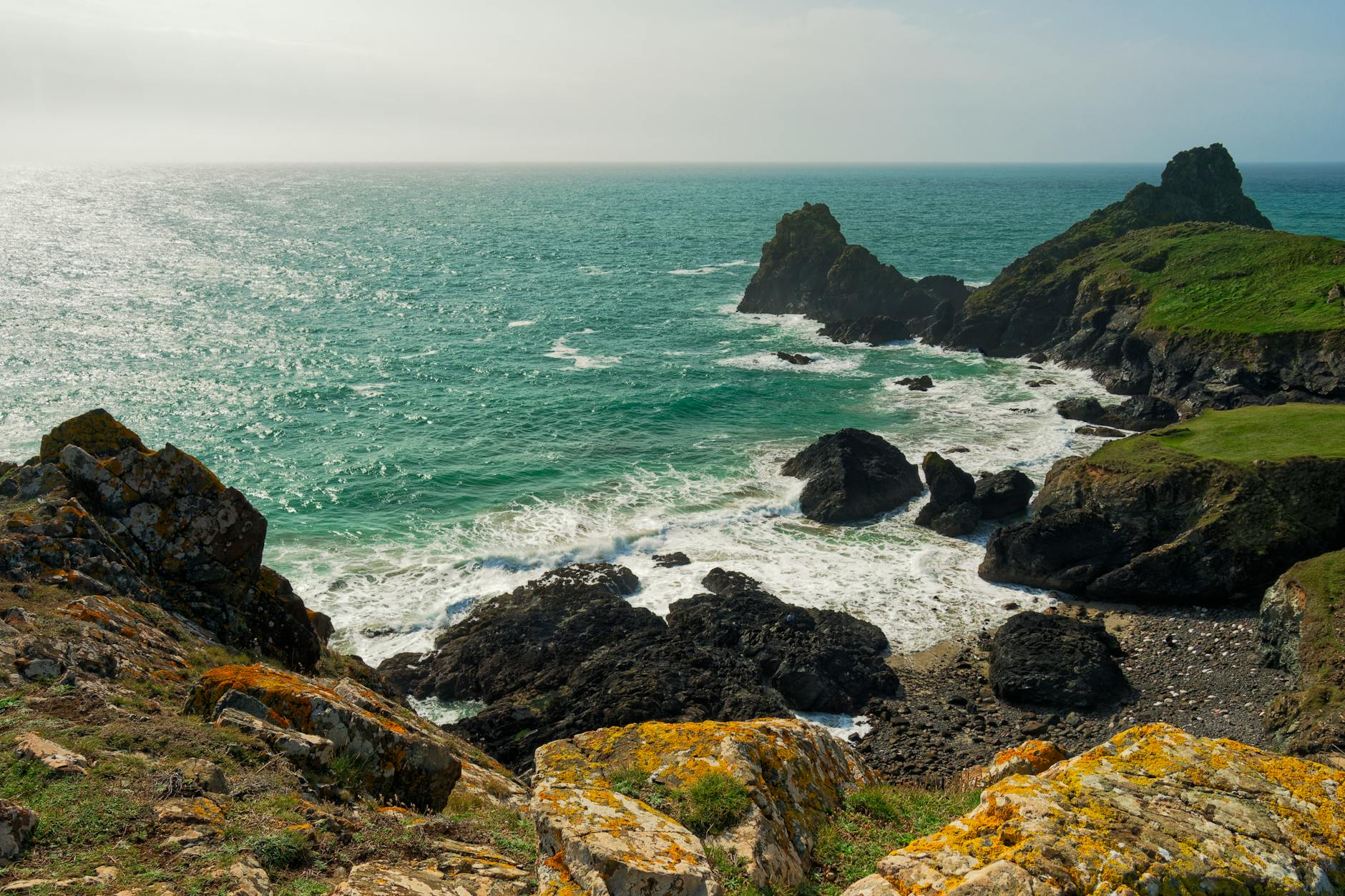
Cornwall history has a darker, more romantic side in its long association with smuggling and wrecking. Cornwall’s deeply indented coastline, with its hundreds of hidden coves, sea caves, and remote beaches, made it the ideal territory for the illicit trade that flourished from the seventeenth to the nineteenth centuries. When heavy taxes were imposed on imported goods including brandy, tea, silk, tobacco, and salt, with some levies reaching two hundred and fifty percent, smuggling became not just profitable but almost an accepted way of life in many Cornish communities.
The most famous symbol of Cornwall’s smuggling heritage is Jamaica Inn on Bodmin Moor. Built as a coaching inn in 1750, it became a notorious stopping point for smugglers who used approximately one hundred secret routes to move contraband across the moor. The inn achieved worldwide fame through Daphne du Maurier’s 1936 novel Jamaica Inn, which was subsequently adapted into a 1939 film by Alfred Hitchcock. Today the inn houses a museum dedicated to smuggling history, and the atmospheric moorland setting remains as wild and evocative as du Maurier described it.
The practice of wrecking, deliberately luring ships onto rocks using false lights, has been a persistent part of Cornwall’s popular mythology, though modern historians debate how widespread deliberate wrecking actually was. What is undisputed is that coastal communities routinely salvaged goods and materials from shipwrecks, which in a period of extreme poverty represented a vital economic resource. The distinction between salvage and plunder was often blurred, and numerous Cornish churches are said to contain timbers and fittings recovered from wrecked vessels. The Marconi Centre at Poldhu on the Lizard Peninsula commemorates a different kind of maritime history. It was from this clifftop site in 1901 that Guglielmo Marconi transmitted the first transatlantic wireless signal, a moment that changed global communications forever. The original transmitting station no longer stands, but the Marconi Centre tells the story through interactive displays, and the surrounding clifftop walks offer spectacular views. The Poldark novels by Winston Graham vividly portray this aspect of Cornwall history, depicting the moral complexities of wrecking and smuggling in eighteenth-century Cornish society.
Historic Churches and Celtic Crosses
Cornwall’s parish churches are among the most rewarding and often overlooked heritage sites in the county. Many date back to the Norman period or earlier, and their architecture, carvings, and settings tell stories of Cornwall history stretching back over a thousand years. Cornwall has a particularly rich collection of medieval bench ends, intricately carved wooden panels that decorated the ends of pews. The churches of Altarnun, Launceston, and Kilkhampton contain exceptional examples featuring saints, musicians, animals, and scenes from daily life.
Celtic crosses are scattered throughout Cornwall, standing in churchyards, at crossroads, and in open fields. These carved stone crosses date primarily from the early medieval period, between the ninth and twelfth centuries, and represent a fusion of Celtic artistic traditions with Christian symbolism. The Cardinham Cross near Bodmin is one of the finest examples, standing over three metres tall with elaborate interlaced carving. The crosses at Sancreed churchyard and the magnificent wheel-headed cross at St Piran’s Oratory near Perranporth are also outstanding. Holy wells are another distinctive feature of Cornwall’s religious heritage, with over a hundred recorded examples across the county. These sacred water sources were venerated in the pre-Christian era and subsequently adopted by the early Celtic church, with many dedicated to local saints. Madron Holy Well near Penzance is one of the most visited, set in a wooded valley alongside the ruins of a medieval baptistry. The well was famous for its healing properties, and rags tied to the surrounding trees by hopeful visitors continue a tradition that stretches back centuries. St Clether Holy Well in north Cornwall is another beautifully preserved example, with its stone well-house sitting beside a stream in a peaceful valley setting. Cornwall’s patron saint, St Piran, is closely associated with mining, and his feast day on 5th March is celebrated with processions and events across the county, with the black and white St Piran’s flag flying as a symbol of Cornish identity.
Literary Cornwall: Writers, Artists, and Legends
Cornwall history has inspired writers and artists for centuries, and the county’s literary heritage adds another rich layer to its cultural landscape. Daphne du Maurier is perhaps the writer most closely associated with Cornwall. She lived at Menabilly near Fowey, which inspired Manderley in her masterpiece Rebecca, and her novels Jamaica Inn, Frenchman’s Creek, and My Cousin Rachel are all set in the Cornish landscape. The annual du Maurier Festival in Fowey celebrates her life and work, and many of the locations she wrote about can still be visited.
Winston Graham’s Poldark novels, set in eighteenth-century Cornwall and adapted into hugely popular television series, have brought Cornwall history to a global audience. The novels’ portrayal of mining communities, smuggling, and the dramatic social changes of the period is rooted in meticulous historical research, and many of the filming locations, from Bodmin Moor to the cliffs near St Agnes, have become popular visitor destinations. The artistic colony that established itself in St Ives from the late nineteenth century onwards, including Ben Nicholson, Barbara Hepworth, and the potter Bernard Leach, was drawn by the extraordinary quality of Cornwall’s light and has left an artistic legacy celebrated at Tate St Ives and the Barbara Hepworth Museum.
The poet John Betjeman was deeply attached to Cornwall, particularly the area around Trebetherick and Daymer Bay, and his poems evoke the landscape, churches, and atmosphere of the county with lyrical precision. More recently, the novelist Patrick Gale has set many of his works in Cornwall, and the crime writer Jill Paton Walsh used the county as a setting for her Lord Peter Wimsey novels. Cornwall’s literary connections can be explored through dedicated trails and festivals, adding a cultural dimension to any visit that goes far beyond the usual tourist experience. Cornwall’s folklore and legends form yet another strand of its literary heritage. Beyond the Arthurian tales, Cornwall is rich in stories of giants, piskies (the Cornish equivalent of pixies), mermaids, and knockers (the spirits of dead miners said to knock on the walls of underground passages). The legend of the mermaid of Zennor, who lured a young chorister into the sea with her singing, is commemorated by a medieval bench end carving in Zennor church. The giant Bolster, said to have strode between the hilltops of St Agnes Beacon and Carn Brea, and the giant of St Michael’s Mount, slain by Jack the Giant-Killer, are part of a rich tradition that blends Cornwall history with myth in ways that have captivated visitors for generations.
Visiting Cornwall’s Heritage Sites: Practical Guide
Cornwall’s heritage sites are spread across the county, and planning your Cornwall holiday to include them requires some thought about geography and logistics. Many of the most important ancient sites, including the Merry Maidens, Lanyon Quoit, Chysauster, and Carn Euny, are clustered in the Penwith peninsula in far west Cornwall, making this area ideal for a dedicated heritage exploration. Bodmin Moor in the east of the county contains the Hurlers, Trethevy Quoit, Dozmary Pool, and Jamaica Inn, offering another concentrated area of historical interest.
Many of Cornwall’s ancient sites are free to visit and open at all times, including stone circles, standing stones, and quoits. Sites managed by English Heritage, including Tintagel Castle, Chysauster, Restormel Castle, Launceston Castle, and the Hurlers, require a ticket or membership for entry, though some like the Hurlers are free with a short walk. English Heritage and National Trust memberships both offer excellent value if you plan to visit multiple sites. Pre-booking is recommended for Tintagel Castle, which uses timed entry, and for St Michael’s Mount during peak season.
For a comprehensive Cornwall history experience, combine the major sites with the excellent museums across the county. The Royal Cornwall Museum in Truro provides an outstanding overview of the county’s archaeology and history. The attractions in Cornwall include Geevor Tin Mine for mining heritage, the Jamaica Inn museum for smuggling history, and the Courtroom Experience at Bodmin for a taste of Cornwall’s judicial past. The South West Coast Path passes many heritage sites, and walking the coastal trails is often the best way to discover hidden archaeological remains, abandoned mine workings, and medieval harbours that are not accessible by road.
Cornwall history is not just preserved in museums and ancient ruins. It lives on in the Cornish language, in festivals like Padstow’s Obby Oss and the annual calendar of Cornwall events, in the traditions of Cornish food including the pasty and cream tea, in the character of its towns and villages, and in the stunning beaches and wildlife-rich landscapes that have been shaped by human activity over millennia. Every corner of Cornwall tells a story, and understanding those stories transforms a holiday in Cornwall from a simple beach break into a journey through one of the most fascinating cultural landscapes in Europe.
Whether you are drawn to the enigmatic stone circles that predate the written word, the windswept ruins of castles built by medieval earls, the haunting engine houses that stand as monuments to the industrial age, or the literary landscapes that inspired some of Britain’s greatest writers, Cornwall history rewards every kind of curiosity. The county’s heritage is not locked away behind glass, it is alive in the landscape, accessible and atmospheric, waiting to be explored on foot, by bicycle, or simply by wandering into the next fascinating churchyard or ancient village. With so much to discover, Cornwall history deserves more than a single visit. It deserves a lifetime of exploration.
Explore Our Cornwall Heritage and History Guides
Dive deeper into Cornwall’s castles, legends and ancient sites with our dedicated heritage guides, each written from years of local knowledge:
- Tintagel Castle and the Legend of King Arthur — the myth, the real Dark Age history and the dramatic footbridge.
- St Michael’s Mount — tides, the causeway, the castle and subtropical gardens.
- The Eden Project — the biomes, best tickets and how to plan your visit.
- Cornwall’s Mining Heritage — the UNESCO tin and copper landscape, from Geevor to Botallack.
- The Minack Theatre — the cliff-carved open-air theatre and the story of Rowena Cade.
- Tate St Ives & Art Heritage — the gallery, the Hepworth Museum and the St Ives artists.
- Ancient Cornwall — stone circles, standing stones and Iron Age sites.
- Cornwall’s Smuggling History — free traders, wreckers and the villages and inns to visit.
- Cornwall’s Most Haunted Places — ghost stories from Jamaica Inn to Bodmin Jail.
- National Trust Cornwall — the best houses, gardens and protected coast.