Looking for the best beaches Cornwall has to offer? With over 300 beaches along more than 400 miles of stunning coastline, Cornwall is home to some of the finest stretches of sand in the entire United Kingdom. From the dramatic surf breaks of the north coast to the sheltered turquoise coves of the south, the best beaches Cornwall visitors love offer something for everyone — whether you are a surfer chasing Atlantic swells, a family searching for safe paddling, or a couple seeking a secluded hidden cove. This definitive guide covers every type of beach experience Cornwall has to offer, complete with local tips, safety advice, and practical information to help you plan the perfect coastal holiday.
Contents
- Best North Coast Beaches
- Best South Coast Beaches
- Best Surfing Beaches
- Best Family-Friendly Beaches
- Hidden and Secret Beaches
- Dog-Friendly Beaches
- Best Rock Pooling Beaches
- Best Beaches for Swimming
- Blue Flag Award-Winning Beaches
- Best Beaches by Town
- Beach Safety in Cornwall
- Seasonal Beach Guide
- Practical Tips for Visiting Cornwall Beaches
Best Beaches Cornwall: North Coast Highlights
The north Cornwall coast faces the full power of the Atlantic Ocean, producing some of the most spectacular and dramatic beaches in the county. This stretch of coastline is characterised by vast expanses of golden sand, towering cliffs, powerful surf, and truly breathtaking sunsets. If you are looking for wide-open beaches with real energy and grandeur, the north coast is where you will find them.
Fistral Beach, Newquay
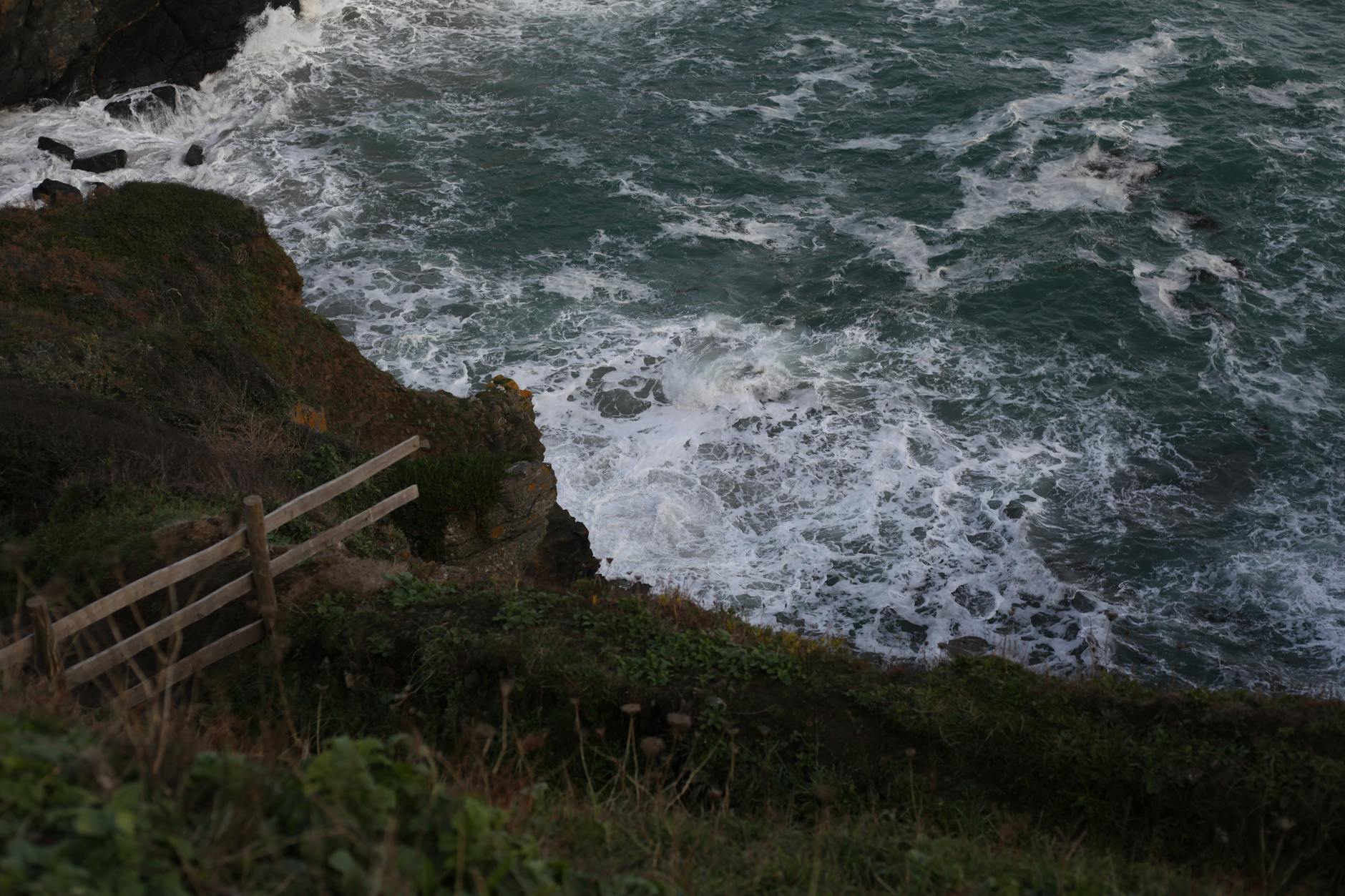
Fistral is widely regarded as the best surfing beach in Cornwall and one of the finest in Europe. This west-facing beach is bookended by two headlands that focus Atlantic swells into consistent, powerful waves, which is why it hosts major international competitions including the legendary Boardmasters festival. Even if you do not surf, Fistral is worth visiting for its raw natural beauty, buzzing atmosphere, and excellent beachside cafés and restaurants. Lifeguards patrol throughout the summer season, and several surf schools offer lessons for complete beginners.
Watergate Bay
Three miles north of Newquay, Watergate Bay stretches for two miles of golden sand backed by dramatic dark cliffs. Its north-westerly orientation means it catches virtually every Atlantic swell, making it popular with surfers and bodyboarders. The beach is also home to the renowned Watergate Bay Hotel and Jamie Oliver’s Fifteen Cornwall restaurant, giving it a slightly more upmarket feel than some of Newquay’s other beaches. At low tide, the sheer scale of the sand is impressive — it is one of those beaches where you can walk for what feels like miles.
Perranporth Beach
Perranporth is one of the largest beaches in Cornwall, stretching for nearly three miles at low tide. This enormous expanse of flat golden sand is perfect for long walks, kite flying, sand yachting, and beach games. The surf here is excellent, with waves that suit all abilities, and there are several surf schools based on the beach. The village of Perranporth sits just behind the dunes, offering a good selection of pubs, cafés, and fish-and-chip shops. For something truly special, time your visit for sunset — the north coast of Cornwall produces some of the most spectacular evening skies you will ever see.
Polzeath
Polzeath sits on the north coast about six miles from Wadebridge and is widely considered one of the best beginner surf beaches in Cornwall. The waves here are long, slow, and rolling, with a gentle gradient that makes learning to surf far less daunting than at more powerful breaks. At low tide, the beach reveals a huge stretch of sand perfect for beach games and walks. Polzeath has earned Blue Flag status for its excellent water quality, and the village has a relaxed, youthful atmosphere with several good cafés and surf shops. The nearby National Trust land at Pentire Head offers superb clifftop walks with views across to the Camel Estuary.
Constantine Bay
Constantine Bay, near Padstow, is one of Cornwall’s most beautiful north coast beaches. A wide crescent of pale sand backed by dunes and a golf course, it has consistent surf and is popular with both surfers and bodyboarders. The beach feels slightly more peaceful than Newquay’s beaches, attracting a loyal local following. Be aware that strong currents can develop here, particularly around the rocks at the southern end, so always swim between the red and yellow flags when lifeguards are present.
Holywell Bay
Owned by the National Trust, Holywell Bay is a mile-long sweep of golden sand about six miles west of Newquay. Despite its proximity to the busy resort, the beach retains an unspoilt rural feel thanks to its National Trust protection. The sand dunes behind the beach are a Site of Special Scientific Interest, home to rare wildflowers and butterflies. At low tide, you can explore the fascinating caves at the northern end and discover the natural spring that gives the bay its name.
Best South Coast Beaches in Cornwall
While the north coast draws the surfers and thrill-seekers, Cornwall’s south coast — often called the “Cornish Riviera” — offers a completely different beach experience. Here you will find sheltered coves with calm, crystal-clear water, dramatic rock formations, and subtropical vegetation growing right down to the shore. The south coast tends to be warmer and more sheltered, making it ideal for swimming, snorkelling, kayaking, and simply relaxing on the sand.
Kynance Cove
Many consider Kynance Cove to be the most beautiful beach in Cornwall — and it is easy to see why. Located on the Lizard Peninsula, this National Trust beach features pristine white sand, crystal-clear turquoise water, and extraordinary dark-red serpentine rock formations that rise dramatically from the bay. The rock stacks and islands dotting the cove create a landscape that looks like it belongs on a tropical postcard rather than the English coast. The beach is reached by a 10-minute walk from the car park, and the small café above the cove serves excellent cream teas. Note that the beach is mostly covered at high tide, so plan your visit around low tide for the full experience.
Porthcurno Beach
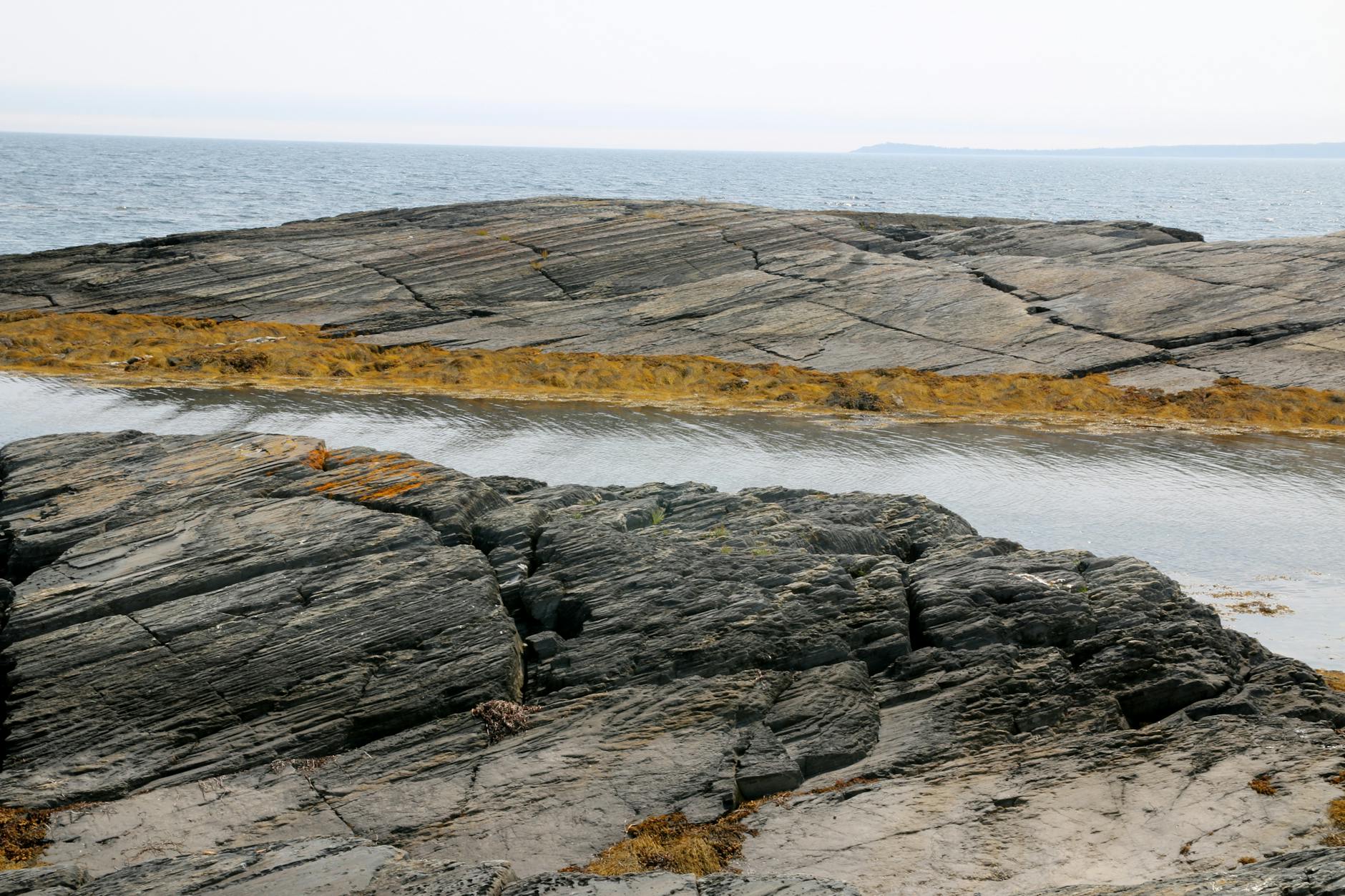
Porthcurno is one of those beaches that genuinely takes your breath away on first sight. Wedged between towering granite cliffs at the far western tip of Cornwall, the beach features almost impossibly white sand and vivid turquoise water that has drawn comparisons to Caribbean destinations. Porthcurno is also home to the world-famous Minack Theatre, an open-air amphitheatre carved into the cliff face above the beach. Combine a morning on the beach with an afternoon performance at the Minack for one of the most memorable days out in Cornwall. The adjacent Porthcurno Telegraph Museum tells the fascinating story of how this small cove became a hub of international communications in the 19th century.
Lantic Bay
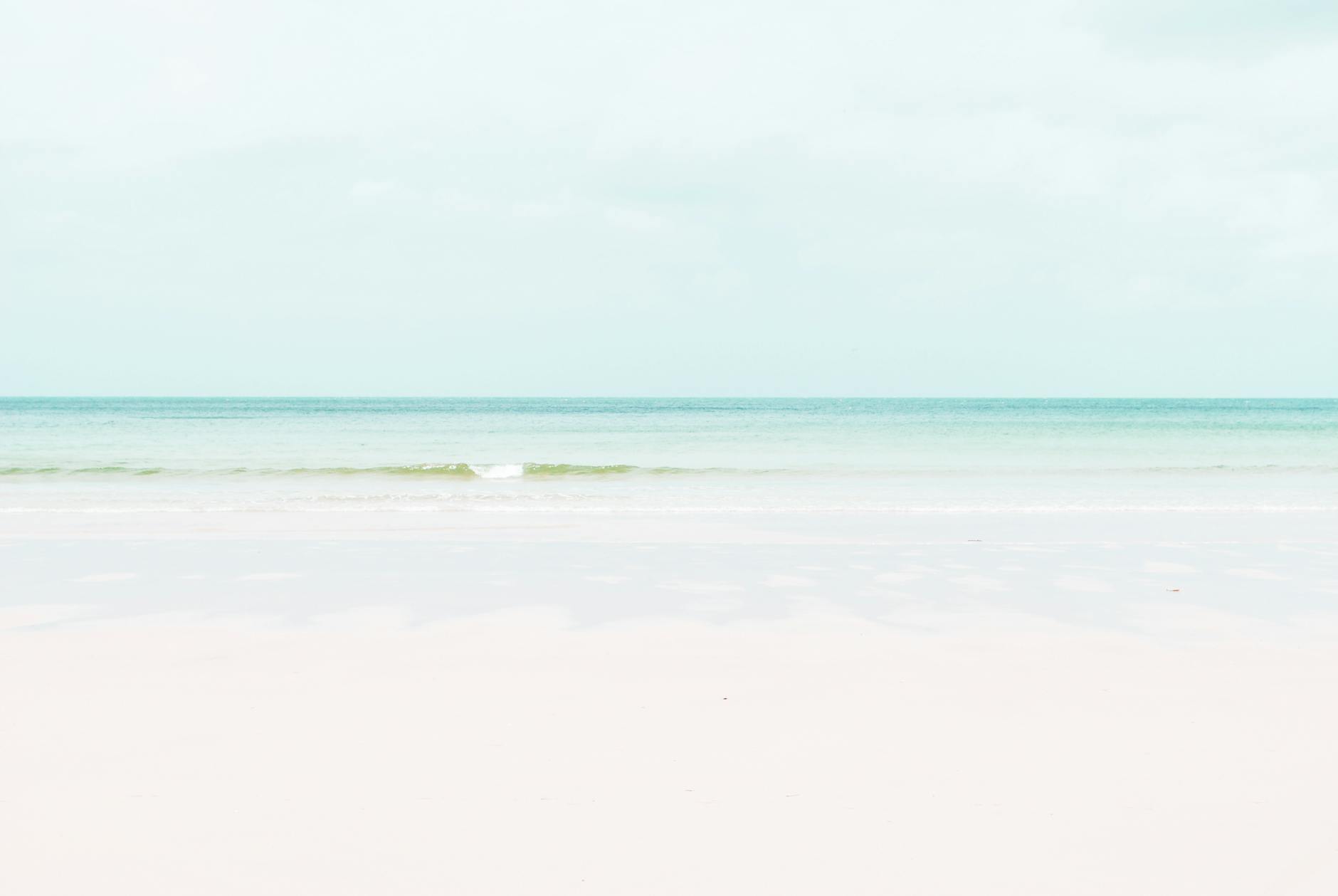
Lantic Bay near Fowey is one of the most stunning and unspoilt beaches on the south Cornwall coast. Surrounded on three sides by towering cliffs reaching nearly 100 metres, this secluded cove is part of the Polperro Heritage Coast and offers striking turquoise waters, white sand, and a sense of wild isolation that is increasingly rare in Cornwall. There are no facilities at Lantic Bay — no café, no toilets, no lifeguards — which is precisely what makes it so special. Pack a picnic, carry everything in and out, and be prepared for the 15-minute walk from the National Trust car park, which includes a moderately steep descent.
Carbis Bay
Just a mile east of St Ives, Carbis Bay is one of Cornwall’s only truly sheltered, calm-water beaches and regularly earns Blue Flag status for its excellent water quality and facilities. The sand is soft and pale, the sea is a remarkable shade of turquoise, and the sheltered aspect makes it ideal for swimming, kayaking, stand-up paddleboarding, and other gentle water sports. Carbis Bay can be reached by the scenic St Ives Bay Line railway, which hugs the coast and offers spectacular views on the approach — it is regularly voted one of the most beautiful railway journeys in Britain.
Best Surfing Beaches in Cornwall
Among the best beaches Cornwall is known for, the surfing beaches stand out — Cornwall is the undisputed surfing capital of England, with the north coast in particular offering world-class waves that attract surfers from across the globe. Whether you are catching your first wave or an experienced surfer chasing barrels, Cornwall’s beaches deliver. The county’s position jutting out into the Atlantic means it intercepts swells from multiple directions, producing consistent surf almost year-round.
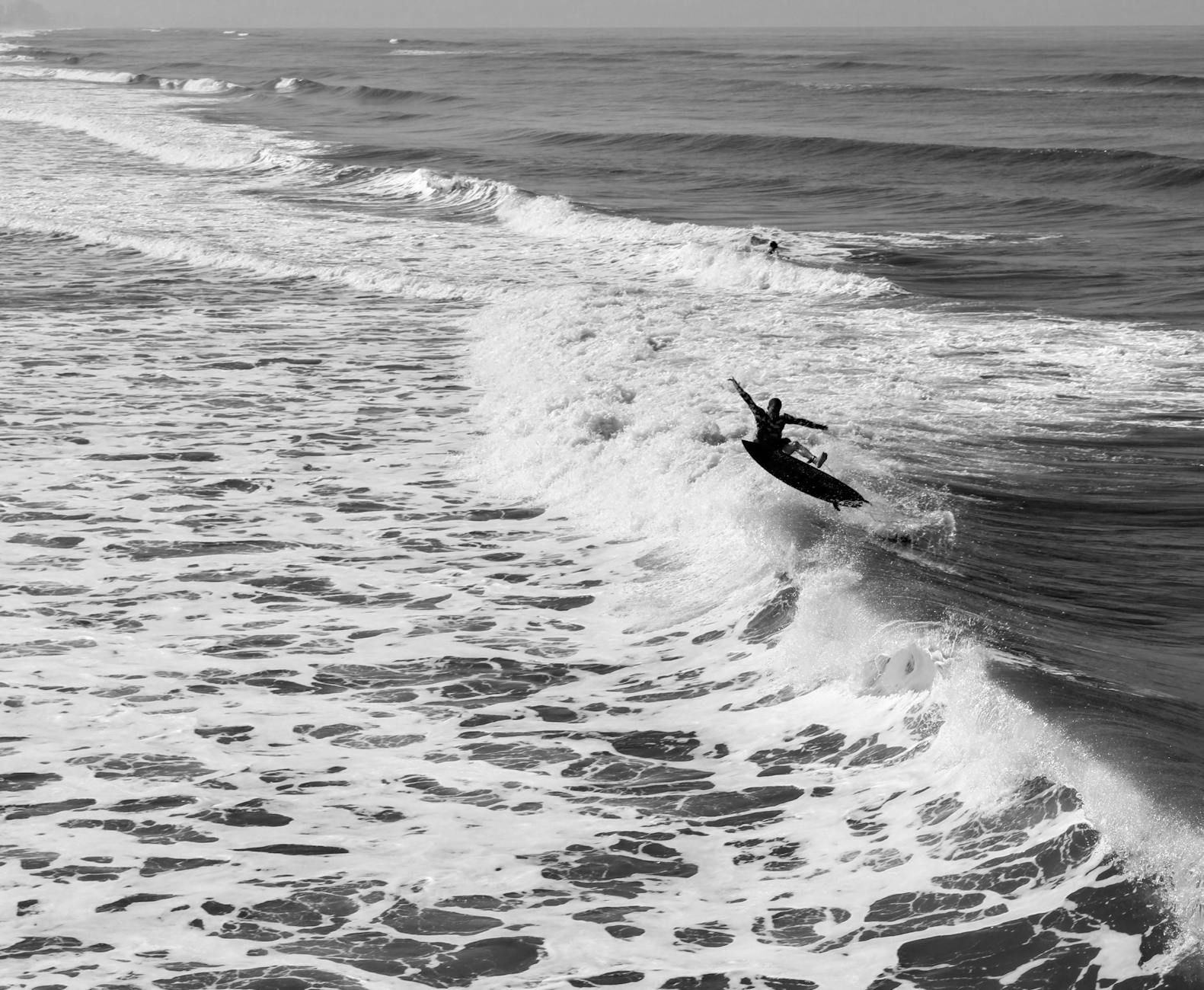
For beginners: Polzeath, Widemouth Bay near Bude, and Harlyn Bay near Padstow all offer gentle, forgiving waves with sandy bottoms and plenty of surf schools. Polzeath’s long, rolling waves and shallow gradient make it perhaps the single best beach in Cornwall for learning. Widemouth Bay’s two-mile stretch of golden sand provides ample space, and several surf schools operate directly from the beach.
For intermediate surfers: Watergate Bay, Perranporth, and Gwithian all produce consistent waves with enough power and variety to help you progress. Gwithian, near Hayle, is a particular favourite of intermediate surfers — the three-mile beach picks up plenty of swell and rarely gets as crowded as the Newquay beaches.
For advanced surfers: Fistral Beach remains the benchmark, but also consider Porthleven on the south coast, which produces powerful, hollow reef breaks in bigger swells, and Sennen Cove near Land’s End, which offers quality waves in a spectacular setting. Chapel Porth, near St Agnes, is another favourite of experienced surfers, with fast, powerful waves breaking over a mix of sand and reef.
The best surf season in Cornwall typically runs from September to April, when Atlantic storms send powerful swells across the ocean. Summer tends to be smaller but more consistent, making it ideal for beginners. Water temperatures range from around 8°C in winter to 17°C in late summer, so a good quality wetsuit is essential year-round. You can check daily surf conditions and forecasts at Surfline and Magic Seaweed.
Best Family-Friendly Beaches in Cornwall
Some of the best beaches Cornwall families love are found across the county, making it one of the finest family beach holiday destinations in Britain, and several beaches stand out for their combination of safe swimming, good facilities, and all-round appeal for children of all ages.

Carbis Bay near St Ives is perhaps the best all-round family beach in Cornwall. The sheltered aspect means calm, gentle waters that are safe for young children, while the Blue Flag water quality gives parents peace of mind. There is a café, toilet facilities, and equipment hire available on the beach.
Harlyn Bay near Padstow is another superb family choice. The moon-shaped bay is naturally sheltered from the prevailing swell, creating gentler conditions than many north coast beaches. The sand is golden and spacious, there are rock pools to explore at low tide, and the beach is dog-friendly year-round.
Towan Beach in Newquay is the most sheltered of Newquay’s many beaches, making it ideal for families with younger children. The waves here are much gentler than at nearby Fistral, and at low tide it connects to neighbouring Great Western Beach, creating a huge playground of sand to explore.
Summerleaze Beach in Bude features a unique seawater tidal pool that provides a safe swimming area for children even when the sea is rough. The pool fills naturally with each high tide and provides calm, contained water that is perfect for confident young swimmers. Summerleaze has earned Blue Flag status and has excellent facilities including lifeguards during the summer season.
Gyllyngvase Beach in Falmouth is a popular town beach with a gentle gradient, Blue Flag water quality, and good facilities. The Gylly Beach Café is one of the best beachside eateries in Cornwall, and the nearby Pendennis Castle provides a brilliant rainy-day alternative. From here you can also catch the ferry across to St Mawes and explore the beautiful Roseland Peninsula.
For more detailed recommendations and practical tips, our upcoming guide to family holidays in Cornwall covers everything you need to plan the perfect trip with children.
Hidden and Secret Beaches in Cornwall
Part of Cornwall’s magic lies in discovering beaches that feel like they belong to you alone. While the most famous beaches can get busy in peak season, Cornwall still has dozens of secluded coves and hidden bays that reward those willing to walk a little further or time their visit carefully.
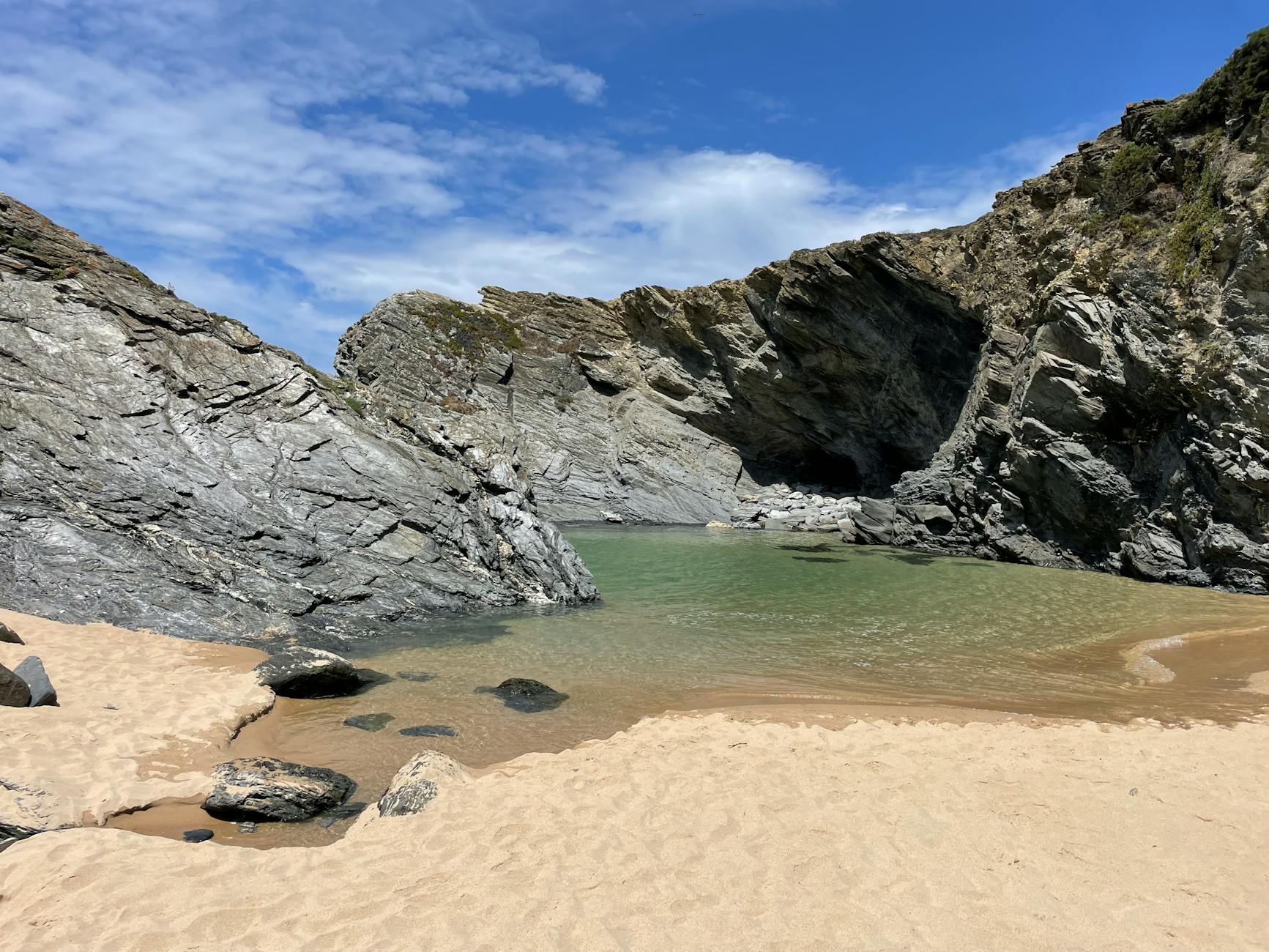
Pedn Vounder, near Porthcurno, is one of the most spectacular hidden beaches in Cornwall. Set beneath huge granite cliffs, a beautiful curve of golden sand is entirely covered at high tide, but as the water retreats, a sandbar rises from the sea creating a shallow, crystal-clear lagoon. The beach is reached by a 15-minute walk from Treen or Porthcurno car park, with the final section requiring a scramble down the cliff (ropes are in place to help). Time your visit for around two hours either side of low tide. Do be aware that Pedn Vounder is clothing-optional.
Tregardock Beach, near Delabole on the north coast, is reached by a steep 20-minute walk through farmland and down a rugged cliff path. The reward is a wild, isolated beach with dramatic cliffs, fascinating rock formations, and a hidden waterfall that cascades down the cliff face. This beach is only accessible around low tide and has no facilities whatsoever, so come prepared and always check tide times before setting out.
Bossiney Cove, near Tintagel, is a tiny beach that is completely hidden from the clifftop above. A steep path leads down to a small horseshoe of sand surrounded by towering cliffs. At low tide, a sea cave at the back of the beach can be explored — legend has it that this was once a smugglers’ hideout. The beach is named in Arthurian legend and the dramatic setting makes it easy to believe in ancient tales.
Vault Beach, on the Roseland Peninsula near Gorran Haven, is a gorgeous south-facing beach reached by a 20-minute walk along the coast path from Gorran Haven. The effort is rewarded with a quiet stretch of sand and shingle backed by wildflower-covered cliffs, with views out across Veryan Bay. Like Pedn Vounder, the western end of Vault Beach is clothing-optional.
Portheras Cove, near Pendeen on the far west coast, is one of the most remote beaches in Cornwall. A narrow farm track followed by a path through wildflower meadows leads to this small, sheltered cove. The beach faces west, making it a magnificent spot for sunset. Because of its isolation, you will rarely share it with more than a handful of other visitors, even in August.
Dog-Friendly Beaches in Cornwall
Cornwall is a wonderfully dog-friendly county, though beach restrictions do apply at many popular beaches during the summer months — typically from Easter to the end of September. Understanding these rules will help you plan your visit and ensure your four-legged companion can enjoy the coast too.
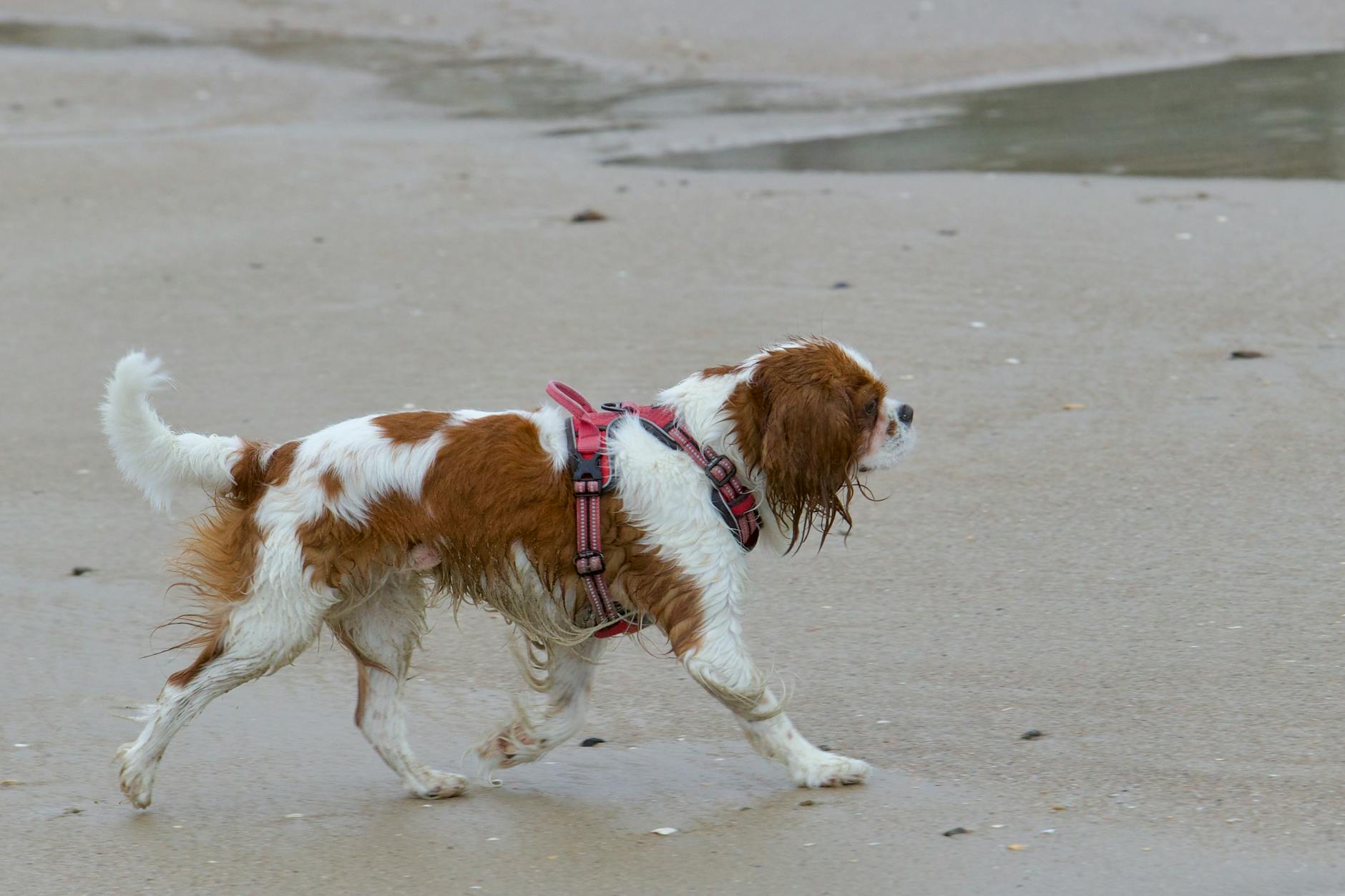
Year-round dog-friendly beaches include Constantine Bay near Padstow, which has no dog restrictions at any time of year; Harlyn Bay, another Padstow-area favourite with no seasonal bans; Daymer Bay on the Camel Estuary, a beautiful sandy beach popular with dog walkers; Praa Sands on the south coast, a mile of sand with no dog restrictions; and Kennack Sands on the Lizard Peninsula, which permits dogs all year.
Beaches with seasonal restrictions include most of the beaches in Newquay, St Ives, and other major resorts, where dogs are typically banned from certain sections (usually the main bathing area) between Easter and October. However, even at these beaches, there is often a section where dogs are permitted — check Cornwall Council’s beach information pages for the latest details on specific restrictions.
A good general rule is that the more remote or hidden a beach, the more likely dogs are welcome year-round. The hidden beaches mentioned above — Tregardock, Bossiney Cove, Vault Beach, and Portheras Cove — are all dog-friendly at all times. If you are visiting in summer with dogs, consider heading to the beaches early in the morning or in the evening when restrictions may not apply (check locally).
Best Rock Pooling Beaches in Cornwall
Cornwall’s rocky coastline creates some of the richest and most diverse rock pooling environments in Britain. At low tide, the exposed platforms and pools teem with marine life — crabs, starfish, shrimps, anemones, blennies, gobies, limpets, and a rainbow of seaweeds. Rock pooling is one of the best free activities in Cornwall and is endlessly fascinating for children and adults alike.
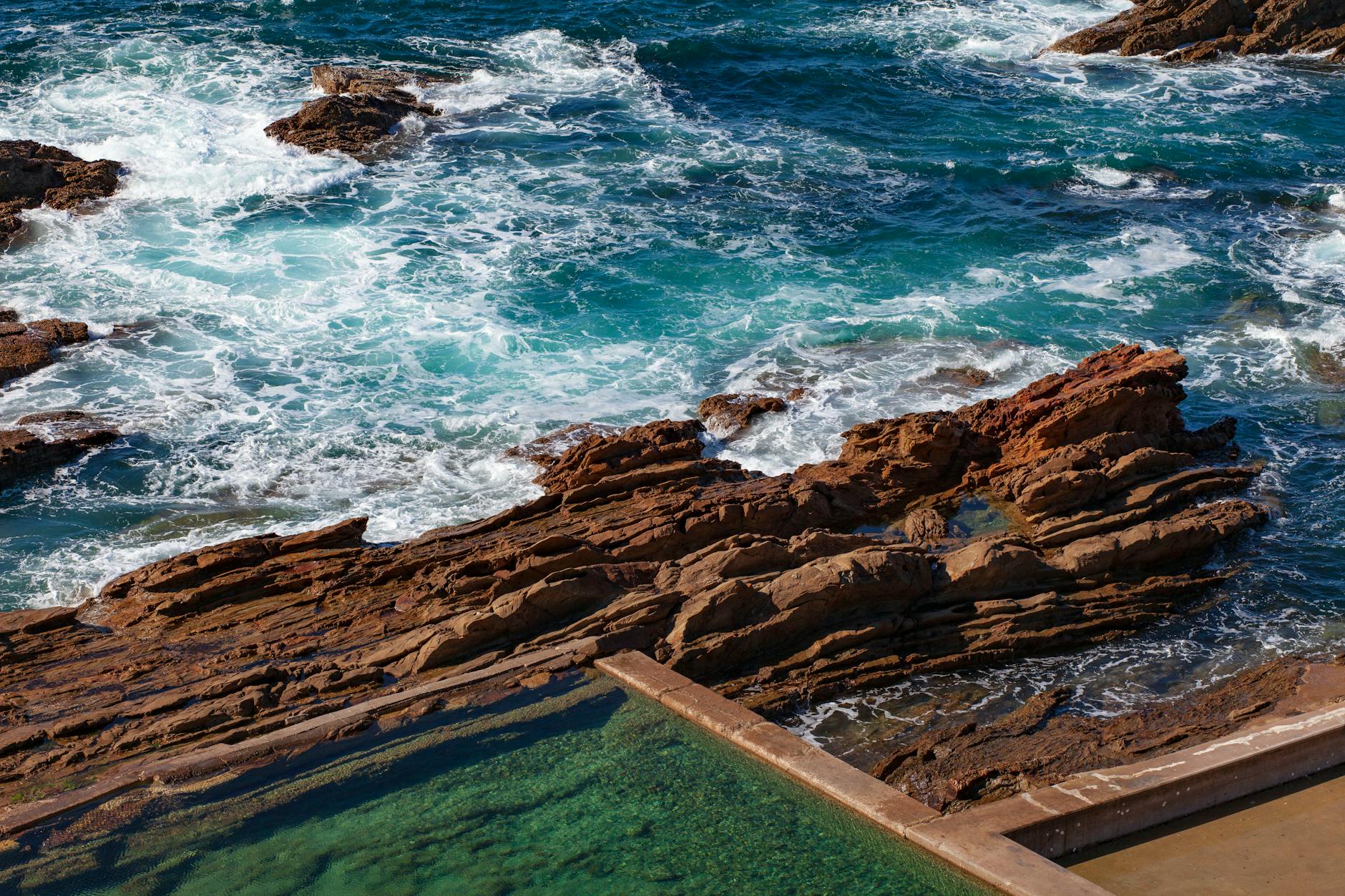
Castle Beach, Falmouth is considered by many marine biologists to be one of the finest rock pooling sites in Cornwall, with hundreds of species recorded there. The extensive rocky platforms revealed at low tide harbour an extraordinary diversity of marine life. Visit on a spring low tide for the best experience.
Treyarnon Bay, between Padstow and Newquay, is a hot spot for rock pooling enthusiasts of all ages. At low tide, the bay reveals a vast labyrinth of interconnected pools, many deep enough to contain fish, crabs, and anemones. The natural swimming pool carved into the rocks is a particular highlight — at low tide it fills with seawater to create a perfect natural bathing pool.
Hannafore Beach, Looe on the south coast is renowned for its exceptionally large area of exposed rock at low tide, creating hundreds of pools of varying sizes and depths. The beach overlooks Looe Island (St George’s Island), a nature reserve managed by the Cornwall Wildlife Trust, and the area is rich in marine biodiversity.
Trevone Bay, near Padstow, features a distinctive round pool naturally carved into the rock platform, which is one of Cornwall’s best-known and most photographed rock pools. At low tide, this natural pool becomes a safe, shallow paddling area for children, while the surrounding rocks offer excellent pooling opportunities.
Top tips for rock pooling: Visit around two hours after high tide for freshly filled pools. Wear shoes with good grip on wet rock — old trainers or water shoes work well. Carefully lift rocks and replace them exactly as you found them, as the undersides provide vital habitats for marine creatures. Never remove any animals from the pools, and take care not to step on creatures attached to the rocks. The Rock Pool Project offers excellent identification guides and organises guided rock pooling sessions across Cornwall.
Best Beaches for Swimming in Cornwall
While Cornwall is famous for its surf, many visitors simply want a safe, calm place to swim. The south coast generally offers calmer, warmer waters than the more exposed north coast, though there are excellent swimming beaches on both sides of the county.
The calmest swimming beaches are typically found on the south coast and in sheltered bays. Carbis Bay near St Ives, Gyllyngvase in Falmouth, Porthminster in St Ives, and Readymoney Cove in Fowey all offer relatively calm conditions on most days. The Helford River estuary also has several sheltered swimming spots, including the beautiful Durgan Beach and Grebe Beach.
For open-water swimming, the Jubilee Pool in Penzance is Britain’s largest art-deco seawater lido and offers geothermally heated seawater in one section, extending the comfortable swimming season well beyond what the open sea allows. Bude Sea Pool (at Summerleaze Beach) is another excellent tidal pool, completely free to use and filled by the sea on each high tide.
Water temperatures in Cornwall typically range from around 8-9°C in February and March to a peak of 16-17°C in August and September. Most visitors will want a wetsuit for extended swims from October through June. Even in summer, acclimatising gradually rather than plunging straight in is always wise — cold water shock is a real risk, particularly early in the season when water temperatures can be deceptively cold despite warm air temperatures.
Blue Flag Award-Winning Beaches in Cornwall
The Blue Flag is an internationally recognised award that certifies beaches meeting the highest standards for water quality, environmental management, safety, and facilities. Cornwall consistently earns more Blue Flag awards than almost any other county in England, reflecting the exceptional quality of its coastal waters.
For 2025, ten Cornwall beaches earned Blue Flag status: Carbis Bay, Crooklets (Bude), Gyllyngvase (Falmouth), Polzeath, Porthmeor (St Ives), Porthminster (St Ives), Trevone Bay (near Padstow), Porthtowan, Summerleaze (Bude), and Widemouth Bay (near Bude). An additional five beaches received the Seaside Award, which recognises high standards of cleanliness and management.
If water quality and excellent facilities are your priority, targeting the Blue Flag beaches is a reliable strategy. These beaches all have lifeguard provision during the main season, accessible toilet facilities, and meet stringent environmental and safety standards.
Best Beaches by Town
Where you stay in Cornwall will largely determine which beaches are most easily accessible to you. Here is a quick guide to the best beaches near Cornwall’s most popular holiday towns.
Beaches Near Newquay
Newquay is the undisputed beach capital of Cornwall, with 11 beaches within easy reach. Fistral is the headline act for surfers. Watergate Bay offers a more spacious, less crowded alternative just three miles to the north. Towan Beach is the most sheltered and family-friendly. Crantock Beach, across the Gannel Estuary, is a beautiful National Trust beach with a wilder, more natural feel. Lusty Glaze is a small, atmospheric cove reached by a steep staircase, which hosts live music events and has its own adventure centre. Holywell Bay, six miles away, offers unspoilt National Trust beauty with dune-backed golden sand.
Beaches Near St Ives
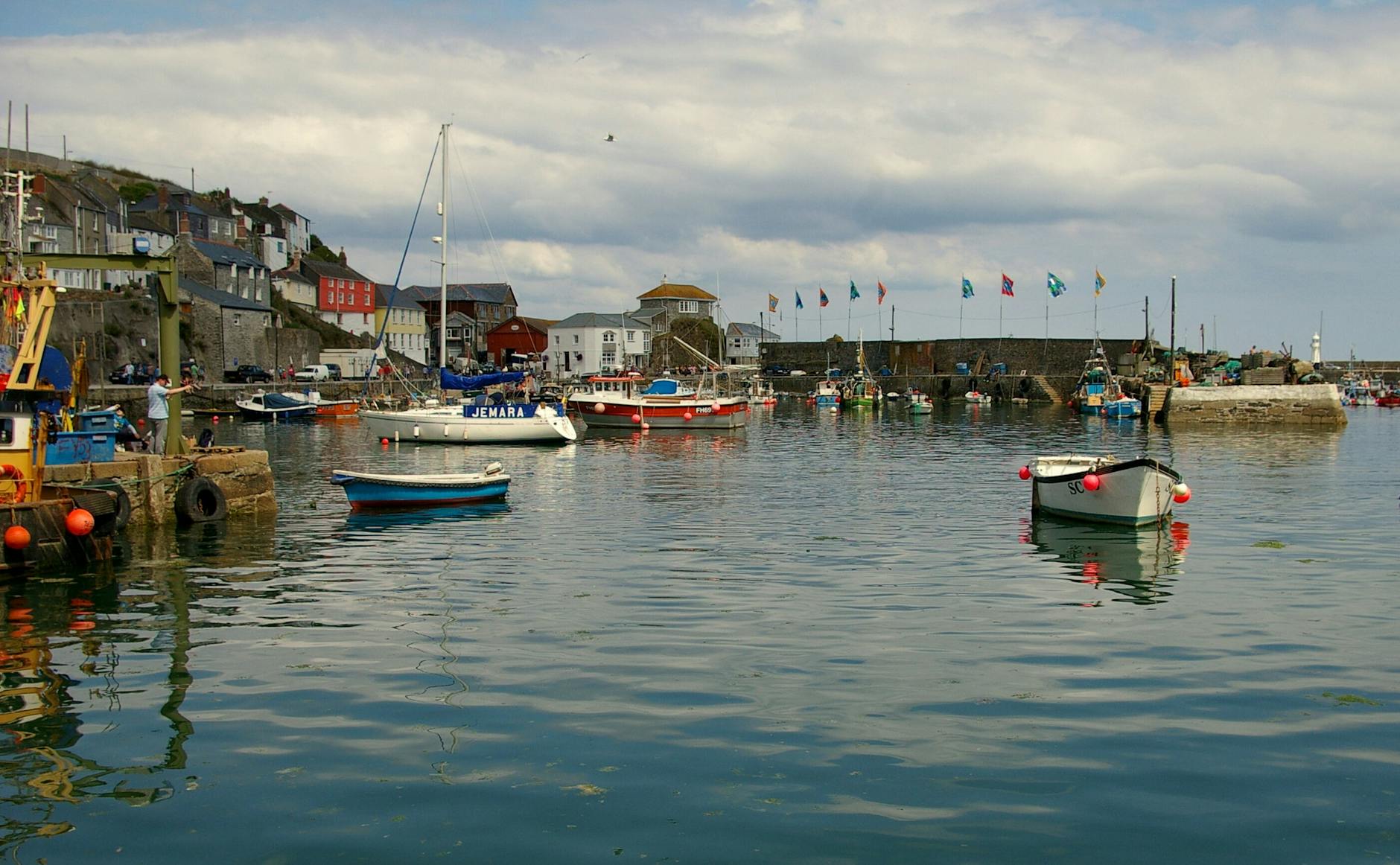
St Ives is blessed with four beaches within the town itself, each with a distinct character. Porthmeor is the surfers’ beach, facing north with consistent waves and Blue Flag water quality. Porthminster is the family favourite — sheltered, south-facing, with calm water and the award-winning Porthminster Beach Café. Porthgwidden is a tiny, intimate cove perfect for a quiet swim. Harbour Beach sits right in the heart of St Ives and is sheltered by the harbour wall. A short drive or train ride along the coast brings you to Carbis Bay, arguably the best all-round beach in the St Ives area.
Beaches Near Padstow
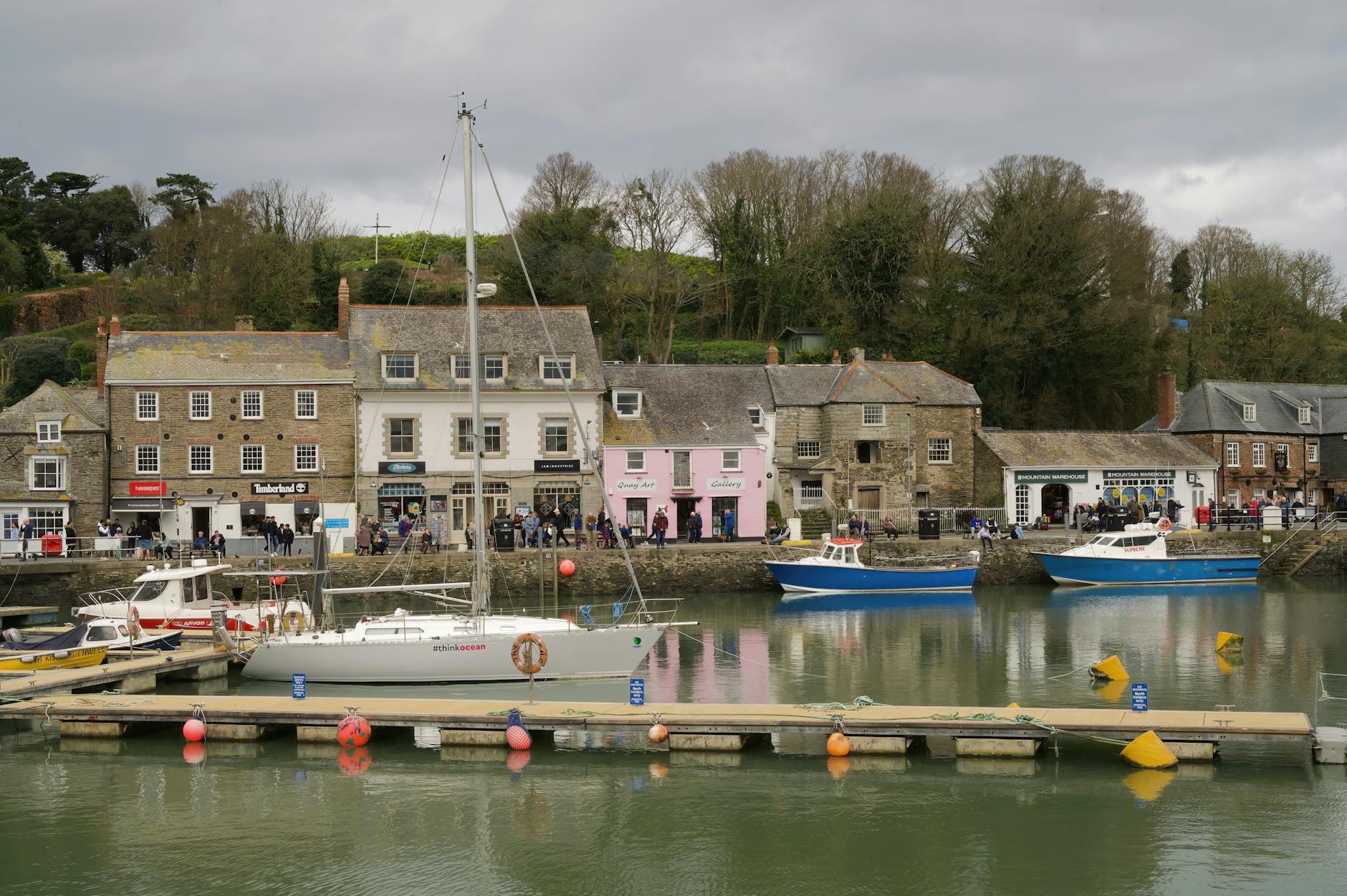
The Padstow area is home to a remarkable cluster of seven golden beaches, each with its own character. Harlyn Bay is sheltered and family-friendly. Constantine Bay has excellent surf and is dog-friendly year-round. Treyarnon Bay is the rock pooling champion with its famous natural swimming pool. Trevone Bay has its distinctive round rock pool and Blue Flag status. Booby’s Bay and Mother Ivey’s Bay offer quieter, more secluded alternatives. Porthcothan Bay is a lovely crescent of sand popular with families. Padstow itself sits on the Camel Estuary, and from the town you can take the ferry across to Rock and walk to the superb beaches at Daymer Bay and Polzeath.
Beach Safety in Cornwall
Cornwall’s beaches are magnificent, but the sea demands respect. Understanding basic beach safety will help ensure your visit is memorable for all the right reasons.
Swim between the flags. On lifeguarded beaches, red and yellow flags mark the safest swimming area. Lifeguards position these flags each day based on current conditions, so always swim within the designated zone. Black-and-white chequered flags indicate a surfing and bodyboarding zone where swimming is not recommended.
Understand rip currents. Rip currents are channels of water flowing away from the shore and are the biggest hazard on Cornwall’s beaches. If caught in a rip, do not try to swim against it — instead, swim parallel to the shore until you are out of the current, then swim back to the beach. If you cannot escape, float on your back, raise an arm, and wait for help. The RNLI provides excellent beach safety advice and resources.
Check tide times. Many Cornwall beaches are dramatically affected by the tide. Some, like Kynance Cove and Pedn Vounder, are completely covered at high tide. Others, like Perranporth and Watergate Bay, reveal vast expanses of sand at low tide. Rising tides can cut off escape routes around headlands and rock platforms. Always check tide times before your visit — the BBC Weather app and the BBC Coast and Sea website provide free tide tables for Cornwall.
RNLI lifeguard coverage. The RNLI patrols dozens of beaches across Cornwall from Easter through to October. For 2026, Easter patrols began on Good Friday (3 April) covering beaches including Fistral, Watergate Bay, Polzeath, Perranporth, Sennen, Porthmeor, Constantine, and Widemouth Bay. Coverage expands significantly during the main summer season, with over 245 patrols at peak times across the UK. You can find your nearest lifeguarded beach at the RNLI website.
Seasonal Beach Guide
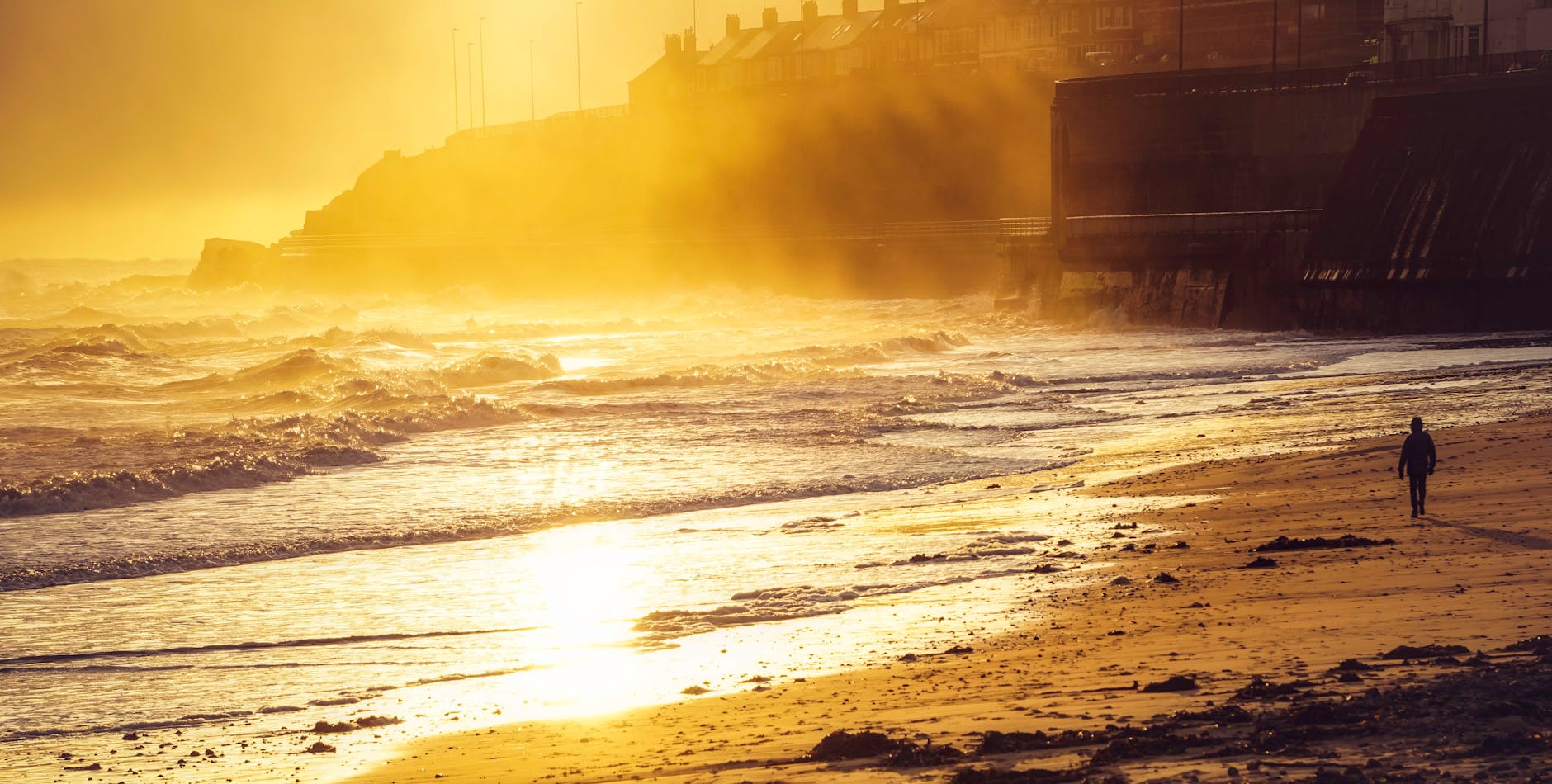
Spring (March–May): The beaches begin to come alive after winter, with wildflowers blooming along the clifftops and longer days encouraging exploration. Water temperatures are still cold (around 9-11°C), so wetsuits are essential for swimming, but the beaches are wonderfully quiet compared to summer. Easter marks the start of lifeguard patrols on the most popular beaches. Spring is an excellent time for coastal walks and beach photography, with dramatic skies and vivid colours.
Summer (June–August): Peak season brings the warmest weather, the warmest sea temperatures (peaking at 16-17°C in August), and the busiest beaches. Arrive early to secure parking at popular spots — by 10am, car parks at beaches like Kynance Cove, Porthcurno, and Sennen can be full. Dog restrictions are in place at most resort beaches. This is the best time for families, with full lifeguard coverage, warm weather, and the longest days. For a quieter experience, explore the hidden beaches or visit the main beaches early morning or late afternoon.
Autumn (September–October): Many locals consider autumn the best time to visit Cornwall’s beaches. The summer crowds thin out, sea temperatures remain warm from the summer’s heat (often 15-16°C into early October), and the Atlantic starts producing bigger swells for surfers. September and October bring spectacular sunsets, and the changing light creates magical conditions for photography. Lifeguard coverage reduces from late September.
Winter (November–February): Cornwall’s beaches take on a wild, dramatic character in winter, with powerful storms sending huge waves crashing onto the shore. Stormwatching from the clifftops is a popular activity, particularly at exposed north coast locations. The beaches are virtually deserted, offering a profoundly peaceful experience for walkers and photographers. Water temperatures drop to their lowest (around 8-9°C), and there is no lifeguard coverage, so only experienced and well-equipped swimmers should enter the water.
Practical Tips for Visiting Cornwall Beaches
Parking: Most beach car parks charge during the main season (typically Easter to October), with daily rates ranging from £3 to £10 depending on the location. National Trust members benefit from free parking at Trust-managed beaches including Kynance Cove, Holywell Bay, and Crantock. Arrive before 10am in peak summer to guarantee a space at popular beaches.
Getting around: Many of Cornwall’s best beaches are connected by the South West Coast Path, making it possible to walk between beaches for a truly immersive coastal experience. The open-top Coastliner buses operate along several coastal routes in summer, and the St Ives Bay Line railway provides a spectacularly scenic connection between St Erth, Carbis Bay, and St Ives.
What to bring: Even on the hottest summer day, bring a windbreak — Cornwall’s beaches can be breezy, particularly on the north coast. Sunscreen is essential even on cloudy days (the sea breeze masks the sun’s strength), and reef-safe options are preferable. Water shoes or old trainers are recommended for rocky beaches and rock pooling. A good quality wetsuit extends your swimming season significantly and can be hired from numerous outlets across the county.
Leave no trace: Cornwall’s beaches are among the most beautiful in Britain, and keeping them that way is everyone’s responsibility. Take all your rubbish home, use the bins where provided, and consider joining one of the regular beach cleans organised by Surfers Against Sewage. Many beaches now have refill stations for water bottles, reducing single-use plastic waste.
Looking for accommodation near the best beaches? Our complete guide to bed and breakfasts in Cornwall will help you find the perfect place to stay. And for more ideas on what to do between beach visits, check out our guide to the best things to do in Cornwall.