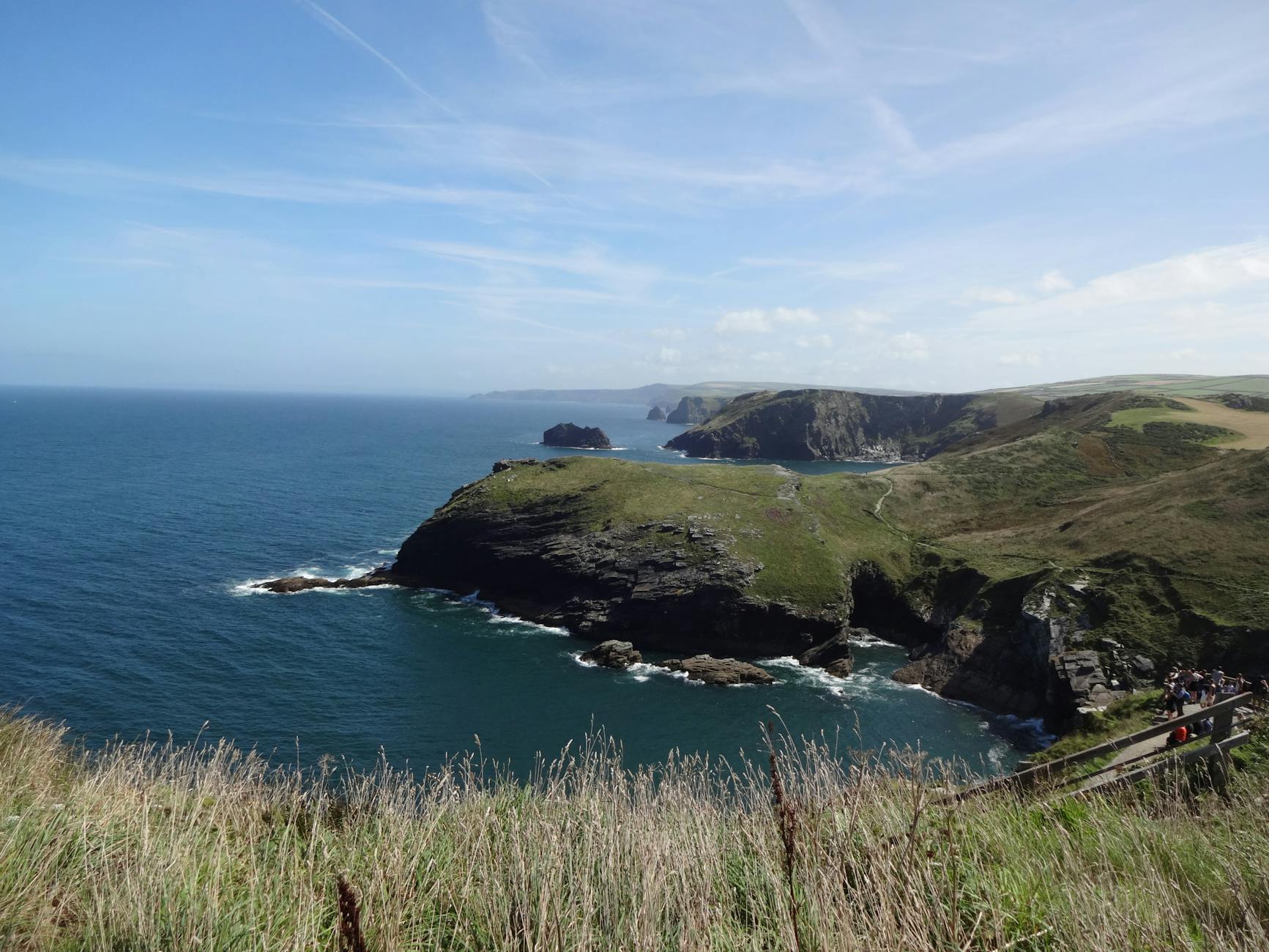
Few experiences capture the magic of walking Cornwall quite like stepping onto a windswept cliff path with the Atlantic stretching to the horizon, the cry of seabirds overhead, and wildflowers carpeting the headlands in every direction. Cornwall offers some of the most spectacular walking Cornwall trails in the whole of Britain — from the legendary 630-mile South West Coast Path to gentle woodland rambles, wild moorland crossings, and family-friendly strolls along ancient railway lines. This complete trail guide covers everything you need to plan unforgettable walks in Cornwall, whether you are a seasoned long-distance hiker or simply looking for a relaxing afternoon amble.
Contents
- The South West Coast Path
- Best Coastal Walks
- Best Circular Walks
- Bodmin Moor and Moorland Walks
- Woodland and River Walks
- Family-Friendly Walks
- Dog-Friendly Walks
- Walking Cornwall Holidays and Multi-Day Routes
- Seasonal Walking Guide
- What to Pack for Walking in Cornwall
- Walking Safety Tips
- Planning Your Walking Trip
The South West Coast Path in Cornwall
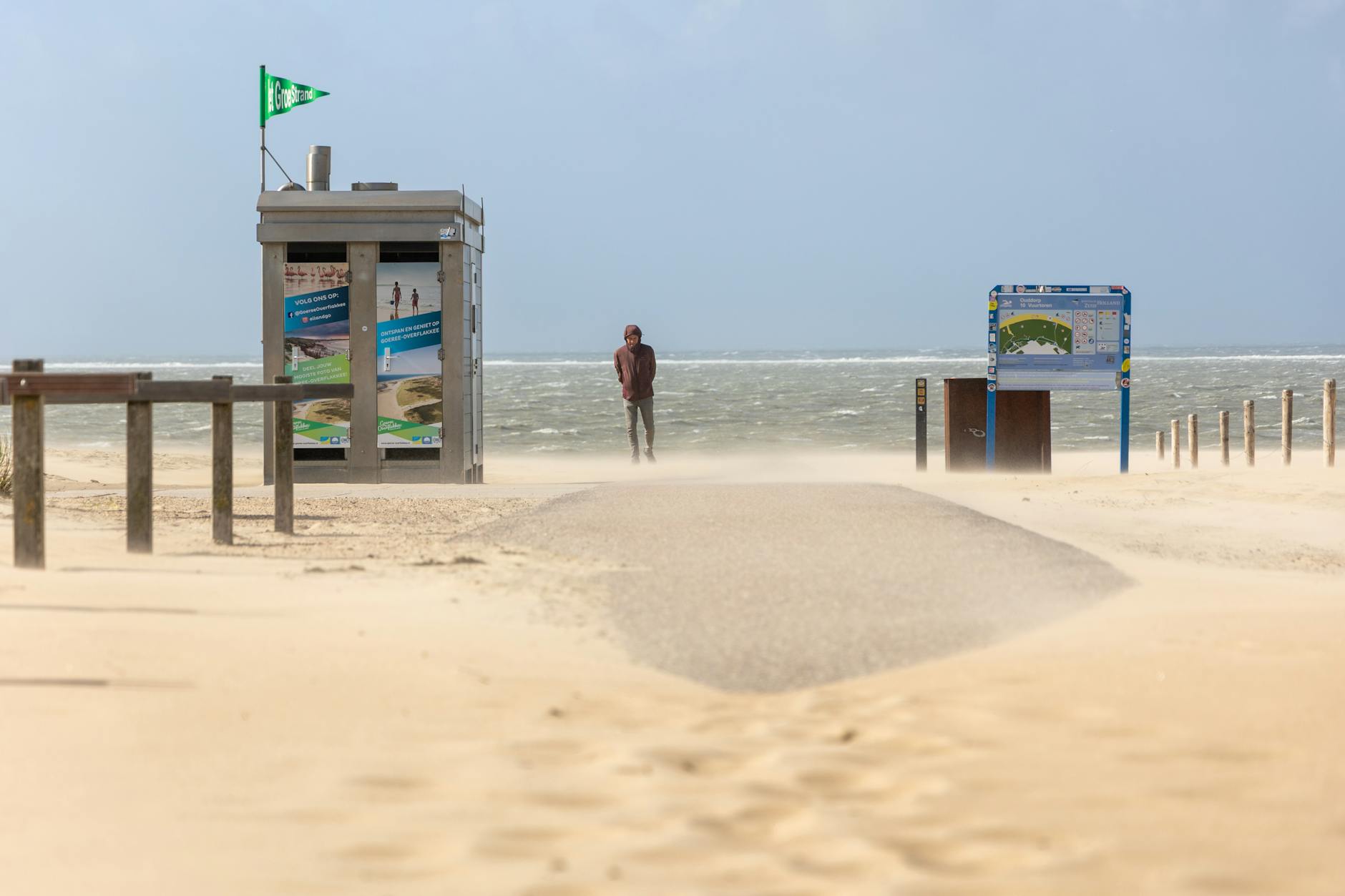
The South West Coast Path is the crown jewel of walking Cornwall and one of the great long-distance walks of Europe. This National Trail stretches for 630 miles from Minehead in Somerset to Poole Harbour in Dorset, with roughly a third of its total length running through Cornwall — making Cornwall home to around 200 miles of this magnificent path. Originally created by coastguards who patrolled the peninsula looking for smugglers, the path closely hugs the coast and provides unbroken views into every cove, bay, and inlet along the way.
Best Sections of the Coast Path in Cornwall
Bude to Tintagel (North Cornwall): This dramatic Atlantic-facing section is one of the most scenically spectacular on the entire path. The cliffs here are among the highest in Cornwall, and the walking is demanding but immensely rewarding. Allow 3-4 days to cover this 25-mile stretch, which passes through Crackington Haven, Boscastle’s remarkable natural harbour, and the legendary castle ruins at Tintagel, steeped in Arthurian legend. The terrain is rugged with several steep descents and ascents, but the sense of wild isolation and the sheer scale of the cliffs make it unforgettable.
Padstow to Newquay: This 25-mile section passes some of Cornwall’s finest beach scenery. Highlights include the stunning Bedruthan Steps — a series of towering slate sea stacks on the beach below — Trevose Head lighthouse, and the beautiful sandy bays of Constantine, Treyarnon, and Porthcothan. The walking is moderately challenging with regular ups and downs, but the variety of landscapes makes it one of the most popular sections for day walkers. Allow 2-3 days for the full stretch or pick individual day walks between the beaches.
St Ives to Pendeen (Tin Coast): This 12-mile section passes through Cornwall’s industrial mining heritage, designated a UNESCO World Heritage Site. The iconic engine houses of Wheal Coates and Botallack Mine sit right on the cliff edge, their towering chimneys and crumbling walls silhouetted against the sky and sea. The walking is moderate to challenging, with exposed sections where the path runs close to unprotected cliff edges. The tin mining landscape here is unlike anything else on the coast path and provides a powerful reminder of Cornwall’s industrial past.
Land’s End to Porthcurno: There is perhaps no finer coastal walking in all of Cornwall than the half-dozen miles either side of Land’s End. The lichen-encrusted granite cliffs are spectacular, and the turquoise waters of Porthcurno and the white sand beach below are breathtaking. This section also takes in the open-air Minack Theatre, carved into the cliff face above the sea. A manageable day walk of around 6-7 miles, this is the perfect introduction to coast path walking.
The Lizard Peninsula: The western side of the Lizard offers a superb long day’s walk from Mullion to Lizard Point, the most southerly point on the British mainland. The highlights include the dramatic harbours of Porthleven and Mullion, the extraordinary serpentine rock formations at Kynance Cove, and a rich variety of rare wildflowers that thrive on the Lizard’s unique geology. This is one of the best sections for wildlife, with chances of seeing choughs, seals, and basking sharks in summer.
Best Coastal Walks in Cornwall
Beyond the long-distance coast path, walking Cornwall offers dozens of superb shorter coastal routes that can be enjoyed in a morning or afternoon. Here are some of the finest.
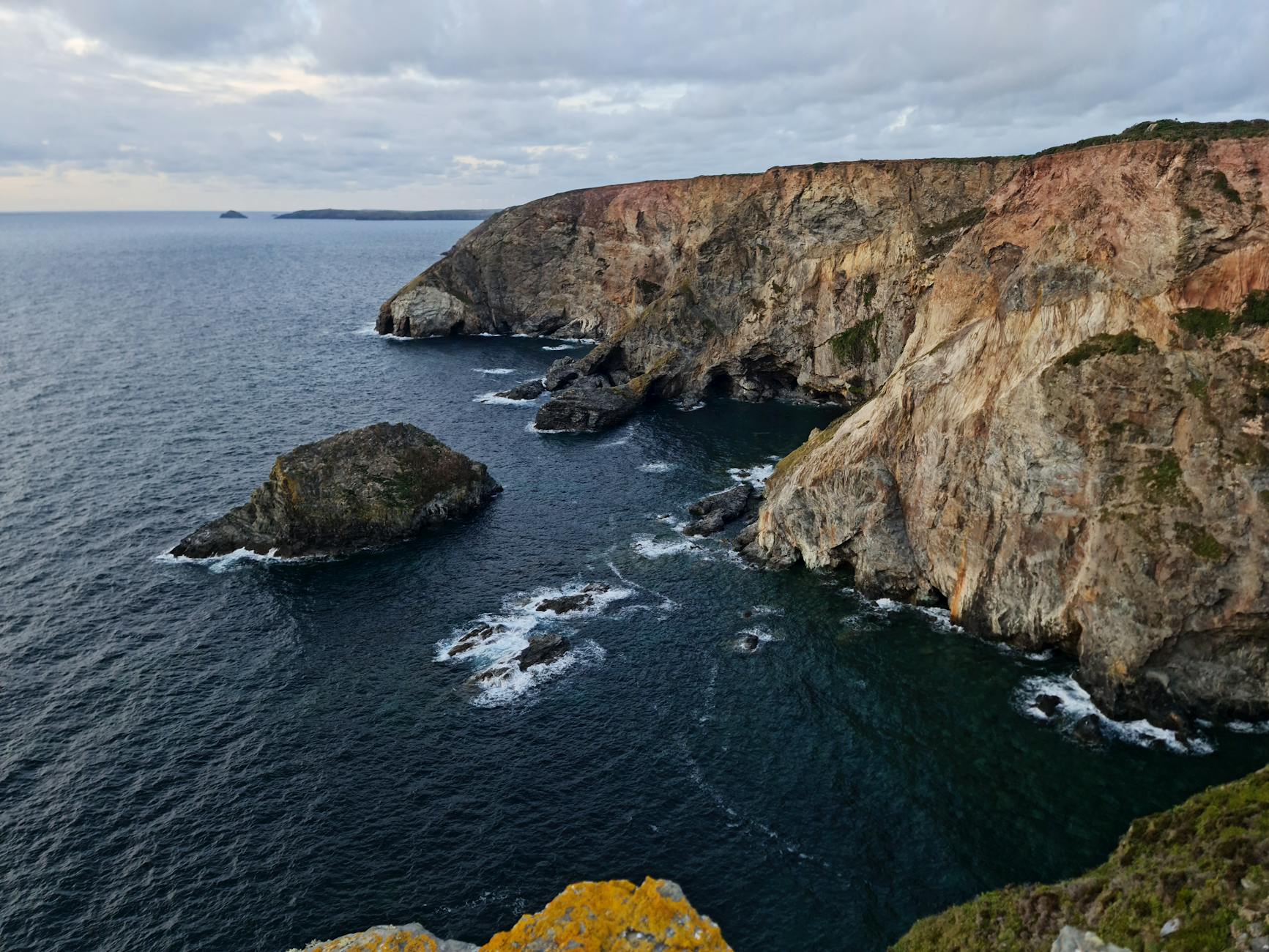
Kynance Cove and Lizard Point (4 miles, easy-moderate): A spectacular circular walk linking two of Cornwall’s most famous landmarks — the extraordinary turquoise cove of Kynance and the most southerly point in mainland Britain. The path passes through National Trust land rich in wildflowers, with stunning views of the serpentine rock stacks and islands. Allow around 2.5 hours and combine with a cream tea at the Kynance Cove café.
St Agnes Head and Wheal Coates (4 miles, easy-moderate): Starting from Trevaunance Cove car park, this circular walk covers the dramatic headland of St Agnes and passes the photogenic ruins of Wheal Coates tin mine perched on the cliff edge. The route follows the cliff top through open heathland rich in birdlife and wildflowers. The walking is mostly level with one steep valley descent and ascent, making it suitable for reasonably fit families.
Zennor to St Ives (6 miles, moderate): One of the classic coastal walks in Cornwall, this linear route follows the coast path from the ancient village of Zennor — home to the famous mermaid legend — to the harbour town of St Ives. The path hugs exposed, granite-strewn clifftops with magnificent views across the Atlantic. The walking is moderately challenging with several ups and downs, and the route passes several remote coves perfect for swimming on warm days. Catch the bus back from St Ives to Zennor to make it a manageable day out.
Fowey to Polruan (4 miles, easy): A beautiful south coast walk that links the charming estuary town of Fowey with the village of Polruan, following the coast path along sheltered coves and through ancient woodland. The return journey is by the foot ferry across the Fowey Estuary — a delightful experience in itself. This is one of the gentler coastal walks in Cornwall, suitable for families and less experienced walkers.
Boscastle to Crackington Haven (6.5 miles, challenging): For experienced walkers seeking drama, this north coast route delivers spectacularly. The cliffs here reach over 400 feet and the path roller-coasters through deep valleys, each requiring a steep descent and punishing ascent on the far side. The effort is rewarded with some of the wildest and most unspoilt coastal scenery in Cornwall, with very few other walkers even in high season.
For more detailed route descriptions, our upcoming guide to the South West Coast Path in Cornwall covers every section with maps and tips.
Best Circular Walks in Cornwall
Circular walks are the most practical option for those walking Cornwall, as they start and finish at the same point — eliminating the need for car shuttles or public transport planning. Cornwall has hundreds of well-established circular routes across every difficulty level.
Loe Pool and Loe Bar (6 miles, easy-moderate): This lovely circuit traces the banks of Loe Pool, Cornwall’s largest natural freshwater lake, before reaching the dramatic Loe Bar — a huge shingle bar that separates the lake from the sea. The walking is mostly flat, making it suitable for a wide range of abilities. The area is rich in birdlife and the combination of lake, woodland, and beach makes for a varied and rewarding walk.
Padstow Circular via Stepper Point (8 miles, moderate): Starting from the foodie capital of Padstow, this moderately strenuous walk follows the coast path north around Stepper Point at the mouth of the Camel Estuary. The views across the estuary to Rock and Polzeath are superb, and the route passes the historic Daymark tower on Stepper Point. Return via inland paths through peaceful farmland. This walk showcases the best of north Cornwall’s coastal scenery.
St Ives Circular via Zennor (12 miles, challenging): A magnificent full-day walk that takes in the coast path from St Ives to Zennor before returning via an inland route across ancient field systems and moorland. At 12 miles, this is a serious undertaking requiring moderate fitness and around 5-6 hours of walking. The contrast between the dramatic coastal scenery on the outward leg and the peaceful inland landscapes on the return makes it one of the most satisfying circular walks in Cornwall.
Cotehele Estate and the Tamar Valley (3 miles, easy): A gentle circular walk through the National Trust’s Cotehele Estate, following the River Tamar through ancient woodland. Starting from Cotehele Quay, the route takes in a medieval chapel, stunning gardens, and the beautifully preserved Tudor manor house. This is one of the most accessible walks in Cornwall, suitable for all ages and abilities.
The website iWalk Cornwall is an outstanding resource, with over 300 detailed circular walk descriptions across Cornwall, ranging from 2 to 13 miles, each with downloadable maps and GPS routes.
Bodmin Moor and Moorland Walks
While Cornwall is rightly famous for its coastline, the wild interior of Bodmin Moor offers a completely different walking Cornwall experience and a walking experience — open, windswept moorland studded with granite tors, ancient stone circles, and mysterious Bronze Age remains. Bodmin Moor is Cornwall’s “roof”, containing both of the county’s highest points, and provides a sense of raw wilderness that the coastal paths cannot match.
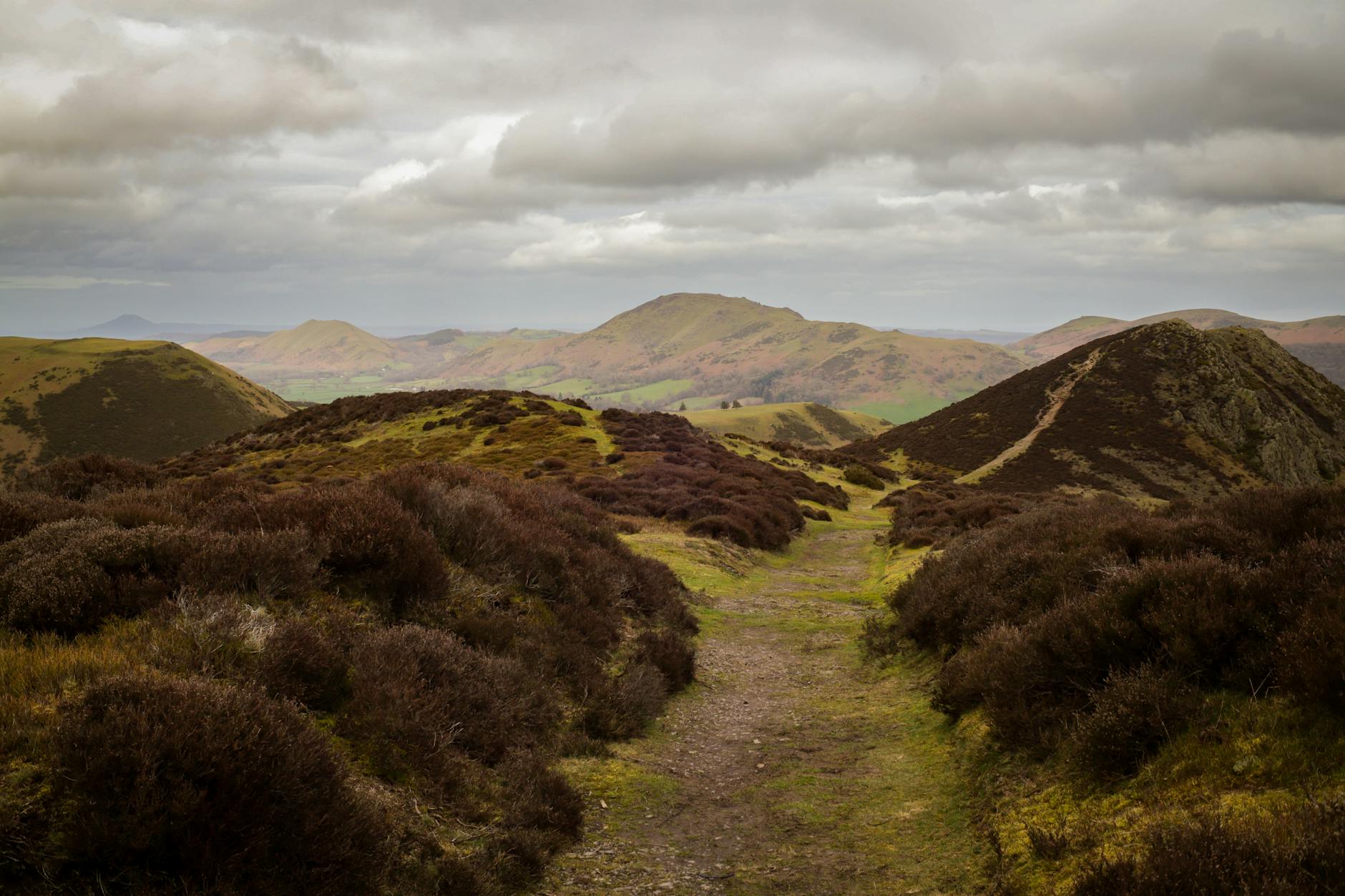
Brown Willy and Rough Tor Circuit (4.5 miles, moderate-challenging): This is the classic Bodmin Moor walk, taking in Cornwall’s two highest peaks — Brown Willy (420m) and Rough Tor (400m). Starting from Rough Tor car park near Camelford, the route crosses open moorland, passing Bronze Age hut circles and settlement remains. The path to Rough Tor is well-defined, but the section between the two peaks involves pathless moorland — bring an Ordnance Survey map and compass. The summit cairn on Brown Willy provides panoramic views on clear days that stretch from both coasts of Cornwall. Allow 2-3 hours and be prepared for rapidly changing weather.
The Cheesewring and Stowe’s Hill (3 miles, easy-moderate): Starting from Minions, Cornwall’s highest village, this short walk takes in one of the moor’s most extraordinary natural features — the Cheesewring, a gravity-defying stack of eroded granite slabs that looks like it should topple at any moment. The route also passes the remains of Daniel Gumb’s Cave, the Hurlers stone circles (three Bronze Age circles in a row), and Stowe’s Hill, with fine views across the moor. This walk is shorter and easier than the Brown Willy circuit, making it a good introduction to moorland walking.
Golitha Falls and Draynes Wood (2 miles, easy): On the southern edge of Bodmin Moor, the River Fowey cascades through a spectacular series of waterfalls in a gorge of ancient oak woodland. This short, easy walk follows the river through Draynes Wood, a designated nature reserve rich in mosses, ferns, and woodland birds. The falls are particularly impressive after heavy rain. This is one of the most accessible walks on Bodmin Moor and is suitable for families, though the paths can be muddy and slippery near the river.
Siblyback Reservoir (3 miles, easy): A gentle, flat circular walk around Siblyback Reservoir on the edge of Bodmin Moor. The well-maintained path passes through woodland and open moorland, with views across the water to the surrounding tors. There are plenty of benches, a children’s playground near the car park, and excellent birdwatching opportunities. The flat terrain makes this walk suitable for pushchairs and wheelchairs.
Woodland and River Walks in Cornwall
Cornwall’s woodland walks offer shelter from the wind and rain, making walking Cornwall enjoyable even in poor weather — woodland paths provide cover from conditions that can sometimes affect the coast, making them excellent alternatives on blustery days. Many follow beautiful river valleys and provide a completely different atmosphere to the exposed coastal and moorland walks.

Luxulyan Valley (3 miles, easy-moderate): A World Heritage Site with a history spanning over 2,000 years, the Luxulyan Valley has been described in guidebooks since the 1920s as one of the most glorious walks in all Cornwall. The circular route follows old leats and horse-drawn tramways through the steep-sided valley, passing the massive Treffry Viaduct — which once carried both tramways and water — and winding alongside the River Par through dense, atmospheric woodland. The industrial archaeology woven into the natural landscape makes this walk uniquely fascinating.
Cardinham Woods (1.5-4 miles, easy-moderate): This stunning Forestry England woodland covers over 650 acres on the edge of Bodmin Moor and offers four waymarked trails of varying lengths. The Lady Vale Walk (1.5 miles) follows the river to the site of a vanished 12th-century chapel, the Wheal Glynn Walk (2.5 miles) explores the valley’s mining heritage, and the longer Deviock Walk (4 miles) passes through deep woodland with a chance of spotting deer. There is an excellent café at the car park and the trails are well-maintained throughout.
Helford River Woodland Walk (4 miles, easy-moderate): A circular walk through three of the wooded creeks that feed into the beautiful Helford River on Cornwall’s south coast. The route passes through Tremayne Great Wood, an ancient oak woodland hugging the river’s edge, and leads to the picturesque Tremayne Quay, built for a visit by Queen Victoria in 1847. The sheltered estuary setting and the ancient, moss-covered trees give this walk an almost magical quality — it is easy to see why Daphne du Maurier drew inspiration from these woods.
Lanhydrock and the River Fowey (3 miles, easy): A gentle circular walk through the grounds of the National Trust’s Lanhydrock Estate, following the River Fowey through parkland and woodland. The route offers plenty of picnic spots along the river and can be combined with a visit to the magnificent Victorian house and gardens. This is one of the easiest and most accessible walks in Cornwall, suitable for all fitness levels.
Family-Friendly Walks in Cornwall
Cornwall is a wonderful destination for walking Cornwall with children, with routes available for every age group from toddlers in pushchairs to adventurous teenagers. The key to successful family walks is choosing the right route — short enough to maintain interest, varied enough to keep children engaged, and ideally ending at a café or ice cream shop.

The Camel Trail, Wadebridge to Padstow (5 miles, easy): This flat, well-surfaced trail follows an abandoned railway line along the Camel Estuary, making it one of the best pushchair and bicycle-friendly routes in Cornwall. The five miles between Wadebridge and Padstow offer stunning estuary views, waterside picnic spots, and the chance to spot wading birds and the occasional seal. Padstow at the end offers plenty of reward options, from Rick Stein’s famous fish and chips to ice cream at numerous harbourside shops.
Tehidy Woods Country Park (1-3 miles, easy): With over nine miles of walking trails, Tehidy near Camborne is perfect for families with young children. The easy half-mile loop around the lakes is pushchair-friendly, while older children can explore the longer trails through the woodland. The park has good facilities, including toilets and a café, and the woodland provides welcome shelter on wet or windy days.
Upper Tamar Lake (3 miles, easy): A circular route around Upper Tamar Lake on the Devon-Cornwall border, following a level, well-surfaced path that is ideal for pushchairs, scooters, and bicycles. The route passes through meadows and woodland, with plenty of opportunities to spot waterfowl and dragonflies. There is a café and visitor centre at the car park.
Swanpool to Gyllyngvase Beach, Falmouth (1 mile, easy): A short, easy coastal walk between two of Falmouth’s best beaches. The smooth, paved path takes about 30 minutes and offers lovely views across the bay. Both beaches have good facilities, including cafés, toilets, and seasonal lifeguards. This is an ideal walk for families with very young children or pushchairs.
For more ideas, our upcoming guide to family holidays in Cornwall includes a dedicated section on the best walks with children of all ages.
Dog-Friendly Walks in Cornwall
Cornwall is a paradise for dog walkers, and most walking Cornwall routes in the county welcome well-behaved dogs. The coast path itself is almost entirely dog-friendly, though you should keep your dog on a lead near cliff edges and through sections where livestock is grazing.
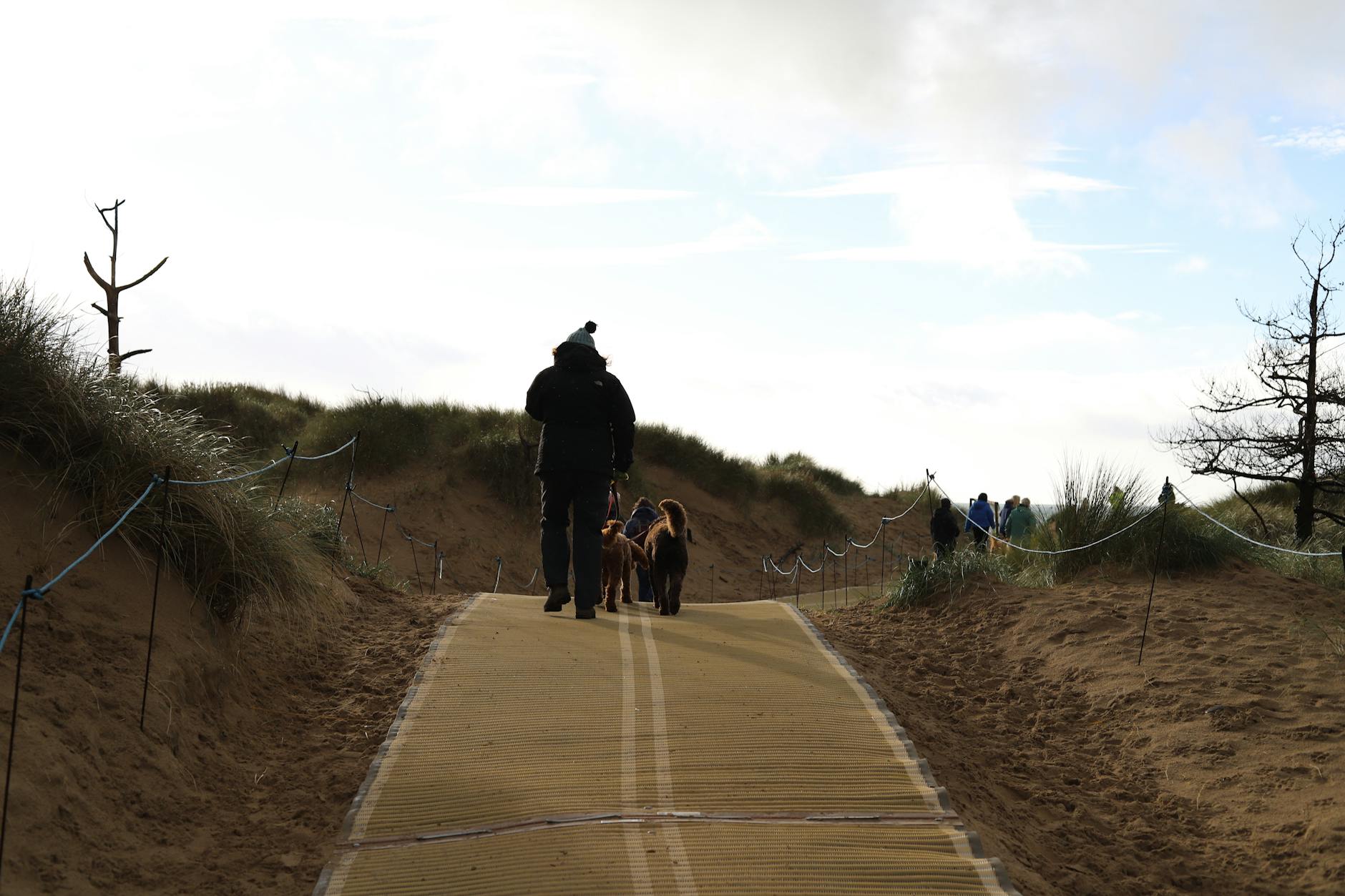
Some of the best dog-friendly walks include the Camel Trail (flat, safe, and dogs can swim in the estuary), Cardinham Woods (well-shaded woodland with streams for cooling off), the Bodmin Moor walks (open moorland where dogs can run freely, away from livestock), and virtually any stretch of the coast path outside the peak summer beach restriction zones.
Do be aware that many beaches in Cornwall have seasonal dog restrictions, typically from Easter to October. However, the coast path itself runs above the beaches and is almost always accessible with dogs. In farmland, keep dogs on leads at all times — Cornwall has a large number of livestock, and farmers are legally entitled to shoot dogs that are worrying their animals. For detailed beach-by-beach dog restriction information, see our guide to the best beaches in Cornwall.
Walking Cornwall Holidays and Multi-Day Routes
For those who want to immerse themselves in walking Cornwall for several days or more, the county offers some of the finest long-distance walking holiday opportunities in Britain. Several specialist companies organise self-guided and guided walking holidays, handling all the logistics so you can focus on the walking.
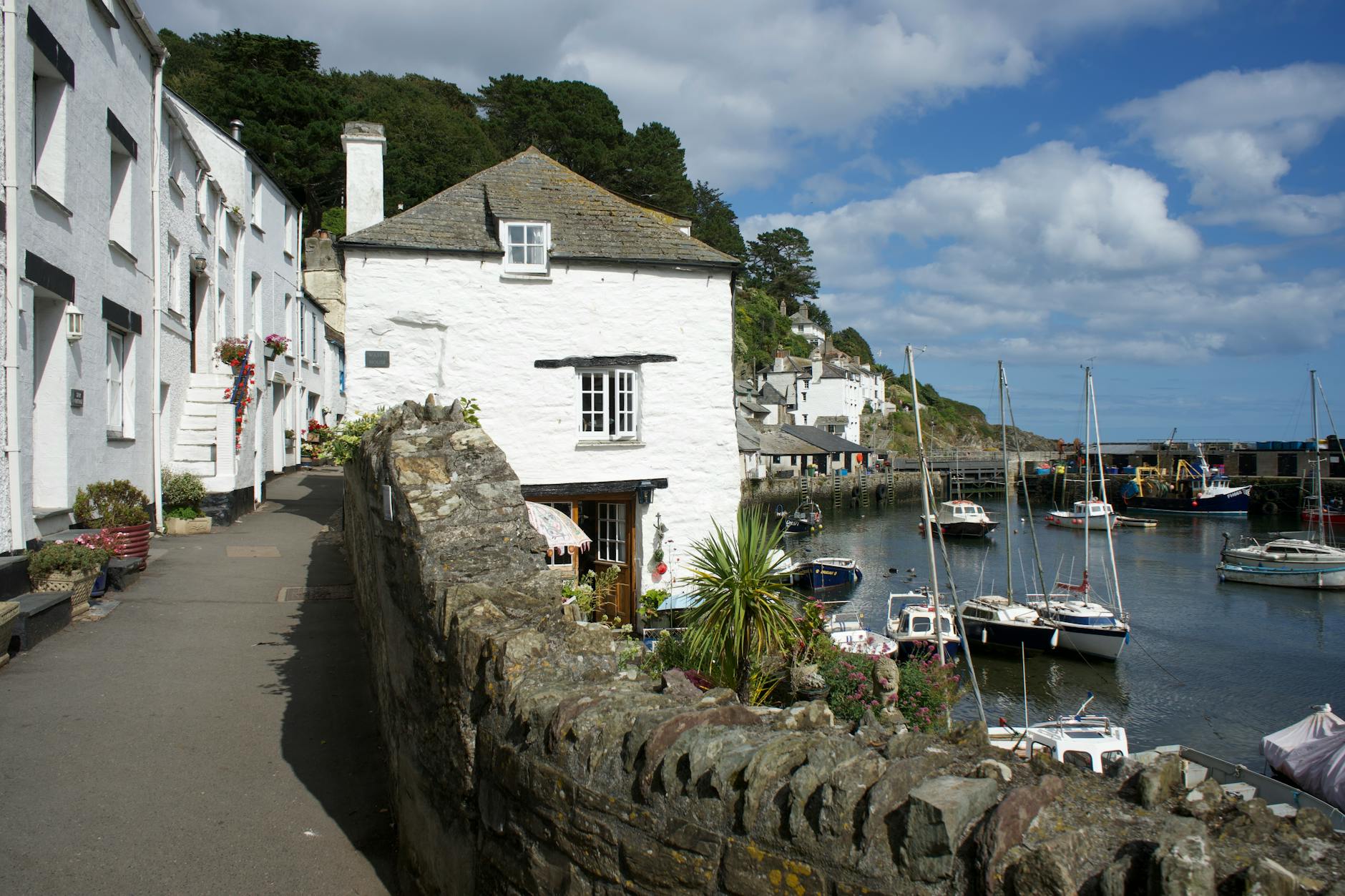
Self-guided walking holidays are the most popular option. Companies like Macs Adventure, Encounter Walking, and Celtic Trails provide pre-booked accommodation, detailed route notes and maps, daily luggage transfers between your overnight stops, and arrival and departure transfers. You walk at your own pace with just a day pack, and your luggage arrives at your next accommodation before you do. Typical self-guided holidays cover 8-15 miles per day over 5-10 days.
Guided walking holidays are offered by companies like Ramblers and HF Holidays, with experienced guides leading small groups along the best sections of the coast path. These are ideal if you prefer the security and social aspect of walking with a group and a knowledgeable leader.
Popular multi-day routes include the north Cornwall coast from Bude to Padstow (approximately 50 miles over 5-6 days), the Land’s End circuit from St Ives to Penzance via Land’s End (around 35 miles over 3-4 days), and the Lizard Peninsula circuit (25-30 miles over 2-3 days). For the ultimate challenge, walking the entire Cornish section of the South West Coast Path from Marsland Mouth to Plymouth takes approximately 2-3 weeks and covers around 200 miles with over 35,000 feet of ascent — equivalent to climbing Everest from sea level and back.
For accommodation along the walking routes, our guide to bed and breakfasts in Cornwall covers the best B&B options in every walking area.
Seasonal Walking Guide

Spring (March-May): Spring is one of the best times for walking Cornwall. The cliff tops burst into colour with wildflowers — thrift, bluebells, campion, and sea pinks creating vivid displays. The days are getting longer, the temperatures are mild, and the paths are generally quiet before the summer crowds arrive. Breeding seabirds return to the cliffs from April, adding another dimension to coastal walks. The main drawback is that the weather can still be unpredictable, with occasional cold snaps and rain, so come prepared with waterproof layers.
Summer (June-August): The warmest and driest months, with the longest days and the best chance of extended fine weather. The coast path can be busy in popular areas, particularly around St Ives, Padstow, and Newquay, but even a mile or two from the car parks you will often have the path largely to yourself. Summer is the best time for combining coastal walks with swimming in the coves and bays along the way. Be aware that exposed coastal sections can be very hot — carry plenty of water and wear sun protection.
Autumn (September-October): Many experienced walkers consider autumn the finest season for walking Cornwall. The summer crowds thin out, but the weather often remains warm and settled — September in Cornwall can be glorious. The light takes on a golden quality that transforms the landscape, and the sea often remains warm enough for swimming into early October. Autumn is also excellent for Bodmin Moor walks, as the heather and bracken turn the moorland rich shades of purple and copper.
Winter (November-February): Cornwall’s mild maritime climate means that walking in winter is entirely viable, and the paths are almost deserted. Expect shorter days, occasional storms, and muddy paths, but also dramatic skies, powerful sea conditions, and a profound sense of solitude on the cliffs. The inland woodland and river walks are particularly beautiful in winter, when the bare branches reveal views that are hidden in summer. Wrap up warmly, carry a head torch for the shorter days, and check weather forecasts carefully before heading out.
What to Pack for Walking in Cornwall
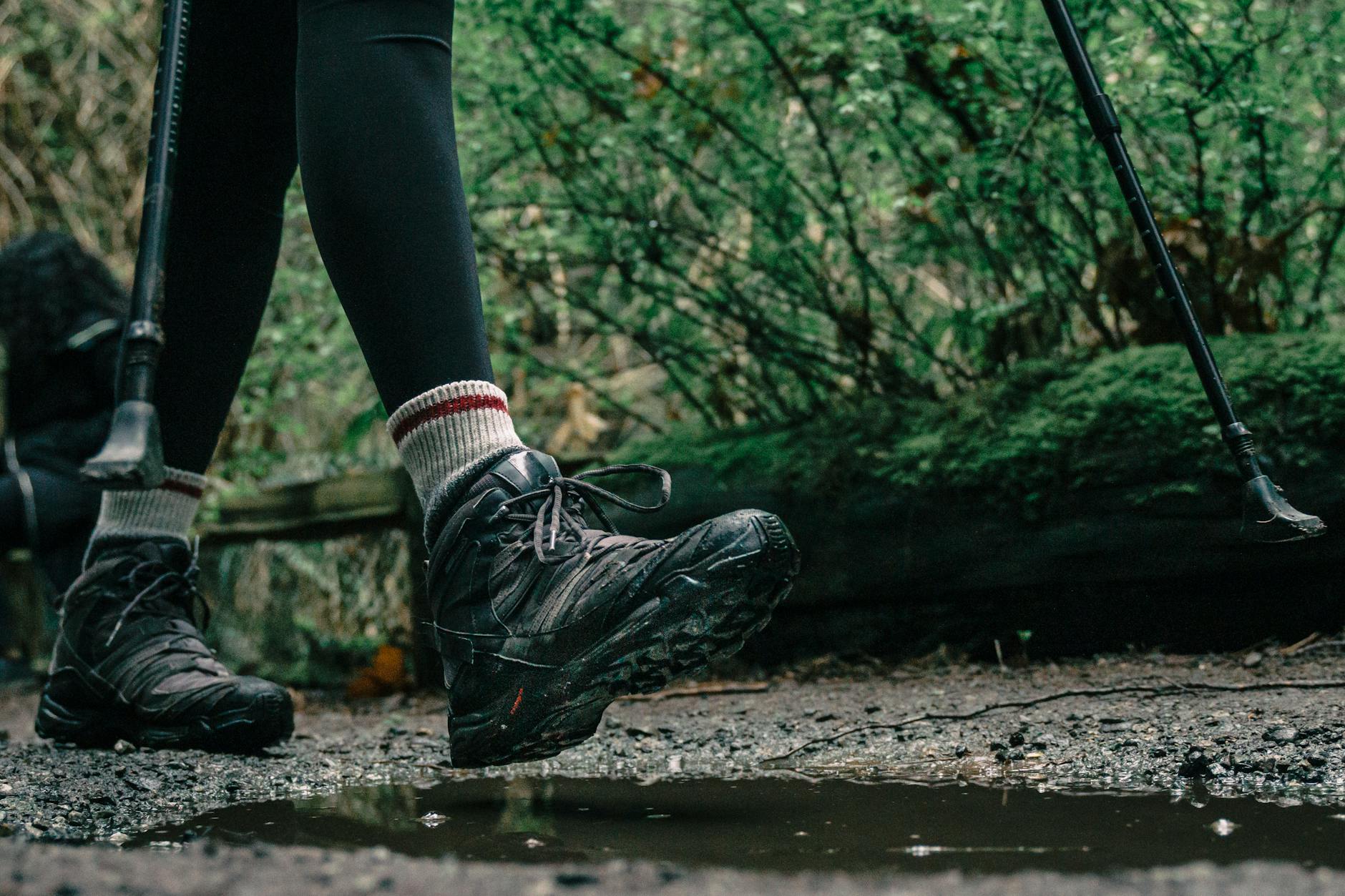
Footwear: Waterproof walking boots with good ankle support are essential for most Cornwall walks. The coast path and moorland trails involve uneven, often muddy terrain, and boots provide far better protection than trail shoes. Invest in quality merino wool walking socks — they wick moisture, reduce blisters, and dry faster than cotton. Carry a spare pair in your pack.
Waterproofs: A high-quality waterproof jacket is non-negotiable in Cornwall — the weather can change dramatically within minutes, even in summer. Look for a jacket that is both waterproof and breathable, with taped seams and a good hood. Waterproof trousers that can be pulled on over your walking trousers are invaluable and take up very little space in your pack. The Cornish coast can feel deceptively cold due to the wind, even when the sun is shining — a windproof layer is essential.
Day pack essentials: A 20-30 litre backpack is ideal for day walks. Pack plenty of water (at least one litre, more on hot days), high-energy snacks, a basic first aid kit, sun cream and a hat, an Ordnance Survey map of the area (the OS Explorer 1:25,000 series is best), and a fully charged mobile phone. For moorland walks, a compass and the knowledge to use it are strongly recommended, as mist can descend rapidly on Bodmin Moor. A head torch is useful in autumn and winter when daylight hours are shorter.
Clothing layers: The secret to comfortable walking in Cornwall is layering. A moisture-wicking base layer, a warm mid-layer (fleece or lightweight down jacket), and a waterproof outer layer will see you through virtually any conditions. Walking trousers should be quick-drying and preferably water-resistant — avoid jeans, which become heavy, cold, and uncomfortable when wet. A warm hat and lightweight gloves are worth carrying even in summer, as exposed cliff tops and moorland summits can be surprisingly cold and windy.
Walking Safety Tips
Cliff edges: Many sections of the Cornwall coast path run close to unprotected cliff edges. Stay on the marked path, keep well back from the edge (cliff erosion can make the ground unstable close to the drop), and keep children and dogs under close control. Strong gusts of wind near exposed cliff edges can be dangerous.
Tides: Some walking routes involve sections of beach that are only passable at low tide. Always check tide times before setting out and allow a generous margin — being cut off by a rising tide on a Cornish cliff base is extremely dangerous. The BBC Coast and Sea website provides free tide tables.
Weather: Cornwall’s weather is influenced by the Atlantic and can change rapidly. Always check the forecast before setting out and carry waterproof clothing regardless of the morning’s conditions. On Bodmin Moor, be prepared for sudden mist, which can reduce visibility to a few metres and make navigation extremely difficult.
Navigation: The South West Coast Path is generally well waymarked with acorn symbols, but inland paths and moorland routes may be less clearly marked. Carry a paper map as a backup — mobile phone signal can be unreliable in Cornwall’s valleys and on the moor. The OS Maps app allows you to download maps for offline use, which is extremely useful as a digital backup.
Tell someone: Always let someone know where you are walking and when you expect to be back, particularly if walking alone or heading onto Bodmin Moor. In an emergency on the coast, call 999 and ask for the Coastguard.
Planning Your Walking Trip
Getting to the start: Many of the best walking Cornwall routes can be reached by public transport. The main rail line runs from London Paddington to Penzance with stops at Plymouth, Liskeard, Bodmin Parkway, Par, Truro, Camborne, and St Erth (for St Ives). Local bus services connect the main towns to many walking areas, and the open-top Coastliner buses are particularly useful for linear coastal walks in summer.
Maps and guides: The Ordnance Survey Explorer 1:25,000 maps cover Cornwall in excellent detail. You will need maps 102, 103, 104, 105, 106, 107, 108, and 109 to cover the whole county. The official South West Coast Path guidebooks, published by Aurum Press, provide detailed route descriptions for every section of the coast path.
Accommodation: Cornwall has an excellent network of B&Bs, inns, and holiday cottages that cater to walkers. Many offer packed lunches, drying rooms for wet gear, and early or late breakfasts to fit around walking schedules. For walkers following the coast path, accommodation is available in most of the villages and towns along the route, though in peak season it is wise to book well in advance. See our complete guide to Cornwall B&Bs for recommendations.
Looking for more ideas on what to do between walks? Check out our guide to things to do in Cornwall and discover the best beaches in Cornwall for perfect post-walk relaxation spots.