Cornwall has quietly become one of Britain’s most exciting Cornwall food guide destinations, earning a reputation that extends far beyond the humble Cornish pasty. From Michelin-starred restaurants overlooking turquoise coves to smoke-filled harbour-side fish shacks, from award-winning vineyards producing world-class sparkling wines to centuries-old dairy farms crafting golden clotted cream, the Cornish food scene is a feast for every palate. This comprehensive Cornwall food guide takes you on a culinary journey through the county, covering traditional dishes, the finest seafood, acclaimed restaurants, artisan producers, and the vibrant food festivals that celebrate Cornwall’s extraordinary gastronomic heritage.
Contents
- The Cornish Pasty: Cornwall’s Iconic Dish
- The Cornish Cream Tea Tradition
- Fresh Seafood and Fish
- Traditional Cornish Dishes and Bakes
- Cornish Cheese and Dairy
- Fine Dining and Michelin Star Restaurants
- Best Pubs and Casual Dining
- Cornwall Food Guide to Craft Beer and Cider
- Cornish Wine and Spirits
- Farm Shops and Farmers Markets
- Cornwall Food Festivals
- Planning Your Cornish Food Adventure
The Cornish Pasty: Cornwall’s Iconic Dish
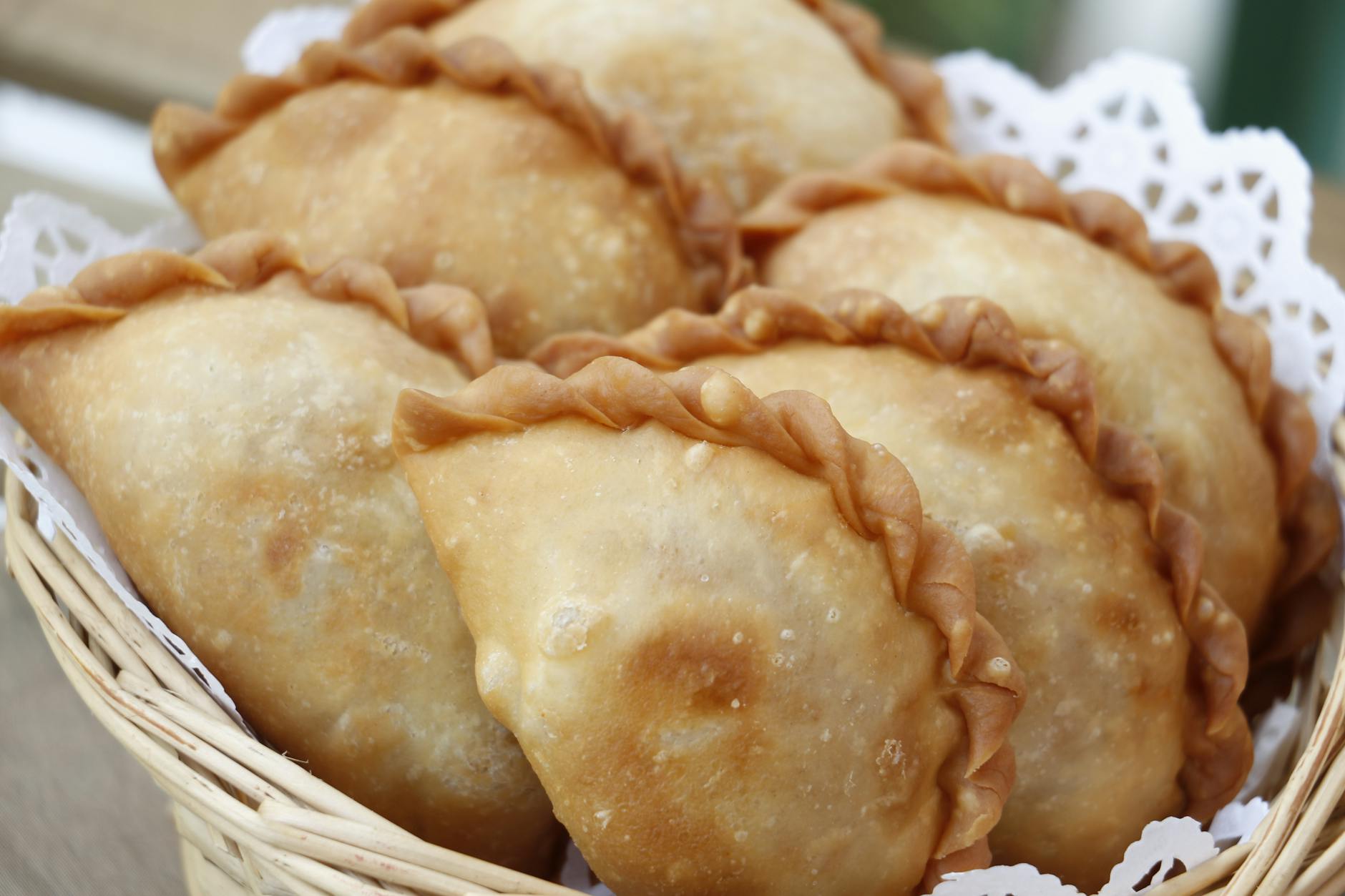
No Cornwall food guide would be complete without starting with the most famous Cornish export of all — the Cornish pasty. This golden, D-shaped parcel of pastry has been sustaining the people of Cornwall for centuries, with references dating back to the 13th century. The pasty rose to prominence during the mining era of the 18th and 19th centuries, when tin and copper miners carried them underground as a convenient, self-contained meal. The thick crimped edge served as a handle that could be held with dirty hands and discarded afterwards, while the robust pastry kept the filling warm for hours.
An authentic Cornish pasty contains just a few simple ingredients: diced beef skirt, potato, swede (known locally as turnip), onion, salt, and pepper, all wrapped in shortcrust pastry and crimped along one side. Since 2011, the Cornish pasty has held Protected Geographical Indication (PGI) status from the European Commission, meaning only pasties made in Cornwall following the traditional recipe can legally bear the name. This protection places the Cornish pasty alongside Champagne, Parma ham, and Stilton cheese as a recognised regional food product.
Finding a great pasty in Cornwall is rarely difficult, but some bakeries stand out. The Cornish Pasty Association maintains a list of approved producers. Among the most celebrated are Ann’s Pasties in the Lizard, which uses a secret family recipe; Philps bakeries, found throughout west Cornwall and known for their generous, chunky filling; and Rowe’s, which has been baking in Cornwall for over 75 years with more than 70 shops across the South West. In Padstow, Chough Bakery produces award-winning pasties using locally sourced ingredients, while Warren’s Bakery in St Just holds the distinction of being Cornwall’s oldest bakery, established in 1860.
When ordering, you will find much more than the traditional steak pasty. Modern Cornish bakeries offer variations including cheese and onion, chicken and ham, lamb and mint, and even sweet options like apple and blackberry. However, purists insist that the original beef, potato, and swede combination remains unbeatable, especially when eaten warm from the paper bag while sitting on a harbour wall watching the boats.
The pasty also holds an important place in Cornwall’s cultural calendar. Each year on the last Saturday of February, the town of St Ives celebrates the Feast of St Ia with a procession and, naturally, pasties. The World Pasty Championships, held annually at the Eden Project, attract entries from around the globe, with categories for amateur and professional bakers competing to produce the finest traditional and contemporary pasties. Watching skilled bakers demonstrate the art of crimping — each baker has their own distinctive style — is one of the highlights, and the event raises thousands of pounds for local charities.
For visitors wanting to try their hand at making their own, several cookery schools and experiences across Cornwall offer pasty-making workshops. These hands-on sessions typically last a couple of hours and cover the art of making the pastry, preparing the filling, and achieving the perfect crimp. It is a wonderful rainy-day activity and a skill you can take home as a lasting souvenir of your Cornwall food guide adventure.
The Cornish Cream Tea Tradition
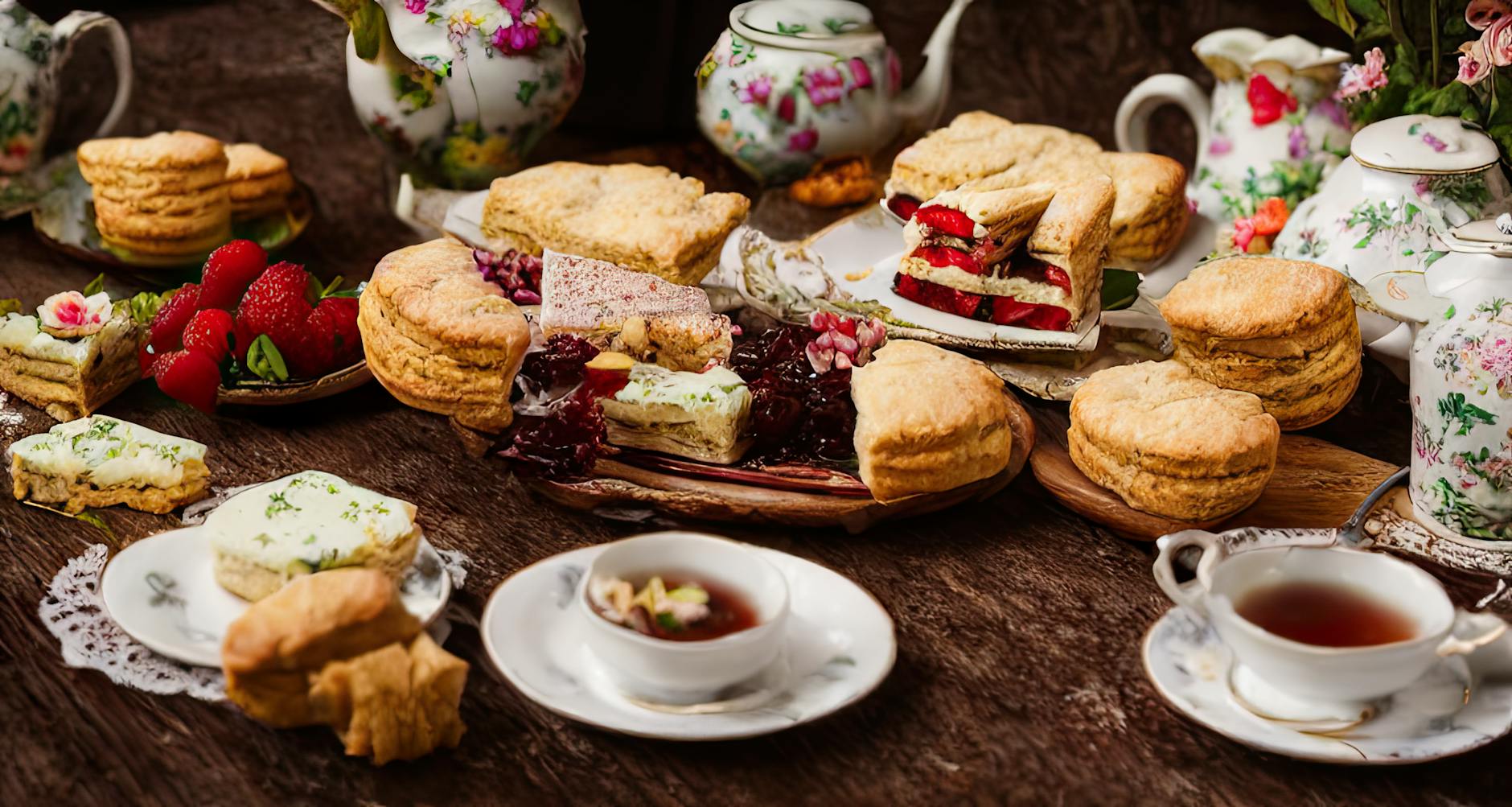
The cream tea is one of Cornwall’s most beloved culinary traditions and a must-experience entry in any Cornwall food guide. The components are deceptively simple: freshly baked scones, a pot of strawberry jam, a generous bowl of clotted cream, and a pot of strong tea. But in Cornwall, the order of assembly matters enormously. The Cornish way is jam first, then a generous dollop of clotted cream on top. This is not merely a preference — it is a point of regional pride that has fuelled a friendly rivalry with neighbouring Devon (where cream goes first) for generations.
Cornish clotted cream is the star of the cream tea, and it has been produced in Cornwall for centuries, possibly since Phoenician traders first introduced the technique around 2,000 years ago. The cream is made by slowly heating rich, full-fat milk until a thick, golden crust forms on the surface. The result is an intensely rich cream with a minimum 55% butterfat content, a velvety texture, and a slightly sweet, nutty flavour unlike any other dairy product.
Cornish clotted cream received Protected Designation of Origin (PDO) status in 1998, recognising it as a unique product of the Cornish terroir. Trewithen Dairy and Rodda’s are two of the most respected producers, both family-run and still using traditional methods.
Traditionally, the Cornish version used a “split” — a lightly sweetened white bread roll — rather than a scone. While splits are now rare in commercial settings, some traditional tearooms still serve them. The best places to enjoy a cream tea include the Dwelling House in Fowey, housed in the town’s oldest building; the Minack Theatre café at Porthcurno, where you can enjoy your scones with views of the open Atlantic; and the National Trust tearooms at Lanhydrock and Cotehele, which serve cream teas using locally sourced ingredients in magnificent historic settings.
Beyond the classic cream tea, Cornwall offers a range of afternoon tea experiences that go above and beyond the scone-and-cream formula. The Alverton in Truro serves an elegant afternoon tea in a beautifully restored chapel, with finger sandwiches, pastries, and warm scones alongside Tregothnan tea — grown on the only tea plantation in mainland Britain, located on the Tregothnan estate near Truro. The Greenbank Hotel in Falmouth offers afternoon tea with harbour views, while the Hotel Endsleigh on the Devon border (owned by Olga Polizzi) serves one of the most refined afternoon teas in the South West, using ingredients from the hotel’s Victorian kitchen garden.
Fresh Seafood and Fish
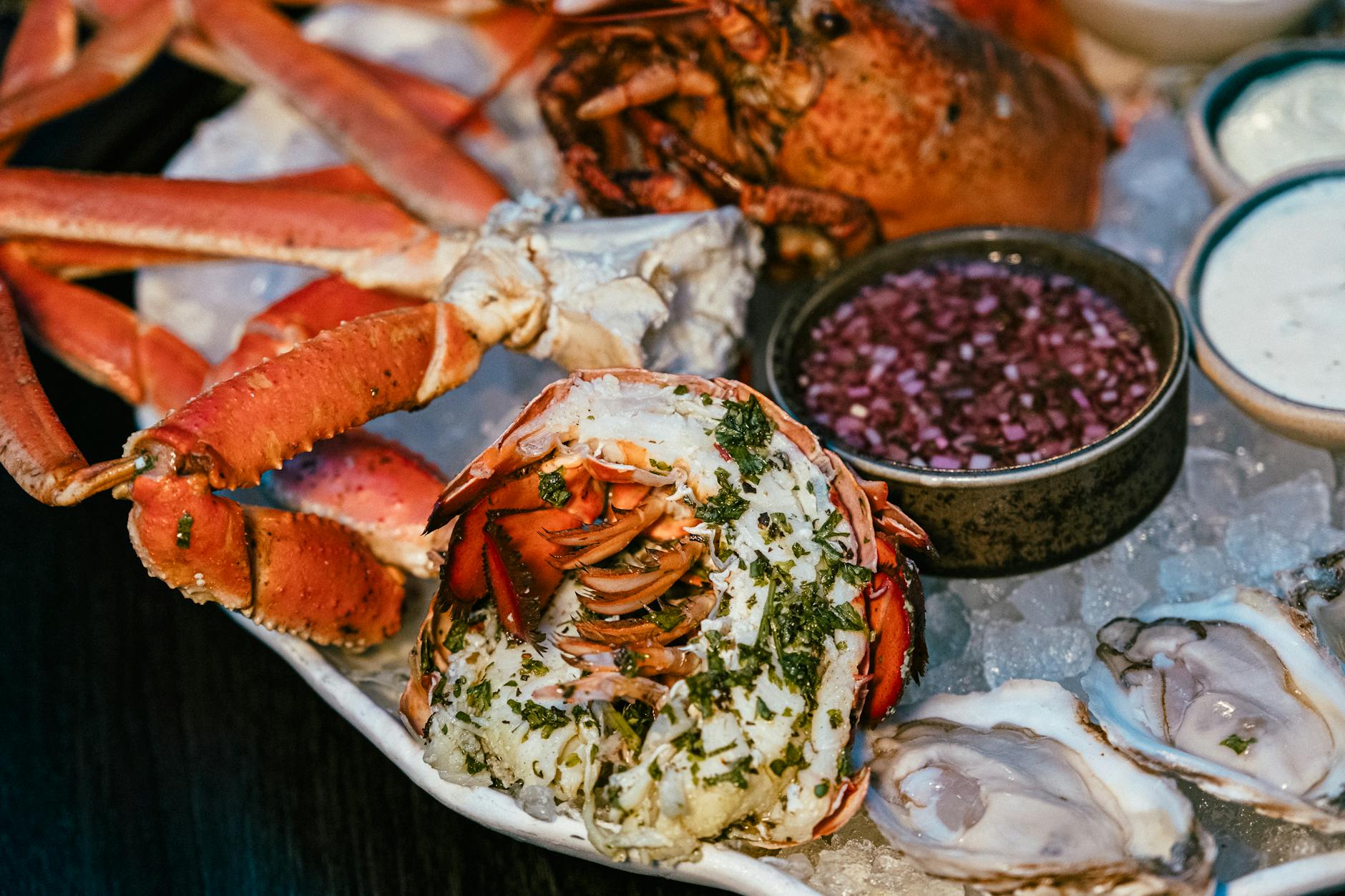
Surrounded by sea on three sides, Cornwall has one of the richest fishing heritages in Britain. Newlyn, near Penzance, is the largest fishing port in England by value of fish landed, and the day boats that work the waters off the Cornish coast bring in an astonishing variety of species. Cornish crab, particularly from the waters around Padstow and Port Isaac, is considered among the finest in the world, with sweet white meat and rich brown meat that chefs prize for its intensity of flavour. Lobster, hand-dived scallops from the Fal estuary, mussels from the Helford River, and native oysters from the Camel estuary all feature prominently on menus across the county.
Padstow has earned the affectionate nickname “Padstein” thanks to Rick Stein, who opened The Seafood Restaurant on the harbour in 1975 and almost single-handedly transformed the town into a food destination. Today, Rick Stein operates several establishments in Padstow, including his flagship Seafood Restaurant (known for its lobster thermidor and Indonesian seafood curry), Stein’s Fish and Chips (where everything is cooked to order in crispy batter or grilled), and Rick Stein’s Café, a relaxed family-friendly option. Beyond the Stein empire, Padstow is home to Prawn on the Lawn, which won the Trencherman’s Award for Best Restaurant, and POTL, which serves fresh lobster, crab, and oysters in creative small plates.
Beyond Padstow, seafood lovers are spoilt for choice throughout Cornwall. In Port Isaac, Restaurant Nathan Outlaw holds a Michelin star for his exquisite tasting menu built entirely around the day’s catch. The Wheelhouse in Falmouth serves unfussy, brilliantly fresh fish straight from the quay, while the Crab Shed on the beach at Salcombe provides the ultimate casual seafood experience.
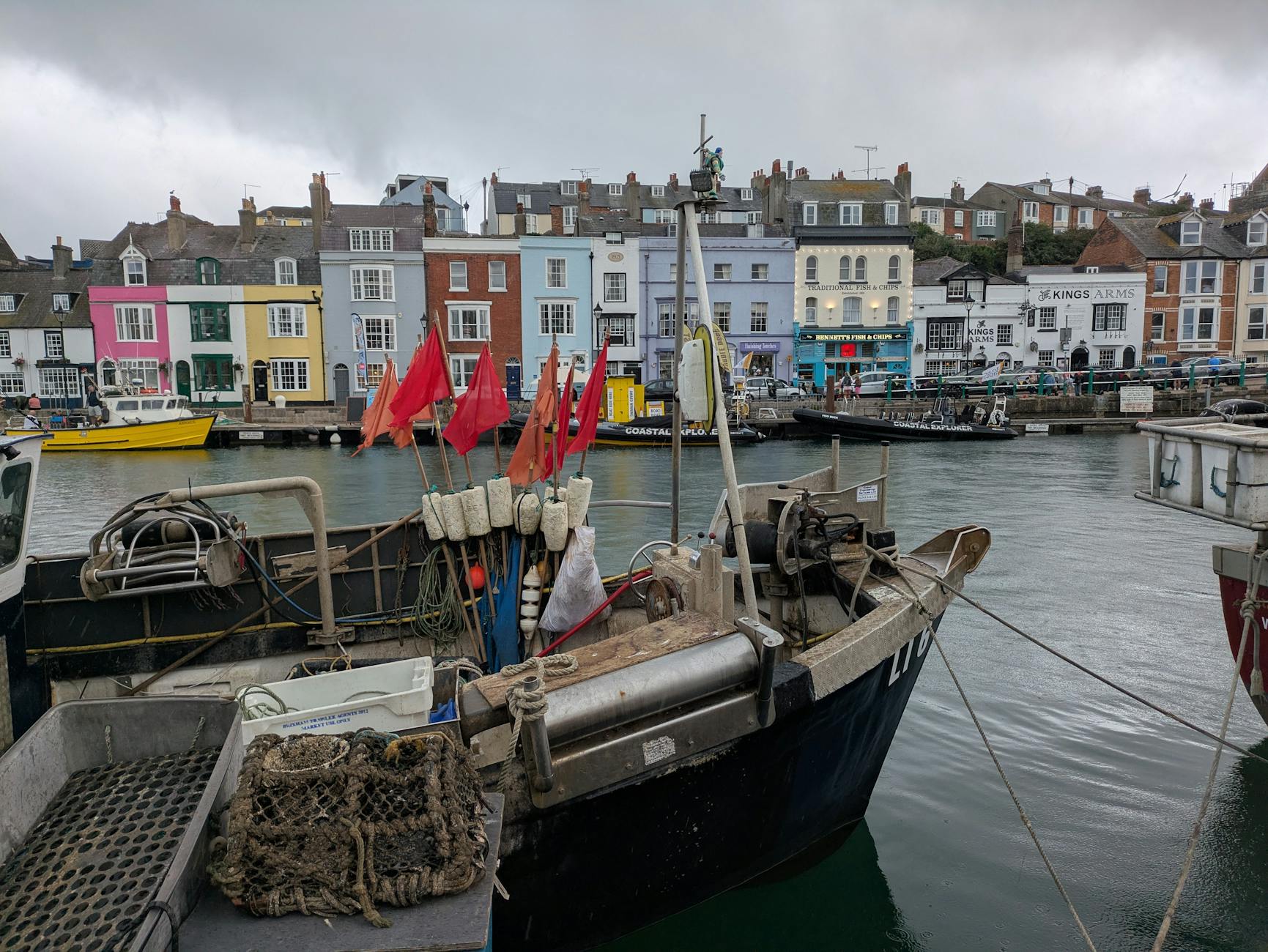
For the best fish and chips in Cornwall, look to harbourside chippies in St Ives, Newlyn, and Looe, where the fish travels just metres from boat to fryer. The key to great Cornish fish and chips is freshness — ask what was landed that morning and try something beyond cod, such as hake, megrim sole, or gurnard, all of which are plentiful in Cornish waters and superbly suited to frying.
Cornwall’s fish smokeries add another dimension to the seafood experience. The Cornish Smokehouse in Charlestown uses traditional oak smoking methods to produce exceptional smoked mackerel, salmon, and trout. In Newlyn, the fish market (open to the public on certain mornings) is a fascinating experience, with auctioneers selling the night’s catch to fishmongers, restaurateurs, and local chefs. For those who want to learn to cook Cornish seafood, Rick Stein’s Cookery School in Padstow and The Seafood School at Fifteen offer day courses that teach participants to prepare and cook the freshest fish, from filleting whole fish to making shellfish bisque. These make for unforgettable Cornwall food guide experiences that connect you directly with the source.
Traditional Cornish Dishes and Bakes
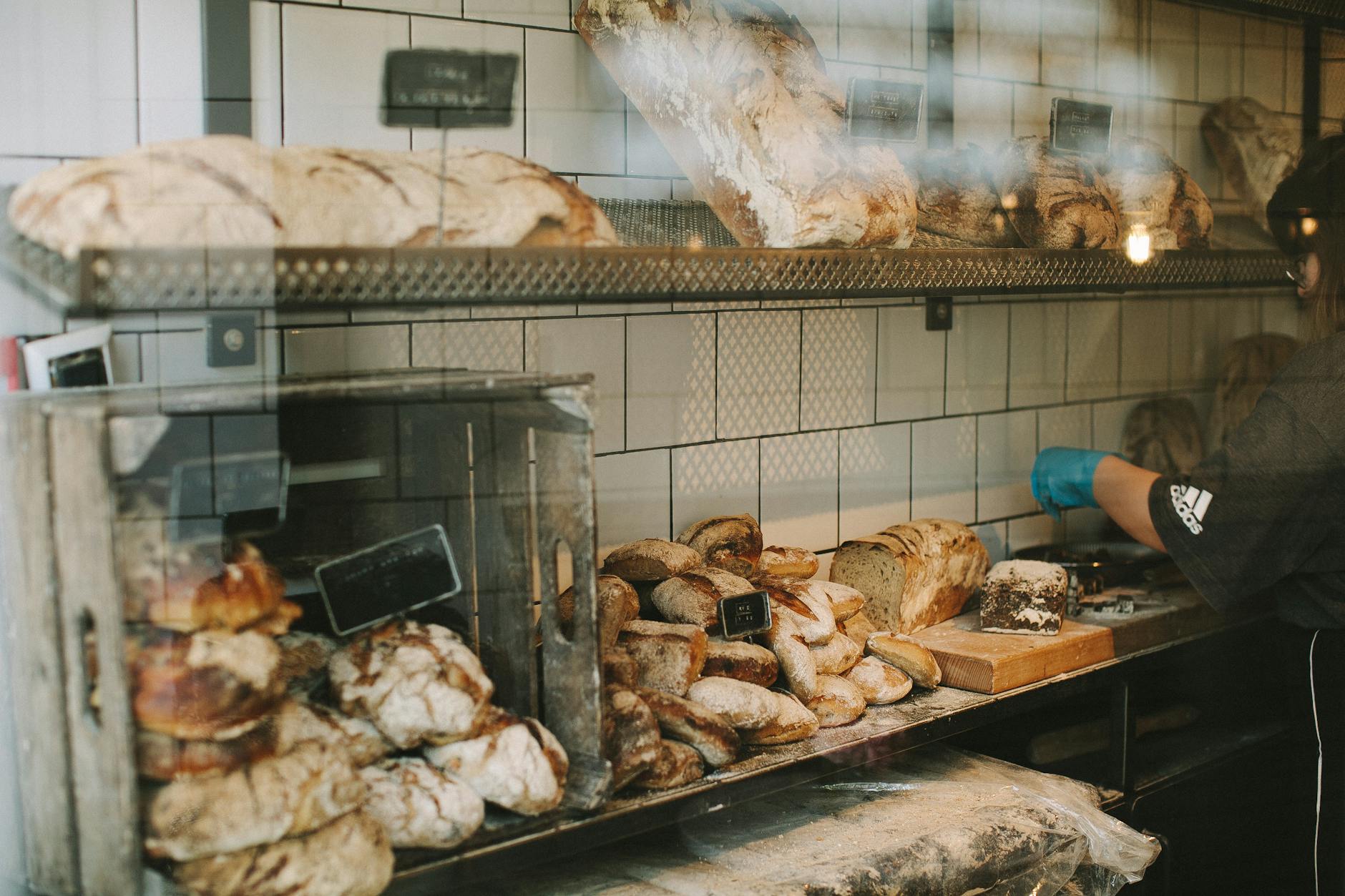
Cornwall’s culinary heritage extends well beyond the pasty and cream tea. Saffron cake is one of the county’s most distinctive bakes — a rich, golden, yeast-raised cake flavoured with real saffron and studded with currants. The tradition of using saffron in Cornish baking is thought to date back to the Phoenician traders who exchanged the precious spice for Cornish tin. Today, saffron buns and cake remain a beloved teatime treat, best found in traditional bakeries across the county, particularly during Easter when they are most widely available.
Hevva cake (also spelled “heavy cake”) has roots in Cornwall’s pilchard fishing industry. When the lookout, known as the “huer,” spotted a shoal of pilchards approaching the coast, the cry of “Hevva! Hevva!” would ring out. While the men rushed to haul in the catch, the women would bake this simple, satisfying cake from flour, butter, sugar, and dried fruit to feed them on their return. The result is a dense, crumbly, lightly sweet slab cake that is traditionally scored on top in a cross-hatch pattern to represent the fishing nets.
Stargazy pie is perhaps Cornwall’s most visually striking dish, featuring whole pilchards baked into a pastry crust with their heads and tails poking out. This eye-catching creation originates from the village of Mousehole, where it is traditionally eaten on 23rd December during the Tom Bawcock’s Eve festival. According to legend, Tom Bawcock was a fisherman who braved a terrible storm to bring back a catch that saved the village from starvation. Other traditional dishes worth seeking out include Cornish fairings (spiced ginger biscuits with a satisfying crunch), figgy ‘obbin (a suet pudding filled with raisins), and Likky pie, a leek-and-bacon pie from the farming communities of west Cornwall.
Cornwall also has a strong tradition of preserving and pickling, born from the need to make food last through the winter months. Cornish honey, produced by bees that forage on the county’s diverse wildflowers and coastal heathers, has a distinctive floral character. Local smokeries produce excellent smoked fish, charcuterie, and even smoked butter and cheese. For something truly unique, look for Cornish sea salt harvested from the crystal-clear waters around the Lizard Peninsula. These artisan products reflect the resourcefulness and ingenuity that have characterised Cornish food culture for centuries, and they make excellent gifts to bring home from your Cornwall food guide exploration.
Cornish Cheese and Dairy
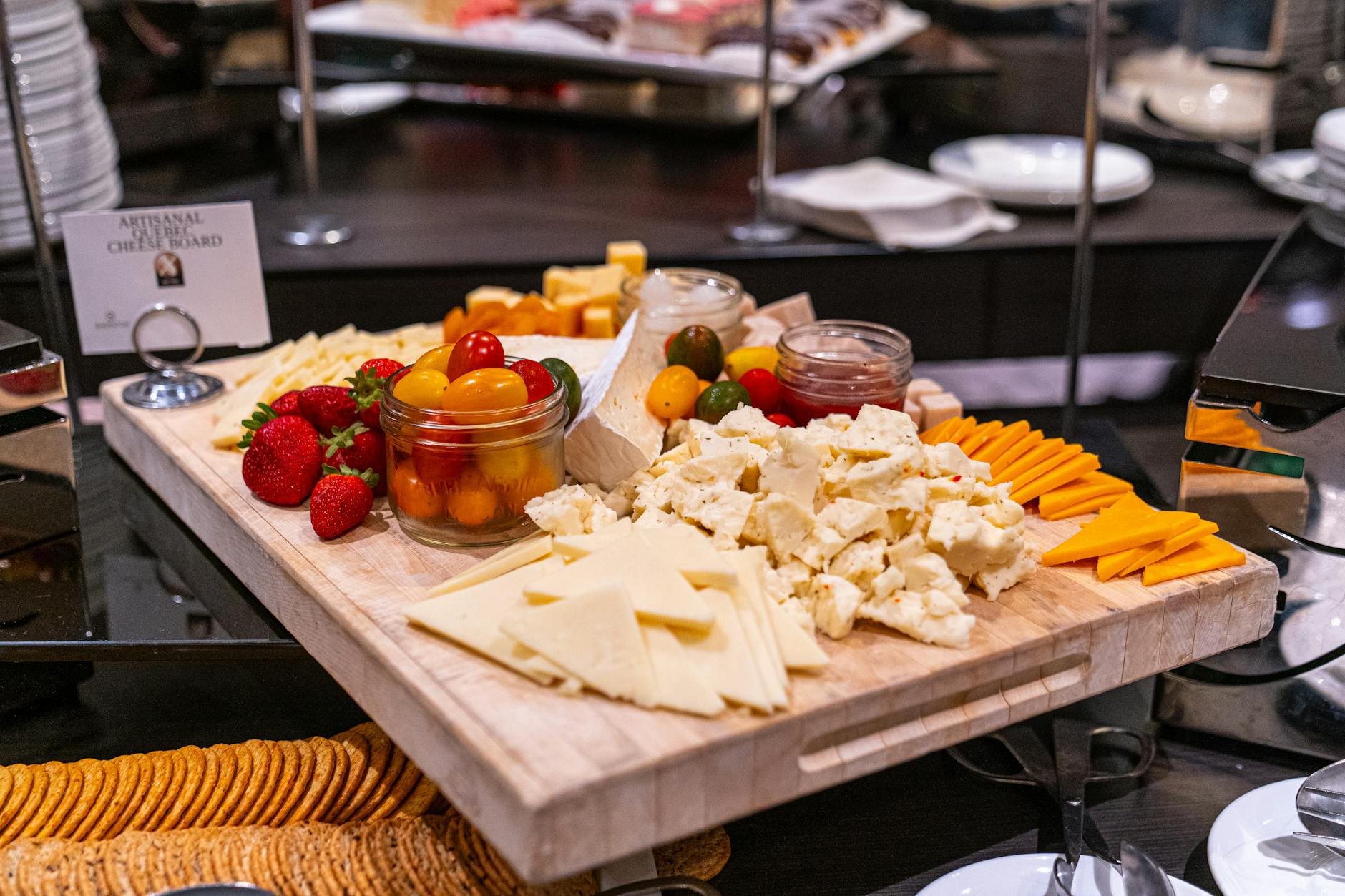
Cornwall’s mild, damp climate produces lush pastures that are ideal for dairy farming, and the county has developed a thriving artisan cheese scene. The most famous Cornish cheese is Cornish Yarg, a semi-hard cow’s milk cheese with a distinctive edible rind made from hand-picked nettle leaves. Created in the 1980s from a recipe discovered in a farmhouse attic, Yarg is now made at Lynher Dairies near Truro and has won numerous awards. The nettle rind gives the cheese a subtle, mushroomy flavour and a beautiful appearance that makes it a centrepiece of any cheeseboard.
Cornish Blue, made by the Cornish Cheese Company at Liskeard, achieved the extraordinary distinction of being named World Champion Cheese in 2010, beating over 2,600 entries from 26 countries. This mild, creamy blue cheese is far gentler than a Stilton, making it an excellent introduction to blue cheese for those who find stronger varieties too assertive. Other notable Cornish cheeses include Cornish Brie from Trevarrian Dairy, Stithians from Menallack Farm (a washed-rind cheese aged in local cider), and Cornish Kern, a Gouda-style cheese from Lynher Dairies that won the World Cheese Awards Super Gold.
For dairy enthusiasts, a visit to Trewithen Dairy near Lostwithiel offers insight into traditional Cornish dairy production. This family farm has been producing milk, cream, and butter since 1976, and their clotted cream and butter are served in restaurants throughout the county. Many Cornwall food guide visitors also enjoy exploring the dairy counters at local farm shops, where the range of Cornish cheese available is remarkable for such a small county.
Cornwall’s dairy tradition also extends to exceptional butter, yoghurt, and ice cream. Callestick Farm near Truro has been producing award-winning ice cream since 1989, using fresh milk from their own herd of Friesian cows. Their flavours range from classic Cornish clotted cream to inventive seasonal specials, and their ice cream parlour on the farm is a popular stop for families. Roskilly’s on the Lizard Peninsula is another beloved producer, offering organic ice cream, fudge, and clotted cream alongside a working farm that visitors can explore. The farm’s restaurant serves home-cooked meals using ingredients from the estate, and their ice cream sundaes are legendary.
Fine Dining and Michelin Star Restaurants
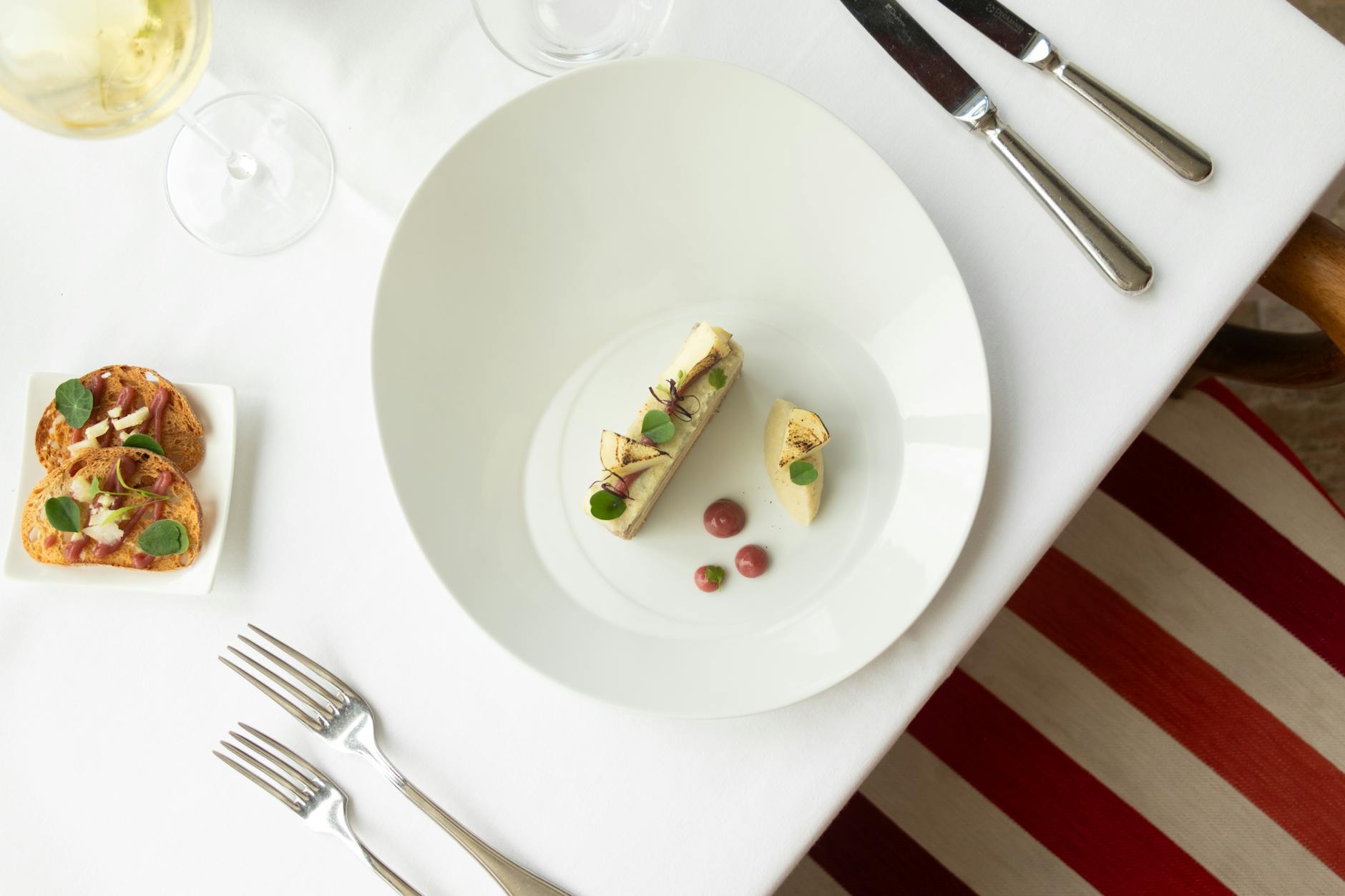
Cornwall punches well above its weight in the fine dining world, with four Michelin-starred restaurants and over 30 Michelin-recommended establishments — a remarkable concentration for a largely rural county. Restaurant Nathan Outlaw in Port Isaac holds one Michelin star for his extraordinary seafood tasting menu, where every dish showcases the freshest Cornish catch, prepared with a lightness and precision that lets the quality of the ingredients shine through.
Paul Ainsworth at No. 6 in Padstow has held its Michelin star since 2013. Set in an elegant Georgian townhouse just back from the harbour, the restaurant offers a menu that combines local Cornish ingredients with Mediterranean and Asian influences. Ainsworth’s commitment to sustainability and his support for local suppliers have made No. 6 a benchmark for responsible fine dining. His tasting menu changes with the seasons and might include heritage longhorn beef with garden vegetables, or a spectacular Indonesian-inspired seafood curry.
Coombeshead Farm near Lewannick has earned a Michelin Green Star for its commitment to sustainability, as a working farm and restaurant where almost everything served has been grown, reared, or foraged within yards of the kitchen. The experience is communal and relaxed, with long tables, wood-fired cooking, and an emphasis on letting remarkable ingredients speak for themselves.
CULTURE in Falmouth holds a Michelin Green Star for its pioneering approach to sustainable dining, with a focus on reducing waste and championing local producers. North Street Kitchen in Fowey was awarded a Bib Gourmand in 2025 for offering excellent food at moderate prices, serving creative sharing plates of fresh seafood in a lovingly converted boathouse.
Best Pubs and Casual Dining
For many visitors, the heart of the Cornwall food guide experience lies not in fine dining rooms but in the county’s remarkable pubs and casual eateries. Cornwall is blessed with some of England’s finest gastropubs, many occupying centuries-old buildings in spectacular coastal or countryside settings. The Gurnard’s Head near Zennor is widely regarded as one of the best pub-restaurants in the South West, serving seasonal menus built around local ingredients in a wild, windswept setting between St Ives and Land’s End.
The Driftwood Spars in St Agnes combines a working microbrewery with an excellent kitchen, offering locally caught fish alongside their own ales in a characterful old building near Trevaunance Cove. The Old Coastguard in Mousehole serves thoughtful, Mediterranean-influenced food with views across Mount’s Bay to St Michael’s Mount. In Watergate Bay, the Beach Hut serves superb casual dining with tables directly on the sand, while Jamie Oliver’s Fifteen Cornwall (now reinvented as Outlaw’s New Road) remains a landmark of Cornwall’s food scene.
For a more casual experience, Cornwall’s harbour towns are full of excellent cafés and delis. The Shore restaurant in Penzance offers Mediterranean-Cornish fusion with a focus on line-caught fish. In Truro, Mannings serves creative seasonal menus that celebrate Cornish suppliers. And throughout the county, you will find mobile fish vans, roadside pasty shops, and beachside kiosks serving some of the freshest, most delicious food you have ever tasted.
Cornwall’s food truck and street food scene has also flourished in recent years. The Harbour Food Market in Falmouth brings together a rotating selection of independent food traders every Friday and Saturday. In Newquay, the Towan Head area has become a hotspot for surf-inspired food shacks serving everything from Hawaiian poke bowls to loaded fries. Pop-up dining events, known as “supper clubs,” are increasingly popular across the county, offering intimate multi-course dinners in unusual settings from clifftop gardens to converted barns. These experiences are often announced on social media at short notice, so following your favourite Cornish chefs and food producers online is a good way to hear about them.
Cornwall Food Guide to Craft Beer and Cider
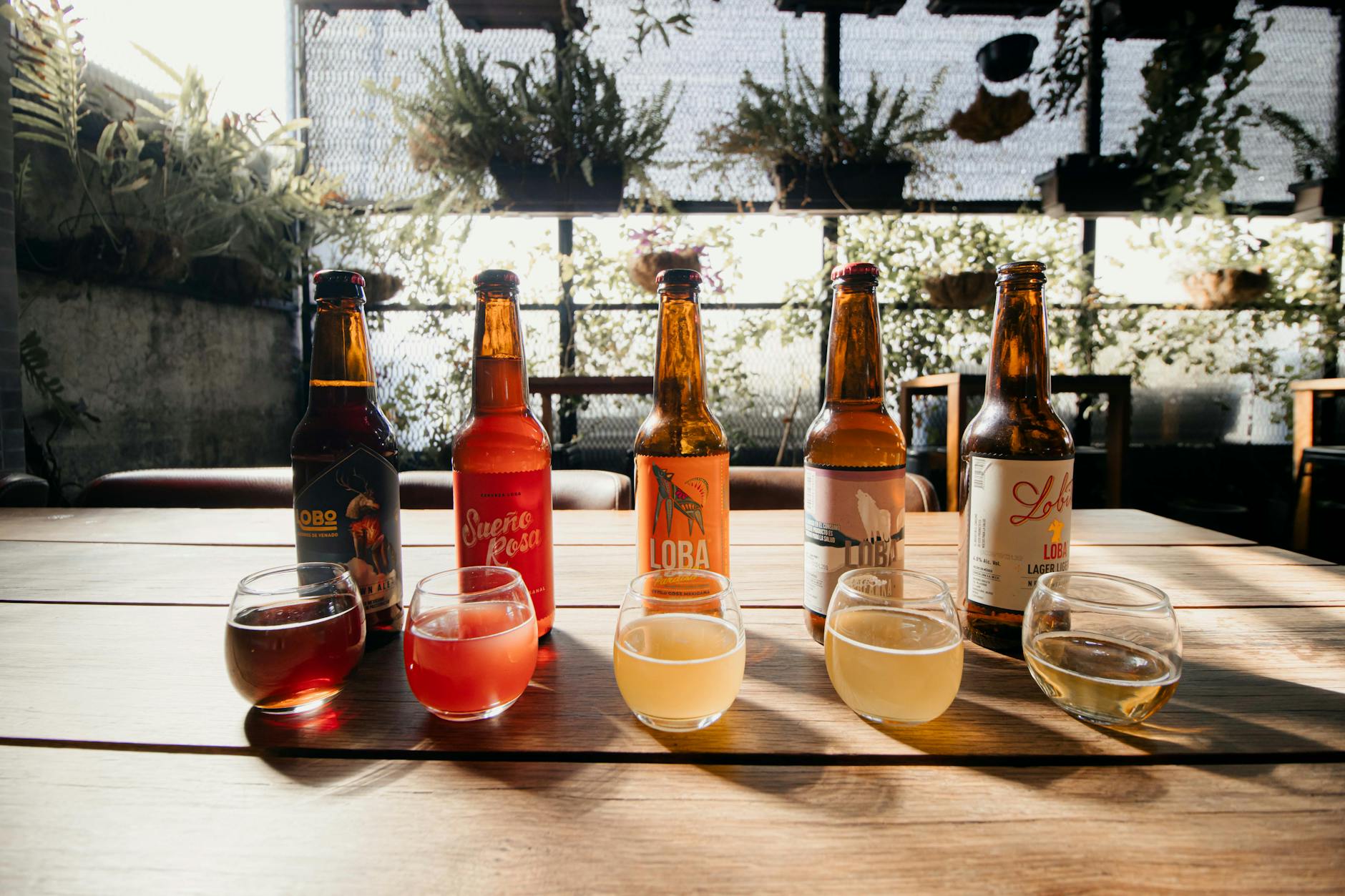
Cornwall’s brewing tradition dates back centuries, and the county is home to both historic family breweries and a thriving craft beer scene. St Austell Brewery, founded in 1851, is Cornwall’s largest and most iconic brewery. Their flagship beer, Tribute, is the best-selling cask ale in the South West, and the brewery offers excellent tours that take visitors through over 170 years of Cornish brewing history, followed by tastings in the visitor centre. Their annual Celtic Beer Festival is one of Cornwall’s most popular beer events.
The craft beer revolution has transformed Cornwall’s drinking landscape. Harbour Brewing Co in Bodmin produces an impressive range of contemporary beers using water from their own spring, while Padstow Brewing Company offers tours and brewing experiences at their modern facility on the edge of town. Skinner’s Brewery in Truro produces the popular Betty Stogs bitter, named after a character from Cornish folklore, and Sharp’s Brewery in Rock is famous for Doom Bar, one of Britain’s best-selling ales.
For those who prefer to explore on foot, many of Cornwall’s pubs serve real ales from local microbreweries, and the CAMRA Cornwall branch maintains an excellent guide to the county’s best real ale pubs.
Cornwall also has a long tradition of cider-making, and Cornish Orchards at Westnorth Manor Farm near Duloe is the county’s premier producer. Using traditional Cornish apple varieties, they produce a range of premium ciders and apple juices that have won numerous awards. Their Gold Cider, made from a blend of 22 apple varieties, is a benchmark for quality craft cider. Healey’s Cornish Cyder Farm at Penhallow near Truro offers tours and tastings, and their Rattler cider has become synonymous with Cornish summer festivals.
Cornish Wine and Spirits
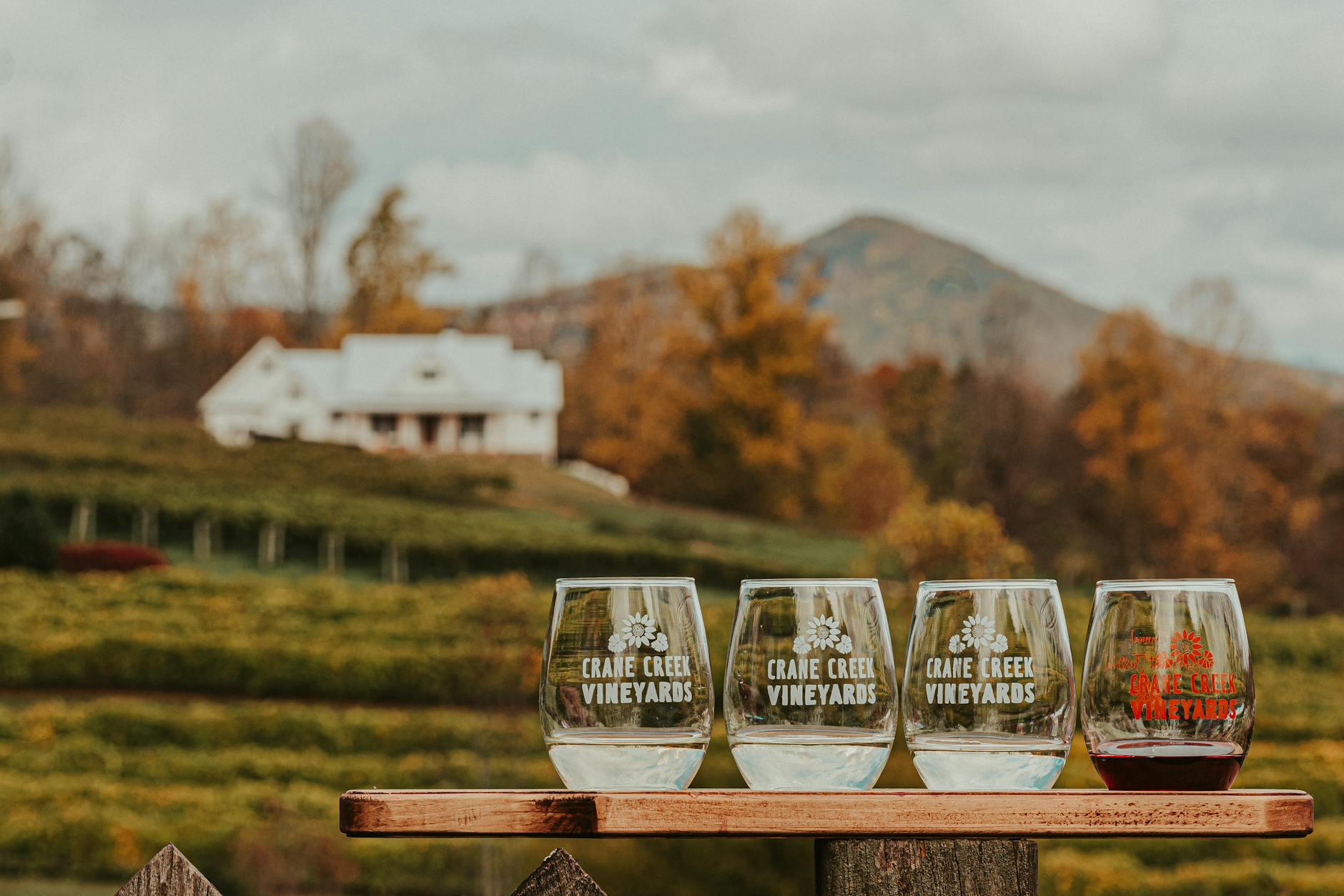
Cornwall’s mild maritime climate and long growing season have made it an increasingly successful wine-producing region. Camel Valley Vineyard near Bodmin is the star of the Cornish wine scene, producing award-winning sparkling and still wines that have earned international recognition and two Royal Warrants. Their ‘Cornwall’ Brut has won gold medals at the International Wine Challenge, and their Bacchus white wine showcases the crisp, aromatic character of English wine at its finest. Vineyard tours and tastings run throughout the season and offer a wonderful way to spend an afternoon in the beautiful Camel Valley.
Other notable Cornish vineyards include Trevibban Mill near Padstow, an organic vineyard producing elegant sparkling wines; Knightor Winery in the Fowey Valley, which offers tours, tastings, and a restaurant; and Polgoon Vineyard near Penzance, which produces both wine and cider. The Cornish vineyard scene is growing rapidly, benefiting from the warming climate that is extending the growing season and improving grape ripening conditions year on year.
On the spirits side, Cornwall has embraced the gin revolution with particular enthusiasm. Tarquin’s Gin, from the Southwestern Distillery in the village of St Ervan, was the first new gin distilled in Cornwall for over a century and has since won numerous international awards, including gold at the International Wine and Spirits Competition. Tarquin distils his gin in a flame-heated copper pot still named “Tamara,” using fresh botanicals including Devon violets and Cornish honey.
Other excellent Cornish distilleries include Colwith Farm Distillery (producing gin and vodka from their own spring water), Curio Spirits in Mullion (which makes gin using foraged Cornish botanicals), and Dead Dog Distillery in Truro.
Cornwall’s relationship with alcohol extends to some unusual and delightful niche products. Mead — an ancient honey wine — is produced at several locations in Cornwall, including the Lizard Ales brewery, which produces a range of honey-based drinks. Cornish tea liqueurs, sea-buckthorn cordials, and hedgerow gins infused with foraged sloe, damson, and elderflower all speak to the county’s spirit of creativity and its deep connection to the landscape. For visitors interested in exploring this side of Cornwall food guide culture, several companies offer guided tasting tours that take in vineyards, distilleries, and breweries over the course of a leisurely day, often including a pub lunch along the way.
Farm Shops and Farmers Markets
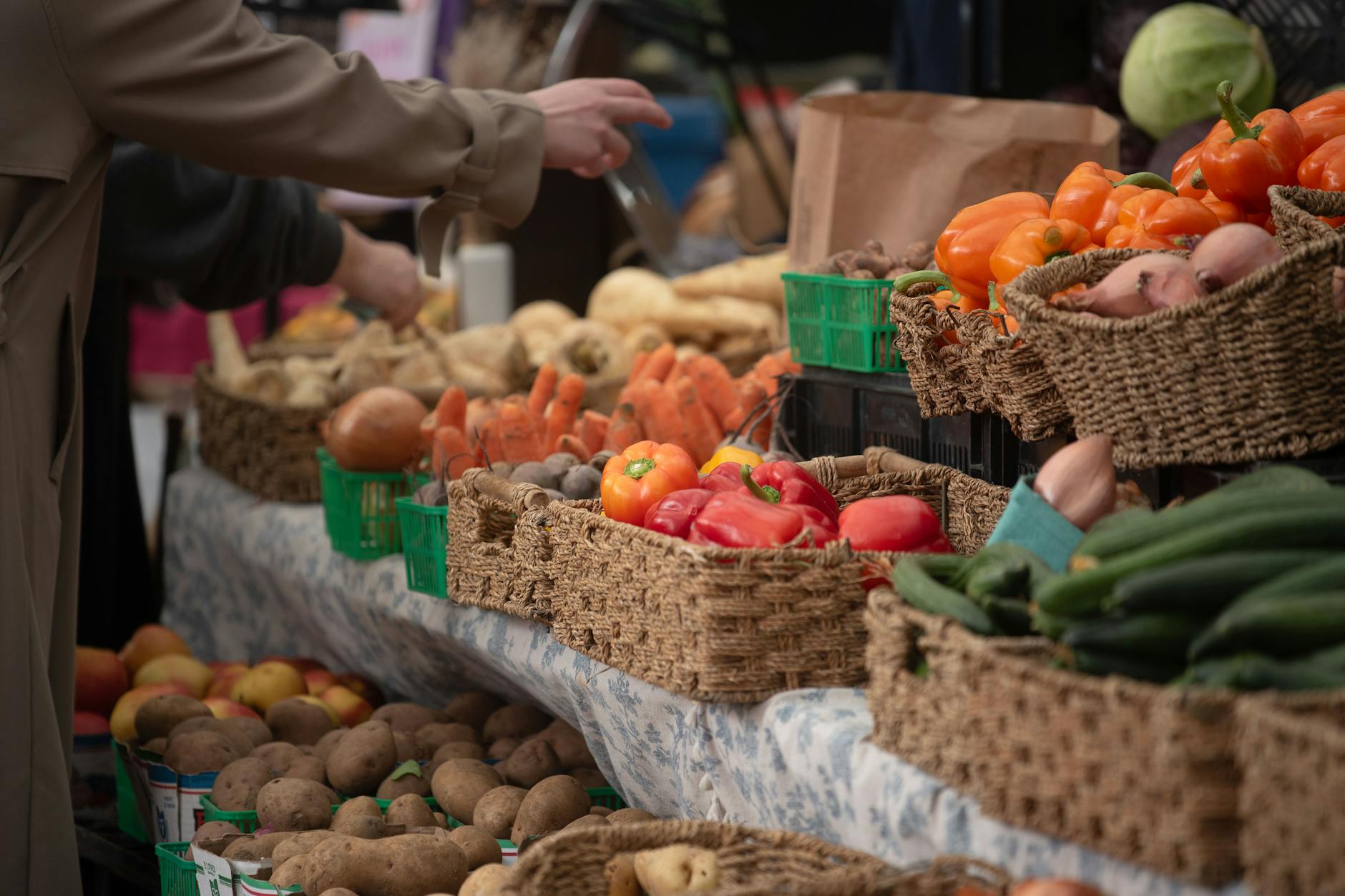
One of the best ways to experience Cornwall’s food culture is through its excellent farm shops and weekly farmers markets. These are not merely places to buy groceries — they are vibrant community hubs where you can meet the people who grow, rear, and produce the food, hear their stories, and taste the freshest seasonal produce. Any serious Cornwall food guide should point visitors to these authentic food experiences.
Truro Farmers Market, held on Wednesdays and Saturdays at Lemon Quay, is one of Cornwall’s finest, with stalls selling everything from artisan bread and local cheeses to fresh fish, seasonal vegetables, and Cornish charcuterie. St Ives Farmers Market runs every Monday throughout the year, offering a lovely selection of local produce in the heart of this beautiful coastal town. Helston Farmers Market (first Saturday of each month) and Newquay Farmers Market (third Saturday) are also well worth visiting. During the summer months, many smaller towns and villages host their own weekly markets.
Cornwall’s farm shops are equally rewarding. Trevaskis Farm near Hayle is a must-visit, with pick-your-own fruit fields, a superb farm shop stocked with fresh vegetables, locally sourced meats, and Cornish pantry staples, plus an excellent restaurant. Padstow Farm Shop showcases the county’s finest artisan producers with local cheeses, seasonal herbs, and free-range meats.
Purely Cornish Farm Shop and Deli in East Looe brings together produce from across the county, while Gear Farm near Helston offers a shop, café, and fascinating farming history. For visitors staying in self-catering accommodation, a trip to a farm shop or market is the perfect way to stock up on ingredients for cooking your own Cornish feast.
For a truly immersive farm-to-fork Cornwall food guide experience, several working farms across the county welcome visitors. Tregilliowe Farm near Falmouth offers seasonal pick-your-own fruit and vegetables. Knightor Winery in the Fowey Valley combines a vineyard with a restaurant that serves produce grown on the estate. And Nancarrow Farm near Truro hosts regular feasting events and supper clubs in their beautifully converted barn, serving multi-course meals prepared from ingredients grown, reared, and foraged within a few miles of the table. These experiences connect visitors with the land and the people who work it, adding a deeper dimension to the Cornwall food guide journey that goes beyond simply eating well.
Cornwall Food Festivals
Cornwall’s food festival calendar runs throughout the year, offering visitors the chance to celebrate the county’s culinary culture through tastings, demonstrations, and convivial dining. These festivals are a highlight of the Cornwall food guide experience and provide an excellent opportunity to sample a wide range of producers in one visit.
Porthleven Food Festival (April 24-26, 2026): Set around the picturesque working harbour of Porthleven, this is one of Cornwall’s most atmospheric food events. The festival features chef demonstrations, producer stalls, street food, feast nights, and masterclasses, all set against the dramatic backdrop of the harbour walls and the open sea beyond. The emphasis is on local, sustainable food, and the festival has a wonderfully relaxed, community feel.
St Ives Food and Drink Festival (May 15-17, 2026): Held on the spectacular Porthminster Beach with views across St Ives Bay, this three-day festival combines chef demos, artisan food stalls, and live music in one of Cornwall’s most beautiful settings. Expect to find everything from Cornish gin tastings to live cookery demonstrations by top local chefs, all with the sound of waves and the smell of salt air as a backdrop.
Falmouth Food Festival (late May Bank Holiday weekend): This popular festival takes over multiple venues across Falmouth, celebrating the town’s incredible food culture with local producers, artisan vendors, street food, chef demonstrations, and family-friendly entertainment. The festival has a strong focus on fresh seafood, reflecting Falmouth’s working harbour and fishing heritage.
Other notable food events include the Newquay Fish Festival (September), the Padstow Christmas Festival (December) featuring celebrity chef demonstrations on the harbour, and the Falmouth Oyster Festival (October), which celebrates the start of the traditional oyster dredging season on the Fal estuary — the last place in Europe where oysters are harvested under sail. Throughout the summer, many towns host food-themed markets, pop-up dining events, and producer fairs.
Planning Your Cornish Food Adventure
Where to base yourself: Padstow is the undisputed capital of Cornish food tourism, with the highest concentration of excellent restaurants within walking distance. Falmouth offers a wonderful mix of casual and fine dining with a working harbour atmosphere. St Ives combines a beautiful coastal setting with excellent restaurants and cafés. Truro, as the county capital, has the best farmers market and a growing restaurant scene.
When to visit: Cornwall’s food scene is excellent year-round, but the late spring through early autumn period (May to September) offers the widest choice of festivals, outdoor dining, and seasonal produce. The summer months bring the freshest seafood and the longest hours for al fresco dining. Autumn brings the oyster season, wild mushroom foraging, and harvest festivals. Winter has its own charms, including the Padstow Christmas Festival and cosy pub dining beside roaring fires.
Booking ahead: Cornwall’s best restaurants are extremely popular, especially during summer. For Michelin-starred restaurants and popular spots like Rick Stein’s Seafood Restaurant, booking several weeks in advance is essential during peak season (July-August). Many restaurants release tables online, so check their websites regularly. For more casual dining, arriving early (before 12:30 for lunch, before 7pm for dinner) usually secures a walk-in table.
Accommodation: Cornwall has an excellent network of B&Bs, many of which take particular pride in their breakfasts, using local eggs, sausages, and bacon alongside Cornish bread and butter. For our complete guide to staying in Cornwall, visit our Cornwall Bed and Breakfast Guide. If you are planning a walking holiday between food stops, our Walking Cornwall Trails Guide covers all the best routes. For more ideas on what to do between meals, explore our guide to Things to Do in Cornwall and our Best Beaches Cornwall guide for working up an appetite on the sand.
Food tours and experiences: Several companies offer guided food tours of Cornwall’s towns and producers. Cornish Food Tours offers walking tours of Padstow and Falmouth that take you behind the scenes at artisan bakeries, fishmongers, and cheese shops. For a more immersive experience, Cornwall Discovery runs full-day tours that combine visits to vineyards, breweries, and distilleries with tastings and a pub lunch. Cookery courses are available throughout the county, from Rick Stein’s famous school in Padstow to more intimate workshops at farmhouse kitchens and coastal retreats.
Dietary requirements: Cornwall’s restaurants are generally excellent at accommodating dietary needs. The emphasis on fresh, locally sourced ingredients means that many menus naturally offer gluten-free, dairy-free, and vegetarian options. Vegan dining has grown significantly, with dedicated vegan cafés in Falmouth, St Ives, and Newquay, and most restaurants now offering at least one substantial vegan main course. For those with coeliac disease, several Cornish bakeries produce gluten-free pasties, and Rick Stein’s fish and chips are available in gluten-free batter. If you have specific allergies, calling ahead is always advisable, but you will generally find Cornwall’s chefs knowledgeable and accommodating.
Supporting local: One of the joys of eating in Cornwall is that you are often just one step removed from the producer. Ask your B&B host where they source their breakfast ingredients, chat with stallholders at the farmers market, and choose restaurants that name their suppliers on the menu. By eating locally produced food, you are not only enjoying the freshest possible ingredients but also supporting the farming, fishing, and food production communities that keep Cornwall’s culinary traditions alive. The Cornwall food guide experience is as much about the people and stories behind the food as it is about the flavours on your plate.
Food shopping to take home: Many producers offer mail-order and online shopping, but there is nothing quite like browsing a Cornish farm shop or market and choosing your own treats to take home. Cornish pasties travel well (most bakeries sell them frozen), clotted cream can be kept cool for the journey, and Cornish cheeses, biscuits, fudge, and preserves all make wonderful souvenirs. For a curated selection, the Food From Cornwall directory lists hundreds of producers who ship nationwide.