From the sun-drenched harbours of the south coast to the wild, surf-battered villages of the north, Cornwall towns and villages offer some of the most beautiful and characterful places to visit anywhere in Britain. Each settlement has its own distinct personality, shaped by centuries of fishing, farming, mining, and maritime trade.
This comprehensive guide to Cornwall towns and villages takes you on a journey through the county’s most rewarding destinations, covering the best places to stay, what to see and do, and the unique character that makes each community special. Whether you are drawn to artistic harbours, foodie destinations, ancient villages steeped in legend, or secluded hamlets far from the tourist trail, this guide will help you find the perfect Cornwall towns and villages for your holiday.
Contents
- St Ives: Art, Beaches, and Bohemian Charm
- Padstow: Cornwall’s Food Capital
- Falmouth: Maritime Heritage and University Town
- Truro: Cornwall’s Cathedral City
- Penzance and Marazion
- Fowey: A Literary Harbour Town
- North Coast Cornwall Towns and Villages
- South Coast Villages
- Hidden Gem Villages
- Markets and Festivals
- Where to Stay in Cornwall Towns and Villages
- Getting Around
- Planning Your Visit
St Ives: Art, Beaches, and Bohemian Charm
Of all Cornwall towns and villages, St Ives is perhaps the most celebrated. This former fishing port on the north coast has reinvented itself as one of Britain’s premier art destinations, while retaining the narrow cobbled streets, whitewashed cottages, and working harbour that make it irresistibly photogenic. The quality of light here — caused by the town’s position on a peninsula surrounded by sea on three sides — has attracted artists since the 1880s, and the tradition continues today with over twenty galleries and studios dotted through the town.
The jewel of St Ives’ cultural scene is Tate St Ives, which overlooks Porthmeor Beach and houses a rotating collection of modern and contemporary art, including works by Barbara Hepworth, Ben Nicholson, and Patrick Heron. A short walk away, the Barbara Hepworth Museum and Sculpture Garden preserves the sculptor’s studio and garden exactly as she left them — a magical space where bronze and stone forms stand among subtropical plants. Both are essential visits for anyone interested in art.
St Ives boasts no fewer than six beaches within walking distance of the town centre. Porthminster is the most family-friendly, a sheltered crescent of golden sand with calm, clear water and an award-winning beach café. Porthmeor faces the Atlantic and offers excellent surfing. The tiny Porthgwidden, tucked beneath the Island headland, is a hidden gem. For those who love coastal walks, the path north from St Ives along the cliffs towards Zennor is one of the finest stretches of the South West Coast Path.
The food scene in St Ives has matured considerably in recent years. Porthminster Beach Café serves sophisticated seafood dishes with Asian and Mediterranean influences, and its terrace overlooking the bay is one of the most enviable dining spots in Cornwall. For something more casual, the many fish and chip shops along the harbourfront offer freshly caught, locally landed fish. The Rum and Crab Shack specialises in Caribbean-inspired seafood with a view of the harbour. For provisions, St Ives Farmers Market runs on Thursdays from March to December in the Guildhall.
St Ives is well connected by public transport, with the branch line railway from St Erth providing one of Britain’s most scenic train journeys — the final approach along the coast with views across Carbis Bay and into St Ives is spectacular. Parking in summer can be extremely challenging, so the train or the park-and-ride service from Lelant Saltings are strongly recommended. The town’s September Festival is one of the longest-running arts festivals in Britain, featuring music, poetry, film, and comedy alongside the visual arts. St Ives is also famous for its New Year’s Eve celebrations, when the town comes alive with street performances and fireworks over the harbour.
Padstow: Cornwall’s Food Capital
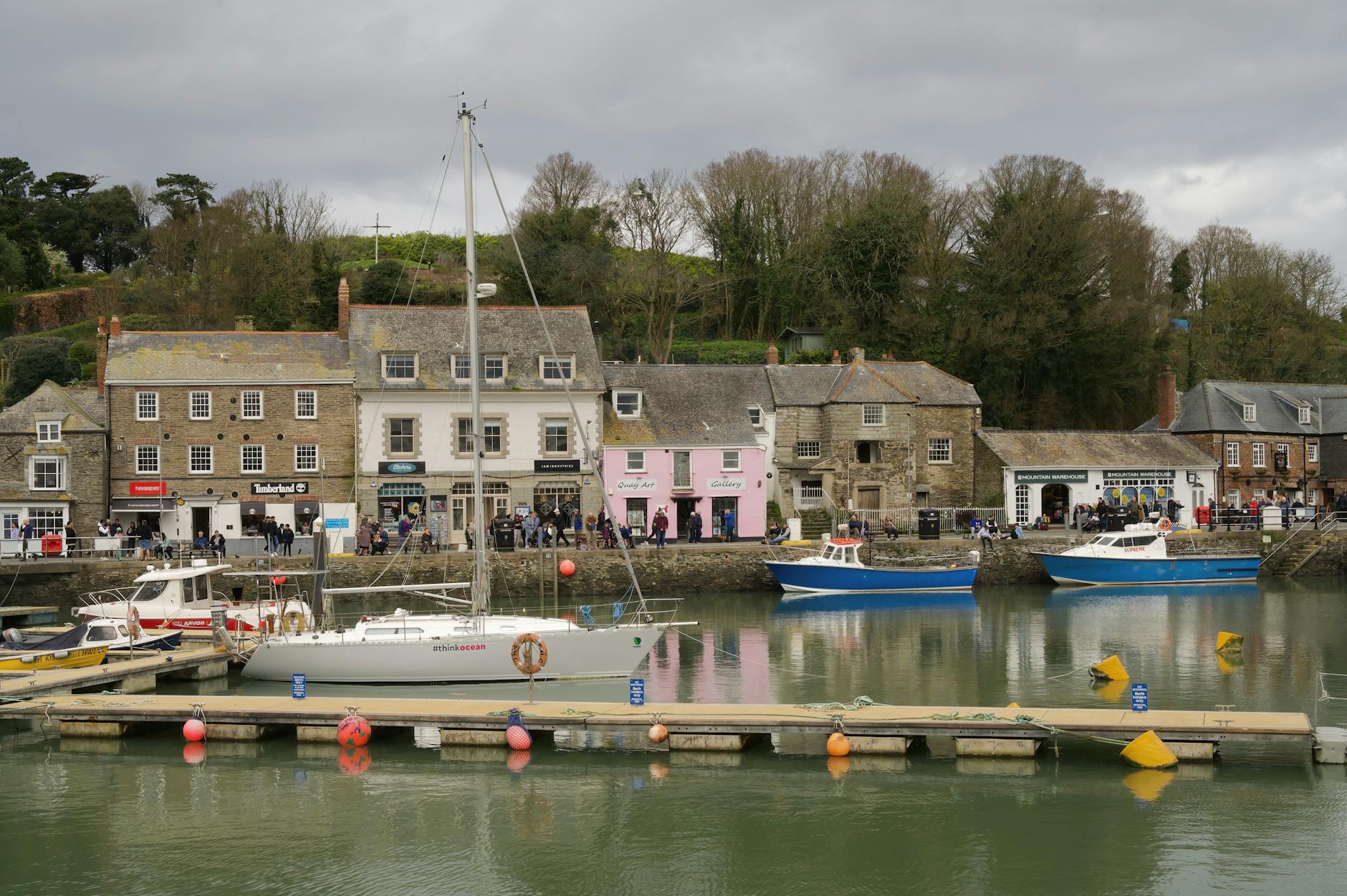
Padstow has earned its reputation as the food capital of Cornwall, largely thanks to Rick Stein, who opened his first restaurant on the harbour in 1975 and has since transformed this pretty fishing town into a gastronomic destination. Today, Rick Stein’s empire includes the flagship Seafood Restaurant, a fish and chip shop, a café, a cookery school, and even accommodation — earning the town its affectionate nickname “Padstein.”
Beyond the Stein influence, Padstow has much to offer. The working harbour is endlessly watchable, with fishing boats, pleasure craft, and the Black Tor ferry crossing to Rock on the opposite bank of the Camel Estuary. The Saints Way long-distance footpath passes through town, and the Camel Trail — a flat, traffic-free cycling and walking path along a disused railway line — runs from Padstow to Bodmin, passing through beautiful countryside.
Paul Ainsworth at No. 6 holds a Michelin star, and newer arrivals like Prawn on the Lawn and POTL have added further depth to the dining scene. For a more casual experience, pick up a pasty from Chough Bakery and eat it on the harbour wall. Padstow’s annual festivals include the famous Obby Oss May Day celebration, one of Cornwall’s oldest and most exuberant traditions, and the Padstow Christmas Festival featuring celebrity chef demonstrations.
Beyond its food reputation, Padstow rewards exploration on foot. The Deer Park headland walk circles around War Memorial and St George’s Well, offering panoramic views of the Camel Estuary and the open Atlantic. The town’s medieval Prideaux Place, a magnificent Elizabethan manor house with 46 acres of deer park grounds, opens its doors to visitors during the summer months and provides a fascinating glimpse into centuries of Cornish gentry life.
Children will enjoy the Padstow Lobster Hatchery, a small conservation project where they can learn about the life cycle of lobsters and see thousands of juveniles being reared for release into the wild. For cycling enthusiasts, hiring bikes and following the Camel Trail towards Wadebridge is a flat, family-friendly ride through stunning countryside that takes roughly an hour each way.
Falmouth: Maritime Heritage and University Town
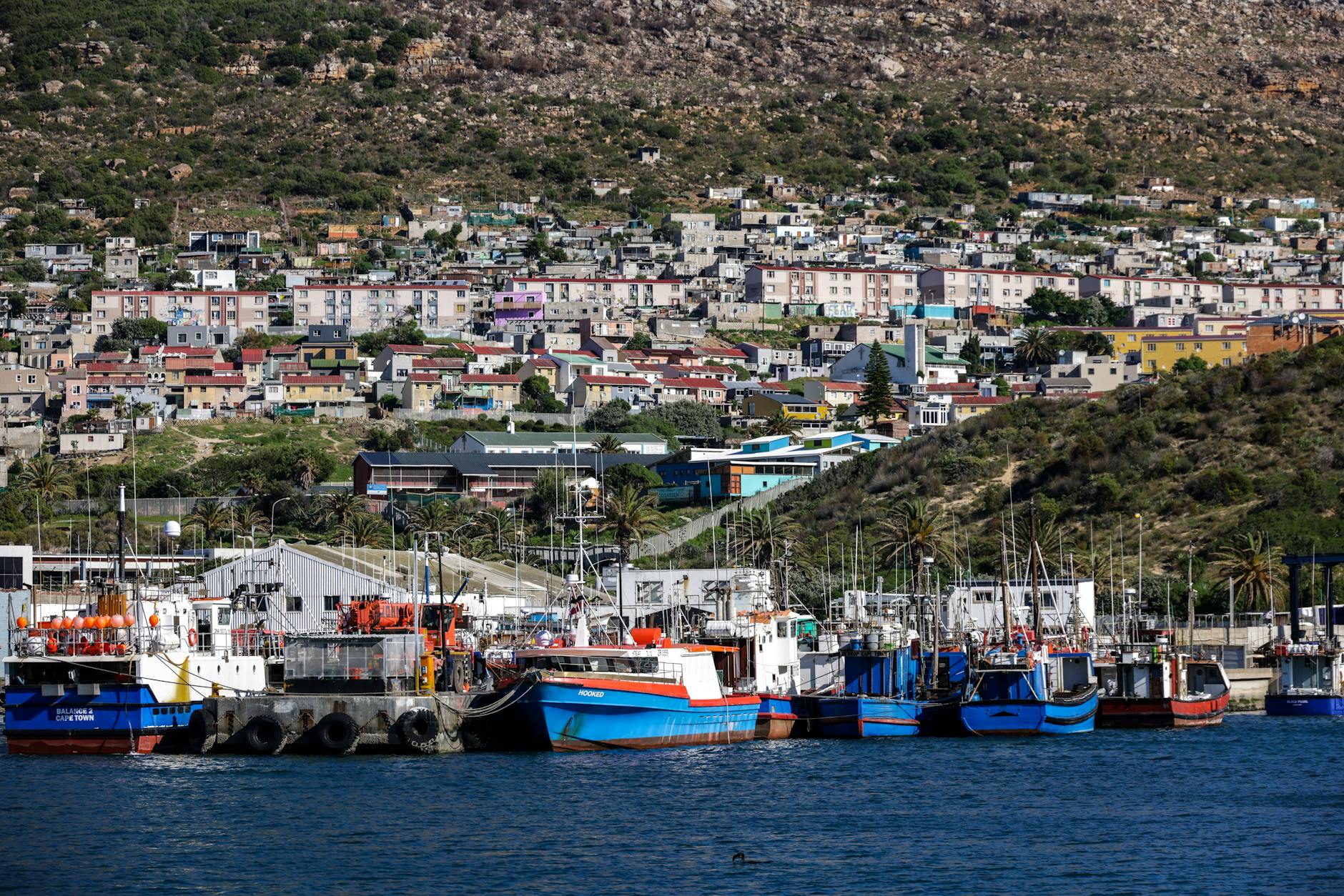
Falmouth is one of the most vibrant Cornwall towns and villages, combining a rich maritime heritage with a youthful energy brought by Falmouth University. The town sits on the world’s third largest natural harbour, and its seafaring history stretches back centuries — it was the main port for the Royal Mail Packet Service from 1688 to 1850, connecting Britain with its global empire.
The National Maritime Museum Cornwall on Discovery Quay is a superb modern museum with 15 galleries, an underwater viewing window into the harbour, and a collection of boats that tells the story of Cornwall’s relationship with the sea. Nearby, Pendennis Castle — one of Henry VIII’s chain of coastal fortresses built in the 1540s — commands stunning views across Falmouth Bay. The castle saw active service as recently as the Second World War and offers fascinating exhibitions on its military history.
Falmouth’s town centre is a delightful mix of independent shops, galleries, and restaurants along the main high street and the atmospheric Old High Street. The town has four beaches — Gyllyngvase, Swanpool, Maenporth, and Castle Beach — all within easy reach. The art scene is thriving, with Falmouth Art Gallery offering free admission and the Poly arts centre hosting exhibitions, cinema, and live performances. The restaurant scene has blossomed in recent years, with CULTURE earning a Michelin Green Star.
Truro: Cornwall’s Cathedral City
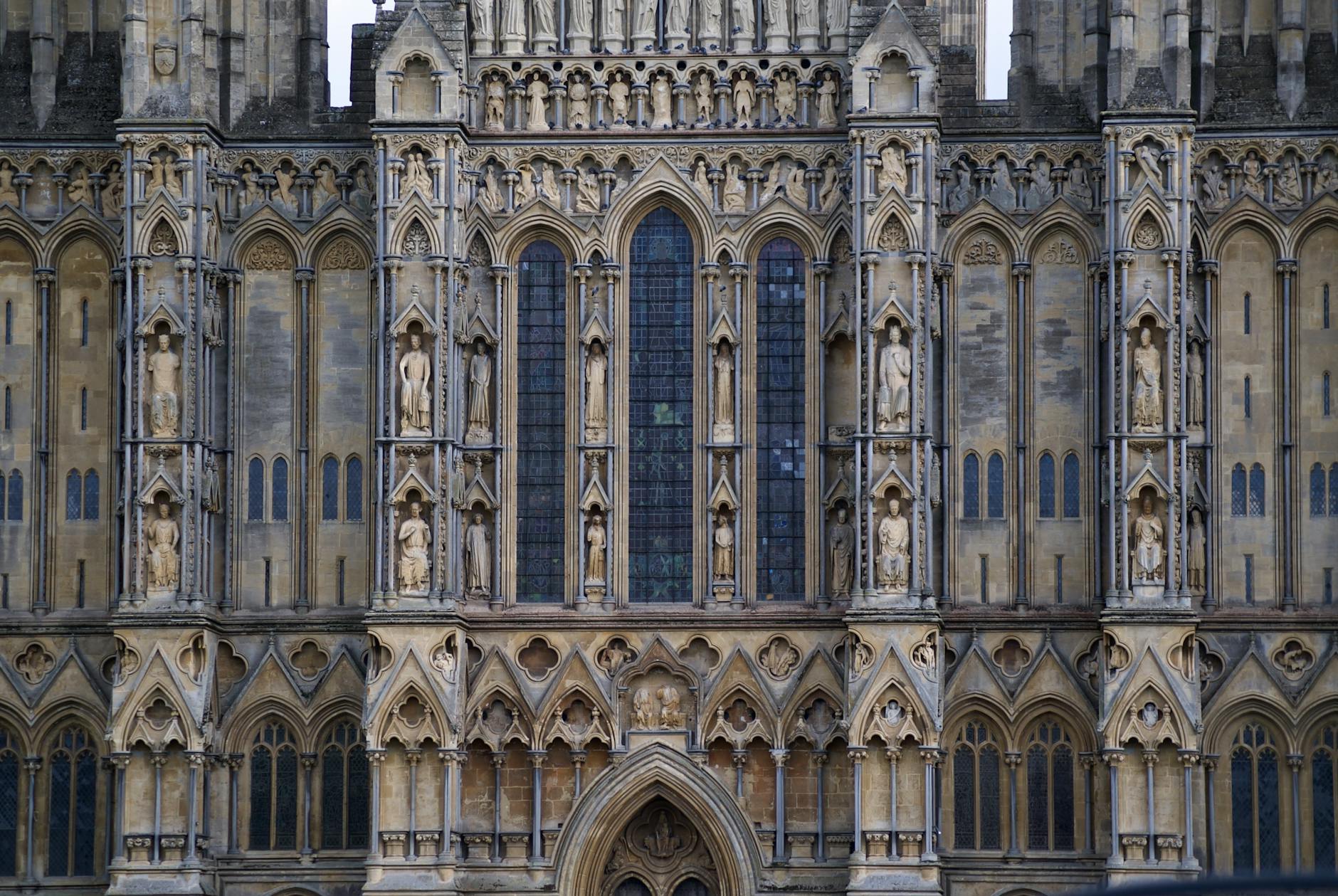
Truro is Cornwall’s only city, and while it is often overlooked by visitors heading for the coast, it rewards exploration with its elegant Georgian architecture, excellent shopping, and cultural offerings. The city is dominated by Truro Cathedral, a magnificent Gothic Revival building completed in 1910 and one of only three cathedrals in Britain with three spires. Free guided tours reveal its fascinating history and stunning stained glass.
The Cornwall Museum and Art Gallery (formerly the Royal Cornwall Museum) reopened in 2025 after a £2.5 million renovation, with over a million objects on display including an impressive mineral gallery and dedicated art spaces. The Hall for Cornwall, a state-of-the-art performing arts venue, hosts West End shows, concerts, and comedy. Truro’s farmers market on Lemon Quay (Wednesdays and Saturdays) is one of the best in Cornwall, and the city’s shopping scene mixes high street names with independent boutiques.
Victoria Gardens provides a peaceful green escape in the heart of the city, with exotic trees and summer bandstand performances. For a unique perspective, take a boat trip down the Truro River to Falmouth — a beautiful journey through wooded creeks that reveals a completely different side to this area of Cornwall towns and villages.
Truro is also Cornwall’s administrative capital and the county’s main shopping centre, making it an excellent rainy-day destination. The Pannier Market in the city centre houses a warren of independent stalls selling antiques, vintage clothing, crafts, and local produce. Lemon Street, one of the finest Georgian streets in the West Country, is lined with boutiques and speciality shops. For evening entertainment, Truro offers more options than most Cornwall towns and villages, with the Hall for Cornwall staging major touring productions, the Plaza Cinema showing independent and mainstream films.
Truro also has a growing selection of wine bars and cocktail lounges alongside traditional pubs. The Old Ale House on Quay Street is one of Cornwall’s most characterful pubs, with low beams, flagstone floors, and a wide selection of Cornish ales.
Penzance and Marazion
Penzance, the most westerly major town in England, has a character quite unlike anywhere else in Cornwall. Thanks to its exceptionally mild maritime climate, palm trees and subtropical plants thrive in its gardens, giving the town an almost Mediterranean atmosphere. Chapel Street, the town’s historic thoroughfare, is lined with Georgian and Regency buildings, including the extraordinary Egyptian House — a Grade I listed building with an ornate façade inspired by ancient Egypt.
The Penlee House Gallery and Museum showcases paintings by the Newlyn School of artists, who worked in and around Penzance in the late 19th century, capturing the lives of fishing communities in luminous, impressionistic style. The Jubilee Pool, an Art Deco seawater lido built in 1935 and beautifully restored, is one of the largest in the country and features a geothermally heated section open year-round.
Penzance’s shopping scene is refreshingly independent, with Causewayhead and Market Jew Street offering bookshops, galleries, delicatessens, and vintage stores that give the town a creative, bohemian feel quite unlike the typical British high street.
The Exchange Gallery, a former telephone exchange turned art space, hosts exhibitions of national significance. For food, Penzance has emerged as a serious dining destination: the Shore Restaurant focuses on hyper-local seafood, while the Turk’s Head — one of the oldest pubs in Cornwall, dating from the 13th century — serves hearty meals in atmospheric surroundings. The town’s position at the end of the railway line makes it an ideal base for car-free holidays exploring the far west of Cornwall towns and villages, with buses connecting to St Ives, Land’s End, the Minack Theatre, and the Lizard Peninsula.
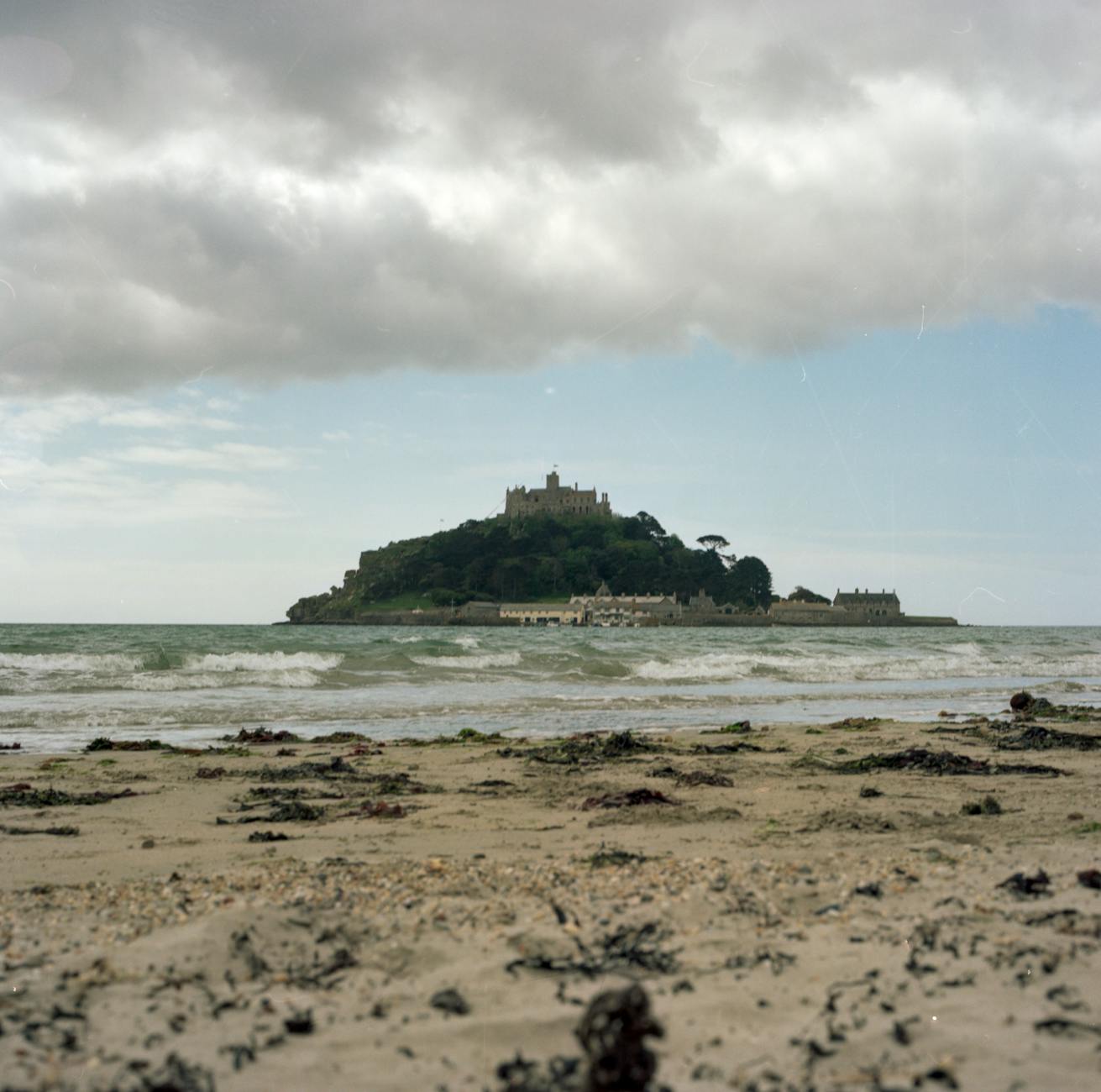
Just across the bay, the village of Marazion — one of Cornwall’s oldest chartered towns — provides access to St Michael’s Mount, the iconic tidal island topped by a medieval castle and subtropical gardens. At low tide, visitors walk across a granite causeway to reach the island; at high tide, small boats make the crossing. The castle, gardens, and harbour village are managed by the National Trust and the St Aubyn family, and a visit is one of the essential Cornwall towns and villages experiences.
Fowey: A Literary Harbour Town
Fowey (pronounced “Foy”) is a beautiful medieval town perched on the steep hillsides above a deep, natural harbour on Cornwall’s south coast. The town is best known for its association with Daphne du Maurier, who made Cornwall her home and drew inspiration from the Fowey area for many of her most famous novels, including Rebecca and Frenchman’s Creek. The annual Du Maurier Fowey Literary Festival each May celebrates this connection.
The harbour dominates Fowey life, with sailing boats, fishing vessels, and cargo ships sharing the deep water channel. The town’s narrow streets are packed with independent shops, galleries, bookshops, and excellent restaurants — North Street Kitchen recently earned a Michelin Bib Gourmand. The Dwelling House tearoom, housed in Fowey’s oldest building, serves outstanding cream teas. For walkers, the Hall Walk is a magnificent circular route that crosses the river by ferry to Polruan, follows the clifftops with views over the harbour, and returns via Bodinnick.
Fowey has a rich history stretching back well beyond its literary fame. During the Hundred Years War, the town supplied more ships to the English fleet than any other port except London, and its privateers — known as the Fowey Gallants — were notorious raiders of French merchant vessels. St Fimbarrus Church, dating from the 14th century, stands at the heart of the town and contains a beautifully carved Norman font.
The Fowey Aquarium on Town Quay is a charming, old-fashioned attraction with tanks showcasing local marine species. Readymoney Cove, a short walk from the centre past the ruins of St Catherine’s Castle, is a pretty, sheltered beach ideal for swimming.
Fowey Royal Regatta Week in mid-August is one of the highlights of the Cornish calendar, with a packed programme of sailing races, concerts, fireworks, a Red Arrows display, and the legendary carnival procession. The town is also a popular base for exploring the surrounding countryside, including the Luxulyan Valley — a UNESCO-inscribed World Heritage landscape of 19th-century industrial engineering amid lush woodland. Access Fowey by road from the A3082 or by passenger ferry from Mevagissey and Polruan, both of which provide wonderful approaches by sea.
North Coast Cornwall Towns and Villages
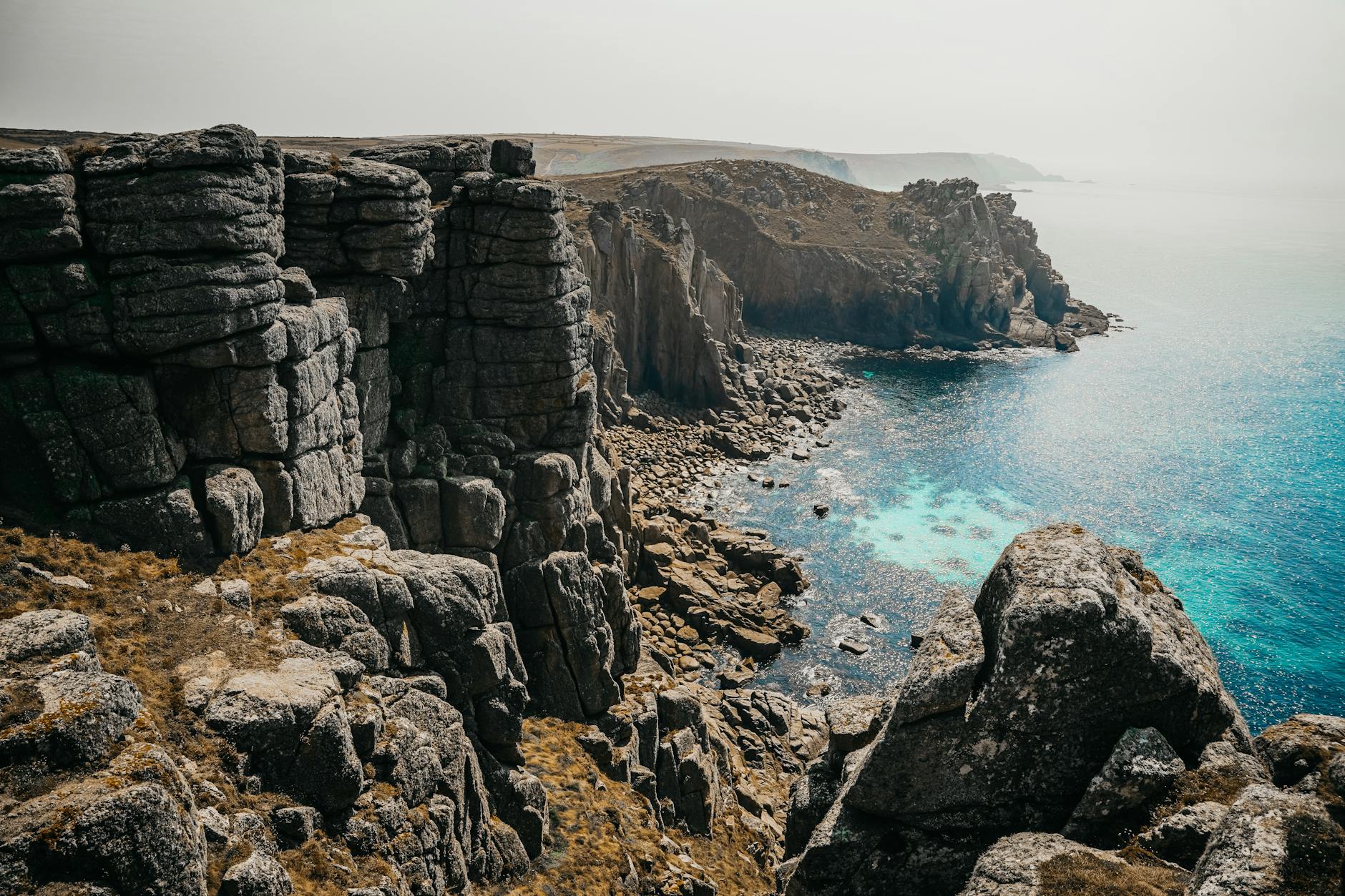
Newquay is the surfing capital of Britain, with eleven beaches including the famous Fistral Beach, which hosts international surfing competitions. Beyond the surf scene, Newquay has excellent family attractions including the Blue Reef Aquarium and Newquay Zoo. The town has undergone significant regeneration, with a thriving food and drink scene emerging around the harbour and Towan Head areas.
The Lewinnick Lodge on the clifftop at Pentire Head is a superb spot for sunset cocktails, while the Fish House on Fistral Beach serves outstanding seafood with ocean views. Newquay also serves as Cornwall’s main domestic airport hub, with Newquay Cornwall Airport offering flights to London, Manchester, Edinburgh, and other UK cities — making it the most accessible of all Cornwall towns and villages for visitors arriving by air.
Bude sits on Cornwall’s northernmost coast, close to the Devon border, and offers superb beaches, excellent surfing, and a more laid-back atmosphere than the busier resorts further south. The Bude Sea Pool — a semi-natural tidal swimming pool carved into the rocks — is a local treasure, and the town’s canal provides peaceful walks and paddleboarding opportunities.
Port Isaac is a picture-perfect fishing village that gained international fame as the filming location for the TV series Doc Martin (where it appears as the fictional “Portwenn”). Its steep, narrow streets tumble down to a working harbour, and the village retains an authentic, unspoilt character. The Port Isaac Fishermen’s Friends — a group of local fishermen who sing sea shanties — have become internationally famous.
Tintagel is steeped in Arthurian legend, with the dramatic clifftop ruins of Tintagel Castle said to be the birthplace of King Arthur. The village itself has a charming medieval Old Post Office (National Trust) and excellent walking along the coast path. Whether or not you believe the Arthurian myths, the dramatic setting of the castle ruins above the Atlantic is undeniably spectacular.
Boscastle is a beautiful village tucked into a narrow harbour inlet that famously survived devastating floods in 2004 and has been lovingly restored. The Museum of Witchcraft and Magic is one of Cornwall’s quirkiest attractions. The harbour walk and the coast path north towards Tintagel offer magnificent scenery, making this a rewarding stop among the north coast Cornwall towns and villages.
South Coast Villages
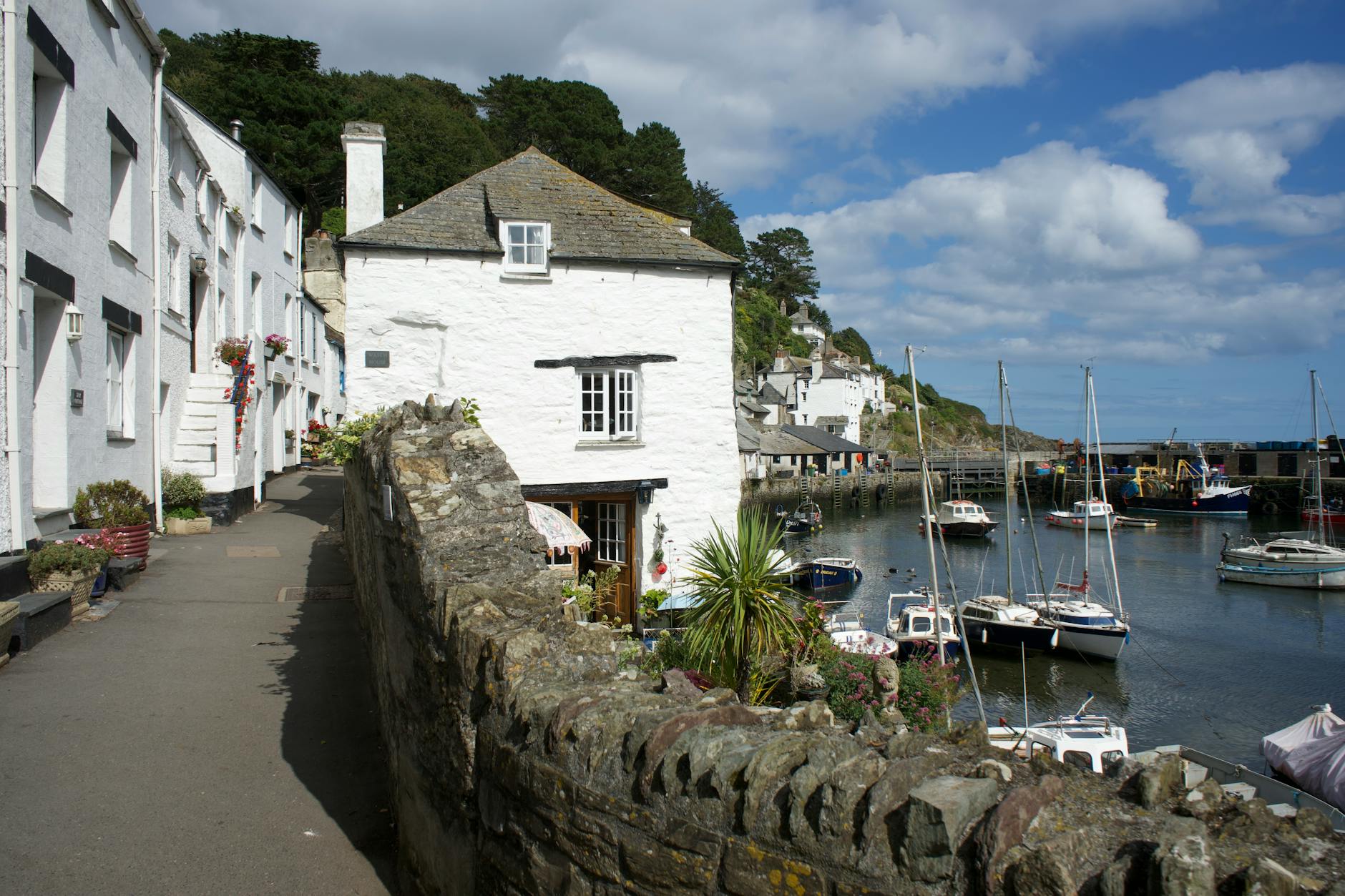
Mousehole (pronounced “Mowzle”) is widely regarded as one of the prettiest villages in Cornwall. This tiny fishing community near Penzance huddles around a circular harbour, with granite cottages and narrow lanes creating an impossibly charming scene. The village is magical at Christmas, when the harbour is illuminated with spectacular light displays commemorating Tom Bawcock’s Eve — a celebration of the local fisherman who, according to legend, braved a terrible storm to bring home a catch that saved the village from starvation. The traditional Stargazy Pie, with fish heads poking through the pastry crust, is still made and served on December 23rd.
In summer, the Rock Pool Café and 2 Fore Street restaurant are excellent dining options, and the coast path walk from Mousehole to Lamorna Cove is one of the most beautiful short walks in Cornwall.
Polperro is a timeless fishing village on the south coast, reached by following a stream-side path from the car park down to the harbour. Traffic-free lanes wind between whitewashed cottages, and the small harbour is overlooked by a museum of smuggling and fishing heritage. Polperro has barely changed in centuries and remains one of the most authentic Cornwall towns and villages experiences.
Looe is divided into East and West Looe by the river, connected by a Victorian bridge. The town has a working fishing harbour, a lovely sandy beach, and excellent seafood restaurants. The nearby island of Looe Island (also known as St George’s Island) can be visited on guided boat trips and is a nature reserve managed by the Cornwall Wildlife Trust.
Mevagissey is one of Cornwall’s most characterful fishing villages, with a double harbour, colourful fishing boats, and a bustling quayside. The village has resisted over-commercialisation and retains a genuine working atmosphere. The Lost Gardens of Heligan, one of Cornwall’s most popular attractions, are just a short drive away.
Charlestown is a remarkably well-preserved Georgian port near St Austell, built in the late 18th century for the export of copper and china clay. Its harbour, still home to tall ships, has been used as a film set for Poldark, Doctor Who, and numerous period dramas. The Shipwreck & Heritage Centre tells the story of the port’s past, and the harbour area is wonderful for photography.
Hidden Gem Villages
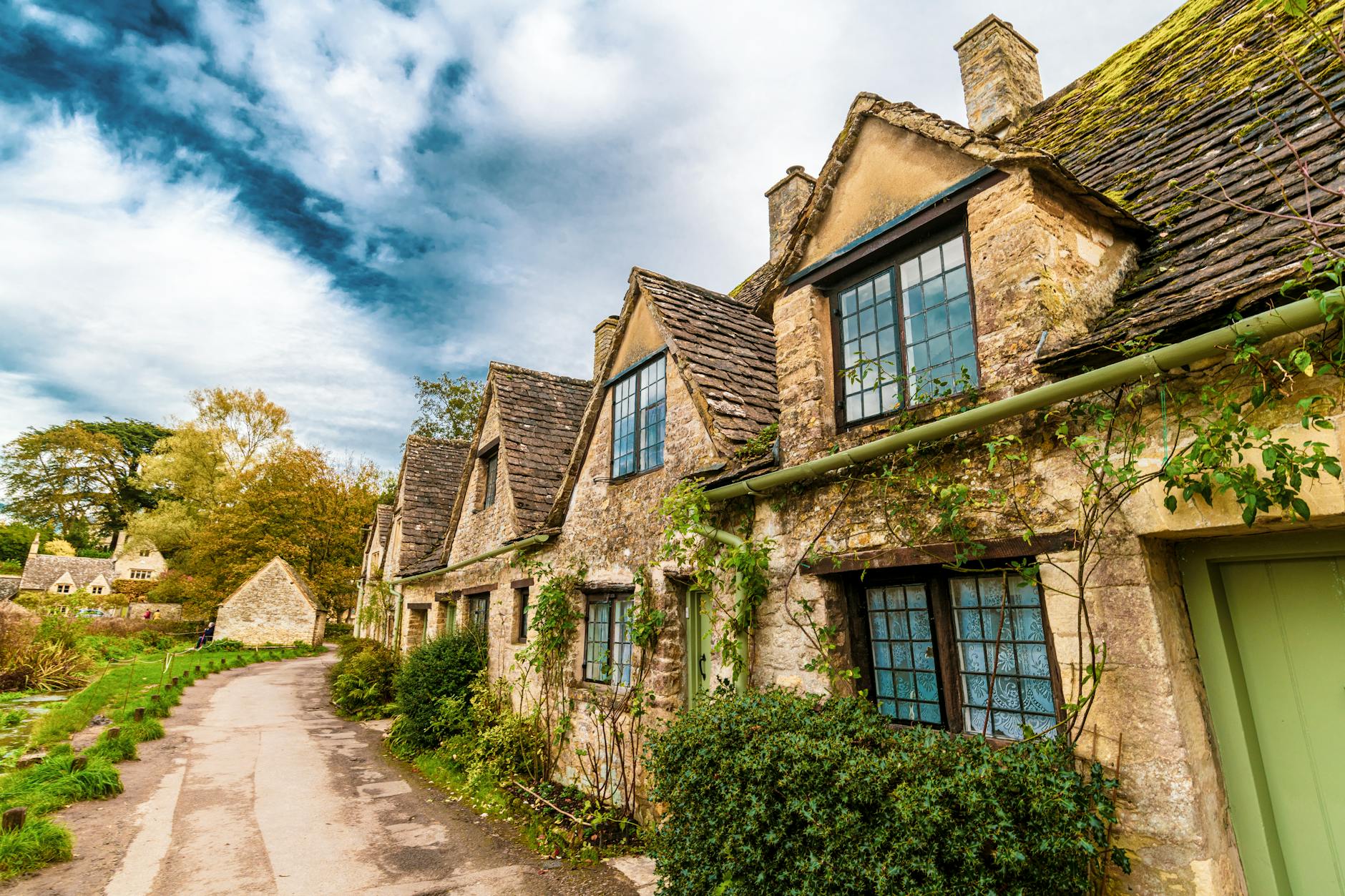
Beyond the well-known destinations, Cornwall is full of quieter villages that reward exploration with authentic atmosphere and fewer crowds. These are the Cornwall towns and villages that locals love.
Cadgwith on the Lizard Peninsula is a tiny cove village where fishing boats are still hauled up the beach. The thatched Cadgwith Cove Inn serves excellent fish dishes, and on summer Friday evenings, local singers gather in the cove for traditional shanty singing. Coverack, also on the Lizard, has a beautiful harbour beach and an exceptionally mild microclimate.
Portscatho on the Roseland Peninsula is a peaceful, unspoilt village overlooking Gerrans Bay. Nearby St Mawes, with its Tudor castle and palm-lined seafront, feels more like the Riviera than rural England. The King Harry Ferry, a chain ferry crossing the Fal River, is one of the most scenic short journeys in Cornwall.
Zennor, perched on the wild coast between St Ives and Land’s End, is a tiny hamlet with a fascinating church containing a medieval mermaid carving. The Tinners Arms pub has served ale since 1271, and D.H. Lawrence lived here during the First World War. Kynance Cove, on the Lizard, is not a village but deserves mention as one of the most spectacular coves in Cornwall, with serpentine rock stacks and turquoise water.
Veryan on the Roseland Peninsula is famous for its five round houses, built in the early 19th century — legend says their circular shape was intended to leave no corners for the devil to hide in. The nearby church and village green create a picture of timeless rural Cornwall that few visitors ever find.
Crantock, just south of Newquay, feels a world away from its busy neighbour. This quiet village has a magnificent beach backed by sand dunes, a holy well, and a 13th-century collegiate church. The Gannel Estuary, which must be forded or ferried at high tide, adds to the sense of arrival at somewhere special. Blisland, on the edge of Bodmin Moor, is one of Cornwall’s few inland hidden gems — its tree-shaded village green is unique in the county, and the Blisland Inn has repeatedly won CAMRA’s national pub of the year award.
Porthgwarra, tucked into a cleft in the granite cliffs between Land’s End and the Minack Theatre, is one of the most remote Cornwall towns and villages reachable by road. Its hand-carved tunnel through the cliff to the beach is wonderfully atmospheric, and the rock pools revealed at low tide are rich with marine life.
Helford village, on the south bank of the Helford River, is pure storybook Cornwall — thatched cottages, a tiny pub, and a creek where herons fish in the shallows. The Helford River area inspired Daphne du Maurier’s Frenchman’s Creek, and the National Trust’s Glendurgan and Trebah Gardens on the opposite bank are among the finest subtropical gardens in Britain.
Markets and Festivals Across Cornwall Towns and Villages
One of the joys of exploring Cornwall towns and villages is discovering the wealth of local markets, festivals, and community events that bring each place to life. Almost every town of any size holds a regular market — Truro’s farmers market on Lemon Quay (Wednesdays and Saturdays), Penzance’s Thursday market on the promenade, and Helston’s Monday cattle market are among the most established. Seasonal food and craft markets pop up throughout the year in St Ives, Falmouth, Fowey, and numerous village halls across the county. These are excellent places to find local cheeses, charcuterie, seafood, pottery, and artisan crafts directly from the producers.
Cornwall’s festival calendar is remarkably busy for a rural county. Beyond the famous Obby Oss in Padstow and the Du Maurier Festival in Fowey, look out for Flora Day in Helston (May 8th), a unique ancient celebration featuring the Furry Dance through the decorated streets. Golowan Festival in Penzance around midsummer features processions, bonfires, and Mazey Day street celebrations.
The Royal Cornwall Show at Wadebridge showground each June is Cornwall’s premier agricultural event, with livestock, food halls, and countryside displays. For music lovers, the Boardmasters festival at Watergate Bay combines surfing with headline music acts, while the Port Eliot Festival near St Germans offers a more eclectic mix of literature, music, fashion, and food in a stunning stately home setting. These events offer wonderful opportunities to experience Cornwall towns and villages at their most vibrant and welcoming.
Where to Stay in Cornwall Towns and Villages
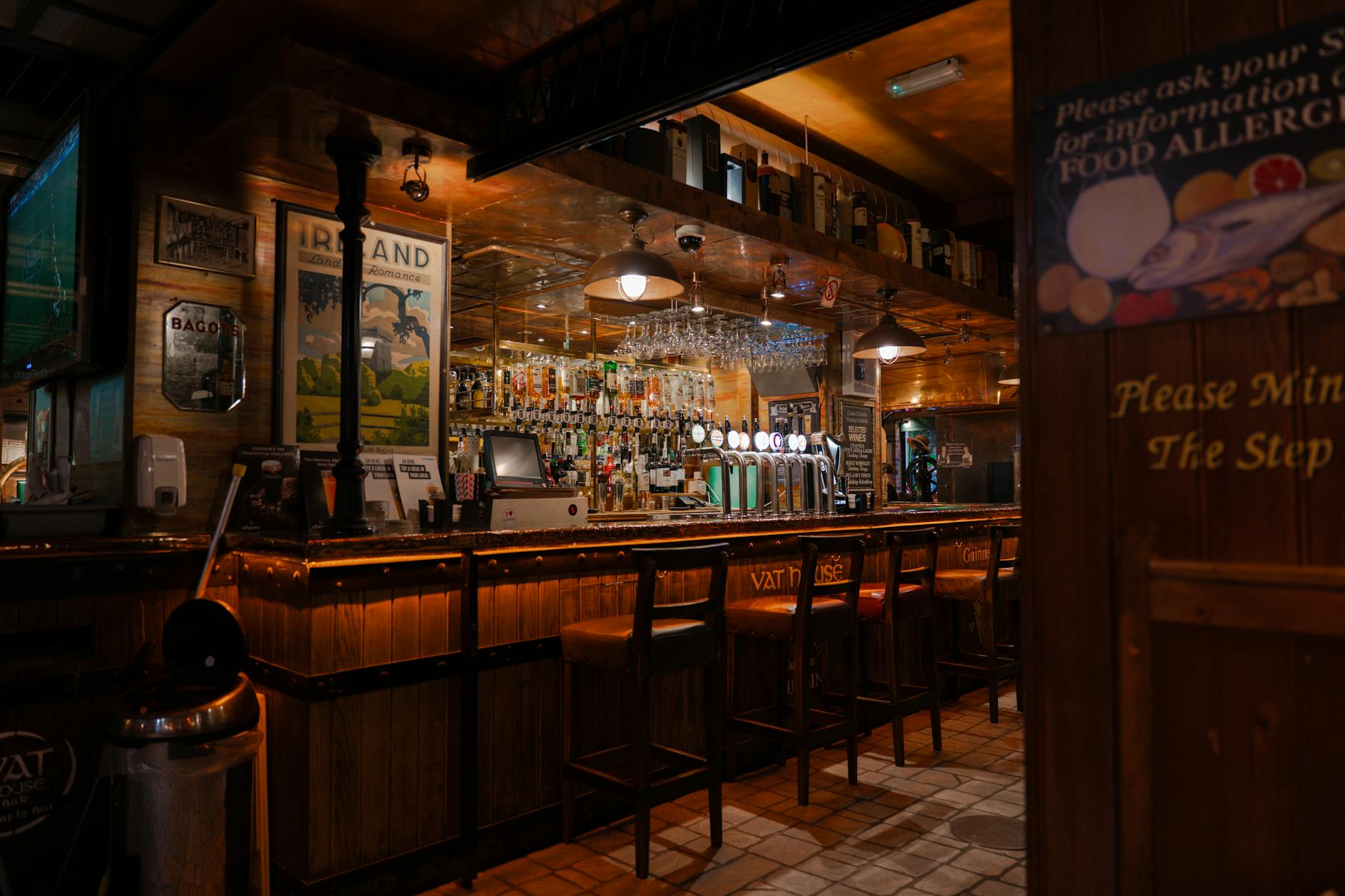
Cornwall offers accommodation to suit every taste and budget, from luxury hotels to cosy B&Bs, self-catering cottages to camping. The type of Cornwall towns and villages you choose as your base will significantly shape your holiday experience.
For food lovers: Padstow offers the highest concentration of excellent restaurants within walking distance. Falmouth and Fowey are strong alternatives with growing dining scenes. For art and culture: St Ives is unbeatable, with Truro as a complement for its theatre, museum, and cathedral. For families: Newquay has the most attractions and beaches, while Looe and Bude offer a gentler pace. For peace and quiet: The Roseland Peninsula villages (St Mawes, Portscatho) or the Lizard (Cadgwith, Coverack) offer authentic Cornwall away from the crowds.
B&Bs remain the quintessential Cornish accommodation experience. For our complete guide, visit our Cornwall Bed and Breakfast Guide. Many of the best B&Bs take pride in their breakfasts, featuring local eggs, sausages, and fresh-baked bread — the perfect fuel for a day exploring Cornwall towns and villages.
Self-catering cottages are hugely popular throughout Cornwall towns and villages, ranging from converted fishermen’s cottages on the harbourfront to barn conversions in the countryside. These provide excellent value for families and groups, with the added bonus of being able to cook with superb local ingredients from farmers’ markets and farm shops. Booking platforms like Aspects Holidays, Classic Cottages, and Cornish Cottage Holidays specialise in Cornwall properties and often have a wider selection than national booking sites.
Hotels and inns in Cornwall range from grand seaside establishments to characterful coaching inns and boutique properties. The Headland Hotel in Newquay, the Idle Rocks in St Mawes, and the Old Quay House in Fowey represent different ends of the spectrum. Pub accommodation — rooms above traditional Cornish inns — often provides the most characterful and affordable stays. Properties like the Gurnard’s Head near Zennor and the Old Coastguard in Mousehole combine excellent food with comfortable rooms in stunning locations.
Camping and glamping allow you to experience Cornwall’s natural beauty at close quarters. Cornwall has some of the finest campsites in Britain, many in cliff-edge or waterside positions. Treen Farm near the Minack Theatre, Ayr Holiday Park in St Ives, and Trevalgan Touring Park all offer memorable camping with sea views. Glamping options from shepherd’s huts to safari tents and treehouses have proliferated across Cornwall towns and villages in recent years, providing a more comfortable outdoor experience.
Getting Around
By car: A car provides the most flexibility for exploring Cornwall towns and villages, particularly the more remote locations. However, parking can be challenging and expensive in popular towns during summer. Many villages have limited or no parking, so plan ahead and arrive early.
By train: The main railway line runs from London Paddington through Plymouth to Penzance, with branch lines to St Ives (one of the most scenic railway journeys in Britain), Newquay, Falmouth, and Looe. The St Ives branch line hugs the coast with spectacular views across St Ives Bay.
By bus: Cornwall’s bus network connects most major towns and many villages. The Atlantic Coaster service runs along the north coast between Newquay and Padstow. The Land’s End Coaster connects Penzance with St Ives and Land’s End. In summer, open-top bus services operate on several scenic routes. A day rider ticket often offers good value for hop-on, hop-off travel.
By ferry and boat: Several passenger ferries enhance travel between Cornwall towns and villages. The King Harry Ferry crosses the Fal, the Black Tor ferry links Padstow with Rock, the Bodinnick ferry connects Fowey with the eastern bank, and the Place ferry links St Mawes with the Roseland Peninsula. These crossings are experiences in themselves.
By bicycle: Cycling is an increasingly popular way to explore Cornwall towns and villages, with several traffic-free trails available. The Camel Trail from Padstow to Bodmin (18 miles) is the most famous, following a disused railway line through beautiful countryside along the Camel Estuary. The Coast to Coast trail links Portreath on the north coast with Devoran on the south coast, crossing the heart of Cornwall’s mining landscape. The Mineral Tramways network around Camborne and Redruth provides further off-road cycling through the UNESCO World Heritage mining sites. Bike hire is available in most major towns, with electric bike options becoming increasingly common for tackling Cornwall’s notoriously hilly terrain.
On foot: Walking between Cornwall towns and villages is one of the most rewarding ways to experience the county. The South West Coast Path follows the entire Cornish coastline for 296 miles, passing through or near almost every coastal settlement. Many visitors walk sections of the path as day hikes between towns, using buses or taxis to return to their starting point. The Saints Way from Padstow to Fowey (30 miles) is a cross-Cornwall pilgrimage route that passes through quiet inland villages rarely seen by tourists. Local walking groups and guided walks are available in many towns during the summer season.
Planning Your Visit
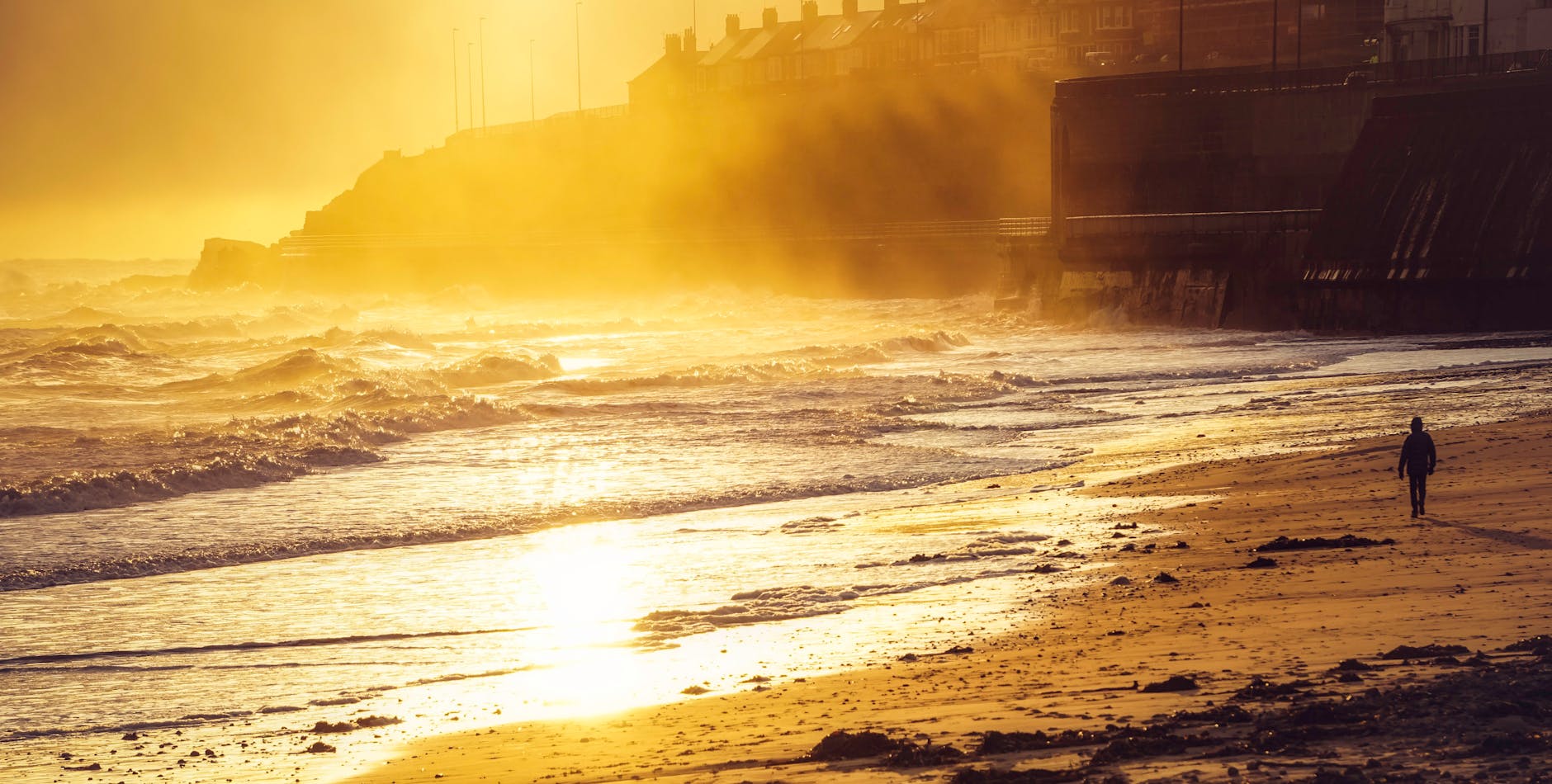
When to visit: Each season offers different charms across Cornwall towns and villages. Summer (June-August) brings the warmest weather and longest days but also the biggest crowds and highest prices. Spring (April-May) offers wildflower-covered clifftops and quieter towns. Autumn (September-October) brings golden light, harvest festivals, and mild temperatures. Winter reveals a quieter, more atmospheric Cornwall, with cosy pubs, dramatic storm watching, and events like the Mousehole Christmas lights.
How long to stay: A week allows you to explore several different areas of Cornwall comfortably. A long weekend is enough to sample one or two Cornwall towns and villages in depth. If you have two weeks, you can take your time and discover the hidden gems as well as the headline destinations.
Combining with other activities: Cornwall’s towns make excellent bases for exploring the coast and countryside. For walking routes between towns, see our Walking Cornwall Trails Guide. For beach hopping, consult our Best Beaches Cornwall guide. For food experiences in each town, our Cornwall Food Guide has detailed recommendations. And for broader activity ideas, visit our Things to Do in Cornwall page.
Top tips: Book accommodation well in advance for July and August, especially in popular towns like St Ives and Padstow. Visit popular villages early in the morning or late afternoon to avoid the worst crowds. Take cash for small village shops and car parks, as card payment is not always available. And always check tide times if you plan to visit St Michael’s Mount — the causeway is only passable around low tide.
Budget considerations: Cornwall towns and villages vary enormously in cost. St Ives, Padstow, and the Roseland Peninsula tend to be the most expensive for accommodation and dining, reflecting their popularity and reputation. Bude, Looe, and the villages around the Lizard Peninsula offer better value without sacrificing quality.
Self-catering accommodation can provide significant savings for families, and many Cornish cottages and apartments are equipped to a high standard. Eating out for every meal adds up quickly, so take advantage of the excellent farm shops, delis, and bakeries found throughout Cornwall towns and villages for picnic provisions — a Cornish pasty, local cheese, and fresh bread eaten on a clifftop bench is hard to beat.
Essential resources for planning: Visit Cornwall (visitcornwall.com) is the official tourism board website with comprehensive event listings and accommodation search. The National Trust manages many of Cornwall’s most important properties and stretches of coastline — membership provides free parking at numerous coastal car parks, which alone can save considerable sums over a week’s holiday. English Heritage looks after properties including Tintagel Castle and Pendennis Castle. For public transport, the Cornwall Council website has up-to-date bus timetables and the GWR website covers train services. Our comprehensive guide to Things to Do in Cornwall will help you plan daily itineraries, and our Cornwall Bed and Breakfast Guide covers accommodation in detail.