Cornwall food festivals are not really about food in the way a London food fair is about food. They are about the people who pulled it out of the sea that morning, the dairy that churned the butter four miles up the lane, and the brewery whose tanks you can see from the festival entrance. I have lived here long enough to have a strong opinion about which ones are worth driving across the county for and which ones are best left to the locals on a quiet Sunday. This guide is the one I wish I had when I first started going.
Cornwall has more food festivals per square mile than anywhere else in the UK I can think of, and they cluster around the fishing calendar, the harvest, and Christmas. Most are free to walk into. A few are properly ticketed weekenders with headliners and camping. All of them, if you pick well, will give you a better sense of what Cornish food actually tastes like than any restaurant ever will.
Why Cornwall’s Food Festivals Are Worth Travelling For
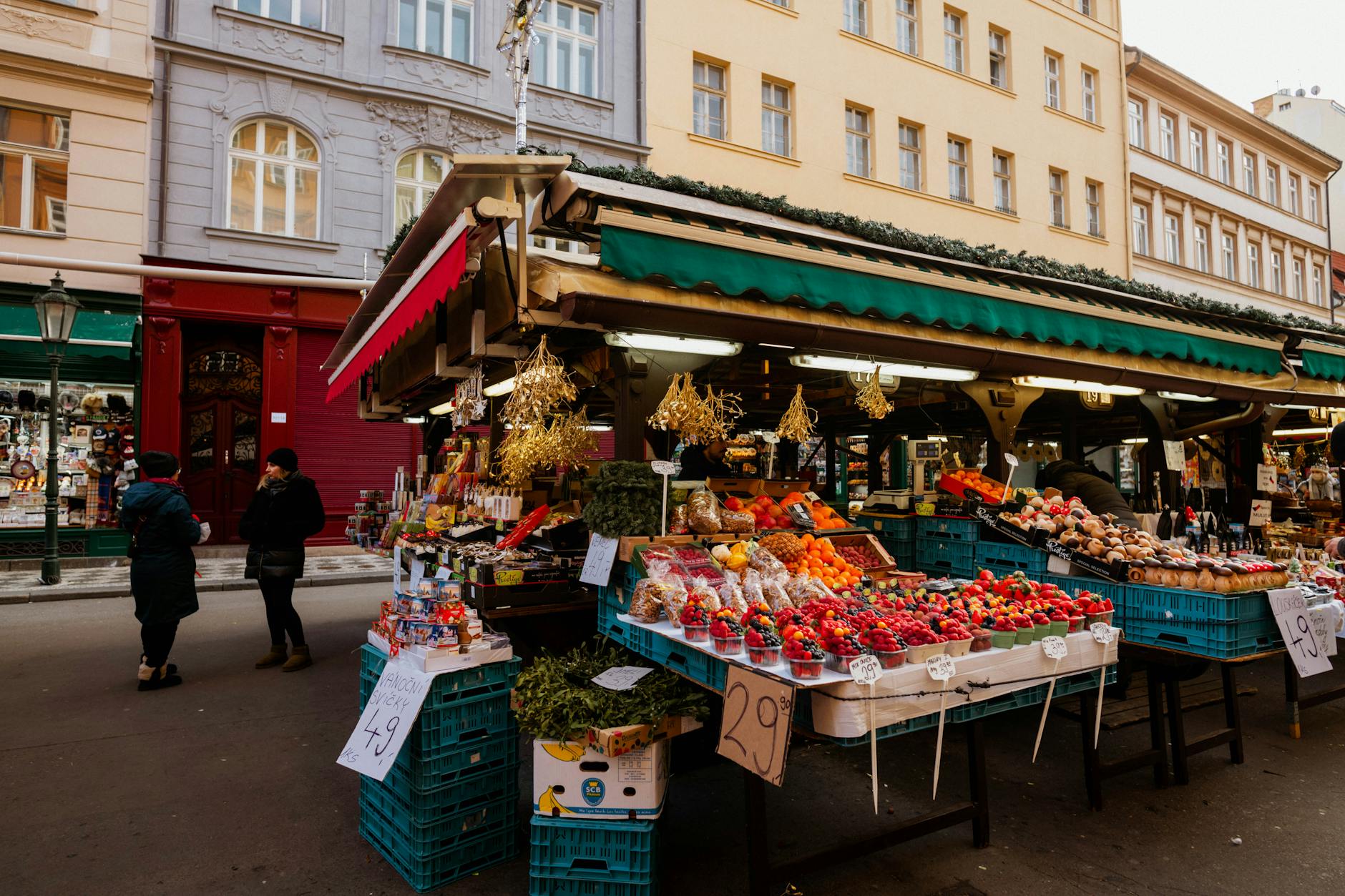
Here is the thing nobody tells you. The food festival scene in Cornwall is built around producers, not personalities. Yes, you will see Rick Stein at Padstow and Paul Ainsworth doing a demo somewhere most summers, but the real reason to come is the bloke from a smokehouse near Looe who only sells at three events a year, or the woman from a goat dairy on the Lizard who has 40 cheeses and a queue out the tent flap.
The scale runs from village hall to harbour-side. Some festivals fill an entire working fishing port and shut the roads for three days. Others are essentially a marquee on a beach with a chef demo stage and a handful of stalls. Both are good in different ways. The big ones have energy and the small ones have access. At Porthleven you queue twenty minutes for a crab roll. At Looe you can stand next to the skipper who caught the crab and ask him what the boats came in with that morning.
Dates pin to the fishing season more than the school holidays, which is why the calendar looks slightly odd at first. Oyster festivals land in autumn because the native oyster season opens in October. Spring festivals fall after Easter once the boats are reliably out again. Christmas in Padstow is its own special thing, lining up with the run of brown crab and the last of the scallops. Once you understand that rhythm, the calendar makes sense. Pair a visit with our Cornwall food guide for context on what you will be eating before you go.
The Cornwall Food Festival Calendar Month by Month
Porthleven Food Festival (April)
This is the one that opens the season properly. Porthleven is a working fishing harbour on the south coast, and for one long weekend in late April the whole place becomes a food festival. The harbour wall lines with stalls. The shipyard fills with cookery tents. There is live music, a comedy roast event that sells out within hours of going on sale, and a chef demo schedule running on the hour from late morning to early evening.
Entry to the daytime festival is free, which is one of the reasons it pulls in crowds north of 40,000 across the weekend. It is genuinely good. The producer mix is excellent, the setting is hard to beat, and the new for 2026 Chef’s Table format is worth the ticket if you want a quieter experience. Honestly, skip this one if you do not like crowds. If you do not mind shoulder-to-shoulder on the harbour wall, it is brilliant.
Personal tip: park up at Helston park-and-ride and take the shuttle. Driving into Porthleven during the festival is a special kind of misery I would not wish on anyone.
St Ives Food and Drink Festival (May)
The setting alone is reason to go. The festival sets up on Porthminster Beach, which means you eat your wood-fired pizza with your feet in the sand and St Ives Bay glittering in front of you. It runs over a long weekend in mid-May, entry is free, and it is the most beautifully located food festival I have ever been to anywhere.
The line-up tilts towards street food rather than producer stalls, which suits the beach setting. There is a wellness tent now with sauna and cold plunge bookings if you want to lean into the holiday feel. Chef demos are good without being starry. The crowd is a mix of holidaymakers and locals, which keeps the atmosphere relaxed.
Stay nearby if you can. Our list of B&Bs in St Ives is a good starting point, but book early because this weekend pushes prices up across the town.
Falmouth Food Festival (May)
Not to be confused with the better-known Falmouth Oyster Festival in October. The Falmouth Food Festival is a relative newcomer, launched in 2023, and it has a strict rule that traders must come from within 30km of the town. That makes it one of the most hyper-local festivals in the county. It runs over a long weekend in late May along the waterfront, entry is free, and the focus is very much on Falmouth and the Roseland.
It is smaller and calmer than Porthleven, which I personally prefer. The chef demos draw on Falmouth’s strong restaurant scene, and the pubs along the harbour all get involved in their own way. Worth a long weekend if you are basing yourself in the area.
Newquay Food Festival (July)
Another from the same team that runs Falmouth and Penzance Food Festivals, with the same 30km local-producer rule. Newquay’s version runs in early July and has leaned heavily into fire cooking, which works well in the harbour setting. It is smaller and less famous than the big-name festivals on this list, which is exactly why I rate it. If you are already in north Cornwall in July, build a day around it.
Rock Oyster Festival (July)
This is the most festival-feeling festival on the list. It is properly ticketed, runs over three or four days in late July at Dinham House Estate near Wadebridge, and is as much about music as food. Think headlining chefs running paid masterclasses, multiple music stages, dressed-up dining experiences, and camping if you want it. Tickets are not cheap and they tier up depending on the experience you book.
It suits a particular kind of visitor. If you want a weekender with friends, late nights and a glass of fizz in one hand and an oyster in the other, this is your one. If you want a quiet wander around producer stalls with the kids, it is not. Worth being honest about that before you spend the money.
Penzance Food Festival (August/September)
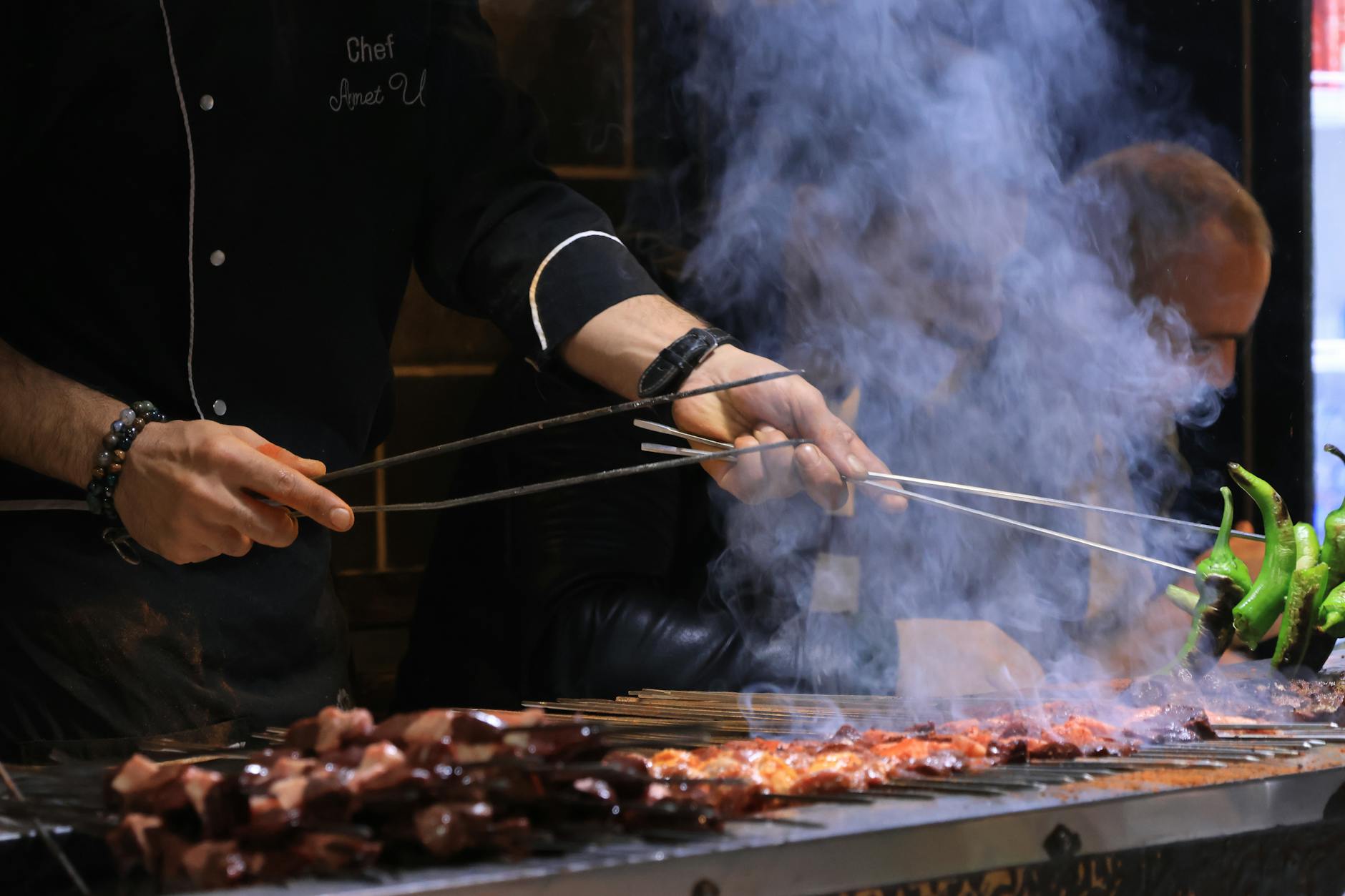
Sometimes called PZ Food Festival, this one sets up in Penlee Park in late summer and feels like a slightly grown-up version of the Falmouth and Newquay siblings. Natural wines, good street food, music in the trees. It is a lovely afternoon-into-evening event rather than a weekend marathon. Pair it with a couple of days exploring west Cornwall.
Great Cornish Food Festival (September)
Truro’s annual celebration, held on Lemon Quay in the city centre over a long weekend in September. It is the only major Cornwall food festival in an inland-ish city setting, which gives it a different feel from the harbour-side events. The producer focus is strong, the chef demos pull in big regional names, and it lines up neatly with the early harvest produce coming through. Entry is free. Worth a day trip if you are anywhere central.
Truro is also handy for a base if you want to combine the festival with a few Cornwall brewery and distillery tours in the area.
Looe Food Festival (September)
One of the smaller ones on the calendar but worth a mention. Looe is a working fishing port on the south-east coast, and the festival leans hard into what comes off the boats. If you want to actually meet fishermen and ask questions about line-caught versus net-caught mackerel, this is the one. It does not have the scale of Porthleven but it has the soul.
Falmouth Oyster Festival (October)
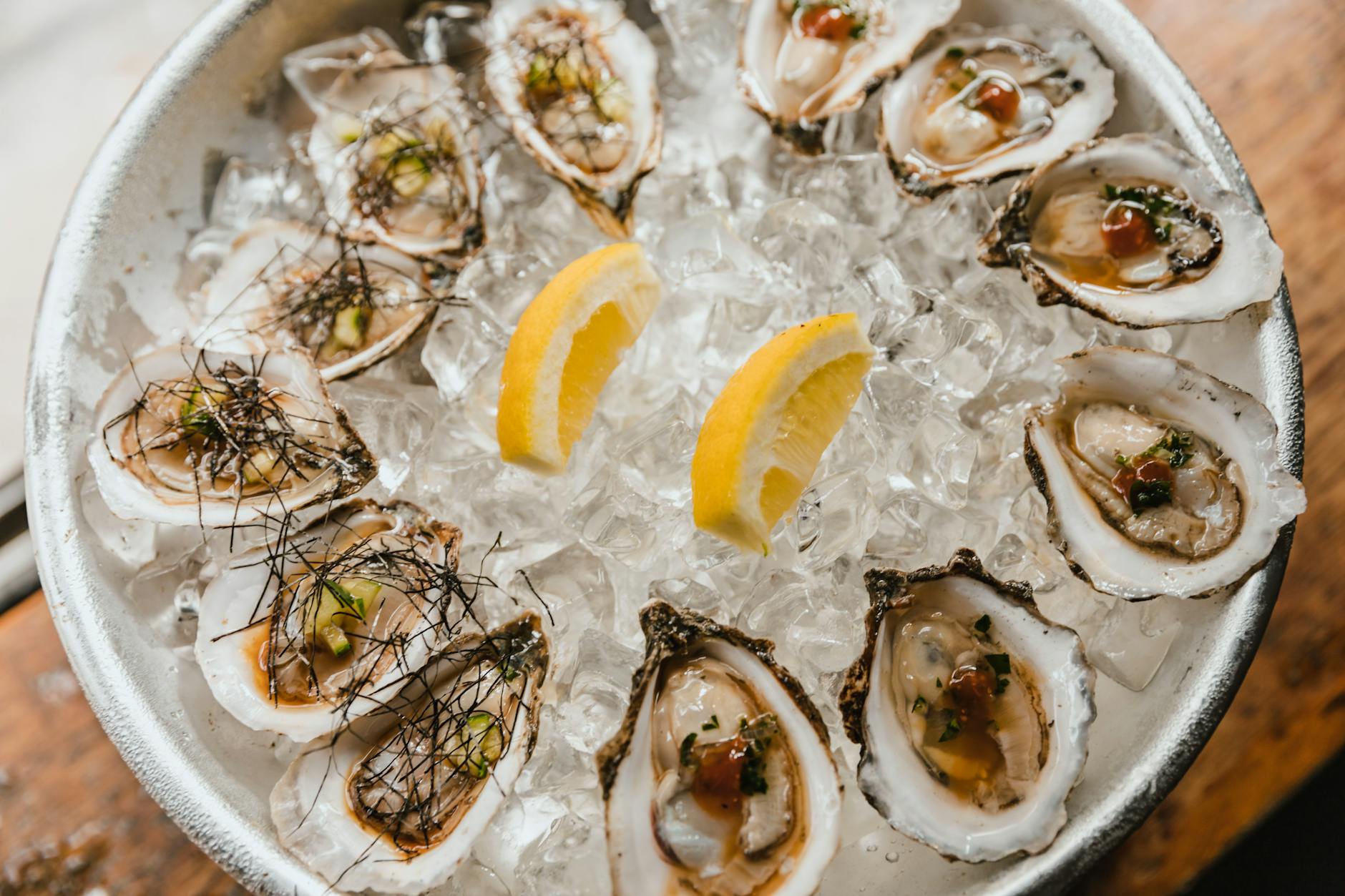
The grandfather of Cornish food festivals and still one of the best. The Falmouth Oyster Festival runs over four days in early to mid October, marking the start of the native oyster season. The Fal is one of the last places in Europe where oysters are still dredged under sail, which gives the whole thing a properly ceremonial feel.
You get an oyster bar on the harbour, a shucking competition with serious bragging rights on the line, chef demos, real ale and stout, a small literary strand in partnership with Falmouth Book Festival, and children’s activities tucked into the corners. Entry to the main festival is free. Some of the special dining events are ticketed and worth booking.
If you love seafood, this is the festival I would point you at first. Pair it with dinner at one of the best seafood restaurants in Cornwall and base yourself at one of the B&Bs in Falmouth within walking distance of the festival site.
Padstow Christmas Festival (December)
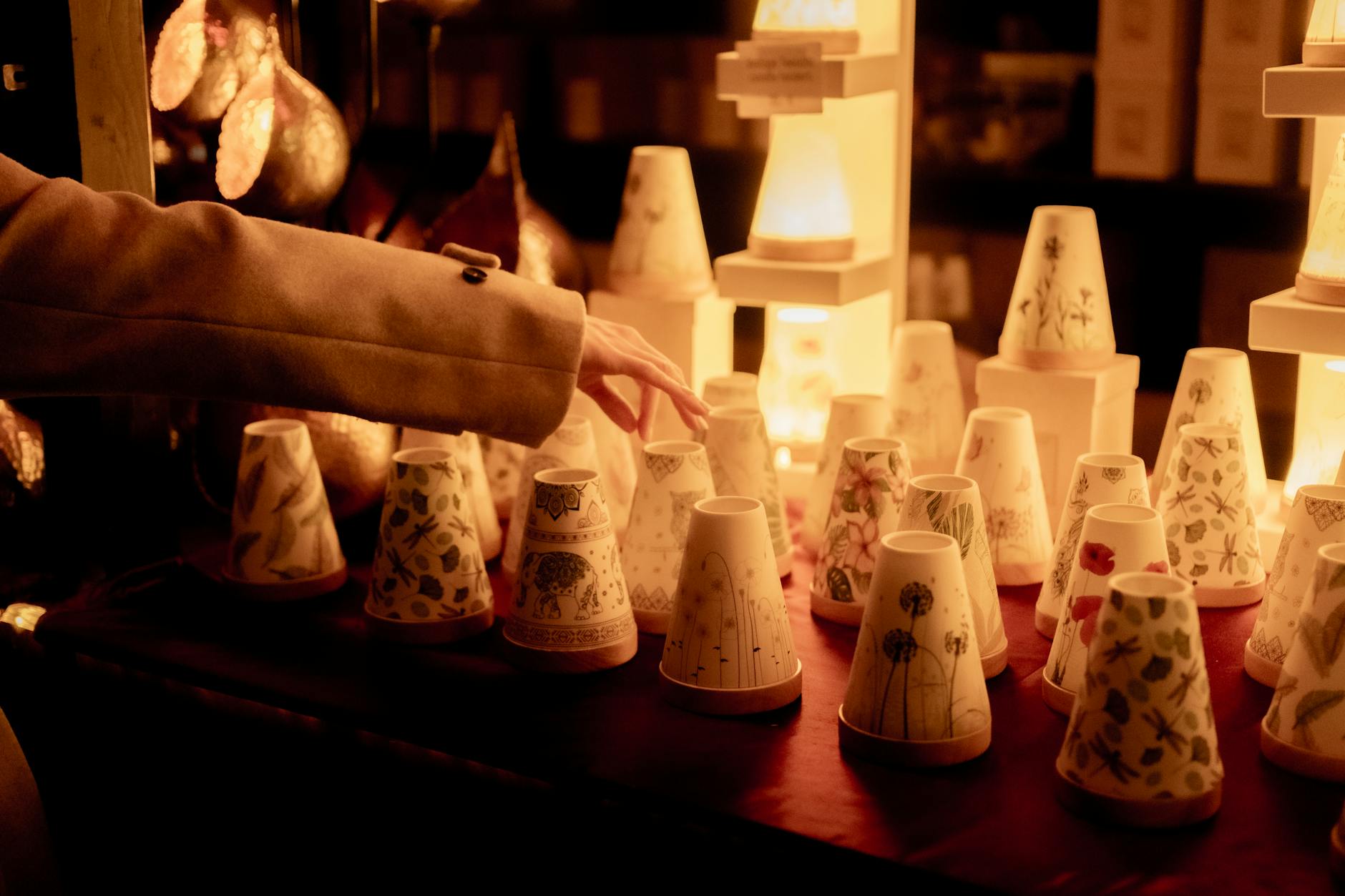
If I had to recommend one Cornish food festival to a visitor who could only come once, it would probably be this one. Padstow Christmas Festival runs over four days in early December and turns the entire town into a properly magical food destination. The harbour fills with marquees and stalls. The streets fill with lights. There are over 50 chef demonstrations across the weekend, lantern parades, Santa arriving by lifeboat, fireworks over the Camel Estuary, and a Christmas market that genuinely puts most British ones to shame.
It is free to attend. The catch is accommodation. Beds in Padstow during festival weekend are gold dust and prices reflect it. If you want to stay walkable to the action, look at B&Bs in Padstow and book a long way out. I mean it. Six months is not too early. Otherwise base yourself in Wadebridge or further inland and drive in early.
Personal tip: go on the Thursday or the Sunday rather than Saturday. Saturday is when the day-trippers from across the county descend, and the harbour-side gets uncomfortably full. Thursday evening for the lantern parade is the magic hour.
Which Festivals to Plan a Trip Around
If you are a serious foodie who wants the most producer access in the shortest time, the Great Cornish Food Festival in Truro and Porthleven in April are the two to circle. Both pack a huge producer line-up into a small footprint and both reward arriving early on the first morning before the best stuff sells out.
If you are coming with kids, Porthleven has the new family village fair area, St Ives is on a beach which solves most child-related problems, and Padstow Christmas Festival has the lantern parade and the fireworks which both go down brilliantly with under-tens. The Cornwall family holiday guide has more on travelling here with children.
If you are coming as a couple looking for a romantic weekend, the Falmouth Oyster Festival in October is hard to beat. Cool air, oysters on ice, a stout in hand, the harbour lights coming on early. Rock Oyster Festival in July is the other one to consider if you want more of a party.
If you mostly come for the drinks, Rock Oyster Festival has the music and the late nights. The Penzance and Newquay festivals both lean towards natural wines and good cider. And almost every festival in the county has a strong showing from Cornish breweries and distilleries.
If you want oysters and seafood specifically, Falmouth in October is the obvious choice, but do not overlook Looe in September for the working-port atmosphere. Both are worth the trip in their own way.
Honest tradeoffs you should know about. Porthleven gets properly packed and parking is a battle. Padstow Christmas is magical but lodging is twice the off-season rate. Rock Oyster is expensive once you add tickets, accommodation and drinks. St Ives is gorgeous but the food is more street food than serious producer. Pick the one that matches what you actually want, not the one that sounds best on paper.
How to Plan Around a Food Festival
Book accommodation early. For the big three, which I would call Porthleven, Falmouth Oyster and Padstow Christmas, four to six months out is the sweet spot. Six months for Padstow if you want to be in the town itself. Last-minute bookings are possible for the smaller festivals but you will pay over the odds.
Plan for park-and-ride rather than driving in. Most of these festivals happen in small fishing towns with one road in and limited parking. Porthleven runs a shuttle from Helston. Padstow has park-and-ride from outside town. St Ives is generally a nightmare to drive into at the best of times. Trust the locals on this. Park out and walk or shuttle in.
Dress for Cornwall, not for what the weather app says. April and May can be glorious or grim. October is unpredictable. December is reliably cold and often wet. Layer up, bring a waterproof, and wear shoes you can stand in for hours. Festival sites are usually a mix of cobbles, sand and grass.
Bringing kids works at most festivals. The big harbour-side ones have dedicated family zones now. Buggies are doable on the main drags but harder in the smaller stall areas. Bring noise-cancelling headphones for sensitive ears at music-heavy events like Rock Oyster.
Dog-friendliness varies. Outdoor harbour festivals generally welcome dogs on leads. Indoor marquees are usually no-dog zones. Padstow Christmas in particular gets crowded enough that I would not recommend bringing a nervous dog. Check the festival’s own guidance closer to the date.
Cash is rarely needed but a small amount helps for the occasional stall that has lost signal. Most traders take card. Many take Apple Pay. A few of the older producer stalls still prefer cash.
If you are coming from outside Cornwall, our planning a Cornwall holiday guide has more on getting here, what to pack and how long to stay.
Beyond the Festivals: Year-Round Cornish Food
The festivals are concentrated, exciting versions of what is going on quietly all year. If you cannot time a visit to a festival, you can still eat extraordinarily well here. The pasty in a bakery in Padstow on a Tuesday in February is as good as anything at the big events. Our Cornish pasty guide walks through where to find the real ones and how they should be made.
Cream tea is a year-round pleasure and best taken at a proper tearoom mid-afternoon. The Cornish cream tea guide settles the jam-or-cream-first argument, sort of.
If you want to keep an eye on the broader cultural calendar, the Cornwall events and festivals calendar covers everything from music to literature to seasonal traditions.
Cornwall Food Festivals FAQ
When is the biggest Cornwall food festival?
Padstow Christmas Festival is the biggest by visitor numbers, pulling around 45,000 people across four days in early December. Porthleven in April is a close second and arguably has more producers. Falmouth Oyster Festival in October is the most established by history, having run for over thirty years.
Are Cornwall food festivals free?
Most of the main daytime festivals are free to enter. That includes Porthleven, St Ives, Falmouth Food Festival, Falmouth Oyster Festival, Great Cornish Food Festival in Truro, and Padstow Christmas Festival. Rock Oyster Festival in July is properly ticketed and not free. Many otherwise-free festivals have ticketed evening sessions, paid chef masterclasses, or special dining events you can book on top.
Do you need to book Cornwall food festival tickets in advance?
For free festivals, no ticket is needed for general entry. For Rock Oyster Festival, yes, and tickets sell out months ahead at the lower tiers. For special events within free festivals, like Porthleven’s Comedy Roast or Padstow’s chef masterclass dinners, book the moment they go on sale. Accommodation is what you really need to book early. Four to six months out for the popular ones.
Are food festivals in Cornwall family-friendly?
Most are. Porthleven, St Ives, the Great Cornish Food Festival and Padstow Christmas all have dedicated family areas, child-friendly activities and entertainment that works for under-tens. Rock Oyster Festival is more of an adult weekender, although families do go. The evening sessions at most festivals are louder and more crowded than the daytime hours, so plan around your kids’ tolerance.
What’s the best food festival in Cornwall for seafood?
Falmouth Oyster Festival in October is the obvious answer if you want native oysters and the ceremony of opening the season. For broader seafood, Padstow Christmas Festival is excellent because Padstow is a major fishing port and the producers at the festival reflect that. Looe Food Festival in September is the lesser-known seafood option and has the most direct contact with working fishermen.
Can you visit a Cornwall food festival without driving?
Yes, with some planning. Truro for the Great Cornish Food Festival has the main railway station and is the easiest to reach without a car. St Ives has its own branch line off the main Penzance route and is straightforward by train. Falmouth has a branch line from Truro. Padstow does not have a station but you can train to Bodmin Parkway and bus across, or train to Newquay and bus over. Porthleven is the trickiest and really needs a bus from Helston or a taxi. Most festivals run park-and-ride shuttles which makes driving plus shuttle a realistic option even if you do not want to drive into the festival town itself.
Cornwall food festivals are one of the genuinely good reasons to come here outside of high summer. They get you face to face with the people who make and catch and grow the food, in towns that are at their most alive. Pick one that matches the kind of trip you want, book the bed early, layer up, and come hungry. You will eat better in three days than you would in three weeks anywhere else in the country, and you will probably end up planning the next one before you have driven home.