The first time someone handed me a glass of Cornish sparkling wine, I assumed it was a novelty. That was a decade ago, and I was wrong. Cornwall vineyards have quietly become some of the most interesting producers in the country, and a proper wine trip down here is now a genuine reason to plan a holiday rather than a bolt-on to a beach week. I run a small place that puts up a lot of guests heading to the cellar doors, so I’ve ended up tasting my way around most of them, and I’ve learned which vineyards reward the drive and which ones to skip if you’ve only got a long weekend.
Why Cornwall Is Quietly Becoming Wine Country
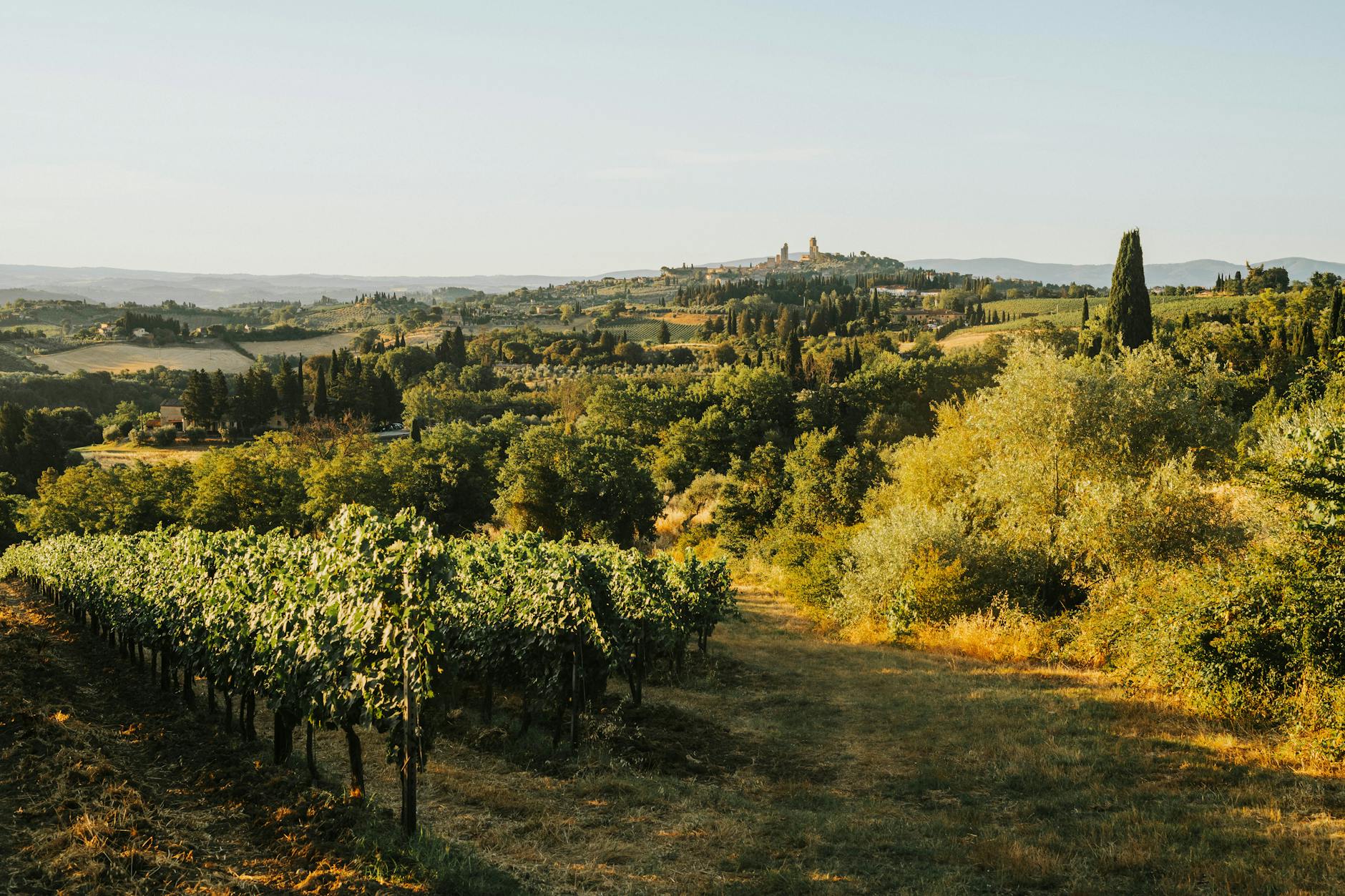
I’ll be honest, when people picture English wine they tend to picture the chalk downs of Sussex and Kent, not a granite peninsula sticking out into the Atlantic. But Cornwall has a few quiet advantages that the Champagne-style estates further east don’t. The Gulf Stream warms the coast, the growing season runs longer than almost anywhere else in Britain, and frosts are rare enough that the marginal varieties can actually ripen. That matters more than it sounds. A few extra weeks of sunshine in September is the difference between a thin, acidic wine and one that tastes properly of itself.
The soils are the other half of the story. Where Sussex has chalk that mirrors Champagne, Cornwall has slate, shale, granite and pockets of loamy clay. That gives Cornish wine a different mineral signature, leaner and saltier, with a sea-air quality that the inland producers can’t really fake. The slate-grown Bacchus from the Darnibole vineyard at Camel Valley was actually the first British wine to be awarded a Protected Designation of Origin by the EU, which tells you the regulators agreed there was something specific happening here that couldn’t be reproduced elsewhere.
The trade-off is rainfall. Cornwall gets a lot of it, and growers have to work hard against vine vigour and disease pressure. That’s pushed most of the serious producers towards organic or sustainable farming almost by default, because spraying constantly isn’t viable on small estates that double as visitor attractions. What you taste in the glass, then, is the result of growers who can’t really cheat the climate and have learned to lean into hardier German varieties, French hybrids, and the small number of classic grapes that actually thrive this far west. It’s a young wine region by European standards, but it’s no longer a curiosity.
The Vineyards You Should Actually Visit
There are more than a dozen producers in Cornwall now, but only a handful are properly set up for visitors, and fewer still are worth a deliberate journey. Here’s where I’d send you, and why.
Camel Valley
If you only have time for one, make it Camel Valley. Bob and Annie Lindo planted the first vines on a south-facing slope above the river near Bodmin in 1989, and their son Sam is now one of the most decorated winemakers in the country. The setting alone is worth the visit. The vineyard tumbles down towards the Camel River in neat green corduroy, and the tasting terrace looks out over the whole valley. It is, genuinely, one of the prettiest places to drink a glass of wine in England.
The guided tour takes you through the growing season and the winery, and finishes with a flight of their flagship wines. The Cornwall Brut is the one most people come for, a traditional-method sparkler from Seyval Blanc that has won more international medals than any other English sparkling wine. The slate-grown Bacchus is the other essential pour. Camel Valley suits couples, wine geeks and anyone who wants to understand why the region matters. Tours run on weekdays in summer and book up well ahead. It’s an easy drive from the north coast, so a base in or near B&Bs in Padstow works perfectly.
Polgoon
Polgoon sits just outside Penzance, almost as far west as you can plant a vine in mainland Britain. John and Kim Coulson bought a derelict daffodil farm in 2002 and planted German varieties chosen for rain tolerance, which was a sensible move given how exposed the site is. The result is a small, working vineyard and orchard that also produces some of the best ciders and fruit juices in the county.
The Seyval Blanc sparkling is their calling card, light and citric and pale, but I’d nudge you towards their rosé in summer and the Bacchus still white if you want to taste west Cornwall in a glass. The cellar door is unpretentious and friendly. Polgoon suits visitors who like a personal welcome over a polished tour, and it pairs naturally with a few days exploring Mount’s Bay, Mousehole and the Penwith coast from B&Bs in Penzance.
Knightor
Knightor is the most ambitious of the smaller producers. The winery sits in a tucked-away corner of St Austell Bay, on the south coast, and they make still and sparkling wines from their own vineyards plus parcels from other growers in the southwest. They also produce a vermouth flavoured with Cornish botanicals, which is a useful tell about the team’s mindset. They like to experiment.
The tasting experience is more intimate than Camel Valley, often in a small group around a long table, and the staff are happy to take you down rabbit holes if you ask. Knightor’s Bacchus and their pinot-based sparkling are both excellent. If you’re staying anywhere between Mevagissey and Fowey, this is your closest serious vineyard, and you can easily fold it into a day that also takes in the south-coast fishing villages.
Trevibban Mill
Trevibban Mill is the one I send foodies to. The vineyard sits a few miles inland from Padstow, and the contemporary winery shares a building with Barnaby’s, a restaurant that has built a serious reputation. You can do a tour and tasting and then sit down to lunch with the wines you’ve just tried, which is the kind of joined-up experience English wine country has been slow to offer.
The winemaking here leans organic and small-batch. The still whites are precise and food-friendly, and there’s usually an interesting orange or skin-contact wine going on. Trevibban suits couples who care as much about what’s on the plate as what’s in the glass. Combined with a stay in Padstow or Rock, it makes one of the best food-focused weekends you can put together in Cornwall, and it ties in beautifully with our wider Cornwall food guide.
Polmassick
Polmassick is one of the oldest vineyards in Cornwall, tucked into a quiet valley near St Ewe on the south coast. It’s a step back in time compared to the slicker operations. The cellar-door experience is informal, often hosted by the family themselves, and the wines are honest, traditional still whites and rosés. If you’ve done the headline names and want to see what a proper old-school Cornish vineyard feels like, this is the one. It’s also a useful pairing with a day at the Lost Gardens of Heligan, which is just down the lane.
The Atlantic Vineyard
The Atlantic Vineyard near Newquay is one of the newer arrivals worth knowing about, planted on a clifftop site that genuinely faces the sea. The wines are still finding their feet, but the location is unmatched. If you want a vineyard visit that doesn’t ask you to drive far inland, and you like the idea of tasting wine with the sound of the Atlantic in the background, it’s worth the detour.
What Cornish Wine Actually Tastes Like
Here’s where I think most write-ups go vague, so I’ll try to be useful. Cornish wine falls into four broad camps, and each one has a different best-case scenario.
The sparkling wines are the strongest category. The traditional-method bottles, particularly Camel Valley’s Cornwall Brut and Knightor’s pinot-based sparklers, sit comfortably alongside good Champagne in a blind tasting, with a leaner, more citric profile and a chalky-saline finish. The cheaper tank-method sparklers using Seyval Blanc and similar hybrids are fruitier and simpler, closer in spirit to a good Prosecco than to Champagne, and they pair beautifully with fish and chips on a harbour wall.
The still whites are the wines that have improved most over the last ten years. Bacchus is the grape to look for. At its best it tastes a bit like a cross between Sauvignon Blanc and an old-school English garden, gooseberry and elderflower and cut grass, with a saltiness that comes through clearly on the granite-grown bottlings. Seyval Blanc is lighter and more neutral, a good food wine. Reichensteiner is rounder and softer, often used in blends. None of them are oak-driven, and none of them want to be Chardonnay.
The rosés are reliably good in warm vintages and pair very well with crab, lobster and the smoked fish you find at the best seafood restaurants in Cornwall. The reds are the weakest category, honestly. Cornwall is too cool for the classic red varieties to ripen consistently, and most of the local reds I’ve tried are pleasant but light. Try one out of curiosity, but don’t make a special trip for them.
On food pairing, a few rules I’ve landed on. Cornish sparkling with oysters from Porthilly or the Helford is a near-perfect match. Bacchus with goat’s cheese, asparagus or a smoked mackerel salad works every time. A dry Cornish rosé with crab sandwiches is what most of my guests end up drinking on the terrace. Save the rich reds for a charcuterie board with Cornish blue cheese. And if you want to round a wine-heavy day out with something quieter, a proper Cornish cream tea in the late afternoon is the traditional reset button.
How to Plan a Cornwall Wine Tour
The honest first question is how serious you want to get. A one-day taster is easy. A proper multi-day Cornwall wine tour, hitting four or five producers in different parts of the county, takes some planning because the vineyards are genuinely spread out. Camel Valley to Polgoon is about an hour and forty minutes’ drive, and that’s before you factor in the summer traffic on the A30.
For a single day, pick a coast and stick to it. North coast: combine Camel Valley with Trevibban Mill, both within easy reach of Padstow, and you’ve got two of the best producers in the county in one tidy loop. South coast: Knightor and Polmassick pair well, and you can finish on the harbour at Charlestown or Mevagissey. West Cornwall: Polgoon stands largely on its own, but it works as the wine element of a Penzance and Mount’s Bay weekend.
For a multi-day trip, I’d plan three nights minimum. Two on the north coast, one on the south, and accept that west Cornwall needs its own visit. The drives between regions are the part that catches people out, and the last thing you want is to spend a wine holiday white-knuckling a hire car on narrow lanes.
Designated drivers are the practical question. Public transport between vineyards in Cornwall is essentially nonexistent, so your options are: one person stays sober, you book a private wine tour operator, or you base yourself somewhere walkable to at least one vineyard and taxi to the others. Several local operators now run guided vineyard tours with a driver, picking you up from your B&B and looping through two or three producers in a day. For couples especially, that’s the most relaxing way to do it.
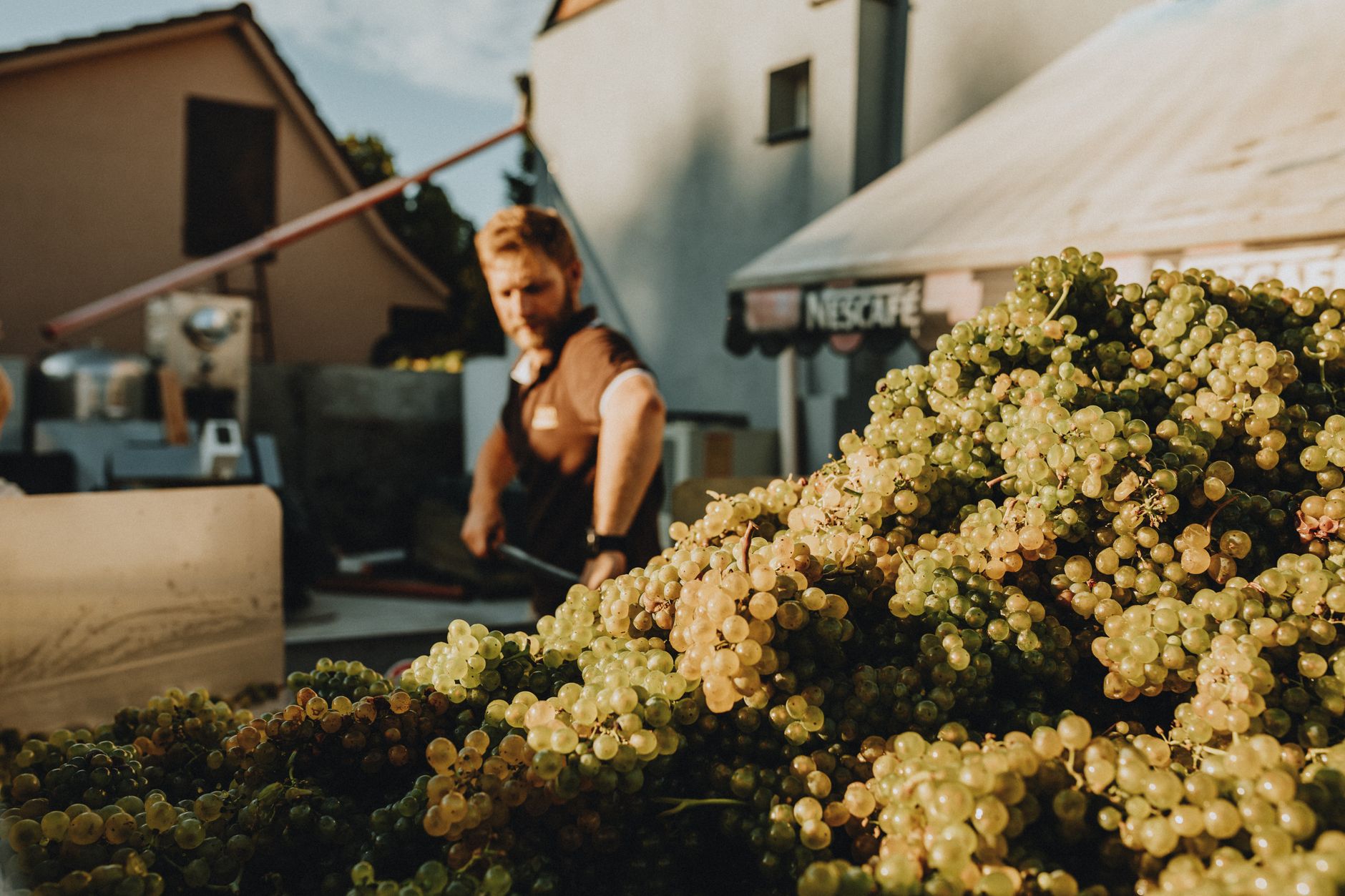
On timing, the sweet spot is May to early October. The vineyards look their best from late June, when the canopy is in full leaf, through to harvest in late September and October. May is quieter and the bluebells are out in the woods around the vineyards. August is the busiest month and the hardest to get tour slots. If you’re flexible, aim for the shoulder weeks in June or September. Winter visits are possible at a few of the producers but the experience is mostly an indoor tasting, which misses half the point. There’s more on broader timing in our planning a Cornwall holiday guide.
One last thing. If your travelling companion isn’t a drinker, Cornwall actually does this well. Polgoon’s orchard and juice production gives non-drinkers something interesting to do, Trevibban has serious food, and most of the vineyards sit in landscapes that reward a walk while the wine lover does their tasting. If beer and spirits are more their thing, our piece on Cornwall brewery and distillery tours covers the parallel scene.
Where to Stay When You’re Vineyard-Hopping
Geography decides this one. For Camel Valley and Trevibban Mill, the north coast around Padstow, Wadebridge and Rock is the obvious base. You’re twenty minutes from both vineyards, you’ve got the Camel Trail for walking off lunch, and the dining scene is the strongest in Cornwall. For Knightor and the south-coast producers, look at the St Austell Bay, Mevagissey or Fowey area. It’s quieter than the north coast, the harbours are pretty in a more workaday way, and the drives between vineyards are short. For Polgoon, Penzance, Mousehole or Marazion is your stretch, and you get the bonus of St Michael’s Mount and the Penwith galleries.
If the trip is for a couple and the wine is the romance, the small, owner-run places listed in our romantic Cornwall B&Bs guide tend to be a better fit than the bigger hotels. Breakfast at one of these places, with proper local produce and a host who knows the vineyards, is half the trip. For the wider lay of the land and which villages suit which kind of traveller, our overview of Cornwall towns and villages is the place to start.
Cornwall Vineyards FAQ
Can you visit Cornish vineyards without booking?
Some of the smaller cellar doors will let you drop in for a tasting if they’re open, but the proper guided tours at Camel Valley, Trevibban Mill, Knightor and Polgoon all need to be booked in advance, often weeks ahead in high summer. If you’re driving down on spec, ring ahead the morning of. Otherwise, book before you travel.
Is Camel Valley the best vineyard in Cornwall?
It’s the most awarded, and on the strength of the sparkling wines alone the answer is probably yes. But best depends on what you want. Camel Valley is the most polished tour, Trevibban Mill has the best food, Polgoon has the most personal welcome, and Knightor has the most adventurous winemaking. If it’s your first visit to Cornish wine country, start with Camel Valley.
What’s the best time of year to visit Cornwall vineyards?
Late May through early October. June and September are the sweet spot for weather, light and availability. August is busy and bookings go fast. Harvest in late September and October is genuinely interesting if you can time it right, because you’ll see the vineyards at work rather than just dressed up for visitors.
Do Cornwall vineyards offer food?
Trevibban Mill has the most serious food offer, with the on-site restaurant. Camel Valley does cheese and charcuterie boards alongside tastings. Knightor and Polgoon both run food and wine events through the season. If a full meal at the vineyard matters to you, Trevibban is the safest choice. Otherwise, plan to eat lunch in the nearest village.
Can you stay overnight at a Cornwall vineyard?
A couple of the smaller producers have self-catering cottages on the estate, but on-site stays are limited and book up early. For most visitors it’s more practical to base yourself in a nearby village B&B and travel to the vineyards for tours, which also lets you visit more than one producer over a few nights.
How does Cornish wine compare to other English wine?
Leaner and saltier than the Sussex and Kent sparklers, which tend to be richer and more chalk-driven in the Champagne style. The still whites, particularly Bacchus, have a stronger sea-influenced minerality than inland English producers can manage. The reds are weaker than in warmer southeastern counties. Overall, Cornish wine has more in common with the Atlantic coast of France than with the rest of England.
What I keep coming back to, after all these years of pouring Cornish wine for guests over breakfast and ferrying them off to tastings, is how recent all this is. A generation ago there was Camel Valley and a handful of hobbyists, and that was the lot. Now there’s a proper regional wine scene with its own character, its own argued-over varieties, and its own arguments about whether sparkling is the future or the still whites are. That’s a young, interesting place to be drinking wine. If you’ve come this far to read about Cornwall vineyards, my advice is to book the tour, drive the lane, taste the Bacchus from the slate, and find out what the fuss is about for yourself.