Newquay is the Cornish town with the worst reputation and the most misunderstood reality. If your only impression comes from headlines about A-level weeks and stag parties shouting their way down Bank Street, you are missing about ninety per cent of what the town actually is. There are now effectively two Newquays operating in parallel, and where you stay and which beach you walk to make a much bigger difference here than they do in any other Cornish destination. I host a lot of guests who arrive expecting the worst and leave wondering why nobody told them the rest. This Newquay Cornwall guide is the rest.
I’ll cover the practical things: how to get here, where to stay if you want quiet versus where to stay if you don’t, which beaches to surf and which to relax on, what to eat where the locals eat, and which day trips genuinely work from a Newquay base. I’ll be honest about the reputation problem and where it still has bite. And I’ll point out the things nobody else seems to mention — the airport (Cornwall flies internationally from here, which surprises most visitors), the Cribbar reef offshore from Fistral that breaks once a winter and would make any Hawaii surfer envious, and the family seaside resort that voters in the Coast magazine reader polls quietly keep choosing. For the broader picture, our Cornwall towns and villages guide sets the wider context.
The Two Newquays: Reputation Versus Reality
Here’s the honest situation. Newquay was, for fifteen years from about 2000, the UK’s archetypal stag-do destination and the place school leavers went after A-level results. The reputation that built then has not entirely faded. There is still a stag scene in summer; survey data from the stag-organising firms shows Newquay among the top five UK destinations in May, June and July. If you walk down Bank Street, Beach Road or East Street on a Saturday night in August, you will see it.
But the town has changed underneath the headlines. From about 2009 onwards Cornwall Council ran a sustained campaign to discourage the worst of the post-A-level behaviour. The nightlife consolidated into a small geographic core (the streets I just listed) and the rest of the town — Pentire Headland, Watergate Bay, Crantock, Porth, the cliff walks toward Bedruthan — went the other way. The food scene improved. Watergate Bay Hotel turned into a destination resort. Lewinnick Lodge on Pentire became one of the most photogenic restaurants on the Cornish coast. The Headland Hotel kept doing afternoon tea and looking like a Victorian dream. The town started winning family-seaside polls in Which? Travel and Coast magazine.
So the practical reality is: if you stay in central Newquay on a summer weekend, you will share the town with a stag party. If you stay on the Pentire Headland, at Watergate Bay, on Porth, or south across the Gannel toward Crantock, you can have a quiet, family-friendly Cornish seaside holiday with some of the best beaches in Britain and barely register that the other Newquay exists. Where you sleep matters more in Newquay than anywhere else in Cornwall.
A Short History: Resort Town in the Making
Newquay was a fishing village called Towan Blistra into the nineteenth century. The harbour was built in 1832 to handle pilchard exports, and a new “Quay” was added at the same time — hence the name. The railway arrived in 1876 (the Great Western Railway extension that also gave us the Newquay-to-London services that still run today), and the GWR’s marketing department effectively created Newquay as a seaside resort, building the Headland Hotel in 1900 as the flagship. The Victorians and Edwardians came down for the climate, the air and the sea bathing. The surf scene started in the 1960s. The stag-and-A-level era started in the 1990s. The current reinvention, with serious food and serious surf both running concurrently, is the work of the last fifteen years.
Getting to Newquay: Plane, Train, Car
Newquay is the easiest Cornish town to reach by air. Cornwall Airport Newquay sits five miles north-east of town at St Mawgan and handles eight airlines flying to fourteen destinations. Domestic routes include London Gatwick and London Stansted with Ryanair, Edinburgh, Manchester and Newcastle with Loganair, Glasgow with Loganair, Dublin with Aer Lingus and Ryanair, and St Mary’s on the Scilly Isles seasonally with Skybus. International routes include Alicante, Malaga and Faro with Ryanair, Düsseldorf with Eurowings, and Zürich with Edelweiss. Ryanair fares for summer 2026 start from £29.99. The airport runs a regular bus into town.
By train, Newquay is on a branch line from Par on the main London-to-Penzance route. There is one direct service per day from London Paddington (around five hours) and otherwise you change at Par. By car, the A30 from the M5 is your route, around five hours from London and three from Bristol. Driving into central Newquay is fine outside the peak summer weekends; parking is mostly straightforward.
The town’s main car parks are Fore Street (short-stay, £2.40/hour), and the long-stay ones at the Manor, Mount Wise, Albany Road and St George’s. After 4pm many become free. Fistral Beach has its own parking at Belmont, Dane Road, Towan Headland and Tower Road. The Cornwall Council Countywide Rover is £63 a week and is the best deal if you’re planning to drive to a different beach every day.
Where to Stay in Newquay: The Most Important Decision
Spend more time on this question than on anything else in your Newquay planning. The areas worth knowing are:
Pentire Headland sits to the south-west of town centre, overlooking both the Gannel estuary and Fistral Beach. It’s where Lewinnick Lodge and the Pentire Hotel sit. Quiet, residential, mid-range and above. You can walk to Fistral in five minutes and to the worst of the nightlife in twenty (or, better, just not at all).
Watergate Bay is four miles north of central Newquay and effectively its own resort. The Watergate Bay Hotel anchors the bay, with three restaurants (Zacry’s, The Living Space, The Beach Hut) and direct beach access. Families, couples, and the food-led visitors stay here. It feels nothing like Newquay town.
Town Centre and Tolcarne are the lively areas. Walking distance to nightlife if you want it. Mid-range hotels, traditional seaside guest houses. This is where the stag groups stay and where you should stay if you don’t mind a livelier atmosphere.
Porth and Trevelgue Head, just east of town, give you the best budget value with the trade-off of a longer walk into the centre. Quiet sandy beach.
Crantock side, south of the Gannel estuary, is for self-catering cottages and the wildest beach. You’ll need a car. Crantock village is its own little community.
I cannot stress this enough: spend twenty minutes on the area question and you’ll have a completely different Newquay holiday from the version your reputation-anchored friends are imagining.
The Beaches: Newquay’s Real Wealth
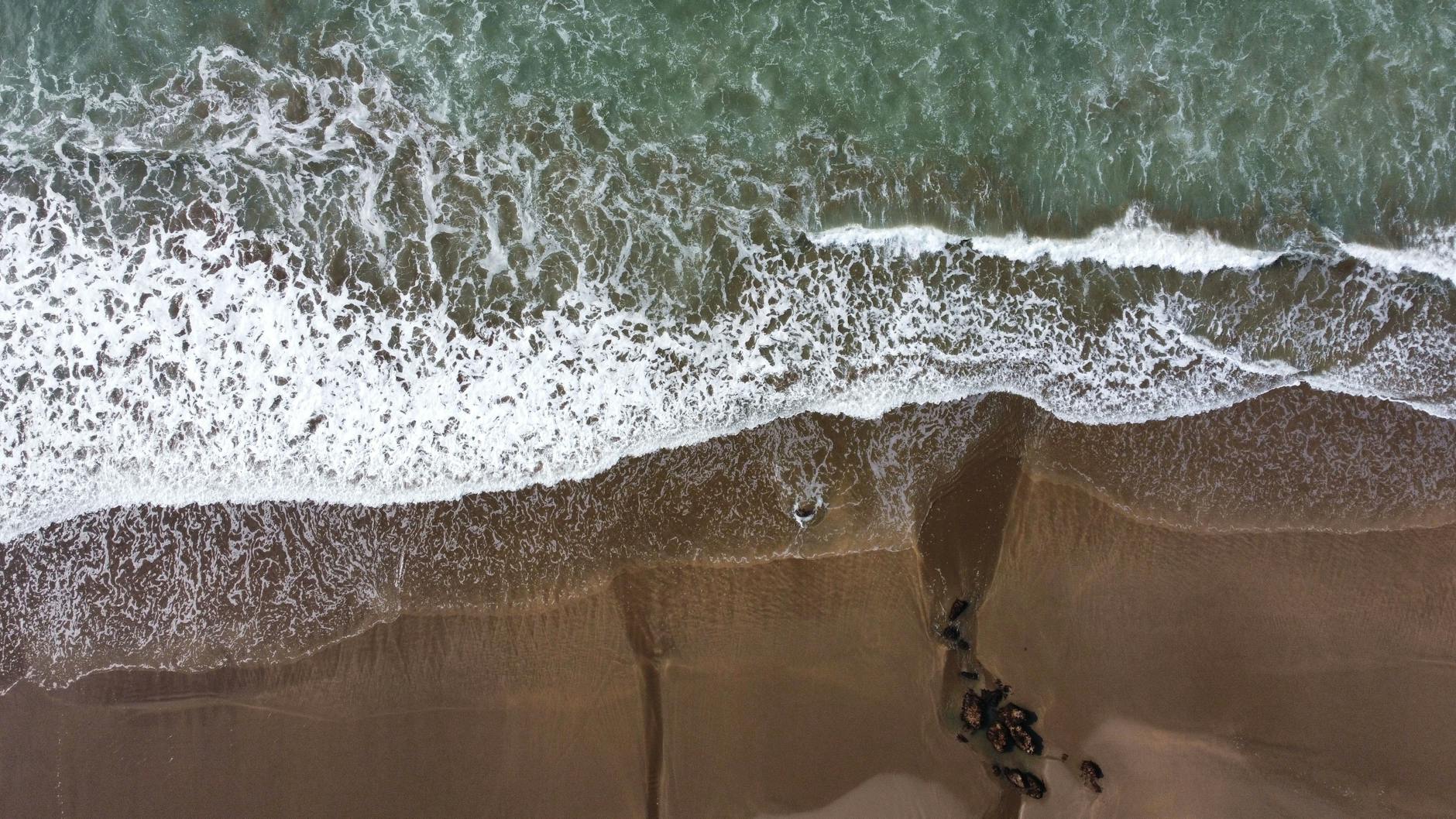
Newquay has eleven beaches within town limits or a short walk, and another five within ten minutes’ drive. They divide cleanly by purpose.
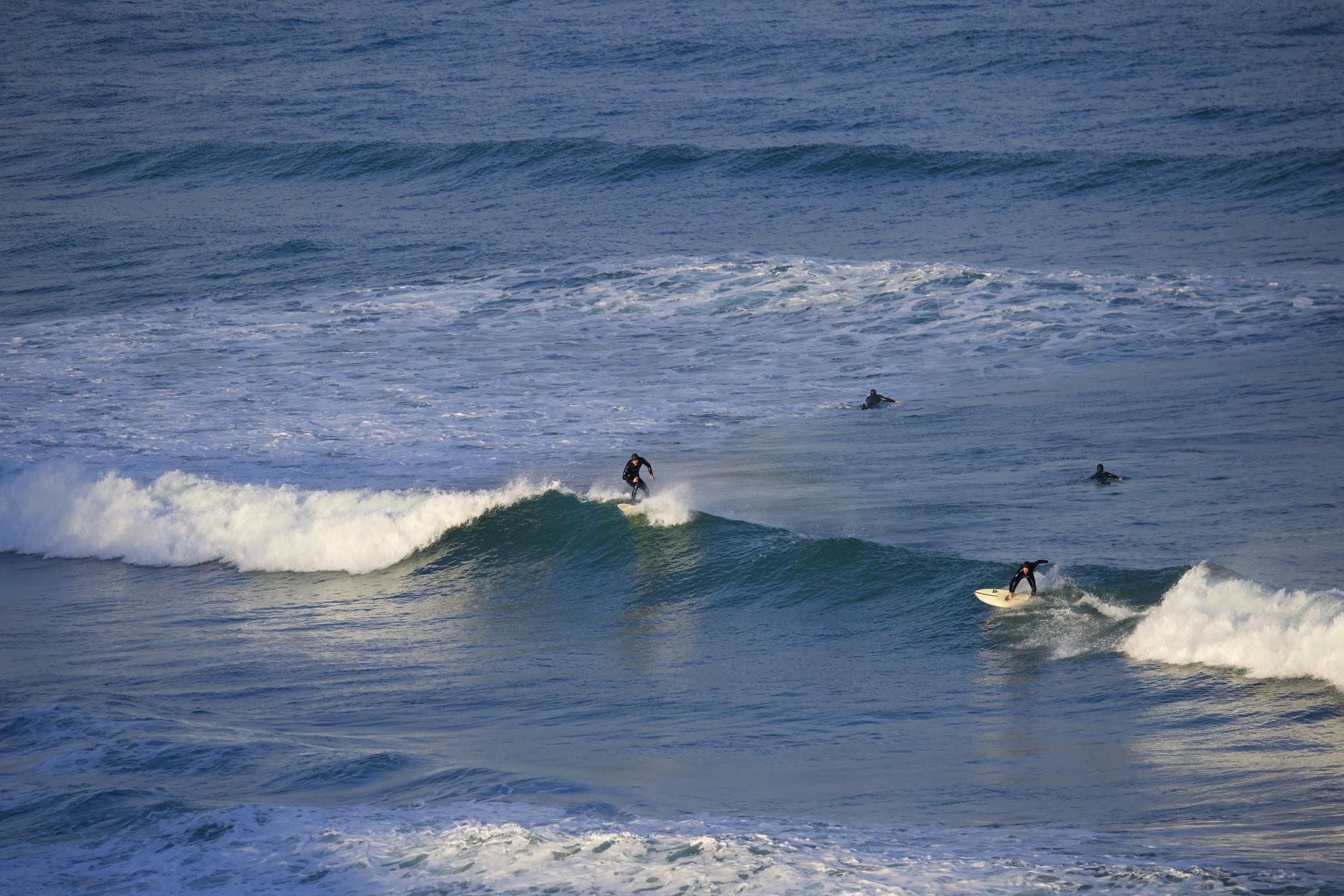
Fistral Beach is the surfing beach. It splits into North and South. North Fistral is for experienced surfers — steeper waves, the Cribbar reef offshore (the “Widow Maker”, which breaks at thirty-plus feet a few days each winter and is genuinely world-class big-wave surf), and the surf shops, cafés and toilets clustered at this end. South Fistral, sheltered by the Pentire headland, is mellower and the place for beginners on mid-tide. The Fistral Beach Bar and the Fish House Fistral are the eating options.
Watergate Bay is the two-mile sweep north of town. Consistent beach-break surf, multiple surf schools (Wavehunters and the Extreme Academy operate at the bay), wide flat sand even at high tide, and Watergate Bay Hotel’s beach-facing terrace at the top.
Crantock Beach is across the Gannel south of the town, walkable from the Pentire side at low tide via stepping stones or via the footbridge if the tide is in. Wider, wilder, less built-up than the Newquay-side beaches, dog-friendly, with a notorious rip at the river mouth (heed the signs).
Towan Beach is the town beach in the truest sense, just below the harbour, the calmest swimming option, and home to the Island House on its tiny rock with a suspension bridge that turns up in every Newquay photograph.
Lusty Glaze is the privately-owned beach you have to walk down a steep cliff path to reach. It’s the venue for live music and adventure events in summer, swell here breaks slightly bigger than on the other town beaches, and the sunset views are the best in town.
Great Western is small, sheltered, named after the GWR railway company, and tucked beneath the cliff promenade. The rockpooling at low tide is among the best in Cornwall.
Porth, Tolcarne, Mawgan Porth and Holywell are the others, each with its own character. Mawgan Porth, just before Watergate Bay heading north, is wide, family-friendly and has The Scarlet Hotel for spa days.
Surfing in Newquay
If there is one activity to plan a Newquay trip around, it is surfing. Newquay invented British surfing in the 1960s, hosts the UK’s biggest surf festivals, and runs the country’s largest concentration of surf schools.
Lesson rates in 2026: Escape Surf School starts at £30 for a single two-hour lesson with full kit, with a £80 multi-lesson package for two two-hour sessions or £120 for three. Cornish Wave starts at £40 for a single group session and goes up to £110 for private lessons or £199 for a family group. The Newquay Activity Centre publishes transparent 2026 pricing online. Quiksilver Surf School also operates here. The standard format is a two-hour session, group sizes of around eight per instructor, all kit (board and wetsuit) included.
If you want a non-lesson surf, board hire from the Fistral surf shops is around £10-15 for half a day plus wetsuit hire. The surfable season in Newquay runs effectively year-round, with autumn and winter swells the most consistent and summer offering smaller, friendlier waves.
Watergate Bay and the Beach Hut
Watergate Bay deserves its own section. The Hotel sits at the top of a two-mile beach and runs three different restaurants: Zacry’s (under executive chef Chris Eden, the more formal sit-down), The Living Space (all-day lounge food with sea views), and The Beach Hut on the sand itself. The Beach Hut is the one you’ve seen in the photographs — order from your phone, eat at picnic tables on the sand, mussels and pizza and the famous Extreme Burger and the Extreme Hot Chocolate. Wheelchair accessible via the sea-lane ramp.
I should clear up something a lot of older guides still get wrong: Jamie Oliver’s Fifteen Cornwall, which used to be the food anchor at Watergate Bay, closed permanently in December 2019 when the Cornwall Food Foundation charity went into liquidation. The space was not reopened as another restaurant. Watergate Bay Hotel converted it into seven beach loft suites. Emily Scott runs her own venue at the bay separately. If you’ve seen older content telling you to book Fifteen, ignore it.
Eating in Newquay Beyond Watergate Bay
Lewinnick Lodge on Pentire Headland is the destination restaurant of central Newquay. Family-run since 1990, floor-to-ceiling cliff-edge windows over Crantock Bay, brasserie cooking with strong seafood, breakfast from 8am, food service until 9.30pm. The mussels are the headline dish, the burgers are excellent, and the views at sunset are the photograph people take home. Also a boutique hotel.
Headland Hotel afternoon tea is the other Newquay icon. £39.50 per adult, £19.50 per child, served 2-4pm daily in the Restaurant RenMor. Twenty-four-hour booking required. The Headland Hotel scones, Boddington’s jam, Rodda’s clotted cream — the canonical Cornish cream tea in a Victorian hotel with views over Fistral. Free-from and plant-based options available. The Witches movie (2020) was filmed here, if you’re curious about the architecture.
The Fish House Fistral is a tiny seafront restaurant at North Fistral with exceptional, locally sourced seafood. Booking essential. Reviews put it on a par with Michelin-recommended Cornish kitchens. The Boathouse on the harbour does street food on the beach: hake pitta, salt and pepper squid, Neapolitan pizza, Cornish lagers, no bookings, covered decking, dog-friendly. The Stable at Fistral is the family-friendly sourdough-pizza-and-cider pub at the Fistral Beach Hotel, with a bottomless pizza brunch on Saturdays at £32.95 for ninety minutes. Box & Barber on Fore Street is the brunch spot with Origin coffee, acai bowls and sourdough toasties.
Family Attractions: When You Want a Break From the Beach
Newquay Zoo is the family attraction of the town. Set in 13 acres of subtropical gardens at Trenance, with red pandas, penguins, meerkats and lemurs among 130-plus species. 2026 admission: adult £14.85, child £11.15, senior or student £12.60, family saver £46.75 with a fifteen per cent online discount. Carer entry is free with a registered disability ID. The Trenance Gardens around the zoo include a boating lake, miniature railway, the Japanese Garden (a quiet sub-tropical retreat with a teahouse) and an adventure trampoline park.
Blue Reef Aquarium is on Towan Promenade overlooking Towan Beach. Open daily from 10am except Christmas Day, with the cheapest tickets booked online. Kids Pass members get Kids Go Free deals at certain times. The walk-through underwater tunnel is the headline attraction; a behind-the-scenes feeding talk runs at regular intervals.
The harbour at Newquay has a resident grey seal — local children call it Sammy — that you can spot for free from the harbour wall on most days. Newquay Sealife and Newquay Sea Safaris run boat trips to Seal Cove, with the two-hour Sealife Safari the most popular. Dolphins, basking sharks, sunfish and porpoises are all possible sightings on a good day.
Day Trips From Newquay
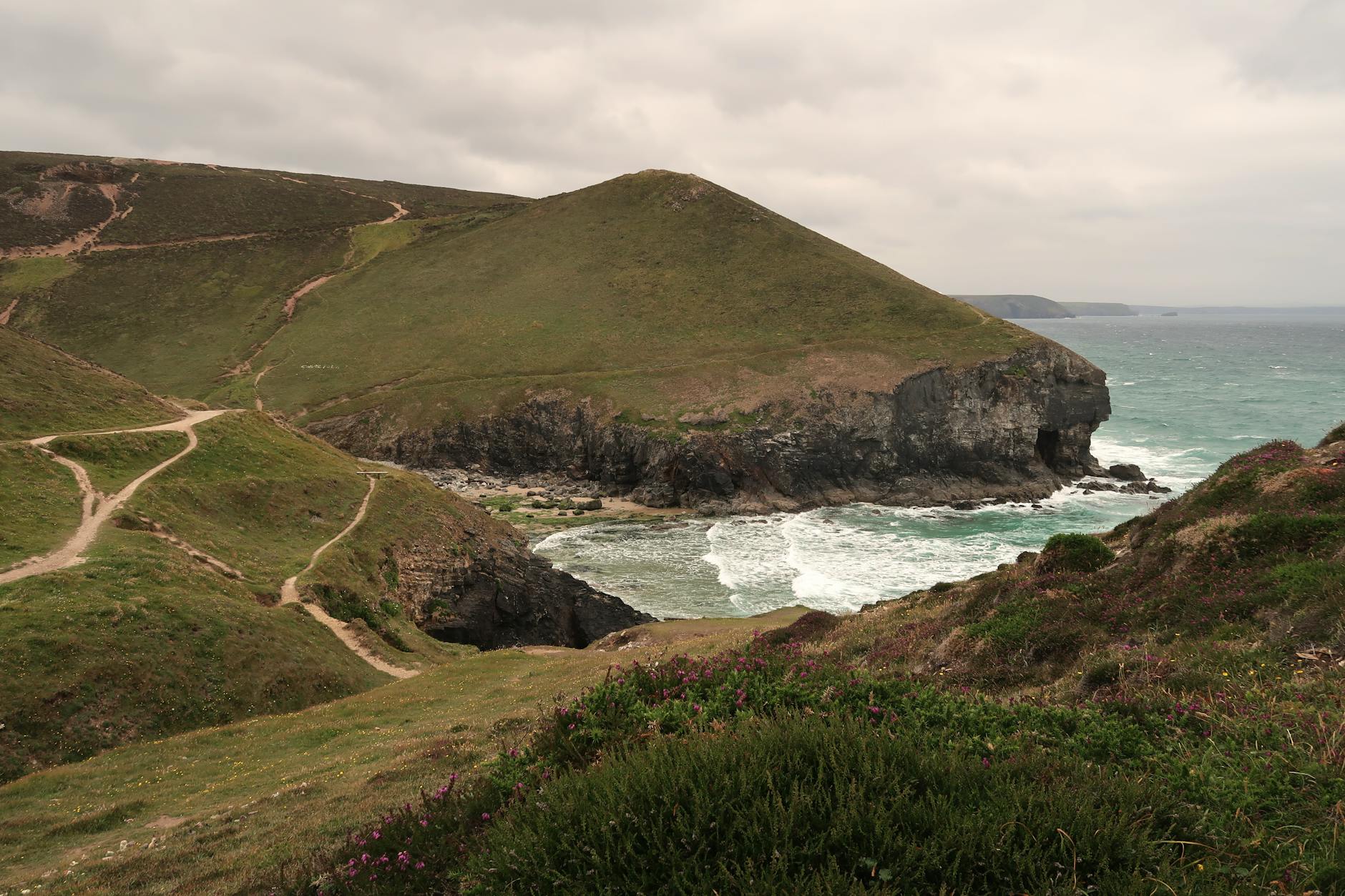
Bedruthan Steps (officially Carnewas at Bedruthan) is the National Trust site eight miles north on the B3276, with the most photographed clifftops in Cornwall. Beach access closed indefinitely after the 2019 rockfall destroyed the stairway, so the clifftop views are the draw. The Carnewas café (in the old mine count-house) is excellent, and the site now holds official Dark Sky Discovery status — stargazing add-on for evening visits.
Trerice is the Elizabethan manor three miles east at Kestle Mill, owned by the National Trust since 1953. Built 1572-3, with a Great Hall window of 576 tiles of sixteenth and nineteenth-century glass, a Tudor bed and plasterwork in the Great Chamber, and an Elizabethan knot garden. The Kayles lawn outside is for playing the Cornish bowls game. Café in the barn. Open daily from 10.30am, last house entry 4pm. A brilliant non-beach half day, especially if the weather turns.
Padstow is forty-five minutes north by car or by the Atlantic Coaster bus (also a scenic ride). Truro is twenty-five minutes south. Perranporth and St Agnes are twenty minutes south-west, both with surf beaches and quieter towns. St Ives is forty-five minutes west; if you have a week, do a day trip.
Newquay’s Nightlife (For Those Who Want It)
It exists, it’s lively, and if you’re under twenty-five and looking for it, you’ll find it on Bank Street, Beach Road and East Street. The big venues are Sailors, Chy, the Belushi’s chain. Whetherspoons is at the top of town. Live music in the summer months at Lusty Glaze.
The other side: Tom Thumb on Beacon Road is an eight-person cocktail bar with no fancy dress, no children after 9pm, and a no-photos policy that has made it one of the most coveted bookings in the South West. The Boathouse on the harbour does cocktails outdoors with a sea view. The Stable at Fistral has 80-plus ciders. None of these will involve queuing past a stag party.
Boardmasters and the Festival Week
Boardmasters runs from 5-9 August 2026 next year, with the music site at Watergate Bay and the surf and beach festival at Fistral. Headliners include Fatboy Slim, Kasabian and Lily Allen. The week is busy in town, prices spike for accommodation, and most of the surf venues are taken over by the festival. The flip side is that the rest of north Cornwall is quieter than usual that week as crowds funnel toward the festival site — a useful counter-intuitive point if you want a Cornish beach holiday in early August without the usual crowd.
When to Visit
June and September are objectively the best months. The weather is warm but not peak-crowded, sea temperatures peak in late August at around 16°C but air temperatures stay 18-20°C through to mid-September, and the August crowds are thinned out by about sixty per cent compared with school-holiday weeks. Couples especially benefit from shoulder-season visits. July and August are busy but reliable for weather. Winter Newquay is good for storm-watching and quiet beach walks with a fraction of the summer crowds — most cafés and the major restaurants stay open year-round.
Where Newquay Sits in a Cornwall Holiday
If you’re doing a single-base Cornwall trip, Newquay works well for families and surfers. The combination of family attractions (Zoo, Blue Reef, harbour), the spectrum of beaches, and the easy A30 access make it an obvious choice for a first Cornish week. If you’re doing a multi-base trip, Newquay pairs naturally with Padstow (forty-five minutes north) and St Ives (forty-five minutes west). It’s worth two to four days. Our guides to B&Bs in Newquay and to the best surfing beaches in Cornwall go deeper on the accommodation and the wave-by-wave picture.
Frequently Asked Questions
Is Newquay still a stag-do town? Partly. The stag scene is concentrated in central Bank Street/Beach Road on summer weekends. Stay outside that area and you won’t encounter it.
Is Newquay good for families? Yes, particularly Watergate Bay, Pentire Headland and Porth. Avoid central town if you want quiet.
How many days do you need in Newquay? Three to five for the beaches and town. A week if you want to do day trips properly.
What is the best beach in Newquay for surf beginners? South Fistral on mid-tide, with a surf school. Crantock and Watergate Bay also work.
How much is a surf lesson in Newquay? £30-40 for a two-hour group lesson with kit. £100+ for private. Family group lessons around £200.
Can you still visit Bedruthan Steps beach? No — the beach steps closed after a 2019 rockfall. The clifftop views and café remain open.
What’s the best time of year to visit Newquay? June and September. Avoid Boardmasters week (5-9 August 2026) unless that’s why you’re coming.
Does Newquay have an airport with direct flights? Yes — Cornwall Airport Newquay, with eight airlines and fourteen destinations including international routes to Spain, Portugal, Germany and Switzerland.
What’s the difference between Newquay and St Ives? Newquay is bigger, livelier, surf-focused, easier to fly to. St Ives is smaller, art-focused, no airport, much more compact.
What happened to Jamie Oliver’s Fifteen Cornwall? Closed permanently in December 2019. The space is now beach loft suites at Watergate Bay Hotel.
Newquay is the Cornish town with the worst marketing reputation and one of the best actual offers, particularly if you stay outside the central streets and aim for the headland areas, Watergate Bay or Porth. Walk Pentire Point at sunrise, have afternoon tea at the Headland, eat at Lewinnick Lodge, surf at South Fistral, drive to Bedruthan for the clifftops. You’ll have a Cornish week most stag-group survivors never even imagine exists.