Padstow is the town that Rick Stein built, or so the story goes, and if you’ve spent any time looking up places to eat in Cornwall you’ve already met that story half a dozen times. The reality is more interesting than the Stein-shaped headline. Padstow was a working pilchard and fishing port for centuries before anyone here had heard of a celebrity chef, and the town that visitors fall for today is the result of about a thousand years of estuary geography meeting one of the prettiest harbours on the north coast. I get more questions about Padstow than about almost any other Cornish town, and the honest answer about whether it’s worth the hype is: yes, but you need a strategy. This Padstow Cornwall guide is that strategy.
I’m going to be straight about the Rick Stein situation, because nobody else writing about this town quite is. I’m going to give you the actual times and prices for the ferry, the Camel Trail bike hire, the National Lobster Hatchery and the major events. I’m going to tell you which beaches around Padstow you’d genuinely cross the country for, which ones the locals quietly prefer, and where to park so you don’t lose an hour of your day to the harbour car park lottery. If you want the wider context of the cluster Padstow sits in, our Cornwall towns and villages guide is the parent piece.
Why Padstow Is Worth the Hype (Mostly)
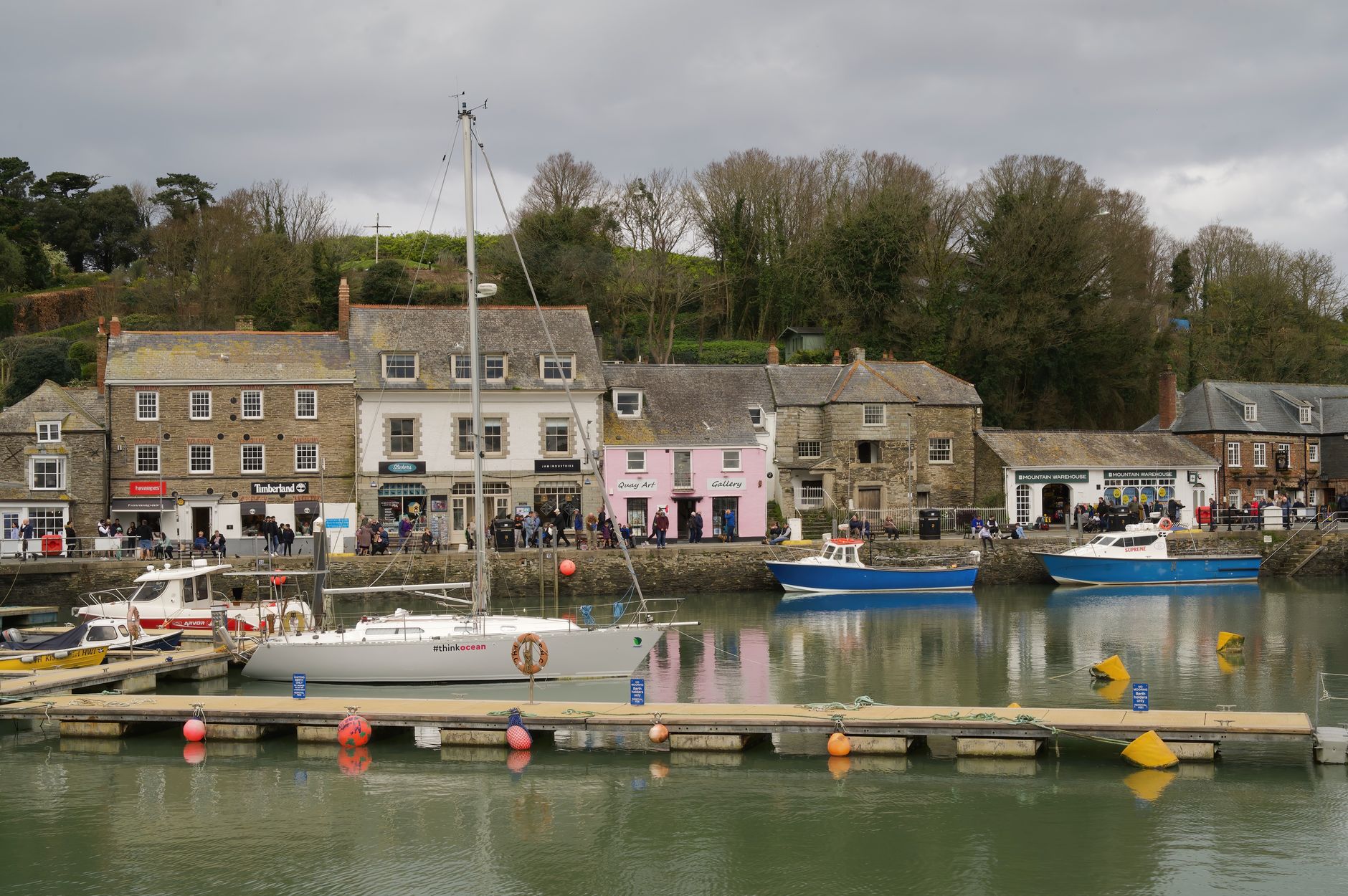
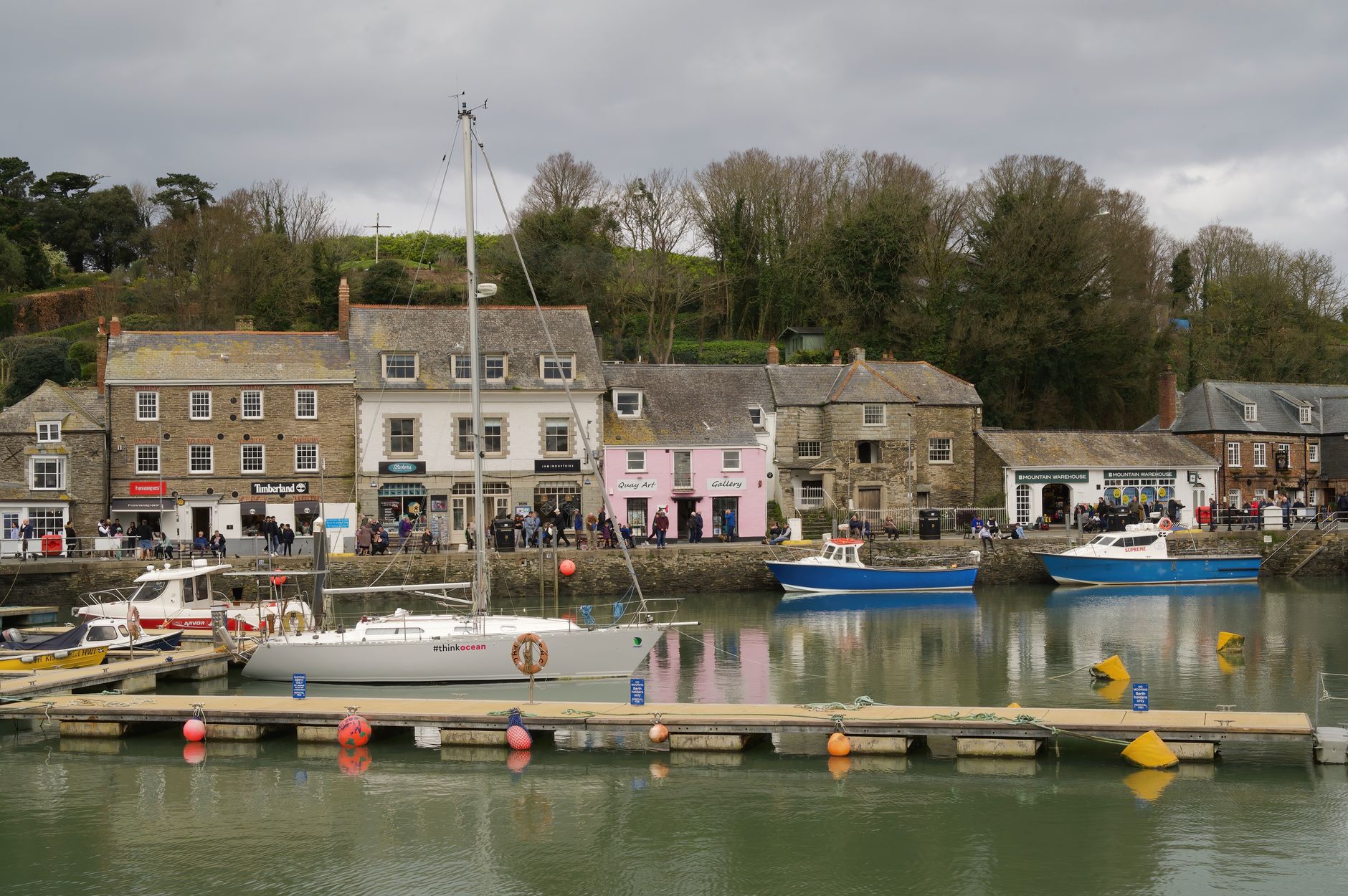
Padstow sits on the western shore of the Camel Estuary, a sheltered, sandy-bottomed inlet that pushes inland from the Atlantic and gives the town some of the best-protected harbour water on this stretch of the coast. The harbour itself is small, working, and ringed by Georgian and Victorian merchant houses painted in soft Cornish pastels. The lanes inland are narrow, stone-paved and mostly unchanged in two hundred years. The food scene, for all the Stein-fatigue, is genuinely one of the strongest in Britain outside London. The beaches within ten minutes’ drive include Constantine, Harlyn, Treyarnon, Booby’s, Trevone and the Mother Ivey’s chain, which is a concentration of high-quality north Cornwall sand that few other towns can match.
The downside is that Padstow knows what it is. The town is rammed in July and August. The car parks are a daily problem. Some of the restaurants are now booked up months in advance. Some of the pasty shops on the harbour are not, frankly, the best pasties in the town. If you turn up in summer without a plan, you will spend the first half of your day looking for a parking space and the second half on a wait list. Plan a little, come in May, June, or September if you can, and you’ll get the version of Padstow people fall in love with.
Getting to Padstow: Train, Car, Camel Trail
Padstow is not directly served by a railway. The branch line that used to run from Wadebridge through to Padstow closed in 1967, and the old track bed is now the Camel Trail, which is one of the loveliest things about the town. The nearest station is Bodmin Parkway, an hour by bus or thirty minutes by taxi. From London it’s around five and three-quarter hours by public transport (train to Bodmin Parkway, then bus 11A or taxi) or about five and a half hours by car via the A30. From Bristol, the drive is around three hours.
The smart approach to arriving in Padstow if you have a car is to bypass the harbour car parks entirely. Park in Wadebridge, hire bikes, and ride the Camel Trail into Padstow. The route is five and a half miles, almost dead flat, follows the Camel estuary the whole way, and dumps you out at the old railway station building in Padstow which is now Padstow Cycle Hire. You can have lunch in town and ride back, or do it the other way round. The bike hire firms in Wadebridge (Bridge Bike Hire and Cycle Hire are the two main ones) charge around fifteen to eighteen pounds for an adult day bike and thirty to thirty-five pounds for an electric bike. This is not just an efficient parking solution; it’s one of the best half-days you can have in Cornwall.
Parking in Padstow: What Works
If you must drive in, the Link Road Car Park is the largest, with 312 spaces, sat on the southern edge of town at PL28 8AY. It’s £2.30 per hour or £10.50 for 24 hours, and it’s a ten-minute walk down to the harbour. Coming back is uphill, which matters more than you think with tired children and shopping. The Harbour Commissioners car park is closer to the water, smaller, and fills by 9:30am most summer days. There’s a smaller car park on Padstow Main Road, the old Park & Ride site, which is the overflow option.
The Park & Ride that used to operate is no longer running, despite a number of guides still listing it as a live option. Several blogs you’ll find will tell you to use it. Don’t. The site is now mostly the Main Road Car Park.
The insider option, which costs nothing and saves the parking headache, is to park at Trerethern just outside town on the Camel Trail (free roadside spaces in the lay-bys, but get there early) and walk or cycle the last mile in. The walk along the trail is pretty enough that you’ll wonder why you didn’t plan for it.
The Rick Stein Situation: An Honest Ranking
The Stein empire in Padstow is real and large. There is the Seafood Restaurant on Riverside, the flagship since 1975. There is Rick Stein’s Café on Middle Street, more relaxed. There is Stein’s Fish & Chips on South Quay. There is Stein’s Patisserie. There is the Seafood Bar & Fishmongers. There is St Petroc’s Bistro. The family also runs the Cornish Arms pub at St Merryn just outside town. You can quite easily eat at three or four Stein outlets in a single weekend without trying.
The Seafood Restaurant is worth a special-occasion dinner. It’s been doing carefully sourced day-boat fish for fifty years and the kitchen, under head chef Pete Murt, won the AA Food Service Award in 2024. Expect £80–120 a head for à la carte before drinks, more for the tasting menu, and book two to three months ahead for peak summer. The bar seats are cheaper and easier to get; eat at the bar if a table is full.
Rick Stein’s Café is the best-value Stein experience. Set lunch sits around £25-35, the cooking is properly Stein in spirit, and the atmosphere is much less formal than the flagship. This is where I’d send a couple having one Stein meal in Padstow.
Stein’s Fish & Chips on South Quay is the one I’d push back on. The beef-dripping batter is good. The fish is fresh. But you’ll pay around £30 for two people for a meal that you could have at almost any harbour chippy in Cornwall for half the price, and the queue at the door does not always justify itself. Chip Ahoy a few streets back is the locals’ alternative and is, by most accounts, the better chippy.
The unvoiced fact about Padstow is that the best food in town is not always the Stein food. Paul Ainsworth at No. 6, a Georgian townhouse a couple of minutes’ walk from the harbour, holds a Michelin star (in the 2026 Michelin Guide UK) and four AA rosettes. The tasting menu is the move; expect £155–185 per head, and book two months ahead. It’s the kind of meal you’ll talk about for a year.
Prawn on the Lawn, an offshoot of the London original, opened in Padstow in 2015 and has been in the Michelin Guide every year since. Small-plates seafood, raw oysters, hourly-changing menus, counter-style. Around £50-70 per head and entirely different from the Stein experience.
Café Rojano (the Italian sister of Paul Ainsworth) is the family-friendly pick, doing brilliant sourdough pizzas and Mediterranean dishes at around £30-45 per head. Greens of Padstow is the waterfront café with an eighteen-hole mini-golf course in the garden — the best place in town for a casual lunch with children. Margots is the small bistro that under-the-radar local diners book at month-out. The Bothy at Prideaux Place is the hidden lunch spot in the walled garden. Trevisker’s Kitchen, off the main tourist trail, is where locals go when they don’t want to deal with the harbour crowds.
The Camel Trail: Cornwall’s Best Cycle Route
The Camel Trail is the old Bodmin and Wadebridge Railway track bed, eighteen miles of mostly flat, traffic-free, well-surfaced path running from Padstow inland through Wadebridge to Bodmin, then on a steeper climb to Wenfordbridge on the edge of Bodmin Moor. The classic ride is Padstow to Wadebridge, five and a half miles each way, alongside the Camel estuary with views of the river, the bird hides on the marshes, and a string of pubs and cafés to stop at. The continuation from Wadebridge to Bodmin is another five miles through ancient woodland following the river — quieter than the estuary section, often greener, and a different kind of pretty.
Bike hire is at both ends. Padstow Cycle Hire occupies the old railway station building. Trail Bike Hire is next to the car park. At the Wadebridge end, Bridge Bike Hire and Cycle Hire (also called Camel Trail Cycle Hire) are the main options. Adult standard bikes are £15-18 for the day, e-bikes £30-35, with trailers and child seats available. The compressed-gravel surface is fine for hybrid bikes but not for road bikes. The Wadebridge-to-Padstow direction is marginally easier (slight downhill grade for most of the way) but the prevailing wind off the Atlantic usually pushes you the other way, so direction matters less than you might think.
The Padstow to Rock Ferry
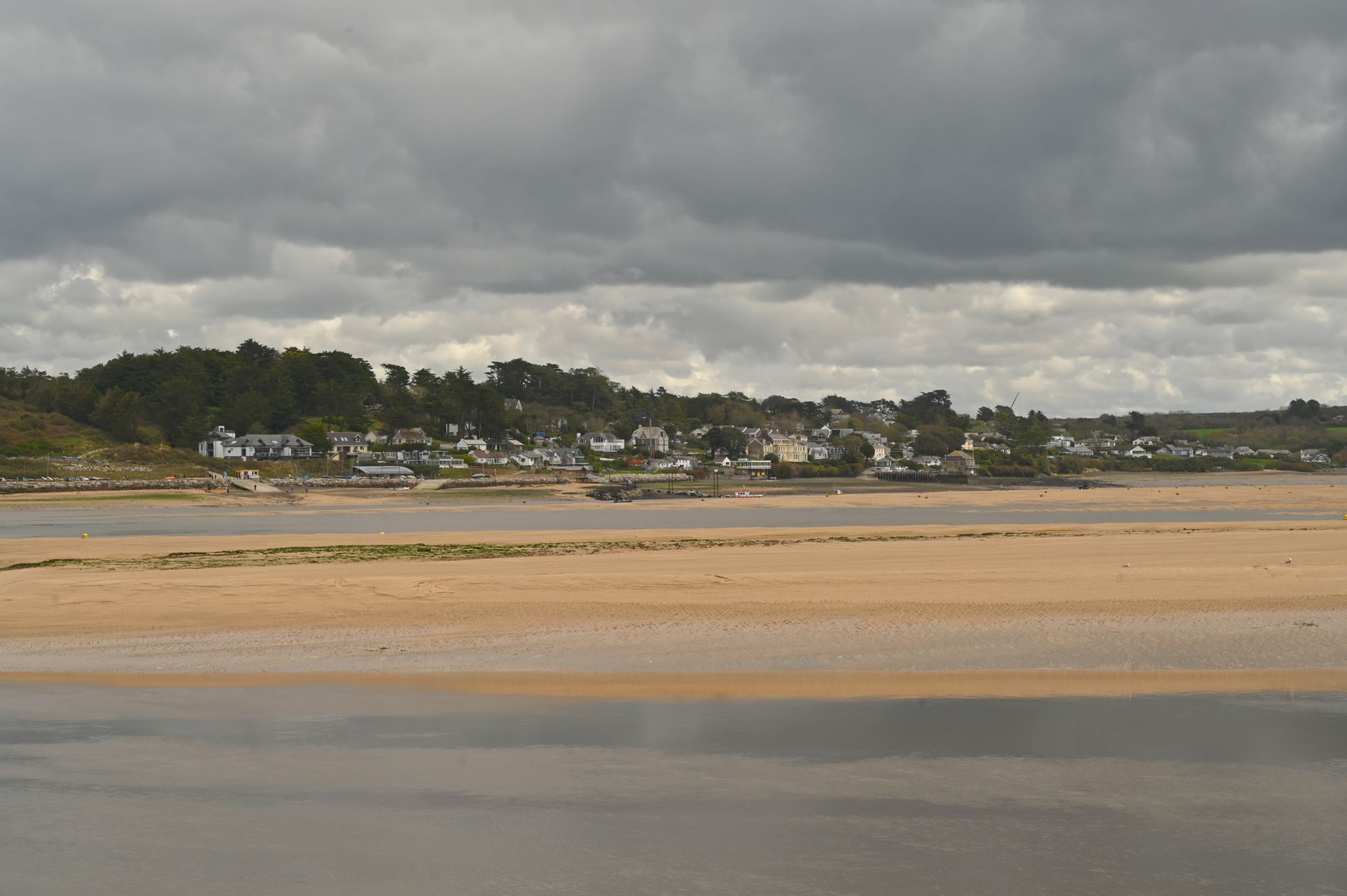
Padstow and Rock sit on opposite sides of the Camel estuary. Driving from one to the other takes thirty minutes via Wadebridge. Taking the ferry takes five minutes and is one of the best small pleasures of a Padstow visit. The Black Tor is the boat, operated by the Padstow Harbour Commissioners, and it runs every twenty minutes from around 8am to 4:30pm or 5:30pm in the shoulder seasons, extending to 7:30pm in the summer school holidays. There is no Sunday service from mid-November to mid-February.
The 2026 fares are £3 adult, £1.50 child (under sixteen), free under-fives, £1 dog and £3 bicycle. Cashless only — card or contactless. The ferry boards from the South Slip outside the Old Custom House at high tide, and from the Ferry Slip at the outer breakwater at low tide. On the Rock side it usually leaves from the main slipway, but at low tide it shifts to the sandy beach a five-minute walk away. If you’re going for dinner in Rock at the Mariners and need to come back after the Black Tor has finished for the day, a separate water taxi service continues into the evening for the after-hours crossings.
Walking from Padstow to Rock at low tide is not possible. The estuary is always too deep. The ferry or the road around via Wadebridge are your only options.
The Beaches: Seven Bays for Seven Days
The cluster of beaches west of Padstow is one of the things that makes the town worth more than a day trip. Within a five-minute drive of each other you’ve got seven major bays, each with a distinct character.
Harlyn Bay is the easiest beach for families and the safest beach for learning to surf. A wide, gentle crescent, lifeguarded in season, with Harlyn Surf School operating on the sand. Constantine Bay is the next one along, a wide expanse of sand with the strongest surf on the cluster and significant rip currents — not for casual swimmers but a stunning beach. Booby’s Bay, joined to Constantine at low tide, hides the partly-exposed wreck of a WWII-era German vessel that becomes visible in winter low tides. Treyarnon Bay has the secret tidal rockpool — a vast natural swimming pool that fills at the bottom of the tide and is ten degrees warmer than the open sea — plus a youth hostel right on the beach and forgiving surf. Mother Ivey’s Bay is partly private (the Mother Ivey’s Bay Holiday Park controls some access) but the beach is pristine. Trevone Bay has the Round Hole, a natural circular pool eroded into the cliff, lifeguarded sand and a thirty-minute walk back to town. Porthcothan is the quietest, a deep cove that’s dog-friendly outside summer and feels miles from the Padstow crowds.
The local secret is Hawker’s Cove, a forty-minute walk from Padstow harbour along the estuary, with old coastguard cottages, clear water and no café, no toilets, no car park. If you want a beach that nobody else has heard of and you don’t mind walking, this is where to go. Tregirls and St George’s Well are closer to town on the estuary path.
Things to Do in Padstow Beyond the Restaurants
Padstow Sealife Safaris run from the harbour on a rotation of trips: a one-hour Seal Safari, a two-hour Sealife Safari, and the seasonal Puffin Safari from late April to early July when the puffins are nesting on the offshore stacks. The boats are RIBs and the trips are fast, wet and excellent if you can take the bumps. Use code FOA2026 for ten per cent off online bookings.
The National Lobster Hatchery on South Quay is a small charity-run aquarium and conservation centre breeding native lobsters for release. It re-opens on 14 February 2026 after winter closure (a detail many guides miss — visitors arrive in January expecting to walk in and find it shut). Adult admission is around £3.75–£8 depending on source, and the Adopt-a-Lobster scheme is a nice way to take a Padstow souvenir home that does some good.
Prideaux Place is the Tudor country house at the top of town, family seat of the Prideaux-Brune family since 1592. Open Easter Monday (6 April 2026) through Friday 9 October, Monday to Friday only, with house tours at 11am, 12pm, 1pm, 2pm and 3pm. Adults £18.50 for the house, £5 for the grounds; children 12-16 £7.50 and £3. The Bothy café in the walled garden is the hidden lunch spot. The Padstow Brewery runs ninety-minute behind-the-scenes tours with sampling, advance booking essential. Padstow Museum, on Market Place, is a free, often-overlooked stop with smuggling and fishing history and the original ‘Obby ‘Oss costumes.
Padstow’s Festivals: ‘Obby ‘Oss and Christmas
The two events that define Padstow’s year are ‘Obby ‘Oss Day on May Day and the Christmas Festival in early December. If you can plan a visit around either, do.
‘Obby ‘Oss Day is 1 May 2026 (a Friday next year), one of the oldest surviving folk festivals in Britain, pre-Christian in origin. The town doubles or triples in population for the day. Two ‘Osses — the Old ‘Oss (red, emerging from the Golden Lion pub at 11am) and the Blue Ribbon ‘Oss (blue, emerging from the Padstow Institute at 10am) — dance through the streets to drummers and the May Song all day, led by their Teasers. The Children’s ‘Oss makes its first appearance at 7.30am on a residential street outside the old town. The maypole is erected the night before in Broad Street. At around 6pm the two ‘Osses meet at the maypole. It is genuinely strange, deeply atmospheric and one of those folk events that has survived because the town has refused to let it become anything other than itself. Do not drive in. Stay overnight on 30 April or arrive early. Most central streets close to traffic from dawn.
The Padstow Christmas Festival is 3-6 December 2026. Free to attend. Founded by Rick Stein, Paul Ainsworth and Nathan Outlaw, it brings fifty-plus live chef demonstrations to harbour marquees, with a lantern parade, Santa arriving by lifeboat, fireworks over the Camel estuary, carol singing and live music stages. The festival benefits Hospitality Action, the Fisherman’s Mission and Padstow Lifeboat. Book accommodation six months out. The town is packed and the prices reflect it, but if you want to see Padstow at its best it’s a contender.
Day Trips From Padstow
Bedruthan Steps, eight miles south on the B3276, gives you the most photographed clifftops in Cornwall. The beach below is closed to access following the 2019 rockfall that destroyed the stairway — many guides still tell you to descend, but you can’t. The clifftop views and the National Trust café at Carnewas are worth the drive on their own.
Trevose Head, five miles west, has the lighthouse (working, not open to the public) and one of the best short headland walks in north Cornwall, with views back to Bedruthan in one direction and Trevose Golf and Country Club in the other. The golf club is one of the South West’s championship courses; peak summer green fees are £100-115 and a handicap certificate is required.
Wadebridge, seven miles south on the Camel Trail or the A389, is the practical market town that anchors this part of north Cornwall — much better food prices and a working community feel. Rock, ten minutes by ferry, has the Mariners pub (Stein-affiliated) and the walk to St Enodoc Church where John Betjeman is buried, with the church half-buried in the dunes. Polzeath is four miles north of Rock, the family/learner surf beach that almost everyone with children eventually visits. Tintagel and Port Isaac are both around twenty-five minutes north.
Where to Stay in Padstow
Padstow’s accommodation runs from the Stein hotel rooms above the Seafood Restaurant down through harbour-front B&Bs to the cottages tucked into the old fishermen’s lanes. Stein’s Rooms, the No. 6 rooms above Paul Ainsworth’s restaurant, and the Old Custom House (St Austell Brewery) are the central hotel options. The Metropole, on the hill above the harbour, has been the grand hotel since the Victorian railway days.
The middle tier of B&Bs and small guesthouses around the town centre is where most visitors stay and where the best value usually sits. Self-catering cottages in the old harbour streets book up by January for the summer. If you don’t mind staying just outside town, the villages of St Issey, Treyarnon and St Merryn have cottages with parking included and a five-to-ten-minute drive into Padstow.
For a detailed look at the B&Bs in Padstow, our guide to the best B&Bs in Padstow covers the options in more detail with personal recommendations.
Padstow Versus St Ives
The most common question I get from people planning a Cornwall trip is whether to choose Padstow or St Ives. They are different towns and you’ll enjoy them differently. Padstow is smaller, more food-focused, easier to drive to from the M5, and has a string of better beaches within a fifteen-minute drive. St Ives is bigger, more art-focused, has a working branch line so you can arrive without a car, and has its own town beaches rather than needing to drive to find sand. If you can do both, do both — they’re each worth two or three days. Our guide to B&Bs in St Ives is the comparison piece.
Frequently Asked Questions
Is Padstow worth visiting? Yes, particularly in May, June or September. Avoid mid-July to late August midweek if you want the harbour to feel manageable.
How many days do you need in Padstow? Two to three for the town itself; four or five if you want to do the beaches and the Camel Trail properly.
Why is Padstow famous? The Rick Stein food empire is the headline reason; the Camel estuary, the beaches, the harbour and the ‘Obby ‘Oss tradition are the deeper ones.
Is Rick Stein in Padstow worth it? The Seafood Restaurant for a special occasion, yes. The Café for value, yes. The chip shop, probably not.
How do you get from Padstow to Rock? The Black Tor ferry runs every twenty minutes, £3 adult, cashless only.
What time does the Padstow ferry stop running? Around 4:30-5:30pm in shoulder seasons, extending to 7:30pm in summer school holidays. No Sundays mid-November to mid-February.
Can you walk from Padstow to Rock at low tide? No. The estuary is always too deep. Ferry or drive via Wadebridge.
How long is the Camel Trail from Padstow? Five and a half miles to Wadebridge; eighteen miles in total to Wenfordbridge on Bodmin Moor.
When is ‘Obby ‘Oss Day? 1 May every year. Friday 1 May 2026 next.
Where is the closest train station to Padstow? Bodmin Parkway, an hour by bus or thirty minutes by taxi.
What is the best beach near Padstow? Treyarnon Bay for the tidal rockpool, Harlyn for families, Booby’s Bay for the wreck at low winter tides, Constantine for sheer scale.
Padstow rewards a little planning and punishes none at all. Stay outside the school holidays, book your restaurants ahead, park where you don’t have to fight for it, and you’ll see the version of Padstow that people fall for. Eat at Paul Ainsworth’s once. Ride the Camel Trail at least one way. Take the ferry to Rock for an evening. Stand at the harbour wall on ‘Obby ‘Oss Day if you ever get the chance. The town earns its reputation.